Gr ee n, C lo se d L oo p, C ircu la r B io -E co no m y • Ch aris io s A ch illa s a nd D io ny sis B oc htis Green, Closed
Loop, Circular Bio-Economy
Printed Edition of the Special Issue Published in Sustainability
www.mdpi.com/journal/sustainability
Charisios Achillas and Dionysis Bochtis
Edited by
Closed Loop, Green,
Circular Bio-Economy
Closed Loop, Green,
Circular Bio-Economy
Editors
Charisios Achillas Dionysis Bochtis
MDPI•Basel•Beijing•Wuhan•Barcelona•Belgrade•Manchester•Tokyo•Cluj•Tianjin
Editors
Charisios Achillas Department of Logistics, Technical Educational Institute of Central Macedonia Greece
Dionysis Bochtis
Institute for Bio-economy and Agri-Technology (IBO), Centre for Research and Technology—Hellas (CERTH) Greece
Editorial Office MDPI
St. Alban-Anlage 66 4052 Basel, Switzerland
This is a reprint of articles from the Special Issue published online in the open access journal Sustainability (ISSN 2071-1050) (available at: https://www.mdpi.com/journal/sustainability/
special issues/Green Bio-economy).
For citation purposes, cite each article independently as indicated on the article page online and as indicated below:
LastName, A.A.; LastName, B.B.; LastName, C.C. Article Title. Journal NameYear,Volume Number, Page Range.
ISBN 978-3-0365-0210-6 (Hbk) ISBN 978-3-0365-0211-3 (PDF)
© 2021 by the authors. Articles in this book are Open Access and distributed under the Creative Commons Attribution (CC BY) license, which allows users to download, copy and build upon published articles, as long as the author and publisher are properly credited, which ensures maximum dissemination and a wider impact of our publications.
The book as a whole is distributed by MDPI under the terms and conditions of the Creative Commons license CC BY-NC-ND.
Contents
About the Editors. . . vii Preface to ”Green, Closed Loop, Circular Bio-Economy”. . . ix Charisios Achillas and Dionysis Bochtis
Toward a Green, Closed-Loop, Circular Bioeconomy: Boosting the Performance Efficiency of Circular Business Models
Reprinted from:Sustainability2020,12, 10142, doi:10.3390/su122310142 . . . 1 Ratna C. Purwestri, Miroslav H´ajek, Miroslava ˇSodkov´a and Vil´em Jarsk ´y
How Are Wood and Non-Wood Forest Products Utilized in the Czech Republic? A Preliminary Assessment of a Nationwide Survey on the Bioeconomy
Reprinted from:Sustainability2020,12, 566, doi:10.3390/su12020566 . . . 7 Carmen Priefer and Rolf Meyer
One Concept, Many Opinions: How Scientists in Germany Think About the Concept of Bioeconomy
Reprinted from:Sustainability2019,11, 4253, doi:10.3390/su11154253 . . . 19 Pramod K. Singh, Konstantinos Papageorgiou, Harpalsinh Chudasama and Elpiniki I.
Papageorgiou
Evaluating the Effectiveness of Climate Change Adaptations in the World’s Largest Mangrove Ecosystem
Reprinted from:Sustainability2019,11, 6655, doi:10.3390/su11236655 . . . 41 Eleonora Fiore, Barbara Stabellini and Paolo Tamborrini
A Systemic Design Approach Applied to Rice and Wine Value Chains. The Case of the InnovaEcoFood Project in Piedmont (Italy)
Reprinted from:Sustainability2020,12, 9272, doi:10.3390/su12219272 . . . 59 Ani L. Katchova and Ana Claudia Sant’Anna
Impact of Ethanol Plant Location on Corn Revenues for U.S. Farmers
Reprinted from:Sustainability2019,11, 6512, doi:10.3390/su11226512 . . . 87 John P. Chastain
Ammonia Volatilization Losses during Irrigation of Liquid Animal Manure
Reprinted from:Sustainability2019,11, 6168, doi:10.3390/su11216168 . . . .101 Maria G. Lampridi, Claus G. Sørensen and Dionysis Bochtis
Agricultural Sustainability: A Review of Concepts and Methods
Reprinted from:Sustainability2019,11, 5120, doi:10.3390/su11185120 . . . .115 Theodora Angelopoulou, Athanasios Balafoutis, George Zalidis and Dionysis Bochtis
From Laboratory to Proximal Sensing Spectroscopy for Soil Organic Carbon Estimation—A Review
Reprinted from:Sustainability2020,12, 443, doi:10.3390/su12020443 . . . .143 Paraskevi Ovezikoglou, Dimitrios Aidonis, Charisios Achillas, Christos Vlachokostas and Dionysis Bochtis
Sustainability Assessment of Investments Based on a Multiple Criteria Methodological Framework
Reprinted from:Sustainability2020,12, 6805, doi:10.3390/su12176805 . . . .167
v
Athanasios Anagnostis, Elpiniki Papageorgiou and Dionysis Bochtis
Application of Artificial Neural Networks for Natural Gas Consumption Forecasting
Reprinted from:Sustainability2020,12, 6409, doi:10.3390/su12166409 . . . .181 George Kyriakarakos, Athanasios T. Balafoutis and Dionysis Bochtis
Proposing a Paradigm Shift in Rural Electrification Investments in Sub-Saharan Africa through Agriculture
Reprinted from:Sustainability2020,12, 3096, doi:10.3390/su12083096 . . . .211 Konstantinos Papageorgiou, Pramod K. Singh, Elpiniki Papageorgiou, Harpalsinh Chudasama, Dionysis Bochtis and George Stamoulis
Fuzzy Cognitive Map-Based Sustainable Socio-Economic Development Planning for Rural Communities
Reprinted from:Sustainability2020,12, 305, doi:10.3390/su12010305 . . . .231 Dionysis Bochtis, Lefteris Benos, Maria Lampridi, Vasso Marinoudi, Simon Pearson and Claus G. Sørensen
Agricultural Workforce Crisis in Light of the COVID-19 Pandemic
Reprinted from:Sustainability2020,12, 8212, doi:10.3390/su12198212 . . . .263
vi
About the Editors
Charisios Achillas is Assistant Professor at the International Hellenic University, Department of Supply Chain Management. He graduated in 1999 from the Department of Engineering (Aristotle University Thessaloniki) with a degree in Mechanical Engineering. He continued his studies with an MSc in Engineering Project Management in 2001 (UMIST, Manchester, UK). In 2009, he received his PhD Doctorate in the field of reverse logistics. Dr. Achillas is a senior researcher at the Institute of Bio-Economy and Agri-Technology, Centre for Research and Technology, Hellas (CERTH) and the Laboratory of Heat Transfer and Environmental Engineering, Department of Mechanical Engineering, Aristotle University of Thessaloniki. Dr. Achillas is the author of more than 180 scientific publications. His research interests span the fields of environmental management, sustainable development, and circular economy with a primary focus on reverse logistics and agri-chains.
Dionysis Bochtisworks in the area of systems engineering focused on bioproduction and related provision systems with enhanced ICT and automation technologies up to fully robotized production systems. Throughout his career, he has held various positions, including Professor in Agri-Robotics at the Lincoln Institute for Agri-Food technologies, University of Lincoln, UK, and Senior Scientist in Operations Management at the Department of Engineering of Aarhus University, Denmark.
Currently, he is the Director of the Institute for Bio-economy and Agri-technology (IBO), Centre for Research and Technology, Hellas (CERTH). He runs numerous research projects on ICT and robotics in agricultural production. He is author of more than 300 articles (more than 100 in peer-reviewed journals) and has been invited for more than 30 keynote speeches around the globe.
He is involved in the board of a number of international scientific organizations, holding positions including the following:
- President of the Commission Internationale de l’Organisation Scientifique du Travail en Agriculture, (CIOSTA, founded in Paris in 1950), for the periods 2011–2013 and 2017–2019;
- Chair of Section V (Systems Management) of the International Commission of Agricultural and Biosystems Engineering (CIGR), 2020–2022;
- Chair of the European Federation for Information Technologies in Agriculture (EFITA), 2019–2021.
vii
Preface to ”Green, Closed Loop, Circular Bio-Economy”
In recent years, bioeconomy strategies have been implemented and adapted internationally.
In the bioeconomy, materials are to a certain extent circular by nature. However, biomaterials may also be used in a rather linear way. Lately, a transition towards a circular economy, a more restorative and regenerative economic model, is being promoted worldwide. A circular economy offers an alternative model aiming at “doing more and better with less”. It is based on the idea that circulating matter and energy will diminish the need for new input. Its concept lies in maintaining the value of products, materials, and resources for as long as possible and at the same time minimizing or even eliminating the amount of waste produced. Focused on “closing the loops”, a circular economy is a practical solution for promoting entrepreneurial sustainability, economic growth, environmental resilience, and a better quality of life for all. The most efficient w ay t o c lose r esource l oops i s to find value in the w aste. Different modes of resource circulation may be applied, e.g., raw materials, by-products, human resources, logistics, services, waste, energy, or water.
To that end, this Special Issue seeks to contribute to the circular bioeconomy agenda through enhanced scientific and multidisciplinary knowledge to boost the performance efficiency of circular business models and support decision-making within the specific fi eld. Th e Special Is sue includes innovative technical developments, reviews, and case studies, all of which are relevant to green, closed-loop, circular bioeconomy.
Charisios Achillas, Dionysis Bochtis Editors
ix
sustainability
Editorial
Toward a Green, Closed-Loop, Circular Bioeconomy:
Boosting the Performance Efficiency of Circular Business Models
Charisios Achillas1,* and Dionysis Bochtis2
1 Department of Supply Chain Management, School of Economics and Business Administration, International Hellenic University, GR 60100 Katerini, Greece
2 Institute for Bio-Economy and Agri-Technology (iBO), Center for Research and Technology–Hellas (CERTH), 6th km Charilaou-Thermi Rd, GR 57001 Thermi, Greece; [email protected]
* Correspondence: [email protected]; Tel.:+30-23510-47860
Received: 2 December 2020; Accepted: 3 December 2020; Published: 4 December 2020
In recent years, bioeconomy strategies have been successfully implemented and widely adopted internationally. Such strategies have been promoted, mostly in an effort to combat and confront climate change, which is considered not only an ecological question, but “the most systemic threat to humankind”, as characterized by the UN Secretary-General in 2018, and also a critical point towards global security and freedom [1,2]. Moreover, resource scarcity is also considered an additional critical issue at present. The pressures imposed by economic development and the expansion of the global population places the problem of the intensification of raw material use and resource scarcity at the epicenter of the discussion on global sustainability for generations to come [3].
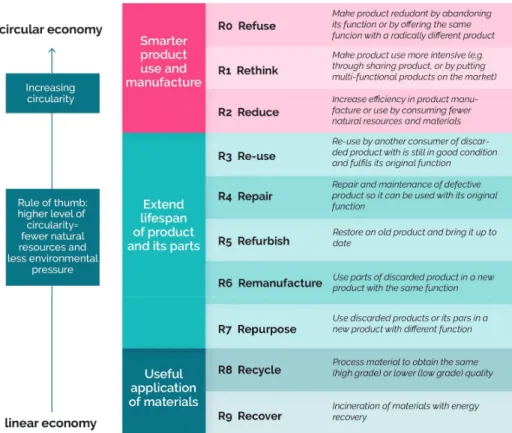
Within the bioeconomy, materials are, to a certain extent, circular by nature. However, biomaterials may be also used in a rather linear way. Lately, a transition towards a circular economy has been promoted worldwide. In brief, circular business models are targeting the establishment of a more restorative and—at the same time—regenerative system, where material inputs, energy use, waste production, and emissions to the natural environment are minimized, if not eradicated, by narrowing and closing material and energy loops. The aim is to efficiently utilize materials by extracting the maximum value from them whilst in use, providing yield for as long as possible, and recovering their residual values at the end of their useful lifetimes [4,5]. In this context, a circular economy offers an alternative model aimed at “doing more and better with less” on a life cycle basis (life cycle thinking), in contrast to the traditional linear model that is based on the “take—make—dispose”
production and consumption strategies.
More specifically, circularity is based on the idea of redistributing matter and energy in an effort to diminish the need for new inputs in supply chains. The concept lies in maintaining the value of products, materials, and resources for as long as possible and, at the same time, minimizing, or even eliminating, the amount of waste produced. This can be achieved only through the application of modifications to the design of products or services, so as to increase their useful lifetimes, upgrade their maintainability (e.g., through the adoption of the Design for Disassembly approach), support their reuse potential, either as a full product or partially, with the refurbishment and reuse of their components, while also improve recyclability and upcycling.
Focused on the “closing the loop” philosophy, the circular economy is a practical solution for promoting entrepreneurial sustainability, economic growth, environmental resilience, and a better quality of life for all. The most efficient way to close resource loops is to find value in the waste [6].
In this light, nothing is regarded as waste; on the contrary, everything is viewed as a resource with a residual value that can be reintroduced and exploited within the same or a different supply chain.
In practice, a number of different modes of resource circulation may be applied. Closing the loop can be applied to raw materials, by-products, human resources, logistics, services, waste, energy, and water.
Sustainability2020,12, 10142; doi:10.3390/su122310142 1 www.mdpi.com/journal/sustainability
Sustainability2020,12, 10142
The benefits that derive from the adoption of circular economy models are critical towards economic development and public prosperity. In particular, the application of circular economic models reduces the requirements for raw materials, water use, and energy dependency, creating significant savings by better controlling and reducing operational costs, thus improving business competitiveness. Moreover, such models typically result in the upgrade of supply chain security since organizations are far less dependent on external inputs. Apart from the economic benefits, the adoption of circular economy models also results in significant environmental and social benefits, enhancing sustainability. The extraction of raw materials, waste quantities, and emissions are minimized, decreasing the pressure imposed on the natural environment; greenhouse gas emissions are abated, contributing to internationally agreed-upon policies against climate change and global warming;
employment opportunities arise in newly established sectors, while new business opportunities are formed through the development of novel products and services that link the output and waste of one entity to the required input for another [7–11].
At an international level, circularity has been expanded relatively recently. Although initially coined as a term in the 1970s, the circular economy attracted the intensified interest of major, multinational producers and policymakers only during recent years. Across the world, key stakeholders are eager to shift from linearity to circularity, primarily in order to enhance the competitiveness of the business environment under strict restrictive environmental conditions and a fast technological transformation [12,13]. The introduction of circular economy models lies mostly on four key action areas, namely primary and industrial production, consumption of goods, management of waste, and exploitation of secondary raw materials. Currently, circularity is widely applied primarily to business sectors, such as the plastics industry, the raw materials sector, the construction (and demolition) industry, as well as to the food industry, and fields related to the bioeconomy, such as the production of biomass and bio-based products [14]. The increasingly stricter environmental legislation and policies at an international level, together with prevailing “green” initiatives worldwide, have triggered the necessity for the development of a circular ecosystem on a global scale. To that end, policy and legal frameworks have been established in more and more countries in the developed and the developing world, in the effort to support the exploitation of waste, its reuse, refurbishment, or recycling and reintroduction to similar or other supply chains and production processes.
Of course, the adoption of circular economy models requires collective effort and teamwork.
No single organization or enterprise can efficiently apply circular economy practices on their own.
The circular economy is highly dependant on the exchange of knowledge and experiences between stakeholders, while thriving on business networks and the application of industrial symbiotic practices.
In this context, the only path for each entity to succeed in minimizing waste and exploiting secondary resources includes cooperation with other players who have a similar mentality and seek work in the same direction, or better yet, are already a few steps ahead.
Undoubtedly, the predominance of the circular economy in the field of bioeconomy requires the active involvement of all types of stakeholders within the quadruple helix, namely government, industry, academia, and civil society [15–17]. Moreover, the prevalence of circular business models over linear ones necessitates the adoption of multidisciplinary scientific and technical approaches [18].
This Special Issue aims to bring to light novel production systems, innovative design processes, and pioneering engineering advancements. The thirteen (13) articles that are published in the Special Issue efficiently contribute to the circular bioeconomy agenda through enhanced scientific and multidisciplinary knowledge. It is evident that contributions related to innovative technical developments, reviews, and case studies effectively boost the performance efficiency of circular business models, and support decision-making within the field of green, closed-loop, circular bio-economies.
In brief, the contributions span around topics related to sustainability, agri-business, life cycle thinking, green production, reverse logistics, waste management, bioresources, bioenergy, and a bioeconomy.
The thematic areas that are discussed within the Special Issue cover views and attitudes on a bioeconomy,
2
Sustainability2020,12, 10142
policymaking and decision-making in the circular economy, social issues related to the topic, and also reviews and secondary sources that synthesize and analyze research already conducted in the field.
More specifically, three (3) articles included in the Special Issue deal with “views and attitudes on the bioeconomy”. In particular, Purwestri et al. conducted a preliminary assessment of a survey utilized in the Czech Republic on the bioeconomy, as part of a nationwide relevant survey [19].
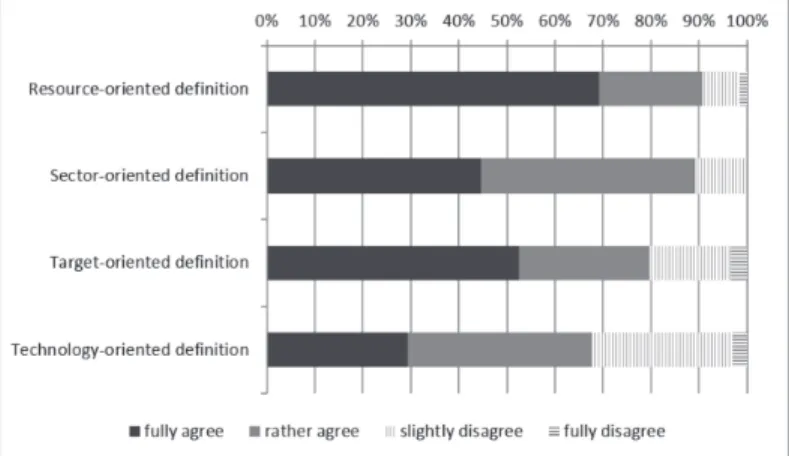
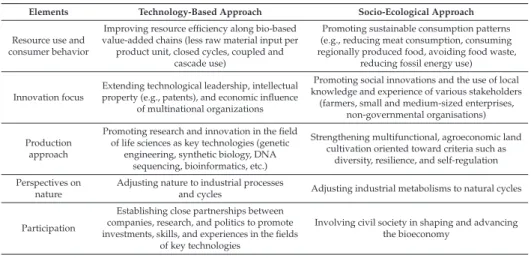
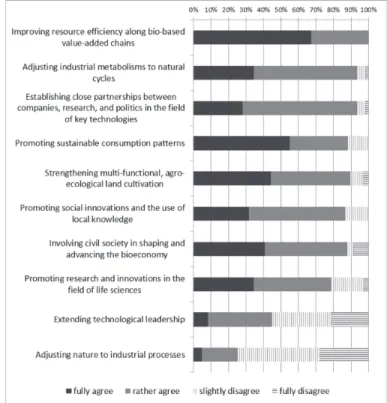
The article focuses on wood and non-wood forest products. The work aims to provide an initial evaluation regarding the use of forest products and related factors, and to make recommendations on developing wood consumption and promoting other forest ecosystem services for the adoption of a forest bioeconomy strategy in the Czech Republic. The survey revealed the challenge to switch the practice from using fossil-based heating to a wood boiler energy source. Moreover, turning wood into products with a high added-value is highly recommended. The promotion of wood and non-wood forest products is encouraged, starting with increasing awareness and knowledge of the strength of the forest-based sector as a renewable energy resource and the importance of forest ecosystem services, using different channels as sources of information. On a similar topic, Priefer and Meyer examine the way that scientists think about the concept of a bioeconomy in Germany [20]. In this work, an online survey was carried out among scientists involved in a regional bioeconomy research program in southern Germany in order to gain insight into their understanding of a bioeconomy. Moreover, the survey provided information about cooperation and major challenges in the future development of three biomass utilization pathways: biogas, lignocellulose, and microalgae. The analysis showed that a resource-oriented understanding of a bioeconomy is favored. The political objectives for a European bioeconomy are widely accepted, and it is expected that ongoing research can significantly contribute to achieving these goals. The two different pathways for shaping the bioeconomy that are discussed in the debate—the technology-based approach and the socio-ecological approach—are considered compatible rather than contrary. Within the same topic, Fiore et al. present the key findings of the InnovaEcoFood project, which focuses on the use of by-products of the Piedmontese rice and wine production chains to valorize their untapped potential in the food sector by identifying how value could be created from the waste [21].
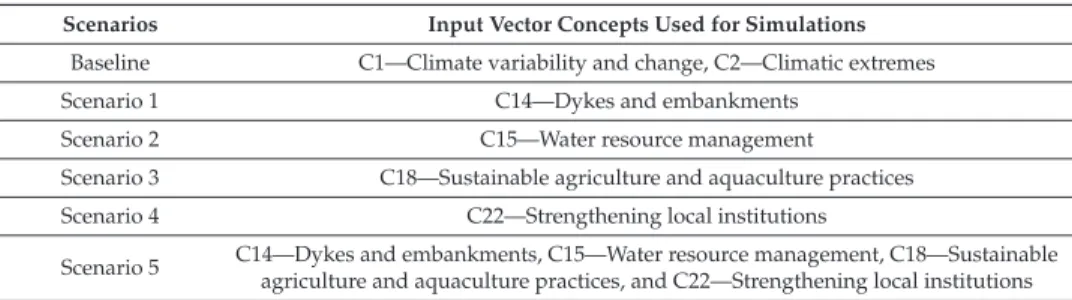
An additional six (6) contributions are related to the thematic area of “policymaking and decision-making” in the field of the circular economy. In particular, Singh et al. evaluate the effectiveness of climate change adaptations in the Sundarbans, the world’s largest coastal river delta and the largest uninterrupted mangrove ecosystem [22]. With the use of a fuzzy cognitive maps-based approach, the authors aim to elicit and integrate stakeholders’ perceptions regarding current climate forcing, consequent impacts, and efficacy of the existing adaptation measures.
The simulations revealed that while existing adaptation practices provide resilience to an extent, they are grossly inadequate in the context of providing future resilience, and adaptations may not be entirely transformative in such a fragile ecosystem. According to the authors, measures that are likely to enhance adaptive capabilities of the local communities include those involving gender-responsive and adaptive governance, human resource capacity building, commitments of global communities for adaptation financing, education and awareness programs, and embedding indigenous and local knowledge into decision making.
Ovezikoglou et al. focus on the funding mechanisms of circular interventions and specifically on the development of a novel methodological scheme for the sustainability assessment of alternative investments with the use of indicators, based on a Multiple Criteria Methodological Framework [23].
A number of alternative indicators are proposed, assessed over four criteria (environment, society, economy, and technology), and hierarchized in order to select the optimal bundle to be used for the assessment of future industrial investments. The analysis results in the fact that “Resource Savings”
is the criterion that optimally characterizes the sustainability of an investment in a bioeconomy, coupled with “Recycling” and “Research, Innovation, Development” indicators.
Anagnostis et al. turned their attention to the application of artificial neural networks for natural gas consumption forecasting [24]. The study explores different types of neural network approaches
3
Sustainability2020,12, 10142
for forecasting natural gas consumption in cities across Greece. A comparative analysis is conducted between the selected networks, in an effort to better understand individual locations’ characteristics and public habitual patterns.
Kyriakarakos et al. propose a paradigm shift in rural electrification investments in Sub-Saharan Africa through agriculture [25] Since a large number of people around the world still do not have access to electricity, private sector investments and new innovative business models are required. In this direction, microgrid electrification in rural areas with the active involvement of agriculture-related businesses is proposed by the authors, and financing of such activities is investigated in the specific work. The analysis results in the fact that the high costs of rural electrification can be met through the increased value of locally produced products. At the same time, cross-subsidization can take place to decrease the cost of household electrification.
The work of Katchova and Sant’Anna puts emphasis on the location of ethanol plants and the impact of that decision on corn revenues for U.S. farmers [26]. Specifically, the opening of an ethanol plant may increase local demand for corn, pressuring increases in the local corn basis. The question that is answered in this manuscript is what the effect of location on corn contract prices and revenues is.
The authors conclude that policymakers should focus their resources on promoting greater efficiency in corn production to boost farmers’ revenues.
Chastain concentrates on ammonia volatilization losses during the irrigation of liquid animal manure [27]. Ammonia loss resulting from land application of liquid animal manure varies depending on the composition of the manure and the method used to apply manure to cropland. High levels of ammonia volatilization result in an economic loss to the farmer, based on the value of the nitrogen, and have also been shown to be a source of air pollution. Using irrigation as a method of applying liquid manure to cropland has generally been accepted as a method that increases the volatilization of ammonia. Through measurements, and in line with previous studies on irrigation performance, Chastain concludes with the fact that volatilization losses during irrigation were not found to be statistically significant, and evaporation losses were small.
Within the topic of “social issues” related to bioeconomy, two (2) articles have been published.
Papageorgiou et al. propose a fuzzy cognitive map-based sustainable socio-economic development plan for rural communities [28]. Specifically, fuzzy cognitive maps are recommended to be employed by policymakers—as a powerful and easy-to-use tool for representing complex systems—in order to keep human activities within a safe limit of the planetary boundaries. The work studies a complex phenomenon of poverty eradication and socio-economic development strategies in rural areas in India, and various scenarios examining the economic sustainability and livelihood diversification of poor women in rural areas were performed. With a similar concept, Bochtis et al. extensively discuss the agricultural workforce crisis in light of the recent COVID-19 pandemic, which seriously affected the agricultural workforce and jeopardized food security [29]. The work aims at assessing the COVID-19 pandemic impacts on agricultural labor and suggests strategies to mitigate them. Following an analytic research methodology related to the benchmarking of risks to agricultural workers by individual tasks within agricultural production, depending on a number of key criteria, the authors conclude that a series of control measures need to be adopted so as to enhance the resilience and sustainability of the sector, as well as to protect farmers with physical distancing, hygiene practices, and personal protection equipment.
There are also two (2) review articles that contribute to the topic. Lampridi et al. propose a methodological framework for the systematic literature review of agricultural sustainability studies [30].
The framework synthesizes all the available literature review criteria and introduces a two-level analysis facilitating systematization, data mining, and methodology analysis. The proposed framework is validated for the systematic review of 38 crop agricultural sustainability assessment studies at the farm level within the last decade. Moreover, Angelopoulou et al. review the progress made in the last decade in respect to laboratory and proximal sensing spectroscopy in the visible and near infrared and shortwave infrared (VNIR–SWIR) wavelength region for soil organic carbon and soil organic
4
Sustainability2020,12, 10142
matter estimation as an alternative to analytical chemistry measurements [31]. The results of over fifty selective studies are critically discussed and the factors that affect the accuracy of spectroscopic measurements for both laboratory and in situ applications are analyzed.
It is the editors’ strong belief that the material included in the present Special Issue bridges part of the gap between the bioeconomy on one hand and green supply chains, closed-loop systems, and the circular economy on the other. As thoroughly discussed in this editorial, as well as in the contributing manuscripts that are included in the Special Issue, the only efficient way to close resource loops is to find value in the waste. It is evident that shifting from conventional, linear business modules to circular ones is a prerequisite for sustainable development and the achievement of the internationally acknowledged Sustainable Development Goals.
Author Contributions:Conceptualization: C.A. and D.B.; Writing—original draft preparation C.A. and D.B.;
Writing—review and editing: C.A. and D.B. All authors have read and agreed to the published version of the manuscript.
Funding:This research received no external funding.
Conflicts of Interest:The authors declare no conflict of interest.
References
1. Aguiar, A.P.D.; Collste, D.; Harmáˇcková, Z.V.; Pereira, L.; Selomane, O.; Galafassi, D.; Van Vuuren, D.;
Van Der Leeuw, S. Co-designing global target-seeking scenarios: A cross-scale participatory process for capturing multiple perspectives on pathways to sustainability.Glob. Environ. Chang. 2020,65, 102198.
[CrossRef]
2. Shrivastava, P.; Stafford Smith, M.; O’Brien, K.; Zsolnai, L. Transforming Sustainability Science to Generate Positive Social and Environmental Change Globally.One Earth2020,2, 329–340. [CrossRef]
3. Nyam, Y.S.; Kotir, J.H.; Jordaan, A.J.; Ogundeji, A.A.; Adetoro, A.A.; Orimoloye, I.R. Towards Understanding and Sustaining Natural Resource Systems through the Systems Perspective: A Systematic Evaluation.
Sustainability2020,12, 9871. [CrossRef]
4. Banias, G.; Achillas, C.; Vlachokostas, C.; Moussiopoulos, N.; Stefanou, M. Environmental impacts in the life cycle of olive oil: A literature review.J. Sci. Food Agric.2017,97, 1686–1697. [CrossRef] [PubMed]
5. Tsarouhas, P.; Achillas, C.; Aidonis, D.; Folinas, D.; Maslis, V. Life Cycle Assessment of olive oil production in Greece.J. Clean. Prod.2015,93, 75–83. [CrossRef]
6. Achillas, C.; Moussiopoulos, N.; Karagiannidis, A.; Banias, G.; Perkoulidis, G. The use of multi-criteria decision analysis to tackle waste management problems: A literature review.Waste Manag. Res. 2013, 31, 115–129. [CrossRef]
7. Jarosch, L.; Zeug, W.; Bezama, A.; Finkbeiner, M.; Thrän, D. A Regional Socio-Economic Life Cycle Assessment of a Bioeconomy Value Chain.Sustainability2020,12, 1259. [CrossRef]
8. Bochtis, D.D.; Sørensen, C.G.; Busato, P.; Berruto, R. Benefits from optimal route planning based on B-patterns.
Biosyst. Eng.2013,115, 389–395. [CrossRef]
9. Rodias, E.; Berruto, R.; Busato, P.; Bochtis, D.; Sørensen, C.G.; Zhou, K. Energy savings from optimised in-field route planning for agricultural machinery.Sustainability2017,9, 1956. [CrossRef]
10. de Schutter, L.; Giljum, S.; Häyhä, T.; Bruckner, M.; Naqvi, A.; Omann, I.; Stagl, S. Bioeconomy Transitions through the Lens of Coupled Social-Ecological Systems: A Framework for Place-Based Responsibility in the Global Resource System.Sustainability2019,11, 5705. [CrossRef]
11. Rodias, E.C.; Lampridi, M.; Sopegno, A.; Berruto, R.; Banias, G.; Bochtis, D.D.; Busato, P. Optimal energy performance on allocating energy crops.Biosyst. Eng.2019,181, 11–27. [CrossRef]
12. Duquet, B.; Brunelle, C. Subcentres as Destinations: Job Decentralization, Polycentricity, and the Sustainability of Commuting Patterns in Canadian Metropolitan Areas, 1996.Sustainability2020,12, 9966. [CrossRef]
13. Marinoudi, V.; Sørensen, C.G.; Pearson, S.; Bochtis, D. Robotics and labour in agriculture. A context consideration.Biosyst. Eng.2019,184, 111–121. [CrossRef]
14. Tomaszewska, J. Polish Transition towards Circular Economy: Materials Management and Implications for the Construction Sector.Materials (Basel)2020,13, 5228. [CrossRef]
5
Sustainability2020,12, 10142
15. Feleki, E.; Vlachokostas, C.; Achillas, C.; Moussiopoulos, N.; Michailidou, A.V. Involving decision-makers in the transformation of results into urban sustainability policies.Eur. J. Environ. Sci.2016,6, 7–10. [CrossRef]
16. Marting Vidaurre, N.A.; Vargas-Carpintero, R.; Wagner, M.; Lask, J.; Lewandowski, I. Social Aspects in the Assessment of Biobased Value Chains.Sustainability2020,12, 9843. [CrossRef]
17. Dieken, S.; Venghaus, S. Potential Pathways to the German Bioeconomy: A Media Discourse Analysis of Public Perceptions.Sustainability2020,12, 7987. [CrossRef]
18. Barragán-Ocaña, A.; Silva-Borjas, P.; Olmos-Peña, S.; Polanco-Olguín, M. Biotechnology and Bioprocesses:
Their Contribution to Sustainability.Processes2020,8, 436. [CrossRef]
19. Purwestri, R.C.; Hájek, M.; Šodková, M.; Jarskỳ, V. How arewood and non-wood forest products utilized in the Czech Republic? A preliminary assessment of a nationwide survey on the bioeconomy.Sustainability 2020,12, 566. [CrossRef]
20. Priefer, C.; Meyer, R. One concept, many opinions: How scientists in Germany think about the concept of bioeconomy.Sustainability2019,11, 4253. [CrossRef]
21. Fiore, E.; Stabellini, B.; Tamborrini, P. A systemic design approach applied to rice and wine value chains.
The case of the innovaecofood project in piedmont (italy).Sustainability2020,12, 9272. [CrossRef]
22. Singh, P.K.; Papageorgiou, K.; Chudasama, H.; Papageorgiou, E.I. Evaluating the effectiveness of climate change adaptations in the world’s largest Mangrove Ecosystem.Sustainability2019,11, 6655. [CrossRef]
23. Ovezikoglou, P.; Aidonis, D.; Achillas, C.; Vlachokostas, C.; Bochtis, D. Sustainability assessment of investments based on a multiple criteria methodological framework.Sustainability2020,12, 6805. [CrossRef]
24. Anagnostis, A.; Papageorgiou, E.; Bochtis, D. Application of artificial neural networks for natural gas consumption forecasting.Sustainability2020,12, 6409. [CrossRef]
25. Kyriakarakos, G.; Balafoutis, A.T.; Bochtis, D. Proposing a paradigm shift in rural electrification investments in Sub-Saharan Africa through Agriculture.Sustainability2020,12, 3096. [CrossRef]
26. Katchova, A.L.; Sant’Anna, A.C. Impact of Ethanol plant location on corn revenues for U.S. Farmers.
Sustainability2019,11, 6512. [CrossRef]
27. Chastain, J.P. Ammonia volatilization losses during irrigation of liquid animal manure.Sustainability2019, 11, 6168. [CrossRef]
28. Papageorgiou, K.; Singh, P.K.; Papageorgiou, E.; Chudasama, H.; Bochtis, D.; Stamoulis, G. Fuzzy Cognitive Map-Based Sustainable Socio-Economic Development Planning for Rural Communities.Sustainability2019, 12, 305. [CrossRef]
29. Bochtis, D.; Benos, L.; Lampridi, M.; Marinoudi, V.; Pearson, S.; Sørensen, C.G. Agricultural workforce crisis in light of the COVID-19 pandemic.Sustainability2020,12, 8212. [CrossRef]
30. Lampridi, M.; Sørensen, C.; Bochtis, D. Agricultural Sustainability: A Review of Concepts and Methods.
Sustainability2019,11, 5120. [CrossRef]
31. Angelopoulou, T.; Balafoutis, A.; Zalidis, G.; Bochtis, D. From Laboratory to Proximal Sensing Spectroscopy for Soil Organic Carbon Estimation—A Review.Sustainability2020,12, 443. [CrossRef]
Publisher’s Note:MDPI stays neutral with regard to jurisdictional claims in published maps and institutional affiliations.
©2020 by the authors. Licensee MDPI, Basel, Switzerland. This article is an open access article distributed under the terms and conditions of the Creative Commons Attribution (CC BY) license (http://creativecommons.org/licenses/by/4.0/).
6
sustainability
Article
How Are Wood and Non-Wood Forest Products Utilized in the Czech Republic? A Preliminary Assessment of a Nationwide Survey on
the Bioeconomy
Ratna C. Purwestri, Miroslav Hájek *, Miroslava Šodkováand Vilém Jarský
Faculty Forestry and Wood Sciences, Czech University of Life Sciences Prague, Kamýcká 129, 16500 Praha 6–Suchdol, Czech Republic; purwestri@fld.czu.cz (R.C.P.); sodkova@fld.czu.cz (M.Š.); jarsky@fld.czu.cz (V.J.)
* Correspondence: hajek@fld.czu.cz; Tel.:+420-224-383-707
Received: 13 November 2019; Accepted: 8 January 2020; Published: 11 January 2020
Abstract:The Czech forests occupy 33.7% of the total country area; thus, wood and non-wood forest products (NWFPs) are important resources for the country. To date, the country has not adopted a forest bioeconomy strategy. A forest bioeconomy is defined as all activities that relate to the forest ecosystem services (FES). This study aimed to provide an initial evaluation regarding the use of forest products and related factors, and to make recommendations on developing wood consumption and promoting other FES for the adoption of a forest bioeconomy strategy in the country. The research study was part of a nationwide survey in June 2019. An online panel of 1050 respondents aged 18–65 years old was recruited based on a quota sampling procedure. Wood products were the most preferred material for furniture (96.3%) and building materials (46.3%). In total, 38.6% of Czech residents used wood as a source of energy, mostly in the form of firewood. It is challenging to switch the practice from using fossil-based heating to wood boiler energy source. The further development of wood into products with a high added value is recommended. Picking mushrooms and berries were among the popular activities in relation to NWFPs. The promotion of wood and NWFPs is encouraged, starting with increasing awareness and knowledge of the strength of the forest-based sector as a renewable energy resource and the importance of FES, using different channels as sources of information.
Keywords:forestry; wood; non-wood forest products; bioeconomy
1. Introduction
As a result of growing concerns about dependency on fossil-based energy-sources and their impact on climate change, as well as increasing awareness of and preference for sustainable production and consumption patterns, bioeconomy has become a significant solution. The European Commission (EC) defined the bioeconomy as an economy that “encompasses the production of renewable biological resources and their conversion into food, feed, bio-based products, and bioenergy”. Agriculture, forestry, fisheries, food, pulp, and paper production, as well as some of the chemical, biotechnological and energy industries, are expected to contribute to bioeconomy activities [1,2]. Many of the strategies were further developed to improve the national economy and create job opportunities, and at the same time manage the forest sustainably. In addition to the above definitions, Winkel [3] described the forest-based bioeconomy as
“all economic activities that relate to forests and forest ecosystem services, including biomass-based value chains and the economic utilization of other types of forest ecosystem services (FES)”.
Forest-based wood production is leading the way to renewable energy sources, which are part of a long tradition in European countries [4,5]. In addition to wood forest products, forests offer valuable
Sustainability2020,12, 566; doi:10.3390/su12020566 7 www.mdpi.com/journal/sustainability
Sustainability2020,12, 566
forest ecosystem services and other benefits for the well-being of the people [6]. The services provided include provisioning and regulating, as well as basic, supportive and cultural services. Provisioning services cover the products obtained from ecosystems, e.g., food, water, construction and firewood, and fiber, while regulating services cover the benefits obtained from the regulation of ecosystem services, such as erosion control, climate regulation, and precipitation. Cultural services are defined as all nonmaterial benefits obtained from the forest, including spiritual, aesthetic, religious, and recreational values, all of which contribute to our well-being, social and cultural functions. Forests also provide supporting services that are necessary for the production of all other ecosystem services, e.g., nutrient and water cycling, soil formation and retention, and photosynthesis. [6–14].
In the Czech Republic, forests cover about 2.7 million ha (33.7%) of the total country area, lower than all European Union (EU) countries together (40.3%) and Austria (45%), but comparable to the German forested landscape (±31%) [15–18]. Forests are an important part of Czech history and culture. Based on the 2017 Czech forest report, forestry (forestry and logging) and the wood processing industry’s shares accounted for 1.180% of the gross value added (GVA) at basic prices, not including the paper and furniture industries, which would add a contribution up to 2.018% of the GVA. The share of the forestry and wood processing industry alone was slightly lower than agriculture’s share (1.713%), indicating the importance of the forest-based sector in the country [19].
Due to a growing global concern to replace fossil-based fuels with renewable energy sources, the forest-based sector has become a backbone for bioeconomy strategy. A shift in wood production from weakly regulated forests toward sustainable forest management is accompanied by third-party certification, as promoted in forest strategies in EU countries like Finland, Sweden, Germany, and Austria, that has changed the demand for wood in these regions. In 2014, Sweden became the top producer of primary wood products among EU countries by approximately 70 million m3, followed by Finland (±57 million m3) and Germany (about 54 million m3), while the Czech Republic and Austria contributed about 15 and 17 million m3, respectively [20]. The Czech Republic was also named as one of the main roundwood exporter countries in 2016 [21]. In 2017, timber production in the Czech Republic resulted in 19,387 million m3, of which roundwood production amounted to 11,488 million m3. Most of timber production, including softwood–roundwood, and pulpwood, is exported, mainly to Austria and Germany, for further processing. However, the supply for sawmills and pulp mills in some regions is still insufficient, and this has caused the country to import from Slovakia, Germany, and Poland [19,22].
Although the bioeconomy strategy has not been mentioned in the Czech National Forest Programme (NFP) [16], bioeconomy has been mentioned in the 2018 draft strategy of the Ministry of Agriculture (MoA). In addition to timber production as one of the fundamental priorities in the Czech forest-based sector, non-wood products, like forest fruits and mushrooms, are also considered important FES [22]. Thus, it is important to provide a view of the current situation of forest products’
utilization and preferences by the Czech public. The results can be used to inform policymakers and other stakeholders to offer better understanding, and as a baseline to make recommendations on further actions for the adoption of the forest bioeconomy strategy and the promotion of FES.
2. Materials and Methods 2.1. Study Area
The Czech forests cover about 33.7% of the total country area. In 2017, 71.9% of the total Czech forests consisted of coniferous trees, 50.3% of them being Norway spruce (Picea Abies). Deciduous trees, such as beech (8.4%) and oak (7.2%), covered 27% of the total forested region, and the rest (1.1%) was forested land without trees [19].
8
Sustainability2020,12, 566
2.2. Design of the Study
The research study was part of a nationwide survey. The survey itself was part of the “Advanced research supporting the forestry and wood-processing sector’s adaptation to global change and the 4th industrial revolution” and the “Diversification of the Impact of the Bioeconomy on Strategic Documents of the Forestry-Wood Sector as a Basis for State Administration and the Design of Strategic Goals”
research project. The study was carried out in June 2019 in co-operation with an external market research company, REMMARK, a.s (Prague, Czech Republic). The company used the computer-assisted web interviewing (CAWI) technique to recruit the online respondents. No private information was required, and the respondents were anonymous. The online participants aged 18–65 years were recruited proportionally based on age, sex, education level, region, and village size. This technique generates emails and sent the questionnaires to the potential respondents based on the company’s list through different online platforms, (e.g., Yahoo email). We have no information on the number of sent-out questionnaires. The survey was terminated after reaching the minimum required sample size. All returned questionnaires were included in the analysis (100%). The respondents were asked to answer a closed-ended questionnaire consisting of socio-demography characteristics and information on FES utilization. Additional information could be written/typed, in order to explain the answer option “others”. The answers were later grouped and coded for further analysis.
2.3. Data Analysis
Descriptive data for the general characteristics of the respondents were used for single traits.
Frequencies were presented by absolute numbers and their proportions. A group comparison of traits that determine the FES was made via a chi’s square test or the Fischer exact test for categorical data.
The age of the respondents was checked against an expected normal distribution using quantile-quantile (Q-Q) plot.
The target respondents of the survey were within a productive age. The age of the respondents was categorized as 18–24 (youth employment), while 25–54 and 55–65 years were defined as prime and mature working age, respectively [23,24]. The education levels of the respondents were categorized as elementary school, secondary school without official graduation or with vocational training (secondary school/vocational training), graduated from high school, or university level. In this article, the place of residence was grouped based on region. To fulfill further data analysis, we combined the respondents that never visited the forest with those who went one or two times per year and created a dummy variable of 0=frequent visitors and 1=never/rarely. The frequency of forest visits is considered as one of the indicators of utilization of FES.
Two scoring systems were used to define the preferences and opinions of the respondents. The first method used five categorizations of opinions as follows:
(1) Certainly not;
(2) Rather not;
(3) Neither;
(4) Rather yes;
(5) Certainly yes.
The second method applied five degree of preferences, in which 1 (one) is most preferred and 5 (five) is least preferred.
Binary logistic regression with a forward stepwise approach was applied to identify potential predictors of the frequency of forest visits and utilization of forest products and ecosystem services.
The following covariates associated with the dependent variables were included in the initial model:
age, education level, and characteristics of the place of residence.
To designate the statistical significance in all analyses, ap-value of less than 0.05 was used.
Statistical analysis was performed using IBM SPSS statistics version 25 (IBM Corp., Armonk, NY, USA).
9
Sustainability2020,12, 566
3. Results
In total, 1050 respondents age 18–65 years were recruited in the study. As the samples were proportionally drawn by population size per region and village, the proportions of the residential locations of our respondents were similar to the national statistics office [25].
3.1. Forest Visitor General Characteristics
Respondents to the survey were from different education levels and age groups, of people aged between 18 and 65 years (Table1). Respondents at the elementary school level were mostly from the younger age group. The respondents’ data on education levels were similar (p=0.373) to those from the Czech statistics office in 2011. The proportion of Czech citizens who graduated from elementary, secondary school without official graduation, high school, and university level that were reported by the national statistics office were 17.2%, 33%, 27.1%, and 12.5%. [26].
Table 1.General characteristics of the respondents (N=1050).
Characteristics Percentage (n) or Mean±sd (Min–Max)
Gender (female) 49.2 (517)
Age (years), 42.4±13.5 (18–65)
Age group
- 18–24 years 10.0 (105)
- 25–54 years 65.4 (687)
- 55–65 years 27.0 (283)
Education level
- Elementary school 10.4 (109)
- Secondary school/vocational training 37.7 (396)
- High school graduates 36.3 (381)
- University 15.6 (164)
Place of residential (region)
- Prague (capital city) 13.9 (146)
- Bohemia 53.5 (562)
- Moravia 32.6 (342)
Size of the city
- up to 1000 inhabitants 16.2 (170)
- 1001–5000 inhabitants 20.8 (218)
- 5001–20,000 inhabitants 18.2 (191)
- 20,001–100,000 inhabitants 21.5 (226)
- >100,000 inhabitants 23.3 (245)
Frequency of forest visits
- Several times/week 17.0 (178)
- Once a week 27.0 (283)
- Once a month 33.2 (349)
- One or two times/year 21.8 (229)
- Never 1.0 (11)
The majority of respondents reported that they visited the forests regularly (about 77.1%), 21.8% of them admitted they rarely went to a forested region (one or two times per year), and only 1.0% of them never visited the forest. Those who had never visited the forest came from lower education levels (three from elementary and eight persons from secondary school/vocational training), aged between 25–54 years.
When we used binomial groups of forest visitors (0=frequently, 1=never and one or two times per year) and correlated the groups with other characteristics of the respondents, we found that significantly more people visited forests regularly across the regions than those who never went or went once or twice per year (p=0.048). However, 46.7% of respondents from secondary school/vocational training graduates were found to be in the group of never to rarely visiting the forest, which was significantly higher than other groups of education levels (p=0.004). Binary logistic regression revealed
10
Sustainability2020,12, 566
the predictor of secondary school/vocational training were about 1.6-fold more likely (95% confidence limit of 1.21–2.17) to rarely to never visit the forest (p=0.001).
3.2. Wood-Based Forest Products
In total, 46.3% of respondents considered that wood is a better material for building construction than other non-wood materials. The reasons for selecting wood as a material used in building construction are presented in Figure1. The major positive reasons were its short preparation and environmentally-friendly material, followed by it being an energy saver and having a reasonable price.
In contrast, its short lifespan and non-fireproof material prevented respondents from selecting wood as a building material.
: Reasons for selecting wood as a building material (n = 1050) : Preferences of furniture material (n = 1050)
: Type of wood preferences for source of energy (n = 450)
ϰ͘Ϯ ϰ͘Ϭ ϯ͘ϵ ϯ͘ϳ ϯ͘ϳ ϭ͘ϲ
ϯ͘ϰ Ϯ͘ϵ Ϯ͘ϴ Ϯ͘ϱ
ϯ͘ϴ ϯ͘ϭ Ϯ͘ϲ Ϯ͘ϲ Ϯ͘ϰ Ϯ͘ϯ Ϯ͘Ϯ
ϭ͘Ϭ Ϯ͘Ϭ ϯ͘Ϭ ϰ͘Ϭ ϱ͘Ϭ
Sawdust Branches Pellets Briquettes Wood chips Firewood Plastic Glass Metal Wood Fire resistant Longer lifespan Thermal insulation Reasonable price Need less energy Environmental friendly Short preparation
most preferred least preferred
Figure 1. Reasons for selecting wood as a building materials (n=1050), preferences of furniture material (n=1050), and type of wood preferences for source of energy (n=450).
Woods are the most preferred material for furniture over metal, glass, and plastic. As many as 96.3% of the respondents answered with a score of one (1) or two (2) for a preference of wood materials.
In total, 38.6% (n=405) of the respondents were users of fireplaces, wood stoves/burners, or wood boilers. Firewood was the most favoured, while sawdust was the least preferred compared to other types of fuelwood (Figure1).
3.3. Selected Non-Wood Forest Products Utilization
In this study we used the terminology of non-wood forest products based on the Food and Agriculture Organization (FAO) definition that excludes all woody raw materials [27]. Table2presents
11
Sustainability2020,12, 566
information about the NWFPs’ utilization by the respondents and/or their family members. Mushrooms were the most favoured NWFPs (58.5% and 27.4% of the respondents certainly and rather used them, respectively), followed by forest berries. Forest herbs and flowers were among the least utilized NWFPs. The preferences were similar across age groups and education levels.
Table 2.Utilization of non-wood forest products.
Non-Wood Forest Products
Utilization
% (n)
(N=1050) 1
(Certainly Not) 2 (Rather Not)
3 (Neither)
4 (Rather Yes)
5 (Certainly Yes)
Mushrooms 2.5 (26) 3.5 (37) 8.1 (85) 27.4 (288) 58.5 (614)
Berries 2.8 (29) 6.6 (69) 12.1 (127) 30.7 (322) 47.9 (503)
Forest honey 15.6 (164) 15.6 (164) 19.1 (201) 27.0 (284) 22.6 (237) Forest herbs 9.1 (96) 23.7 (249) 24.6 (258) 23.5 (247) 19.0 (200) Forest flowers 26.6 (279) 27.1 (285) 18.8 (197) 16.5 (173) 11.0 (116)
In total, 46.7% of the respondents reported that they did not consume meat from game animals, followed by 18.6% and 21.4% of them, who consumed it less than two times and two to four times per year, respectively. A few of the respondents reported the frequent consumption of game animals of five to eleven times per year (7.1%), once a month (3.7%), and more than once a month (2.5%).
Among respondents who utilized NWFPs, gender played a role in their preferences.
Female respondents utilized herbs (54.6%) and flowers (54.7%) significantly more than male respondents (45.4% and 45.3%, respectively). Additionally, more male respondents were engaged in the consumption of game animals. The youngest age group and elementary school graduates were major forest flower collectors for decoration.
3.4. Sources of Information
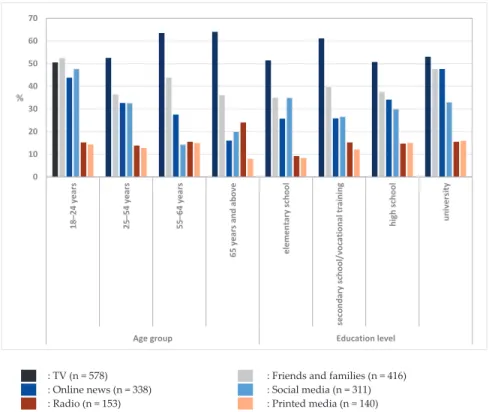
The main sources of information about forests were collected to identify the means of communication utilized by the respondents. We discovered that television (55%), followed by friends and families (39.6%), were the main sources of information. Online news (32.2%) was used as a source of information in almost the same proportion as social media (29.6%). Radio and printed media as two conventional sources of news were still used by 14.6% and 13.3% of people in the country, respectively. Out of 4.4% (n=46) of respondents who reported gathering information about forests from other sources, almost half of them (n=20) said they had gained it from their own experiences after visiting the forest, followed by seven respondents who had obtained it from an official forestry website.
When correlating age and education level with source of information, the proportion of TV viewers (n=578) was dominant across all age groups and education levels (Figure2). The young age group of 18–24 years old, and respondents with a higher education level, were the major users of all of the provided sources of information.
Especially within older age groups of respondents, the preference for receiving information from TV was more than 60%. A high proportion of respondents of secondary school/vocational training were TV viewers (61.1%). The majority of respondents within the age group of 18–54 years utilized online news and social media as their primary sources of news. Among users, male respondents (56.5%) were online media readers (p=0.012), while the women were social media users (55%,p=0.018).
Peer groups and families were considered an important source of information, especially within the age group of 18–24 years old. Although radio and printed media were at the bottom two of the sources, retired respondents still considered radio as an important information provider.
12
Sustainability2020,12, 566
: TV (n = 578) : Friends and families (n = 416)
: Online news (n = 338) : Social media (n = 311)
: Radio (n = 153) : Printed media (n = 140)
Ϭ ϭϬ ϮϬ ϯϬ ϰϬ ϱϬ ϲϬ ϳϬ
ϭϴʹϮϰLJĞĂƌƐ ϮϱʹϱϰLJĞĂƌƐ ϱϱʹϲϰLJĞĂƌƐ ϲϱLJĞĂƌƐĂŶĚĂďŽǀĞ ĞůĞŵĞŶƚĂƌLJƐĐŚŽŽů ƐĞĐŽŶĚĂƌLJƐĐŚŽŽůͬǀŽĐĂƚŝŽŶĂůƚƌĂŝŶŝŶŐ ŚŝŐŚƐĐŚŽŽů ƵŶŝǀĞƌƐŝƚLJ
ŐĞŐƌŽƵƉ ĚƵĐĂƚŝŽŶůĞǀĞů
й
Figure 2.Sources of information based on age group and education level.
4. Discussion
As the main forest product, woods are utilized for different purposes, for instance roundwood for industrial purposes, pulp and paper, housing, and furniture material. [28]. Wood for building materials, furniture, and energy sources were considered to be commonly used in the Czech Republic [19].
Between the years 2000 and 2018, the Czech statistical office reported an increased trend (up to 15%) in wooden house/building constructions [29]. In this survey, 46.3% of the respondents reported that they considered wood a better material for housing than other materials, due to the short duration of material preparation, its environmentally friendly factor, the reasonable price, and its thermal insulating character. In contrast, wood’s short lifespan and non-fireproof characteristics were in the bottom two of the reasons. Our results revealed that the strength and weakness of wood could either discourage or encourage customers to buy wood materials. By aiming to find solutions that could produce wood materials with a long lifespan, that are fireproof and sustainable at a reasonable price, wood consumption in the country can be improved. Additionally, the Czech statistical office also reported that utilization of wood as a furniture material (excluding kitchen furniture) in the country was similar over the years, especially 2017–2018 [30]. Our survey presented a preference for wood for furniture materials, which gives an opportunity for the development of value-added products in this sector, too. This can be seen also as a potential market for producers of the local wood furniture, with the caution of a potential change in consumption patterns from roundwood to, e.g., plywood furniture.
In 2015, the Czech statistical office reported that about 25% of utilized energy was from renewable resources. From 1995 to 2015, the trend of using energy from renewable resources nearly doubled.
Use of renewable energy source was mostly at household levels (66.5%), followed by industry (25.2%) and other sectors (8.3%) [31]. Wood as a renewable energy resource was used by 38.6% of our respondents. Firewood was the most preferred type of wood as a source of energy. The results
13
Sustainability2020,12, 566
imply that the simple use of wood as an energy source was still favourable. In this survey, we did not ask further questions regarding the respondents’ reasons for selecting an energy source at home.
About two million m3per capita of wood was used as a source of energy in the country, which was lower compared to the roughly twelve and six million m3users in Germany and Austria, respectively, indicating that it is challenging to change the practice of using a fossil-based heater to a wood boiler energy source.
Studies from Finland, Germany, and Austria reported growing economic activity in rural areas, which includes biomass-based value chains and the economic utilization of other types of FES [32–34].
In comparison to Austria and Germany (about 14,800 and 19,900 full-time equivalent (FTE), respectively), the country had 42,500 FTE employmen in forest-based sectors. However, the annual change rate of FTE decreased in the Czech Republic (−6.85%) [35]. In the Czech Republic, the number of employees in the forestry sector has systematically decreased in the last two decades, mainly due to low wages in this sector. This mainly concerns workers, and started to manifest itself negatively in the last two years in connection with the bark beetle outbreak. There is a lack of staffboth in logging activities (inability to remove infested trees within the legal deadline), and especially in planting activities (there are not enough workers to plant trees). Therefore, the promotion of production in the bioeconomy, and changing the consumption pattern of the Czech people in the future, could potentially improve the employment situation in the forest-based sector and its value chains. The new challenge is to launch a better use of biological renewable resources in the Czech Republic in a suitable form for the future of society in sustainable manner.
To date, only wood forest products are considered to provide significant economic value for the Czech forest owners. Through the adoption of the forest bioeconomy strategy, it is expected that other FESs will also be promoted. NWFPs, especially mushrooms and different varieties of berry, were important for the recreational activity and socio-economic value of the Czech public [36,37].
The Czech MoA [22] reported that mushrooms were the most picked NWFPs (21,900 kg per year), and, altogether, collected berries amounted to 17,000 kg per year. Our current study also found a similar trend in preferred NWFPs (mushrooms and berries), which suggests the importance of further promoting this FES. In this survey, we did not ask how the respondents obtained the NWFPs (e.g., self-picking or buying the berries, honey, etc.). However, we discovered the importance of the respondent’s gender and their preferred NWFPs, with women preferring more diverse NWFPs than men, such as collecting forest flowers and honey. In Switzerland, women were also reported as potential consumers of NWFPs [38].
In contrast, hoof game meat seemed to be of more interest for males compared to females.
The Czech statistical office reported that consumption of game meat was still considered to be low (1.2%
from the total consumed meat per year per capita). Additionally, the statistical office also reported an increasing trend of game animal consumption, from 0.5 kg per capita per year in 2006 to 0.9 kg in 2013 [39]. Game animals, such as wild boars and deer, are raised more naturally than livestock on a farm. The potential increase in game meat consumption due to hunting activities could cause problems in the forest, such as damage to the growth of young shoots. Additionally, the argument surrounding the function of hunting game as a recreational activity (e.g., getting a trophy, as a type of sport) and wildlife management [40] is an ongoing discussion among associated stakeholders in the Czech Republic, in addition to the problem of too high a stock of hoofed game [22].
By visiting the forests, the people utilize the recreation services of the forests. Access to the Czech forest is a public right. At the moment, there are no official data regarding the frequency of the forest visits of the Czech general population. However, concerning mushroom and berry picking, 90% of Czech visitors visited the forests at least once a year, of which 20% visited on a weekly basis [36].
Our study reported that a very high proportion (99%) of respondents aged 18–65 years visited the forest at least once per year (Table1), which was higher than the 90% of Czech forest visitors in 2005 [36]. The reason for this was probably due to the age range of our respondents, which was at a productive age, and not including those below 15 and above 65 years, who are less active and more
14