Click on the ad to read more Click on the ad to read more Click on the ad to read more. The finish on the kayaks looked uneven which was unusual and spoiled the look of the kayak.
Management functions
One of the big challenges for managers is exactly what was outlined above with Tasneem – the work is fragmented and constantly changing, even as the day progresses. If we look at the question, "what does a manager do?" the answer is not straightforward.
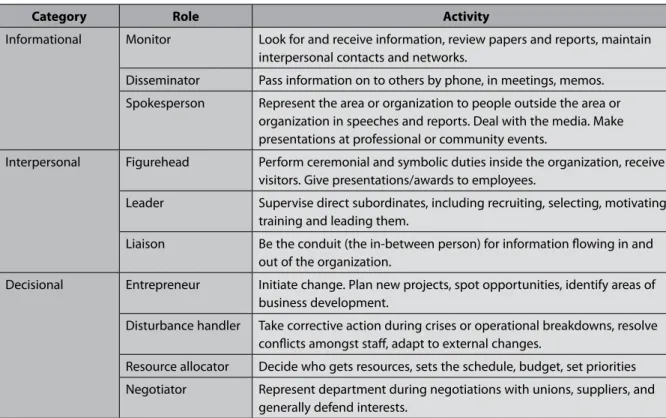
Management roles
The manager's job Organizing – managers have to figure out how many people are needed to get the jobs and tasks done. Monitoring – managers need to monitor what is happening in their environment to ensure that goals or objectives are being achieved.
Management skills
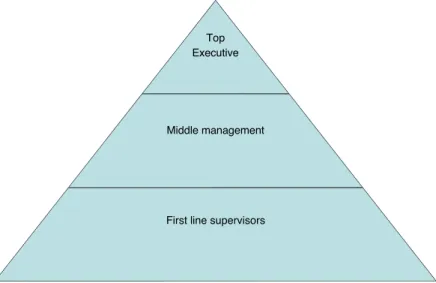
For example, a front-line (junior) supervisor is likely to be a resource allocator and a disturbance handler to a much greater extent than they will act as a figurehead. A Chief Executive Officer is likely to act more as a spokesperson and perhaps an entrepreneur than they will act as a monitor.
Not-for-profit note
A quote from Peter Drucker http://newlearningonline.com/new-learning/chapter-3-learning-for-work/peterdrucker-on-the-new-knowledge-manager/. Click on the ad to read more Click on the ad to read more Click on the ad to read more Click on the ad to read more Click on the ad to read more Click on the ad to read more.
STUDY AT A TOP RANKED
The Manager's job The second challenge is that the funding in a non-profit organization comes from completely different sources than a for-profit one. In the non-profit world, income comes in as a result of fundraising and/or it comes from government sources or other funding groups.
INTERNATIONAL BUSINESS SCHOOL
- Questions for the manager’s job
- Competitive advantage
- Strategic planning process
- SWOT analysis 3
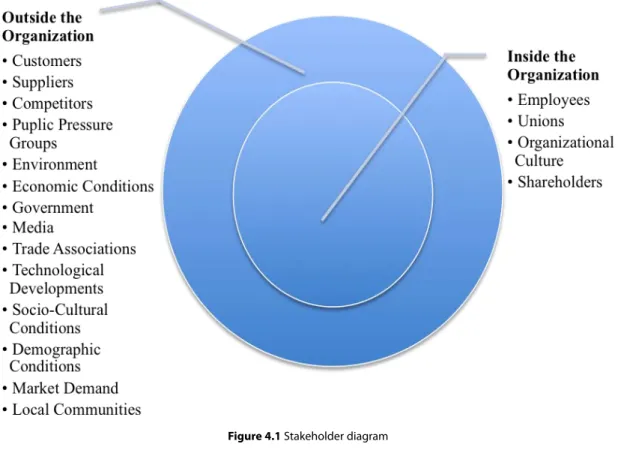
- Stakeholders
- Factors inside the organization
- Factors outside the organization
Click on the ad to read more. Click on the ad to read more. Click on the ad to read more. Click on the ad to read more. Click on the ad to read more. Click on the ad to read more. Click on the ad to read more. An important concept in implementing strategic planning is to determine which stakeholder groups influence the organization.
CLICK HERE
Grand Strategy
And here we turn to the work of Michael Porter to guide some of the discussion. In a combined strategy, one department of the company will follow one strategy and another department will follow another strategy.
Mission statements
For example, if a strategy is to develop a communication plan, then the lack of a communication plan should have been mentioned in the SWOT. Click on the ad to read more Click on the ad to read more Click on the ad to read more Click on the ad to read more Click on the ad to read more Click on the ad to read more Click on the ad to read more Click on the ad to read more Click on the ad to read more Click on the ad to read more.
Action/implementation plan
In achieving this mission, our vision is to be the leading, global, independent energy producer in North America. The organization has identified what is happening in their environment and can now move forward with specific action plans that should give them a competitive edge in the market.
Not-for-profit note
Strategic planning diagram
Questions for organizational planning section
They manufacture composite and plastic ocean kayaks that they sell to retail stores in North America and to distributors worldwide. Calm Seas needs to look back at their mission statement and then figure out what structure can best allow them to achieve this.
Structure follows strategy
Bureaucracy
Authority – staff and line
Their role is to assist managers and employees in line departments in HR activities. Click on the ad to read more Click on the ad to read more Click on the ad to read more Click on the ad to read more Click on the ad to read more Click on the ad to read more Click on ad to read more Click on ad to read more Click on ad to read more Click on ad to read more Click on ad to read more Click on ad to read more Click on ad to read more.
Bureaucratic structures
Click on the ad to read more Click on the ad to read more Click on the ad to read more Click on the ad to read more Click on the ad to read more Click on the ad to read more Click on ad to read more Click on ad to read more Click on ad to read more Click on ad to read more Click on ad to read more Click on ad to read more Click on ad to read more Click on the ad to read more. The need for excellent communication and coordination on the part of the President or CEO, as operations are literally distributed.
Disadvantages of a bureaucracy
Organization of the organization If there are many levels of management, there is a centralized decision-making style and an attitude that you do not go over the head of your boss, then this is an organization where communication and decision-making are slow. These problems exist not only from a communication and decision-making point of view, but also from the point of view of the new generation of employees coming up through the ranks.
Changing the bureaucratic structure
They don't want to be told they need multiple layers of signatures to do something. We can see that the "flattened" structure will improve communication and thus decision-making.
The rise of the “group” structure
Key issue – Calm Seas The remaining middle managers would act as co-coordinators between the groups.
Not-for-profit note
Checklist for Team or Group Effectiveness 5
Questions for organizing section
Click on the ad to read more Click on the ad to read more Click on the ad to read more Click on the ad to read more Click on the ad to read more Click on the ad to read more Click on the ad to read more Click on the ad to read more Click on the ad to read more Click on the ad to read more Click on the ad to read more Click on the ad to read more Click on the ad to read more Click on the ad to read more Click on the ad to read more Click on the ad to read more Click on the ad to read more. Click on the ad to read more Click on the ad to read more Click on the ad to read more Click on the ad to read more Click on the ad to read more Click on the ad to read more Click on the ad to read more Click on the ad to read more Click on the ad to read more Click on the ad to read more Click on the ad to read more Click on the ad to read more Click on the ad to read more Click on the ad to read more Click on the ad to read more Click on the ad to read more Click on the ad to read more Click on the ad to read more.
Leader vs. manager
Leadership theories
As the diagram shows, the manager presents the problem, gets suggestions, and then makes the decision. This is different from asking for input and then the manager chooses to do something else.
Knowing what kind of manager/leader to be
Motivation Theories and Concepts
What is important to understand here is that the good leader/manager must understand what motivates the employee and motivate him by keeping the employee's needs in mind. Click on the ad to read more Click on the ad to read more Click on the ad to read more Click on the ad to read more Click on the ad to read more Click on the ad to read more Click the ad to read more Click on the ad to read more Click on the ad to read more Click on the ad to read more Click on the ad to read more Click on the ad to read more Click on the ad to read more Click on the ad to read more Click on the ad to read more Click on the ad to read more Click on the ad to read more Click on the ad to read more Click on the ad to read more to read.
EXPERIENCE THE POWER OF FULL ENGAGEMENT…
Leadership in the organization As the terms intrinsic and extrinsic suggest, intrinsic motivation is that motivation that comes from a source within the individual, while extrinsic motivation is that motivation that comes from a source outside the individual. We would describe someone as intrinsically motivated if they derive their satisfaction from the knowledge of a job well done.
RUN FASTER
Content Theories of motivation
Theory Y manager believes that people are willing to work, are creative, independent and self-directed when they are properly motivated. Herzberg's motivation – Hygiene Theory – hygiene factors are extrinsic to the work (work environment, relationship with colleagues, supervisor and salary).
Process Theories of motivation
Maslow
SETASIGNThis e-book
- Expectancy Theory of Motivation explained in simple terms
- Equity Theory explained in simple terms
- What do employees want?
- Motivation summary
- Not-for-profit note
- Motivation exercise
- Questions on leadership/motivation section
- What does “control” mean?
- What kinds of controls?
- Measure what matters
- What will we monitor?
- Flowcharting
- Critical path planning
- Not-for-profit note
- Questions on the controlling function
Motivating the different generations in the workplace is one of the biggest challenges for managers. In this way, the activity is measured, monitored and put on track to achieve it. Workplace issues include monitoring employees' Internet use at work and the use of surveillance cameras to monitor employee behavior at work.