ch no lo gic al E co -In no va tio ns f or t he Q ua lit y C on tro l a nd t he D ec on ta m in ati on o f Po llu te d Wa te rs a nd S oil s as sim o Z ac ch in i a nd P ara s Ra nja n P uja ri
Technological Eco- Innovations for the Quality Control and the Decontamination
of Polluted Waters and Soils
Printed Edition of the Special Issue Published in Water
Massimo Zacchini and Paras Ranjan Pujari
Edited by
Quality Control and the Decontamination
of Polluted Waters and Soils
Quality Control and the Decontamination of Polluted Waters and Soils
Special Issue Editors Massimo Zacchini Paras Ranjan Pujari
MDPI•Basel•Beijing•Wuhan•Barcelona•Belgrade•Manchester•Tokyo•Cluj•Tianjin
Massimo Zacchini
Research Institute on Terrestrial Ecosystems, National Research Council of Italy
Italy
Paras Ranjan Pujari National Environmental Engineering Research Institute, Council of Scientific and Industrial Research India
Editorial Office MDPI
St. Alban-Anlage 66 4052 Basel, Switzerland
This is a reprint of articles from the Special Issue published online in the open access journalWater (ISSN 2073-4441) (available at: https://www.mdpi.com/journal/water/special issues/Polluted Waters Soils).
For citation purposes, cite each article independently as indicated on the article page online and as indicated below:
LastName, A.A.; LastName, B.B.; LastName, C.C. Article Title. Journal NameYear,Article Number, Page Range.
ISBN 978-3-03928-464-1 (Pbk) ISBN 978-3-03928-465-8 (PDF)
c 2020 by the authors. Articles in this book are Open Access and distributed under the Creative Commons Attribution (CC BY) license, which allows users to download, copy and build upon published articles, as long as the author and publisher are properly credited, which ensures maximum dissemination and a wider impact of our publications.
The book as a whole is distributed by MDPI under the terms and conditions of the Creative Commons license CC BY-NC-ND.
About the Special Issue Editors . . . vii Preface to “Technological Eco-Innovations for the Quality Control and the Decontamination of Polluted Waters and Soils”. . . ix Fabrizio Pietrini, Laura Passatore, Valerio Patti, Fedra Francocci, Alessandro Giovannozzi and Massimo Zacchini
Morpho-Physiological and Metal Accumulation Responses of Hemp Plants (Cannabis SativaL.) Grown on Soil from an Agro-Industrial Contaminated Area
Reprinted from:Water2019,11, 808, doi:10.3390/w11040808 . . . 1 Gordana Meduni´c, Prakash Kumar Singh, Asha Lata Singh, Ankita Rai, Shweta Rai, Manoj Kumar Jaiswal, Zoran Obrenovi´c, Zoran Petkovi´c and Magdalena Janeˇs
Use of Bacteria and Synthetic Zeolites in Remediation of Soil and Water Polluted with Superhigh-Organic-Sulfur Raˇsa Coal (Raˇsa Bay, North Adriatic, Croatia)
Reprinted from:Water2019,11, 1419, doi:10.3390/w11071419 . . . 11 El˙zbieta Mierzejewska, Agnieszka Baran, Maciej Tankiewicz and Magdalena Urbaniak
Removal and Ecotoxicity of 2,4-D and MCPA in Microbial Cultures Enriched with Structurally-Similar Plant Secondary Metabolites
Reprinted from:Water2019,11, 1451, doi:10.3390/w11071451 . . . 25 Francesca Bosco, Annalisa Casale, Fulvia Chiampo and Alberto Godio
Removal of Diesel Oil in Soil Microcosms and Implication for Geophysical Monitoring
Reprinted from:Water2019,11, 1661, doi:10.3390/w11081661 . . . 41 Michael Santangeli, Concetta Capo, Simone Beninati, Fabrizio Pietrini and Cinzia Forni
Gradual Exposure to Salinity Improves Tolerance to Salt Stress in Rapeseed (Brassica napusL.) Reprinted from:Water2019,11, 1667, doi:10.3390/w11081667 . . . 59 Inga Tabagari, Maritsa Kurashvili, Tamar Varazi, George Adamia, George Gigolashvili, Marina Pruidze, Liana Chokheli, Gia Khatisashvili and Peter von Fragstein und Niemsdorff Application ofArthrospira (Spirulina) platensisagainst Chemical Pollution of Water
Reprinted from:Water2019,11, 1759, doi:10.3390/w11091759 . . . 81 Anna Wyrwicka, Magdalena Urbaniak, Grzegorz Siebielec, Sylwia Siebielec, Joanna Chojak-Ko´zniewska, Mirosław Przybylski, Aleksandra Witusi ´nska and Petra Susan Kidd The Influence of Bottom Sediments and Inoculation with Rhizobacterial Inoculants on the Physiological State of Plants Used in Urban Plantings
Reprinted from:Water2019,11, 1792, doi:10.3390/w11091792 . . . 89 Fabrizio Pietrini, Monica Carnevale, Claudio Beni, Massimo Zacchini, Francesco Gallucci and Enrico Santangelo
Effect of Different Copper Levels on Growth and Morpho-Physiological Parameters in Giant Reed (Arundo donaxL.) in Semi-Hydroponic Mesocosm Experiment
Reprinted from:Water2019,11, 1837, doi:10.3390/w11091837 . . . .111 Barbara Casentini, Marco Lazzazzara, Stefano Amalfitano, Rosamaria Salvatori, Daniela Guglietta, Daniele Passeri, Girolamo Belardi and Francesca Trapasso
Mining Rock Wastes for Water Treatment: Potential Reuse of Fe- and Mn-Rich Materials for Arsenic Removal
Reprinted from:Water2019,11, 1897, doi:10.3390/w11091897 . . . .131
Ghergo
Groundwater Autochthonous Microbial Communities as Tracers of Anthropogenic Pressure Impacts: Example from a Municipal Waste Treatment Plant (Latium, Italy)
Reprinted from:Water2019,11, 1933, doi:10.3390/w11091933 . . . .149 Magdalena Urbaniak, Anna Wyrwicka, Grzegorz Siebielec, Sylwia Siebielec, Petra Kidd and Marek Zieli ´nski
The Application of Different Biological Remediation Strategies to PCDDs/PCDFs Contaminated Urban Sediments
Reprinted from:Water2019,11, 1962, doi:10.3390/w11101962 . . . .169 Isabel Nogues, Paola Grenni, Martina Di Lenola, Laura Passatore, Ettore Guerriero, Paolo Benedetti, Angelo Massacci, Jasmin Rauseo and Anna Barra Caracciolo
Microcosm Experiment to Assess the Capacity of a Poplar Clone to Grow in a PCB-Contaminated Soil
Reprinted from:Water2019,11, 2220, doi:10.3390/w11112220 . . . .185 Rajshree Patil, Saurabh Levin, Samuel Rajkumar and Tahmina Ajmal
Design of a Smart System for Rapid Bacterial Test
Reprinted from:Water2020,12, 15, doi:10.3390/w12010015 . . . .203
Massimo Zacchini, Ph.D., is currently working at the Research Institute on Terrestrial Ecosystems (IRET) of CNR. His main research interests regard the physiological and biochemical characterisation of plants useful for the decontamination of polluted soils and water (phytoremediation) and the ecotoxicological risk assessment of chemicals in plants. He is author and co-author of more than 60 scientific papers mainly published on International ISI journals. He has been involved in many research projects funded by UE, Italian and Spanish Ministry of Science and Research, and CNR Joint projects with foreign research Institutions. He organised International conferences and workshops dealing with innovative technologies for the decontamination of soil and water, also acting as invited speaker and chairperson in many International conferences on bioremediation and environmental pollution. He carried out academic activity as lecturer and member of the evaluation panels of European and national Ph.D., and tutoring activity for Ph.D.
students, Erasmus+ students and European and national research fellows. He is member of the Editorial board of International scientific journals and referee for many International ISI journals dealing with phytoremediation, plant physiology, plant biochemistry and environmental science.
Paras R Pujari, Ph.D., is currently working as Principal Scientist, Critical Zone Research Group, in the CSIR-National Environmental Engineering Research Institute at Nagpur in India. His main research interests are in the Near Surface characterization by Geophysical Tools, Impact assessment of anthropogenic pollution on soil and groundwater, groundwater management. He is author and co-author of more than 35 research papers mainly published in SCI Journals. He has been involved in many research projects funded by the Government, EU, UNISEF, DST of Government of India, DBT Government of India. He was the Indian coordinator of the EU co-supported project TECO. He has organized national and International conferences. He is also Associate Professor in the AcSIR and is presently guiding Ph.D students. He is also on the Board of Studies and Research Advisory Board of many Universities in India. He is reviewer for many International journals dealing with Earth and Environmental Science.
Quality Control and the Decontamination of Polluted Waters and Soils”
The impact of industrial development on the environment is often severe and many times dramatically destructive. In these last years, the technologies based on a better understanding of natural processes and the discovery of new materials and analytical techniques have been further developed, offering a wide array of innovative solutions to recover critical situations due to the over-exploitation of the natural resources. Such technologies represent extraordinary tools for addressing the environmental challenges we are facing worldwide, in order proposing sustainable approaches to the issues related to the water and soil quality and the decontamination of polluted environmental matrices. In this regard, the Special Issue “Technological Eco-Innovations for the Quality Control and the Decontamination of Polluted Waters and Soils” offers an updated overview of the eco-innovative solutions, carried out both at field and laboratory scale, targeting different aspects of the environmental contamination such as the chemical nature of the pollutants, the characteristics of the substrates and the effects on living organisms. A particular emphasis is given to reports focused on the use of biological organisms to monitor the environmental quality and to decontaminate polluted water and soils. The Special Issue “Technological Eco-Innovations for the Quality Control and the Decontamination of Polluted Waters and Soils” is carried out within the dissemination activities of the European Union-India Research and Innovation Partnership “TECO”
project, co-funded by the European Union.
Massimo Zacchini, Paras Ranjan Pujari Special Issue Editors
water
Article
Morpho-Physiological and Metal Accumulation Responses of Hemp Plants (Cannabis Sativa L.) Grown on Soil from an Agro-Industrial
Contaminated Area
Fabrizio Pietrini, Laura Passatore, Valerio Patti, Fedra Francocci, Alessandro Giovannozzi and Massimo Zacchini *
Research Institute on Terrestrial Ecosystems, National Research Council of Italy, Section of Montelibretti, Via Salaria km 29.300, 00015 Monterotondo, Italy; [email protected] (F.P.); [email protected] (L.P.);
[email protected] (V.P.); [email protected] (F.F.); [email protected] (A.G.)
* Correspondence: [email protected]; Tel.:+39-0690672537
Received: 1 April 2019; Accepted: 15 April 2019; Published: 18 April 2019
Abstract:Hemp is a promising plant for phytomanagement. The possibility to couple soil restoration to industrial crop cultivation makes this plant attractive for the management of contaminated sites. In this trial,Cannabis sativaL. plants were grown in a greenhouse on soils from two sites of “Valle del Sacco” (Lazio Region, Italy), a wide area contaminated by agro-industrial activities.
One site was representative of moderate and diffuse metal(loid) multi-contamination, above the Italian concentration limit for agriculture (MC—moderately contaminated). The second site showed a metal(loid) content below the aforementioned limit, as a typical background level of the district (C—control). After 90 days, biometric and physiological parameters revealed satisfactory growth in both soil types. MC-grown plants showed a slight, but significant reduction in leaf area, root, and leaf biomass compared with C-grown plants. Chlorophyll content and chlorophyll fluorescence parameters, namely the quantum yield of primary photochemistry (Fv/Fm) and the Performance Index (PIABS), confirmed the good physiological status of plants in both soils. Metal(loid) analyses revealed that As, V, and Pb accumulated only in the roots with significant differences in MC- and C-grown plants, while Zn was found in all organs. Overall, preliminary results showed a satisfactorily growth coupled with the restriction of toxic metal translocation in MC-grown hemp plants, opening perspectives for the phytomanagement of moderately contaminated areas.
Keywords: chlorophyll fluorescence; industrial crop; metal tolerance; phytomanagement;
phytoremediation; soil pollution
1. Introduction
In the agricultural soil, the overuse of fertilisers and waste release from industrial processes has resulted in a large number of contaminated sites over Europe requesting to be reclaimed, contributing to exacerbated land degradation problems [1]. A recent survey reported that in the European Union, approximately 340,000 contaminated sites are present, most of them polluted by metal(loid)s [2].
The awareness about the harmful effects produced by such contaminants on human health, through plant cultivation and animal breeding, is forcing the characterisation of different environmental restoration technologies, among which eco-sustainable ones are largely studied and successfully applied, especially in sites characterised by moderate and diffuse contamination [3,4]. In this regard, the phytomanagement is recognised as an effective approach to carry out a risk management strategy [5,6], being constituted by an array of gentle remediation options (GROs) technologies that can be applied as
a part of integrated site risk management solutions. In this sense, the phytomanagement approach represents an application of the phytoremediation biotechnology, exploiting in a broader way the ecological benefits offered by plants. Specifically, phytomanagement relies on the choice of suitable plant species for the purpose of the management of the contaminated sites [7]. Among polluted sites, agricultural areas represent a particular concern for safe food production [8], forcing local administrations to restrict their exploitation with relevant loss of income for farmers. Therefore, particular attention is currently being paid to investigating the possibility of cultivating non-food crops on contaminated lands that, besides the capability to remediate soils, could satisfactorily grow and produce biomass and other bio-products for multiple profitable uses, avoiding the metal transfer to the food chain [9].
Because of its biological characteristics, such as rapid growth, high biomass production, wide root system, high genetic variability, remarkable ability to adapt to different environmental conditions, and low susceptibility to disease and pests [10,11], hemp (Cannabis sativaL.) is a plant species of notable interest for phytomanagement. In fact, because of the multiple non-food uses [12], it can offer a good opportunity to integrate soil recovery with the cultivation of a commercially exploitable resource.
Specifically, hemp plants involved in phytomanagement strategies can profitably produce fibres that could be commercialised as insulating or composite material, cellulose materials from stem (suitable for packaging industry), and seeds representing a source of oil for biofuel production. The hemp potential for phytotechnologies has been poorly explored so far; most studies have focused on tolerance and accumulation of metals [13–17] and few reports deal with plant behaviour versus organic contaminants such as chrysene and benzopyrene [18] and radio-compounds [19]. Therefore, a better characterisation of the growth and physiological responses of hemp plants in metal-contaminated soil under controlled conditions is requested. In this context, the application of the chlorophyllafluorescence analysis, which represents a rapid and non-destructive technique to analyze the changes at the physiological and biochemical level in the photosynthetic apparatus under stress conditions, and the evaluation of the chlorophyll content, also performed with non destructive methods, are particularly useful.
Specifically, OJIP fluorescence transient analysis, known as the JIP test [20], has been developed for the quantification of several phenomenological and biophysical expressions together with the energy flux parameters of photosystem II (PS II), and may be used to assess metal stress on plants in vivo [21].
This approach could be of relevance for a successful screening of plant materials for phytoremediation.
In the present study, an ex situ pot experiment was performed with soil sampled from the “Valle del Sacco” area. It is a contaminated site recognised as a National Interest Site by the Italian Ministry of Environment (L. 248/2005) for its huge extension (7235 ha) and diffused contamination by metals and organics that prevents any food crop cultivation and grazing, which formerly characterised the area.
This preliminary experiment, performed in a greenhouse, aimed to investigate the growth potential of hemp plants on moderately metal-contaminated soils, evaluating the presence of the pollutants in the biomass for possible exploitation as a bio-resource.
2. Materials and Methods
2.1. Plant Material and Growth Conditions
Seeds ofCannabis sativaL. (cv. Codimono, an Italian monoecious variety cultivated for fiber production) were placed in plates filled with moistened agriperlite in darkness at room temperature (R.T.) until germination occurred. Then, germinated seeds were transferred in 11 L pots filled with soil collected from the topsoil (up to 25 cm after removing 5 cm top layer) of the two sampling points (41◦44.245N, 13◦00.732E; 41◦44.263N, 13◦00.875E) within the area of “Valle del Sacco” polluted site (Municipality of Colleferro, Rome, Italy), characterised by different metal concentration levels.
The first soil was sampled as representative of the moderate and diffuse multi-contamination by metal(loid)s, specifically Pb, V, As, and Zn (as highlighted by a survey previously carried out within the activities of the Commissioner Officer for the “Valle del Sacco” National Interest Site, ref.
07384-022R01E03/2006 by Studio Geotecnico Italiano SRL), slightly above the Italian concentration limit for green areas, except for Zn (namely, 20 ppm for As, 100 ppm for Pb, 90 ppm for V, 150 ppm for Zn). The second one was chosen for its metal(loid) content below the aforementioned limit, as a typical background level of the district. The two soils were referred as moderately contaminated (MC) and control (C) soil, respectively.
Agronomic characteristics were analysed by a certified environmental analysis laboratory following the guidelines of the Italian Ministry of Agriculture and Forestry (DM 13/09/99) [22] as an Italian official reference for soil chemical analyses. The total nitrogen content was evaluated by dry combustion in an elemental analyser (Met. XIV.1, DM 13/09/99); the determination of available phosphorous was performed following the Olsen method, based on bicarbonate extraction and photometric detection (Met. XV.3, DM 13/09/99); potassium and magnesium content was determined by atomic-absorption spectrophotometry (Met. XIII.5, DM 13/09/99). Inorganic and organic contamination of soil samples was assessed by a certified environmental analysis laboratory based on a previous survey carried out within the activities of the Commissioner Officer for the “Valle del Sacco” National Interest Site (see above). Organic contaminant levels were far below the Italian legal limit (as for DL n.152/06) [23], in most cases even under the detection limits, and thus organic compounds were not considered in this study (data not shown). The experiment was set up in a completely randomized design with four replicates (pots) for each of the four variants (C-soil with plant, C-soil without plant, MC-soil with plant, MC-soil without plant). Pots were placed during summertime (June–August) in a greenhouse under natural photoperiod (about 14 h), with mean (night–day) temperatures of 21.1–28.8◦C and relative humidity of 50%–60%; four pots per treatment (C and MC) were prepared. Pots were sealed at the bottom to avoid metal leaching. Plants were irrigated daily by supplying the water loss for evapotranspiration to maintain 50% of the water holding capacity, evaluated before starting the experiment for each kind of soil. The water supply for each treatment was determined daily by weighing each pot using an electronic balance (SB 32,001 Delta Range; Mettler-Toledo Inc., Columbus, OH). Total cumulative transpiration was calculated by subtracting, for the whole cultivation period, the daily amount of water loss in C- and MC-soil without plant from that in C- and MC-soil with plant, respectively. No fertilisation and pest management was carried out. At the end of the growth period (90 days), during seed production, after measuring leaf area (LI 3100, LI-COR Inc., Lincoln, NE, USA) and other biometric and physiological parameters, plant organs (root, stem, leaves, and inflorescence) were harvested and stored in an oven at 60◦C until a constant weight was reached.
2.2. Chlorophyll Content Determination and Chlorophyll Fluorescence Analysis
At the end of the experiment, total leaf chlorophyll content was estimated by a SPAD-502 Chlorophyll meter (Minolta Inc., Osaka, Japan), as reported by Pietrini et al. [24]. The measurements were taken from at least two fully developed leaves per plant. Four SPAD readings were taken from the widest portion of the leaf lamina, while avoiding major veins. The four SPAD readings were averaged to represent the SPAD value of each leaf. SPAD values were converted to chlorophyll content (μg cm−2) using the equation by Cerovic et al. [25]; that is, chlorophyll content=(99×SPAD value)/(144
−SPAD value).
On the same leaves chosen for SPAD readings, the chlorophyll fluorescence transient (OJIP transients) was measured using a plant efficiency analyser (PEA, Hansatech Instruments Ltd., King’s Lynn, UK). The measurements were performed on leaves that were previously adapted to the dark for 60 minutes for the complete oxidation of the photosynthetic electron transport system, and the fluorescence intensity was measured for 1 s after the application of a saturating light pulse of 3000μmol m−2s−1. For each experimental treatment, at least eight measurements were performed.
The quantum yield of primary photochemistry (Fv/Fm) and performance index (PIABS) of photosystem II (PSII) were determined as described by Strasser et al. [20].
2.3. Metal(loid) Determinations
Soils and oven dried plant samples were finely ground (Tecator Cemotec 1090 Sample Mill;
Tecator, Hoganas, Sweden), weighed, and mineralized. Mineralization was performed by microwave assisted acid digestion (U.S. EPA. 2007) by a certified environmental analysis laboratory. Specifically, the method EPA 3051A/2007 was used. Briefly, samples were dissolved in concentrated nitric acid and concentrated hydrochloric acid using microwave heating. The samples and acids were placed in fluorocarbon polymer (PFA) microwave vessels. The vessels were sealed and heated in the microwave unit (175◦C for 15 min). After cooling, the vessel contents were filtered, centrifuged, and then diluted to volume and analyzed. The total metal(loid) concentration was measured by ICP-MS in plant samples, following the UNI EN ISO 17294-2:2016 method, and by ICP-OES in soil samples, following the EPA 6010D/2014. Method detection limits (for both soil and plant samples) were as follows (mg/kg d.w.): As 0.5, Pb 1.0, V 0.5, Zn 1.0. As the QC procedure, a daily five-point calibration with multi elemental standard followed by a secondary standard calibration, analyses of a certified reference material (CRM) added to samples, and a matrix spike and matrix spike duplicate (MS/MSD) were performed. The bioconcentration factor (BCF) refers to the ratio between the metal(loid) concentration in plant organs and in the soil, as reported in Iori et al. [26].
2.4. Statistical Analysis
The data reported in the tables refer to four replicates (four pots per thesis). Normally, distributed data were processed by one-way analysis of variance (ANOVA), using the SPSS (Chicago, IL, USA) software tool, with the statistical significance of mean data assessed by t-test (p≤0.05).
3. Results and Discussion
As reported in Table1, the analyses of agronomic parameters revealed a higher content of organic matter (SOM), total N, available K, and exchangeable Mg in C-soil. Both samples showed sandy loam ground, slightly alkaline pH, and a similar cationic exchange capacity (CEC). Metal (loid) concentrations of As, V, and Pb were below the threshold fixed by the Italian Law (for sites devoted to green areas as for Decree Law n.152/06 [23]) in C-soil and beyond the legal limit in the soil representing a moderate contamination (MC).
Table 1. Physico–chemical parameters and metal(loid) content of soil sampled in two different sites (C—control and MC—moderate contamination) in the “Valle del Sacco” area (Lazio Region, Central Italy).
Soil
Type Texture pH SOM (%)
N Total (%) P2O5
(ppm) K2O (ppm)
Mg (ppm)
CEC (meq/100g) As
(ppm) Pb (ppm)
V (ppm)
Zn (ppm)
C Sandy
loam 7.93 3.7 2.56 78 779 101 16.9 17.3 77 76.5 67.4
MC Sandy
loam 8.07 2.2 1.43 87 667 77 15.7 22.6 115 106.7 92.8
Abbreviations: SOM, soil organic matter; CEC, cation exchange capacity.
In Table2, some biometric parameters regarding hemp plants grown in pots filled with soils of the two sampled points are shown. Plant height and stem diameter were not affected by the different substrate composition, while leaf area was higher in plants grown in C-soil when compared with those grown in MC-soil. Anyway, the growth of plants (i.e., plant height, stem diameter, above ground, and root dry mass) can be considered as satisfactory with regards to data reported in field trials on different cultivars of fiber hemp [10,27], despite the notable differences in the growth conditions.
Table 2.Biometric parameters and total transpiration measured in hemp plants (Cannabis sativaL., cv.
Codimono) after 90 days of growth in a greenhouse in pots filled with soil sampled in two different sites (C and MC) in the “Valle del Sacco” area (Lazio Region, Central Italy). In each column, mean values (n=4±SE) are reported. Different letters indicate significant different values (t-test,p≤0.05).
Soil Type Plant Height (cm) Leaf Area (cm2) Stem Diameter (cm)
Total Transpiration
L/plant
C 158.8 (5.1) a 2507 (249) a 0.88 (0.02) a 16.58 (0.2) a
MC 154.3 (20.7) a 1657 (88) b 0.70 (0.05) a 14.44 (0.38) b
Biomass production data are reported in Table3. The results revealed that the growth of hemp plants in MC-soil was reduced compared with that observed for plants cultivated in C-soil. In particular, the main differences were found at the root and leaf level. This latter result was consistent with previous reported data on leaf area in Table2. Interestingly, stem and inflorescence biomass was not affected by the different soil characteristics. The calculation of the total amount of water loss for transpiration by plants revealed a higher total transpiration over the cultivation period in C-soil grown plants.
Taken together, results on growth performances highlighted a good adaptation of hemp plants to the soil sampled in the contaminated area. In this regard, it can be hypothesised that growth was supported mainly by the high SOM and nutrient content, especially with regards to C-soil grown plants. Moreover, it can be underlined that plant growth was not negatively affected by the presence of metal(loid)s in the soil, confirming previous data reported by several authors [14–16]. Notably, the presence of vanadium in the soil was also not deleterious for hemp plants, while in the literature, such metal is reported to be extremely toxic for plant growth at concentrations even lower than those tested in the present work [28,29].
Table 3.Dry biomass of different organs of hemp plants (Cannabis sativaL., cv. Codimono) obtained after 90 days of growth in a greenhouse in pots filled with soil sampled in two different sites (C and MC) in the “Valle del Sacco” area (Lazio Region, Central Italy). In each column, mean values (n= 4±SE) are reported. Different letters indicate significantly different values (t-test,p≤0.05).
Soil Type Biomass (g dw plant−1)
Root Stem Leaf Inflorescence
C 3.73 (0.27) a 12.44 (1.42) a 9.33 (0.70) a 6.06 (1.19) a MC 2.16 (0.41) b 8.14 (1.98) a 6.24 (0.39) b 3.79 (0.18) a
To investigate the responses of hemp plants grown in the two different soils at the photosynthetic level, measurements of leaf chlorophyll content and chlorophyll fluorescence were performed (Table4).
Leaf chlorophyll content is one of the most important factors in determining photosynthetic potential and primary production [30]. Our results showed that a higher leaf total chlorophyll content was found in plants grown in C-soil compared with those grown in MC-soil. These data are in accordance with the higher leaf biomass and area found in plants grown in C-soil (Tables2and3).
The analysis of chlorophyll fluorescence was focused on two parameters—the quantum yield of primary photochemistry (Fv/Fm) and performance index (PIABS) of PSII. Among the chlorophyll fluorescence parameters, Fv/Fmis recognized as a good indicator for photo-inhibitory or photo-oxidative effects on PSII [31]. However, the most widely used parameter from the chlorophyll fluorescence OJIP transient is the PIABS, which provides quantitative information about the general state of plants and their vitality. PIABSis the product of three independent characteristics—the concentration of reaction centers per chlorophyll, a parameter related to primary photochemistry, and a parameter related to electron transport [20]. PIABSreflects the functionality of both PSI and II and produces quantitative information of the plant performance, especially under stress conditions [20,32]. Contrarily to chlorophyll content, the results showed that no differences between plants cultivated in both types of
soil were observed concerning the Fv/Fmand PIABSparameters. Therefore, these data confirmed the good physiological status of hemp plants grown in both soil conditions, as also visually observed for the lack of damage symptoms such as chlorosis or necrosis. Our results are in line with those reported by other authors [33,34], who found a reduction of chlorophyll fluorescence parameters such as Fv/Fm, only under elevated metal concentrations, highlighting the ability of hemp plants to tolerate metal stress and to grow in contaminated soil.
Table 4.Leaf chlorophyll content and chlorophyll fluorescence parameter analysis (the quantum yield of primary photochemistry (Fv/Fm) and performance index (PIABS) of PS II) in hemp plants (Cannabis sativaL., cv. Codimono) after 90 days of growth in a greenhouse in pots filled with soil sampled in two different sites (C and MC) in the “Valle del Sacco” area (Lazio Region, Central Italy). In each column, mean values (n=4±SE) are reported. Different letters indicate significantly different values (t-test, p≤0.05).
Soil Type Chl Content (μg cm−2) Chl Fluorescence Parameters (r.u.)
PIABS Fv/Fm
C 60.4 (3.3) a 18.7 (1.7) a 0.793 (0.003) a
MC 44.4 (0.9) b 17.0 (1.6) a 0.791 (0.006) a
In Table5, the concentration of the analysed metal(loid)s in the hemp plant organs is reported.
Notably, no detection of the most toxic metal(loid) elements, namely, As, V, and Pb, was observed in the above ground organs of plants (stem, leaves, and inflorescence). Conversely, as expected for an essential micronutrient, Zn was found in all organs, especially in the inflorescence, followed by leaves and stem. Contrarily to above ground organs, the presence of metal(loid)s was detected at the root level. In this case, differences in plants were found for As, Pb, and V, with their concentrations being higher in plants cultivated in C-soil compared with MC-soil.
Table 5.Metal(loid) content in the organs of hemp plants (Cannabis sativaL., cv. Codimono) after 90 days of growth in a greenhouse in pots filled with soil sampled in two different sites (C and MC) in the “Valle del Sacco” area (Lazio Region, Central Italy). In each column, mean values (n=4±SE) are reported. Different letters indicate significantly different values (t-test,p≤0.05); nd=not detected.
Plant Organs Soil Type Metal(loid) Concentration (ppm )
As Pb V Zn
Root C 1.9 (0.2) a 12.3 (2.7) a 11.4 (1.8) a 13.8 (1.7) a MC 0.8 (0.1) b 3.6 (0.2) b 4.1 (0.1) b 14.1 (3.9) a
Stem C nd nd nd 9.1 (2.2) a
MC nd nd nd 9.5 (1.1) a
Leaves C nd nd nd 21.1 (3.5) a
MC nd nd nd 35.2 (6.2) a
Inflorescence C nd nd nd 59.1 (1.7) a
MC nd nd nd 62.7 (5.5) a
The higher capability of C-soil-grown plants to accumulate the metal (loid) elements was in accordance with the higher growth performance highlighted by biomass production, leaf area, chlorophyll content, and leaf transpiration (Tables2–4), associated with a better nutritional status (Table1). Moreover, the hypotheses of a more recalcitrant soil pool in MC-soil or a more active excluder mechanism in MC-soil-grown plants cannot be ruled out.
The low ability of hemp plants to accumulate toxic metals from soils is consistent with previously reported works showing the preferential metal allocation in the root apparatus [14,17,35], even if a low metal translocation to shoots was reported in these investigations. Accordingly, a large variability for this trait, because of genetic and environmental factors, was reviewed [36]. In this regard, because of
the remarkably higher Cd accumulation in the roots compared with the shoots, hemp was defined as a Cd-excluder plant [16]. Preliminary observations of this work suggest that hemp plants can restrict the uptake of other metal(loid) elements, namely, As, Pb, and V. Further investigations are needed to better evaluate this aspect.
The calculation of the bioconcentration factor (BCF) (Table6) revealed that this index was higher in the roots of C-soil grown plants than MC-soil grown plants for all the metal(loid)s analysed, except for Zn, as a result of the different concentrations found in the plants and soils types, respectively.
Anyway, the values of BCF found for hemp plants grown in both types of soils are to be considered very low following the literature on the matter [37]. According to the present data, low BCF for roots in hemp plants treated with Pb was also found [38–40]. A similar low BCF for As was also reported in hemp plants collected in a survey on a metal-contaminated site [40].
Table 6.Bioconcentration factor (BCF) calculated for roots (n=4) of hemp plants (Cannabis sativaL., cv.
Codimono) after 90 days of growth in a greenhouse in pots filled with soil sampled in two different sites (C and MC) in the “Valle del Sacco” area (Lazio Region, Central Italy). In each column, mean values (n=4±SE) are reported. Different letters indicate significantly different values (t-test,p≤0.05).
Soil Type Bioconcentration Factor
As Pb V Zn
C 0.11 (0.008) a 0.16 (0.02) a 0.14 (0.01) a 0.21 (0.01) a MC 0.03 (0.001) b 0.03 (0.005) b 0.03 (0.007) b 0.15 (0.02) a
Overall, results on metal(loid) accumulation evidenced that under our experimental conditions, hemp plants were able to exclude toxic metals—namely, As, Pb, and V—from entering the vascular tissues and being transported in the above ground organs. In fact, even though a high transpiration associated to a considerable biomass production was observed, metal loading by the rooting system was reduced and translocation to aerial parts was negligible. This aspect opens up intriguing questions about the possible toxic metal excluder mechanisms activated by hemp plants to cope with the metal presence in the soil to be addressed in future investigations. Contrarily, Zn was taken up and transported in stem, leaf, and inflorescence, where it is requested for physiological functions associated to its role as a micronutrient. Regarding the metal absorption capability of the hemp plants assayed in this trial, it should be taken into due account that the sub-alkaline condition of both sampled soils (Table1) could have negatively affected the mobility of metals in the circulating soil solution, which is generally favored by a sub-acidic soil pH [41].
4. Conclusions
The results of this trial, obtained in a greenhouse pot experiment, put in evidence that hemp plants cv. Codimono can satisfactorily grow in soil moderately contaminated by metal(loid)s, producing biomass and inflorescence with seeds. Some growth parameters were slightly reduced in MC-soil grown plants compared with those grown in C-soil. Notably, the lack of toxic metal(loid)s in the above ground organs represents a valuable indication for the profitable cultivation of hemp plants in moderately metal contaminated sites. The slight alkaline soil pH reported in this trial is a factor to bear in mind to consider the uptake of metal(loid)s by plants, affecting the metal mobility and bioavailability.
Taken together, the results of the present investigation, though preliminary, indicated that hemp plant cultivation could be exploited within a phytomanagement strategy on moderately contaminated areas, where the restriction for crop cultivation/grazing produces a loss of income for farmers. In such cases, the production of fibres, energy from biomass, and oil from seeds could be profitably achieved.
Author Contributions:M.Z. and F.P. conceived, designed, and supervised the experiments; F.F. managed the relations with the public and private bodies and organised the soil sampling procedures; L.P. supervised and performed the experimental work on plant growth; V.P. and A.G. performed the experimental work; all authors performed the biometric parameters analyses; F.P. performed chlorophyll content and chlorophyll fluorescence parameters analyses; M.Z. and F.P. performed the data elaboration; M.Z. wrote the paper with the contribution of F.P., L.P., and F.F.
Funding:This research did not receive any specific grant from funding agencies in the public, commercial or not-for-profit sectors.
Acknowledgments:Authors wish to thank Rachele Invernizzi (South Hemp Techno) for the seeds supply, the Municipality of Colleferro (Rome) and the Associazione Radicati for their support, Marco Giorgetti and Alberto Rinalduzzi for their technical assistance.
Conflicts of Interest:The authors declare no conflict of interest.
References
1. Panagos, P.; Borrelli, P. All that soil erosion: The global task to conserve our soil resources. InSoil Erosion in Europe: Current Status, Challenges and Future Developments; Soil Environment Center of the Korea: Seoul, Korea, 2017; pp. 20–21.
2. Panagos, P.; Van Liedekerke, M.; Yigini, Y.; Montanarella, L. Contaminated sites in Europe: Review of the current situation based on data collected through a European network.J. Environ. Pub. Health2013,2013, 158764. [CrossRef] [PubMed]
3. Vangronsveld, J.; Herzig, R.; Weyens, N.; Boulet, J.; Adriaensen, K.; Ruttens, A.; Thewys, T.; Vassilev, A.;
Meers, E.; Nehnevajova, E.; et al. Phytoremediation of contaminated soils and groundwater: Lessons from the field.Environ. Sci. Poll. Res.2009,16, 765–794. [CrossRef]
4. Bianconi, D.; De Paolis, M.R.; Agnello, A.C.; Lippi, D.; Pietrini, F.; Zacchini, M.; Polcaro, C.; Donati, E.; Paris, P.;
Spina, S.; et al. Field-scale rhyzoremediation of a contaminated soil with hexachlorocyclohexane (HCH) isomers: The potential of poplars for environmental restoration and economical sustainability. InHandbook of Phytoremediation; Golubev, I.A., Ed.; Nova Science Publishers, Inc.: New York, NY, USA, 2011; Chapter 31;
pp. 1–12.
5. Evangelou, M.W.; Papazoglou, E.G.; Robinson, B.H.; Schulin, R. Phytomanagement: Phytoremediation and the production of biomass for economic revenue on contaminated land. InPhytoremediation: Management of Environmental Contaminants; Ansari, A.A., Gill, S.S., Gill, R., Lanza, G.R., Newman, L., Eds.; Springer International Publishing: Cham, Switzerland, 2015; Volume I, pp. 115–132.
6. Cundy, A.B.; Bardos, R.P.; Puschenreiter, M.; Mench, M.; Bert, V.; Friesl-Hanl, W.; Müller, I.; Li, X.N.;
Weyens, N.; Witters, N.; et al. Brownfields to green fields: Realising wider benefits from practical contaminant phytomanagement strategies.J. Environ. Manag.2016,184, 67–77. [CrossRef] [PubMed]
7. Domínguez, M.T.; Maranón, T.; Murillo, J.M.; Schulin, R.; Robinson, B.H. Trace element accumulation in woody plants of the Guadiamar Valley, SW Spain: A large-scale phytomanagement case study.Environ. Pollut.
2008,152, 50–59. [CrossRef] [PubMed]
8. Komínkova, D.; Fabbricino, M.; Gurung, B.; Race, M.; Tritto, C.; Ponzo, A. Sequential application of soil washing and phytoremediation in the land of fires.J. Environ. Manag.2018,206, 1081–1089. [CrossRef]
9. De Medici, D.; Komínkova, D.; Race, M.; Fabbricino, M.; Souˇcková, L. Evaluation of the potential for cesium transfer from contaminated soil to the food chain as a consequence of uptake by edible vegetables.
Ecotoxicol. Environ. Saf.2019,171, 558–563. [CrossRef] [PubMed]
10. Amaducci, S.; Zatta, A.; Pelatti, F.; Venturi, G. Influence of agronomic factors on yield and quality of hemp (Cannabis sativaL.) fibre and implication for an innovative production system.Field Crops Res.2008,107, 161–169. [CrossRef]
11. Prade, T.; Svensson, S.E.; Andersson, A.; Mattsson, J.E. Biomass and energy yield of industrial hemp grown for biogas and solid fuel.Biomass Bioenergy2011,3, 3040–3049. [CrossRef]
12. Salentijn, E.M.; Zhang, Q.; Amaducci, S.; Yang, M.; Trindade, L.M. New developments in fiber hemp (Cannabis sativaL.) breeding.Ind. Crops Prod.2015,68, 32–41. [CrossRef]
13. Linger, P.; Müssig, J.; Fischer, H.; Kobert, J. Industrial hemp (Cannabis sativaL.) growing on heavy metal contaminated soil: Fibre quality and phytoremediation potential.Ind. Crop. Prod.2002,16, 33–42. [CrossRef]
14. Citterio, S.; Santagostino, A.; Fumagalli, P.; Prato, N.; Ranalli, P.; Sgorbati, S. Heavy metal tolerance and accumulation of Cd, Cr and Ni byCannabis sativaL.Plant Soil2003,256, 243–252. [CrossRef]
15. Arru, L.; Rognoni, S.; Baroncini, M.; Bonatti, P.M.; Perata, P. Copper localization inCannabis sativaL. grown in a copper-rich solution.Euphytica2004,140, 33–38. [CrossRef]
16. Shi, G.; Liu, C.; Cui, M.; Ma, Y.; Cai, Q. Cadmium tolerance and bioaccumulation of 18 hemp accessions.
Appl. Biochem. Biotech.2012,168, 163–173. [CrossRef] [PubMed]
17. Ahmad, R.; Tehsin, Z.; Malik, S.T.; Asad, S.A.; Shahzad, M.; Bilal, M.; Shah, M.M.; Khan, S.A. Phytoremediation potential of hemp (Cannabis sativaL.): Identification and characterization of heavy metals responsive genes.
Clean Soil Air Water2016,44, 195–201. [CrossRef]
18. Campbell, S.; Paquin, D.; Awaya, J.D.; Li, Q.X. Remediation of benzo [a] pyrene and chrysene-contaminated soil with industrial hemp (Cannabis sativa).Int. J. Phytorem.2002,4, 157–168. [CrossRef]
19. Vandenhove, H.; Van Hees, M. Fibre crops as alternative land use for radioactively contaminated arable land.
J. Environ. Rad.2005,81, 131–141. [CrossRef]
20. Strasser, R.; Tsimilli-Michael, M.; Srivastava, A. Analysis of the chlorophyll a fluorescence transient.
InChlorophyll a Fluorescence; Advances in Photosynthesis and Respiration; Papageorgiou, G., Govindje, E., Eds.; Springer: Cham, The Netherlands, 2004; pp. 321–362.
21. Singh, S.; Prasad, S.M. IAA alleviates Cd toxicity on growth, photosynthesis and oxidative damages in eggplant seedlings.Plant Growth Regul.2015,77, 87–98. [CrossRef]
22. Ministro per le Politiche Agricole. Approvazione dei “Metodi ufficiali di analisi chimica del suolo”. Available online:http://ctntes.arpa.piemonte.it/Bonifiche/Documenti/Norme/13_Set_99.pdf(accessed on 17 April 2019).
23. Decreto Legislativo. Norme in Materia Ambientale. Available online:http://www.conou.it/wp-content/
uploads/2015/11/Dlgs-152_2006-Norme-in-materia-ambientale.pdf(accessed on 17 April 2019).
24. Pietrini, F.; Iori, V.; Bianconi, D.; Mughini, G.; Massacci, A.; Zacchini, M. Assessment of physiological and biochemical responses, metal tolerance and accumulation in two eucalypt hybrid clones for phytoremediation of cadmium-contaminated waters.J. Environ. Manag.2015,162, 221–231. [CrossRef]
25. Cerovic, Z.G.; Masdoumier, G.; Ghozlen, N.B.; Latouche, G. A new optical leaf-clip meter for simultaneous non-destructive assessment of leaf chlorophyll and epidermal flavonoids.Physiol. Plant2012,146, 251–260.
[CrossRef]
26. Iori, V.; Gaudet, M.; Fabbrini, F.; Pietrini, F.; Beritognolo, I.; Zaina, G.; Massacci, A.; Scarascia Mugnozza, G.;
Zacchini, M.; Sabatti, M. Physiology and genetic architecture of traits associated with cadmium tolerance and accumulation inPopulus nigraL.Trees2016,30, 125–139. [CrossRef]
27. Amaducci, S.; Errani, M.; Venturi, G. Plant population effects on fibre hemp morphology and production.
J. Ind. Hemp.2002,7, 33–60. [CrossRef]
28. Chongkid, B.; Vachirapattama, N.; Jirakiattikul, Y. Effects of vanadium on rice growth and vanadium accumulation in rice tissues.Kasetsart J. (Nat. Sci.)2007,41, 28–33.
29. Vachirapatama, N.; Jirakiattiku, Y.; Dicinoski, G.W.; Townsend, A.T.; Haddad, P.R. Effect of vanadium on plant growth and its accumulation in plant tissues. Songklanakarin.J. Sci. Technol.2011,33, 255–261.
30. Dai, Y.J.; Shen, Z.G.; Liu, Y.; Wang, L.L.; Hannaway, D.; Lu, H.F. Effects of shade treatments on the photosynthetic capacity, chlorophyll fluorescence, and chlorophyll content ofTetrastigma hemsleyanumDiels et Gilg.Environ. Exp. Bot.2009,65, 177–182. [CrossRef]
31. Maxwell, K.; Johnson, G.N. Chlorophyll fluorescence—A practical guide.J. Exp. Bot. 2000,51, 659–668.
[CrossRef]
32. Iori, V.; Pietrini, F.; Bianconi, D.; Mughini, G.; Massacci, A.; Zacchini, M. Analysis of biometric, physiological, and biochemical traits to evaluate the cadmium phytoremediation ability of eucalypt plants under hydroponics.iFor. Biogeosci. For.2017,10, 416–421. [CrossRef]
33. Linger, P.; Ostwald, A.; Haensler, J.Cannabis sativaL. growing on heavy metal contaminated soil: Growth, cadmium uptake and photosynthesis.Biol. Plant.2005,49, 567–576. [CrossRef]
34. Shi, G.R.; Cai, Q.S.; Liu, Q.Q.; Wu, L. Salicylic acid-mediated alleviation of cadmium toxicity in hemp plants in relation to cadmium uptake, photosynthesis, and antioxidant enzymes. Acta Physiol. Plant.2009,31, 969–977. [CrossRef]
35. Angelova, V.; Ivanova, R.; Delibaltova, V.; Ivanov, K. Bio-accumulation and distribution of heavy metals in fibre crops (flax, cotton and hemp).Ind. Crops Prod.2004,19, 197–205. [CrossRef]
36. Griga, M.; Bjelková, M. Flax (Linum usitatissimumL.) and Hemp (Cannabis sativaL.) as fibre crops for phytoextraction of heavy metals: Biological, agro-technological and economical point of view. InPlant-Based Remediation Processes; Springer: Heidelberg/Berlin, Germany, 2013; pp. 199–237.
37. Mattina, M.I.; Lannucci-Berger, W.; Musante, C.; White, J.C. Concurrent plant uptake of heavy metals and persistent organic pollutants from soil.Environ. Pollut.2003,124, 375–378. [CrossRef]
38. Kos, B.; Leštan, D. Soil washing of Pb, Zn and Cd using biodegradable chelator and permeable barriers and induced phytoextraction byCannabis sativa.Plant Soil2004,263, 43–51. [CrossRef]
39. Zehra, S.S.; Arshad, M.; Mahmood, T.; Waheed, A. Assessment of heavy metal accumulation and their translocation in plant species.Afr. J. Biotechnol.2009,8, 12.
40. Varun, M.; D’Souza, R.; Pratas, J.; Paul, M.S. Metal contamination of soils and plants associated with the glass industry in North Central India: Prospects of phytoremediation.Environ. Sci. Pollut. Res.2012,19, 269–281. [CrossRef] [PubMed]
41. Houben, D.; Evrard, L.; Sonnet, P. Mobility, bioavailability and pH-dependent leaching of cadmium, zinc and lead in a contaminated soil amended with biochar.Chemosphere2013,92, 1450–1457. [CrossRef] [PubMed]
©2019 by the authors. Licensee MDPI, Basel, Switzerland. This article is an open access article distributed under the terms and conditions of the Creative Commons Attribution (CC BY) license (http://creativecommons.org/licenses/by/4.0/).
water
Article
Use of Bacteria and Synthetic Zeolites in Remediation of Soil and Water Polluted
with Superhigh-Organic-Sulfur Raša Coal (Raša Bay, North Adriatic, Croatia)
Gordana Meduni´c1,*, Prakash Kumar Singh2, Asha Lata Singh3, Ankita Rai2, Shweta Rai2, Manoj Kumar Jaiswal4, Zoran Obrenovi´c5, Zoran Petkovi´c6and Magdalena Janeš1
1 Department of Geology, Faculty of Science, University of Zagreb, 10000 Zagreb, Croatia 2 Department of Geology, Institute of Science, Banaras Hindu University, Varanasi 221005, India 3 Department of Botany, Institute of Science, Banaras Hindu University, Varanasi 221005, India 4 Department of Earth Sciences, IISER, Kolkata 700073, India
5 Factory ‘Alumina Ltd.’, 71000 Zvornik, Bosnia and Herzegovina 6 Factory ‘Zeochem Ltd.’, 71000 Zvornik, Bosnia and Herzegovina
* Correspondence: [email protected]; Tel.:+385-1-460-5909
Received: 2 June 2019; Accepted: 8 July 2019; Published: 10 July 2019
Abstract:The Raša Bay (North Adriatic, Croatia) has been receiving various pollutants by inflowing streams laden with untreated municipal and coalmine effluents for decades. The locality was a regional center of coalmining (Raša coal), coal combustion, and metal processing industries for more than two centuries. As local soil and stream water were found to be contaminated with sulfur and potentially toxic trace elements (PTEs) as a consequence of weathering of Raša coal and its waste, some clean-up measures are highly required. Therefore, the aim of this study was to test the remediating potential of selected microorganisms and synthetic zeolites in the case of soil and coal-mine water, respectively, for the first time. By employing bacterial cultures ofRalstoniasp., we examined removal of sulfur and selected PTEs (As, Ba, Co, Cr, Cu, Ni, Pb, Rb, Se, Sr, U, V, and Zn) from soil. The removal of sulfur was up to 60%, arsenic up to 80%, while Se, Ba, and V up to 60%, and U up to 20%. By applying synthetic zeolites on water from the Raša coalmine and a local stream, the significant removal values were found for Sr (up to 99.9%) and Ba (up to 99.2%) only. Removal values were quite irregular (insignificant) in the cases of Fe, Ni, Zn, and Se, which were up to 80%, 50%, 30%, and 20%, respectively. Although promising, the results call for further research on this topic.
Keywords:coal; soil; water; bioremediation;Ralstoniasp.; sulfur; synthetic zeolite; removal
1. Introduction
Coal is a valuable resource in terms of cheap electricity production, and is also an economic source of strategically important elements (Ge, Ga, U, V, Se, rare earth elements, Y, Sc, Nb, Au, Ag, and Re) [1–3]. However, coal combustion emissions, enriched in S and potentially toxic trace elements (PTEs), such as Se, U, Cd, Hg, Pb, As, Ni, Cr, V, etc., could be hazardous for soil, water, air, and crop quality [4–7]. Coal combustion wastes (CCWs) are solid/mineral residues produced in huge quantities worldwide. If improperly disposed at unprotected landfills, their leachates, formed due to infiltrating rainwater, can contaminate local aquifers and terrestrial ecosystems with PTEs [8,9]. Soil and water degraded by the coal industry must be remediated and conserved using a strategy which needs to be achieved as cheaply and effectively as possible.
Various physical and chemical technologies of metal removal and/or stabilization from soils and sediments have been reported, each one with potential advantages and drawbacks. They include, for example, soil washing, thermal extraction, ion exchange, electrokinetic treatment, reverse osmosis, membrane technology, evaporation recovery, solidification, plasma vitrification, etc. [10]. They are mostly very expensive, and a viable alternative could be bioremediation, which is based on the microbially mediated transformation of the metal, and its subsequent biosorption and biomineralization [11].
It has been commonly used to remove organic matter and toxic chemicals from domestic and industrial waste by means of enzymatic attacks through the activities of living micro-organisms [12].
Environmental pollutants get biodegraded due to many processes, e.g., oxidation, mineralization, transformation to toxic or nontoxic compounds, and accumulation within an organism, or they get polymerized or otherwise bound to natural materials in soils, sediments, or waters [13]. For example, Park and colleagues [10] investigated the potential bioaugmentation in sediments to improve adsorption/biosorption of Cd and Zn. A batch experiment was performed in the lake sediments augmented withRalstoniasp. HM-1. A reduction of metal concentrations in the liquid phase resulted due to adsorption in sediments, with 99.7% removal efficiency for both Cd and Zn in the aqueous solution after 35 days.
Regarding coal biodegradation, by employing biological processes, coal waste gets converted to a value-added liquid product in a process known as liquefaction [14]. Although a number of microorganisms are known to be actively involved in it, and for some, the extracellular enzymes involved are also known, the underlying mechanism(s) employed in the process of coal biodegradation are not yet fully established, partly due to the highly complex structure of coals [14]. It is a naturally complex process driven by an array of extracellular enzymes in the presence of various chelators and supporting enzymes released by different microorganisms that coinhabit the coal environment [15].
For example, bioremediation was successfully developed and applied on Indian and Indonesian coals using mixed bacterial consortium, which effectively removed more than 80% of Ni, Zn, Cd, Cu, and Cr, and 45% of Pb [16]. Also, the same research team has carried out desulfurization of coal using microorganismsRalstoniasp. andPseudoxanthomonassp. [17], and found out the highest positive correlation between initial total S (2.2 Wt% dry ash free basis) and removal percentage (up to 45%) in the case of Indian Vastan lignite treated withRalstoniasp.Ralstoniasp. are gram-negative, non-fermentative, rod-shaped bacteria ubiquitously present in soil and water [18]. They exhibit many advantages for the cleaning treatments due to their large range of environmental conditions, biodegradative abilities, and large metabolic diversity [19]. It was suggested [18] thatRalstoniasp.
strain OR214 was tolerant to high concentrations of PTEs such as Cd, Co, Ni, and U.
Surface water pollution caused by coalmine discharges laden with toxic pollutants, especially PTEs, is a widespread problem and, occasionally, national standards for wastewater discharges from mines are violated [20]. Since PTEs are not biodegradable, they tend to accumulate in aquatic organisms, causing various diseases and disorders. Therefore, numerous treatment technologies have been developed to remove PTEs from wastewater, e.g., chemical precipitation, coagulation, ultra-filtration, biological systems, electrolytic processes, reverse osmosis, oxidation with ozone/hydrogen peroxide, membrane filtration, and ion exchange [21]. Due to their high cost and disposal problems, many of these conventional methods have not been widely applied on a large scale. Adsorption has been found to be superior compared to other techniques in terms of initial cost, flexibility and simplicity of design, ease of operation, and insensitivity to toxic pollutants [21]. Zeolites, natural as well as synthetic, represent low-cost materials with high adsorption selectivity for cationic contaminants [21–24]. Studies conducted on model solutions showed that synthetic zeolites, compared to natural ones, had higher cation-exchange capability, and consequently better PTE sorption performances [25].
The Raša Bay (North Adriatic, Croatia; Figure1) has been receiving various pollutants by inflowing streams laden with untreated municipal and coalmine effluents for decades [20]. Locally mined superhigh-organic-sulfur (SHOS) Raša coal is a unique variety compared to other coal types worldwide based on its anomalously high levels of S, Se, and U [5]. The whole local area (about 600 km2)
has experienced damaging environmental impacts of SHOS Raša coal due to mining, preparation, combustion, waste storage, and transport in the past [26]. Soil locations downwind from a local coal-fired power plant are severely polluted with S (up to 4.00%), Se (up to 6.80 mg/kg), Cd (up to 4.70 mg/kg), and organic contaminants, such as PAHs, up to 13,500 ng/g [4,27]. In particular, Selenium and selected PTEs were found to be increased in soil, sediment, surface water, locally grown vegetables, and local birds [5,28]. A local CCW, located in a Štrmac village (Figure1, S4 and S8 locations), was found to have decreased Se values compared to relevant previous studies [29]. This indicates leaking problems, as the study area belongs to vulnerable karstic environment which promotes Se mobility due to high Eh/pH conditions [5].
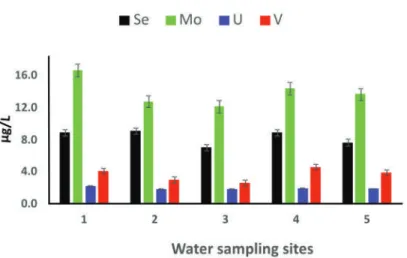
Figure 1.Map of the study area. (a) Red dot—study area (east side of the Istrian Peninsula). (b) Water sampling points: CME—coal-mine effluent (water samples no. 1 and 2, inside of a Raša coal-mine in Krapan village), water samples no. 3, 4, and 5 taken from the Krapan stream. (c) Soil sampling sites no.
S2–S14. Š.—a former Štalije coal-separation unit, R.—the Raša town, S9—Krapan village.
The objectives of this study were as follows: (1) To apply bioremediation tests, by usingRalstoniasp. on SHOS Raša coal, as well as few selected soil samples polluted with SHOS coal and CCW, geochemically characterized in previous papers [4,5,20], and (2) to examine the ability of synthetic zeolites to remove PTEs from Raša coalmine water and stream water affected by coal leachates and nontreated municipal wastewater on laboratory scale.
2. Materials and Methods 2.1. Sampling and Sample Preparation
Soil and SHOS Raša coal sampling campaigns (Figure1) were conducted on several occasions during the period 2013–2015 [4,20,28]. Soil samples were collected at: S2, a former small-scale coal-fired power plant Vlaška; S4, and S8, CCW locality in Štrmac village; S6, sampled close to a beach in the Trget village; S9, a former coal-mining town Krapan; S14, a former rail line (red-colored line in Figure1), between the Raša town (R.) and a coal-separation unit Štalije (Š.); and S10, unpolluted soil [30]
taken from a site 10–15 km NE from the study area. A summary of soil samples’ (2 kg per sample) physicochemical properties (pH, LOI—loss on ignition, CEC—cation exchange capacity, and CaCO3, acquired and described in previous papers [4,20,28]), along the levels of sulfur, PTEs in soil, and SHOS Raša coal, are shown in Table1. Nonfiltered water samples (300 mL per sample) were collected from an