AGRICULTURE AND POVERTY REDUCTION: A CRITICAL ASSESSMENT OF THE ECONOMIC IMPACT OF THE AVOCADO INDUSTRY ON SMALLHOLDERS IN GIHETA – BURUNDI. Most people in the world are poor, so if we knew the economics of being poor, we would know a lot about the economics that really matter.
Background
Most of the world's poor people make their living from agriculture, so if we knew the economics of agriculture, we would know a lot about the economics of being poor.” (Acceptance speech for the 1979 Nobel Prize in Economics by Theodore Schultz, quoted in Cervantes-Godoy and Dewbre, 2010). The research takes place in one of the few African countries where avocados are produced and consumed: Burundi.
Objectives of the dissertation
Burundi experienced four decades of political instability and violent social conflict, two factors that seriously deteriorated the country's economy and agricultural system.
Importance of the dissertation
Limitations of the dissertation
The language barrier also manifested itself during the open interview with the owner of the avocado oil firm who is an Italian speaker. Furthermore, the thesis would have been more improved if I could have interviewed some key players in the avocado chain, such as the importers and exporters of the avocado oil produced in Giheta and the permanent workers.
Structure of the dissertation
Here, the focus will first be on the global outlook of the avocado production since very little has been written about avocado production in Burundi in general and in Giheta in particular. In chapter six, as Sandelowski (2000) recommends, both qualitative and quantitative results will be linked in the discussion of the main conclusions for this thesis.
Introduction
Poverty profile
This study also notes that half of the world's poor (844 million people or 51 percent) live in South Asia and more than a quarter (458 million people or 28 percent) live in Africa (Alkire and Santos 2010). Literature shows that three quarters of the world's poor live in rural areas (Thirtle et al.
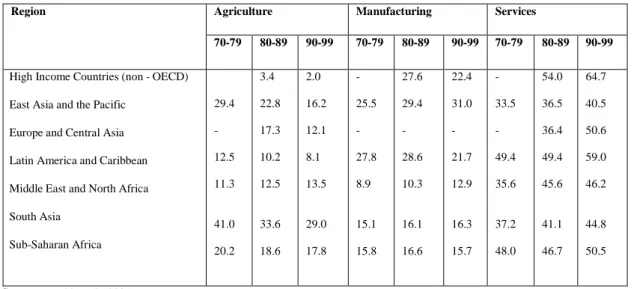
The role of agriculture in the process of economic growth
Some argue that the export of agricultural output makes the agricultural sector the driving force behind economic growth, especially at the early stage of economic development (Tiffin and Irz 2006:79). In other words, from this perspective, growth in the non-agricultural sector is considered to be the main driver of the entire process of economic growth, including agricultural growth.
The role of agriculture in poverty reduction
Agro-pessimism school of thought
Similarly, Ashely and Maxwell (2001) question the expectation of equitable growth through the success of small-scale agriculture given the fact that the rise of supermarkets, the increasing importance of quality standards and poor access to markets threaten the viability of small-scale agriculture. farmers to compete with their rival large and commercial farmers. Wolz (2005) argues that these new required agricultural product standards may cause small farmers to withdraw as they simply do not have the capital and infrastructure needed to meet these standards.
Agro-optimism school of thought
First, rural areas in most poor countries, especially in Africa, are severely affected by the HIV/AIDS pandemic, which is disrupting the transfer of agricultural knowledge, destroying traditional land allocation systems and dramatically changing the demographic composition of several rural communities. See also Yamano and Jayne 2004). This has a strong negative impact on agricultural growth in rural areas, as the pandemic destroys the more energetic members of rural households, mostly of working age, who under normal circumstances would have been the driving force for sustainable and viable growth of agricultural production in rural areas ( Wolz 2005). Finally, the report also highlights the fact that conflict conditions in many poor countries are further undermining livelihoods in rural areas.
The heterogeneity of the rural world in developing countries
2006) refutes the agro-pessimist argument about the role that growth in the oil and mineral export sector in poor countries can play in spurring economic growth and poverty reduction in those countries. They further argue that the income from such exports is likely to be captured by a small group of elite people in developing countries.
Agricultural-led pathways to growth and poverty reduction
Consumption linkages and their effects on poverty reduction
Anderson and Leiserson (1980) also note that non-agricultural products take up an increasing proportion of the farm household budget as income rises. Available evidence also seems to indicate that the share of farm household income spent on non-agricultural products is more directed towards the locally produced goods and services than the imported ones (Hazell and Hojjati 1995).
Production linkages and their effects on poverty reduction
In a similar vein, a study in Taiwan by Amsden (1991), cited in Haggblade et al. 2007), find that forward shifts from agriculture to early export industries such as those producing canned fresh vegetables and other perishables played a critical role in the rapid rise of rural non-agricultural activities in the 1960s and 1990s in Taiwan. However, other views exist in the literature that cast serious doubt on the strength of agricultural growth linkages discussed above.
The contribution of small-scale farmers to the agricultural – led pro-poor growth and
Lipton (2006) argues elsewhere that the kind of rapid growth in the demand for productive labor and its control over staple foods that poverty reduction in poor countries requires seems to indicate a small-scale farming orientation. Similarly, Lipton (2006) argues that reducing rural poverty through agriculture benefits small-scale farmers as more labor intensive, as providing asset income to the poor, and as providing locally available food stocks.
Conclusion
The first category of questions in this section investigated the different uses of avocados in the household. Finally, the third part analyzes the contribution of avocados to the diet of the sample households.
Introduction
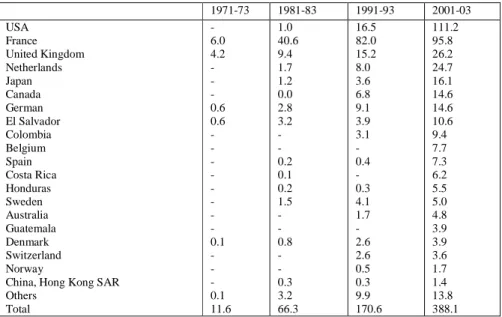
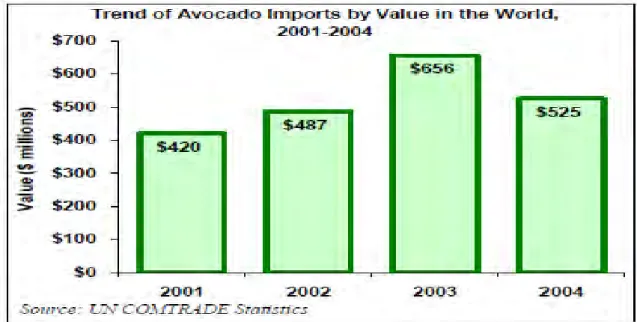
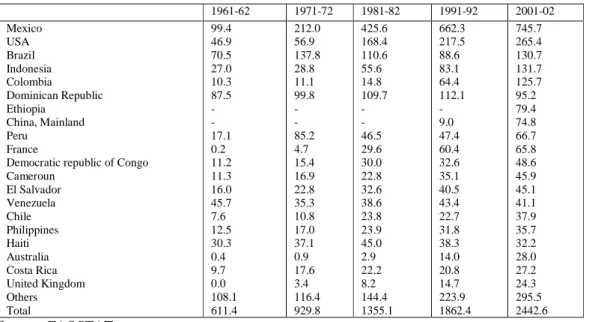
Avocado Industry in the World
Collectors are seen as the most important players in the avocado chain in Dak Lak province. The total turnover from the avocado sector in the province in the peak season is estimated at.
Research Setting
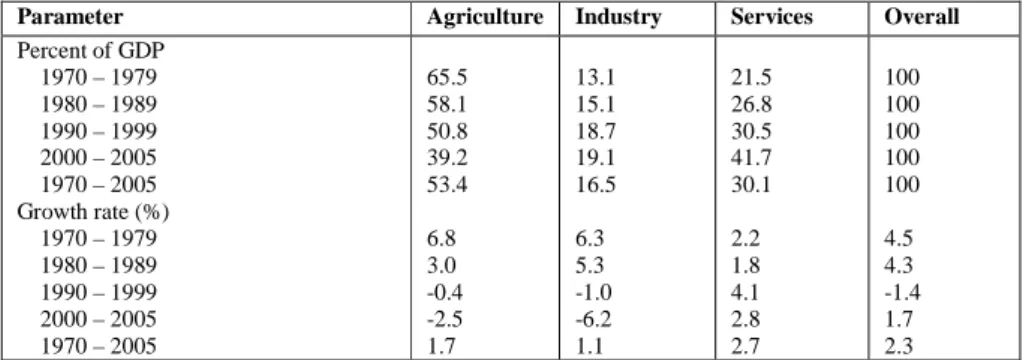
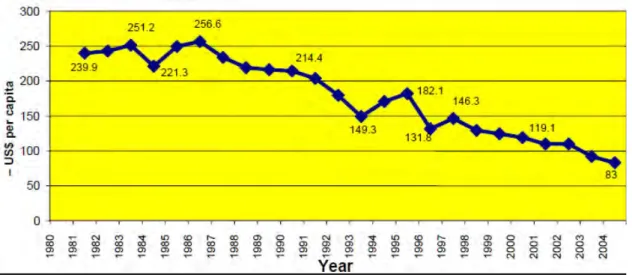
Burundi
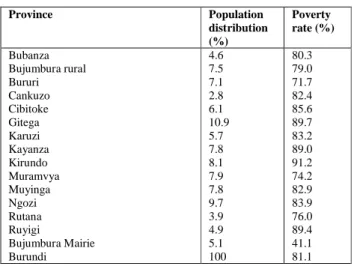
5 percent of Burundi's rural population is considered poor, and the poverty gap and severity of poverty in rural Burundi are 32.5 percent and 19.2 percent, respectively. It also shows that poverty is geographically unevenly distributed across the country's provinces, as shown in Table 3.5.
The Giheta district
The district has five clinics - Giheta, Gasuru, Bukinga, Mutoyi and Kibimba and the main causes of morbidity and mortality in this area are malaria, respiratory infections, diarrhoea, malnutrition and HIV/AIDS (PCDC 2008:28). The first season runs from September to February and the main crops produced in this season are maize, beans and peas.
Methodology
Research Design
- Combination of Quantitative and Qualitative Methods
- Methodological Frameworks
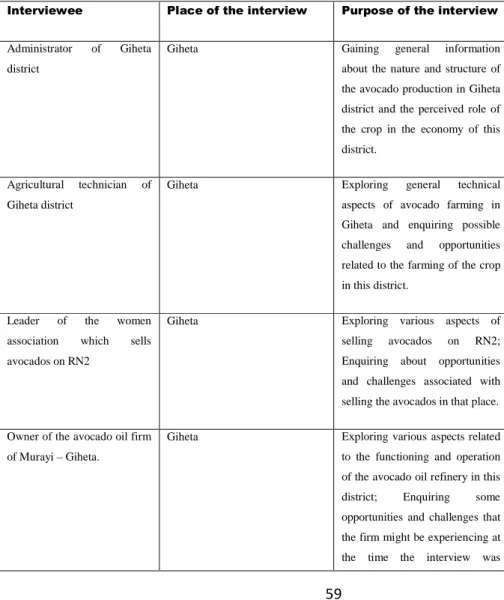
To the question of "when," many researchers argue that qualitative and quantitative methods could be combined at any stage of research. The information from this exercise has greatly contributed to the development of the avocado value chain in Giheta.
Data Collection
- Collection of Qualitative Data
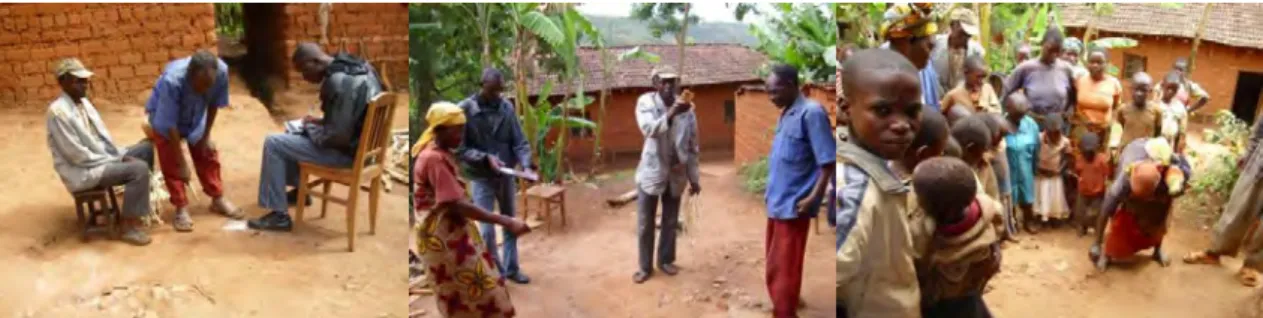
- Collection for Quantitative Data
Secondly, a number of questions were also asked about the education for each individual member of the household. The last category of questions in this section was about the household's living conditions.
Introduction
The Characteristics of the sampled households
Regarding literacy in the sample, table 4.2 below reports that 60.7 percent of the members of the sampled families know how to read and write. In addition, it shows that 34.1 percent of the sampled family members have no school at all.

The avocado production in the sampled households
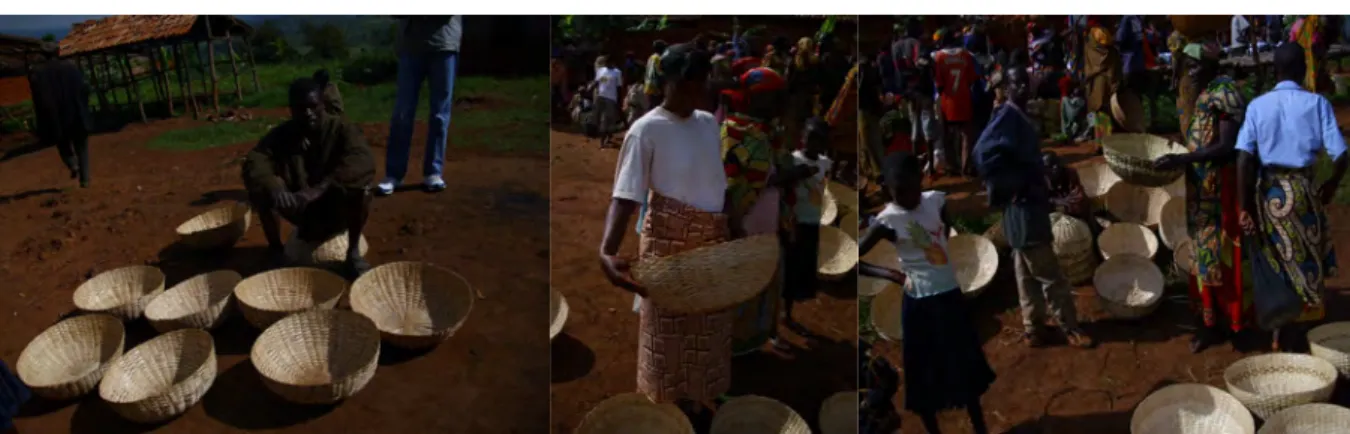
Avocado plantings appear to be more dominated by adult men (70 percent of households), followed by adult women and children (45 percent and 31 percent of households). Only about 25 percent of respondents report that they sell their avocados at the local market and 10 percent report that they sell their avocados to the collectors.
Use of avocados in the sampled households’ diet
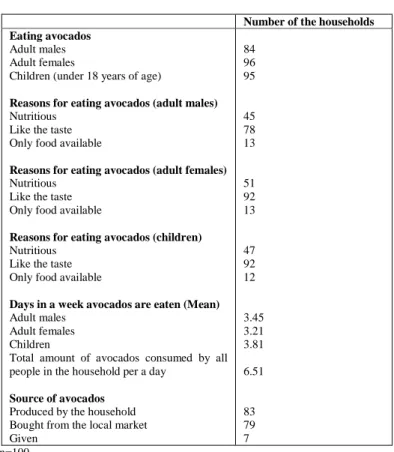
This clearly shows that the driving force behind this widespread consumption of avocados is the fact that all categories of members of the sampled households have a preference for the fruit (adult men in 78 percent of households, adult women and children in 92 percent of households). respectively). This table also provides information on the sources from which most of the avocados consumed in the sampled households come from.
Impact of avocado production on the wellbeing of the sampled households’ members ….76
It indicates that 83 percent of households consume the avocados that they have produced, and 79 percent consume the avocados that are bought at the market. The results also suggest that avocados are highly consumed by the sample who enjoy the taste and this has a positive impact on the health of the selected household members.

Introduction
Nature of avocado production and processing in Giheta: A brief overview
Production process
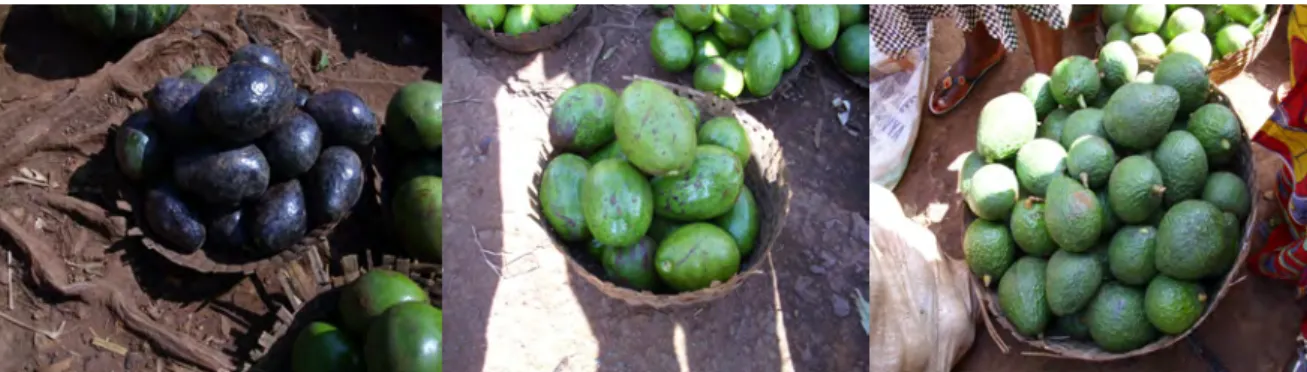
The only distinguishing criteria they used were the taste of the fruit and the amount of fruit the avocado tree can produce. Lastly, grafted avocado varieties do not grow as tall as traditional varieties and this makes harvesting easier and reduces the amount of damaged avocados, a byproduct of the harvesting process.
Planting
The small-scale farmers I interviewed emphasized three main reasons motivating the start of grafted avocado cultivation. In addition, small-scale farmers mentioned another disease that causes the flowers to fall from the avocado tree before the fruits can develop.
Harvesting
Very often, avocados from the same tree do not ripen at the same time, as I discovered during the transect walks, especially with regard to one avocado tree that produces avocados all year round. According to small-scale farmers, the lifespan of the traditional avocado tree can reach fifty years, or even longer.

Marketing
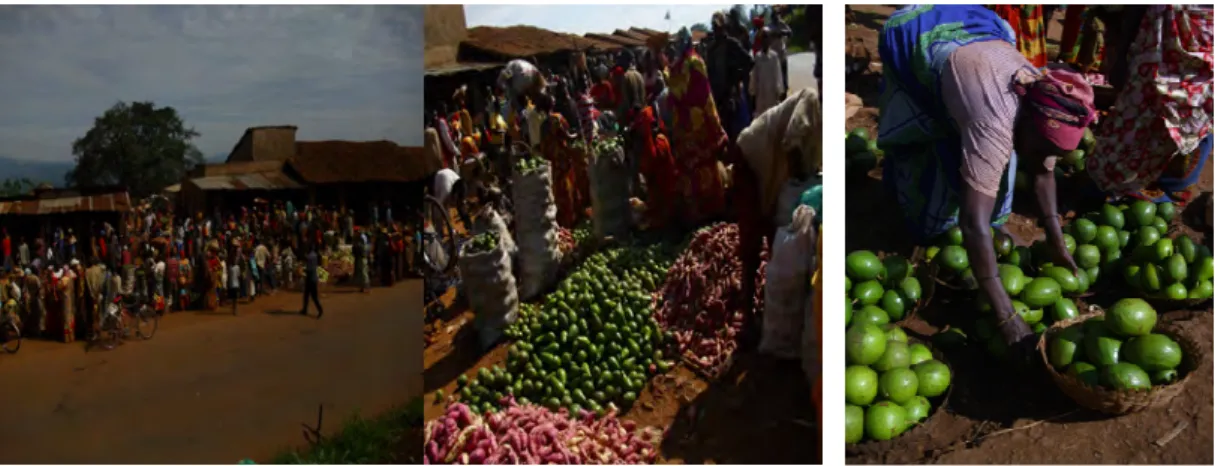
In addition, the primary collectors pay them for harvesting those trees and transporting the avocados to the RN2 at Giheta. The collectors of the third category work only when they are hired by the primary collectors.
Institutions
One of the most important projects that the Food Safety Department is currently working on is the propagation of grafted avocado seedlings throughout the Archdiocese of Gitega. To alleviate the problem of insufficient avocados, the company owner initiated a program to produce and distribute the grafted avocado varieties, which he then distributed to local small-scale farmers.
Government support
Their role was to coordinate the activities of agricultural monitors throughout the zone. Avocados play a crucial role in the generation of income for smallholder farmers in the sample.
Challenges
Avocados and income generation
All these factors clearly indicate that the demand for avocados in Giheta is very high, exceeding even the supply capacity of the small-scale farmers in the area to a large extent. The driving force behind the consumption of avocados by these widespread small-scale farming households in this area appears to be the taste of the fruit.
Contribution of avocado production to the diet of small farmers in the sample
Conclusion
The results show that although avocado farming still consists of a few avocado trees scattered in the small-scale farmers' farms, the profitability of the sector is quite significant and the demand for avocados seems to be increasing in this area. Although the experiences of the 11 households interviewed for the qualitative component provided a good understanding of household use of avocado, this information is not generalizable.
Introduction
Summary of findings
Nature and structure of avocado production in Giheta
The results also suggest that the external national market for avocados from Giheta is becoming increasingly significant. This is caused by an ever-increasing demand for avocados from Giheta from consumers from both Gitega and Bujumbura; the two main cities of Burundi.
The contribution of avocados towards the income generation and wellbeing of
The qualitative results show that small-scale farmers spend a large part of their income from avocados on food. They tend to focus only on the role of avocados for household consumption and appear to be unaware of the crucial role avocados play in increasing the income of small-scale farmers.
The contribution of avocados to the small-scale farmers’ diet
Policy implications
For the latter, prices for an avocado tree vary between 5,000 Fbu and 15,000 Fbu, depending on the size of the tree. Based on these figures, harvesting a small tree would cost between 1000 Fbu and 1500 Fbu and harvesting the large tree would cost 2000 Fbu.