UNIVERSITY OF KWAZULU-NATAL: PIETERMARITZBURG CAMPUS
Assessing the Effectiveness of a Role Playing Game as a Stakeholder Engagement Tool
for Integrated Natural Resource Management
Master of Science: Geography
By Sian Oosthuizen 208510461 March 2015
Supervised by Timothy Foggin (University of KwaZulu-Natal)
Co-Supervised by Raephele Ducot (Universidade Eduardo Mondlane)
PREFACE
This thesis is the result of an internship that has formed the basis of my Master in Science (MSc) in Geography. The internship was conducted at the Institute of Natural Resources (INR) a Non-Profit Company (NPC) in partnership with Anstea Group consulting firm, as part of the European Union funded project, Afromaison. The Afromaison project (Africa at meso-scale: adaptive and integrated tools and strategies on natural resources management), aimed to develop strategies for Integrated Natural Resources Management (INRM) in five African countries, by providing underdeveloped regions with a
‘toolbox’ type approach to effectively adapt to the consequences of climate change through sustainable solutions at a community and management level. The case study countries included in the project are Ethiopia, Mali, South Africa, Tunisia and Uganda.
An element of the Afromaison project involved the development and use of a simulation model as a tool for stakeholder engagement. In addition, the tool was intended to integrate the components of the project and test and discuss the integrated strategies developed. A Role Playing Game (RPG) was selected as the tool for this purpose. In each case study, a researcher (author) developed and conducted a RPG that was adapted to each region based on a generalised framework and design. The RPG guideline chosen for the project is called Wat-A-Game (WAG), which focuses on water management as a means of integrating natural resource management at a catchment scale (WAG, 2012). The purpose of this research is to assess the effectiveness of the tool for its purpose within the Afromaison project and its ability to complement the approaches to INRM adopted by the project.
I have thoroughly enjoyed working in the field of natural resource management and participatory modelling, and am privileged to have had the opportunity to work with a significant range of local and international organisations. I am eager to continue exploring this field, particularly investigating various mechanisms of achieving affective stakeholder engagement as a mechanism for complimenting integrated environmental management.
TABLE OF CONTENTS
Abstract ... xi
1. Introduction ...1
1.1. Afromaison Project ... 3
1.1.1. Afromaison Approach to INRM ... 5
1.2. Role Playing Game ... 5
1.3. Aim ... 7
1.4. Objectives... 7
2. Literature Review ...8
2.1. Integrated Natural Resource Management ... 9
2.1.1. Defining Natural Resources... 10
2.1.2. Defining INRM ... 10
2.1.3. Afromaison Project Approach to NRM ... 11
2.1.4. Alternative Approaches to INRM ... 21
2.1.5. Comparison of Reviewed Approaches to NRM ... 33
2.1.6. Conclusions of Reviewed Approaches to NRM ... 37
2.2. Role Playing Games ... 38
2.2.2. Wat-A-Game ... 42
2.2.3. Role Playing Game Case Studies ... 45
2.2.4. Comparison of Role Playing Game Case Studies ... 51
2.2.5. Conclusions of Role Playing Games ... 53
2.3. Conclusion ... 55
3. Methodology ... 56
3.1. Afromaison Project ... 56
3.2. Afromaison Case Study ... 57
3.3. Developing a Role Playing Game ... 59
3.3.1. Design Phase (1) ... 60
3.3.2. Testing Phase (2) ... 79
3.3.3. Application Phase (3) ... 81
3.4. Limitations of Methodology ... 82
3.5. Conclusions of Methodology ... 82
4. Results ... 83
4.1. Design Phase (1) ... 83
4.2. Testing Phase (2) ... 83
4.2.1. Issues and Challenges Identified by Participants ... 83
4.2.2. Possible Solutions to the Issues and Challenges Identified by Participants ... 86
4.2.3. Bodies Responsible for Implementation of Proposed Solutions ... 91
4.2.4. Current Initiatives Evident in the Case Study as Identified by Participants ... 93
4.2.1. Conclusions of Testing Phase (2) ... 96
4.3. Application Phase (3) ... 98
4.3.1. Developing the Final Testing Game ... 99
4.3.2. Framework of the Final AmanziGame Session ... 100
4.3.3. Participants of the Final AmanziGame Session ... 101
4.3.4. General Monitoring of the Final AmanziGame Session ... 102
4.3.5. Feedback from the Final AmanziGame Session ... 103
4.3.6. Debriefing and Discussions in the Final AmanziGame Session ... 103
4.3.7. Conclusions of Application Phase (3) ... 107
4.4. Limitations... 108
4.5. Conclusion of Results ... 108
5. Discussion ... 110
5.1. Effectiveness in Meeting Afromaison Project Approach Objectives ... 110
5.1.1. Meso-Scale Approach ... 111
5.1.2. Ecosystem Services Approach ... 114
5.1.3. Adaptive Management Approach ... 116
5.2. Success as a Participatory Modelling Tool ... 117
5.3. Overall Success of AmanziGame ... 118
5.4. Critique ... 120
5.5. Going Forward... 121
6. Conclusion ... 122
6.1. Development of the RPG Tool - AmanziGame ... 122
6.2. Effectiveness in Meeting the Afromaison Projects’ Objectives ... 124
6.3. Applicability of the RPG Tool - AmanziGame ... 126
Appendix 1 ... 131
1. Game Board ... 131
2. Role Playing Cards ... 132
3. Action Cards ... 135
4. Event Cards ... 149
5. Calibration ... 152
6. Monitoring ... 153
7. External Monitoring ... 155
LIST OF FIGURES
Figure 2.1: The classification of ecosystem services used by the Millennium Ecosystem Assessment
(Source: Cork et al, 2007) ... 15
Figure 2.2: Semi-Quantitative Inventory of Eco-System Services in the Goulburn Broken Catchment (Source: Cork et al, 2007). Ecosystem services (rows) judged to be of high importance (indicated by dark shading) to various land uses (columns) in the Goulburn Broken Catchment. Key to column headings (land uses): 1 – Dairying, on farm; 2 – Fruit and grapes; 3 – Vegetables; 4 – Grazing; 5 – Crops; 6 – Intensive animals; 7 – Forestry; 8 Food processing; 9 – Housing; 10 – Water production; 11 – Recreation; 12 – Areas of cultural/future options ... 17
Figure 2.3: Structure of Adaptive Management Program for the Glen Canyon Dam (Source: Weisheit, 2008) ... 20
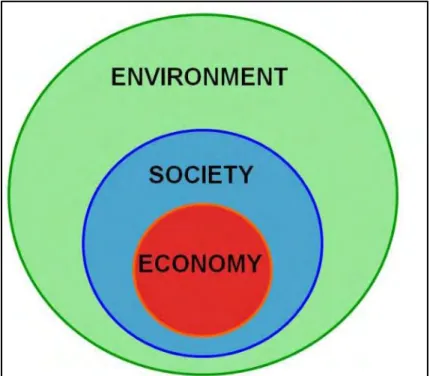
Figure 2.4: Sustainable Development Model (Source: Lamb, 2011) ... 24
Figure 2.5: Three nested ring/dependency sustainable development model (Source: Willard, 2010) ... 25
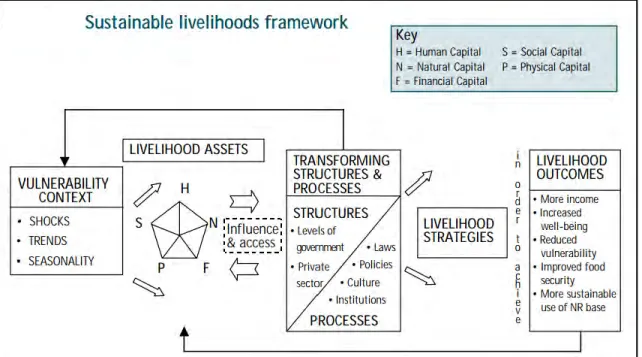
Figure 2.6: Sustainable Livelihoods Framework (Source: DFID, 1999) ... 27
Figure 2.7: Capital Assets in Kondkitunda (Source: Baumann, 2000) ... 28
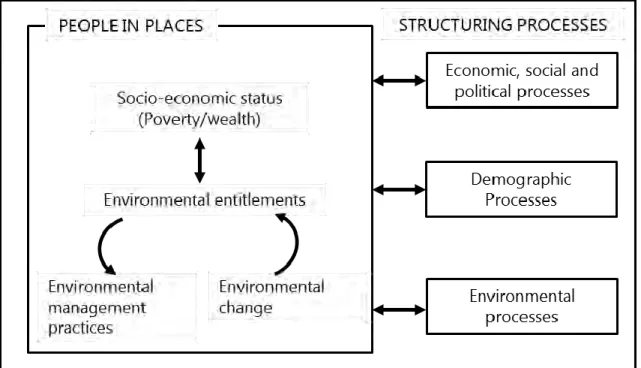
Figure 2.8: Environmental Entitlements Framework (Source: Mearns, 1996) ... 30
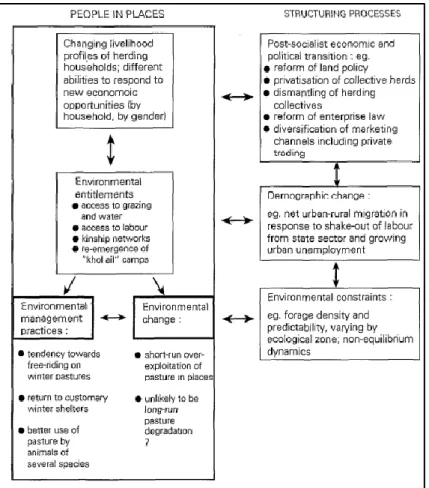
Figure 2.9: Changing environmental entitlements of Mongolian herding households (Source: Mearns, 1996) ... 32
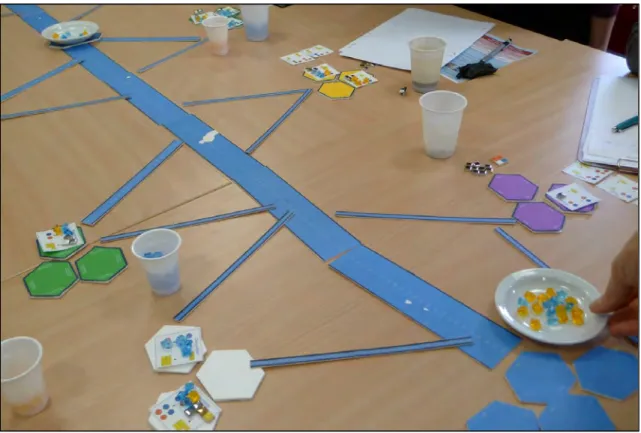
Figure 2.10: An Ini-WAG being played (Source: WAG, 2012) ... 44
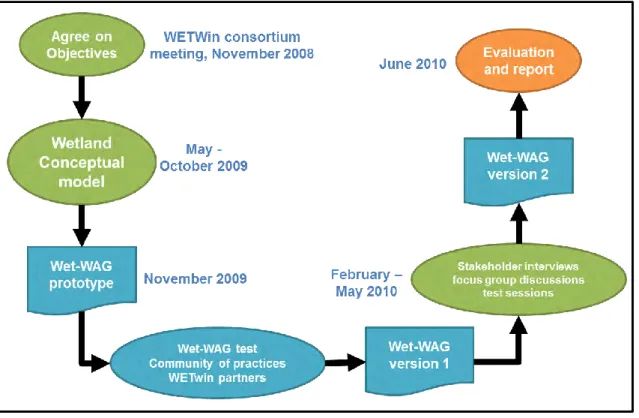
Figure 2.11: Overview of WetWAG development process (Source: Morardet et al, 2012) ... 47
Figure 2.12: The interface (game board) of the Sylvopast model and RPG. The colours correspond to the characteristic of the land plot (Source: Etienne, 2003) ... 50
Figure 3.1: Location of the Okhahlamba Local Municipality in the UThukela District Municipality, KwaZulu-Natal, South Africa ... 58
Figure 3.2: Spot Photo of the Okhahlamba Local Municipality ... 59
Figure 3.3: Summary of the Self-WAG development phase ... 60
Figure 3.4: Stylized representation of the zones of erosion potential categorised for the game board development. Erosion zones defined according to the slope steepness (0 – none, 1 – low, 2 – medium, and 3-high erosion potential) ... 62
Figure 3.5: The AmanziGame game board... 63
Figure 3.6: Schematic Diagram of the dynamics and relationships between various actors and resources used in the development of the AmanziGame ... 64
Figure 3.7: Role Playing Card for "Rural Farmer" role in AmanziGame ... 67
Figure 3.8: Representation of a Farm and Graze Land Plot Card ... 69
Figure 3.9: Example of an Action Card developed for the AmanziGame ... 71
Figure 3.10: Example of a Development Card for a 'Hotel' in AmanziGame ... 72
Figure 3.11: Example of a positive (left), negative (middle) and ordinary (right) Event Cards for a rural famer ... 72
Figure 3.12: Rural Farmer monitoring sheet for the AmanziGame ... 73
Figure 3.13: General Monitoring Sheet for the AmanziGame ... 74
Figure 3.14: Mock version of AmanziGame being played for verification... 75
Figure 3.16: Final version of the AmanziGame ... 78 Figure 4.1: Pie Chart demonstrating the summary of concern as perceived by participants (based on Table 4.1 results) ... 86 Figure 4.2: Pie Chart demonstrating the summary of possible solutions to the issues and challenges as perceived by participants (based on Table 4.2 results) ... 90 Figure 4.3: Pie Chart demonstrating the summary of responsible parties identified as perceived by participants (based on Table 4.3 results) ... 93 Figure 4.4: Participants involved in the final AmanziGame session ... 101
LIST OF TABLES
Table 2.1: Benefits of Reviews Role Playing Games Case Studies (ShadocLight, WetWAG and Sylvopast)52
Table 2.2: Summary of the Types of RPGs used in the Case Study’s reviewed ... 52
Table 3.1: The role players, their actions and the effect they have on the natural environment ... 65
Table 3.2: Dynamic Elements represented in the AmanziGame ... 66
Table 3.3: Land Plots Cards developed for the AmanziGame ... 68
Table 3.4: Action Cards developed for each role in AmanziGame ... 70
Table 3.5: Groups of stakeholders who participated in the AmanziGame focus group workshops ... 81
Table 4.1: The perceived issues or challenges as highlighted in all AmanziGame focus group workshops and the total number of groups that perceived it as a concern ... 84
Table 4.2: The perceived possible solutions as highlighted in all focus group workshops and the total number of groups that perceived it as a concern ... 87
Table 4.3: The perceived responsibility to implement proposed solutions as indicated by participants during the focus group workshops (green indicating the main responsible body/ies) ... 92
Table 4.4: Current initiatives being conducted in the LM and their status based on the perceptions of participants during the workshops (see colour key below table)... 94
Table 4.5: Outline of round scenarios used in the final AmanziGame session to test proposed institutional mechanisms for implementation of the Afromaison strategy ... 100
Table 4.6: General Monitoring conducted per round of the final AmanziGame session ... 102
Table 4.7: Outcomes of debriefing and discussion during the final AmanziGame session ... 104
ACRONYMS
AA1000SES AccountAbility Stakeholder Engagement Standard ABS Access and Benefits Sharing
AIDS Acquired Immunodeficiency Syndrome AIS Alien Invasive Species
AMP Adaptive Management Program
BABS Bioprospecting, Access and Benefits Sharing
CAMPFIRE Communal Areas Management Program for Indigenous Resources CBNRM Community Based Natural Resource Management
DAFF Department of Agriculture, Fisheries and Forestry DM District Municipality
DEA Department of Environmental Affairs
DEAT Department of Environmental Affairs and Tourism DoT Department of Transport
DWA Department of Water Affairs ES Ecosystem Services
GCD Glen Canyon Dam
HIV Human Immunodeficiency Virus Infection IDP Integrated Development Plan
INR Institute of Natural Resources
INRM Integrated Natural Resource Management
KZN KwaZulu-Natal
LED Local Economic Development LM Local Municipality
MAS Multi-Agent Systems
NEMA National Environmental Management Act NGO Non-Governmental Organization
NPC Non-Profit Company
NPO Non-Profit Organization
NRM Natural Resource Management OLM Okhahlamba Local Municipality PES Payment of Ecosystem Services RDC Rural District Councils
RPC Role Player Card
RPG Role Playing Game
SES Stakeholder Engagement Standard SL Sustainable Livelihoods
SSF Small Scale Fisheries
UDM UThukela District Municipality UML Unified Modelling Language
WAG What-A-Game
WP Work Package
KEYWORDS
Adaptive Management, Ecosystem Services Approach, Integrated Natural Resource Management, Meso- Scale, Okhahlamba Local Municipality, Role Playing Game, Simulation Modelling, Stakeholder Engagement, UThukela District Municipality, Wat-A-Game
ACKNOWLEDGEMENTS
I would like to thank my supervisor and co-supervisor, Mr. Timothy Foggin and Dr. Rapehele Ducot respectively, for their guidance during my research. I would also like to thank those who assisted me at various stages of my research for providing constant support and guidance, namely Dr. Nils Ferrand and Mr. David Cox, as well as various members of the teams from the INR, CIRAD and Cemegref. In addition, I would like to extend my thanks to the many participants who so willingly contributed in all phases of my research.
Finally, I would like to thank my family and friends who have been a constant source of support and enthusiasm, particularly my husband, Willem, and my parents, Peter and Gaye.
Sian Oosthuizen March 2015
DECLARATION
I, Sian Oosthuizen, declare that Assessing the Effectiveness of a Role Playing Game as a Stakeholder Engagement Tool for Integrated Natural Resource Management Is my own work, that it has not been submitted for any degree or examination in any other university, and that all the sources I have used or quoted have been indicated and acknowledged by complete references. In addition, I declare that:
I. The research reported in this dissertation, except where otherwise indicated, is my original work.
II. This dissertation has not been submitted for any degree or examination at any other university.
III. This thesis does not contain other persons’ data, pictures, graphs or other information, unless specifically acknowledged as being sourced from other persons.
IV. This thesis does not contain other persons’ writing, unless specifically acknowledged as being sourced from other researchers. Where other written sources have been quoted, then:
a. their words have been re-written but the general information attributed to them has been referenced;
b. where their exact words have been used, their writing has been placed inside quotation marks, and referenced.
V. Where I have reproduced a publication of which I am an author, co-author or editor, I have indicated in detail which part of the publication was actually written by myself alone and have fully referenced such publications.
VI. This thesis does not contain text, graphics or tables copied and pasted from the Internet, unless specifically acknowledged, and the source being detailed in the thesis and in the References sections.
Full name: Sian Rose Oosthuizen Date: March 2015 Signed: _________________
ABSTRACT
The European Union funded project Afromaison (Africa at meso-scale: adaptive and integrated tools and strategies for natural resources management) aimed to address current challenges facing South Africa’s environmental policies in a holistic manner though the concept of integrated natural resource management (INRM). The approach of INRM is receiving growing acceptance internationally although its implementation lacks momentum due to the lack of ‘buy-in’ from those on the ground. Therefore, one of the primary objectives of the project was to effectively engage stakeholders by adopting a participatory simulation model.
There is growing international concern and dissatisfaction that on-the-ground stakeholders are not adequately engaged in the actions and management decisions which affect their social, economic, biophysical and cultural environment. In response, various stakeholder engagement tools have been developed to fulfil this objective. Participatory simulation models have been highlighted as tools for assisting INRM, due to their ability to replicate complex systems and effectively encompass the perceptions and visions of stakeholders as a means of developing and testing integrated management plans. The Afromaison project adopted a Role Playing Game (RPG) as such a tool to integrate the various facets of the project. This research involved the development of the AmanziGame RPG, which was used to interact with a range of diverse stakeholders as a means of creating and testing a combined strategy for the region. To assess the effectiveness of AmanziGame, a three-fold critique was applied. Firstly, an assessment of the tools ability to meet the objectives of the Afromaison project, in particularly, effective stakeholder engagement. Second, its ability to meet the objectives and address the challenges typically experience within INRM, and lastly its success in meeting the requirements as a participatory tool and mitigating the limitations commonly experienced. International and local case study examples of the Afromaison INRM approaches, other approaches to INRM, and Role Playing Game tools are used to tests the success and limitations of AmanziGame.
1. INTRODUCTION
Globally, stakeholder engagement has been acknowledged as a potential means of solving environmental and policy challenges and decision making (Greyling and du Plessis, 2015). However, there is a growing international concern and dissatisfaction among stakeholders that they are not adequately engaged in the actions and management decisions which affect their social, economic, biophysical and cultural environment (DEAT, 2002). The international AccountAbility Stakeholder Engagement Standard (AA1000SES) was developed as a framework for good quality engagement (AccountAbility, 2011). AA1000SES defines stakeholders as (AccountAbility, 2011; Pg. 8):
“… not just members of communities or non-governmental organisations. They are those individuals, groups of individuals or organisations that affect and/or could be affected by an organisation’s activities, products or services and associated performance with regard to the issues to be addressed by the engagement.”
Stakeholder engagement, or public participation, is therefore a process that is adopted by a relevant body to connect those that may be affected by proposed actions or management decisions (AccountAbility, 2011). The AA1000SES demonstrates that (AccountAbility, 2011; Pg. 9):
“Quality stakeholder engagement can:
Result in more equitable and sustainable development by giving those who have a right to be heard the opportunity to be considered in decision-making processes;
Enable better management of opportunities, risks and reputation;
Enable the complementary pooling of resources (knowledge, people, money and technology) to solve problems and reach objectives that cannot be reached by individuals, groups of individuals or organisations acting on their own;
Enable understanding of the complex operating environments, including market developments, political and cultural dynamics;
Enable learning from stakeholders, resulting in product and process enhancements and innovations;
Inform, educate and influence stakeholders to improve their decisions and actions that will have an impact on the organisation and on society; and
Contribute to the development of trust-based and transparent stakeholder relationships.”
In South Africa, Section 23 of the National Environmental Management (NEMA) Act No. 107 of 1998 stipulates that:
“The general objective of integrated environmental management is to: (d) ensure adequate and appropriate opportunity for public participation in decisions that may affect the environment;”1 This demonstrates that stakeholder engagement is a legal requirement within environmental management. To clarify, NEMA defines the “public participation process” as:
“…a process by which potential interested and affected parties are given opportunity to comment on, or raise issues relevant to, the application...”2
This is further reiterated in NEMA Chapter 2 “National Environmental Management Principles”, where it is indicated that:
“Decisions must take into account the interests, needs and values of all interested and affected parties, and this includes recognising all forms of knowledge, including traditional and ordinary knowledge.”3
Therefore, it is insufficient that stakeholders are simple informed by environmental management, but rather have an active involvement where they are provided with the opportunity to comment and raise issues that are of their concern and provide input based on their knowledge, interest and desires.
Despite this requirement, effective stakeholder engagement often lacks adequacy and thus effectiveness, demonstrating the need to develop means of successfully achieving this legal obligation (Matthews and Catacutan, 2012). Means of how, when and to what degree to involve stakeholders is a much debated topic both in local and international platforms (Greyling and du Plessis, 2015).
Integrated Natural Resource Management (INRM) encompasses the notion that natural resources not only have direct use importance, but are crucial in supporting local economic development, basic service provision and social wellbeing (Lewis et al, 2014). Resource management issues are difficult to resolve due to the complexity, technicality and involvement of multi-stakeholders (Greyling and du Plessis, 2015.)
In the field of INRM, effectively involving stakeholders is a challenge that is commonly experienced, particularly in a country such as South Africa, where stakeholder diversity (cultures and socio-economic groupings) is prominent (Blignaut and Choles, 2011). Where stakeholder engagement is conducted, it is often done so with a low budget and as a last component to complete a checklist. This results in engagement often being inadequate due to attempts to cut costs and reduce time expenditure, making the process and its outcomes ineffective. This frequently results in the exclusion of groups of stakeholders, most predominantly the rural poor, who are often considered as an unnecessary part of the process and hence do not have much ‘voice’ of their own. In addition, these stakeholders are rarely given the opportunity to be ‘heard’ and it is likely that they are unaware that they have the right to participate in such management decisions (Matthews and Catacutan, 2012). There is no doubt that the
1 NEMA 107 of 1998, Section 23 (2d)
2 NEMA 107 of 1998, Section 1 (1) [Definition of “public participation process” inserted by s. 1 of Act 62/2008]
3 NEMA 107 of 1998, Section 2 (4g)
decision making process needed for INRM cannot be based on a single perception or individual, enhancing the need for methods that effectively capture the perceptions and opinions of all stakeholders (Blignaut and Choles, 2011). Traditional means of involving stakeholders have proven to be unsuccessful and ineffective, often as a result of stakeholders not being able to understand the complexity of the situation (de Fooij, 2011). In addition, the terminology used by experts is often foreign to those on the ground, creating misunderstandings as well as constraining those on the ground who are already politically and economically disempowered (Matthews and Catacutan, 2012). Thus, the need to find a method of displaying this complexity in a language that a range of diverse stakeholders can relate to is a key objective of INRM. Participatory simulation modelling is rapidly becoming a vehicle for achieving this aim, while displaying several other benefits that complement INRM.
Natural systems are dynamic with complex interactions and challenging problems which cannot be viewed from a single objective means (de Fooij, 2011). It is evident that such perspectives are based on the specific context and therefore differs depending on the stakeholders and their situations. As a result, traditional modelling is no longer sufficient in adequately representing such systems (de Fooij, 2011).
Practitioners and researches have highlighted the need for multi-stakeholder decision making and as a result, several tools have been developed to meet these requirements (Rydannykh, 2011). The purpose of this research is to review effective stakeholder engagement mechanisms, develop and test such a tool, and assess its effectiveness in terms of complementing the specific approaches and objectives. The outcomes of this research adds to the growing body of knowledge regarding effective means of involving stakeholders in planning and decision making, with particular focus on the complex field of INRM.
1.1. Afromaison Project
The European Union (7th Framework Program) funded project, entitled Afromaison4 (Africa at meso- scale: adaptive and integrated tools and strategies on natural resources management), was undertaken by a local institute, the Institute of Natural Resources (INR) Non-Profit Company (NPC)5, in partnership with the lead consulting firm, Antea Group6. The project aimed to develop strategies for INRM in five African countries, by providing underdeveloped regions with a toolbox to effectively adapt to the consequences of climate change through sustainable solutions at a community and management level.
The case study countries included in the project are Ethiopia, Mali, South Africa, Tunisia and Uganda.
One of the key objectives of the Afromaison project was participatory planning, placing emphasis on involving all stakeholders in the development of a common NRM strategy (Lewis et al, 2014).
Importance was placed on taking into account multiple perspectives, which included indigenous knowledge and practices, local community requirements, modern NRM technologies, and scientific understandings of systems (Lewis et al, 2014). To achieve this, an element of the project involved the
4 http://www.afromaison.net/
5 http://www.inr.org.za/
6 http://www.anteagroup.com/
development and use of a simulation model as a tool for stakeholder engagement. In addition, the tool was intended to integrate the components of the project as well as test and discuss the integrated strategies developed.
A Role Playing Game (RPG) was selected as the tool for this purpose. The selection of the RPG tool not only stemmed from the need for effective stakeholder engagement for INRM, but also due to the diversity of stakeholders evident. In the case studies, stakeholders ranged from rural subsistence farmers to government and business owners, for example. For this reason, there was a need for a tool that could effectively engage with a range of stakeholders on a single platform to enabled simultaneous discussion and decision making. A RPG achieves this by using the global ‘language’ of gaming, which enables stakeholders of varying characteristics to generate a homogenous understanding of their system. For the South Africa case study, historical tension amoung stakeholder groups was evident, which further called for an engagement tool that voided conflict (Matthews and Catacutan, 2012). A RPG was an ideal vehicle to achieve this as it actively engaged stakeholders in an informal, relaxed manner.
In each case study, a researcher developed7 and conducted a RPG that was adapted to their region based on a generalised framework and design. The RPG guideline chosen for the project is called Wat-A- Game (WAG) which specially focuses on water management as a means of integrating NRM at a catchment scale (WAG, 2012). The purpose of this research is to assess the effectiveness of the tool for its purpose within the Afromaison project and its ability to complement the approaches to INRM adopted by the project.
The uThukela District Municipality (UDM), located in KwaZulu-Natal (KZN), was selected as the South African case study for the Afromaison project. This case study was selected due to the UDMs being home to the source of the uThukela River, which is one of the main river systems in the country, providing for local, provincial and national water requirements (Matthews and Catacutan, 2012). Not only is water an important provider downstream, but it is a vital resource for supporting livelihoods of stakeholders in the case study and provides a common ground for management purposes.
The WAG simulation model was developed for a representative portion of the case study, focusing on the Okhahlamba Local Municipality (OLM) in the western region of the case study. The water management focused tool (WAG) was selected because of the case study’s water resource importance.
The OLM was an ideal representative as it contained the key elements and dynamics of the case study, while also being home to the source of the vital river system. It contains the biophysical elements, such as commercial farming, rural subsistence farming, tribal authority areas, protected areas, towns, settlements and dams, and important social aspects such as poverty, political instability, lack of service provision and unemployment. The WAG was used to address key issues of the area such as soil erosion, resulting in land degradation and siltation of water systems, caused by various unmanaged activities in the region. The model did so by demonstrating the cumulative impacts of activities on the natural environment, which consequentially impact socio-economic components of the system.
7 The author of this dissertation, Sian Oosthuizen, was the researcher that developed the RPG for the South Africa Case Study
1.1.1. Afromaison Approach to INRM
The Afromaison project adopted three key approaches to INRM, namely meso-scale, ecosystem services, and adaptive management.
A meso-scale approach is a scale that effectively incorporates natural and administrative elements of management, and where national policies and plans can be translated and implemented at the local level by taking into account local conditions and interests (Lewis et al, 2014; Hamdard, 2012). Therefore, it is large enough to include natural systems such as catchments, while still being within a political delineation. This approach was applied to avoid limitations formerly experienced related to poor coherency between provincial departments that result in the failure of management programs, through the promotion of regular and structured stakeholder interaction (Bellamy, 2005).
An ecosystem services (ES) approach enables a prioritisation of resources for management focus by understanding supply and demand conditions. This approach assists in identifying where to focus INRM efforts (Lewis et al, 2014). The value of the ES approach is that it makes a direct link between natural systems and the role they play in supporting human wellbeing and economic prosperity and therefore gives effect to the sustainability model (Cork et al, 2007).
An adaptive management approach aims to incorporate the views and knowledge of all interested parties in an adaptable framework. The approach was based on the realisation that it is not possible to have all the information ideally needed for developing a coherent management plan and therefore approaches NRM from a ‘willingness to learn’ perspective (Johnson, 1999).
These three approaches guided the thinking of the Afromaison project and are used as a basis to assess the effectiveness of the RPG tool in meeting the objectives of the projects’ INRM approach.
The Afromaison project aimed to address the complex implementation of INRM, which was driven by the integration and communication of actors and stakeholders. This was a challenging process as it involved the evaluation and assessment of the dynamics of the current situation, and the development of an integrated mechanism based on predicted future scenarios. To address this challenge, a stakeholder engagement tool was adopted to facilitate the involvement of stakeholders in the project.
1.2. Role Playing Game
The Afromaison project was structure according to eight work packages (WPs), of which WP7 was responsible for the development of the operational framework, which aimed to ensure the integration of all the WPs. Therefore, WP7 was intended to develop a coherent strategy based on the findings and outcomes of the work being conducted for the specific case study. The development of a RPG formed this WP, with the intention of being a participatory tool to gain the perceptions and visions of actors and stakeholders involved in the case study. The RPG is also intended to test the draft strategies selected, as a means of simulating possible future situations to enable stakeholders, actors and experts to make appropriate decisions and conclusions.
The RPG was designed for the Okhahlamba Local Municipality (LM), which was selected because of its importance for DM as a whole (source of the uThukela River). The LM is inclusive of all the elements of the case study and therefore was chosen as a representative system. It is visioned that the findings and outcomes of the RPG process can be replicated into the other local municipalities.
The development of the RPG was broken down into three phases which are outlined below.
Design Phase (1)
The initial development of a RPG for the South African case study was based on the guidelines and framework of Wat-A-Game (WAG)8. The game or model simulation was created through calculated and relative representations of elements and dynamics in the area with the aim of highlighting key issues, challenges and activities present in the reality. The information used for this development was based on actual data as well as the perceptions and understanding of local actors, specialists and researchers gained through interviews. During this phase the RPG was tested with various groups of participants, and refined after each game session to ensure accuracy and precision with reality. The RPG was tested with specialists and stakeholders who have an in-depth understanding of the area and its dynamics, as well as with university students to ensure the flow and ‘playability’ of the game.
Testing Phase (2)
RPG workshops were conducted with focus groups of stakeholders and actors, ensuring the involvement of a range of categories that covered a variety of sectors, organizations and stakeholders. The aim in this phase was to have focus sessions that allowed stakeholders to have their perception, challenges, opinions, visions and thoughts captured, without the influence of other sectors. This stage also enabled in-depth testing of the RPG, allowing participants to critique the tool and its accuracy with the reality of the case study. This was done to ensure that the RPG accurately represented the dynamics, actions and systems in place on the ground. The feedback from each session was applied to the tool before the following workshop, not only to heighten its accuracy but the test the alterations made.
After each focus group workshop, a detailed report was compiled, indicating the participant’s reactions and responses to the RPG as well as feedback provided about the tool. The reports also included the outcomes and discussions of the debriefing session as well as a digital copy of the spatial analysis exercise. At the end of this phase, a summary report was compiled, highlighting the main outcomes and findings of all of the focus group workshops, which was used in the drafting of the INRM strategy for the case study.
Application Phase (3)
The final stage of the RPG is the main aim of the entire process, which was to test the strategies selected by stakeholders as a means of predicting future outcomes. Here, the outcomes of phase 2 were used to make final alterations to the tool, ensuring its accuracy with reality. This phase also involved the inclusion of elements of the draft strategies into the RPG so that the challenging actions could be ‘acted out’ through the RPG. The key challenging element that was identified in the drafting of the strategy
8 https://sites.google.com/site/waghistory/
workshop was its implementation. Therefore, the final RPG workshop tested various institutional mechanisms for implementation and conclusions were made based on the outcomes and stakeholder discussions. The outcome of this process displayed implementation challenges and possible institutional mechanisms applicable for the case study. Finally, the RPG was included in the Afromaison toolbox which will be utilised for INRM in the future.
The applicability and effectiveness of RPGs in South Africa has not been widely research and therefore there is a need to fill this knowledge gap and develop confidence in adopting such a tool. The tool is often criticised as not providing scientifically sound results and being unable to complement the project outside of a stakeholder engagement task. This reiterates the need for further research, experimentation and validation of a participatory tool to enhance their application and use for multi- stakeholder engagement and decision making. Therefore, this research aims to address such assumptions by developing a project specific RPG to assessing its applicability in terms of a participation tool as well as its ability to complement the approaches adopted by the project.
1.3. Aim
To assess the effectiveness of a Role Playing Game as a participatory tool for integrated natural resource management in South Africa, through a local case study.
1.4. Objectives
Develop, test and implement a Role Playing Game within a local case study environment
Analyse the effectiveness of the tool’s implementation through an assessment of its ability to meet the required objectives and mitigate common challenges
Critique the process and outcomes to assess the success of the tool as an effective stakeholder engagement tool
2. LITERATURE REVIEW
A literature review provides insight into the research topics assessed, separated into two sections. The first topic of the review is integrated natural resource management (INRM), which is defined and its various approaches explored. In this section (2.1), the various scales and approaches of INRM are assessed through the review of several case studies. This research has been conducted in order to create a comparison between the Afromaison Projects’ approach to INRM and other case studies. The second part of the literature review (section 2.2) explores the development and the use of Role Playing Games (RPGs) as a participatory tool for INRM. The specific RPG guideline chosen, Wat-A-Game (WAG), will be reviewed, demonstrating its benefits and challenges. This is also conducted through the review of several case studies as a means of creating a comparison between various RPG’s and their success as participatory tools.
The first topic, INRM, has been developed in response to global transformations and their impacts on the natural environment. As a result of transformations, such as advances in science and technology, changing societies, economic growth, globalisation and trade, population increase and a general global development, it is apparent that there is a critical need for effective management of natural resources to mitigate the impacts (Ochola et al, 2010). With increasing pressure on global economies to heighten produce comes a greater demand on the natural environment and the services it provides, not only in terms of raw produce such as minerals, oil and agricultural land but in the form of natural service provision such as clean water. The increasing demand on natural systems is posing risks on the sustainability of water systems, forests and rangelands among many others. NRM is defined as a stakeholder driven process that integrates various natural resources into an adaptive management plan as a means of achieving sustainability of both natural and socio-economic systems (Ochola et al, 2010).
The second topic, RPGs, have been developed in the last 25 years as a participatory tool for resource management (Ferrand et al¸ 2008). A RPG creates a representative or simulation model of a dynamic system based on the processes that occur. The tool is primarily aimed at effectively involving stakeholders in the management of their system, however it is used to capture perceptions and indigenous knowledge, while being a discussion and decision making platform. The aim of a RPG is to allow participants to self-analyse their situation and develop management plans based on the outcome of their game (D’Aquino et al, 2003).
Within South Africa, development and global transformation trends are prominent, which are consequently having severe implications on natural resources (DEAT, 2004). Therefore, there is a need to adopt INRM as a means of managing and mitigating the negative environmental implications of such trends. Stakeholders form a vital component of achieving this and cannot be excluded from management processes. The use of a RPG creates an ideal vehicle for the inclusion of such stakeholders;
however experience with such a tool is limited in South Africa, and even more so at the local, KwaZulu- Natal, level. This limitation results in little localised research which can be used for review of this topic.
This reiterates the need to enhance research about such tools within SA, and more especially at a local
2.1. Integrated Natural Resource Management
The European Union (EU) funded project Afromaison (Africa at meso-scale: adaptive and integrated tools and strategies for natural resources management) aims to address current environmental challenges in a holistic manner though the concept of integrated natural resource management (INRM).
The approach of INRM is receiving growing acceptance internationally although its implementation lacks traction. The Afromaison project adopted three approaches to address and achieve INRM, with each having its own sets of benefits and challenges. These approaches are:
1. Meso-scale
2. Ecosystem services 3. Adaptive management
Meso-Scale is a management scale that is localised enough to incorporate both decision makers and actors while covering a large enough geographical area to encompasses large natural systems such as water catchments. This scale enables vertical and horizontal collaboration between sectors and stakeholders to promote integration (Hamdard, 2012). In addition, this level is chosen due to its ability to incorporate the best of both small and large scale management systems without becoming too focused and isolated or generalised and blurred (Bellamy, 2005).
An Ecosystem Services (ES) approach aims to demonstrate the value that natural systems have for human wellbeing, acting as a mechanism to address social, economic and environmental challenges (Lewis et al, 2014). This approach is a means of giving INRM momentum within government departments through the realisation of the value of ES, not simply in terms of service provision but also to benefit other sectors such as health, tourism and development (Cork et al, 2007).
Adaptive management is based on the realisation that it is not possible to have all the information for developing an ideal, complete and perfect management plan and therefore approaches NRM from a
‘willingness to learn’ perspective. Therefore, learning is an inherent objective of adaptive management, basing its approach on the ability of the NRM plan to be adapted as information is uncovered (Johnson, 1999).
The ES approach is a unique foundation for achieving effective and integrated NRM, while adaptive management allows for a flexible plan that can be altered as information is uncovered. This acts as an important means of linking and integrating NRM in a non-static manner, while using a meso-scale focus to ensure the inclusion of all stakeholders and the management of large natural systems. This gives effect to the notion of sustainability that requires an integrated view and approach, which is the crux of the Afromaison project.
Other approaches to NRM are analysed in terms of their focus and challenges through a practical case study example. Such assessments include community based, environmental entitlements and sustainable livelihood approaches to NRM. It is evident that these approaches have similarities and common challenges; however they differ in terms of scale, objectives and focus. A conclusion is made
about the applicability of a meso-scale, ecosystem services and adaptive management approach to NRM for the Afromaison Project.
2.1.1. Defining Natural Resources
Natural Resources are generally defined as occurring naturally within environments, and for the most part, are a renewable, but finite, product of nature (Ochola et al, 2010). They are important in supporting social wellbeing and economic activities through service provision, use and extraction.
However, the understanding of what natural resources are varies between perceptions and the context in which they are being addressed.
The definition of ‘natural resources’ is constantly changing as it is influenced by different schools of thought, and influenced by the understanding of what a resource is (Ochola et al, 2010). The definition also varies based on the context of which they are being addressed, and thus between ecological, sociological and environmental perspectives. For example, sociology perceives natural resources as raw material sources of wealth (minerals, water, timber) that occur naturally. An extension of this is the economic perspective, which considers the commercial value of natural resources and sectors they support. In essence, this perspective views natural resources as an economic asset that is privately owned. As a result, the efficient use of natural resources is conducted for economic gain rather than their protection and preservation. Such perspectives are usually the drivers of conflict associated with natural resource use, exploitation and ownership.
The availability of natural resources significantly contributes to the development of a region in various ways. These range from economic activity and a growth source to creating livelihoods, jobs provision and a general provider of environmental services (Ochola et al, 2010).
2.1.2. Defining INRM
INRM is defined as a scientific and technical principle which forms the foundation of sustainable management and governance of natural resources. Such natural resources include land, fauna, flora and water. The focus is on the management of the actions of current generations’ quality of life, without jeopardising the lifestyles of future generations (Ochola et al, 2010). INRM can therefore be defined as:
“An approach that integrates research of different types of natural resources into stakeholder- driven processes of adaptive management and innovation to improve livelihoods, agro- ecosystems resilience, agriculture productivity and environmental services at community, eco- regional and global scales of intervention and impact” (Ochola et al, 2010)
It is evident that natural resources are not only important for its users but are critical in supporting basic service provision, local economic development (LED) and social wellbeing (Lewis et al, 2014).
INRM therefore has the ability to (Ochola et al, 2010):
Integrate various levels of analysis
Empower relevant stakeholders
Generate institutional and policy options for stakeholders
Accommodate complexity by focusing on the key element
Resolve conflict among stakeholders
Merge perspectives stemming from various disciplines
The concept of INRM enables the process to cut across sectors that may be isolated through encouraging interaction amoung stakeholders and highlighting the dependence that such sectors have on each other.
2.1.2.1. Challenges of INRM
The challenges with the implementation of INRM stem from difficulties related to the dynamic, complex and multifaceted nature of the discipline. As a result, the impacts of INRM are difficult to evaluate and therefore limit the benefits of the management process (Gottret and White, 2001). In most cases, secondary positives can be used to determine the value of INRM, through an evaluation and reflection of measurable outcomes such as economic growth, poverty alleviation or service provision. In line with this is the lack of knowledge regarding to how implement such management, particularly when the complexity is not fully understood or known, further limiting its effectiveness. Another challenge is the temporal lag of INRM, which allows time for political and social variations to influence the management plan. It is evident that the longer an INRM is in place, the greater the socio-economic and biophysical benefits are, however this time consuming process is a challenge and may result in the full benefits of the approach being misled (Gottret and White, 2001).
2.1.3. Afromaison Project Approach to NRM 2.1.3.1. Meso-Scale Approach
The Afromaison project is addressing NRM through a meso-scale approach which is considered as a scale that effectively incorporates natural and administrative elements of management. Therefore, it is a scale that is large enough to include natural systems such as catchments, while still being within a political delineation (Lewis et al, 2014). This is conducted through the promotion of vertical and horizontal sector integration and coordination to avoid limitations formerly experienced such as poor coherency between provincial departments that result in the failure of management programs (Bellamy, 2005).
Within South Africa, the Afromaison project management team (lead by Antea Group and comprised of local and international specialists) defined the meso-scale as a district municipality level. This scale was chosen because this level of government is where national and provincial policy is placed into action and where government interacts directly with society (Afromaison, 2014). This scale was ideal as district municipalities are large enough to incorporate natural systems, including their cumulative effects, which is important for INRM. Therefore, the meso-scale approach enables management plans to not only
incorporate both natural and political systems, but also gain the benefits and coordination of local, provincial and national scale governance structures.
Australian Case Study
A similar approach to the meso-scale approach is evident in the PAGASYS Natural Resource Governance Systems demonstrating Australia’s approach of regional governance (PAGASYS, 2013). In an attempt to overcome the limitations of previous management approaches, the Australian governments and regional communities have made several experiments to test a regional scale approach. A key element is the emphasis on broad participation through the development of consultations, partnerships and strategic alliances as a means of bridging the gap between authorities and stakeholders.
The Australian government has adopted a similar approach (to the Afromaison meso-scale approach) whereby management zones span the country and are classified as NRM regions (Bellamy, 2005). These management areas were delineated between 2002 and 2004, with the aim of managing areas based on the natural resources they protect as well as the current governance structures in place. This move came about as the Australian government realised that its environment is not only the centre of their identity, but also that a significant portion of the country’s wealth is derived from its environmental assets through agriculture, mining and tourism (Bellamy, 2005). Such environmental assets were perceived as providing important ecosystem services through water provision and purification, waste control, climate regulation and disease prevention, to name a few. Without the functionality of these natural services, it is predicted that the Australian economy would experience significant cost deficits.
The threat on natural resources as a result of pollution, climate change and water scarcity combined with past inappropriate land management programs have led to the development of this regional NRM division.
Each of the 54 meso-scale regions operates independently, with legal mandates and guidelines from the national government to ensure effective management. Over the last decade, each region has evolved in an ad hoc fashion, based on the specific elements and dynamics of the area. Such a process benefits from being guided by national structures, while still having the freedom to be managed in a unique way based on the specific conditions, stakeholders and actors of the region.
Within Australia, each NRM region is governed by three spheres of government, namely National, State/Territory and local (Bellamy, 2005). The national sector is responsible for enforcing legal mandates and managing international relations of NRM. The state sector has the role of fulfilling legislative, developing administrative frameworks and establishing who delegates the land use and development planning of local governments. NRM plans are developed by the state sector, with a strong alliance with the local actors, allowing each region to implement specific programs that are suited to the areas particular conditions. This approach allows NRM to not only be addressed vertically across governance bodies but horizontally as stakeholders in each region are encouraged to work together to develop their management plans (Bellamy, 2005). This demonstrates that the approach taken in Australia mirrors the meso-scale approach of the Afromaison project. Both approaches indicate the regional focus, which is
strongly influenced by both national and local scales, while using political boundaries for delineation rather than environmental dynamics.
Challenges of a Meso-Scale Approach
Dealing with management at a meso-scale can pose a challenge due to the need to find a point of departure in the development strategy as well as finding a compromise between all those involved.
Working across various levels of highly fragmented governance (local and district municipalities in South Africa for example) is difficult as sharing of responsibility may lead to further division of the integrated approach to NRM and defeat the purpose of the process. Therefore, communication and collaboration between actors and stakeholders is a challenge when aiming to achieve meso-scale INRM.
Various challenges related to Australia’s Regional NRM approach have been identified that replicate those of Afromaison’s meso-scale approach. Such challenges include (Bellamy, 2005):
Balancing triple bottom line focuses (business and industrial development with environmental and social constraints)
Dealing with the interconnected and complex dynamics of NRM at a regional scale (large variations)
Complex transboundary problems (possibly working across political boundaries)
Bridging previously divided sectors and spheres
Managing contrasting perspectives, ideas and visions of sectors involved in the process
A range of foci, from local stakeholders to national and even international sectors (focused approach but still inclusive of the broader picture)
Designing specific NRM plans while still fulfilling national mandates
Environmental protection without undermining economic and development growth
Integration of varying knowledge systems (traditional and indigenous knowledge combined with holistic and scientific approaches)
Resource constraints (ownership of resources, external uses, regulator powers, etc.)
In conclusion, challenges related to meso-scale NRM stem from the requirements of the approach to connect and bridge gaps in a dynamic, social, economic and environmental system. It is perceived that the majority of these challenges can be addressed through effective and regular communication between actors, decision makers, governments and stakeholders who are involved (Bellamy, 2005).
Communication and collaboration are key in cutting across boundaries that are typically divided.
2.1.3.2. Ecosystem Services Approach
Within the South African Case Study of the Afromaison project, an ecosystem services (ES) approach has been applied as a means of prioritising resources for management focus by understanding supply and demand conditions (Lewis et al, 2014; Cork et al, 2007). This approach assists in identifying where to focus INRM efforts. The value of the ES approach is that it makes a direct link between natural systems
and the role they play in supporting human wellbeing and economic prosperity and therefore gives effect to the sustainability model.
For several decades, ecologists and economists have been working together in attempts to explain the dependence humans have on the natural environment. This is not a new concept, however further research and greater explanation of the relationship has resulted in the approach gaining traction in mainstream thinking. The realisation is that ecosystem services are the driving force behind economic stability and are therefore a key aspect that needs to be included in future environmental policy (Cork et al, 2007).
It has become internationally recognised that an ES approach is required to address the constantly increasing loss of biodiversity and ecological services by stressing the importance of ecosystem services.
Cork et al (2007) (Page 1) defines the approach as:
“The ecosystem services concept reduces the complexity of natural systems to a manageable (comprehendible) number of services that people get from ecosystems as a way to focus on human dependence on the environment and to engage stakeholders and the community in dialogue about what services are needed where, when and by whom.”
The concept of ES has been accepted on a global scale by organisations such as the World Bank, the World Resources Institute and the United Nations (2005 Millennium Ecosystem Assessment) to name a few (Cork et al, 2007). The rationale behind the acceptance of the ES approach is due to the fact that other related frameworks lack the ability to effectively capture the central role that can be understood and therefore accepted by a broad audience. The Millennium Ecosystem Assessment has defined the basis of the approach simply as (Cork et al, 2007; Page 2):
“...ecosystem services are the benefits people obtain from ecosystems.”
Originally, the ES approach was intended to include a full range of services, with examples such as:
Tangible product: air, fresh water and food
Indirect services: water flow regulation, soil stability, water filtering, pest control
Intangible services: recreational, cultural, intellectual desires
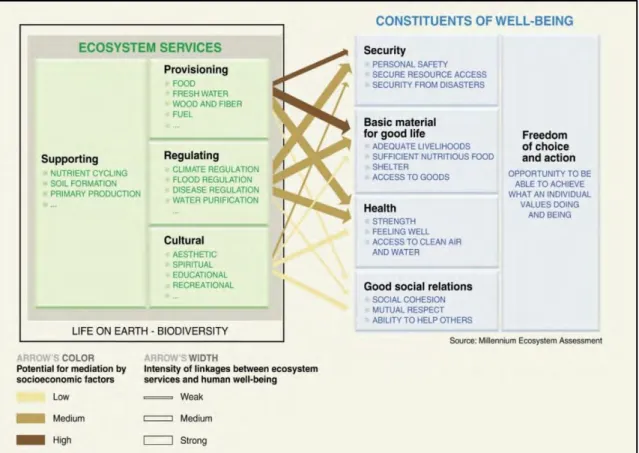
By highlighting the importance of ES, and that their loss and diminution will have negative implications for human wellbeing, this practical model is gaining traction as a motivation mechanism for conservation and restoration. Figure 2.1 indicates the role that different ES types play in supporting elements of human wellbeing, as represented by the Millennium Ecosystem Assessment (Cork et al, 2007).
Figure 2.1: The classification of ecosystem services used by the Millennium Ecosystem Assessment (Source: Cork et al, 2007)
The ES approach has been successful in several international countries by providing a means of focusing NRM priorities at a catchment, regional, national and global scale. The success of the approach is as a result of creating a link between the environment and human well-being (Cork et al, 2007). In South Africa, service provision and backlogs are a reality, with a lack of basic provision being a limiting factor to many sectors (Matthews and Catacutan, 2012). Government simply cannot keep up with the growing demands of the developing nation, which not only negatively affects the population, but also the sustainability of the natural environment (Society of Ecological Restoration, 2013). Therefore, there is a critical need to highlight the importance of natural systems as effective and long term service providers if they are correctly conserved, restored and protected.
Implementation of ES approach
It is evident that an ES approach needs to be implemented in a holistic manner, and thus avoid placing focus of individual components. Errors arise when attempts are made to extract aspects of the ES approach, for example focusing on the marketable services that the natural environment provides. By doing so, emphasis is placed on a specific component of the ES, unbalancing the nature of the integrated approach. Another common error is the use of the ‘ES’ term to refer to services being provided by people (piped, clean water for example) rather than the natural service provided by ecosystems.
Therefore it is vital that the concept not only be approached in a holistic and integrated manner but also with a clear understanding of the elements of the approach (Cork et al, 2007).
The ES approach is therefore one that aims to integrate the ecological, social and economic dimensions of NRM by means of:
Clearly identifying and classifying the benefits humans gain from ecosystems, inclusive of market and non-market, use and non-use, tangible and intangible benefits.
Describing and communicating these benefits in a language that can be understood by stakeholders.
Asking a series of important questions that can be used to ensure the sustainable management of ecosystems and in turn human welfare. Such questions include:
o Which services are provided by which ecosystems?
o Who benefits from the different services? How are these benefits derived? What are the future needs of humans from these services?
o What are the impacts of humans on different ecosystem services?
o What is the role of biota and other natural assets?
o How do different ecosystem services interact with one another?
o What are the critical levels of ecosystem services for human welfare and survival?
o What are the possibilities and implications of technological substitution for ecosystem services? (Cork et al, 2007)
It is important to note that there are other approaches that overlap with, and incorporate elements of, the ES approach. Such approaches are not to be disregarded but rather built into an ES approach (Cork et al, 2007), by yielding synergies that are needed to effectively deal with the challenges affecting the natural environment while simultaneously ensuring human welfare.
Goulburn Broken Catchment Case Study
An ES approach was conducted by the Australia’s Commonwealth Scientific and Industrial Research Organisation for the Goulburn Broken catchment in South-East Australia as a means of understanding the services ecosystems deliver for policy and management (Cork et al, 2007). The project’s main objectives were:
Raising awareness
Increasing society’s understanding of ecosystem services
Determining the value (economic and other) of ES services relative to real decisions and challenges
Exploring new means and institutional provisions for identifying and improving the use of such values
To achieve the above, a framework for analysing ES services was developed with stakeholders (Cork et al, 2007). This framework consisted of the following actions:
1. An inventory displaying semi-quantitative values of the ES services in the catchment, their current utilisation and their status under the existing management
2. An identification of key future decision scenarios
3. Assessments of economic, ecological and social (quantitative and qualitative) decision and an survey of new options
4. An analysis of institutional activities and examination of new means of increasing the value of ES services
The above actions were conducted through stakeholder engagement, reviews of existing data and statistics, and qualitative assessments. The relationships between ES services and its users was determined by assessing the impact that the absence of such services would have on the receiving environment and by the implications that land use changes would have on the ES. An understanding of the catchment was generated and conducted in an integrated manner, not only highlighting the value of ES services on it dependents, but also the impact that dependents could have on the functioning of the ES.
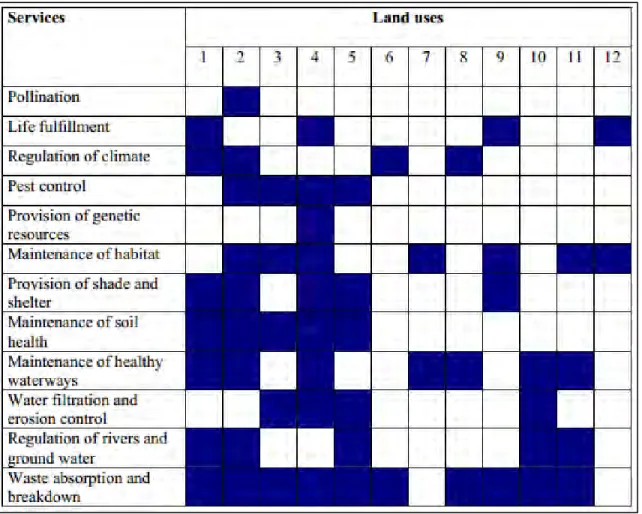
From this process, 12 key ES services were identified (Figure 2.2). During this process, challenges facing the area were identified and analysed in relation to the key ES services.
Figure 2.2: Semi-Quantitative Inventory of Eco-System Services in the Goulburn Broken Catchment (Source: Cork et al, 2007).
Ecosystem services (rows) judged to be of high importance (indicated by dark shading) to various land uses (columns) in the Goulburn Broken Catchment. Key to column headings (land uses): 1 – Dairying, on farm; 2 – Fruit and grapes; 3 – Vegetables;
4 – Grazing; 5 – Crops; 6 – Intensive animals; 7 – Forestry; 8 Food processing; 9 – Housing; 10 – Water production; 11 – Recreation; 12 – Areas of cultural/future options
During the project, several challenges associated with determining the value of ES services were encountered (Cork et al, 2007). These included:
Financially valuing the ES services provided (e.g. water filtration, natural pest control, flood control) in relation to the alternative technological measures (e.g. water treatment plants, pesticides, flood mitigation infrastructure)
Determining the value of non-market goods (e.g. cultural and aesthetic values)
Assessing the economic generation from investment in land use changes in comparison to investments in ecosystems
Examining the means of considering entire ecological-social systems and dynamics
The framework development for the Goulburn Broken Catchment enabled an understanding and semi- quantitative evaluation of the ES services being provided by the ecosystem. This not only enabled stakeholders and decision makers to realise the value of such services, but generated a prioritisation to correctly determine where investments could be made to produce the greatest outcome from a social, economic and ecological perceptive. The value of this approach was to generate a current understanding and to assist in future decision making and planning to ensure the protection of ES to benefit society while ensuring economic development. Therefore, this approach was an ideal tool for INRM that incorporated a range of stakeholders and providing measurable outputs.
Benefits of an Ecosystem Service Approach
An integrated ES approach is a means of tackling challenges related to climate change to ensure the sustainable use of natural resources (Society of Ecological Restoration, 2013). This is done through the provision of an effective tool box for combating loss of ES services that are not only important for conservation of natural systems but also to ensure human wellbeing. Ultimately, it is an approach that enhances the natural provision of services to ensure sustainability, through a usable concept and language that offer benefits to framing and communicating environmental policy. Such an approach gains traction within other sectors due to the benefits demonstrated outside the environmental sector.
This was evident in the Goulburn Broken catchment case study where ES services were prioritised by their economic, social and ecological value. Therefore, an ES approach can provide a reliable framework to support the design, implementation, evaluation and communication of NRM policies and programs. It is designed to complement and build on current approaches rather than to replace them as a means of building on the existing experiences and knowledge base (Cork et al, 2007).
Another benefit of the ES approach is its ability to assist in various phases of the policy cycle, such as:
Identifying issues in terms of human needs and what they value as well as indicating those people that are being affected by which ecosystem process
Identifying action priority and plan