An assessment of household food security in urban and peri-urban areas; a case study of Bindura Municipal area, Mashonaland central, Zimbabwe
by Onismo Muzah
A dissertation submitted in fulfilment of the requirements for the degree of Master of Agriculture (Food Security),
in the
School of Agricultural, Earth and Environmental Sciences College of Agriculture, Engineering and Science
University of KwaZulu-Natal
Pietermaritzburg Campus
July 2015
i Dedication
To my family, you are the best. I love you all!
ii Declaration
I, Onismo Muzah, declare that;
1. The research reported in this thesis, except where otherwise indicated, is my original research;
2. This thesis has not been submitted for any degree or examination at any other university;
3. This thesis does not contain other people’s data, pictures, graphs or other information, unless specifically acknowledged as being sourced from other people;
4. This thesis does not contain other authors’ writing, unless specifically acknowledged as being sourced from other researchers. Where other written sources have been quoted, then:
a. Their words have been re-written but the general information attributed to them has been referenced;
b. Where their exact words have been used, their writing has been placed inside quotation marks and referenced;
5. This thesis does not contain text, graphics or tables copied and pasted from the internet, unless specifically acknowledged and the source being detailed in the references section of the thesis.
Signed _____________________ Date_______________________
As the candidate’s main supervisor, I, M. Mudhara, agree to the submission of this thesis.
Signed _____________________ Date_______________________
iii Acknowledgements
I take pleasure in acknowledging the contribution of various persons, without whom this study would not have been accomplished.
Firstly, I thank my supervisor, Dr Maxwell Mudhara, for constant invaluable guidance and patience.
To my parents, Bernard and Hellen, and wife, Evidence Mazhawu, thank you for your support and for being there when I needed you most.
I am also deeply indebted to the WK Kellogg Foundation for funding this research and my tuition.
Above all, I wish to give thanks to the Lord Almighty, for grace without measure - Psalms 77:11.
iv Abstract
Urban household food security is gradually being recognised as a developmental challenge in sub-Saharan Africa, in general, and in Zimbabwe, in particular. The increase in the prices of food and high unemployment in Zimbabwe has made it difficult for the population, particularly for the urban poor, to meet their food requirements. This has affected the livelihoods patterns of the poor staying in urban and peri-urban areas. There are many complex reasons which make households food insecure. Poverty is mainly the driving factor due to lack of resources to purchase or procure food at household level. Poverty, combined with other socioeconomic and political problems, creates the bulk of food insecurity problems in urban and peri-urban areas. This study aimed to contribute to a better understanding of the nature and dynamics of urban and peri- urban household food security in Zimbabwe. The first objective of this study explored urban household livelihoods in Bindura Municipal area (Zimbabwe), by describing livelihood patterns, coping strategies and distinguishing between food secure and insecure households, using descriptive statistics. The second objective investigated the determinants of household food security among urban and peri-urban households. Lastly, the study evaluated the extent of urban and peri-urban household food security, by looking into their nutritional security and how this affects their welfare. Purposive sampling technique was employed to select 200 households in Bindura Municipal area. A structured questionnaire using multiple HFS measurement tools were used in this study, including Household Food Insecurity Access Scale (HFIAS), Household Dietary Diversity (HDD) and Coping strategy Index (CSI). The ordered probit regression model was used for assessing determinants of household food security, using the HFIAS as the depended variable. The results revealed that educational level, occupation, household expenditure on nonfood items, marital status and gender significantly affect household food security. The Tobit model was used to measure the extent of households’ nutritional security, using HDD as an indicator of food security. The results indicate that educational level, occupation and household expenditure positively influenced household dietary diversity and sources of vegetables negatively influenced household food security. This study concluded that urban farming has the potential for increasing household food security; and that; the government in collaboration with local authorities, should develop policies that improve access to land, particularly in peri-urban areas.
v List of Acronyms
AFSUN African Food Security Urban Network
DAFF Department of Agriculture, Forestry and Fisheries ERP Economic Recovery Programme
FANTA Food and Nutrition Technical Assistance
FAO Food and Agriculture Organization of the United Nations FGD Focus Group Discussion
HDD Household Dietary Diversity
HIES Household Income and Expenditure Surveys HFIAS Household Food Insecurity Access Scale
HIV/AIDS Human Immunodeficiency Virus/ Acquired Immunodeficiency Syndrome
KZN KwaZulu-Natal
LIG Low-input Vegetable Gardens MDG Millennium Development Goal
ME Marginal Effects
NGOs Non-Governmental Organisations SMEs Small and Medium Enterprises
UNDP United Nations Development Programme
UNICEF United Nations International Children's Emergency Fund WFP World Food Programme
ZIMSTAT Zimbabwe National Statistical Agency
ZVAC Zimbabwe Vulnerability Assessment Committee
vi Table of Contents
Dedication ... i
Declaration ... ii
Acknowledgements ... iii
Abstract ... iv
List of tables ... ix
CHAPTER 1: INTRODUCTION ... 1
1.1 Background to the problem ... 1
1.2 Importance of the study ... 1
1.3 Problem statement ... 2
1.4 Research objectives ... 3
1.6 Organisation of the study ... 3
CHAPTER 2: LITERATURE REVIEW ... 4
2.1 Introduction ... 4
2.2 Overview of the food security situation in Zimbabwe ... 4
2.3 The extent of urban and peri-urban food insecurity in Zimbabwe ... 5
2.4 Determinants of household food security ... 6
2.5 Sources of household income for urban dwellers ... 8
2.6 Household food production in urban and peri-urban areas ... 9
2.7 Sources of household food for urban dwellers ... 10
2.8 Food security measurement and indicators ... 11
2.9 Household Food Insecurity Access Scale (HFIAS) ... 12
2.10 Dietary Diversity Index ... 13
2.11 Household assets endowment ... 14
2.12 Household sustainable livelihood approaches to urban poverty ... 15
2.13 Food security interventions in Zimbabwe ... 16
2.14 Urban household coping strategies ... 17
2.15 Macro-economic conditions and their effects on household food insecurity ... 18
2.16 The effect of HIV/AIDS on household food security ... 20
2.17 Conclusion ... 21
vii CHAPTER 3: ANALYSIS OF HOUSEHOLD LIVELIHOODS IN URBAN AND PERI- URBAN SETTINGS - A CASE STUDY OF BINDURA MUNICIPAL AREA IN
ZIMBABWE ... 36
3.1 Abstract ... 36
3.2 Introduction ... 36
3.3 Research methodology ... 37
3.3.1 Description of the study area ... 37
3.3.2 Data collection and sampling tools ... 38
3.4 Data analysis methods... 39
3.4.1 Descriptive statistics ... 39
3.5 Results and discussion ... 39
3.6 Conclusion ... 54
CHAPTER 4: AN ANALYSIS OF THE DETERMINANTS OF HOUSEHOLD FOOD SECURITY IN URBAN AND PERI-URBAN AREAS – A CASE OF BINDURA MUNICIPAL AREA IN ZIMBABWE ... 60
4.1 Abstract ... 60
4.2 Introduction ... 60
4.4.1 Estimating determinants of household food security: Ordered Probit Model ... 61
4.5 Results and discussion ... 63
4.6 Conclusion ... 73
References ... 74
CHAPTER 5: AN ANALYSIS OF FACTORS INFLUENCING HOUSEHOLD DIETARY DIVERSITY-A CASE STUDY OF BINDURA MUNICIPAL AREA ... 78
5.1 Abstract ... 78
5.2 Introduction ... 78
5.3 Research methodology ... 80
5.4 Data analysis method ... 80
5.4.1 Tobit model for estimating the extent of household food security ... 81
5.4.2 Description of variables ... 81
5.5 Results and discussion ... 83
5.6 Conclusion ... 92
References ... 93
6.1 Recap of the research objectives and methodology ... 98
viii
6.2 Conclusions ... 98
6.3 Policy recommendations ... 99
6.4 Areas for further study ... 100
APPENDICES ... 101
Appendix A: Research questionnaire... 101
Section A: Household demographics ... 102 Appendix B: Ordered probit regression results of determinants of household food security 109
ix List of tables
Table 3. 1: Characteristics of households in the Bindura Municipal area (continuous
variables) ... 42
Table 3. 2: Household demographics... 43
Table 3. 3: Household gender dynamics ... 46
Table 3. 4: Gender and land ownership ... 47
Table 3. 5: Relationship between gender and educational level ... 47
Table 3. 6: Association between gender and household income ... 48
Table 3. 7: Association between marital status and household income ... 49
Table 3. 8: Relationship between household income and number of meals a day ... 49
Table 3. 9: Food security and household parameters ... 51
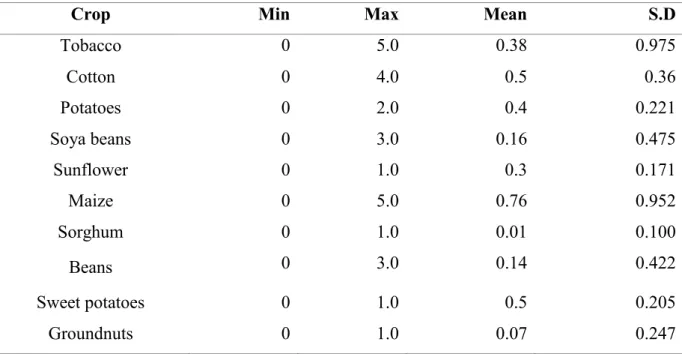
Table 3. 10: Number of hectares allocated to crops grown in the Bindura municipal area ... 52
Table 3. 11: Relationship between occupation and household income ... 53
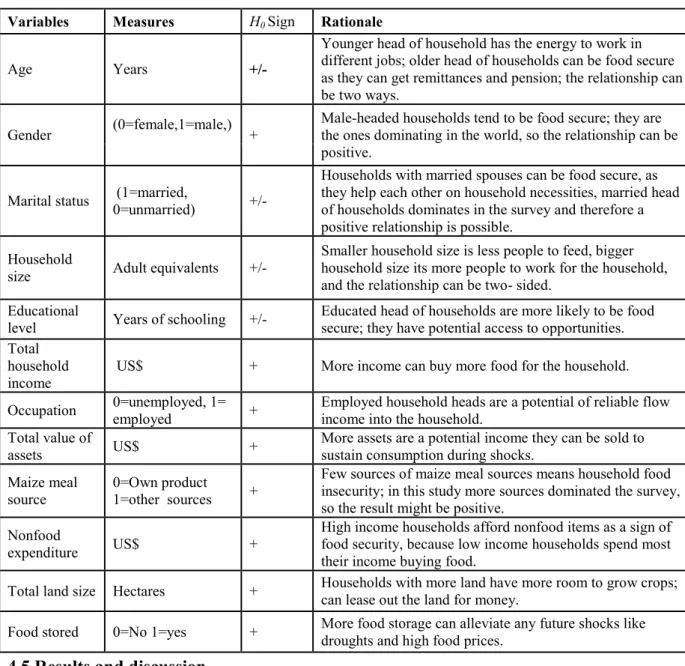
Table 4. 1: Description of independent variables used in the model ... 63
Table 4. 2: Association between food security and socio-economic parameters ... 66
Table 4. 3: One way Anova test results for household food security determinants ... 68
Table 4. 4: Ordered probit results of determinants of household food security ... 71
Table 5. 1: Household dietary diversity food groups ... 80
Table 5. 2: Dietary diversity frequencies found in the study ... 81
Table 5. 3: Description of independent variables used in the model. ... 82
Table 5. 4: Dietary diversity score and household nutritional security parameters ... 84
Table 5. 5: Anova-test results for the extent of household nutritional security ... 87
Table 5. 6: Extent of household nutrition security (dietary diversity tool): Tobit model ... 91
1 CHAPTER 1: INTRODUCTION
1.1 Background to the problem
The concept of household food security (HFS) refers to the ability of a household to assure all its members sustained access to sufficient quantity and quality of food to live active, healthy lives (Frayne et al., 2010). Household food insecurity is prevalent in Zimbabwe, in urban and peri-urban areas in Africa and many developing countries. Food maybe more plentiful and more diverse in the city than the countryside, but it is far from being uniformly accessible.
The present study proposes an investigation to assess the extent of HFS in Zimbabwe’s urban and peri-urban areas, in particular the Bindura Municipal area. HFS accounts for the consumption levels of all members of a household’s population (Sikwela, 2008). In Zimbabwe there is significant inequality between households in rural and in urban areas, in terms of food access. Most rural households produce their own food for household consumption and sell the surplus. In spells of shocks like droughts they are aided by government interventions and food aid from non-governmental organisations. To the contrary, urban and peri-urban households rely on small-scale food production, regular buying of food and livelihood diversification to construct a living. Unfortunately, access to adequate food at a household level increasingly depends on how food markets and distribution systems function, rather than only on total agro-food output (Ignowski, 2012). In trying to understand the survival of urban and peri-urban households, their resilience and coping strategies to food insecurity, a livelihoods approach is valuable. This approach seeks to improve understanding of how people use the resources at their disposal to build a livelihood. The assumption is that households survive by drawing on a range of assets (human, physical, financial, social and natural) that are available to them within the broader socio-economic and political context (Gundu, 2009).
1.2 Importance of the study
Zimbabwe as a country has not been spared by extreme weather patterns, rainfall variation, economic-political unrest, HIV and AIDS, which all have taken a toll on food security at household level (Kadziya & Chikosha, 2013). This study focuses on urban and peri-urban areas, which establish their household welfare using food security. Various factors contributing to HFS are discussed and investigated, so that recommendations can be made on better strategies and measures to assist societies address household food insecurity in urban and peri-urban areas. The multiplicity of factors causing and exacerbating food insecurity
2 requires closer collaboration among community members, government agents, development actors and policymakers, at all levels, to assist in combating poverty in urban areas. Denhere et al. (2011) state that in Zimbabwe several studies have been documented by FAO/WFP, Zimbabwe Vulnerability Assessment Committee (ZimVac) and Zimbabwe Food Security Outlook, concerning household food security in rural areas. Little attention has been paid to urban and peri-urban areas. The study could draw the attention of government and policymakers on how to target interventions in urban and peri-urban areas and throughout out the country. The household is recognised as the primary focus for any development strategies aimed at achieving food security, with livelihoods assets like income viewed as the ambit for food access and household management (Jonga & Chirisa, 2009). This study will concentrate on assessing HFS, taking into account issues like sources of income, sources of food and household composition. This study is of significance in understanding the impact of food prices and policy issues in relation to access, gender, food, household expenditure and levels of urban poverty. The study makes it easier for government and policymakers to formulate food security coping strategies such as livelihood diversification. It is important to inform local authorities on how they can contribute towards minimising household poverty in urban areas in developing countries. The present study investigates the proportion of food secure to food insecure participants in the Bindura Municipal area.
1.3 Problem statement
The assumption of this study is that the household is the first place to experience food insecurity. This should thus be the initial focus of government planning. Previous research by Chisango (2012) bears evidence that, despite international and government efforts towards food security, its attainment in Zimbabwe, and in Bindura in particular, is becoming elusive, especially at household level. In Zimbabwe there is high proportion of food insecure people, which is caused by unemployment, high food prices and the quality of food (Jonga & Chirisa, 2009). The study aimed to bridge the gap on the understanding of the level of the household food security and its determining factors in urban and peri-urban areas in Zimbabwe. The study will be an origin of the interventions needed to address the level of food security in Zimbabwe’s urban and peri-urban areas. To understand the HFS status in a country, it is necessary to investigate how the mechanisms of the food distribution system and resources of a household determine its access to food (Chingwende et al., 2014). There is food distribution and accessibility problems that need to be addressed, ideally by expanding employment opportunities, thereby enhancing households sources of incomes. Denhere et al. (2014) assert
3 that HFS is well understood concerning issues such as social protection, sources of income, rural and urban development, changing household structures, health, access to land, water and inputs, retail markets, or education and nutritional knowledge. The multiple factors that influence access to food are not well understood and this could impact negatively on the ability to identify appropriate policies to improve food access.
1.4 Research objectives
Generally, the study seeks to assess household food security in the Bindura Municipal area, Mashonaland Central Province, Zimbabwe, and the factors determining it.
The specific research objectives are as follows:
To identify different livelihood sources of urban and peri- urban households in Bindura Municipal area.
To analyse the determinants of the household food security status in urban and peri- urban areas.
To investigate the factors that influences the household dietary diversity levels among urban and peri-urban settings.
1.6 Organisation of the study
The thesis is paper-based and is organized into six chapters. Chapter 1 has outlined the problem and its setting. Chapter 2 contains a review of the relevant literature. Chapter 3 presents an analysis of household livelihoods. Chapter 4 analyses the determinants of household food security in urban and peri-urban areas. Chapter 5 illustrates the extent of household nutritional security. Finally, Chapter 6 presents the conclusions and recommendations of the study.
4 CHAPTER 2: LITERATURE REVIEW
2.1 Introduction
The Government of Zimbabwe has a daunting task to address household food insecurity in urban and peri-urban areas because of population growth, unemployment and a declining economy. Munodawafa (2009) asserts that the country is currently facing a ‘triple threat’, namely HIV/AIDS, food insecurity and diminishing capacities to deliver basic services to the people. Household food security can be defined as the accounting of the consumption levels of all members of a household population (Crush et al., 2011). A household is considered food secure if it has the ability to acquire the food needed by its members to be food secure (Iram & Butt, 2004). The causes of household food insecurity may include inadequate control and quality of assets, unemployment, inadequate wages, high food prices, inadequate access to markets and other factors. The full range of food insecurity and hunger cannot be captured by any single indicator. Instead, a household’s level of food insecurity or hunger must be determined by obtaining information on a variety of conditions, experiences and behaviours that serve as indicators of the varying degrees of severity of the condition. Measuring food security is a complex challenge; the Household Food Insecurity Scale (HHFIS) is the most appropriate tool, as it gives a HFS condition for a period of 30 days. This literature review gives an overview of the Zimbabwean HFS situation in urban and peri-urban areas. The literature review also presents a body of information relating to issues of household income, assets endowments, HIV/AIDS, macro-economic conditions, sustainable livelihood coping strategies and household food production, as the key determinants affecting HFS.
2.2 Overview of the food security situation in Zimbabwe
Household food security in Zimbabwe has declined, compared with a decade ago, due to a drastic reduction in food and agricultural production following erratic rainfall, a declining industrial economy and the gross lack of key farming inputs (FAO/WFP, 2008). Food security status among the households differs due to variation in households ’available resources. The Zimbabwe Vulnerability Assessment Committee (ZIMVAC, 2013) asserts that the 2013/2014 consumption year was projected to see 2.2 million people (25 per cent of rural households) food insecure by the peak of the hunger period in March 2014. Manyure et al. (2013) state that, in Zimbabwe, food insecurity was only a household level concern among the poor and those without enough land to farm. However, food shortages at both national and household level have increased over the past two decades and the country has had to rely
5 on food aid and commercial grain imports to meet its requirements. CSO (2012) indicates that 70% of the population was living below the poverty datum line and this figure could have increased, because of a considerable increase in food prices and inflation. The plight of the poor in rural areas is exacerbated by a substantial shortfall in maize production because of erratic rains. The majority have to survive on food aid from external donors. Murisa (2010) records that poverty in urban areas is escalating because of the high rate of unemployment.
Zimbabwe is classified as a low-income country with a diversified economy, whose main industrial sectors include mining and agriculture (Gundu, 2009). Although Zimbabwe was Africa’s second most industrialised economy in the early 1990s, the majority of its population have always been agrarian based (Mukarumbwa & Mushunje, 2012). The decline of manufacturing and other industrial activities has contributed to an increase in the number of households dependent on agriculture for their survival (Iram & Butt, 2004).
2.3 The extent of urban and peri-urban food insecurity in Zimbabwe
Despite continued economic growth around the world, food insecurity remains a pressing problem in many parts of Africa. Poverty in urban areas is affected by a combination of factors, which tend to produce a wide range of vulnerabilities. The most important vulnerability involves poor urban dwellers, who are more immersed in the cash economy but earn incomes that are often erratic, unreliable and small (Kutiwa, 2010). Kutiwa (2010) stressed that Zimbabwe, the former bread basket of Africa, has become a net importer of food, with grave consequences for the economy and the overall food security of the country.
High food prices have drastically reduced people's purchasing power and raised the spectre of food and income disequilibrium at the household level. Most of the food in Zimbabwe’s urban markets is imported, rendering the urban population more susceptible to external food shocks and rising food prices on the international market (Tawodzera et al., 2010). Crush and Frayne (2010) suggested that, when a household is already spending a disproportionate amount of its income on food, inflation and price shocks will have an immediate negative impact on food security. Gandure et al. (2010) predicted that Zimbabwe will fall far short of achieving the Millennium Development Goal (MDG) of reducing hunger by 2015. One of the Millennium Development Goals is to reduce the number of food insecure households by 50%
by 2015. Zimbabwe has already missed targeting the goals. In terms of impact, both urban and rural areas will be affected. Households, specifically those in urban areas, suffered from food insecurity due to low incomes and food shortages in the markets (Mrema & Chitiyo, 2008). The very poor, particularly those who live in informal settlements, in backyard shacks
6 in high-density areas, and in peri-urban areas, are the worst affected. Many people in urban Zimbabwe are living in poverty due to limited livelihood opportunities (Sigauke, 2002).
Urban poverty is evidenced by the lack of ability to meet proper basic needs such as shelter, safe and clean drinking water, sanitation and food (Tawodzera, 2012). Even though Zimbabwe’s rural areas remain the locus of poverty, compared to urban areas, there is evidence that, since 2000, urban households, especially those in high-density areas, proportionally became poorer due to the deteriorating macro-economic environment, characterised by hyperinflation, negative GDP growth and shrinking formal job opportunities (Moyo, 2010). According to Zimstat (2014), the total consumption poverty line (TCPL) for Zimbabwe stood at US$102.00 per person in January 2014. This means that an individual required that much to purchase both non-food and food items as at January 2014 in order not to be deemed poor. Botswana has had high and sustained rates of economic growth for the past five decades and is generally considered to be one of the best economic performers in Sub-Saharan Africa (IMF 2012). PRFT (2015), in its study in Gweru, stated that the results carried out by the National Statistics Agency (ZIMSTAT) indicate that 38% of urban households, and almost 47% of people living in urban areas in Zimbabwe, are classified as poor. Nsingo (2010), cited in (Mpofu, 2012), explained that a study by Save the Children in January 2009 estimated that 10 out of 13 million Zimbabweans, over 75% of the population, were living in ‘desperate poverty’.
2.4 Determinants of household food security
Gebre (2012) noted that, according to the World Food Programme, the main determinants of food insecurity in the urban context are: food availability, food supplies to markets, food access, purchasing power and access to market and food utilisation, health and morbidity status. Food security is no longer seen simply as a failure of agriculture to produce sufficient food at the national level, but instead a failure of livelihoods to guarantee access to sufficient food at the household level (Abdalla, 2007). Factors used to explain the differences in levels of food security between households include income, household land holdings, employment status, household productive asset endowments and household composition (Ecker &
Breisinger, 2012). Kutiwa et al. (2010) reasoned that economic status is a large factor in food security, but in poor countries it may not be the only determinant of food security. When a household has a consistent income it is much easier for it to be food secure. However, in countries such as Zimbabwe, only a small percentage of people are securely employed in the formal sector. Food security has to be determined by other factors such as household
7 composition, educational level and livelihood diversification (Iram & Butt, 2004). Access to employment opportunities help to diversify and increase the amount of income at household level. The instability in access to employment opportunities determines food insecurity of urban households (Gebre, 2012). Family size is identified as one of the important demographic factors that affect household food insecurity status. Households with large family sizes have a higher chance of being food insecure than those with smaller ones (Mudefi, 2011). Battersby (2011) explains that that the linkage between household size and household survival strategies is quite complex. For example, urban households may postpone having children or send existing household members to rural areas, thus reducing or limiting the size of the household. Alternatively, households may retain or incorporate additional members to increase income, thus increasing the household size (Battersby, 2011). Sikwela (2008), in a study in Zimbabwe, found that household size is significant for households that are food insecure, compared to food secure households. Access to credit facilities determines household food security, because it gives the household an opportunity to be involved in income-generating activities, which can increase their financial capacity and purchasing power, to escape the risk of food insecurity (Sikwela, 2008). Moreover, it helps to smooth consumption when households face a temporary food problem. Gundu (2009) noted that many reasons, such as lack of education, collateral, good harvest, nepotism and an unduly long process, were given as hindrances to access to credit.
Gebre (2012) opines that the age of a household head affects food security status, where households headed by older people have higher chances of being food insecure. This is mainly because, the older household heads are, the less likely it is for the household to be productive and the more likely such households are to depend on remittances and gifts. Older household heads, rather than having their own income and production, have a higher probability of having a large family. Education level of the household head affects HFS.
Literate household heads are less likely to be food insecure than illiterate household heads (Mudefi, 2011). A possible explanation is that an educated household head largely contributes to working efficiency, competency, diversification of income, adoption of technologies and becoming visionary in creating a conducive environment to educate dependants, with the long-term target of ensuring better living condition than illiterate ones (Senefeld & Polsky, 2007). An educated household head plays a significant role in shaping household members. Gebre (2012) stresses that being literate reduces the chances of households becoming food insecure.
8 2.5 Sources of household income for urban dwellers
Few households in developing countries derive the bulk of their income from a single source;
most households avoid an extended period of dependence on only one or two sources of income (Ndlovu et al., 2013). Many households in Zimbabwe derive their income from many sources, including wages, salaried labour, remittances and small enterprises, which include basket and brick making (Crush et al., 2010). The contribution of each source to total income and its reliability varies greatly among households (Ersado, 2006). Factors contributing to this variation include agro-ecological conditions, wealth and income levels. In rural areas of developing countries, diversification into non-farm income sources is growing over time and now accounts for a considerable share of household income (Tawodzera, 2012). Chisango (2012) argued that off-farm labour is an important source of income for most smallholder farmers and is positively associated with higher and less variable total income. Income diversification can have a positive effect on food access, by increasing total household income and, under ideal circumstances increasing investment in agriculture (Ersado, 2006).
Tawodzera (2011) points out that, while poverty has many dimensions, the aspect that has most influence on household access to urban goods and services is income. Access to an adequate and stable income is vital for urban household food security because of the money- orientated nature of the urban environment, where nearly everything has to be bought for cash. Urban households require cash income to pay for their food, as well as for other essential services such as housing, transport and electricity (ZFSOU, 2012). The number of income sources is directly associated with the gender of the household head and the number of adult household members. In contrast to rural areas, female-headed households tend to have more income sources in urban areas (Ersado, 2006). Men and women engage in different activities to obtain income. Income derived from the sale of their labour is a key asset for the urban poor, as a result of the commoditised nature of cities, which increases dependency on cash income (Meikle et al., 2001). Mbara et al. (2005) noted that, in the cases of Harare and Bindura, formal sector work was ranked as the most important source of income for households. Professional services constitute the highest income-earning activities, with percentages of 34% and 27% in Harare and Bindura, respectively. Crush and Frayne (2010) state that in Blantyre urban agriculture is a relatively more important source of income than in Lilongwe (25% compared with 10%), while formal employment is more important in Lilongwe. Pedzisai et al. (2014) revealed that urban agriculture in Zimbabwe is an important subsistence and income generating activity and is popular among the poor to complement
9 their meagre household incomes. Tawodzera et al. (2012) assert that small and medium scale enterprises (SMEs) had multiplied steadily in many towns in Zimbabwe, to provide livelihoods to millions. Crush and Frayne (2010) suggested that other sources of household income in South Africa include state grants (pensions, child grants and disability grants), informal employment, remittances, borrowing from ‘loan sharks’ and criminality.
2.6 Household food production in urban and peri-urban areas
The challenge of feeding cities lies in enhancing consumer access to food by ensuring increased local food production, processing, distribution and reversing dependence on distant production sites, thus enabling cities to become more autonomous in food production (Jongwe, 2014). More than 70% of Zimbabweans depend primarily on agriculture for their livelihoods, but they face a wide range of problems, including low productivity, limited market integration, poor soil fertility in some regions, the impact of climate change; limited irrigation systems, a lack of smallholder-oriented credit systems; and weak agricultural training and services (ZFSOU, 2012). Urban Agriculture (UA) contributes to local economic development through boosting the urban poor asset base, increasing income and alleviating poverty, thus reducing vulnerability and food insecurity (Chiweta & Mushunje, 2012).
Alinovi et al. (2009) stated that UA is a direct and indirect occupation in cities. Crush et al.
(2010) upholds that urban production is a source of both food and income, though the relative importance of each varied by type of household, with higher-income households selling a larger absolute volume of produce and female-headed households selling more than male- headed households. It is estimated that two hundred million urban residents the world over provide food for the market and that eight hundred million urban dwellers are actively engaged in UA (RUAF, 2009). Urban agriculturalists are composed mostly of disadvantaged groups such as orphans, women, rural immigrants without jobs and the elderly (Chazovachii et al., 2013). The majority of rural dwellers in Zimbabwe depend on smallholder crop- livestock farming, based on the production of maize, other cereals and legumes, along with small and large stock, including goats and beef or dairy cattle (ZFSOU, 2012). Agriculture continues to be one of the important sources of livelihoods for the majority of households in the peri-urban and high-density areas, after petty trading, cross-border trading and self- employment (FAO/WFP, 2010). Agriculture plays an important role in the development of the Zimbabwean economic growth, households’ income generation and food security (Mukarumbwa & Mushunje, 2010). Crush et al. (2011) point out that in the African Food Security Urban Network (AFSUN) baseline survey of poor areas in 11 cities in southern
10 Africa, just 22% of the households sampled said that they normally grew some of the food they consumed. Crush et al. (2010) disputed the AFSUN survey and emphasise that in Lusaka, with a very high concentration of poor households, food production is extremely limited, and that most households do not have access to the land to grow anything. It seemed that only residents of cities that experienced absolute food shortages, such as Harare, regularly depended on food they had grown themselves (Crush et al., 2011). Urban agriculture is argued to have the potential to alleviate poverty, through subsidising food expenditure, income generation, through the sale of produce, working on urban farms and impacting prices by providing lower cost produce to the market (Battersby, 2012). Urban agriculture is often advocated as a means of addressing growing vulnerability and poverty, persistent food insecurity, declining livelihood opportunities and gender inequality in the urban economy (Crush et al., 2010). Urban home vegetable gardening plays an important role in establishing sustainable and profitable livelihoods for the majority in the urban areas (Mrema & Chitiyo, 2008).
2.7 Sources of household food for urban dwellers
According to (Mudefi, 2011), poor households in southern African cities obtain their food from a variety of formal and informal sources. Supermarkets are more important than the informal economy in some cities and the reverse is true in others. However, it has been clear that supermarkets are the dominant sources of food for households in most cities in the world (Crush et al., 2010). Mudefi (2011) argued that supermarkets are less important as sources of food, compared from informal traders. Botswana’s proximity to South Africa has meant that it is increasingly integrated into the supermarket-driven food supply chains that dominate that country’s food retail sector. Southern Africa’s supermarkets revolution has transformed the way in which urban residents of Botswana source their food (Crush & Frayne 2011).
Economic hardship in Zimbabwe forced many households who could access land to try to supplement their food basket through household food production (Chisango, 2012). By 2008, urban agriculture had become ubiquitous throughout many towns in Zimbabwe (Crush et al, 2010). Food transfers from rural households are important and common in many towns in Zimbabwe. Food transfers proved to be important to the survival of many households in Harare and neighbouring towns (Gundu, 2009). These food transfers come from family or friends in the rural areas, other urban areas, or other countries, where Zimbabwean migrants are now domiciled (Murisa, 2010). Crush and Frayne (2011) argues that the AFSUN survey found that rural-urban food transfers are not particularly significant in Gaborone and,
11 certainly, nowhere near as important as in cities such as Windhoek, Harare and Lusaka. Some urban households also maintain plots in the rural areas, where they grow crops which they transfer to the city for their own consumption. FAO/WFP (2010) state that diaspora remittances play a major role in supporting household food needs and alleviating poverty in Zimbabwe. Overall, it is estimated that a large number of Zimbabweans are abroad to work and support their households.
2.8 Food security measurement and indicators
Measuring and defining food security is a difficult task. FAO currently defines food security as “when all people, at all times, have physical, social and economic access to sufficient, safe and nutritious food which meets their dietary needs and food preferences for an active and healthy life”. Such status is not the case for many people in sub-Saharan Africa (FAO, 2011).
The most important HFS indicators are: availability of food in local areas, availability of agricultural inputs, agricultural production, market infrastructure, access to common resources, climatic factors, especially rainfall levels, agro-ecological disparities, stability of food supply and production, community social networks, presence of weather and crop forecasts, food balance sheets, pest management and local and regional conflicts (Mudefi, 2011). Current research agrees that food security has three central concepts: food availability, food access and food utilisation (Webb et al., 2006). There is still not a universally accepted tool of measurement. Today most measures look at household level of food security and this can be done in multiple ways. Measuring household food security can include looking at caloric intake, health measures, or food expenditure. These tend to be measured by surveys, which have multiple methods. Du Toit et al. (2011) noted that national food security indicators reveal that South Africa has been able to meet the food needs of its growing population over the past years. However, there are no clear statistics to ascertain that the food insecurity condition is the same at household level, especially in rural areas of South Africa.
DAFF (2011) contributes to an understanding of household-level food security in different, but complementary, ways, most significantly by providing measures of the extent to which the poor spend their income on food. Alemu (2010) based his measurement of household food security on undernourishment. According to the South African Medical Research Council (SMRC), an individual is classified to be food insecure if he/she receives less than 2261 kilocalories per day. By translating this to economic terms, it represents the recommended daily consumption (SAMRC, 2010).
12 2.9 Household Food Insecurity Access Scale (HFIAS)
The Household Food Insecurity Access Scale (HFIAS) is a brief survey instrument developed by Food and Nutrition Technical Assistance (FANTA), to assess whether or not households have experienced problems with accessing food during the past 30 days (Noble, 2011). There are a number of tools which can be used, but for the present study it is the most appropriate to assess household food consumption patterns for a period of 30 days. The HFIAS measures the prevalence and degree of food insecurity from a nutritional perspective, focusing on a household’s food-related experiences. When facing limited access to food, it can detect changes in the household food insecurity situation of a population, over time (Gandure et al., 2010). The HFIAS was developed to reflect three apparently universal domains of the experience of inadequate household-level food access, namely anxiety about household food supply, insufficient quality, which includes variety and preferences, and insufficient quantity of food, the amount consumed and the physical consequences of insufficiency (Deitchler et al., 2011). FANTA (2004) explained that the HFIAS is the most developed tool for measuring household food insecurity. It consists of a set of nine generic questions (Coates et al., 2006). Question 1 addresses anxiety and uncertainty of household food supply, Q2–Q4 addresses food quality (variety and preference) and Q5–Q9 addresses insufficient food intake and its physical consequences. Q2–Q4 and Q5–Q9 are organised in order of increasing severity of the food insecurity condition (Coates et al., 2006). Based on the response to the nine questions and frequency of occurrence over the past 30 days, households are assigned a score that ranges from 0 to 27 (FAO, 2008). A higher HFIAS score is indicative of poorer access to food and greater household food insecurity. Becquey et al. (2010) proclaims that the HFIAS still needs to be externally validated, because there are no agreed-upon gold standard indicators. Existing measures lack the ability to differentiate households at varying degrees of food insecurity in order to target and evaluate their interventions (Webb et al., 2006). HFIAS was used in determining the extent of food insecurity of rural and urban households in Bangladesh and Uganda; and to examine its suitability as a predictor of poverty status (Alcara
& Zeller, 2007). Other research carried out in Bangladesh has validated the household questionnaire approach as a viable and extremely useful tool for operational use in food security-related programming and evaluation. Gebreyesus et al. (2015) recorded that the HFIAS has been shown to measure food insecurity with an acceptable standard in a few developing countries.
13 2.10 Dietary Diversity Index
Dietary diversity has been defined as the number of individual food items or food groups consumed over a given period of time. The reference period can vary, but is most often the previous day or week (Saaka & Osman, 2013). Dietary diversity is considered an outcome measure of food security, mainly at the level of individual or household food access, but can also provide information about food availability in the community and reflect seasonal changes in dietary patterns, an aspect of the sustainability of the food supply (Kennedy, 2009). Dietary diversity instruments have recently become the preferred method for studying dietary adequacy in developing countries. Belachew et al. (2004) and Vakili et al. (2013) stated that dietary diversity (DD) and the amount of animal source foods that individuals consume are two commonly used measures for dietary quality. Healthy growth and development essentially need a balanced diet of nutrients and vitamins, which include a variety of foods from different food groups (vegetables, fruit, grains and animal source foods). The preliminary findings of the Nutrition Survey of 2014 in Zimbabwe showed that, while frequency of meals seemed adequate, dietary diversity remained a challenge, as only 26
% of children aged six to 59 months consumed four food groups (WFP, 2014). It has also been noted that, in order to cope with food insecurity, the majority of poor Zimbabweans are reducing the number of meals from three meals a day down to one, which leads to limited dietary diversity. Experience has proven that women are most affected, as they prioritise their children (EAZ, 2013). Arimond and Ruel (2004) stressed that a diverse diet, rare among poor populations in developing countries, proves especially important for infants and young children, who need essential micronutrients and energy for rapid physical and mental development. The household dietary diversity score (HDDS) is meant to reflect, in snapshot form, the economic ability of a household to access a variety of foods. Studies have shown that an increase in dietary diversity is associated with socio-economic status and household food security (FAO, 2013) Food insecurity has severe implications for nutrition, health and productivity. Mango et al. (2014), in Sanchez (2002), noted that members of a household that fails to obtain nutritious and preferred foods for a healthy and productive life may develop multiple chronic conditions, even obesity. Regular intake of an adequate quality and quantity diet is vital for optimal health, growth and development of adolescents. In low income countries, suboptimal dietary practices result either from limited access to food supply or from inadequate knowledge of the importance of a good quality and quantity diet (Belache et al., 2013). Handina (2010) pointed out that in Zimbabwe there were changes in
14 the household dietary diversity caused by the introduction of the cash transfers project in the community and generated food consumption scores (FCS). In South Africa, low dietary diversity is associated with stunted growth in children and a higher probability of metabolic syndrome and cardiovascular risk factors in adults. The South African population, in general, consumes a diet with little variety and is therefore nutritionally vulnerable (Drimie et al., 2013.
2.11 Household assets endowment
‘Assets endowment’ refers to households’ assets, including land, labour, knowledge and capital. Household assets have a significant influence on households’ livelihood decision- making (Perz, 2005). Households always use these assets to invest in their production or business, to achieve welfare benefits (Phanith & Penh, 2011). Access to food by households has been conceived as a function of entitlements, which includes a set of all alternative bundles of commodities that a person can obtain legally, by using his or her endowments (Feleke et al., 2005). People may suffer inadequate food because of lack of entitlements. This implies that food insecurity should be analysed in terms of the decline or failure of food entitlements of different socio-economic groups. Ndlovu et al. (2013) assert that there can be household food insecurity due to a variety of variables, such as loss of endowments, loss of employment, a fall in wages, or an unfavourable shift in terms of trade of food exchange for assets. According to (Donna, 2012) physical assets can be sold to finance consumption, but they also contribute to current consumption or can be used as physical collateral for a loan or credit. Livelihood strategies are shaped by a combination of household assets available, but they are relative factors that determine the availability of these assets in urban areas, such as employment (Meikle et al., 2001). Ownership of other productive assets such as farm equipment may be reasonable proxies for food security status of households as they are used for farming and hiring. Tawodzera (2011) noted that there is a positive relationship between agricultural equipment ownership and per capita grain production. The availability and access to assets affects the strategies of households. For example, households with an extra room may rent the extra space out for cash (Meikle et al., 2001). Ownership of housing can be key in ensuring access to other resources, for example even housing in informal settlements, if registered, can be used as collateral for credit (Farrington et al., 2002).
Mavhura et al. (2015) points out that consecutive droughts have resulted in high food insecurity and depletion of household assets endowment during droughts. Maponya (2008) stated that asset ownership plays a key role in a food security context, because ownership of
15 assets enables households to engage in other income-generating activities, such as leasing of land, when income is insufficient.
2.12 Household sustainable livelihood approaches to urban poverty
A livelihood comprises the capabilities, assets (including material and social resources) and activities required for a means of living. A livelihood is sustainable when it can cope with, and recover from, stresses and shocks and maintain or enhance its capabilities and assets, while not undermining the natural resource base (Scoones, 2010). Tawodzera (2011) explained that there is the realisation that poverty, as conceived by the poor themselves, is not just a question of low income, but includes other dimensions such as bad health, illiteracy and lack of social services, as well as a state of vulnerability and feeling of powerlessness, in general. Scoones (2010) pointed out that, in trying to understand urban food insecurity, a livelihoods approach is valuable. Such an approach seeks to improve understanding of how people use the resources at their disposal to construct a livelihood. Meikle et al. (2001) claimed that, while natural resources and common property resources such as rivers, land and forests are generally less significant assets for urban poor residents, some natural resources like land are used in urban settings for livelihoods activities. The Fast Track Land Reform Programme (FTLRP) has so far played an important part in addressing food insecurity and poverty reduction among urban poor and low-income working class groups in Zimbabwe.
Farrington et al. (2002) points out that, natural resources are generally less used in the livelihood strategies of the urban poor, as they tend to be less available, especially in large urban centres. However, they should not be counted out, especially in peri-urban areas, where traditionally rural communities are being progressively absorbed into the urban fabric and are dependent on agricultural and non-agricultural activities. Moyo (2010) stresses that evidence from peri-urban land reform beneficiaries suggest that their livelihoods have been transformed due to their new ownership of land. They are not only directly producing food for household consumption, but some are partly producing for informal commercial purposes.
In most cases, access to productive resources, including land, water, seeds, livestock and trees, contributed to yield and income increases, which, in turn, led to improved food security and nutrition levels (Nelly et al., 2004). Mutangi (2013) points out that, as a result of ever- increasing poverty, some residents in Masvingo town have resorted to utilise peri-urban resources to enhance their livelihoods. Among these resources is river sand, which is now in demand for purposes of construction in urban areas. This demand, together with the persistent
16 recurrence of poverty, loss of employment and changes in the economy in Zimbabwe, has forced some urban people to rely on resources which are close to rural areas, for survival. A key asset for the urban and the rural poor is social capital. Meikle et al. (2001) explains that social capital refers to features of social organisation, such as trust, norms and networks, that can improve the efficiency of society by facilitating co-ordinating actions. Farrington et al.
(2002) argues that strong social capital can help communities in mobilising to make demands for services and rights to the state. As well as local social relations, social capital may include the wider networks of social relations between the poor and the non-poor, including systems of patronage. However, social capital is a valuable and critical resource for poor urban households, especially during times of crisis and socio-economic change (Farrington et al., 2002).
2.13 Food security interventions in Zimbabwe
Several approaches have been implemented to address transitory food insecurity by both government and Non-Governmental Organisations (NGOs). These are the drought relief and recovery programmes (ZFSIP, 2011). Zimbabwe was once a food basket for the region. This note derives from an analysis conducted in 2009, looking back largely at the period 2000-08, which witnessed a dramatic transformation from a food surplus to a food deficit country, at the household and national levels (Pazvakavambwa, 2009). Food aid is one of the common interventions employed in Zimbabwe to ease household food security. There are countries which have received food aid for protracted periods, spanning up to 30 years, such as Ethiopia, Kenya, Uganda, Haiti and Swaziland (Jaka, 2009). Drought relief programmes have been implemented almost every other year since Zimbabwe’s independence in 1980 (Belder, 2007). UHAC (2012) notes that UNICEF has reached up to two million women, men, boys and girls with critical humanitarian needs in Zimbabwe, through cluster lead agencies in education, nutrition and water, sanitation and hygiene. The Government of Zimbabwe and WFP faced with critical resource constraints to assist the targeted numbers of food insecure communities and households. This means, even those under food assistance, may need to supplement their food needs by other means (ZFSO, 2014). Hanyani-Mlambo and Mukorera (2013) explained that most NGOs and government interventions in Zimbabwe normally target rural areas, so by targeting urban communities the programmes were meeting a very important need. Sigauke (2002) said that, in certain instances, governments and the private sector, without any consultation with the intended beneficiaries, often formulate urban projects. This prompted the emergence of development approaches that focus on alleviating
17 the poverty of targeted urban groups. Pedzisai et al. (2014) stated that only NGOs seem to be helping out the urban farmers in Chinhoyi. Wilding (2004) postulated that the need for food aid was clear in the market chaos which prevailed in 2002 and, without it, there would have been considerable suffering amongst the rural population of Zimbabwe and, particularly, those farming in the communal lands. African countries should increase their investment in long-term interventions such as dietary diversification, food sufficiency and bio-fortification (Mwaniki, 2007). ZFSIP (2011) stresses that, while the food for work programmes were used for infrastructure rehabilitation and developmental purposes, only a small number of these programmes had some successes in rural and peri-urban areas. In recent years, attention has shifted towards urban areas, through encouragement from government, and NGOs are increasingly playing an important role in shelter, food security and urban development projects (Sigauke, 2002). Focusing on household food security, nutrition and the right to food in urban and peri-urban areas will help city-dwellers to attain a better livelihood. Stewart et al. (2013) revealed that, of the interventions that did improve households’ levels of nutritional status, most used a multiple approach, focusing on nutrition education, amongst others, in combination with increased food production. Home gardening was found to be the most successful agricultural activity. This will allow municipalities to broaden their strategy towards achieving the Millennium Development Goals (Baudoin and Drescher, 2008)
2.14 Urban household coping strategies
Coping is the manner in which people act within the confines of existing resources and range of expectations to achieve various means (Wisner et al., 2004). Resources may include land, livestock, draught animals, crops and labour. To mobilise resources, people should be entitled to command them, which can be through the exercise of rights, using the market, calling upon obligations or even through theft and violence (Ndlovu, 2010). Households in poor communities often diversify their livelihood and income-generating strategies (Battersby, 2011). The home gardening of vegetables became one of the agro-based safety nets against food shortages and nutritional needs for urban dwellers in Zimbabwe (Mrema & Chitiyo, 2008). One of the most common coping strategies in times of food insecurity in southern Africa lay in reducing food consumption (Abdall, 2007). In badly affected parts of Zimbabwe; households have sought to cope with the situation by initially eating smaller portions. As the scarcity of food supplies worsened, families intensified their efforts at coping by skipping a meal during the day (Abdall, 2008). Haese et al. (2011) noted that other common household strategies include short term dietary changes and reducing or rationing
18 consumption, as well as maternal buffering. Reducing the number of meals per day has been the main strategy adopted over the years by households in Bulilima and Mangwe Districts (Ndlovu, 2010). The reduction or skipping of some meals has a negative impact on the health of some of the most vulnerable members of the household, such as the sick, the elderly and children under five years of age due to poor diet. Battersby (2011) stresses out that urban households may postpone having children or send existing household members to rural areas to reduce expenditure, thus reducing or limiting household size. Conversely, households may retain or incorporate additional members to increase income, thus increasing household size.
D’Haese et al. (2011) claimed that mechanisms that households employ in response to short- term food insufficiency can tell a story about that household’s capacity to withstand shocks and risks that trigger food shortages. The capacity of households to withstand shocks or manage risks is dependent on the magnitude and severity of the risk, as well as on the households’ assets, including social capital. Meikle et al. (2001) stated that many poor urban households are opportunistic, diversifying their sources of income and drawing, where possible, on a portfolio of activities such as formal waged employment, informal trading and service activities. Mudefi (2011) stated that people who live in areas with a high risk of food shortages will eventually develop a self-insurance coping strategy, to minimise risk to their household food security and livelihoods. Some of the households may resort to the sale of assets or migrating to regions where they can easily find employment, to feed the family.
2.15 Macro-economic conditions and their effects on household food insecurity
Over the past two or more decades, the countries of southern Africa have struggled to develop their economies and to create job opportunities and sufficient income to allow their citizens to build livelihoods that would boost their standard of living beyond the poverty line, thereby reducing their vulnerability to shocks (Abdall, 2007). Economic problems, such as poor macro-economic performance, rising external debt, generally increasing inflation and food prices, as well as inconsistent food policies, high unemployment rates and the lack of purchasing power experienced by Zimbabweans, all lead to severe food insecurity (Wilding, 2004). Dekker and Kinsey (2011) noted that, although there is very strong evidence that Zimbabwe’s economic decline began in the early 1990s, during the past decade simultaneous economic and political crises have mushroomed in Zimbabwe, resulting in double digit negative growth rates. ZFSIP (2011) postulated that, in the period 2000-2008, Zimbabwe’s economy has been characterised by a severe shortage of foreign exchange, high and rapid increases the inflation rates and shortage of basic commodities in the market. As a result, the
19 prices of basic commodities and services rose sharply. This affected low-income households (small-scale vendors, casual labourers, and low wage workers and the unemployed).
However, within the context of Zimbabwe’s economic crisis, the nature and scale of linkages between the urban and the rural areas should not be taken for granted (Tawodzera, 2013).
This is because the scale of urban poverty, as well as the depressed economy, is likely to affect the capacity of urban dwellers to remit to rural areas. Zimbabwe’s depressed economy continues to reduce employment opportunities. The majority of those employed earn relatively low wages, limiting their purchasing power for food and other basic commodities and services (ZFSO, 2009). In 2008 Zimbabwe was in crisis, with an economy depleting and a volatile political environment. Within this hyperinflationary environment, food shortages were acute and over 80 % of households in the country survived on less than US$2 per day (Tawodzera, 2014). Sibanda (2005) pointed out that gold panning was a major economic activity in Bindura town. Although it is illegal, it is estimated that a total of 5 000 people engaged in this activity during the past two decades. The economic crisis witnessed in Zimbabwe since 2000, when farm invasions by the supporters of the ruling party, and farm designations by the government, started, has contributed to a downturn in the Zimbabwean economy (Sigauke, 2002). Zimbabwe’s macro-economy has largely stabilised since early 2009, when the government of Zimbabwe instituted a multi-currency, largely US dollarized, system, established the Government of National Unity (GNU) and liberalized the grain trade (USAID, 2012). This stabilisation has resulted in substantial improvements in the market environment, including price stability and increased purchasing power. Though prices went down, they remained high for most poor urban households with limited purchasing power.
Sigauke (2002) stated that the economic reforms ushered in a nexus of socio-economic and political upheavals that tend to have a lasting effect on urban poverty. For example, the Economic Recovery Programmes (ERPs) led to the closure of many companies, resulting in the massive retrenchment of workers. FAO/WFP (2010) recorded that, during the crisis in Zimbabwe until early 2009, the formal sector collapsed, creating the opportunity for poor people to venture into the informal sector, mainly buying and reselling, which allowed them to cope. Over the past two or more decades, the countries of southern Africa have struggled a great deal to develop their economies and to create job opportunities and sufficient income to allow their citizens to build livelihoods that would boost their standard of living beyond the poverty line, thereby reducing their vulnerability to shocks (Abdalla, 2007). This has increased household food insecurity in the region. Another cause of Zimbabwe’s problems has been the fast-track resettlement programme, which started in 2000 as an extension of the
20 land reform that began in 1979 (Ignowski, 2012). In contrast, Chisango (2009) stated that in 2000 the government of Zimbabwe launched the Fast Track Land Reform Programme (FTLRP), as part of its ongoing land reform and resettlement programme, which seeks to address the racially skewed land distribution pattern inherited at the country’s independence in 1980. Before this programme, Zimbabwe had a thriving agriculture sector and was a net exporter of food in the region and abroad.
2.16 The effect of HIV/AIDS on household food security
The HIV/AIDS pandemic is a global crisis, the impacts of which will be felt for decades to come. More than 20 million people have died the whole world over, since the first case was reported in 1981(Gillesple & Kadiyala, 2005). Achieving food security in its totality continues to be a challenge not only for the developing nations, but also for the developed world. The difference lies in the magnitude of the problem in terms of its severity and proportion of the population affected (Mwaniki, 2010). ICAD (2008) revealed that HIV infection increases food insecurity vulnerability through poor health, low labour productivity, low income and increased livelihood insecurity. These factors can induce behaviour conducive to HIV infection, such as migration for work opportunities and engaging in the commercial sex trade, to earn additional income. Although it is recognised that HIV/AIDS crosses wealth groups, it is clear that the poorest households in communities are the most vulnerable or at risk (Khogali, 2003). Nkurunziza and Rakodi (2005) noted that the most explicit and widely referred to impact of HIV/AIDS on households relates to the loss of human capital, given the fact that HIV/AIDS affects the most productive population cohort.
Its impact on household and community livelihoods is arguably more devastating than some other types of illness. Crush et al. (2006) claim that, in Zimbabwe households with chronically ill patients, adults were more likely to have their children drop out of school and more likely to resort to migration in order to cope. The relationship between urban food security and HIV and AIDS is a complex problem, mainly because both issues are multilayered and, as a result, intersect in multiple ways (Crush et al., 2010). Kaschula (2008) made a different suggestion, that there is a lack of empirical evidence from the South African context that demonstrates if, and how, HIV and AIDS changes household-level strategies of food acquisition and intake. At community level, because HIV/AIDS strikes the most economically active and because it is so widespread, the impact is not just across sectors, but significantly systematic (Crush et al., 2006). HIV/AIDS was initially considered an urban issue; transmission was at its highest in densely populated regions. Crush et al. (2010) states
21 that, with the exception of Namibia and Swaziland, HIV prevalence is higher in the major urban centres of most countries in the Southern African Development Community (SADC) than outside them. Poorer HIV/AIDS-affected households have a higher dependency ratio, with a lower number of healthy adults (Khogali, 2003). Within HIV infected households there is increased risk of food insecurity and malnutrition, as sick members are unable to work. Household income declines, expenditure on health care increases, as care-giving burdens increase, and there is less time for looking after the children (Crush et al., 2006).
HIV/AIDS contributes significantly to household poverty. PRFT (2011), in its study in Mutare, outlined that in cases where the breadwinner of a family is unable to work because of HIV-related complications, the family finds itself with little or no income. HIV/AIDS primarily affects those aged 15 to 50 years, the bulk of the labor force. Infection rates in young African women are far higher than in young men, due mostly to biological factors such as the greater efficiency of male to female transmission, age-mixing in sexual relationships between older men and younger women and gender inequality (ICAD, 2008). ICAD (2006) concurred that, in many areas, infection rates in young women are far higher than in young men, because of the unequal power relations that prevail between men and women.
2.17 Conclusion
In Zimbabwe, multiple factors have contributed to urban household food security, including unemployment, HIV AIDS, climate change, and an unstable economy. The literature corroborates the fact that the extent of Zimbabwe’s household food security is generally below expected levels. In urban areas, faced with the problem of an increasing population and, consequently, an inadequate supply of food items, food shortages have led to increasing prices. As the HIV/AIDS pandemic continues, it will be important to monitor the impact this is having on the food security of urban households and on the nutritional status of urban households affected by this crisis. Macro-economic conditions had a significant impact on household food security, even though they have varied across economic groups. The different factors which influence food security in urban environments are complex. Urban authorities and policy-makers should recognise these determinants when designing programmes to meet the needs of the urban poor. Food security and poverty alleviation schemes should be extended to cover urban areas like urban agriculture and other relevant coping strategies. This chapter has presented some evidence based on the available literature. Succeeding empirical chapters give more evidence on household food security in urban and peri-urban areas.
22 However, the conclusion is that generally there is household food insecurity in Zimbabwe, particularly in urban settings.