Introduction: South Africa has the highest number of people infected with HIV in the world.2 The South African government has established national guidelines for the treatment of HIV-positive patients to ensure quality of care. This was compared to the 2010 national ART guidelines, which were the national policy at the time this study was conducted. The goals were to identify potential deficiencies in the care of patients with HIV/AIDS and to propose possible solutions, as well as to determine the demographic profile of patients who have access to care.
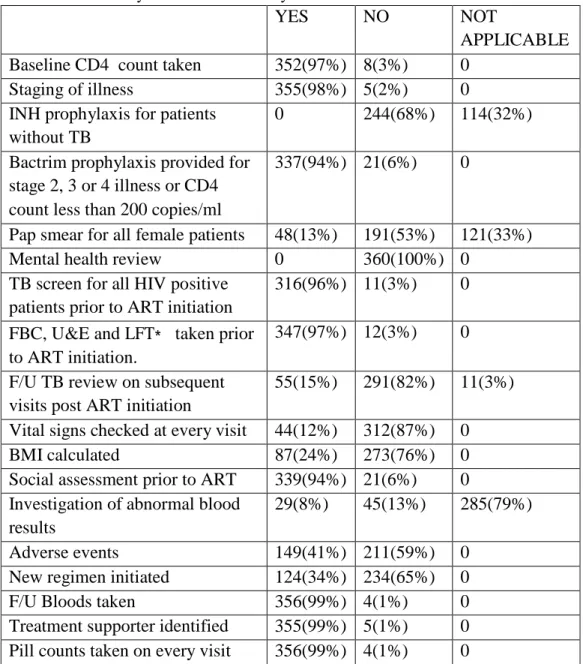
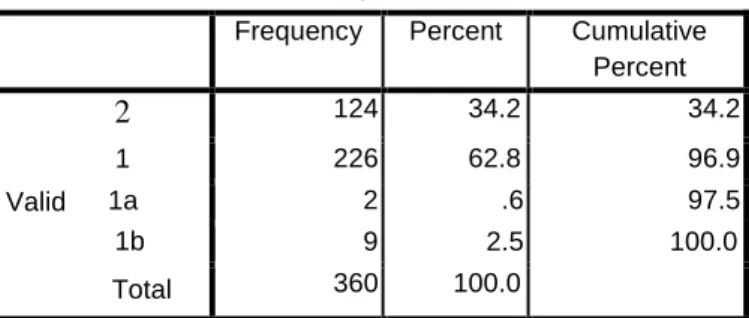
Pregnant patients and children were excluded from the study. The variables analyzed were generated using the pre-initiation, initiation and monitoring recommendations of the National ART Guidelines of 2010. However, adverse events due to antiretroviral therapy were reported in approximately 41% of the patients. , 25% did not change their regimen despite documenting a serious adverse event. The prevalence of coinfection with TB was 32%, but none of the remaining uninfected patients (68%) received Isoniazid prophylaxis.
Recommendations: The management of KwaDabeka CHC has significant challenges to overcome to optimize the treatment of HIV positive patients. Possible solutions should include access to National ART Guidelines for all relevant health care workers, regular medical update programs for the management of HIV positive patients and improvement of relevant procedural resources and skills.
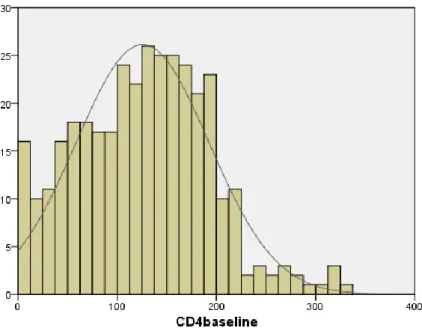
The study found that the timing of ART initiation was in accordance with national guidelines for 54% of patients, 42% had started ART with CD4 counts of less than 200 copies/ml, 97% had treatment regimens in accordance with guidelines.18 A the second study was the Audit of the treatment of people with HIV in the UK according to their recommended guidelines. Subsequent monitoring of blood tests will depend on the side effect profile of the chosen regimen or the symptoms that the patients have. A 95% confidence level indicated that the researcher was 95% confident that the study sample was representative of the total population of patients on ART at this clinic.
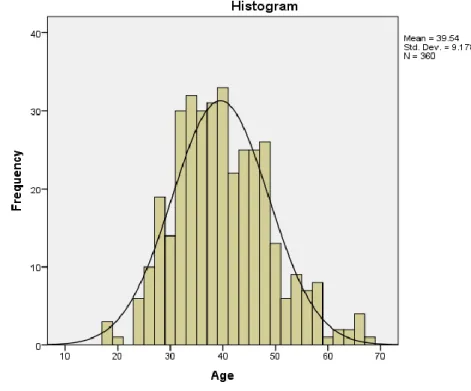
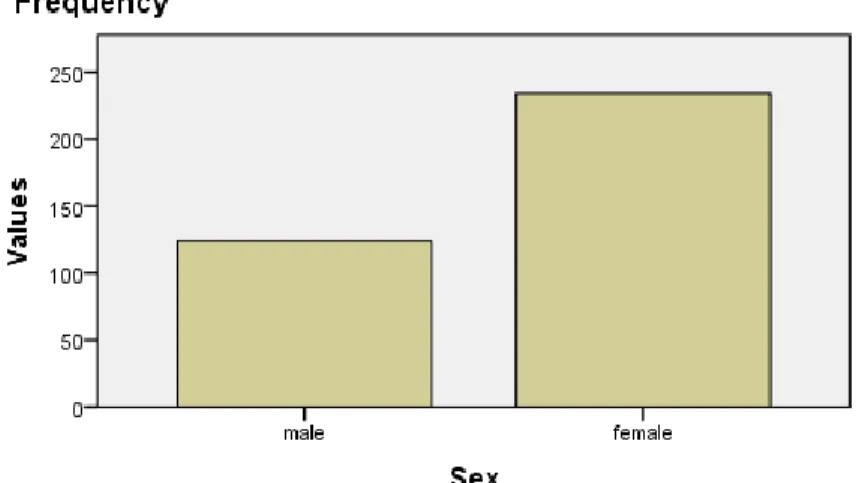
The adequacy of the regimen was then compared with the recommendations for special considerations in the National Guidelines. The appropriate management of abnormal results variable compared national guideline recommendations for drug-induced ART adverse events with those for CHC. The first objective of this study was to determine the demographic profile of the patient, so the first two variables of the data sheet recorded gender and age.
The third and fourth objectives of the study were achieved after the collection and analysis of data. The patients were identified by numbers, not names, and no potential harm could have been incurred by the patient.
16-21
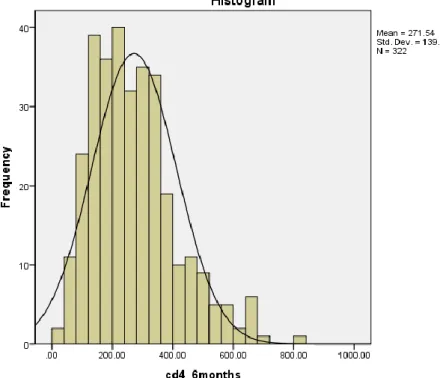
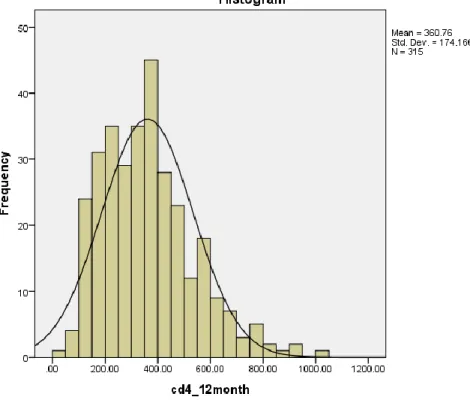
The viral load at six months was undetectable in 28% of patients and less than 40 in 28% of patients. At 12 months, the viral load was undetectable in 38% and less than 40 copies/ml in 45% of patients (Table 3 below ). The following steps, as advised by the National Guidelines, were followed by more than 90% of participants: performing a baseline CD4 count; staging the disease;
This was despite several studies showing that INH prophylaxis reduced the incidence of tuberculosis in HIV-infected persons by 62% in those with positive tuberculin skin tests (TST) and by 11% in TST-negative patients.22 Findings research shows that lack. Pap smears were not performed in 191 (80%) of the total number of women in this study. Abnormal cytology results have been reported in 65% of HIV-positive women.23 Early detection of cervical cancer and prompt treatment affect mortality and morbidity.
The prevalence of depression or other psychiatric disorders in HIV-positive patients has not yet been well established in sub-Saharan Africa. However, a study in Tanzania found that 15% of HIV-infected individuals had concurrent depression and 4.5% had other anxiety disorders.24 This article also mentioned that depression has been associated with faster disease progression and decreasing drug adherence. Therefore, it is important that no one This audit could have brought to light much-needed information about the possible co-existence of mental illness in HIV-positive patients if mental health assessments had been carried out.
This finding is also supported by a study which found that Stavudine was the possible cause of 93% of side effects.27 Fortunately, this drug, which had potentially life-threatening side effects, has now been phased out in favor of the use of Tenofivir.28 Side effects can result in mortality, morbidity and poor treatment compliance. Specifically, six key areas were identified that the clinic was not meeting in at least 50% of patients. The challenges in caring for HIV-positive patients at this CHC largely stem from poor adherence to key aspects of the guidelines, which this study was able to demonstrate.
The general impression was that the current management of HIV positive patients requires improvement by this institution. The results of this study have revealed several aspects of the National Guidelines with which KwaDabeka CHC does not comply. It may be advisable to ensure that copies of the National ART Guidelines are made available to health care workers involved in the management of HIV positive patients.
Randomly auditing patient files and presenting the results at staff meetings can identify new areas of concern and prevent problems from accumulating. Initiation of antiretroviral therapy in France: Adherence to National Guidelines and Outcome. Journal of the International Association of Physicians in Aids Care. Cervical intraepithelial neoplasia in HIV-positive women after excision of the transformation zone - grade varies.
Prevalence of depression and anxiety disorders in HIV positive outpatients in rural Tanzania [database on the Internet].