UNIVERSITY OF KWA-ZULU NATAL
The Business Support Frontline Staff Receive in the Automotive
Industry
Kevin Ackerberg
Student Number: 211 528 518 November 2015
A dissertation submitted in partial fulfilment of the requirements for the degree of Master of Business Administration, College of Law and Management Studies and
Graduate School of Business and Leadership.
Supervisor: Dr. E. Munapo
i Declaration
I, Kevin Ackerberg, declare that:
(i) The research reported in this dissertation, except where otherwise indicated, is my original research.
(ii) This dissertation has not been submitted for any degree or examination at any other university.
(iii) This dissertation does not contain another person’s data, pictures, graphs or other information, unless specifically acknowledged as being sourced from other persons.
(iv) This dissertation does not contain another person’s writing, unless specifically acknowledged as being sourced from other researchers.
Where other written sources have been quoted, then:
a) their words have been re-written but the general information attributed to them has been referenced; or
b) where their exact words have been used, their writing has been placed inside quotation marks and referenced.
(v) This dissertation does not contain text, graphics or tables copied and pasted from the Internet, unless specifically acknowledged, and the source is detailed in the dissertation/thesis and in the References section.
Signature:
ii Acknowledgements
A dissertation requires hard work and input from a number of people. I wish to express my sincere appreciation and gratitude to the following people, who shared their knowledge and experience in order to allow me to complete my dissertation successfully.
• Dr. Elias Munapo
• Mr. Alec Bozas
• Dr. Muhammad Hoque
Dissertation Supervisor Dissertation Supervisor Statistical Analysis
• Mr. Louis Maritz National Aftersales Manager of General Motors
• Mrs. Marion Harris National Aftersales Manageress for Volkswagen South Africa
A special thanks to all the Dealer Principals who allowed me to interview their staff for research and to the service advisors who took the time to provide the required information.
Finally, behind every success there has to be a support team. To my wife, Erica, and the rest of my family, who have given up their time and put up with my stress and have encouraged me to see this MBA through to its conclusion.
– Many thanks –
iii Abstract
It is without argument that, in today’s Motor Industry, aftersales plays a critical role in ensuring sustainable profitability. As growing pressure on new vehicle sales has led to reduced margins, after-sales has the ability to provide sustainable returns (Little, 2015). The development in technology and the change in customer
behaviour have caused the operating environment to change. The service delivery industry is more competitive and customer co-creation (co-production) has
become a critical part of developing the competitive advantage (Berndt, 2014).
Over the years, marketing elements have evolved and highlighted the importance of the relationship between staff and the customer in the service industry. The front line staff, known as “service advisors” in the automotive industry, has an important role to play in ensuring customer retention, but are they receiving the support that is required?
The research indicated that the front line staff had a reasonable understanding of their daily roles and an understanding of delivering customer satisfaction.
However, the lack of communication within the dealership with regards to the sharing of information was concerning. The benefit of technology was not being utilised and, although all the service advisors thought they had the ability to build a long-term relationship with their customers, in reality this did not happen.
In order for the service advisors to deliver and exceed the customer’s
expectations, a suitable environment needs to be created. Management needs to create a culture of customer focus. There has to be regular aftersales meetings where the objectives and customer feedback are reviewed. The service advisors must have a voice and management needs to be aware of their concerns and recommendations. Internal dealer communication must be improved and
marketing activities must be shared. The dealership must strive to operate as one company and not as individual departments.
iv Definition of Terms
Aftersales The department in the dealership that provides servicing and spare parts after the vehicle has been purchased.
Car parc
CLV CRM
Size of potential customer base for the OEM dealership Customer Lifecycle Value
Customer Relationship Management
CSI Customer Satisfaction Index: the rating index for the measurement of customer service (Fornell, Johnson, Anderson, Cha & Bryant, 1996)
Dealerships Independent aftermarket outlet used by OEM’s to fulfil sales and Aftersales functions (Barnes & Morris 2008) DMS
HR
Dealer Management System Human Resource Management
KPI Key Performance Index
OEM Original Equipment Manufacturer
Service Advisor The staff that interact with the customers at the dealership
WIP Work in progress
v Table of Contents
DECLARATION ... I ACKNOWLEDGEMENTS ... II ABSTRACT ... III DEFINITION OF TERMS ... IV TABLE OF CONTENTS ... V LIST OF TABLES ... IX LIST OF FIGURES ... IX
1 CHAPTER ONE – INTRODUCTION TO THE RESEARCH ... 1
1.1 Introduction ... 1
1.2 Motivation for the Research ... 2
1.3 Focus of the Research ... 3
1.4 Problem Statement ... 4
1.5 Objectives ... 4
1.6 Significance of the Research ... 5
1.7 Analysing the Research ... 6
1.8 Limitations of the Research ... 6
1.9 Chapter Outline ... 6
1.10 Summary ... 7
2 CHAPTER TWO – LITERATURE REVIEW ... 9
2.1 Introduction ... 9
2.1.1 Marketing Evolution ... 9
2.1.2 New Vehicle Sales Declining ... 10
2.1.3 The Aftersales Contribution ... 12
2.1.4 Profitability of Aftersales ... 13
2.2 Understanding Service Marketing ... 13
2.2.1 Current Customers Satisfaction ... 14
2.2.2 Service Marketing – The Intangible Product ... 15
2.2.3 The Complete Product ... 16
vi
2.3 Relationship Building ... 18
2.3.1 The Customer’s Perspective ... 19
2.3.2 Company Perspective ... 20
2.3.3 Competitive Advantage ... 20
2.4 Creating the Suitable Environment for Relationship Marketing ... 21
2.4.1 Leadership ... 21
2.4.2 Organisational Culture ... 22
2.4.3 Internal Marketing ... 23
2.4.4 Training ... 25
2.4.5 Empowerment ... 25
2.5 Communication for Relationship Marketing ... 26
2.5.1 Customer Relationship Management (CRM) ... 27
2.5.2 eCommerce ... 28
2.5.3 Customer Satisfaction ... 29
2.5.4 Incentives ... 30
2.6 Conclusion ... 30
3 CHAPTER THREE – RESEARCH METHODOLOGY ... 34
3.1 Introduction ... 34
3.2 Research Methodology ... 34
3.3 Aim and Objectives of the Research ... 35
3.4 Research Design ... 35
3.5 Questionnaire/Interview Schedule Design and Pilot Testing Thereof 36 3.6 Participants and Location of the Research ... 36
3.7 Collection Strategy ... 37
3.8 Data Analysis and Interpretation ... 37
3.8.1 Limitations of the Research ... 38
3.8.2 Validity and Reliability ... 38
3.8.3 Ethics ... 39
3.9 Summary ... 39
4 CHAPTER FOUR – PRESENTATION OF RESULTS ... 40
4.1 Introduction ... 40
4.2 The Sample ... 40
vii
4.3 The Research Instrument ... 40
4.4 Reliability of the Research Instrument ... 42
4.5 Demographic of Respondents ... 42
4.5.1 Qualification ... 44
4.5.2 Work Experience ... 44
4.6 Employee Satisfaction ... 45
4.7 Ranking the Service Advisor’s Daily Functions ... 47
4.8 Working Hours and Overtime ... 48
4.9 Incentive Programme ... 48
4.10 Aftersales Meeting ... 51
4.11 Training ... 52
4.11.1 Internal Training ... 52
4.11.2 External Training ... 53
4.12 Customer Relationship Management (CRM) ... 54
4.13 Conclusion ... 58
5 CHAPTER FIVE – DISCUSSION OF THE RESULTS ... 59
5.1 Introduction ... 59
5.2 The Respondents - The Service Advisors ... 59
5.2.1 Age ... 59
5.2.2 Gender ... 59
5.2.3 Education ... 60
5.2.4 Work Experience ... 60
5.2.5 Findings ... 61
5.3 What is the understanding of the Service Advisor with regards to customer satisfaction? ... 62
5.3.1 Employee Satisfaction ... 62
5.3.2 Ranking the Service Advisors’ Daily Functions ... 64
5.3.3 Incentive Programme ... 65
5.3.4 Working Hours ... 66
5.3.5 Findings ... 66
5.4 What training has the service advisor undergone and how frequently does this training take place? ... 66
viii
5.4.1 Aftersales Meeting ... 67
5.4.2 Training ... 67
5.4.3 Internal Training ... 68
5.4.4 External Training ... 68
5.4.5 Findings ... 69
5.5 Does the service advisor feel it is possible to develop a long-term relationship with the customer? ... 70
5.5.1 Customer Relationship Management (CRM) ... 70
5.5.2 Findings ... 72
5.5.3 Summary ... 73
6 CHAPTER SIX – CONCLUSIONS AND RECOMMENDATIONS ... 74
6.1 Introduction ... 74
6.2 Changing Environment ... 75
6.3 Management ... 76
6.4 CRM ... 77
6.5 Suggestions for Future Research ... 78
6.6 Implications of the Study for Professional Practice ... 78
6.7 Summary ... 79
REFERENCES ... 80
APPENDIX ONE: ETHICAL CERTIFICATE ... 92
ix List of Tables
Table 2.1 - South African Car Unit Sales Timeline (Cokayne, 2015) ... 11
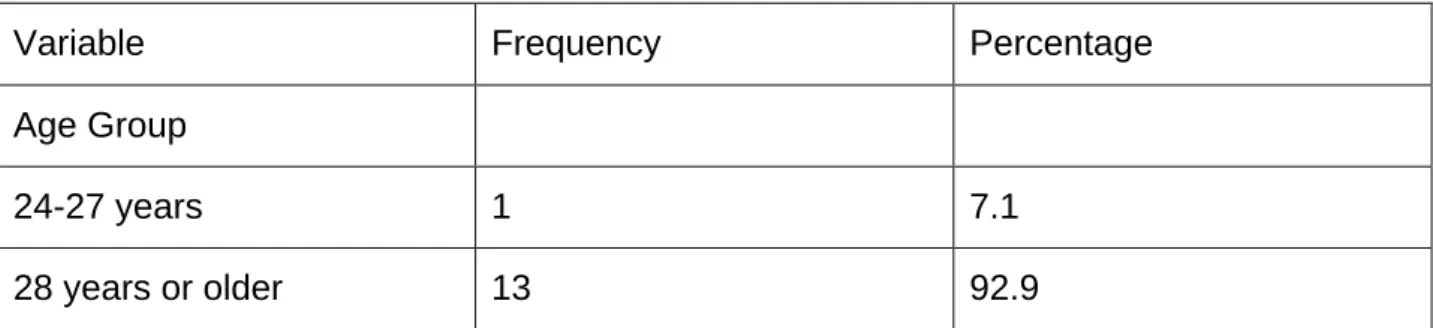
Table 4.1 - Reliability of Statistics ... 42
Table 4.2 - Age Group ... 43
Table 4.3 - Gender ... 43
Table 4.4 - Qualification ... 44
Table 4.5 - General Work Experience ... 45
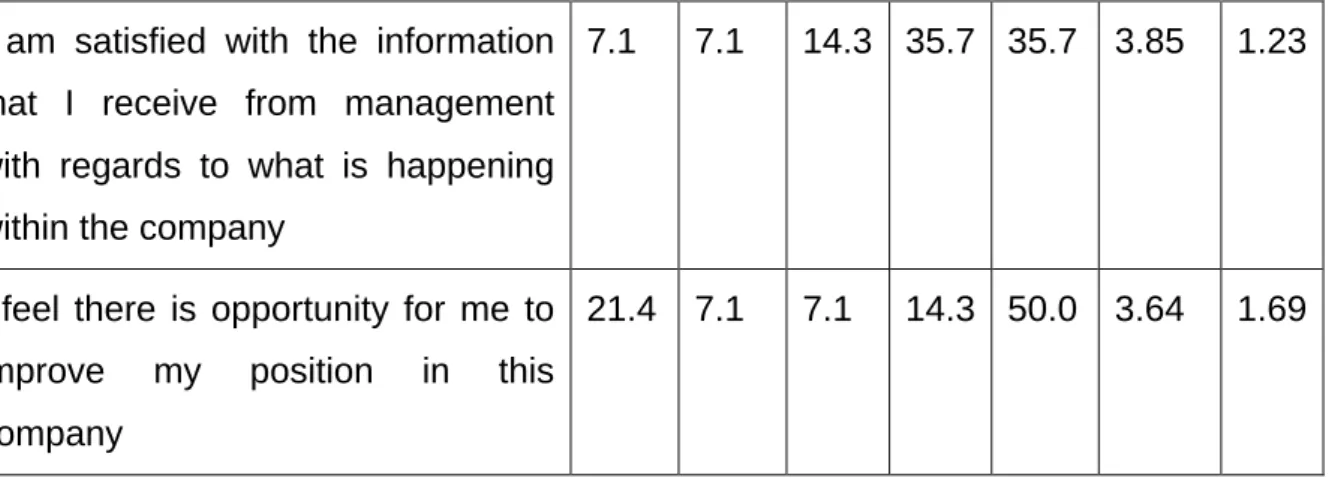
Table 4.6 - Summary of Statements Regarding Working Environment ... 46
Table 4.7 - Rate Activities Important to Achieving Customer Satisfaction ... 47
Table 4.8 - Working Hours ... 48
Table 4.9 - Discussion of Work Issues in a Meeting ... 52
Table 4.10 - Internal Training ... 53
Table 4.11 - External Training ... 54
Table 4.12 - Customer Satisfaction ... 55
Table 4.13 - Developing Long-Term Relationships with the Customer ... 57
List of Figures Figure 2.1 - Touch Points in the Customer Life Cycle (Volkswagen Internal Aftersales CRM Training Material n.d.) ... 28
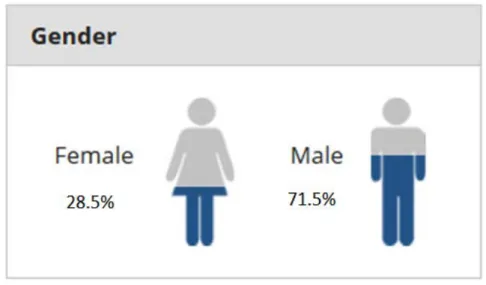
Figure 4.1 - Gender Breakdown of Respondents ... 43
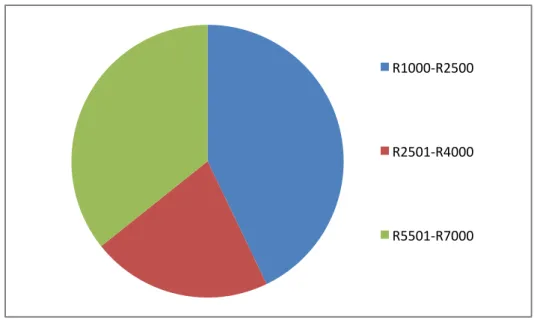
Figure 4.2 - Incentive Earned Per Month ... 49
Figure 4.3 - Makeup of the Incentive Programme ... 50
Figure 4.4 - Understanding the Incentive Programme ... 51
1
1 CHAPTER ONE – INTRODUCTION TO THE RESEARCH
1.1 Introduction
This research considered the role of the service advisor in a motor dealership in building customer satisfaction. This research was intended to establish the support the service advisors received from management.
The job function of a service advisor at an OEM (Original Equipment Manufacturer) dealership is complex. The service advisor needs to satisfy their customers and therefore needs to be multi-skilled. A service advisor will deal with an average of 12 customers a day. In addition, they need to monitor the work in progress (WIP), follow up on outstanding debt and deal with telephonic customer queries. During a working day, they will be expected to meet and greet the customers, analyse the customer’s requests, identify the customer’s needs, try and upsell additional repairs, deal with customer complaints and negotiate conflict situations, ensure all customers are kept up to date on the progress of their vehicles, and make sure the vehicles are ready on time and that all the documentation is completed correctly. This equates to a busy day.
As an OEM dealership, an advantage is that most of the customers are forced to use these workshops. The reason is that the vehicles are sold with a warranty and, in order for the customer to uphold this warranty, the vehicle has to be serviced at the dealership, which effectively provides the OEM dealerships with a captive clientele. In his report, Paul Cape goes on to highlight how little focus is given to this captive market and their aftersales experience. Once the vehicle comes out of warranty, dealership retention is reduced to a single figure (Cape, 2012).
2 1.2 Motivation for the Research
Ipsos provides a platform for ongoing research into the sales and after-sales service experiences in South Africa. Their research includes quantitative usage and attitude measurements, as well as qualitative "needs" investigations into the customer journey (Busschau, 2015). Findings in the South African market from 2015 research was that customers voted with their feet, preferring not to complain but rather change service providers. This is expanded upon in the literature review.
The service advisors need to be able to provide the ultimate level of service delivery. They represent the company in the eyes of the customer. In the service delivery process, it is the interaction between the front line staff and the customer that will form part of the service delivery process. Each one’s contribution to the process will have either a positive or negative effect on the outcome.
In order for the service advisor to deliver this ultimate service and exceed the customers’ expectations, the appropriate environment needs to be created. This would include the company culture, empowering the employees, communication and providing the tools for the employee to build a long-term relationship with the customer. The service advisor needs these support mechanisms to deliver service excellence. In addition, they need to understand their role in ensuring customer satisfaction. Well-trained and engaged employees are valuable as they become part of the competitive advantage for the company.
Competition in the market place is more intense and business cannot compete solely on price (Cook, 2002). Aftersales has been identified as an important contribution to the dealer’s profitability (Little, 2015). It is essential that customer satisfaction is achieved, with customer retention being the ultimate objective.
In South Africa, a dealership has an added advantage as the customer is forced to return to the dealership if the customer wishes to uphold their warranty. If the relationship is nurtured and developed through this warranty period, this can be of major benefit for the dealership to begin building a strong customer relationship, which will in turn lead to customer retention and loyalty.
3 Aftersales has become an important part of the dealerships profitability. In order to meet customers’ long-term expectations, the Aftersales departments need to deliver the required service when and where it is requested and at a cost effective price (Simmons, 2014). In manufacturing companies, the Aftersales account equates to approximately 65% to 75% of revenue (Doultsinou, Ray, Baxter, Gao &
Mann, 2009). The reasons for Aftersales becoming such an important profit generating department is due to a decrease in sales revenue, an increase in competition and an increase in customers’ demands (Van Der Merwe & Randa, 1988). The dealership is dependent on the Aftersales department for its financial contribution. Therefore, Aftersales support should be a primary activity of the business, whose goal it is to generate a profit (Naude & O’Neil, 2011).
The benefit of this research is to obtain a better understanding of the service advisors’ activities and how management can improve their support to the advisors. The benefit will be for Volkswagen and other automotive manufacturers to have a better understanding of the service delivery and how to integrate the service marketing strategy to ensure a sustainable business model.
1.3 Focus of the Research
Within the service delivery process, the customer and the service advisor combine to become part of the product. All parties will play a role in determining the level of satisfaction. As du Plessis (2014) explains in the book “Service Market”, employees play a critical role in ensuring the quality of service delivery is high and that the customers’ expectations are exceeded. Du Plessis goes on to highlight the importance that all employees are part-time marketers. The focus of this research is on the service advisors and more importantly what support, guidance and focus the management provides for them to operate. The service advisors need to have an understanding of the business and the objectives and be part of the team to build customer satisfaction and ultimately customer retention. The aim of the research is to confirm that service advisors are receiving the appropriate support to ensure the loyalty of the customer and their ability to build long-term relationships with their customers.
4 1.4 Problem Statement
The aim of the research was to identify the support that the service advisors at motor dealers receive from their management. While reviewing the evolution of marketing, it is important to understand that relationship marketing forms part of the aftersales strategy. The challenge within the service environment is that the product is mostly intangible (Baines, 2009). The marketing mix includes physical environment, processes and people. These elements need to be used to create the required value in the service process. Although all three elements contribute to the customer’s satisfaction, it is the advisor’s relationship with the client within the dealership that is important for the purposes of the research.
The service advisor plays a critical role in ensuring the customers’ needs are satisfied and that the customers’ expectations are met or exceeded. It should be the company’s objective to build a strong customer relationship and customer loyalty to ensure customer retention. With this in mind, the service advisors will require certain skills, support and knowledge to carry out their tasks.
The questions that need to be answered are:
• What is the understanding of the service advisor with regards to customer satisfaction?
• What training has the service advisor undergone and how regularly?
• Does the service advisor feel it is possible to develop a long-term relationship with the customer?
1.5 Objectives
By investigating the identified questions, one needs to understand the support that the service advisor receives and the environment that is created to ensure the job function can be carried out efficiently.
5 Objective One: Measurement of Customer Satisfaction Index. All companies in the motor industry contact the customer after a service (CSI). This survey is conducted by an independent company (IPSOS) where the customer is interviewed 10 to 35 days after their vehicle service or repairs. The surveys are controlled to ensure the highest level of scientific validity and reliability (IPSOS, 2015).
Objective Two: The Aftersales operating environment must be conducive to delivering customer satisfaction.
Objective Three: Understanding the service advisor’s role. The service advisor is the main element in the service delivery process.
Objective Four: There must be continuous focus on ensuring a high level of service delivery.
Objective Five: The dealership must look at ways to ensure that a long-term relationship is developing and nurtured through the lifecycle of the ownership experience.
1.6 Significance of the Research
It is important to have a clear understanding of what drives customer satisfaction and customer loyalty. The only way to deliver superior customer service is through the service advisors. This research will emphasise the strengths and weaknesses of the OEM dealerships Aftersales activities.
The results from the research will assist dealer management and OEMs to improve the focus on the critical drivers to ensure the service advisors are equipped with the suitable knowledge and that they are empowered to provide the desired service experience.
The aim of this research was to obtain a better understanding of the service advisors’ activities and how management can improve their support to the advisors. The significance will be for Volkswagen and other automotive manufacturers. They will have a better understanding of service delivery issues
6 and how to integrate the service marketing strategy to ensure a sustainable business model.
1.7 Analysing the Research
The research is based on a quantitative data collection. All the service advisors that participated in the survey are currently working at Major Motor Dealerships in the Durban Metropolitan area. The sample size was small which allowed direct discussion with each respondent and conduct the survey in an interview format.
Respondents provided feedback with regard to their working environment.
1.8 Limitations of the Research This research did have limitations.
Although all effort was made to interview service advisors from different manufacturers, this research was limited to the number of interviews that were done. The sample was taken from OEM dealers that are operating under two brands, General Motors and Volkswagen and within the Greater Durban area.
However, a portion of the respondents worked for competitive brands prior to their current positions.
Service Marketing is a large subject and can be approached in a number of different ways. One could review the gap that exists between the Dealer Principal, the Aftersales Manager and the Service Advisors. The majority of Aftersales managers are experienced and trained in the technical aspects of the business and many of them do not have a proper understanding of marketing. Researching the Aftersales Managers’ knowledge and understanding of Service Marketing would require an investigation of its own.
1.9 Chapter Outline
Chapter One forms the introduction to the research. It includes an outline of the important topics and the objectives of the research.
7 Chapter Two supports the importance of the Aftersales department in the Motor Industry. This included the changing economy, technology and customer purchasing behaviour. The external and internal environments were also shown to have a critical effect on the outcome of the business.
Chapter Three describes the research methodology that was used, outlining the objectives of the research, data collection and designed research method.
Chapter Four is the presentation of the research results with regards to the set objectives.
Chapter Five discusses the results presented in Chapter Four.
Chapter Six brings the research to conclusion and makes recommendations for improving outcomes.
1.10 Summary
Aftersales is a major contributor to the profitability of the dealership. In order to drive this profitability, service marketing has provided the infrastructure to ensure that information and knowledge is shared in achieving these set objectives.
In Service Marketing, it is the staff of the dealership that will create the environment in order to deliver the expected service. It is the service advisor that has to meet the customer’s expectations. It is the interaction between the service advisor and the customer that will determine the final outcome. In fact, the customer themselves can contribute or affect their customer satisfaction or even another customer’s experience. It is the customer who will determine if their expectations are met.
Philip Kolter (1967) added the additional 3 Ps to the marketing mix – people, processes and physical environment. These are the critical elements in the service delivery environment. In this research, the focus was on only one of these elements: the people, more specifically, the service advisor. When a staff member is dealing with the customer, he or she becomes the company. The customer will see their actions as the actions of the company. The employee’s dress code, attitude and even communication ability will all be part of the service delivery
8 process. The service advisor must have the knowledge and understanding to create value into the service delivery process, not only ensuring that the customer’s expectations are met but exceeded.
This process is essential in creating a sustainable business. The customer’s needs must be satisfied and customer retention achieved. However, this can only be achieved if the customer’s requirements and needs are met. The customer has to believe that there is trust, convenience and value in the service delivery.
Following, in Chapter Two, one will find the literature which is relevant to this research.
9
2 CHAPTER TWO – LITERATURE REVIEW
2.1 Introduction
In McKinsey’s 2013 Retail Innovation Consumer Survey, the survey highlights the fact that the automotive retail business is undergoing substantial change. Some of the areas highlighted are the change in customer behaviour, as well as the rise in mobile technologies and the use of social media that is changing the communication channels and the way parties interact. The current industry network’s profitability is under pressure with the increase in competition and a decline in new vehicle margins.
The purpose of this literature review is to understand the evolving marketing concepts and how important relationship marketing is becoming in service delivery processes. The main focus point will be the service advisors and the literature review will highlight their importance in service delivery and customer satisfaction.
Customer retention and loyalty in the motor industry is an ongoing challenge for Dealers and Manufacturers. In the South African motor industry, the manufacturers and dealers have a significant advantage compared with our European and American counterparts. The new vehicle owner is obliged to return to the dealer while the vehicle is under warranty (Cape, 2012). This is the ideal opportunity for the dealer to build a relationship with the customer. This would mean that Relationship Marketing must form an important part of the dealer’s marketing strategy.
2.1.1 Marketing Evolution
In 1953, Professor Neil Borden identified the “marketing mix” as we know it today.
In 1960, McCarthy refined it to the 4 Ps, namely: product, price, place and promotion. Philip Kotler in 1967 then added three additional Ps – people, process and physical environment. Using the marketing mix, products were introduced for certain market segments. Market segments were divided into three main types:
10 behavioural (buying behaviour – such as benefits); psychographic (social class, lifestyle and personality); and profile segmentation (geographic, demographic and socio-economic segmentation) (Bosch, Tait & Venter, 2011). Market segmentation strategies were used for many years; however, marketers then started to realise that the only meaningful category was buyer behaviour (Bernt & Tait, 2014). This meant that there needed to be a shift from focusing on multitudes of customers to developing and managing customer relationships. A paradigm shift was required.
Berry (1983) was the first scholar to use the term “Relationship Marketing”, with the idea of building a long and established relationship with the customer.
Relationship Marketing is about customer retention. It is about showing the customer that the company cares and wants to establish a long-term relationship.
This is achieved by customer satisfaction and customer retention. In order to simplify the discussion in this dissertation, the term used will be “Service Marketing”.
2.1.2 New Vehicle Sales Declining
As can be seen from table one below, reduced new vehicle sales have led to a decrease in profit margins (Cockayne, 2015). The focus has therefore turned to the Fixed Operations Departments (Workshop and Parts) because these margins are greater (Grissler, 2008).
11 Table 2.1 - South African Car Unit Sales Timeline (Cokayne, 2015)
The table below indicates the month, the number of vehicles sold and the variance compared to the same month the previous year.
2015
October 36 175 (11.04%)
September 37 309 (13.2%)
August 34 885 (7.8%)
July 36 506 (8.8%)
June 33 035 (6.6%)
May 31 201 (5.4%)
April 30 184 (1.9%)
March 35 548 (3%)
February 34 909 1.5%
January 36 982 (3.6%)
2014
December 35 924 9.3%
November 33 278 (2.5%)
October 40 666 1.6%
September 42 918 7.5%
The Department of Trade and Industry posted these comments on their website:
“…the current conditions in the automotive industry reflected further weakening in domestic sales. These latest figures indicate that the recession in new vehicle sales had accelerated further during September 2015” (NAAMSA Media Release, 2015).
12 2.1.3 The Aftersales Contribution
The importance of the Aftersales department cannot be underestimated. Greg Strydom (2014), the Global Retail Consulting Lead, for the Sewell’s Group, highlights the importance of the Aftersales department producing a 65% gross profit of the available sales. With new vehicle sales generating less than 5%
margins, it is imperative that the dealer has a functioning and viable Aftersales department in order to retain a healthy and sustainable business. The Aftersales Management needs to have the ability to manage a productive and efficient department in order to maximise the level of throughputs. Therefore, the understanding of what drives this complex model is critical.
Strydom (2014) identifies the complexities of managing an Aftersales department by defining margin management as the understanding and balancing of the mix of incomes which include retail, warranty and internal. These need to be managed to maximise the level of gross profit.
Expense Management is the understanding of the portion of what is retained from the gross profit. Usually, 25% of the gross profit should go to the dealer’s bottom line.
Capacity Management is the managing of the production resources, including what is available and how it is utilised. In the workshop, a calculation of worked hours divided into available hours is done. Utilisation of these hours should be at 90%.
Workflow management is used to analyse whether the work has been completed in the required time. This is calculated as hours sold divided by hours worked which achieves an efficiency percentage of 110%.
Technical managers are now faced with an additional job function – how to build a sustainable customer relationship and how to provide added value building opportunities. This is the challenge that needs to be explored together with identifying how to create that competitive advantage.
13 2.1.4 Profitability of Aftersales
According to Accenture (2010), the parts departments generally contribute 10% to 15% of the sales, but contribute about 20% to 25% towards profit. In the service department, the average margins are 50%, with a strong impact on customer retention. The report goes on to highlight the importance of delivering exceptional Aftersales service and that there is a direct correlation to improving brand image and customer loyalty.
Reinforcing this observation, Deloitte commented, in their “Driving Aftersales Value” (2013), that a strong Aftersales service department is a critical factor in new vehicle sales. Ensuring customer retention, the automotive parts and service business will provide reliable revenues and profits.
2.2 Understanding Service Marketing
In order to ensure the Fixed Operations departments achieve their set objectives, it is imperative that the Aftersales have a marketing plan. Marketing and the marketing function has been discussed and debated over the years (Dixon et al., 2014; Gummesson et al., 2014; Strandvik et al., 2014). Achieving success in marketing and inevitably reaching the sales objectives is essential in all business.
Therefore, marketing must be a critical driver of customer centric performance, which will lead to enhancing the brands performance (Siahtiri, 2014).
In the early 1980s, Philip Kotler defined marketing as “the art of creating and satisfying customers’ needs at a profit”. Tom Peters and Bob Waterman published a book “In Search of Excellence” in 1982, where they had interviewed 43 high performing companies, and their findings were that all these companies shared a set of basic principles. Some of these principles included a keen sense of the customer, a keen sense of the market and a high ability to motivate their employees to produce high quality and high value for the customer.
In 2014, Proctor defined marketing as being about “satisfying customer wants and needs and in the course of doing so facilitating the achievement of an
14 organisation’s objectives” (Proctor, 2014). Marketing per se has not changed in many ways; however, in recent years, there has been a differentiation between the marketing of a product and the marketing of a service.
In 1981, Enis and Roering argued that service marketing is simply one application of basic marketing principles and not a distinctive issue. One generalised formulation process should suffice for all products, tangible or intangible.
However, Lovelock made the statement: “I make no claim that the marketing of services is uniquely different from that of physical goods. If the two were uniquely different, this would raise serious doubts as to the coherence of marketing as a functional area of management”. Lovelock identified two dimensions, service products and physical products, and the environment in which the marketing tasks must be planned and executed (Lovelock, 1981).
2.2.1 Current Customers Satisfaction
Patrick Busschau, the Ipsos Automotive Business Unit Director states that “there are still opportunities for improvement, and to their credit many of the automotive brands are constantly looking at ways to deliver a better ownership experience.
We know that the automotive market is constantly evolving and that customer expectations have changed".
Busschau says that the results from the research his company has carried out are insightful and powerful in understanding the aftersales consumer. It brings a unique perspective into the mind-share and voice of the customer.
It has been uncovered that one of the typical characteristics of the automotive retail environment is a lower than average set of expectations from customers in this space, borne from the insight that customers often don't trust or necessarily expect a high level of service from the industry due to a number of factors. Some of these factors are real, some legacy and some imagined.
Ipsos also believes that South African consumer traits play a part. Busschau explains by saying, "the customer has a tendency to vote with their feet, which can catch retailers and businesses by surprise. When it comes to engaging with a retailer, especially about problems or complaints, there is often a sense of
15 indifference or even helplessness, be this real or imagined. As a result, too often we see customers stating that they are satisfied and committed, but when it comes to market behaviour the customer may decide to purchase from another brand as this is often easier than risking the stress and frustration of trying to resolve issues. This tendency to defect, coupled with a growing market and a very wide repertoire of choices, means we are seeing attitudinal brand commitment in many sectors, including automotive, dropping. Brands and retailers are increasingly being expected to involve themselves with the customer through individualised customer engagement. For many retail businesses this is a huge challenge, but this would be the differentiator: understanding how to engage more effectively and proactively with customers in an appropriate way that drives memorable and positive experiences".
2.2.2 Service Marketing – The Intangible Product
Over the years, service marketing or servitisation as it has become known, has evolved. Servitisation can be understood as all service concepts, systems service, processes and related service activities offered and carried out by or on behalf of the company linked to selling the products (Roos, 2014). In marketing, there is a distinct difference between sales marketing and Aftersales marketing. The marketing mix concept for marketing a product is associated with the 4 Ps (McCarthy, 1964) of marketing (product, place, promotion and price). However, in service marketing, there are an additional 3 Ps, physical environment, people and processes (Booms, Bernard & Bitner, 1981).
The combined 7 Ps are more appropriate for service marketing as the staff member and customers, the physical environment and the process all become part of the product. All of the above play a crucial role in meeting the customers’
expectations and their satisfaction is determined at the moment the transaction takes place.
There are five widely used fundamentals of Service Marketing (Kolter & Keller, 2009).
16
• Intangibility: One of the most important elements as it describes the lack of any physical product. Therefore, tangibility needs to be created through developing certain links to the product.
• Heterogeneity: All service delivery occasions are different; this could be due to the environment such as whether the vehicle has broken down or if it is just a routine service. These factors can play a role in determining the level of service delivery and the customers’ expectations.
• Simultaneous Production and Consumption: The inseparability between the production and the consumption of the service. As mentioned, both the customer and the employee will have an effect on the service outcome.
This highlights the importance of having well-trained staff and this is maintained through staff retention.
• Perishability: Service delivery or productive labour hours cannot be stored or returned; therefore, once the service is complete, the unsold hours are lost.
• Lack of Ownership: Service is an experience and the product is intangible.
It is therefore extremely challenging for the customer to differentiate between products. It is also difficult for the Aftersales Manager to build a brand around the service delivery.
2.2.3 The Complete Product
The inseparability of services means that the service advisors and even the customers become an important part of the production process. Customers are not passive consumers, but are instead active co-producers of the service (Palmer, 2011).
17 Within the marketing literature, there are three major theoretical frameworks that seek to explain how customers develop long-lasting relationships with a service provider (Palmatier, 2006):
• The quality/value – satisfaction – loyalty approach, with satisfaction mediating the relationship between quality and value perception.
• The relationship quality approach, with trust and commitment mediating the relationship between all relevant relational antecedents and loyalty.
• The relational benefits approach, with satisfaction mediating the relationship between the benefits that consumers derive from remaining loyal to a certain service provider and the loyalty construct itself.
Alan Wilson (2012) explains in his book, Service Marketing, about the expanded marketing mix for service. Customers are present in the service delivery, interact directly with the firm’s personnel and are actually part of the service production process. The way the staff are dressed, their appearance and their attitude and behaviour all influence the customer’s perception of the service. Wilson goes on to explain that in many service situations customers themselves can also influence the service delivery, thus affecting the service quality and their satisfaction.
Expanding on that, customers cannot only influence their own service outcome, but they can influence other customers too. The physical environment could include the brochures, letterheads or business cards, but it could also be the facilities where the service is being offered. The process that is being followed or the actual delivery steps will play a role in the efficient delivery of the service.
Laurie Young (2008) discusses in her book, From Products to Service, the topic of ensuring that the service is a true value proposition. A value proposition will meet the customers’ buying criteria and satisfy their needs. Young goes on to discuss how one can transfer an intangible purchase to be linked to a tangible experience.
This is extremely important when the customer is paying for a service. This is done by the way the staff member interacts with the customer, the way the service is delivered and the work is explained. It is all about building value into the service process.
18 As the service being delivered is an intangible product, setting a measurement could be the customer’s perception of value or service quality, which is a subjective measurement (Palmer, 2011). Adrian Wilson (2012) mentions how many analysts have attempted to distinguish between objective measures of quality, which is often derived from the manufacturer, and measures that are based on the more subjective perceptions of the customer.
Alan Wilson provides the following explanation: “Levels of expectation are why two organizations in the same business can offer far different levels of service and still keep customers happy”. He goes on to explain that customers have certain expectations; however, these expectations will vary from customer to customer and their purchase experience (Wilson, 2012).
It is essential that the relationship between the customer and the company increases and develops. Within this relationship, the customers’ needs and tastes will become more defined by an attentive and trained front line staff (Kumar &
Reinartz, 2012).
2.3 Relationship Building
Definition of relationship marketing:
“Relationship Marketing is a marketing approach that acknowledges the importance of both the buyer and the seller in the marketing process. The core concept is to build a long-term relationship with the customer.” (Palmatier, 2008) Satisfying the customer needs or meeting the customers’ expectations is business as usual in the service delivery process. In today’s competitive world, it is not enough just to perform a job; it is all about providing value to the transaction and building the long-term relationship (Palmatier, 2008).
Many companies, including Bed and Breakfasts, car hire companies and service delivery companies, conduct customer satisfaction surveys. Conducting customer surveys to determine their satisfaction gives your customer a voice (Banefield, 2015). It is important for the company to analyse this information and to implement new processes or products to meet the customers’ feedback.
19 Once the customer is satisfied with the service, the customer will spread the word.
Once the customer has had the initial contact with the service provider, then establishing the customer relationship is important to retain the customer (Du Plessis, 2014). Relationship marketing is about ensuring the customer that the business cares and sees value in a long-term interaction. Therefore, customer retention is based on customer satisfaction.
The company can start to put a value on the relationship. Customer Lifetime Cycle (CLV) assumes that the customer will continue to make use of the company services (Bernt, 2014). CLV enables the company to review and adjust its marketing activity. CLV is becoming the accepted norm for use in the market segmentation (Lemon & Mark, 2006).
2.3.1 The Customer’s Perspective
It is important to understand the customer’s motivation to establish a long-term working relationship with a service provider and that the customer’s motivation is to receive a positive benefit or certain value out of the relationship (Bendapudi &
Berry, 1997; Gwinner, Gremler & Bitner, 1998; Hennig-Thurau, Gwinner &
Gremler, 2002; Kinard & Capella, 2006).
In relationship marketing, there are various benefits that the customer will seek from the service provider. As a result, in addition to all the functional benefits of meeting the required expectations, relationship building is the result of three additional types of relationship benefits (Gwinner et al., 1998).
• Social benefit – where the customer will form a bond and will identify with the company and the shareholders.
• Special treatment – after a long-term relationship, there are certain additional benefits.
• Confidence benefits – building the value and trust component.
These three types of benefits will have a significant influence in determining the customers’ satisfaction with regards to the service provided and will influence an
20 indirect effect on a number of behavioural outcomes such as loyalty and word of mouth (Henning-Thurau et al., 2002).
2.3.2 Company Perspective
Customer loyalty and retention is critical to the success of any business. Customer loyalty is the commitment to repurchase from the preferred supplier (Olivier, 1999). The company must understand the benefit of loyal customers. These benefits can lead to reduced sales and marketing costs, as well as the customer promoting the business through positive word of mouth in addition to opportunities to sell the customers additional products or to cross-sell services (Gonroos, 1990).
Therefore, customer retention is more profitable for the company.
2.3.3 Competitive Advantage
When a company develops a value creation strategy that will differentiate the service delivery from its competitors, this is a competitive advantage. If the competition is unable to copy this strategy, then the company has a sustainable competitive advantage (Barney, 1991). Michael E Porter identified two strategies to create the competitive advantage: cost leader and/or service differentiation.
Creating the sustainable competitive advantage is the challenge.
The front line staff plays a critical role in ensuring customer satisfaction, which can create a difference between great service delivery from one business to the next.
Empirical studies show a clear link between employee satisfaction and customer satisfaction (Schmitt & Allschield, 1995). Therefore, the business management must create and maintain a positive working environment for the employees to deliver excellent customer service (Schneider & Bowen, 1995).
21 2.4 Creating the Suitable Environment for Relationship Marketing
There is great benefit for the company to have loyal customers. However, this is more difficult than it appears. Customers’ needs and expectations need to be met and it is the front line staff who is going to provide the desired level of service.
However, the ability of the service advisor to relate to the customer is dependent on the physical environment, processes and support from management (George &
Gonroos, 1985).
There are several reasons, as highlighted by Du Plessis (2009), why the service advisors are unable to deliver the desired service. Some of these reasons are employees who do not understand their roles or have the ability to deal with conflict that might arise between customers’ and management’s expectations, inappropriate staff appointments, staff who do not fully understand their responsibilities, inadequate service delivery processes, employee remuneration and incentive programmes which drive the wrong behaviour, lack of service culture, inadequate staff empowerment and lack of teamwork.
Du Plessis (2009) goes on to emphasise how important it is to integrate and manage these functions, activities and behaviour of the front line staff. It is these staff members that will ultimately provide the expected level of service and whose responsibility it is going to be to build and co-ordinate the relationship. The front line staff must provide and ensure the customers receive value out of the service experience.
2.4.1 Leadership
The role of management is an important requirement for developing an organisational culture that will allow for effective market orientation (Gonroos, 1990).
CEOs talk about growth; markets demand it (Gulati, 2004). Achieving continuous growth is not always possible, especially when the economy is slowing down.
22 Therefore, it is imperative to draw on the inspiration of your staff, who are dealing with the market and the customers on a daily basis. Creating a new business model is a solution to ensure continuous growth. According to a survey, companies that put emphasis on creating a new business model grew their operating margins faster than their competition (Polhe & Chapman, 2006).
There must be trust and mutual respect between management and the employees as it is this co-operative behaviour that is conducive for relationship marketing (Morgan & Hunt, 1994). In order to develop a service culture, the leadership needs to be service orientated. Managers need to be supportive, inspirational and attuned to the staff they manage (Gonroos, 2000). A successful, sustainable service department requires managers with certain qualities. These core values are integrity, joy and respect, and they need to bring these values into the organisation (Berry, 1999).
Another element of strong management is communication. Service advisors require ongoing feedback, sharing of customer satisfaction surveys, clear direction and guidance, training and product information. Every manager must accept their role as a coach and encourage and motivate their employees for service-oriented performance (Gonroos, 2000).
2.4.2 Organisational Culture
The culture within the organisation plays a critical role in ensuring a happy and healthy environment. Organisational culture is the shared values, beliefs and perceptions that are held by the employees within the organisation (Ribbons &
Coulter, 2005). The behaviour and attitude of the employees will be influenced by this culture, especially in the service environment. Therefore, the corporate culture will form the foundation to develop a competitive advantage.
The organisational culture has to be actively managed to drive the desired business objectives to ensure the business commitment, lower turnover and service excellence. The framework to achieve this will consist of three elements, namely structure, systems and people (Hoffman & Batesman, 2006). Developing a
23 service culture can only happen over time, where an appreciation for excellent service exists internally and externally. This culture will become a way of life within the organisation.
The Human Resources department will have a critical role to play. This was highlighted by Schuler (1986) when he identified Human Resource Management as a fundamental field of managerial decision-making which will have an effect on corporate culture. Management has to decide on the decentralisation of power, sharing the decision-making process and reducing the bureaucracy. They will have to encourage risk taking and creativity. This has to be a strategic decision as the employees cannot be empowered if they are restricted. The HR department will affect the creativity and innovation and help to create a supporting culture (Chandler, Kellar & Lyon, 2000).
The service advisors are not going to achieve the high level of service delivery by themselves. Management needs to manage the internal climate in such a way that employees are encouraged to develop positive attitudes in service delivery and involvement in the internal market orientation (Gonroos, 2000). Therefore, it is important to ensure that there is a co-ordinated relationship between the service advisors and rest of the supporting office staff. This interaction can be achieved by using internal marketing.
2.4.3 Internal Marketing
A service advisor’s job is the toughest job in the motor industry. They are effectively in charge of running the aftersales business and their first responsibility is to make the customer their friend (Versical, 2016). Smith goes on to say how female service advisors are becoming the preferred gender. Women have the ability to create a new atmosphere in the reception area, which has a positive effect on the customers.
The outcome of a survey of 656 chief executive offices (CEOs) has revealed that engaging employees is one of the top five most important challenges in business today (Wah, 1999). Employee engagement is the way the employees will express
24 themselves physically, cognitively and emotionally while performing their work roles (Kahn, 1990).
Internal marketing must be a key component of the organisational culture.
Educating and informing the customer of the benefits of the service provides a continuous challenge for service marketers. Internal marketing hinges on the assumption that satisfied employees make satisfied customers (Berndt & Tait, 2014). The underlying concept of internal marketing is to make the employee feel valued and part of the organisation. They should feel that they have an important role to play in ensuring the success of the business. The employee will feel greater commitment towards the employer, get more involved in the job and achieve greater job satisfaction. The objective of internal marketing is to treat employees as internal customers of the organisation (Iliopoulos & Priporas, 2011).
In order for internal marketing to succeed, Berndt and Tait have highlighted two important criteria. Firstly, the organisation must have an understanding of the employee’s wants and needs and, secondly, the organisation’s vision and objectives need to be clearly communicated to the employees. If this strategy is successfully implemented, the benefits will be improved communication, stronger individual performance and productivity, better teamwork and improved employee retention (Berndt & Tait, 2014).
Retaining the correct staff is very important to the company. Staff turnover has a number of negative effects on the business unit. Some of these effects are loss of productivity, more pressure on the remaining staff, loss of knowledge and training costs and then the cost to re-employ with recruitment fees (Lucas, 2013). Staff turnover will also have an impact on the relationship marketing in that the person that the customer has learnt to trust has left and there is a break in the continuity of the service delivery.
It is critical to have engaged staff that understands and strives to fulfil the organisation’s objectives and can deliver on the company’s promises, and that customers must be able to trust the staff and feel confident that they will deliver the expected service satisfaction.
25 2.4.4 Training
“The only thing that is worse than training your staff and then they leave, is not to train them and they stay.” Zig Ziglar (Johnnson, 2013)
Service advisors need to have a clear understanding of their roles in the service department. The service advisor’s job is a complex one, including understanding customers’ needs and ensuring they are met, having the ability to “upsell”
products and required extra work on the customer’s vehicle, being able to handle conflict and negotiating a suitable solution. They must follow up on work that is in progress, communicate with the customer and keep the customer informed about the vehicle, as well as ensure that the company’s objectives are achieved, and that hours sold, labour and part targets are met. This is all in the daily work life of a service advisor. Therefore, ongoing staff training is essential to ensure a clear understanding of all job functions.
In the automotive environment, there are two types of training required. Firstly, there must be soft skills training – how to sell and deal with customers – and, secondly, there is the technical skill. The service advisors need to have a certain amount of technical knowledge as non-technical personnel and also need to be aware of new product launches. To meet these needs, the dealer can make use of internal training and external training organisations. Internal training includes being able to share information on new technology and new vehicle launches, as well as all marketing activity that is taking place or is planned. External training would be outsourced and provide the soft skills such as learning selling skills and customer care.
2.4.5 Empowerment
Human resource management practices play a very important part in supporting the culture within the organisation and assist in developing a sustainable competitive advantage (Hoffman & Batesman, 2006). A way to achieve the organisational objectives, such as service excellence, customer satisfaction and employee retention, is through staff empowerment (Hoffman & Batesman, 2006).
26 In order to create a culture that will allow the front line staff to embrace relationship marketing, employees need to be empowered. Therefore, management must share the organisational objectives and results, as well as encourage employees to make informed decisions. Management must be receptive to the employee’s recommendations and be willing to implement their ideas (Lukas & Maignan, 1996).
Management needs to be open to employee’s requirements, as well as to their suggestions and innovations. The culture needs to be created where there is sharing of information and ideas (Bulgarella, 2005) providing the service advisor with the tools to build that strong relationship with the customer. This will require management to provide support, knowledge and technical support which will enable the service advisor to make independent decisions in the service delivery process (Hoffman & Batesman, 2006).
Empowered service advisors will have the ability to satisfy the customer’s needs and to meet their expectations by using their knowledge to find creative solutions.
Empowerment essentially means providing the front line staff with the desire, tools and authority to serve the customer as the situation requires (Zeithaml, Bitner &
Gremler, 2006).
2.5 Communication for Relationship Marketing
The term “Relationship Marketing” was first introduced by Berry and the idea was to highlight the importance of building the relationship between the organisation and the customer (Berry, 1983). An important aspect of relationship marketing is to build a strong relationship with your customer, and the customer will spread the word of the excellent service. Once the customer can see value in the service transaction and the relationship, the customer will become a loyal and retained one (Du Plessis, 2009). In building the relationship, the company is showing that it values the customer and wants to look after their requirements. In the motor industry, customer retention is critical as it will lead to future sales. Therefore, a large amount of the marketing activities will be related to the existing customers (Berndt, 2009).
27 2.5.1 Customer Relationship Management (CRM)
Customer Relationship Management is all about bringing the organisational activities together; that is, the people and the processes and technology to understand the customer. This process is about managing the customer relationship by focusing on retention and utilising the data to improve and develop the relationship (Injazz & Popsvich, 2003).
The importance of CRM is to link the external customer facing activities (marketing, sales and service) together with the internal activities (HR, finance and logistics) to ensure customer satisfaction at all customer “touch points” (Fickel, 1999 & Gronroos, 1990). The CRM strategy needs to integrate all the touch points around the customer (Eckerson & Watson, 2000).
Customers need to become the focal point in the way they are dealt with, their needs and problems. This culminates in ensuring that the company culture is customer centric, providing the service efficiently and profitably (Egan, 2001). It is important for the business to communicate with the customer, not only to sell products but to build a relationship which is beneficial to both parties. Service marketing is all about the interaction between the service advisor and the customer. Service marketing is the critical driver of customer centric performance which will enhance brand performance (Siahliri, O’Cass & Ngo 2014).
Sharing knowledge and information is important and it is about managing the complete customer experience through the entire lifecycle of the vehicle. This is about building the value into the relationship and, as the satisfaction levels increase, so will the customer repurchase and spread the word (Berndt & Tait, 2014).
28 Figure 2.1 - Touch Points in the Customer Life Cycle (Volkswagen Internal Aftersales CRM Training Material n.d.)
2.5.2 eCommerce
The fast development of technology has influenced the change in customer behaviour. The business world today is about knowledge, information and communication. The Retail Innovation Consumer Survey (McKinsey & Company, 2013) has reinforced the change in consumer purchase behaviour. The survey reports that over 80% of new car buyers will begin the purchase journey online.
Thus, an important component of this changing customer behaviour is eCommerce. New terminologies such as business to customer (B2C), vehicle to vehicle (V2V), online sales, car service online portals, e-mobility and car connect are all becoming part of the business language (Aboltins & Baiba, 2014).
“The winds of change are sweeping through mobility culture, with a growing demand for new services from ever more sophisticated customers.” This is the opening statement in “Mobility Culture” which is part of KMPG’s Global Automotive Survey 2015.
29 The Internet has provided access to many services, with Facebook, Twitter and Instagram all becoming part of the social media platform (Ming & Yazdeniford, n.d.). Social marketing has to become part of the marketing strategy and the CRM process needs to be able to manage all the different mediums.
Up-to-date websites are standard requirements and marketing activity must be geared towards an increase in the traffic to the site (Trattner & Kappe, 2013).
Information is freely available, and customers also have an opportunity to immediately share their experiences, good or bad. Positive feedback and lots of
“likes” on Facebook is the customer putting forth their electronic word of mouth (Kietzmann & Canhoto, 2013). Social media has become the new communication channel, using the tools and technology for the organisation to gain the most benefit (Evans, 2012).
2.5.3 Customer Satisfaction
Customer satisfaction can be expressed as the emotional reaction to the service experience by the customer and service provider. It is the customer’s perceived meeting or exceeding of a predetermined expectation of a standard (Cadotte, Woodruff & Jenkins, 1987; Speng, Mackenzie & Olshaski, 1996). Customers are more informed today due to the Internet and social media. Information is available immediately and other customers are quick to share their experiences. It is easy for the customer to verify the manufacturer’s claims and to search for alternatives if these are not found to be what the customer requires. Customers want to maximise the value of the product but they are limited by their budget and the extent of their knowledge about the product. The customer will review each offer and determine which one offers the best value before acting upon the purchase. If the product or service meets the perceived expectation, then the customer will be satisfied and most likely purchase the product again (Urban, 2004).
There is an indication of a positive relationship between staff satisfaction and customer satisfaction. This is especially significant where there is a high frequency of customer interaction and a high intensity of customer integration into the creating value into the service delivery process (Brown & Patterson, 1994).