Clinical pharmacy services in a South African private hospital group, and the factors hindering their progress
Submitted to:
Pharmaceutical Sciences School of Health Sciences
UNIVERSITY OF KWAZULU-NATAL DURBAN SOUTH AFRICA
For:
Submitted in partial fulfilment of the academic requirements for the degree:
Master of Pharmacy: Pharmacy Practice
BY
Kenneth Trevin van der Walt (214564747) SUPERVISOR
Andy Gray
25 November 2016
i
DECLARATION
In fulfilment of the requirements of the degree of Masters of Pharmacy in the Discipline of Pharmaceutical Sciences, School of Health Sciences, University of KwaZulu-Natal, Durban, South Africa, I, Kenneth van der Walt, declare that:
i. The research reported in this dissertation, except where referenced, is my original work.
ii. This dissertation has not been submitted for any degree or examination at any other university.
iii. This dissertation does not contain other person’s data, pictures, graphs or other information, unless specifically acknowledged as being sourced from other persons.
iv. This dissertation does not contain other persons’ writing, unless specifically acknowledged as being sourced from other researchers. Where other written sources have been quoted, then:
a. their words have been re-written but the general information attributed to them has been referenced:
b. where their exact words have been used, their writing has been placed inside quotation marks, and referenced.
v. Where reference to a publication for which I am a principal author, I have referenced the
“In Press” publication.
Student Signature_________________________________
Date: 23 November 2016
ii
This dissertation is dedicated to my wife, Samantha, my parents, grandmother and brothers.
Thank you for all the love, unwavering support and encouragement.
iii
ACKNOWLEDGMENTS
I would like to extend my sincere gratitude to my supervisor and mentor, Andy Gray, for his excellent guidance, immense knowledge and continuous support throughout my research.
I would also like to thank the Research Operations Committee of the private hospital group for allowing me the opportunity to conduct my research.
iv
ACRONYMS AND ABBREVIATIONS
ACCP - American College of Clinical Pharmacy ACPE - Accreditation Council for Pharmacy Education ASC - Antibiotic Stewardship Committee
ASHP - American Society of Health-system Pharmacists BPS - Board of Pharmacy Specialties
CPD - Continuing Professional Development CPOE - Computerised Prescriber-Order-Entry DTC - Drug and Therapeutics Committee
eMAR - Electronic Medication Administration Records FIP - International Pharmaceutical Federation
FIP HPS - International Pharmaceutical Federation Hospital Pharmacy Section FTE - Full-Time Equivalents
HCP - Healthcare Professionals ICU - Intensive Care Unit IQR - Interquartile Range
SAPC - South African Pharmacy Council WHO - World Health Organization
v
Table of Contents
DECLARATION ... i
ACKNOWLEDGMENTS ... iii
ACRONYMS AND ABBREVIATIONS ... iv
LIST OF TABLES ... viii
LIST OF FIGURES ... ix
LIST OF APPENDICES ... x
ABSTRACT ... 1
CHAPTER I:Introduction ... 2
Background ... 2
Problem Statement ... 3
Purpose of the Research ... 3
Overall Aim ... 3
Objectives ... 4
Chapter II: Literature Review ... 5
2.1 Health care structure and hospital pharmacy in South Africa ... 5
2.2 Clinical pharmacy in the United States and other high-income countries ... 6
2.3 The value of the clinical pharmacist ... 8
2.4 Clinical pharmacy in low- and middle-income countries ... 9
2.5 Clinical pharmacy in South Africa ... 11
2.6 Clinical pharmacist training in high- and low-income countries ... 12
2.7 The Basel Statements ... 14
2.8 The hospital pharmacist’s perspective on clinical pharmacy ... 16
2.9 Theoretical Framework: The need for a pharmaceutical care system ... 17
Chapter III: Methods ... 19
3.1 Study Design ... 19
3.2 Phase 1: Qualitative Study ... 19
3.2.1 Target Population ... 19
3.2.2 Inclusion and Exclusion Criteria ... 20
3.2.3 Selection of the Study Population ... 20
vi
3.2.4 Sample size considerations ... 20
3.2.5 Collection of Data ... 20
3.2.6 Pilot Study ... 21
3.2.7 Data Analysis ... 21
3.3 Phase 2: Quantitative Study ... 21
3.3.1 Target Population ... 21
3.3.2 Inclusion and Exclusion Criteria ... 21
3.3.3 Selection of the Study Population ... 21
3.3.4 Sample size considerations ... 22
3.3.5 Collection of Data ... 22
3.3.6 Pilot Study ... 22
3.3.7 Data Analysis ... 22
3.7 Bias and Limitations ... 23
3.9 Ethics ... 23
Chapter IV: Results ... 25
4.1 Introduction ... 25
4.2 Phase 1 Qualitative study ... 25
4.2.1 Steps in the process ... 25
4.2.2 Pilot study and response rate ... 25
4.2.3 Demographics: Hospital pharmacy managers ... 26
4.2.4 Thematic Analysis: Structural and Behavioural Factors ... 26
4.2.4.1 Educational Factors ... 27
4.2.4.2 Pharmacy Operational Factors ... 30
4.2.4.3 Hospital and Governmental Influence ... 33
4.2.4.4 Behavioural Factors ... 36
4.2.5 Summary ... 37
4.3 Phase 2 Quantitative Study ... 38
4.3.1 Steps in the process ... 38
4.3.2 Pilot study ... 38
4.3.3 Survey distribution and response rate ... 38
4.3.4 Demographics: Hospital pharmacy managers and pharmacists ... 38
4.3.5 Demographics: Hospital ... 41
4.3.6 Role of the pharmacist: Priority ranking of daily tasks ... 44
vii
4.3.7 Drug and Therapeutic Committee and Antibiotic Stewardship Committee involvement .... 46
4.3.8 Clinical pharmacy overview ... 49
4.3.9 The progression of clinical pharmacy ... 51
4.3.10 Additional comments on the barriers to clinical pharmacy progression and possible ways to overcome them ... 55
4.4 Summary ... 56
Chapter V: Discussion ... 57
5.1 Educational needs and self-confidence ... 57
5.2 Resource allocation for clinical pharmacy progression ... 62
5.3 Technology to aid clinical pharmacy development ... 65
5.4 The need for Governmental and Hospital support ... 66
5.5 Basel Statements as a tool to monitor clinical pharmacy progress ... 69
5.6 Limitations and remedial steps ... 69
5.7 Summary ... 70
Chapter VI: Conclusions and Recommendations ... 72
Bibliography ... 74
APPENDICES ... 80
Appendix A ... 81
Appendix B ... 82
Appendix C ... 84
Appendix D ... 85
Appendix E ... 86
viii
LIST OF TABLES
Table 2-1: The Basel Statements, influence on prescribing (BS26-BS32) ... 15
Table 4-1: Demographic Details – Hospital pharmacy managers and pharmacists ... 39
Table 4-2: Demographic Details – Hospital ... 42
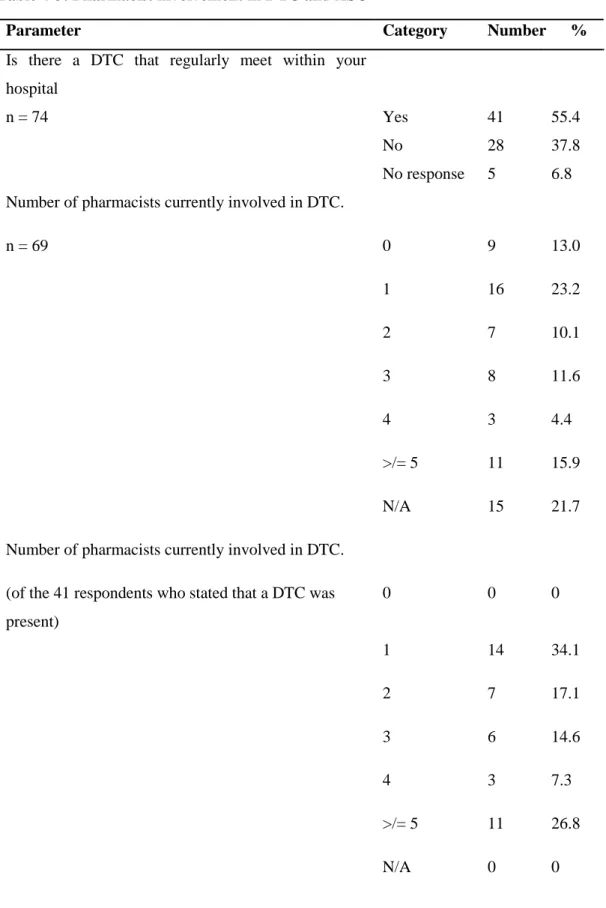
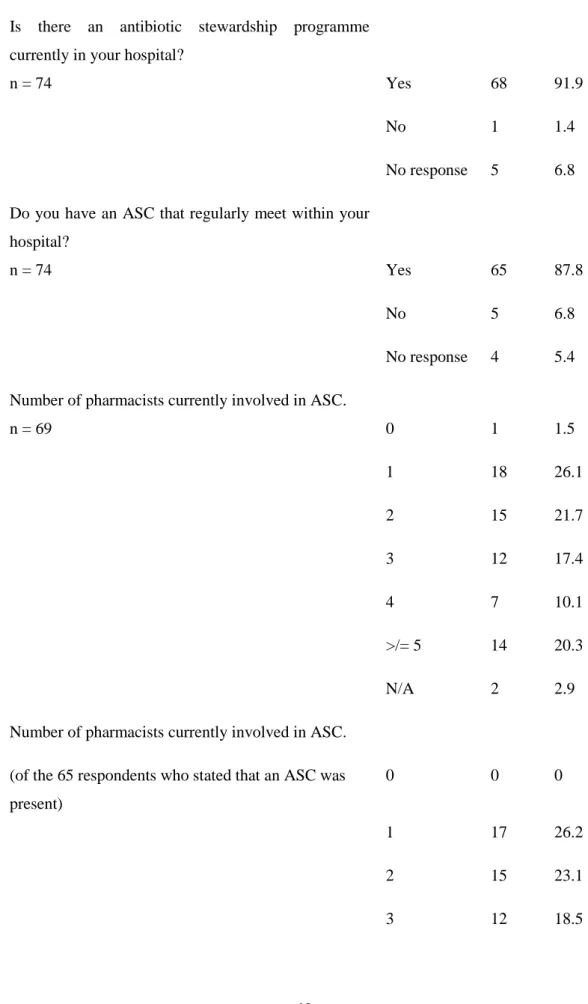
Table 4-3: Pharmacist involvement in DTC and ASC ... 47
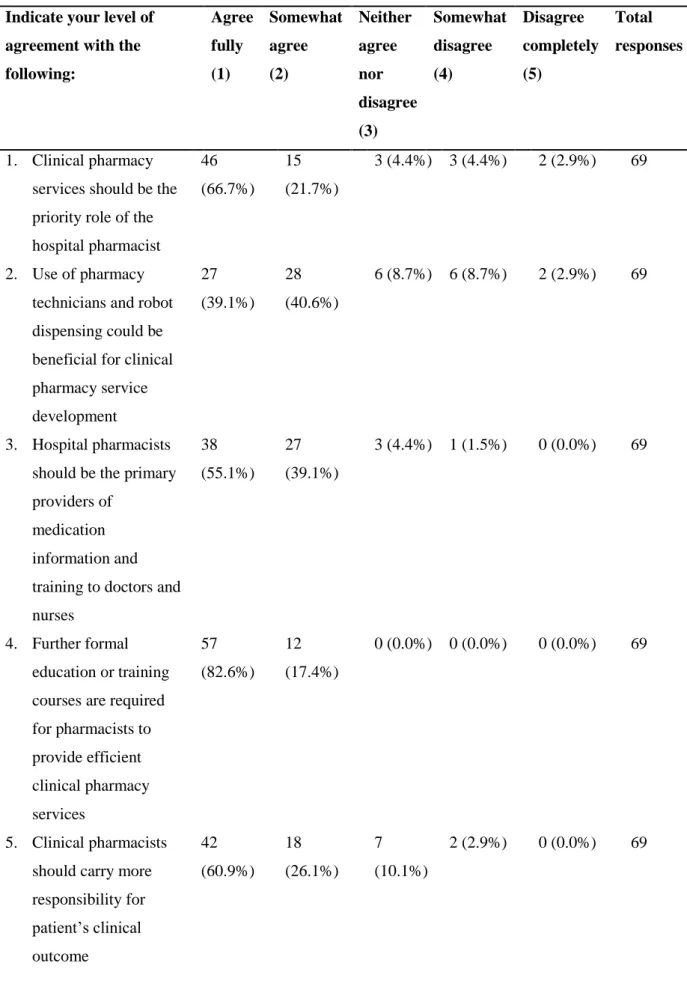
Table 4-4: Level of agreement regarding statements related to clinical pharmacy ... 50
Table 4-5: Direct effect of factors towards the progression of clinical pharmacy services ... 53
ix
LIST OF FIGURES
Figure 4-1: Years of Experience of Pharmacists... 40
Figure 4-2: Number of hospital pharmacists compared to hospital size ... 44
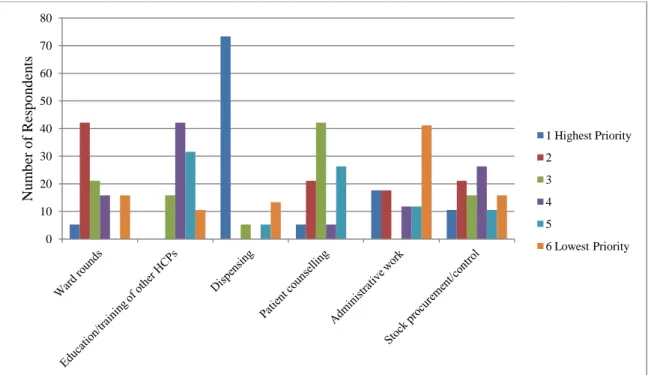
Figure 4-3: Priority ranking of daily hospital pharmacist activities... 45
Figure 4-4: Priority ranking of daily pharmacy manager activities ... 46
Figure 4-5: Level of agreement regarding statements related to clinical pharmacy ... 51
Figure 4-6: Direct effect of factors in support of the progression of clinical pharmacy services ... 54
x
LIST OF APPENDICES
Appendix:
A. Ethical approval from the Biomedical Research Ethics Committee (BREC)
of the University of KwaZulu-Natal………..…..….…81
B. Gatekeeper permission from the Research Operations Committee of the private hospital group……….82
C. Informed consent document for semi-structured interview sessions………....……84
D. Semi-structured interview questionnaire……….…...…..85
E. Survey questionnaire administered through SurveyMonkey………...86
1
A BSTRACT
Introduction Clinical pharmacy and the provision of patient-focused pharmaceutical care services is a hospital pharmacist’s role that is slowly developing in South African private hospitals. The clinical pharmacist, as a valuable member of the health care team, has been shown to improve patient clinical outcomes. However, a number of factors hinder the progression of clinical pharmacy services in these hospitals.
Aim To promote the implementation of clinical pharmacy services in South African private hospitals by identifying those factors perceived by South African hospital pharmacists as barriers.
Methods This observational mixed methods research study was conducted between September 2015 and February 2016, across 52 private hospitals within the same purposively selected private hospital group. Pharmacy managers were recruited for semi-structured interviews during the first qualitative phase. The second quantitative phase consisted of the distribution of a survey questionnaire to 243 hospital pharmacists and pharmacy managers.
Results The overall response rate was poor, with only 15.9% and 30.4% recorded for the qualitative and quantitative phases, respectively. The median percentage of time that hospital pharmacists spend providing a clinical service at ward level was only 17.5%, and 76.1% of respondents stated that availability of time was negatively impacting clinical pharmacy progression.
All survey respondents agreed that further formal education and training was required to progress clinical pharmacy. Hospital management support in clinical pharmacy progression was emphasised by 83.6% of the respondents. The lack of a recognised clinical pharmacist specialist registration category was identified by 70.8% of respondents as having a negative impact on clinical pharmacy progression.
Discussion The perceived structural and behavioural barriers to clinical pharmacy service progression were identified as being educational requirements, human resource allocation and the need for hospital and governmental support. The FIP Basel Statements on the Future of Hospital Pharmacy require local adaptation in order to be used as a tool to monitor clinical pharmacy practice in hospitals in South Africa, but should be promoted to further expose the identified barriers and initiate corrective action.
Conclusion The perceived barriers and steps for remedial action to educational needs, human resource allocation and hospital and governmental support are provided. Addressing these barriers will further promote and strengthen the role of the clinical pharmacist in South African private hospitals.
2
C HAPTER I: Introduction
Background
The role of a hospital pharmacist has, over the past few decades, developed into that of a provider of quality patient care.1 There has been a shift away from the compounder and pharmaceutical product supplier role, as seen in the past, into a “drug therapy manager” and provider of pharmaceutical care focused on ensuring safe, effective drug therapy to enhance the patient’s quality of life. 1 This change in the role of the hospital pharmacist into one that is more clinically directed aims to meet the ever increasing societal need for rational medicines therapy. With such a variety and supply of medicines that are continuously being introduced to the healthcare market, the need to ensure they are used correctly and safely is of utmost importance.
Clinical pharmacy, as defined by the South African Society of Clinical Pharmacy, is “an area of pharmacy involved with the science, practice, activity and service to develop and promote the rational and appropriate use of medicines and pharmaceutical care, in the interest of the patient and the community.”2 Clinical pharmacy is a pharmacy practice that aims to achieve pharmacotherapeutic objectives to enhance the patient’s quality of life, within a pharmaceutical care system.3 Through the provision of patient-specific pharmaceutical care, clinical pharmacists are becoming valuable members of the clinical healthcare team. The inclusion of the pharmacist in the clinical decision- making process can lead to reductions in morbidity as well as in health-care related costs.4-6
The level of hospital pharmacy practice varies considerably from country to country and a need to explore the current state of pharmacy practice globally has been identified. The Basel Statements are a set of 75 statements that were produced by the Hospital Pharmacy Section of the International Pharmaceutical Federation (FIP) in August 2008.7 The Statements were based on a global survey conducted by the FIP Hospital Pharmacy Section (HPS) to explore the current state of pharmacy practice and the challenges faced. The Basel Statements reflect the preferred future of hospital pharmacy, an ideal standard to achieve in low-, middle- and high-income countries. Clinical pharmacy forms one of the six aspects of hospital pharmacy practice incorporated within these statements which encapsulate the vision for pharmaceutical care and clinical pharmacy in the hospital setting.7 In late 2011 a revision of the Basel Statements was initiated by the FIP HPS, and a total of 65 Statements were agreed upon and finalised in September 2014.8,9
3
Clinical pharmacy services have been extensively incorporated within the private and public hospitals of most high-income countries.10 However, difficulty is experienced when establishing and sustaining clinical pharmacy services in the hospitals of low- and middle-income countries.11 There are a few studies that have been conducted in developing countries focused on identifying specific factors that are hindering the implementation of clinical pharmacy services. Penm et al. have drawn attention to the attitudes and opinions of hospital administrators, pharmacy directors, dispensing and clinical pharmacists, in both tertiary and secondary hospitals in China, towards specific external factors hindering clinical pharmacy development.12 Such a study exploring the hospital pharmacists’
perspectives of clinical pharmacy in private hospitals has not been conducted in South Africa. This type of study can be of value in identifying the level of clinical pharmacy services already present in private hospitals in the country, as well as highlighting the factors preventing implementation and further development.
Problem Statement
In what way do private hospital pharmacists’ perspectives of clinical pharmacy and other structural and behavioural factors hinder clinical pharmacy service progression in South African private hospitals?
Purpose of the Research
Hospital pharmacists are becoming more clinically involved in the patient treatment process through participation in ward rounds, collaboration with other healthcare professionals (including medical practitioners) in multidisciplinary teams, as well as by providing direct patient counselling and medicines therapy review. As the demand for pharmaceutical care increases, the implementation and maintenance of sustainable clinical pharmacy models in South African private hospitals remains a challenge. This study aims to expose those challenges perceived by hospital pharmacy managers and pharmacists working within this environment, in order to identify ways in which to overcome them and further aid in the progression of clinical pharmacy in South Africa.
Overall Aim
To promote the implementation of clinical pharmacy services in South African private hospitals by identifying those factors perceived by a group of South African hospital pharmacists as barriers.
4
Objectives
The specific objectives of the study were:
1) To obtain the views and attitudes of selected pharmacy managers, through telephonic or face- to-face interviews, on their perspectives on clinical pharmacy services within private hospitals in South Africa, and to analyse these responses by means of thematic analysis.
2) To conduct an electronic survey aimed at pharmacists and pharmacy managers in a private hospital group in order to identify the possible factors hindering the development of clinical pharmacy services in South Africa.
3) To make recommendations on actions that could be taken by private hospital pharmacy managers in order to advance the implementation of clinical pharmacy services in their practice settings; based on the findings of the electronic survey, telephonic and face-to-face interviews.
4) To make recommendations to private hospital senior management on the strategic actions needed to advance the implementation of clinical pharmacy services in their practice settings, based on the findings of the electronic survey, telephonic and face-to-face interviews.
5
Chapter II: Literature Review
Clinical pharmacy is an additional role to dispensing that the hospital pharmacist can play in providing pharmaceutical care services aimed at improving the patient’s clinical outcome. This role has been recognised and implemented to varying degrees in different countries. This chapter highlights the value of the clinical pharmacist within the multidisciplinary health care team, as well as exploring those key differences in clinical pharmacy progression within low-, middle- and high- income countries and how these compare to the progress within South Africa. This chapter also establishes the need for a pharmaceutical care system as the foundation on which clinical pharmacy is built.
2.1 Health care structure and hospital pharmacy in South Africa
The population of South Africa was estimated in mid-2016 at 55.91 million people with 80.7% of the population self-identified as Black African.13 The total population is serviced by both the public and private health care sectors. The governmental, public sector health care structures of the country consist of a National Department of Health (which implement national policies, strategies and standard treatment guidelines), and 9 provincial health departments (which are responsible for health service delivery).14 Funding for services delivered in the public sector is based on an equitable-share approach used to draw up the national and provincial health budgets.14
In contrast to public sector health care, 17% of the total population is privately insured and are, by and large, serviced by health professionals and facilities within the private sector.14 Private health care is provided by nine hospital groups, with the majority of private hospitals in South Africa being part of the three largest private hospital groups. Netcare, Medi-Clinic and Life Healthcare account for 66.5%
of all private hospitals in South Africa.15 There are 216 private hospitals providing 31 000 hospital beds to the private sector. Private health care is primarily funded by medical schemes and to a lesser extent out-of-pocket payments by patients. At the end of 2013 there were 87 medical schemes in operation with a total beneficiary count of 8.78 million.16 The total health care benefits paid to health care providers in 2013 was R112.5 billion (an average amount spent per beneficiary per annum being over R12 000) with 35.3% (or R39.7 billion) contributed by hospital expenditure.16 In total South Africa spent 8.5% of gross domestic product (GDP) on health in 2015 with 4.3% coming from the private sector.17
General tax revenues account for 40% of the total health care finance needed to provide health care to the majority of the population who are served by the public sector, while 45% of the total health care
6
funding comes from private medical schemes servicing only the insured minority.18 South Africa is planning to bridge the divide between the public and private health care sectors by implementing National Health Insurance, a system of universal access to health care for all.19 This is a complex process which is expected to take up to 14 years to be implemented.14
There are 10 academic institutions across the country which offer undergraduate pharmacy courses leading to professional registration.20 All pharmacists working in the country are required to register with the South African Pharmacy Council (SAPC), the regulatory body for pharmacy. Currently there are 13 981 registered pharmacists in South Africa and of these 60.9% are female with 55% self identified as White, 20% as Black Africans and 20% as Indian/Asian.20 There are only 13 specialist pharmacists currently registered with the SAPC.20 Once qualified, pharmacists can enter the profession in community, institutional (public and private), academic, manufacturing, wholesale or consultant pharmaceutical practice areas.21 Apart from registered pharmacists, the pharmaceutical workforce also consist of pharmacist interns, community service pharmacists and pharmacist’s assistants (at learner basic, basic, learner post basic and post basic levels). There are currently just over 1000 pharmacist interns, 649 community service pharmacists and just fewer than 19 000 pharmacist assistants registered with the SAPC.20 The focus of this study is on registered pharmacists currently employed within the private institutional sector.
2.2 Clinical pharmacy in the United States and other high-income countries
The American Society of Health-system Pharmacists (ASHP) conducts an annual national survey aimed at determining the current state of pharmacy practice and technologies used within the hospital setting and the role played by pharmacists.10 The annual survey covers six components of the medication-use process and includes: prescribing, transcribing, dispensing, administration, monitoring and patient education. 10
Pedersen et al, through the 2013 ASHP national survey of pharmacy practice in hospital setting:
prescribing and transcribing, were able to highlight the importance of pharmacy and therapeutics committees and the role of the hospital pharmacist within these committees.10 The Pharmacy and Therapeutics Committee (PTC) or Drug and Therapeutics Committee (DTC) is a multidisciplinary entity that promotes the rational use of medicines with focus on medication safety by identifying particular areas of inefficiency and drug use problems.22 In brief, “[t]he goal of the DTC is to ensure that patients are provided with the best possible cost-effective and quality care through determining what medicines will be available, at what cost, and how they will be used.”22 The clinical pharmacist is a key role player in the DTC, with the objective of promoting the rational use of medicines within
7
his/her particular facility. These committees provide an essential service and their importance is often overlooked.
The results of the 2013 ASHP survey also showed that, of the 1439 hospitals included in the sample, the most common health care professional consultations between pharmacists and prescribers were about dosage adjustments (98.3%) followed by drug information (93.2%), recommendations for antibiotic therapy (91.7%) and pharmacokinetics (91.5%).10 In terms of technology used in hospitals in the US, 92.6% of hospitals included in the survey had electronic health records (EHR) and 65.2 % of hospitals used computerised prescriber-order-entry (CPOE) systems with clinical decision support.
As the survey report remarked: “Handwritten medication orders have virtually disappeared in US hospitals”.10 Barcode-assisted medication administration systems (used to verify patient identity and to check doses administered by nurses electronically) and electronic medication administration records (eMAR) were also frequently used in the majority of these hospitals.10 Automated dispensing cabinets are a decentralised medication distribution system (i.e. medication stored and electronically dispensed in remote areas outside of hospital pharmacy) that is used in a large majority of US hospitals.23 Other devices used include automated systems (or robots) and medication carousels, which are both used centrally (i.e. within the hospital or satellite pharmacy).23 These automated medication dispensing and distribution units aid in ensuring medication safety through barcode- assisted dispensing and administration, but they also aim to free up the pharmacist from time- consuming distributive and dispensing roles to allow for more patient-focused care and clinical work.
The 2015 ASHP national survey of pharmacy practice in hospital settings, which focused on monitoring and patient education, showed that the majority of hospitals surveyed had pharmacists who were increasingly providing drug therapy management services.24 This survey also showed an increase in pharmacist and pharmacy technician involvement in patient education and medication reconciliation, tasks which have most often been associated with nursing staff. In terms of staffing, the average number of pharmacist full-time equivalents (FTE) per hospital was 11.4, with an additional 11.0 FTE pharmacy technician per hospital, though both measures varied with hospital size.24
Pharmacy technicians within the United States play a vital role in aiding the pharmacist in ensuring the safe and effective use of medicines within the hospital. The partnership between pharmacist and pharmacy technician is a key factor in promoting the patient-centred clinical roles of the pharmacist.
The ASHP strongly feel that changing the way pharmacy technicians are educated, regulated and incorporated in pharmacy practice will advance the roles of the pharmacist.25 Pharmacy technicians in the US are considered to be the “foundation of the pharmacy’s distributive function” and are slowly
8
becoming more utilised in advanced, specialised clinical roles through the competence gained from further education and training.25
The 2015 ASHP survey highlighted the extent to which pharmacists are exploring the clinical roles performed on a daily basis. A national survey of pharmacy practice and technologies used in South African hospitals would be of great interest, as the same clinical practice areas could be explored locally. We need to investigate whether processes are being used in public and private hospitals in South Africa that aid the hospital pharmacist in providing more clinical services to their patients; only then can the true value of the clinical pharmacist be discovered and entrenched.
2.3 The value of the clinical pharmacist
Clinical pharmacists are valuable members of the clinical health care team. Pharmacists have been shown to improve patient clinical outcomes through the provision of non-dispensing services.26 The provision of clinical pharmacy services has been shown to reduce hospital admissions, emergency department visits, drug-related hospital readmissions as well as health care related costs and length of stay.4,5 Clinical outcomes, including high blood pressure and cholesterol as well as high blood glucose in diabetic patients, have been managed more effectively and have shown improvements with patients exposed to pharmacist-provided services compared to a control group.26 This was also shown in a study conducted by Al Mazroui et al. where the provision of pharmaceutical care to Type 2 diabetes mellitus patients resulted in better glycaemic control and reduced cardiovascular risk scores.27 Hospital pharmacists have also contributed to the improvements in the management of symptoms in patients with asthma through the provision of comprehensive medication counselling and education on the disease.28 Zhang et al. showed that clinical pharmacist involvement in a paediatric ward (in suggesting treatment options and identifying medication errors) resulted in reduced length of stay and improved drug compliance for patients with respiratory system diseases. 29
A study conducted by Bond et al. has shown that the incorporation of several clinical pharmacy services (including pharmacist-provided drug use evaluation, in-service education, adverse drug reaction management, pharmacist participation on medical ward rounds and admission drug histories) were associated with reduced mortality rates in United States (US) hospitals.6 An association was shown between the number of clinical pharmacists per 100 occupied beds and reduced deaths per 1000 hospital admissions.6 It was suggested that this study was only able to infer an association between clinical pharmacy services and mortality rates, but could not show causality, as it relied on hospital data that was self-reported.30
9
Bond et al. suggested that the core set of pharmacist-provided clinical pharmacy services should incorporate the following: participation in cardiopulmonary resuscitation (CPR) teams, in-service education, adverse drug reaction (ADR) monitoring, drug information, medical round participation, drug protocol management and admission drug histories.6 A systematic review study conducted by Kaboli et al. suggested that involvement in ward rounds, interviewing patients, reconciling medication and providing patient discharge counselling and follow-up all improved patient outcomes.31 As these studies took place in US hospitals, where clinical pharmacy is more recognised, their applicability to South African hospitals may be limited. However, they may provide areas of key focus for the role of the clinical pharmacist during the establishment of these services in South African hospitals.
All of the above-mentioned studies demonstrated the value of clinical pharmacy services in hospitals by improving patients’ clinical outcomes, their quality of life as well as by reduction in healthcare- related costs. However, external validity is a limitation commonly identified in such studies, as few have been based on large multi-centre clinical trials of the introduction of clinical pharmacy services with appropriate controls.
2.4 Clinical pharmacy in low- and middle-income countries
Clinical pharmacy services in low- or middle-income countries are vastly different from those delivered in high-income countries. Clinical pharmacy in high-income countries has been developed and successfully integrated within stable drug management, drug distribution and regulatory mechanisms.32 However, in low- and middle-income countries, clinical pharmacy is seen as an isolated concept as these countries struggle to get core areas of drug distribution implemented and maintained safely and effectively.32 Without an effectively run medication distribution system in place, within urban and rural areas of a country, the exploration of other non-dispensing roles of the pharmacist is not considered to be of high priority.
Pharmacists are recognised as a scarce skill occupation in low- and middle-income countries, and there is a need to increase pharmacist numbers to meet the health demands of such countries.33 Global observational surveys conducted by the World Health Organization (WHO) indicate that the number of pharmacists per 1000 population in low- and middle-income countries like South Africa (0.413 per 1000 population, in 2012), India (0.501 per 1000 population, in 2012) and China (0.269 per 1000 population, in 2011) are low when compared to high-income countries like the United Kingdom (0.812 per 1000 population, in 2013), Australia (1.016 per 1000 population, in 2012) and New Zealand (1.006 per 1000 population, in 2011).34 It is recognised by the FIP that in developing countries the pharmaceutical services required should be largely distributive in nature, but as the
10
numbers of pharmaceutically-trained personnel increase, the role of the pharmacist could diversify into more clinical areas.33 The shortage of pharmacists makes the drug distributive task in developing countries a major challenge. Hawthorne and Anderson found that even though the available literature showed that the pharmacy curricula in developing countries were similar to those of developed countries, the highly competent individuals that graduated were not prepared for their particular countries’ demands, thus contributing to their frustration when entering practice.35 The results of this systematic review of the global pharmacy workforce showed that there is a greater migration of pharmacists from less developed to more developed countries.35 The health care needs and demands of the country greatly dictate the roles that the health care providers will need to provide. Only once stable drug delivery systems can be established and maintained will the demand for more patient- focused clinical care begin to be met.
South Africa is considered an upper middle-income country. In lower-middle income countries, like Pakistan, pharmacists are in a transition period where their role in patient care is not being fully explored due to the health systems challenges being experienced.36 The role of the pharmacist in improving the health care system is also not being recognised.36 To improve the clinical pharmacist role in these highly populous countries does not only require an increase in the number of qualified pharmacists but also an increase in appropriately trained pharmacists to provide that role. In India there is a large number of qualified pharmacists, however the pharmacy curriculum there is largely focused on the needs of the pharmaceutical industry.36
Babar et al. suggested that the barriers to effective pharmacy practice in low- and middle-income countries can be seen at a macro, meso and micro level.11 The underdevelopment of the health system itself could be hindering the further progress of these services at a macro level. The meso level is represented by the level and quality of the services the pharmacist is currently in a position to provide, which could either aid or hinder further effective pharmacy practice. Lastly, the micro level is represented by pharmacists themselves and the training and education they have to effectively implement this practice.11 The level of clinical pharmacy practice and other additional roles of the pharmacist cannot be considered to be the same for all countries that are deemed to be low- and middle-income, as there are vast regional differences in the level of the barriers described by Babar et al. More nationwide surveys, like the annual ASHP survey in the United States, need to be conducted to gain insight into the level of pharmacy practice being offered and the challenges that are experienced.
11
2.5 Clinical pharmacy in South Africa
Through the recent emergence of carbapenem-resistant Enterobacteriaceae (CRE) carrying the New Delhi metallo-β-lactamase-1 gene37 as well as Klebsiella pneumonia carbepenemases (KPC)38 in South Africa, the need for antibiotic stewardship programmes has gained prominance in both public and private sector hospitals. The Federation of Infectious Diseases Societies of Southern Africa (FIDSSA) arranged the first South African Antibiotic Stewardship Programme (SAASP) conference in February 2012.39 Through the development of these antibiotic stewardship programmes throughout hospitals in South Africa, the need for clinical pharmacy services aimed at monitoring antibiotic use has become more evident. This non-dispensing service has created a new role for the hospital pharmacist and has been the main focus of clinical pharmacy over recent years, particularly in private hospitals. In a 5-year prospective study conducted by Brink et al., non-specialist hospital pharmacists in the private sector have shown that they are able to achieve considerable improvements in the rational use of antibiotics.40 Antibiotic stewardship can be seen as the first step in clinical pharmacy service implementation in South Africa. However, clinical pharmacy involves complete drug therapy monitoring and management through the provision of pharmaceutical care. Clinical pharmacy in South Africa, like in many other low- and middle-income countries, is still very much in the early developmental stage.
One of the major barriers to the progression of clinical pharmacy in South Africa is the lack of a specialist register at the SAPC. Currently, pharmacists in South Africa can gain entry to only two specialist registers, as either a Radiopharmacist or a Pharmacokineticist.41 In December 2014, the SAPC issued Board Notice 152 of 2014, which proposed that the Minister would be asked to amend the “Regulations relating to the registration of persons and the maintenance of registers” to allow for the provision of 2 new pharmacist speciality categories, namely Clinical Pharmacist and Public Health Pharmacy and Management.42 For clinical pharmacist registration the proposed amendment requires a professional master’s degree (NQF level 9) which will be practice-based with a large component being work-integrated learning.42 To date there has not been any finalisation of the proposed amendments and registration as a specialist clinical pharmacist in South Africa is still not available. In the public sector there is a need for clinical pharmacist registration in order to implement the agreed occupation-specific dispensation (OSD). Clinical pharmacist posts can only be created once the SAPC introduces a register for this category.43 The way in which clinical pharmacists will eventually be incorporated in the private sector once the registration is eventually finalised remains to be seen.
As mentioned above, pharmacy support staff play a major role in the development of clinical pharmacy services by freeing the pharmacist to perform more clinical, non-distributive roles. In South
12
Africa, the pharmacy support staff cadre consists of pharmacist’s assistants, and very recently, the pharmacy technicians and pharmacy technical assistants. However, currently there is not yet a separate register for pharmacy technicians and pharmacy technical assistants, and those who have completed the newly accredited training are required to register as pharmacist’s assistants (post basic) with the SAPC.44 The course for pharmacy technicians was first approved and started in 2013 at the Nelson Mandela Metropolitan University (NMMU), with the first qualified technicians completing their training in April 2015.45
Pharmacy support staff, both pharmacist’s assistants (post basic) and pharmacy technicians in community and institutional pharmacies, are required by legislation to perform their roles strictly under the direct supervision of a pharmacist.46 Within primary health care clinics, both pharmacy technicians and pharmacist’s assistants (post basic) will require only indirect supervision by a pharmacist.46 As pharmacy technicians are to be a new introduction to pharmacist support cadre in South Africa, the full extent of their role in alleviating the dispensing and distributive roles of the pharmacist in community pharmacies and institutional pharmacies remains to be seen. Whether the roles of the pharmacy technician will follow those seen in the US and free pharmacists from the labour-intensive dispensing and drug distribution tasks is as yet unclear. Whether there will be sufficient recognition of the pharmacy technician role within hospitals in the private sector to create demand for this cadre is also of interest for the future.
2.6 Clinical pharmacist training in high- and low-income countries
The level of clinical pharmacy services provided in hospitals differs considerably amongst low-, middle- and high-income countries. This can be linked largely to the differences in education and training received by hospital pharmacists entering the hospital field as well as differences in the respective pharmacy practice needs within the country.
In the US, growth and development of new drugs, increased number of authorised prescribers, broader medical insurance coverage and a need for an expanded scope of practice for pharmacists (amongst many other factors) led to a great increase in the demand for pharmaceutical services which could not be met by the existing workforce. This led to a nationwide pharmacist shortage in the late 1990s.47 One factor aimed to alleviate the demand for the extended unmet needs of pharmaceutical care and the expanding roles of the pharmacist required to meet these needs, was the change from Bachelor of Science (B.S.) degree to the PharmD as the entry level degree for practising pharmacists by the Accreditation Council for Pharmacy Education (ACPE) in 2000.47 Clinical pharmacists can, after completion of the PharmD, enter a two year residency programme. The first year (PGY1) enhances
13
the residents’ knowledge on managing medication use systems and is focused on achieving optimal outcomes in a wide range of disease states.48 The second year (PGY2) increases the residents’
knowledge, skills and attitudes towards medication therapy management and clinical leadership within a selected speciality practice area.48 The American College of Clinical Pharmacy (ACCP) has created a strategic plan to ensure that the residency programme becomes the standard for pharmacists entering hospital practice in the US, as was summarised in the following statement on the future of the pharmacy profession: “Formal, postgraduate residency training will become mandatory before one can enter practice”.49 Residency programmes create a great advantage for clinical pharmacists working in the field.
The ACCP has compiled a comprehensive list of core competencies that are required by a clinical pharmacist, once graduated from the PharmD or residency program, to enter the profession and provide the patient care and pharmacotherapy management that is needed.48 These competency statements are included in areas of “clinical problem solving, judgment, and decision making”,
“communication and education”, medical information evaluation and management”, “management of patient populations” and “therapeutic knowledge”.48
In the UK, there has been a change from the 3-year Bachelor of Science (BSc) degree and one year pre-registration work to a 4-year MPharm program followed by a compulsory one-year work programme before one can register as a pharmacist with the General Pharmaceutical Council (GPC), which has taken over the regulatory role of the Royal Pharmaceutical Society of Great Britain (RPSGB).50 This degree is the shortest of the European pharmacy degrees, which generally range from 5 to 6 years.50 The Bologna principles stipulate that in order to enter a masters postgraduate degree one needs to complete a bachelors degree.51 The structure of the 4 year integrated MPharm qualification in the United Kingdom consists of 3 years at a bachelor level followed by one year at masters level and therefore complies with the Bologna principles of having to complete 2 cycles.51 Damian Day, head of accreditation at the Royal Pharmaceutical Society at the time, stipulated that the MPharm qualification in the UK is not an undergraduate degree, as there is a possibility to only complete 3 years with a bachelors degree if need be.51
In 2008, the Pharmacy Council of India introduced the PharmD programme, which consists of six academic years (five years’ full-time study and one year of internship or residency in specialised units).52 This qualification exists alongside others, including the Diploma in Pharmacy (DipPharm), Bachelor of Pharmacy (BPharm), Master of Pharmacy (MPharm) and Doctor of Philosophy (PhD).
The PharmD qualification contains a more standardised syllabus allowing better exposure to clinical pharmacy subjects and practical exposure to clinical research then the BPharm degree.53 However,
14
many challenges are facing these PharmD students, including a lack of current awareness about PharmD courses and poor recruitment into Indian hospitals as clinical pharmacists by the Indian government, resulting in a scarcity of jobs for these newly-qualified graduates.53 The PharmD is thus not a standard pre-requisite to practise as a pharmacist in India.
In South Africa, pharmacists are required to complete a 4-year undergraduate Bachelors degree (BPharm), followed by a year of pre-registration work (during which a final qualifying examination is written), followed by a year of community service experience in the public sector. Registration with the SAPC is a requirement to practise as a pharmacist in South Africa. There are a few Master of Pharmacy (MPharm) qualifications that are offered as well as one Doctor of Pharmacy (PharmD) programme.14 Currently the scope of practice of a pharmacist with or without postgraduate qualification is not mutually exclusive.14 As mentioned before, there is a proposal for a specialist clinical pharmacist register, but this has not been finalised.42 This proposal also called for the completion of a particular Master of Pharmacy programme as a requirement to register as a clinical pharmacist in South Africa, which will require 2 years of full-time postgraduate training.42 There is no mention of recognition of current qualifications or prior learning in meeting minimum requirements for registration.14 As was seen in India, it is unclear whether a specialised clinical pharmacy programme in South Africa (whether it be based on a new MPharm or PharmD programme) will be supported by sufficient demand through the creation of posts for clinical pharmacists in the public and private sectors. This support is necessary to make the specialist register viable in the long term and to ensure that the new roles are recognised and accepted by other healthcare providers.
2.7 The Basel Statements
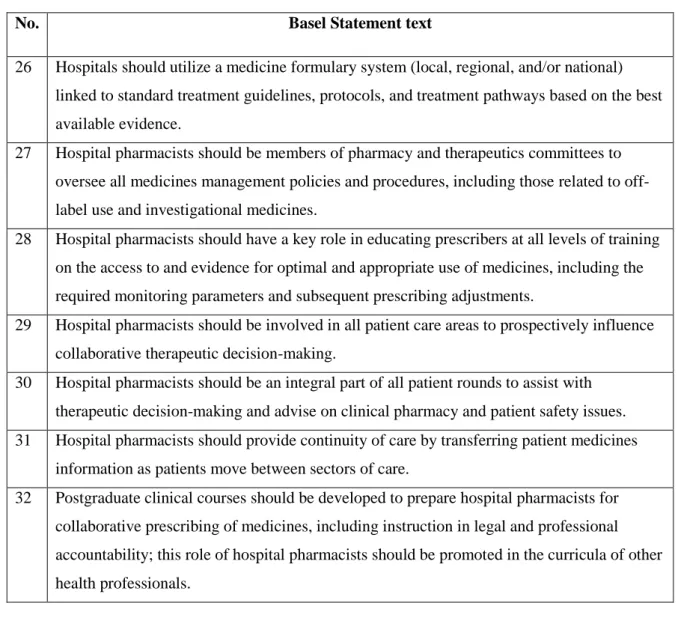
The Basel Statements were initially set out by the Hospital Pharmacy Section (HPS) of the FIP in August 2008 in Basel, Switzerland.7 These statements were based on a global survey that was submitted to each of the 192 United Nations member states plus China-Taiwan, aimed at analysing the existing state of hospital pharmacy around the world.54 It resulted in a list of 75 statements carefully developed to reflect the ideal vision of pharmacy practice in a hospital pharmacy environment.7 Six aspects describing the full scope of the profession within the hospital setting were incorporated within these statements.7 The aspects include: medicines procurement, influence on prescribing, preparation and delivery of medicines, administration of medicines, monitoring of medicines as well as human resources and training.7 Clinical pharmacy services, being that of a provision of pharmaceutical care to the patient outside of normal dispensing processes, is clearly described within the “influence on prescribing” aspect of the Basel Statements (BS26 – BS32).
15
Table 2-1: The Basel Statements, influence on prescribing (BS26-BS32)7
No. Basel Statement text
26 Hospitals should utilize a medicine formulary system (local, regional, and/or national) linked to standard treatment guidelines, protocols, and treatment pathways based on the best available evidence.
27 Hospital pharmacists should be members of pharmacy and therapeutics committees to oversee all medicines management policies and procedures, including those related to off- label use and investigational medicines.
28 Hospital pharmacists should have a key role in educating prescribers at all levels of training on the access to and evidence for optimal and appropriate use of medicines, including the required monitoring parameters and subsequent prescribing adjustments.
29 Hospital pharmacists should be involved in all patient care areas to prospectively influence collaborative therapeutic decision-making.
30 Hospital pharmacists should be an integral part of all patient rounds to assist with therapeutic decision-making and advise on clinical pharmacy and patient safety issues.
31 Hospital pharmacists should provide continuity of care by transferring patient medicines information as patients move between sectors of care.
32 Postgraduate clinical courses should be developed to prepare hospital pharmacists for collaborative prescribing of medicines, including instruction in legal and professional accountability; this role of hospital pharmacists should be promoted in the curricula of other health professionals.
Since their inception, the Basel Statements have led to a series of independent studies being conducted across the globe, especially in the Western Pacific Region, to determine the extent to which current hospital pharmacy practice meets the desired standards.12,55,56 These studies also aid to create a benchmark for pharmacy practice in other countries in the area to use for comparison and improvements.8
Recently there has been a revision process for the Basel Statements which started in late 2011 and was finalised by the FIP HPS in September 2014 8,57 It was found that the majority of respondents involved in the voting process agreed that the Basel Statements were acceptable as written and did not need to be revised. After the revision process, a final total of 65 Basel Statements were agreed upon and accepted.8,9 The revision of the ‘influence on prescribing” aspect of the Basel Statements resulted in the change from the 7 statements (as shown in Table 2.1) to 6 revised statements. The first 3
16
statements were deemed to be appropriately worded and were not amended (they became revised Basel Statements 24 – 26). The next 3 revised Statements were reworded as follows:9
Revised statement 27: Hospital pharmacists should be an integral part of the multidisciplinary team responsible for therapeutic decision making in all patient care areas.
Revised statement 28: Hospital pharmacists should promote seamless care by contributing to the transfer of information about medicines whenever patients move between and within health care settings.
Revised statement 29: Appropriately trained and credentialed hospital pharmacists should participate in collaborative prescribing.
As discussed earlier, many studies have been conducted showing the importance or potential value of clinical pharmacy services in hospitals. However, there are many possible external factors (for example pharmacy staff structuring, hospital funding, governmental pressures) that could challenge the implementation of these services, and which may differ between countries. These factors can challenge the ability of achieving the vision of ideal pharmacy practice in a hospital environment, as set out in the Basel Statements.
2.8 The hospital pharmacist’s perspective on clinical pharmacy
A study conducted by Penm et al. set out to determine the views of hospital administrators, pharmacy directors and hospital pharmacists on the factors that are affecting clinical pharmacy service implementation in China.12 The interview guide used was developed based on seven of the Basel Statements, as shown in Table 2.1, and was administered as either a face-to-face interview or with a group of participants at a time.12 This study identified 3 themes highlighting the factors affecting clinical pharmacy services. The first factor, “external factors outside of pharmacy control”, explored governmental policies and areas of support or the lack thereof as well as a shortage of hospital funding in secondary hospitals to provide attractive salaries to highly trained pharmacists.12 Clinical pharmacists were also not seen as an income-generating healthcare professional (as compared to medical practitioners) for the hospital.12 The second theme of “resources for clinical pharmacy services” discussed the problem of a shortage of pharmacists and lack of sufficient clinical pharmacist training including the lack of proper formal evaluation of clinical pharmacists.12 The last theme,
“expectations of clinical pharmacists and their self concept”, highlighted a lack of pharmacist self confidence resulting from limited clinical knowledge and the unwillingness to take on professional
17
responsibility for drug therapy as problem factors.12 The perception of the idea of clinical pharmacy by other healthcare professionals was also a factor discussed in this study.
A study such as that conducted by Penm et al. has not been done in South Africa, and would be of importance as hospital pharmacy practice develops a more clinical role. The focus of the present study is to explore the possible challenges to clinical pharmacy in South Africa, from the hospital
pharmacists’ perspective. By identifying possible hindering factors we can begin to look at and develop strategies to overcome them and create a clinical pharmacist position that is recognised in South Africa.
2.9 Theoretical Framework: The need for a pharmaceutical care system
Clinical pharmacy aims to achieve pharmacotherapeutic objectives that enhance the patient’s quality of life, within a pharmaceutical care system.3 Clinical pharmacy therefore has at its core the provision of patient-specific pharmaceutical care.
Hepler and Strand originally defined pharmaceutical care as “the responsible provision of drug therapy for the purpose of achieving definite outcomes that improve a patient’s quality of life”. They defined the desired outcomes as “(1) cure of a disease, (2) elimination or reduction of a patient’s symptomatology, (3) arresting or slowing of a disease process, or (4) preventing a disease or symptomatology”.58 Hepler and Strand further described that “pharmaceutical care involves a process through which a pharmacist cooperates with a patient and other professionals in designing, implementing and monitoring a therapeutic plan that will produce specific therapeutic outcomes for the patient”.58
Over the past 50 years there has been a move away from the traditional apothecary role of preparation and selling of medicinal products to the role of dispenser of prefabricated drug products (during the rise of pharmaceutical industry in drug manufacture).58 The change of the primary role of the pharmacist limited to simply dispensing drugs based on a prescription order resulted in the pharmacist becoming “over-trained for what they did and under-utilised in relation to what they knew”.59
Preventable drug-related morbidity and mortality remains a serious problem affecting healthcare today. These drug-related problems can be due to inappropriate prescribing, inappropriate drug delivery (where the medicine is either not available or due to dispensing errors), inappropriate behaviour of patients (non-compliance), patient idiosyncrasy (mistake/accident or idiosyncratic response in patient) and inappropriate monitoring.58 Through the incorporation of clinical pharmacy
18
and use of a pharmaceutical care system the rates of preventable drug-related morbidity and mortality can be reduced.58 The FIP policy on Good Pharmacy Education Practice has stated:60
The implementation of Pharmaceutical Care, while recognising the responsibility of the patient as end user of a medicine, required the pharmacist to use a range of processes to facilitate the responsible provision of medicinal treatment until tangible results are achieved, improving the patient’s quality of life.
Improvement of the patient’s quality of life, reducing patient length of stay as well as reducing healthcare-related costs can all be associated with eliminating preventable drug-related morbidity and mortality. The pharmacist has a responsibility in preventing drug-related problems through increasing effectiveness of drug therapy as well as in monitoring and preventing adverse drug events.58 Therefore, the adoption of a role that can meet the ever increasing demand for comprehensive pharmaceutical care services is required for the longevity of the profession. The professional purpose of the pharmacist should remain first and foremost clinical.58
19
Chapter III: Methods
Having considered the literature regarding clinical pharmacy in South Africa, the need to explore those barriers to its progression was identified. Identifying and investigating the views and attitudes of the hospital pharmacist of the challenges perceived towards clinical pharmacy development was thus the focus of this study. How these tools were developed and distributed and the results analysed is detailed within this chapter.
3.1 Study Design
Pharmaceutical care, a concept defined by Hepler and Strand in 1990,58 is the foundation of the role of the clinical pharmacist and thus formed the theoretical model that this study was based upon. This was an observational mixed methods research study comprising of both a qualitative first phase and a quantitative second phase. This study was conducted across 52 private hospitals within the same purposively selected private hospital group in South Africa. The researcher is employed by the same private hospital group, and so was able to obtain gatekeeper permission for the study and to negotiate access to staff members. The initial qualitative phase of this study consisted of semi-structured (one- on-one) interview sessions and this was followed by a quantitative online survey phase.
3.2 Phase 1: Qualitative Study
The qualitative phase of this mixed methods research study was designed to deeply explore the views and attitudes of pharmacy managers towards clinical pharmacy services that are currently provided and the barriers that are being experienced with regard to its further implementation in the private hospital sector.
3.2.1 Target Population
The qualitative phase of this study involved the recruitment of pharmacy managers within the selected private hospital group. This population group was selected for the semi-structured interview sessions as the sample population would represent multiple hospitals. This would aid in obtaining a wide range of opinions and views on the topic as each hospital would only have one pharmacy manager contacted. Pharmacy managers were also expected to have more experience and knowledge of the operations of their hospital pharmacy related to the level of clinical pharmacy service implementation.
20 3.2.2 Inclusion and Exclusion Criteria
The population group for Phase 1 comprised of pharmacy managers only. Hospital pharmacists were excluded from this phase of the study. Pharmacist’s assistants, pharmacist interns and pharmacy students were excluded from this research study.
3.2.3 Selection of the Study Population
Non-probability sampling methods, and more specifically purposive sampling, were chosen for the qualitative phase, as this allowed for the selection of those individuals most knowledgeable about clinical pharmacy (i.e. hospital pharmacy managers) in order to get the most relevant information and feedback.
The sampling methods used for the qualitative phase of this study were as follows. Firstly, a sampling frame in the form of an email list of all pharmacy managers was obtained. An initial email (with introduction letter and ethical approval forms), followed by subsequent reminder emails, were sent to all pharmacy managers within the population group requesting anyone interested in participating in a telephonic or face-to-face interview session to reply. In order to increase the number of respondents due to poor response, seven pharmacy managers were chosen from the email list and sent more personal requests for the interview session.
3.2.4 Sample size considerations
The qualitative phase of the study had a sample size target set at 10 to 15 respondents or until the point where no new themes emerged from the semi-structured interview sessions (saturation point).
3.2.5 Collection of Data
The semi-structured interviews were conducted face-to-face or telephonically depending on preference, convenience or accessibility. The interview questionnaire (see Appendix D) was drawn up based on the FIP Basel Statements on the Future of Hospital Pharmacy, as initially issued after the 2008 Global Conference on the Future of Hospital Pharmacy (specifically BS26 to BS32).7 This was used as a guiding structure, but the interview was not restricted to these statements or questions.
Informed consent was obtained from all respondents who were willing to participate. All interview sessions were recorded and later transcribed.
21 3.2.6 Pilot Study
The semi-structured interview was piloted on two pharmacy managers to determine their understanding of the questions asked and whether the questions were appropriate. The pilot study also helped determine the interview duration time, which was found to be an average of 45 minutes.
3.2.7 Data Analysis
All interview sessions were recorded and later transcribed as Word documents. Using a deductive approach to qualitative analysis, the transcript text was divided broadly into 3 groups: processes already in place within the hospital, perceived barriers to clinical pharmacy, and suggested ways of overcoming these barriers. Selective coding was then used to further categorise the data into common themes that emerged, related to these 3 broad categories. The qualitative data were then presented in thematic prose, with supporting quotes relating to the themes identified.
3.3 Phase 2: Quantitative Study
The quantitative phase of this mixed methods research study was designed to further explore the views and attitudes of pharmacists and pharmacy managers towards clinical pharmacy services in the private hospital sector, based on the themes identified during the qualitative phase of the study.
3.3.1 Target Population
The target population for the quantitative second phase of the study incorporated all permanently employed hospital pharmacists and pharmacy managers within the selected private hospital group.
3.3.2 Inclusion and Exclusion Criteria
This population group comprised of both dispensing and clinical pharmacists as well as pharmacy managers. Pharmacist’s assistants, pharmacist interns and pharmacy students were excluded from this research study.
3.3.3 Selection of the Study Population
The non-probability, purposive sampling method used for the quantitative phase involved obtaining a list of all hospital pharmacists currently employed within the hospital group. Only those pharmacists that were employed in the hospital environment and had an active email account were selected from this list (thus forming the sampling frame). An initial email (with introduction letter and ethical approval forms) followed by subsequent reminder emails were sent to all hospital pharmacists and pharmacy managers within the population group requesting anyone interested in participating in an
22
online survey to follow the link included. The population size was 243 hospital pharmacists and pharmacy managers.
3.3.4 Sample size considerations
Response rates for survey questionnaires are generally expected to be low. Therefore the quantitative phase of this study had a sample population size target set at a minimum of 30% response rate. As the study was expected to be hypothesis-generating rather the hypothesis-testing in nature, no a priori assumptions could be used to support a formal sample size calculation.
3.3.5 Collection of Data
The quantitative survey questionnaire was drawn up partly based on the themes identified in the qualitative research phase. The survey was created electronically using the SurveyMonkey platform61 and the access link was distributed to all pharmacists and pharmacy managers within the private hospital group via email. This internet-based self-completion questionnaire approach was chosen as it could quickly and easily be administered to the entire group. Such methods were also convenient for the participants, as they could complete the questionnaire in their own time. This method was also expected to reduce any potential interviewer effect or bias.
3.3.6 Pilot Study
The survey questionnaire was administered to 4 hospital pharmacists working within a selected private hospital in the group, to determine their understanding of questions asked and whether the questions were clearly worded and appropriate. The pilot study was used to determine whether there were any difficulties experienced with the internet survey (including access and ease of use). On the basis of the pilot study, the time to complete the survey was estimated to be about 15 minutes.
3.3.7 Data Analysis
All quantitative survey data was collated by the SurveyMonkey website and downloaded as a Portable Document Format (PDF) file. The individual respondent transcripts were then screened for completeness and accuracy and any invalid responses were omitted. All descriptive statistics were analysed and reported using Microsoft Excel. As this was an observational study, intended to be hypothesis-generating, no attempt was made to subject any of the quantitative data to inferential statistical analysis.
23
3.7 Bias and Limitations
The study instrument was not formally validated. However, it was based on previously validated studies of Penm et al., conducted in the Western Pacific region.12,55,56 A pilot study was conducted beforehand to determine the face validity and applicability of the research tools to be used.
This study incorporates the views and perspectives of hospital pharmacists and pharmacy managers within a single private hospital group and this could limit generalisability of results to all private hospital pharmacists in South Africa. Other private hospi