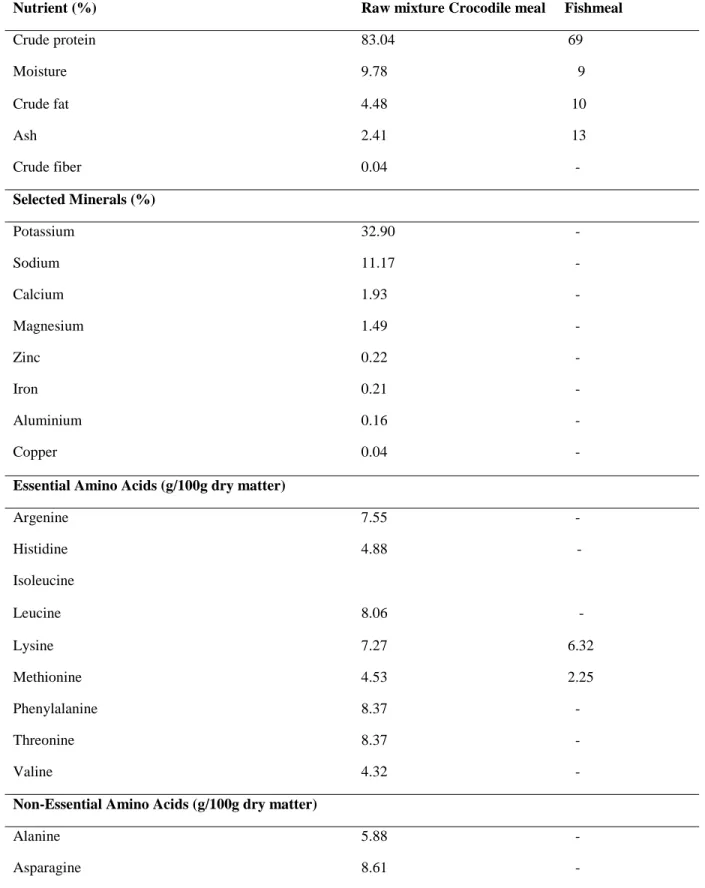
DF=degree of freedom between groups= 7, within= 24, F= F statistic and P= probability 44 Table 3.4: Mean (±Standard Deviation) of selected minerals for raw and cooked food from legs, neck torso and the mixture of three parts (leg, neck and torso) of the Nile crocodile, (Crocodylus niloticus). Composition of the mixture of crocodile meal and fish meal used in Oreochromis mossambicus diet formulations 59 Table 4.2: Main ingredients and approximate composition of the experimental diets 61 Table 4.3.
The objectives and null hypotheses of the study were to
Animal protein sources as a substitute for fishmeal in the diets of fish farmers: a systematic review and meta-analysis. It is generally known that the quality of the protein component used in the feed formulation affects the nutritional value of the produced fish meals [4].
Materials and Methods
A random-effect model was used because we hypothesized that variability across studies is not only due to sampling error, but also to population effects. In addition, a random-effect model was used to measure between-study variability, taking into account that other studies that were not included in the meta-analysis considered could be unpublished, ignored in the systematic literature search, or conducted in the future. [21].
Results
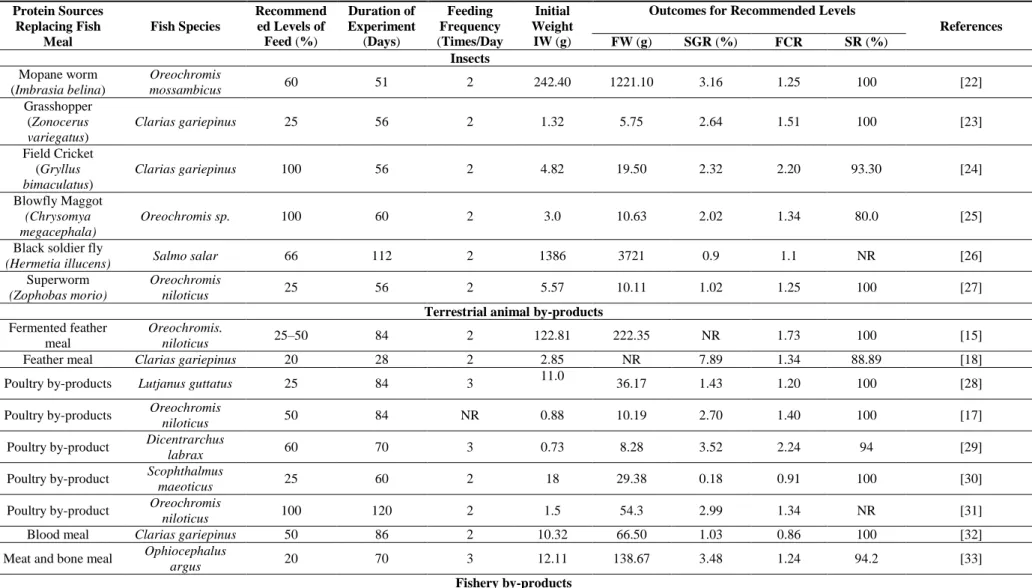
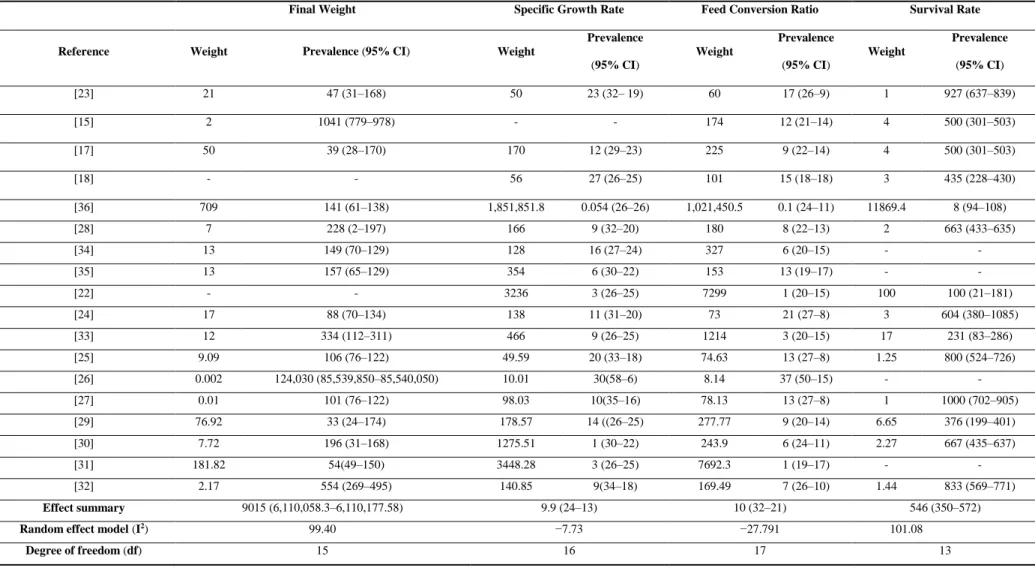
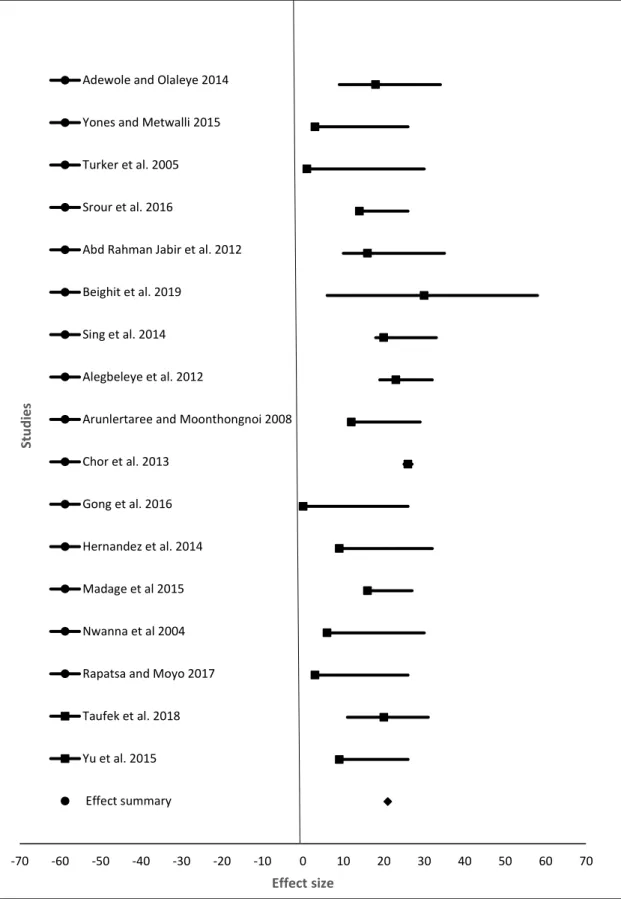
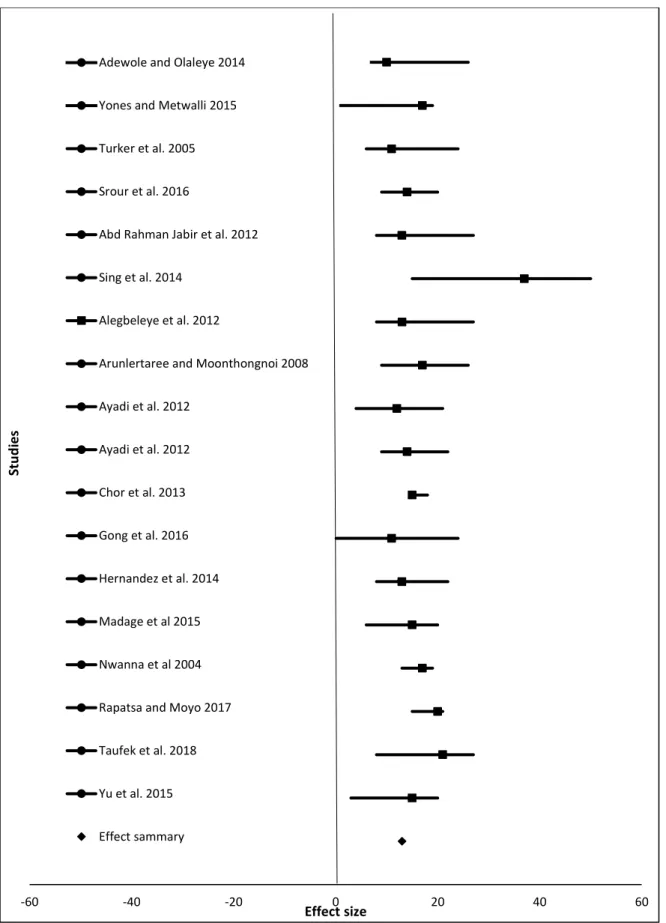
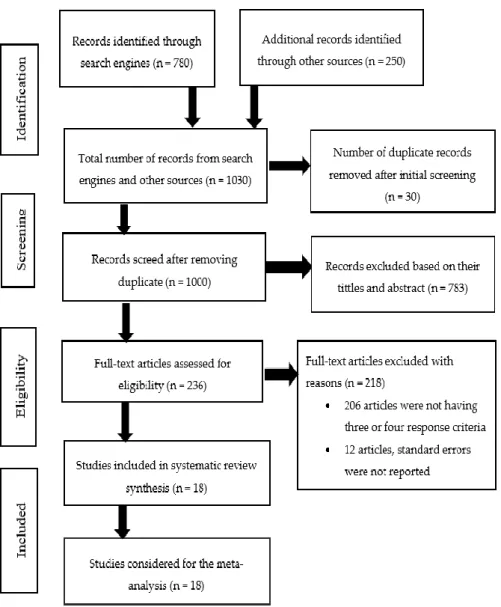
Values for final weight, specific growth rate, feed conversion ratio and survival ratio for recommended levels of animal protein sources in feeds for different fish species are shown in Table 2.1. Weights, prevalence (95 % CI), effect summary, I2 index and degrees of freedom for final weight, specific growth rate, feed conversion rate and survival rate for different studies included in the meta-analysis. The samples analyzed in this study were 1307 for final weight, specific growth rate, feed conversion ratio and survival rate, respectively.
Sample size varies due to the number of studies and 14 for final weight, specific growth rate, feed turnover ratio and survival rate, respectively) included in the meta-analysis.
Conclusion
Despite all the observed heterogeneity, these animal protein sources showed positive effects on feed conversion ratio, specific growth rate, final weight and survival of different fish species of different size groups.
Acknowledgments
Replacement of fishmeal with poultry by-products in diets for black sea turbot Psetta maeotica. The use of fermented feathermeal as a substitute for fishmeal in the diet of Oreochromis niloticus. Replacement of fish meal with meat and bone meal in diets for juvenile snakehead (Ophiocephalus argus).
Substitution of fishmeal with chemically preserved shrimp head in diets of African catfish, Clarias gariepinus.
Material and methods
According to FAO et al. 2013), world demand for protein of animal origin is expected to double by 2050. There is a lack of published information on the chemical composition and associated nutritional value of crocodile carcass derived meal for aquaculture feeds. The aim of this study was to evaluate the chemical composition and associated nutritional value of flour derived from different parts of C.
One-way analysis of variance (ANOVA) was used to test for significant differences at a significant level of α=0.05 between the treatment means.
Results
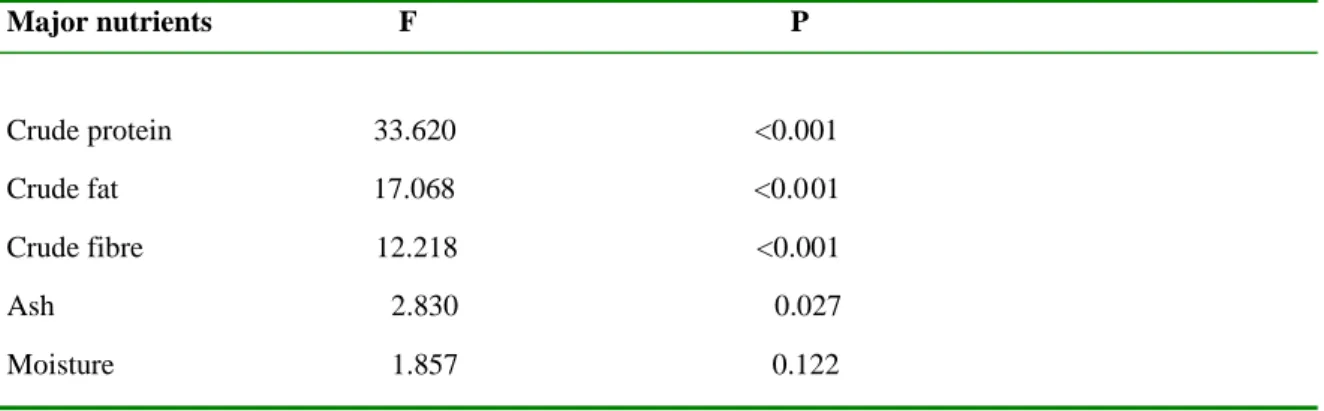
There was no significant difference in the moisture content of the ration from all different parts of C. The sodium content of the cooked neck ration was significantly higher (P < 0.05) than that of the raw thigh, raw neck and raw mixture, but similar to the raw carcass ration and the cooked mixture. Zinc was significantly higher (P < 0.05, Tukey's test) in raw thigh flour than in all other parts.
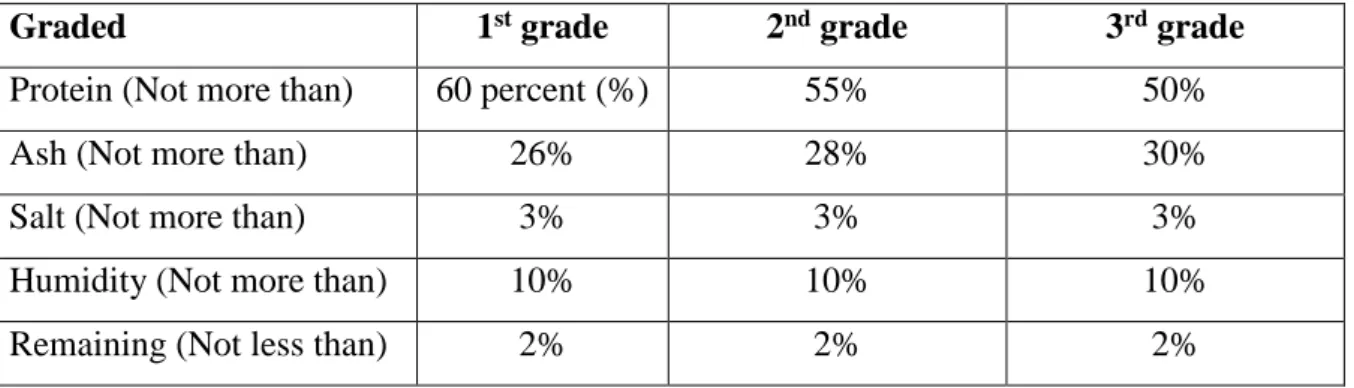
The Crocodylus niloticus-derived meal tested in this study averaged 10%. for raw and 13% cooked moisture content, which is within the maximum recommended range reported by Tacon et al. 2009) and Davis (2015), as there were no significant differences in raw and cooked food from different parts of C.
Acknowledgements
The Ecology and Population Dynamics of the Nile Crocodile Crocodylus niloticus in the Flag Boshielo Dam, Mpumalanga Province, MSc Thesis, University of Pretoria, South Africa. Crocodile population degradation in the Olifants River Gorge of Kruger National Park, South Africa. This study aimed to assess the potential of Crocodylus niloticus meat meal as an animal protein source to replace fish meal in the diets of Oreochromis mossambicus.
Therefore, the aim of this study was to evaluate the potential of Crocodylus niloticus meat meal as a source of animal protein to replace fish meal in the diet of Oreochromis mossambicus.
Materials and Methods
Fingerlings fed D4 and D5 had significantly higher (P < 0.05, Tukey test) weight gain than those fed D6 diet. There were no significant differences (P < 0.05, Tukey test) in weight gains for subadult to adult fish fed D5 and D6 (Table 4.3). However, GFCRs for fingerling and sub-adult to adult size groups were significantly different (P < 0.05, ANOVA) among diets.
There were significant differences (P < 0.05, ANOVA) in the survival rate of all size groups fed different diets.
Conclusion
During the subadult and adult stages, eggs were first observed at 100% fishmeal without crocodile meal and then at 50%/50% fishmeal and crocodile meal. These results may mean that crocodile meal is a good source of protein that will delay sexual maturity in O. Although it is a common feature for fish in a population to have variation in individual growth, in commercial fish culture it is a disadvantage as size determines the price [60].
Costs for ingredients used in feed preparations were higher in fishmeal diets than those containing crocodile meal across all size groups in the current study.
Limitations
To minimize costs and maximize production efficiency, different size groups should be fed (feeding rates, feeding frequencies and composition of diets) according to their sizes. All essential, non-essential amino acids and fatty acids should be included in parameters to be analyzed for animal protein source used.
Acknowledgments
Hybridization and phylogeography of the Mozambique tilapia Oreochromis mossambicus in southern Africa evidenced by mitochondrial DNA and microsatellite genotyping. Ecological niche modeling of the invasive potential of the Nile tilapia Oreochromis niloticus in African river systems: Concerns and implications for the conservation of indigenous congeners. A qualitative ecological risk assessment of the invasive Nile tilapia, Oreochromis niloticus in a subtropical African river system (Limpopo, South Africa).
Nutritional value of the Nile crocodile (Crocodylus niloticus) meal for aquaculture feeds in South Africa.
Results
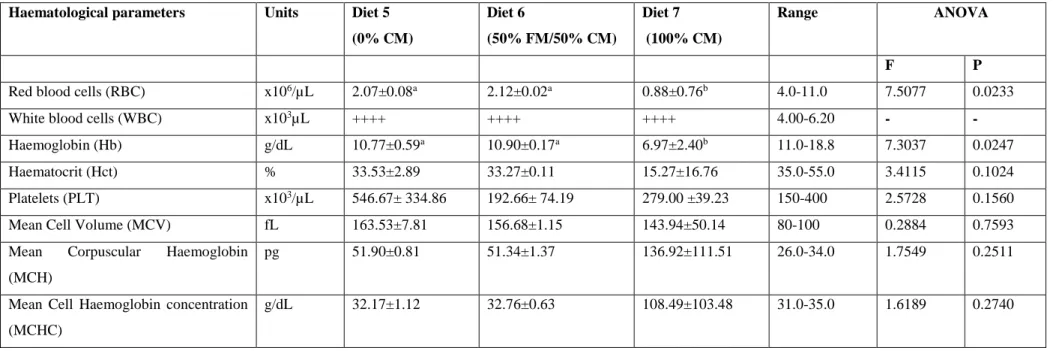
The functions of RBCs are to transport oxygen to the tissues and return carbon dioxide to the lungs in the body (Seibel et al., 2021). While those with a hematocrit of 45% or more are generally considered polycythemia (Tonya et al., 2008). Mean corpuscular hemoglobin values fluctuate due to the lower concentration of hemoglobin in the RBC (Bittencourt et al., 2003).
Fighting infections by producing or transporting and distributing antibodies in the immune response are the functions of white blood cells (Etim et al., 2014).
Conclusion
In contrast, those with high WBC counts can generate antibodies in the phagocytosis process and are resistant to diseases and increase adaptability to local environmental and prevailing disease conditions (Etim et al., 2014). The current study results showed higher WBC counts in all treatments than the recommended ranges. According to Michael et al. 2019), high WBC may be due to increased production of WBCs in lymphopoietic tissues and kidneys. Furthermore, the WBCs may have been counted together with platelets because they have the same morphology as platelets (Fazio et al., 2012).
Acknowledgments
Influence of endogenous and exogenous factors on hematological parameters in different fish species: a review. Maintaining Fish Health in Aquaculture: A Review of Epidemiological Approaches to the Prevention and Control of Fish Infectious Diseases. Hematological response of catfish (Clarias sp.) as an indicator of fish health in the Tuaban region.
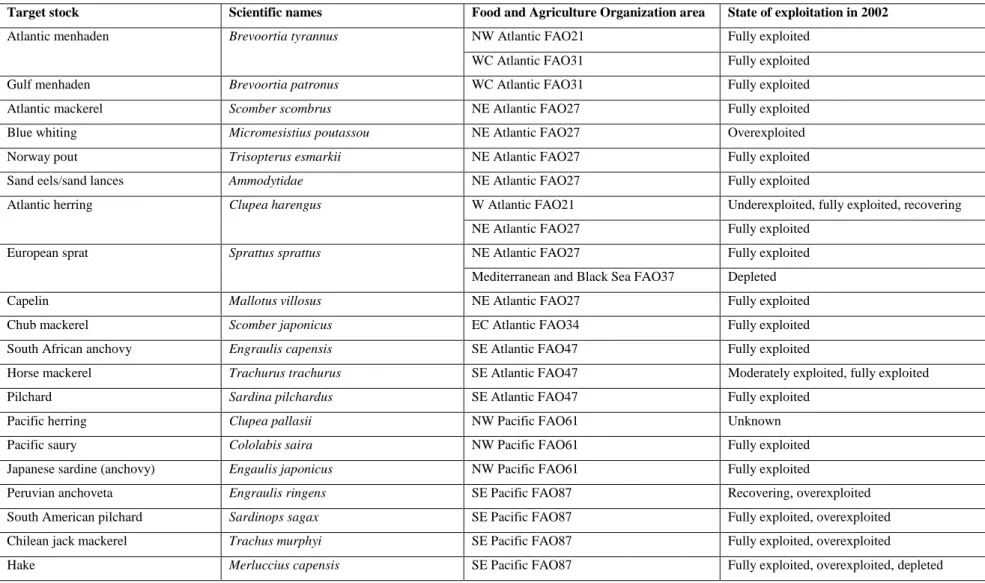
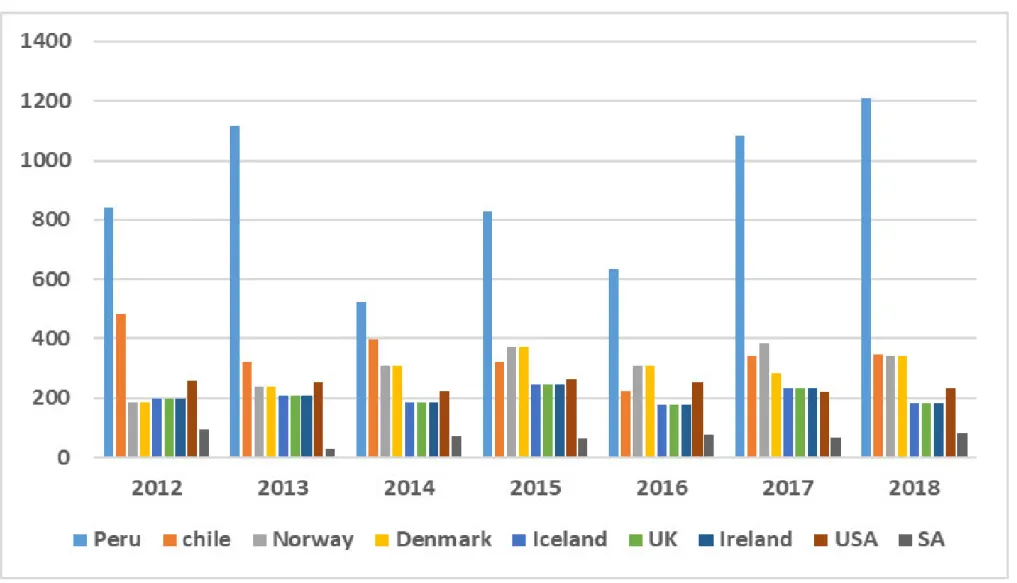
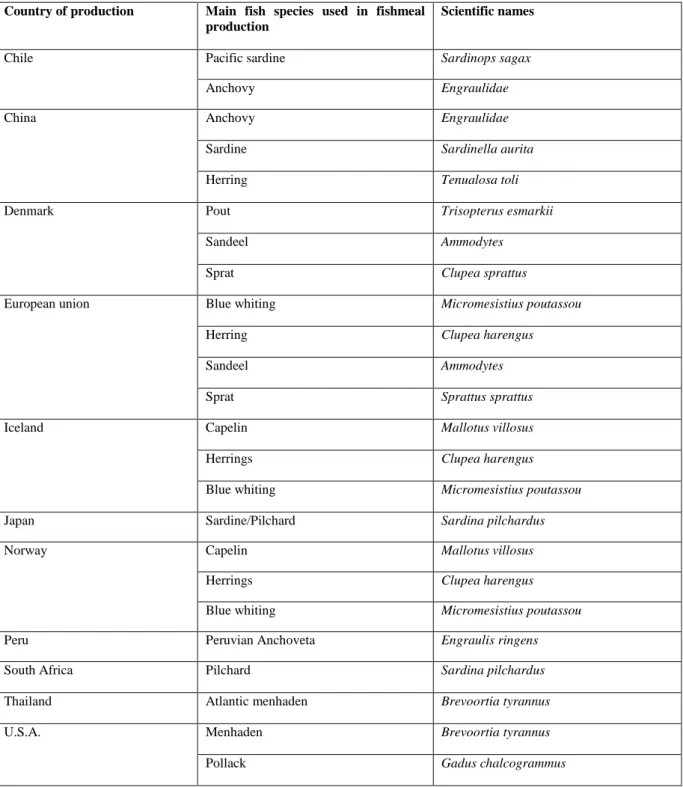
Overfishing, which results in part from fish caught for fishmeal production, is a growing problem in the marine environment because the loss of fish in the ecosystem is linked to the increasing development of harmful algal blooms that reduce water quality, oxygen depletion and pollution offshore ( Barber 2017).
Research findings
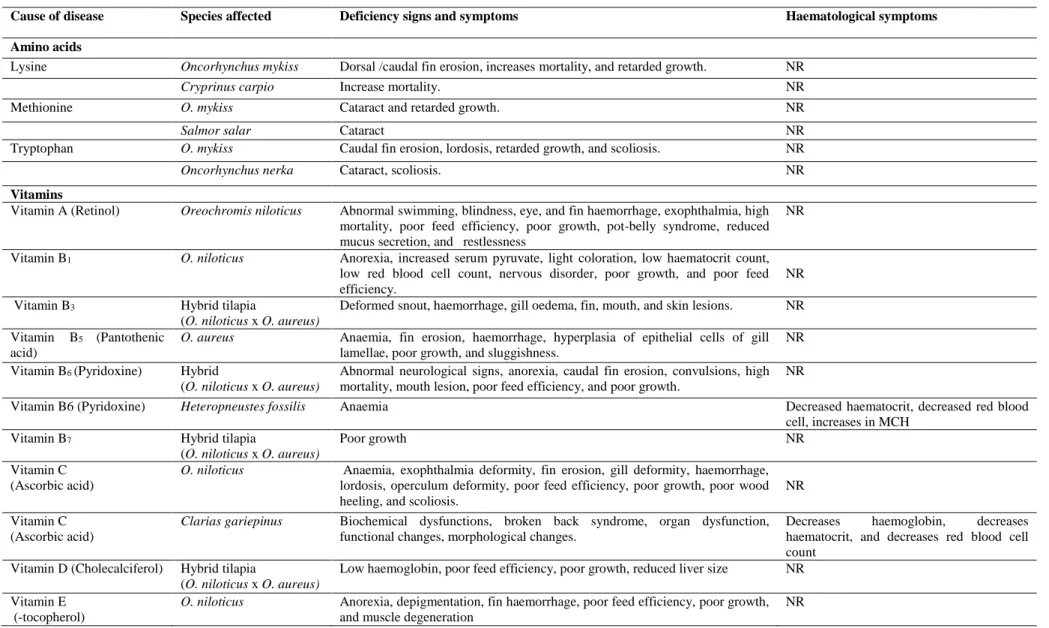
Haematological parameters were determined to assess the health status of Oreochromis mossambicus fed crocodile meal-based diets compared to those fed a commercial diet. Fish fed a 100% alligator-based diet had significantly lower red blood cell count and hemoglobin concentrations than those fed a commercial diet and other alligator meal-based diets. The mean values obtained for all parameters were within the ranges reported for Oreochromis niloticus reported by Bettencourt, (2003).
As some mean values obtained were higher than the range calculated in the present study, more studies are recommended as this is the first study to report on hematological parameters of crocodile-based diets fed Oreochromis mossambicus compared to a commercial diet.
Limitations
Based on similarities in Gs, SGR, GFCR and PER in fry and juvenile to adult fish fed D4 and D5, Crocodylus niloticus meat meal can replace fish meal for all size groups O. Cost of ingredients used in diets with 50% and 100 % meat meal of Crocodylus niloticus showed that this ration was worth using in diets O. No significant differences were observed in hematocrit, platelet count, mean cell volume, mean corpuscular hemoglobin and mean cell hemoglobin concentration. .
Concluding remarks and recommendations
In addition, the results showed that the meal obtained from the Crocodylus niloticus species can be used as a fishmeal substitute for Oreochromis mossambicus fingerlings and fingerlings. In future studies, it is recommended to use feeding rates, feeding frequency and composition of diets according to fish size, include all essential, non-essential amino acids and fatty acids as parameters to be analyzed for the animal protein source used, and consider using a commercial diet with the same protein content as a composite diet. The decline of the Nile crocodile (Crocodylus niloticus) as a keystone species for the conservation of an aquatic ecosystem in South Africa: the case of the Olifants River.