The socio-economic impact of poverty reduction in Lesotho: A
survey of poor households at Taung in the Mohale's Hoek district, Lesotho
DAVID MORAPELI MOKHATLA
University of KwaZulu-Natal
July 2004
A Dissertation submitted to the school of Development Studies at the
University of KwaZulu-Natal in partial fulfilment of the requirements for a Master's Degree in Development Studies
DECLARATION
I, the undersigned hereby declare that the work contained in this dissertation is my original work and has not been previously submitted in any
academic institution before.
bvL~(p..
DAVID MORAPELI MOKHATLA
01.
I;;) .d-.-QDc..r
DATE
ACKNOWLEDGEMENTS
I would like to express deep-felt gratitude and a vote of thanks to everybody who devoted their time by contributing to the finalisation of this dissertation. In particular, I wish to thank the residents of Liphiring, Majapereng and Qhalasi in the Taung ward, Mohale's Hoek district, for the time and efforts they devoted to answering the questionnaire and participating in focus group discussions.
The district Secretary of Mohale's Hoek is revered for the co-operation I was afforded by the officials from the following organizations: the Crops Division of the Ministry of Agriculture, Taung Skills Centre, and professionals from Taung ADP, CARE, WFP and DMA and road construction workers at Liphiring for their invaluable information. This dissertation could not have been completed without their input.
I further extend my gratitude to the government of Lesotho for assisting me to further my studies and make this work a success.
I am grateful to the staff from SODs for their untiring readiness and willing to help me whenever I needed help.
DEDICATION
This work is dedicated to my two sisters, Moroesi and Rethabile,
as well as, their families. My mother, Masello and sweetheart,
Mabatho, deserve boundless love. May God bless them all and
add more days to their lives.
ii
ABSTRACT
This is a dissertation on the socio-economic impact of poverty reduction in Lesotho.
The major thrust of the study was to address the problem of low community participation inherent in development activities. This was triggered off by the high incidence of poverty in Lesotho. The researcher had prior belief that this was a result of low levels of community participation. The study was meant to contribute to knowledge and test research hypotheses and theories. It was proposed that various programmes or initiatives can improve the socio-economic condition of the rural poor through enhanced community participation.
Interviews, questionnaires and focus group discussions were used to elicit data from the respondents. Qualitative and quantitative techniques were employed in the collection and analysis of data. The research focused on three villages in rural Lesotho. These are Liphiring, Majapereng and Qhalasi, all found at Taung in the Mohale's Hoek district. Also, development professionals in government and voluntary agencies were consulted for information. The total sample of 158 respondents was used for the study.
The results of the study indicate very low levels of socio-economic development in the three villages. Unemployment was found to be at the head of all malaises. It is strongly demonstrated that government programmes have failed to ameliorate the situation. The failures of subsistence agriculture and limited non-farm activities have led to greater dependence of the villagers on government aid. The study has noted poor organizational capacity resulting in political conflicts in the villages. In addition, the study unearthed poor co-ordination and lack of collaboration between government and other development agents in the anti-poverty project. Finally, the study uncovered that programmes respond poorly to villagers' needs. The majority of households are of one mind that government programmes need to be restructured in order to better serve their needs. In the main, the study has noted very little achievement in poverty reduction. This research has shown that this resulted from low levels of community participation and poor implementation of policies by the government.
iii
LIST OF ABBREVIATIONS AND ACRONYMS
BOS CBOs CPI DMA EU GDP GEAR GOl IFls I-PRSP lHWP MODP NGOs NREP ODA PPP PRSP RDP RlEGP SAPs STDs TWG UNDP WFP
Bureau of Statistics Community-Based Organizations Consumer Price Index Disaster Management Authority European Union Gross Domestic Product Growth, Employment and Redistribution strategy Government of lesotho International finance Institutions Interim Poverty Reduction Strategy
lesotho Highlands Water Project Ministry of Development Planning Non-Governmental Organizations National Rural Employment Programme Overseas Development Agency Purchasing Power Parity Poverty Reduction Strategy Paper Reconstruction and Development Programme Rural landless Employment Guarantee Programme Structural Adjustment Programmes Sexually Transmitted Diseases Technical Working Group United Nations Development Programme World Food Programme
iv
Tables
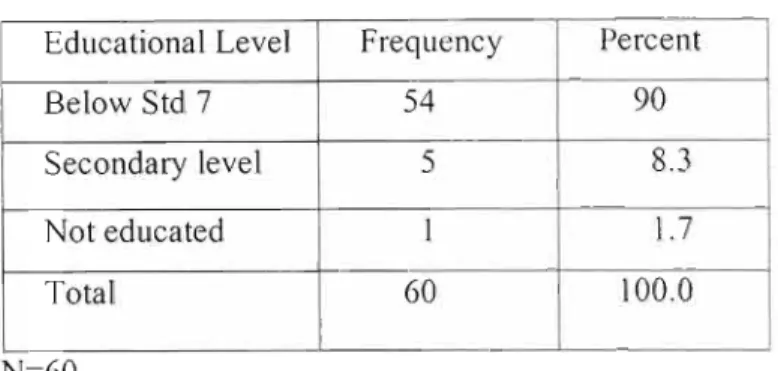
3.00 The sample, data collection instruments and research sites 4.10 Educational background of the poor households
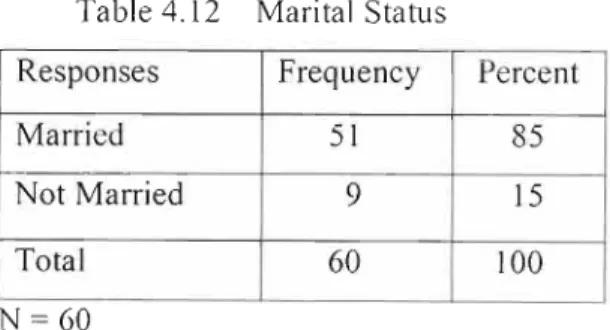
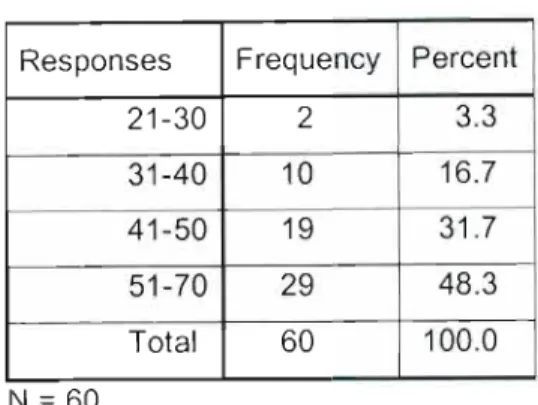
4.11 Age of respondents 4.12 Marital status
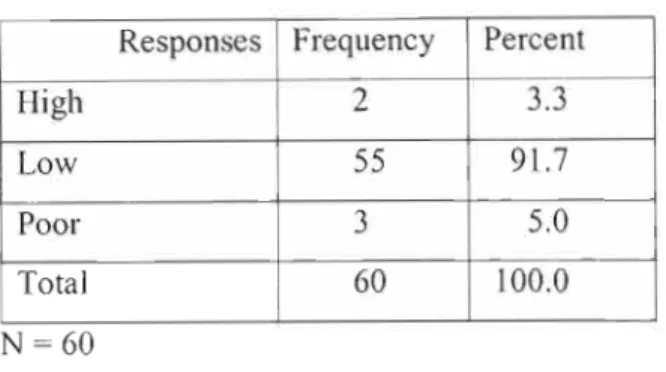
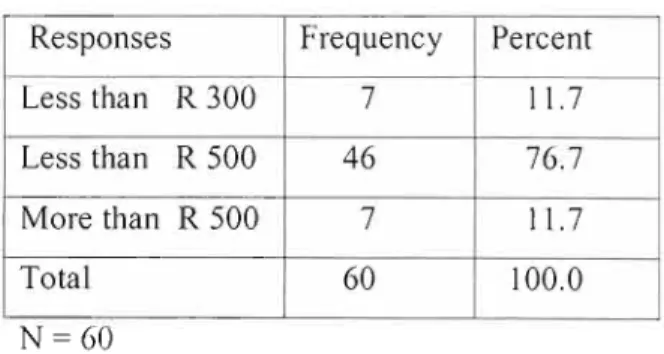
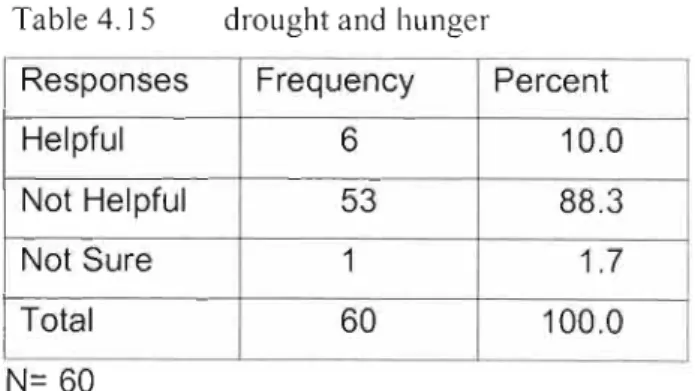
4.13 Children's attendance at school 4.14 Respondents' monthly income 4.15 Drought and hunger
4.16 Respondents' wages in public works programmes 4.17 Poor households' involvement in programmes 4.18 The nature and power of committees
4.19 Response to community needs 4.20 Road conditions
v
Figures
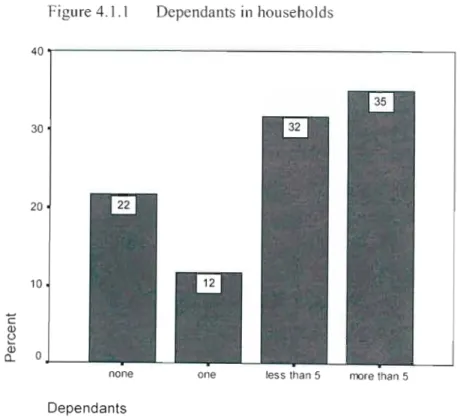
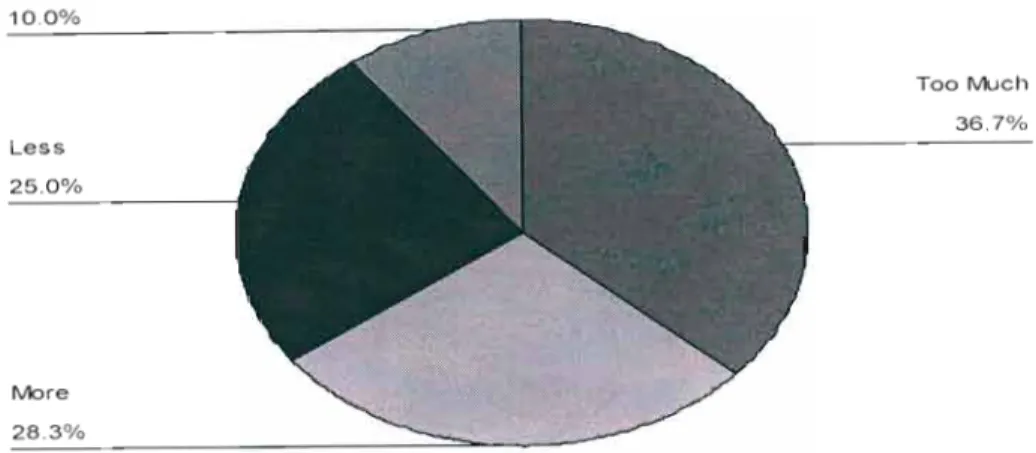
Figure 4.1.1 Dependants in the households Figure 4.1.2 Income generated through woodlots
vi
Acknowledgements Dedication
Abstract
Abbreviations and acronyms List of Tables
List of figures Contents page
vii
ii iii
iv
v
vi viiCONTENTS PAGE
CHAPTER ONE: INTRODUCTION
1.1.1 Introduction ··· 1
1.1.2 General Background of the study 1
1.1.3 Problem statement. 5
1.1.4 The purpose and aims of the study 6
1.1.5 Key questions of the study 6
1.1.6 Hypotheses 7
1.1.7 Professional significance of the study 7
1.1.8 Ethical considerations 7
1.1.9 Overview of methodology 7 \...-
1.2.0 Delimitations of the study 8
1.2.1 Problems and limitations of the study 8
1.2.2 Organization of the Dissertation 11
1.2.3 Definition of key terms 11
CHAPTER TWO: LITERATURE REVIEW
2.1.1 Introduction 14
2.1.2 Definition of poverty 14
2.1.3 Conceptualizing poverty ~ 15
2.1.4 Causes of poverty t:-:" 16
2.1.5 Globalization and poverty reduction 17
2.1.6 Theories of poverty 20
2.1.7 Public works programmes and poverty reduction 24 2.1.8 Community participation and poverty reduction 27
2.1.9 Conceptualisation of participation 27
2.2.0 Participation Defined 28
2.2.1 The role of PRA in poverty research .28
2.2.2 Poverty in Lesotho 30
2.2.3 Community participation in Lesotho 30
2.2.4 The experience and perception of poverty in Lesotho 31
2.2.5 Summary 33
viii
CHAPTER THREE: METHODOLOGY
3.1.1 Research Design ··· .35
3.1.2 Context of the study ··· .35
3.1.3 Population ·.. ·.. ·.. ·· 36
3.1.4 Sample ·.··· .. ·· 36
3.3.5 Questionnaires ··· 38
3.1.6 Interviews ··· 39
3.1.7 Biases in the data .40
3.1.8 Data Analysis .40
CHAPTER FOUR: THE RESULTS OF THE STUDY
4.1.1 Introduction 42
4.1.2 The profile of the poor households .42
4.1.3 The experience and perception of poverty .45
4.1.4 AgricUlture and food security .49
4.1.5 Non-farm production activities 51
4.1.6 Public works programmes 51
4.1.7 Income-generating activities 53
4.1.8 Community participation 53
4.1.9 Assistance from the outside 56
4.2.0 Major problems encountered by villagers 57 4.2.1 Major problems encountered by development professionals 58 4.2.2 Successes attained in poverty reduction 58 4.2.3 Challenges faced in poverty reduction 58
4.2.4 Sustainable poverty reduction 59
ix
22/11/2003 18/01/2004 18/01/2004 22/11/2003 25/11/2003 CHAPTER FIVE: SUMMARY AND CONCUSION
5.1.5 Introduction ··· 60
5.1.2 Summary and Discussions of the Findings 60
5.1.3 Conclusions 67
5.1.4 Recommendations 69
References
APPENDIX A. Questionnaire for the poor households
APPENDIX B. Interview schedule:
• Professionals in the private and public sector List of Interviewees
1. District Resource Person, CARE, interviewed
2. District Disaster Management Officer, DMA interviewed 3. Field Monitor, WFP, interviewed
4. Field Co-ordinatior, Taung ADP
5. Taung Skills Centre, Principal, interviewed
6. Senior Crops Officer - Ministry of Agriculture and Food Security,
Interviewed 23/11/2003
7. Road Worker, Liphiring, interviewed 25/12/2003 8. Road Project Supervisor, Liphiring, interviewed 25/12/2003
• Focus group discussions with the poor households
08/11/2003-16/11/2003 APPENDIX C: Form used to obtain the demographic characteristics of
respondents who filled in the questionnaire.
APPENDIX D: Photographs 1-5 showing a road under construction.
Road workers are shown together with the machines they used.
x
CHAPTER ONE 1.1. IIntroduction
Poverty reduction has been discussed in development literature for over 40 years. This is evidenced by voluminous publications on poverty recently (Sartaj Aziz cited in Sapsford &
Chen, 1998). It was realized that a better understanding of poverty dynamics is required for reducing the malaise. The concept of poverty presupposes the inability of people to acquire the necessities of life such as food, shelter and clothing. In chapter two, the concept is defined more elaborately. Since poverty is open to several interpretations by different people, a few definitions of the concept are given (Killick& White, 200 I).
This dissertation is a descriptive and explanatory study on the socio-economic impact of poverty reduction in Lesotho. This first part of the dissertation presents the general background of the research, the problem statement, describes its significance and presents an overview of the methodology. The chapter approaches conclusion by addressing the delimitations of the study, defining some special key terms and stating how the dissertation is organized.
The research attempts to evaluate the socio-economic impact of poverty reduction in Lesotho.
It makes an assessment of efforts undertaken by government, voluntary agencies and other agents of change in the socio-economic development of the Basotho. Moreover, this research seeks to find out how much these development agents have achieved in poverty reduction.
The research concentrates on the contribution of rural public works programmes (PWPs), commonly known as 'Fato Fato' and other initiatives aimed at improving people's lives. In addressing these issues, the study focuses on rural areas because such locations are often associated with the worst poverty conditions. Information is elicited mainly from three rural communities in the Mohale's Hoek district, namely, Liphiring, Majapereng and Qhalasi.
1.1.2General Background of the study
It is indicated that since independence in 1966, the GOL has been implementing programmes and projects to foster economic growth and reduce poverty (MOOP, 2000). This source reveals that more attention was paid to the rural areas where 80% of the population lives. It is further explained that through Five-Year Development Plans, interventions focused mainly on service provision and the development of the economic infrastructure. This source states that nine poverty assessments were carried out between 1991 and 1997 in conjunction with the
World Bank, United Nations Development Programme (UNDP) and indigenous institutions.
Moreover, it is highlighted that these assessments provided an extensive poverty profile in terms of income, expenditure and access to social services. This evidence shows that at the close of 1999, the GOL formulated an Interim Poverty Reduction Strategy Paper (1- PRSP).The Technical Working Group (TWG), made up of the government, civil society and other major stakeholders, was established to prepare the I-PRSP. It is revealed that in December 2000, the I-PRSP was completed and the TWG set on the task of preparing a full PRSP.This strategy was finally completed in November 2003. The above statements show that poverty reduction was seen as evolving from enhanced economic growth.
Lesotho is a poor Southern African developing country that needs poverty reduction strategies. According to the World Bank (1999), Lesotho's real per capita GDP measured in Purchasing Power Parity (PPP) was US $ 1,860I in 1997, placing the country among the world's 50 lowest-income countries. Morever, it is indicated that the country ranks l27lh out of 174 countries on UNDP's Human Development Index. This evidence further highlights that its social indicators lag behind when compared to those of other developing countries with similar per capita incomes. Poverty trends for 1986/7 show that the depth and severity of poverty have worsened. Gay & Hall (2000) state that in Lesotho, households are regarded as poor when they earn less than M 80.00 per household per month, while the destitute have less than M 40.00. This source discloses that 58.8% of the people were categorised as poor while 34.7% constituted the ultra-poor. It is explained that this situation got worse in 1990 when 68% of the population was regarded poor. The poverty profile for Lesotho shows that nearly one-half to three-quarters of Basotho households may be considered poor and more than a quarter are ultra-poor. The poverty Mapping Exercise conducted by Sechaba Consultants in 1993 showed that 71 % were defined as destitute (MODP, 2000).
Poverty studies conducted in Lesotho concur that the mountains and Senqu Valley are poorer than the foothills and lowlands in ten11S of the incidence, severity and depth of poverty (May et aI, 2002). Gay & Hall (2000) stated that households that rely on mining remittances from South Africa are relatively better-off. However, they argue that during the 1990s, many Basotho miners were retrenched from the South African Gold mines. For instance, this source shows that 122,000 Basotho migrants worked in the South African mines in 1986.The same
I US$ 1,860=R 11 025.15 =11 025.11 Maloti. This is because J Loti= JSouth African Rand
source shows that in the first half of 1999, the numbers had decreased to 65,000. As a result, the vulnerability of remittance-dependent households increased. These authors explain that this speeded up rural-urban migration to cities such as Maseru where infomlal activities and shack settlements have mushroomed. Moreover, they point out that this has led to the deterioration of agriculture. These authors show that the whole scenario was compounded by limited social welfare services provided by the govel11ment. They argue that as a result, more than half of the population were trapped in poverty, and this situation has continued to grow worse over the last ten years despite the economic boom of the 1980s. Nevertheless, the GOL argues that a considerable number of rural residents get poverty relief from PWPs (MODP, 2001 ).
It is revealed that the poverty gap increased markedly between 1986/7 and 1994, pushing many people further below the poverty line (MODP, 2000). These sources also show that the population is characterised by the most unequal distribution of income in Southern and Eastern Africa, with a Gini-Coefficient of 0.6. The evidence flllther reveals that the declines of public expenditure on social services, rising costs of urban infrastructure and a slow decentralization process have undermined any prospects for redistribution in Lesotho. It was found that many remote parts of the country, particularly the mountains, have limited access to basic services.
The evidence further shows that Lesotho experienced a sharp economic downtul11 during the late 1990s. Gay& Hall (2000) argue that the economic decline in 1998/99 was also caused by reduced Lesotho Highlands Water Project (LHWP) expolts and the destruction of the economic infrastructure that followed the political conflicts of September 1998. For instance, it is indicated that the GDP fell by 7.7% and the balance of payments position deteriorated markedly during the fiscal year I999/2000.This source explains that all these events raised the povelty levels in both rural and urban areas. It is maintained that as a result, the country had to use accumulated foreign exchange eal11ings to pay for imports (MODP, 200 I). In addition, the same source discloses that foreign reserves dwindled by US $70 Million 2in December of the financial year 1999/2000. The substantial outflow of capital resulted in a massive increase of imports and declining exports of Mohair and Wool. These authors project that the high incidence of poverty could worsen infant and adult mortality, life expectancy and
US$ 70 Million=R 414.93 Million =414.93 Million Maloti
unemployment. For instance, nationwide surveys conducted by Sechaba Consultants in 1991 and 1994 show that unemployment is the major cause of povelty in Lesotho (MODP, 2000).The unemployment rate was estimated at 40.5%, leaving many people depending on poor subsistence agriculture and informal activities. For instance, it was found that 60% of the people in Mohale's Hoek worked in agriculture (BOS, 2002). It is fmiher maintained that the rapid growth of the labour force does not correspond with the absorptive capacity of the economy. The source also notes that only 36% of young people are able to enter the work force every year and a few are absorbed by the fomlal sector.
The Relationship between macroeconomic performance and poverty reduction
Much evidence shows that Lesotho experienced economic boom from the 1980s to the mid 1990s (Gay & Hall, 2000).This source notes that the period 1981-1986, was characterised by good growth and economic stability brought about by a cautious fiscal policy. It is explained that during the same period the construction under the LHWP and the thriving manufacturing sector contributed positively to the economy. These authors state that these developments brought employment opportunities for many Basotho. Also, it is indicated that Structural Adjustment Programmes (SAPs) implemented from 1988 benefited the economy. Moreover, the same source unveils that the GDP grew at an average of 6.3% from 1988 to 1997 and the country produced a surplus of 2.1 % on average from 1992/93 to 1997/98. The most advantageous aspect of the economy was that inflation dropped by 18% in 1991 to 9% during the same year, allowing growth to progress from 3.5% to 4.5% for six consecutive years (Phororo, 2000). It is also maintained that gross international reserves increased markedly from M 2 671 Million to M 3 041 Million. According to the World Bank (1995), Overseas Development Assistance (ODA) to Lesotho averaged US $ 104.7 Million 3 per year between 1990 and 1993. Both May et al (2002) and Bigson & Levin (2001) assert that such exponential growth of the economy was more than enough to reduce poverty in 1994/5.
The macroeconomic climate of the 1980s and 1990s depicted above shows that the country achieved enornlOUS growth. However, Gay & Hall (2000) and the MODP (2000) argue that much of the generated wealth did not benefit many people and they continued to be poor.
They hold that instead, rapid growth benefited only a small fraction of the population because of a skewed distribution of wealth. For instance, these sources portray that the national
3 US$ 104.7 Million = R 620.61 Million = 620.61 Million Maloti
income benefits mostly the richest 10% of the population while the majority continue to suffer. Itis further revealed that the unequal distribution of income is flanked by low people's participation in the economy. These writers argue that less emphasis was placed on other development indicators such as health, education and life expectancy. As a result, efforts devoted to poverty reduction ended up in failure. This means that most of the generated growth was not used for poverty reduction.
Poverty Reduction Policies
Available evidence shows that the GOL is fully committed to market reform and economic liberalization with a view to create an environment conducive to private sector investment and growth (MODP, 200 I). The information elicited shows that this was done primarily to facilitate the implementation of policies, projects and programmes designed to reduce poverty. This source also exhibits that the improvement of tourism and redesign of PWPs ranked high on the government's development agenda as it was thought that inequalities and povetty would be reduced. Tt is further uncovered that between 1991 and 1994, the government in collaboration with aid agencies produced three poverty repOlts. Both Gay &
Hall (2000) and MODP (2000) concur that the government adopted poverty reduction as its highest development priority.
All the sources cited above demonstrate that a poverty assessment conducted by the World Bank in 1995, provided an extensive profile in tern1S of income, expenditure and access to social services. Ttis further disclosed that the GOL formed a Poverty Action Plan (PAP) and the Lesotho Fund for Community Development (LFCD) in 1999 to support projects that would benefit the poor (MODP, 2000). This source indicates that through these projects, a considerable number of job opportunities were created in some rural and urban communities.
Another milestone was that since 1995, the government introduced free primary education to all schools, starting with Standard One pupils in order to respond to the plight of destitute children nationwide. Again, in an attempt to show more commitment to poverty reduction, World War 1I veterans or their widows were first provided with a monthly pension Sll1ce February 2000 (Gay & Hall, 2000; MODP, 2001).
1. 1.3 Problem Statement
The high incidence of poverty in Lesotho calls for well-defined and participatory povelty reduction. In many developing countries, masses of people derive their poverty from inadequate participation in the economy (Mull en, 1999). As a result, the poor benefit
minimally from the economy. This study contends that if the poor do not participate actively in the planning, design and evaluation of programmes, efforts committed to their empowerment are most likely to fail. Therefore, the problem under investigation is weak community participation in development activities. The high incidence of poverty in Lesotho could be a function of limited community participation.
This research investigates the socio-economic impact of poverty reduction in Lesotho. It is contended that the socio-economic empowerment of the poor must rank supreme in efforts aimed at poverty reduction. Ideally, it ought to tally with the livelihood strategies of the poor.
The following are the sub-problems the research seeks to resolve:
.:. Lack of co-ordination between governments and other agents of change in the anti- poverty project. This weakens the significance of the multidimensionality of poverty.
•:. Policy makers and development professionals often do not know how the poor experience and perceive poverty. Interventions may not tally or add to the livelihood strategies of the poor, thus lessening the rigour of anti-poverty processes.
•:. Anti-poverty interventions do not always conespond to the needs of the poor as they are sometimes imposed. This weakens community participation.
I.lA The aim of the study
The central aim of the study is to show that comprehensive and sustainable poverty reduction could only be achieved if the poor are allowed to participate actively in the economy. In order to achieve this purpose, the following are the overarching objectives of the study:
• Explore the socio-economic impact of poverty reduction in Lesotho.
• Examine the participatory approaches employed in poverty reduction.
• Determine the relationship between unemployment, income and poverty in the rural areas of Lesotho.
1.1.5 Research Questions
The study is guided by the following research questions:
>-
What effects has poverty reduction had on the lives of the rural poor?>-
To what extent has poverty reduction in Lesotho been participatory?>-
How are the government, organs of civil society, communities as well as, voluntaryagencies involved in poverty reduction?
>-
What poverty reduction initiatives are adopted in Lesotho?>-
How do the people experience and perceive poverty in Lesotho'?1.1.6Hypotheses
I. Various programmes can better the socio-economic condition of the rural poor in Lesotho.
2. Community participation can enhance poverty reduction in the rural areas of Lesotho.
1.1 .7 Professional Significance of the study
The researcher hopes that the completed study will contribute to professional knowledge by highlighting on different strategies and policies employed in poverty reduction. This would possibly be of great value to the GOL, NGOs and other organizations involved in policy formulation and implementation of development programmes. Many Basotho would also benefit from the information relating to poverty dynamics in the country. Furthermore, the results would contribute to the understanding of povelty as a multidimensional phenomenon, thereby improving the recently formulated PRSP. Finally, the findings may add to previous poverty studies conducted by researchers and statistical organizations in the country.
1.1.8Ethical Considerations
Social actors engaged in the anti-poverty project often fear criticism from government or other organizations about the effects of their efforts in empowering marginalized and poor sections of society. It is therefore necessary to consider the moral norms surrounding their preoccupations. This gives an assurance that the consent and advice of government officials, private organizations and villagers will be sought before data collection. Moreover, the researcher will ensure that the identity, safety and freedom of the respondents to participate in the research are respected. Furthermore, the infomlation they will provide and their anonymity will be kept confidential. Finally, the researcher will not subject the respondents to a situation of physical or psychological haml and measures intended for the reduction of potential risks will be provided (Goddard & Mellville, 200I).
1.1.9Overview of the Methodology
In this research, both qualitative and quantitative perspectives were employed in the collection and analysis of data. The research mostly relied on the use of the qualitative perspective for the exploration, description and explanation of poverty. The researcher strongly believed that when used together, these approaches would enrich the study in terms
of reliability, validity and comparability. Moreover, purposlve and snowball sampling techniques were employed to locate and identify the target population from which the sample was going to be drawn. The proportionality of the sample was not a major concern for the researcher provided that it well and sufficiently represented the population in the three villages. The researcher was mainly concerned with the robustness of the data collected and not necessarily large numbers of respondents consulted. Furthelmore, the demands of the study required the researcher to use a questionnaire and some in-depth interviews. A few key infornlants in government service, voluntary agencies and community projects were consulted for responses. In order to achieve the intended goal, the questionnaire was administered to the poor rural households. The researcher bore in mind that many rural people might be illiterate.
Hence, he sought help from some of the villagers for the filling in of the questionnaire.
Finally, the researcher chose to use descriptive statistics because he was aware that some numerical applications would help to enrich the analysis. Descriptive statistics helped the researcher to summarise the data from the questionnaire.
1.2.0Delimitations of the study
As shown earlier on, this research seeks to establish what has been achieved in the socio- economic development of the Basotho. The study attempts to measure the impact of various programmes and projects on the rural poor. It does not attempt to describe poverty measurements or monitoring systems but explores the contribution of government institutions, private voluntary agencies and other organizations involved in poverty reduction. Put in a different sense, the researcher seeks to find out what various institutions have already achieved in the anti-poverty project up to now. As such, the overarching mission of the study is to determine how the rural poor participate in development activities. This is because the theory that guides this research states that poverty results because some people do not participate as active members of their society (Oyen, Miller & Sa mad, 1996).
1.2.1 Problems and limitations of the study
This part of the dissertation deals with the problems that the researcher encountered when doing field work. It sheds light on problems that influenced the research process and the manner in which such impediments were dealt with.
The interview process was replete with unanticipated problems. One outstanding commonality was that most of the key infornlants did not receive the researcher warmly. This
was probably because they had already figured out what he had in store for them. The researcher perceived that he was regarded as somebody who had been deployed by the government to check on their progress. This was a general trend at most of the institutions visited, particularly government ministries. It was therefore very difficult to collect data at these places as some respondents simply turned down the agreement to be interviewed.
Moreover, in some of the institutions, officials refused to provide the researcher with reports or other reference materials to supplant the failed interviews. Even after being assured incessantly that the data was strictly going to be used for research, these respondents would not co-operate. Instead, they postponed the proposed interviews for more than three weeks.
Nevertheless, respondents from voluntary agencies, Non-Governmental Organizations (NGOs) and other independent private bodies were co-operative and willing to assist the researcher. Under these circumstances, the researcher struggled for more than a week to reach the intended number of interviewees. He feared that the inadequateness of the data collected would negatively affect the validity, reliability and results of the completed study.
Nonetheless, the targeted number of interviewees was finally reached.
Also, most of the key informants were not willing to be tape-recorded and this forced the researcher to refol111ulate the interview strategy adopted previously. More detailed field notes had to be written for each interview to supplant the proposed transcription. Other interviews such the one held with rural road workers at Liphiring could not be tape-recorded due to the noise made by machinery (see photographs 1,4 and 5 in Appendix D).
The researcher also encountered problems when conducting focus group discussions. Most people in two villages did not arrive punctually at the agreed rendezvous. This greatly hampered the perfornlance of the researcher because he had to refornlulate his schedule. It was only in one of the villages where participants were punctual. Some village chiefs who had agreed to convene meetings greatly delayed the process even though the times for commencement had been clearly stipulated. Although all meetings were to start at 8.00 am, a delay of two hours was the norm. Even when the discussion had already started, some palticipants arrived late and this greatly distracted the tone and motion of the process.
Some chiefs appeared reluctant to be part of the discussions whereby villagers were asked to give their own opinions about development in their villages. The researcher thought that this
was caused by their lack of confidence or a feeling of mistrust in outsiders. In the same way, it appeared that some chiefs feared that villagers would rebel against them whenever burning issues were raised. In one of the villages, this tended to limit democratic participation. A group discussion lasted for about two-and-a half hours but the response rate was not encouraging. One reason for this could have been that a participant who was chosen to nominate speakers used bias. Also, he did not allow some of the villagers to speak and this caused a row. The researcher had to intervene for the success of the discussion. It was evident that many speakers from both sexes could not participate freely. Women were particularly passive and this tended to hold down the robustness of the group discussions. The researcher's main worry was that limited information would be elicited from the respondents.
[n order to prevent this, the researcher frequently had to intervene so as to allay the fears of the chiefs. For instance, in one village, some of the people were accusing the chief of autocratic rule and exploitation of the subjects. The researcher managed to stop an imminent revolt and seriously warned the participants of the intent of the exercise. This problem prolonged the focus group discussions. Also, the intensely hot summer weather tended to reduce the endurance and participation of the villagers. Some of them were already offering to leave but their chiefs continuously asked them to keep their patience.
As the three villages are greatly distanced from each other, the researcher had to walk for six to eight kilometres. This is because they are not connected by a network of roads. More specifically, the rough terrain and rugged topography surrounding some of these villages made the researcher to be late for meetings.
Finally, in one village, a group discussion did not go well because the chief failed to infon1l subjects prior to the meeting. The researcher was therefore perplexed because people were scattered all over the village and most of them had gone out drinking. The researcher had to tTaverse the whole village looking for people to recruit for the discussion. At last, the discussion progressed though some of the people had to be sent away for disorderly conduct due to heavy drinking. Besides, as the discussion went on, many people complained about the absence of the chief but the researcher assured them that that would not affect the discussion negatively. Some of the people had to be brought to order most of the time. They wanted to speak all at the same time and that brought about much confusion. The researcher had to use a lot of patience to bring the discussion under control. This taught the researcher that rural people are generally unorganized and difficult to control. At last, the discussion generated
much valuable infom1ation. However, it was the most time-consuming of exercises undertaken in all the three villages.
1.2.2Organization of the dissertation
This dissertation is divided into five chapters. The first chapter consists of the introduction or purpose of the research. It deals with the general background of the study, the problem statement and the professional significance of the problem under investigation. Also, this chapter provides a general overview of the methodology. Finally, it deals with the delimitations and key terms used in the study. In the second chapter, the literature is reviewed.
First, an overview of how the chapter is organized is given. Second, the theoretical and empirical literature is reviewed according to its mode of organization. Third and final, a summary of previous research findings and how they relate to the study is provided. The third chapter focuses on the methodology employed in the study. To start with, a description of the general methodology is provided. Again, the research context, participants and instruments constitute the content of this chapter. Also, the procedures followed, analyses done and a general summary of the methodology are provided. The fourth chapter concentrates on the findings of the study. Initially, an overview of the chapter is given, followed by the presentation of results. In chapter five, the results are discussed, summarised and organized in telms of how the problem statement was posed. Finally, conclusions, implications for policy and recommendations bring the chapter to a close.
1.2.3 Definitions of Key terms
Absolute poverty: The highest condition of being poor, a situation whereby poverty has become chronic and pervasive (Becker, 1997; Khusro, 1999).
Capabilities: The basic capacities which enable people to function (GOt'don & Spicker, 1999).
Deflationary Pressures: Decreasing the general price level (Stiglitz, 2002; Sapsford & Chen, 1998).
Deprivation: Lack of welfare understood in terms of material goods and resources needed for well being (Chelliah& Sudarshan, 1999).
Destitution: A total or virtually incomplete absence of resources, usually indicating extreme poverty (Gordon& Spicker, 1999).
Entitlements: Ways in which individuals or households command resources; right to use resources; support systems one can depend on such as family or clan relationships (Gordon &
Spicker, 1999).
Gini-Coefficient: The most widely used measure of income inequality (Alcock, 1997).
GNP: It is the total value of goods and services produced in a country, including foreign exchange. The difference between GNP and GDP is that the latter excludes foreign exchange earnings (Gordon & Spicker, 1999).
Human Development Index: A yardstick used to compare living standards between countries;
a composite of GNP per capita,life expectancy and educational attainment (Mittelman &
Pasha, 1997; Handelman, 2003).
Incidence of poverty): Also, referred to as the headcount index. It is a poverty measure that shows the number of people below a given poverty line, expressed as a percentage of the population (May et aI, 2002).
Livelihood: It refers to the capabilities, assets and activities required for a means of living;
adequate stocks and flows of food or cash to meet people's basic needs (Carney, 1998).
Participatory Poverty Assessment: A method used to include poor people in the analysis of poverty with the objective of enabling them to influence policy. The poor are enabled to identify the root causes of their poverty (Robb, 2002; Fine, Lapavitsas& Pincus, 2003).
Poverty gap: the average income shortfall of the poor. It is the product of the headcount and the average distance of the poor below the poverty line. It is expressed in absolute terms or as a proportion of the poverty line (Alcock, 1997).
Poverty line: A threshold, in terms of income or wealth below which a person is considered to be poor (May et aI, 2002).
Poverty Trap: A situation whereby people are locked into poverty for long periods of time (Barett& Ben, 2003).
Purchasing Power Parity: The number of units of the country's currency required to buy the same amount of goods and services in the domestic market as a dollar in the USA (Thirlwall, 1999).
PRSP: A national strategy drawn up by governments of low income countries. It targets government's expenditure on measures to reduce poverty (Panos, 2002).
Relative poverty: Itdefines poverty in relation to standards that exist elsewhere in society or between different people (Khusro, 1999).
Safety nets: Various transfer programmes meant for redistributing wealth and mitigating risk in poverty reduction (Chambers, 1993).
Security: Absence of one or more factors that enable individuals and families to assume basic responsibilities or enjoy fundamental rights (Gordon & Spicker, 1999).
Social capital: The level of social cohesion found in communities. It entails processes between people which establish networks, norms and social trust. It also, helps to facilitate coordination and cooperation for mutual benefits (Holland & Blackbum, 1998; Erika McAslan in Desai & Potter, 2002).
Social exclusion: It means being detached from the social order. People who are socially excluded do not participate in institutions of society. This concept replaces the narrow monetary approach to poverty (Saith, 200 I).
Trade liberalization: The removal of quotas or tariffs in order to allow free trade (Stiglitz, 2002; Mandle, 2003).
Value chain analysis: Itdescribes many activities involved in the production, distribution and consumption of goods and services (Kaplinsky& Morris, 2000).
Welfare: State of well-being; provision of benefits, goods and services to ensure well-being (Gordon& Spicker, 1999).
CHAPTER TWO
2.0.0The Review of Literature 2.1.1 Introduction
Many people in Lesotho associate the prevalence of poverty, inter alia, with low levels of employment, education and income (BOS, 2002). This section explores what academic researchers have already postulated on poverty. As such, various definitions and conceptualisations of povetiy are highlighted. Moreover, the effects of globalisation on poverty fom1 a crucial aspect of this chapter. Also, the contribution of nlral PWPs in poverty reduction is assessed with reference to the case studies of India and South Africa. The researcher believes that these would provide useful infom1ation on poverty reduction in Lesotho. Furthermore, the role community participation in poverty reduction constitutes another fundamental aspect of this chapter. In addition, some mainstream theories of poverty are reviewed. The experience and perception of poverty in Lesotho are dealt with towards the end of the chapter.
As highlighted in chapter one, the framework for this research evolves from the possibility of low community participation in Lesotho. This research is informed by Lakshman cited in Oyen, Miller& Samad (1996) who holds that success in poverty reduction rests on active and meaningful participation of the poor in development activities. Thus, this research seeks to test the validity of neoclassical theory of poverty, political economy theory and the participatory approach. The primary application of these theories is to generate a better understanding about the vulnerability, capabilities and social capital of the poor. More importantly, the research aims to find out how these theories attempt to provide a pathway out of poverty. The theory that best supports the contention of this research is the participatory approach (Oyen, Miller& Samad, 1996).
2.1.2. Definition of poverty
Poverty means lack of necessities needed to sustain a person's life. For instance, Narayan (2000) cites being short of housing, food and land as factors that indicate poverty. This means that poverty entails lack of access to multiple needs and it is a matter of physical deprivation. Therefore, if some people have a serious lack of certain material possessions, it means that there is inequality in society. However, it would be enoneous to equate poverty with inequality. This is because inequality exists within different social classes.Itdepends on the quantity and nature of resources one has. It is therefore implied that the efficiency of
poverty reduction rests on a comprehensive transfer of resources to the poor. Also, it is understandable that poor people are socially isolated and lack of resources makes them have a low standard of living. Poverty is also defined in terms of income and consumption based on the povelty line (Livi-Bacci & De Santis 1999; May, 2000; Thirlwall, 1999). This definition includes both individual and social welfare. In this case, povelty is understood as a situation of low welfare and being unable to meet one's basic needs. In a nutshell, it is apparent that impoverishment results from lack of resources. As a result, the poor benefit minimally from development activities because of low participation.
2.1.3 Conceptualizing poverty
Poverty is conceptualized as a multidimensional phenomenon (May, 2000; May, Woolard &
KJassen, 1997) .These authors argue that alienation from kingship ties in the community leads many people into poverty. Food is regarded as one of the factors assessed in judging whether people are poor or not. For instance, the authors put forward that the quality of food and the duration of its absence can help in reaching a conclusion about the poverty status in a household. People who go without quality food for a long time are regarded as poor according to this conception. However, this statement is flawed because some people may eat poor quality food and yet remain rich. They may do this because of personal preferences. The sources cited above further demonstrate that the facets of povelty include dilapidated housing conditions, insecure employment and use of inefficient fornls of energy. Again, it may be argued that assessing people's well being mainly on what they do not have is inadequate. Itis also vital to establish what the poor have since they are in a better position to describe their situation than anyone else. Besides, they know their multiple needs very well (World Bank, 2000). The information gathered from this source teaches that the poor ought to be given power and voice so that they could describe their situation. As a result, their vulnerability and isolation will be eased. This also means that poverty analysis requires a better understanding of the capabilities, livelihood patterns and the asset base of the poor. In addition, the detel111inants and manifestations of poverty need to be observed critically when poverty assessments are made.
Poverty is also understood as both an absolute and relative concept (Secker, 1997). Khusro (1999) maintains that poverty in developing countries can be referred to as absolute because it is chronic and pervasive. These authors argue that in these countries many people are trapped perpetually into poverty. However, this view does not take into account the movement in and
out of poverty as observed by Krishna (2003). They further point out that people could be judged poor based on how they are compared with others. They contend that poverty can be judged from people's participation in the economy. For instance, a poor peasant may be prevented from attending a school meeting because he or she lacks money for transport. As a consequence, shortcomings of this nature make them lose opportunities to challenge or influence decisions and policies that affect them.
2.1.4. Causes of poverty
As indicated earlier, poverty has many facets and this makes it easy to identify and distinguish between its major causes (Killick& White, 2001). However, these authors assert that it would be erroneous to generalize about poverty because it takes different forms in many contexts.
Also, they show that _the poor belong to various cate.E0~ies, follow diverse livelihood__
strategies and own different assets. It is apparent that some aspects of poverty could easily be missed out by analysis due to its multidimensionality. One also recognizes that some causes of poveliy such as lack of material wealth are deep-seated and all emanate from social exclusion (Saith, 200 l). In line with this reasoning, Saith (2001) argues that people who are socially excluded cannot participate in decision-making and have no control on their future because of insecurity.
One of the most common causes of poverty is urban bias. Lipton & Ravallion (1997) argue
/' ,- -
-
. . " - ~ - . -that development in a society tends to centre on urban areas while rural locations are
- .
-
- _ .neglected. These authors assert that urban bias is detrimental to growth and poverty reduction.
This means that it is crucial to assess the location of poverty in order to determine who is poor. The multidimensionality of poverty explains why there is no one accepted theory of povetiy that can establish a hierarchy of all causes. As such, differentiating between a cause and effect becomes a complexity. Furthermore, Killick& White (200 1) contend that the slow growth of employment, environmental degradation and economic instability are attributed to the upsurge of poverty in many developing countries. They argue that this often eludes the strategies of policy makers in these countries. The authors explain that the failings of political systems and social forces cause poverty in these countries. For instance, it was mentioned earlier that the unfavourable political climate of September 1998 affected Lesotho's economy negatively. It was stressed that unemployment increased markedly as a result of political instability. Finally, the same authors argue that disability is another cause of poverty that compels households to meet extra needs. For instance, the provision of transport or special
aids to disabled people may be highly expensive to most people. This can adversely affect the economy of particular households. Having addressed the causes of poverty, it is necessary at this stage to view the concept in the context of globalisation. The globalisation-poverty link is discussed in the section below.
2.1.5Globalisation and Poverty Reduction
In the modem world economy, production relations have become more diversified across countries because of the effect of globalisation. According to Richardson (2000) & Woods (2000), globalisation refers to a set of processes whereby worldwide social relations are intensified making the world one integrated whole. They argue that these processes have a profound and rapid impact on the social, political and economic institutions and lives of people in different countries. This means that there is an integration of economic, political and cultural relations between nation-states. Mittelman (2000) points out that such a syndrome of related processes penetrates across different societies and decentralizes capital movements at both national and international levels. In support to this, O'Rourke& Williamson (1999) state that the political economy of globalisation necessitates co-ordinated policy making above the nation-state.
It is apparent that the analysis of povetty and fornlulation of pro-poor policies in different countries need to be seen in the light of global processes. One of the discoveries of development studies is that a strong relationship exists between globalisation and poverty (Aisbett, 2003; Mandle, 2003; Round & Whalley, 2002). These authors assert that an understanding of this relationship necessitates consideration of the value chain analysis. On this issue, Kaplinsky & Morris (2000) hold that such an analysis helps to explain how the benefits of economic growth are distributed to those participating in the global economy.
They argue that the value chain analysis helps countries to assess the extent to which participation in global markets determines the spread of gains from global isation. They further point out that this framework is indispensable in understanding the dynamics of income distribution between firnls, regions or countries and how they are linked to the global economy. This evidence highlights that the causal links between globalisation and inequality can then be well understood. This explains that the value chain analysis helps countries and firms to explore alternative strategies for poverty reduction and facilitates dialogue and improves on accountability. It is understandable that participation in value chains has the potential to reduce poverty substantially. Aisbett (2003) argues that the ever-growing gap
between the rich and poor has generated intense debate in the current global economy. The paragraphs below explain this link more elaborately.
The proponents of globalisation argue that the numbers of poor people have fallen during the global dispensation (Ravallion, 2003). They point out that the central issue in the globalisation-poverty debate is to consider both the total number of poor people and the incidence of poverty. According to this view, a decrease in the incidence of poverty prevents the total number of poor people from rising. It is deduced from the above claim that many people can be lifted out of poverty as a result of globalisation. The other observation made is that poverty also results from the failure of governments' economic and political systems.
This argument is levelled against detractors who assert that poverty has increased during the era of globalisation (Dickson, 1997).
Also, the proponents blame the IMF and World Bank for their lack of transparency and accountability that bring deflationary pressures on poor countries. For instance, it is held that most of the economic problems in Africa are caused by lack of openness, excessive and inappropriate government intervention, leading to deepened social and political instability (South African Institute of Race Relations, 2000). Moreover, the structural reforms under the SAPs and liberalization policies of the IFls are charged for these maladies in many developing countries. The above source states that reduced social spending by governments in many of these countries is a current burning issue in the globalisation debate. Both Stiglitz (2002) and De Sosa (2003) argue that these policies increased unemployment and led to low economlC growth in many developing countries. They also show that they benefited the better-off while the majority faced sheer poverty. These authors explain that trade liberalization took place before safety nets were put into these countries. Thus, they vigorously assert that everyone can benefit from globalisation provided governments follow the right policies. Their main contention is that globalisation offers people, firms and countries ample opportunities for raising growth rates even though they may have to face competition and declining terms of trade for their products. It is understandable that a proper mode of participation in the global economy can provide sustainable growth for poor people in these countries. These countries are therefore encouraged to move from commodity production to manufacturing in order to attain success. The sources cited above agree that some people, countries and firms have benefited from global relations while many others became losers. This means that integration into the global economy does not guarantee gains.
For instance, Levinson (2000) and Kaplinsky (1998) argue that some countries experienced immiserising growth and falling standards of living for their people after globalising.
It is gathered from this body of evidence that the globalisation-poverty link has to be well understood before decisions are reached about poverty and inequality in countries. The World Bank and IMF therefore encourage firms and countries to fully integrate into the global system. It is emphasized that the manner in which integration takes place is given great significance. However, the globalisation-poverty debate just portrayed does not unpack the different aspects of globalisation and how they affect the poor. Besides, the detractors of globalisation do not refer to both the attributes and heterogeneity of the poor. The debate shows that the globalisation-poverty link constitutes a labyrinth of processes that could help to detetmine the incidence, severity and depth of poverty in different countries.
Poverty reduction in the globaleconomy
From the debate, one can infer that poverty could be reduced if processes that lead to it are well understood. More importantly, the relationships that tie poverty and globalisation together need to be disaggregated for the improvement of people's participation, economic growth and living standards. According to the World Bank (2000), increasing openness to trade may hold good prospects for the creation of jobs and investment opportunities, thus benefiting many people. This source states that this can promote a more efficient use of resources and raise levels of productivity. Another benefit mentioned is that the transfer of skills, managerial expertise and technology would as well be invaluable to poverty reduction.
As such, the processes that globalisation entail would also lead to increased access to industrialised countries' markets. However, the same source demonstrates that the competition involved in these processes is most likely to curtail the growth of incomes, investment and job creation, particularly in developing countries. This is why these countries are cautioned to provide safety nets so that they can benefit from global competition.
The source cited above further demonstrates that a massive attack on global poverty could be launched through a broad-based framework of people's participation in essential services such as health, education and infrastructure provision. It is disclosed that these may help to mitigate social and economic inequality, corruption and social strife that impede poverty reduction in developing countries.Itis apparent that under such a social and economic milieu, the voices of the poor will better be heard in decision-making, policy or programme design
and evaluation of development projects. In this case, it would be realistic to foster broad- based sustainable economic growth. This means that a sound macro-economic framework with policies that promote low inflation, effective private sector activity and smooth integration into the global economy are indispensable. The theoretical evidence at hand strongly highlights the significance of equitable growth as a crucial ingredient of development in a global dispensation. In other words, it is explained that opportunities should be created for all.
It is perceived from the debate that there is dire need for investment in the human, physical and financial assets of the poor. For instance, the promotion of rural infrastructure, skills development and secured nutrition are essential in combating poverty. The first chapter portrayed that all these factors are in a low state in Lesotho. In addition, the provision of social protection to the poor and weaker people in society is seen as a step further in the reduction of vulnerability and proneness to poverty. Finally, subsidies targeted to the poor, public works, food-for-work programmes are mentioned as some of factors that could help to reduce poverty substantially if they are well planned. In this case, the East Asian experience is employed to show that participation in the global economy promotes economic growth and the living standards of the people. This body of evidence is relevant to poverty dynamics in Lesotho because this country is already part of the global economy. As such, the mechanisms of poverty reduction presented in this section are invaluable for the political economy of this country in the current global era.
The following section dwells on the mainstream theories of poverty as explained by different writers. Amongst them is the participatory theory that this research supports. As indicated in chapter one, this research contents that comprehensive poverty reduction rests on the full and meaningful participation of the poor in development activities.
2.1.6Theories of poverty The eoclassical theory
This theory states that people's living standards could only be improved through the market mechanism (Oyen, Miller& Samad 1996). Its major tenet is that aggregate economic welfare, production and labour productivity ought to be maximized for the improvement of people's standards of living. It is held that these could be attained through the unbridled operation of market forces, improved technologies and efficiency (Desai & Potter, 2002). The assumption
is that all development activities are geared towards poverty reduction and the benefits of growth will trickle down to all people. For instance, these authors contend that the Green Revolution had positive economic and numerous other benefits for the poor in Sri Lanka, India. This example indicates that the rural economy in Sri Lanka was considerably transformed and many of the landless poor received good wages. This means that the achievement of economic growth would make poverty reduction a possibility. Poverty measures as such, are based on income and consumption. In general terms, this theory entirely attributes poverty to lack of physical or material resources. The first chapter has shown that there is a high incidence of poverty in Lesotho. Hence, the govemment believes that the improvement of economic growth is beneficial to poverty reduction.
A different view is that poverty is not just about income but also entails deprivation of resources, opportunities and choices (Robb, 2002; Cawthra, Helman-Smith & Moloi, 2001).
Their main contention is that other dimensions highlighted in Palticipatory Poverty Assessments (PPAs) are given little emphasis. Thus, Chelliah & Sudarshan (1999) argue that using income as a single criterion for describing poverty can be misleading. Oyen, Miller&
Samad (1996) also maintain that market-led policies have had adverse effects on the poor in the past. The Punjab in India is given as an example of a society where the poor benefited little from economic growth. According to this conception, markets on their own may not help to ease the burden of the poor in many countries. As such, regulation or govemment intervention is recommended as an option in efforts meant to support the poor. Thus, the current study seeks to test the applicability of this theory with regard to the socio-economic impact of poverty reduction in the three villages mentioned in the first chapter. This research proposes that economic growth is essential for poverty reduction. However, from the evidence given above, the researcher argues that the poor in Lesotho can be uplifted from poverty only if the produced wealth becomes available to them. The information regarding the economic boom in this country showed that the growth levels were high but the poor did not have access to the generated wealth.
Political Economy Theory
It is contended that poverty is a function of economic and social processes in society (Alcock, 1997). In particular, the author asserts that there is a conflict for resources between the rich and the poor. As such, divergent interests of various classes in society are attributed to the existence and persistence of poverty. This means that the poor are denied their legitimate
share of benefits that should necessarily accme to them. The author also highlights that the poor lack the power to exert their influence in this competition for resources with the rich.
This incapacity is seen as resulting from powerful forces that deny the poor access to wealth.
It is gathered that the concept of class determines access to available resources in society. In this way, the neoclassical theory of poverty is refuted for assuming harmonization of interests between the rich and the poor. Also, poverty is attributed to the failure of the state's anti- poverty policies. In this sense, poverty is seen as a failure of political will to respond to the plight of the weak and marginalized sections of society. In the first chapter, it was pointed out that the GOL is highly committed to poverty reduction but as the theory states this did not correspond with the political will of the government.
This theory also holds that poverty is an outcome of the history of underdevelopment whereby one group or class derives benefits at the expense of the other (Oyen, Miller& Sa mad, 1996).
For instance, one can argue that poverty in rural areas needs to be understood as the absence of resources caused by their centralization in urban areas. This means that the poverty situation in Lesotho may have been caused by the exclusive uplift of the urban areas by the government. So, it is not difficult in such a situation to predict the fate of the poor taking into consideration historical circumstances. The meaning derived in this case is that poverty is created.
However, this theory does not provide many options for the reduction of poverty. Divergent interests of different classes in society may not be solely held responsible for the persistence of povelty. This is because the mling classes stand a good chance of intervening in the political economy of a nation or society. Such an intervention would greatly be in the interests of weaker classes. The current poverty situation in Lesotho is an indication that development was mostly benefiting a few rich people. This was made clear in chapter One. Also, major stakeholders in government have the capacity to influence the workings of the market in favour of all classes. Another flaw realized in this theory is that governments may be committed to povelty reduction but lack proper and efficient ways of facilitating community participation. Finally, this theory does not seem to incorporate or embrace the multidimensionality of poverty as only a few causes of poverty are mentioned. Nevertheless, the substance of this theory qualifies it for inclusion in the study because it refers to limited
participation of the poor in development processes and urban bias. These are central to this research and have adequately been addressed in the first chapter.
The participatory approach
This theory argues that the poor could be helped out of poverty if they participate In
development activities (Oyen, Miller& Sa mad, 1996). It states that people become poor when they do not have an opportunity to take part in the formulation and implementation of social and economic policy. In this way, they get a limited share of the benefits derived from economic growth. If they become active participants in the generation of growth, their right to resources will be ensured. Furthelmore, these authors argue that lack of influence in decision- making leads to poverty. The cardinal point suggested here is that the empowemlent of the poor rests on the promotion of growth and equity. As Mammo (1999) rightly argues, interventions in poverty reduction need to entail a balanced mix of bottom-up and top-down approaches for real social change. A pertinent issue is that poor people need to be involved throughout the process of innovation, thus making technologies to address their real needs. In other words, this theory supports the idea that capacity building could be beneficial for the empowemlent of the poor .The advantage of this theory is that it opens the scope for dialogue and participation of the intended beneficiaries. Also, it has the potential to elicit people's own analysis of their poverty situation and low well being as well as, deepen their understanding of different dimensions of poverty that affects them (Laderchi, 200I). As indicated earlier on, the researcher strongly believes that the high incidence of poverty in Lesotho could be attributed to low paliicipation of the poor in the economy.
It is fmiher argued that participatory approaches are not adequately applied in development projects and programmes (Marais, 1997; Menter, 2002). These authors assert that as a consequence, enough space is not created for people to share ideas. This means that different institutions and local organizations need to change people's attitudes and opinions through their active involvement. On this issue, Chelliah (1999) adds that the plurality of organizations in communities can facilitate community participation. This theory also holds that most mral areas are isolated because project staff lack time to visit them because of their bad communication infrastructure. The authors indicate that lack of resources often obstructs the proper use of these approaches and this sometimes tempts project agencies to promise beneficiaries unrealistic benefits.
Also, the same sources portray that some staff from government institutions may be resistant to change, thus hampering participatory approaches. It is understandable that this tends to reinforce lack of commitment and passive involvement of communities in projects. It is apparent from the evidence given that real social change can be brought about if societies institutionalize participatory approaches properly (Menter, 2002). This means that people need to witness participatory approaches firsthand for their empowerment. A difficult situation mentioned about these approaches is that they may not be free from cultural biases (Chelliah, 1999). To cite an example, this author argues that wealth ranking is most likely to be problematic as a few individuals may dominate groups. This means that such individuals may then be reluctant to rank themselves, their relatives or influential people in the community. The following section deals with the role of PWPs 111 poverty reduction. The South African and Indian case studies are used as concrete examples.
2.1.7Public Works Programmes (PWPs) and Poverty Reduction
There is strong agreement that PWPs play a crucial role in rural development and poverty reduction (Hirway&Terhal, 1994). These authors argue that PWPs provide relief to people in times of disasters such as famines, floods and drought. They maintain that through PWPs, many governments in developing countries create jobs for the poor in order to help them resist shocks and recover their lost sources of livelihood. It is indicated that PWPs are earmarked for economic development and environmental protection. These authors point out that these works are usually organised on short notice and the most vulnerable groups are targeted so that they could be relieved from acute deprivation. Judging from these accounts, it is evident that PWPs will continue to be impOltant in developing countries for a considerable period of time.
It is universally assumed that lack of paid employment is the prime reason for the prevalence of poverty in rural and urban areas (Cassen, 1994). This author argues that PWPs can provide substantial poverty relief if they are more labour-intensive so that they can provide more employment. As indicated in the first chapter, the researcher believes that PWPs can play a significant role in improving the socio-economic status of the rural poor in Lesotho. The GOL clearly states that PWPs have helped to lift a considerable number of Basotho out of severe poverty (MODP, 200 I). The researcher intents to find out how PWPs have helped the poor in the three villagers selected for research. The above evidence shows that these programmes could benefit the poor by addressing their basic needs.
From the above paragraphs, one can argue that the sustainability and employment generation of PWPs would depend primarily on how they are planned, targeted and implemented. Also, the mode of participation of rural people in PWPs would certainly depend on how the implementing agency is involved. It is conceivable that PWPs can help to Improve investment, income distribution and employment generation in various poor communities.
The concrete examples of India and South Africa would provide more evidence.
Public Works Programmesin India
According to Hirway and Terhal (1994), the National Rural Employment Programme (NREP) and the Rural Landless Employment Guarantee Programme (RLEG P) were the first PWPs that covered the whole country from 1980 and 1990. These authors maintain that these programmes were implemented to serve the needs of the rural poor and minimum wages of unskilled agricultural workers were used as the standard for paying the workers. They also demonstrate that these works were fully funded by the central government and voluntary agencies. It is further explained that they included construction of houses for the poor, school rooms and tree planting. Another aspect noted is that projects such as rural sanitary latrines, roads and minor irrigation works were also components of PWPs. The section below discusses their impact on beneficiaries.
The authors cited above indicate that both programmes had corruption problems from the beginning. They hold that powerful political leaders twisted the programmes to benefit their own areas and as a result, backward and remote areas were frequently left out, thus reinforcing uneven development. In this way, better-off groups were subsidized at the expense of the poor majority. A major problem mentioned was the poor administration of the works that led to poor performance, particularly in Eastern India. It is further highlighted that the total income and employment impact of these programmes was minimal. For