THE EFFICACY OF Moringa oleifera PLANT EXTRACTS AGAINST SELECTED FUNGAL AND BACTERIAL PLANT PATHOGENS INFECTING SELECTED
VEGETABLE CROPS IN ZIMBABWE.
By Maria Goss
215081065
Submitted in fulfillment of the academic requirements for the degree of DOCTOR OF PHILOSOPHY
In the
Discipline of Crop Science
School of Agricultural, Earth and Environmental Sciences College of Agriculture, Engineering and Science
University of KwaZulu-Natal Pietermaritzburg
South Africa
March 2018
ii PREFACE
The research contained in this thesis was completed while based in the discipline of Crop Science, School of Agricultural, Earth and Environmental Sciences of the College of Agriculture, Engineering and Science, University of KwaZulu-Natal, Pietermaritzburg Campus, South Africa.
The research was supported by the National Research Foundation of South Africa and the University of Zimbabwe Research Board Funds.
The content of this work has not been submitted in any form to any other university and, except where the work of others is acknowledged in the text, the results reported are due to investigations by the candidate.
Signed: ………. Date………
(Professor Paramu L. Mafongoya: Main supervisor)
Signed……….. Date………
(Professor Augustine Gubba: Co-supervisor)
iii DECLARATION I, Maria Goss, declare that:
i. The research reported in this thesis, except where otherwise indicated or acknowledged, is my original work;
ii. The thesis has not been submitted in full or in part for any degree for examination at any other university;
iii. This dissertation does not contain other peoples’ data, pictures, graphs or other information unless specifically acknowledged as being sourced from other persons;
iv. This dissertation does not contain other persons’ writing unless specifically acknowledged as being sourced from other researchers. Where other written sources have been quoted, then
a. their words have been re-written but the general information attributed to them has been referenced;
b. where their exact words have been used, their words have been placed inside quotation marks, and referenced;
v. Where I have used materials for which publications followed, I have indicated in detail, my role in the work;
vi. This dissertation is primarily a collection of materials prepared by myself, published as journal articles or presented as a poster and oral presentation at conferences. In some cases additional information has been included;
vii. This dissertation does not contain text, graphics or tables copied and pasted from the internet, unless specifically acknowledged, and the sources being detailed in the dissertation and in reference sections.
Signed……… Date…………...
(Maria Goss)
As research supervisor I agree to submission of this thesis for examination
Signed……… Date………..
(Professor Paramu L. Mafongoya: Main supervisor)
Signed ……….. Date………..
(Professor Augustine Gubba: Co-supervisor)
iv
ACKNOWLEDGEMENTS
I would like to express deepest gratitude and appreciation to my supervisors Prof P. L. Mafongoya and Prof A. Gubba for their immeasurable guidance, support, dedication and encouragement throughout the course of this study. Their positive contributions, constructive criticisms and suggestions helped to improve the focus of this research study. I would also like to acknowledge the unwavering support rendered by my daughters (Rufaro and Ruvimbo Mujuru) and the twins (Makomboreroashe and Tungamiraishe). Their participation, patience, tolerance, endurance during my absence from home on field trips within the country and to South Africa ensured the success of this study.
I am also extremely thankful to Dr David Icishahayo (posthumously) for sharing his expertise with me on biometry, experimental designs for agriculture and statistical analysis. Deepest gratitude go to Engineer Jonah Chimusoro for availing his farm and resources. I further express sincere thanks to my friends and colleagues, Dr Obert Jiri, Rumbidzai Debra Kasauware Chapoto, Denver Maghadi, Martin Sanyamuwera, Rose Tafadzwa Masekesa, Ania Matikiti, and Gaudencia Mahenga Kujeke who have in one way or the other through their motivation, encouragement and prayers, contributed to the success of this study. In addition, I would like to appreciate the support rendered by Dr Sam Tesfaye, Dr Stan Mabasa and Prof Upenyu Mazarura throughout this study.
Sincere gratitude is sincerely extended to the National Research Fund for funding this research, the University of Zimbabwe Research Board Fund for funding part of the field research, Pedstock Nurseries for raising seedlings for this study, the Central Analytical Facilities, Stellenbosch University in the Mass spectrometry Unit, South Africa for Moringa extract phytochemical analysis, the University of KwaZulu-Natal Fee Remission and the smallholder commercial farmers in the 3 agro ecological regions of Zimbabwe for providing valuable information and trial sites. I also want to thank my mother (Miriam Goss) for the golden opportunity (education) she gave me which laid a firm and strong foundation for where I am right now. To you dear mom, your desire has been fulfilled! Above all, I would like to acknowledge and thank the wonderful Almighty God for His grace, mercy and love which have taken me this far. The strength you gave me during the course of this study is incalculable. I Thank You Lord!
v ABSTRACT
Diseases and pests are among the major constraints to horticultural production worldwide, and this has been further exacerbated by mono-cropping production systems in response to increased food demands of an ever-expanding population. As a result, farmers have resorted to excessive chemical use in order to manage diseases and pests, and maintain high yields. However, excessive chemical use has been associated with negative environmental and health effects. Numerous studies have been carried out to determine antifungal and antibacterial properties in traditional medicinal plants aimed at developing bio-pesticides which can be utilized together with synthetic pesticides in integrated disease management strategies. One such alternative is the use of Moringa oleifera extracts. Currently, in-vitro studies carried out on Moringa antimicrobial action have mainly focused on controlling human enteric pathogens. It is against this background that this study was conducted during the 2014 – 2016 cropping seasons. The main objectives of the study were to: 1) determine farmers’ perceptions on vegetable disease incidence, prevalence and disease control methods in relation to seasonality and prevailing climactic conditions. 2) Evaluate effectiveness of Moringa leaf and seed plant extracts in suppressing growth and development of bacterial (Pectobacterium atrosepticum, Hall, Pectobacterium carotovorum subspp. brasilienses, Bur., Dickeya dadantii, Dick.) and fungal (Pythium ultimum, Trow., Rhizoctonia solani, Kuhn., Fusarium solani, Mart., Phytophthora infestans, Mont.) plant pathogens in-vitro. 3) Determine whether Moringa aqueous extract concentration influences the efficacy of its antimicrobial activity. 4) Determine whether Moringa bark aqueous extracts could exhibit antibacterial activity against four different pathovars of the Xanthomonas campestris, Pammel., pathogen. 5) Determine the antifungal and antibacterial efficacy of Moringa leaf, seed and bark aqueous extracts against selected fungal and bacterial pathogens infecting two crops Lettuce (Lactuca sativa, L.) and Cabbage (Brassica olearacea, L.) grown under greenhouse and open field conditions respectively.
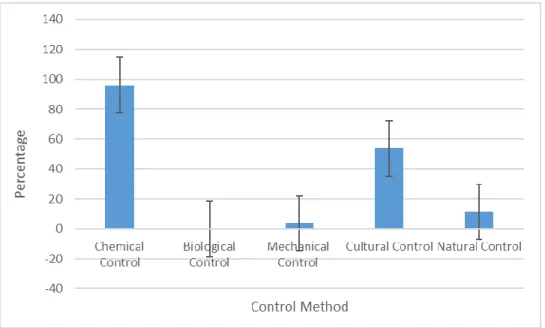
Initially, a survey was carried out to determine the perceptions of horticulture farmers on crop disease incidence and control methods in the sub-humid areas of Zimbabwe. Survey results revealed that farmers face more outbreaks of fungal diseases compared to bacterial diseases. In addition, farmers have noted an increase in disease incidence over the past 5 – 10 years. The survey further revealed that the majority of the respondents depend on chemicals to control diseases in
vi
their crops. Only a small percentage of the farmers use cultural or mechanical alternative disease control methods. However, none of the respondents utilize botanical or bio-pesticide disease control strategies to manage these diseases. There is need to raise awareness among farmers regarding the negative health and environmental effects of increased chemical use and the potential of using bio-pesticide strategies in plant disease management. Field and greenhouse trials were conducted over three growing seasons using the completely randomized block and split plot experimental designs set up as factorial trials.
The laboratory results exhibited the efficacy of Moringa leaf, bark and seed aqueous extracts in significantly controlling the growth of fungal (Pythium ultimum, Rhizoctonia solani, Fusarium solani and Phytophthora infestans) and bacterial (Pectobacterium carotovorium subspp.
brasiliensis, Pectobacterium atrosepticum and Xanthomonas campetris pv campestris) pathogens.
There were significant interactions between Moringa aqueous extract source and concentration which influenced the antimicrobial action of the extracts (P = 0.001). The results from the greenhouse and field studies revealed that Moringa leaf, seed and bark aqueous extracts significantly controlled bottom rot (Rhizoctonia solani) and stem/root rot (Fusarium solani) diseases in lettuce and black rot disease (Xanthomonas campestris pv campestris) in cabbages (P
< 0.05). Disease suppression was more effective at higher concentrations of the Moringa aqueous extracts, whilst the highest disease severity occurred at the lowest Moringa aqueous concentration levels. However, Moringa seed aqueous extract demonstrated higher antibacterial activity against black rot disease and antifungal activity against test pathogens (P < 0.05). Moringa seed and leaf aqueous extracts also significantly enhanced head weight and diameter in lettuce.
Moringa aqueous extracts can therefore be considered as bio-pesticides in Integrated Crop Disease Management strategies, and these can be a viable, and environmentally friendly alternative to chemical use. Based on our findings, it is recommended that further in-vivo studies to improve extraction protocols, and determine ideal application methods be carried out to improve Moringa aqueous extract bio-pesticide efficacy. These should be carried out in selected crop pathogens of economic importance. Currently, there is very little literature regarding in-vivo crop, pathogen and bio-pesticide interaction studies with Moringa. Training workshops and demonstration plots to impart knowledge and skills to farmers on preparation and utilization is key to enhance uptake.
vii
TABLE OF CONTENTS
PREFACE ... ii
DECLARATION... iii
ACKNOWLEDGEMENTS ... iv
ABSTRACT ... v
LIST OF FIGURES ... xii
LIST OF TABLES ... xv
CHAPTER 1 ... 1
INTRODUCTION TO THESIS ... 1
1.1 Rational of the study ...1
1.2 Justification for using Moringa oleifera as a biocontrol agent ...3
1.3 Importance of Xanthomonas campestris, Rhizoctonia solani, Kuhn. and Fusarium solani pathogens ... 5
1.4 Research objectives ...6
1.5 Hypotheses ...7
1.6 General methodology and study approach ...7
1.7 Organization of the thesis ...8
References ... 9
CHAPTER 2 ... 14
LITERATURE REVIEW ... 14
2.1 Vegetable diseases and chemical control ...14
2.2 General concerns over uptake of bio-pesticides ...15
2.3 Alternatives in plant disease management ...15
2.4 Moringa oleifera antimicrobial research trends ...17
2.5 Strengths and weaknesses in Moringa botanical research ...19
2.6 Concluding observations ...20
References ... 21
viii
CHAPTER 3 ... 27
FARMER PERCEPTIONS ON VEGETABLE DISEASES AND THEIR CONTROL IN SUB-HUMID AREAS IN ZIMBABWE ... 27
Abstract ...27
3.1 Introduction ...28
3.2 Materials and methods ...30
3.2.1 Description of the study area ...30
3.2.2 Data collection and analysis ...30
3.3 Results ...31
3.3.1 Farmers Demographics and Crop Preferences ...31
3.3.2 Frequently observed disease symptoms of the ...33
3.3.3 Farmer perceptions on seasonal disease incidence ...33
3.3.4 Rate of disease incidence and crop losses experienced by farmers...34
3.3.5 Most common plant disease control methods practised by Domboshava farmers ...35
3.3.6 Farmer perceptions on efficacy of chemical use and application frequency...36
3.4 Discussion ...37
3.5 Conclusion ...42
References ... 43
CHAPTER 4 ... 47
EFFICACY OF Moringa oleifera LEAF AND SEED AQUEOUS EXTRACTS AGAINST SELECTED PLANT PATHOGENS. ... 47
Abstract ...47
4.1. Introduction ...48
4.2 Importance of selected pathogens ...49
4.3. Materials and methods ...50
4.3.1 Experimental site and sources of pathogens and plant aqueous extracts ...50
4.3.2 Experimental design and treatments ...51
4.3.3 Media preparation and sub-culturing ...51
4.3.4 Preparation of the Moringa aqueous extracts ...52
4.3.5 Pathogen growth measurements and data analysis ...53
4.4. Results ...53
4.4.1 Antimicrobial action of Moringa oleifera aqueous extracts on fungal and bacterial growth ...53
4.5 Discussion ...58
ix
4.5.1 Antimicrobial action of phytochemicals in local Moringa accessions ...58
4.5.2 Antibacterial action of Moringa leaf aqueous extracts ...59
4.5.3 Effect of Moringa seed and leaf aqueous extracts on Dickeya dadantii ...60
4.6 Conclusions ...61
References ... 62
CHAPTER 5 ... 68
MORINGA OLEIFERA EXTRACTS EFFECT ON FUSARIUM SOLANI AND RHIZOCTONIA SOLANI GROWTH ... 68
Abstract ...68
5.1 Introduction ...69
5.2. Materials and methods ...72
5.2.1 Experimental Design ...72
5.2.2 Preparation of medium and sub-culturing ...72
5.2.3 Preparation of Moringa oleifera seed and leaf extracts ...73
5.2.4 Mycelia growth of the fungal pathogen...74
5.2.5 Data Analysis ...74
5.3. Results ...75
5.3.1. Effect of concentration levels of Moringa extracts on radial growth of R. solani and F. solani ...75
5.3.2 Interaction of Moringa extracts and concentration levels on radial growth of F. solani 75 5.3.3 Effect of concentration levels of Moringa extracts on percent inhibition of R. solani .76 5.3.4 Effect of Moringa extracts and concentration levels on percent inhibition of F. solani 77 5.4. Discussion ...78
5.5. Conclusion ...80
References ... 81
CHAPTER 6 ... 86
IN-VITRO EVALUATION OF Moringa oleifera BARK EXTRACTS IN SUPPRESSING FOUR Xanthomonas campestris pathovars ... 86
Abstract ...86
6.1 Introduction ...87
6.2 Materials and methods ...89
6.2.1 Preparation of the Moringa bark aqueous extracts ...89
x
6.2.2 Preparation of Xanthomonas campestris pathovars ...90
6.2.3 Media Preparation and Pathogen Inoculation...91
6.2.4 Data Collection and Analysis ...93
6.3 Results ...94
6.3.1 Effect of Moringa bark extract concentration on bacterial colony growth ...94
6.3.2 Effect of time on antibacterial activity of the Moringa bark aqueous extracts ...95
6.4 Discussion ...96
6.4.1 Effect of Moringa aqueous extracts concentration of the on colony length ...96
6.4.2 Effect of Moringa bark extract concentration on antibacterial activity ...97
6.5 Conclusion ...99
References ... 100
CHAPTER 7 ... 104
Fusarium solani AND Rhizoctonia solani CONTROL USING Moringa oleifera PLANT EXTRACTS IN GREENHOUSE LETTUCE (Lactuca sativa L.) ... 104
Abstract ...104
7.1 Introduction ...105
7.2 Materials and methods ...106
7.2.1 Experimental site and trial management ...106
7.2.2 Fungal inoculum preparation and application ...107
7.2.3 Moringa leaf and seed aqueous preparation ...108
7.2.4 Data collection and analysis ...108
7.3 Results ...109
7.4 Discussion ...121
7. 5 Conclusion ...125
References ... 126
CHAPTER 8 ... 132
USE OF Moringa oleifera EXTRACTS TO CONTROL BLACK ROT (Xanthomonas campestris pv. campestris) IN FIELD GROWN CABBAGE (Brassica oleracea), BEATRICE, ZIMBABWE. ... 132
Abstract ...132
8.1. Introduction ...133
8.2. Materials and Methods ...136
8.2.1 Experimental Site and Methodology ...136
xi
8.2.2 Xanthomonas campestris Pathogen and Moringa aqueous extract preparation ...136
8.2.3 Cabbage bacterial inoculation and data collection ...137
8.3. Results ...138
8.4. Discussion ...143
8.5. Conclusion ...146
References ... 148
CHAPTER 9 ... 152
CONCLUSIONS AND RECOMMENDATIONS ... 152
9.1 Major findings regarding antifungal and antibacterial activity of Moringa aqueous extracts ...152
9. 2 Implications of findings for commercial development of Moringa bio-pesticides ...153
9.3 Recommendations for improved validation and efficacy as a Moringa bio-pesticide ...154
9.4 Areas for future research to stabilize Moringa bio-pesticide formulations ...154
xii
LIST OF FIGURES
Figure 2.1: Examples of medicinal plant utilization and reliance continuum in the communities.
... 16
Figure 3.1: Preferences in crop types grown as indicated by Domboshava farmers. ... 32
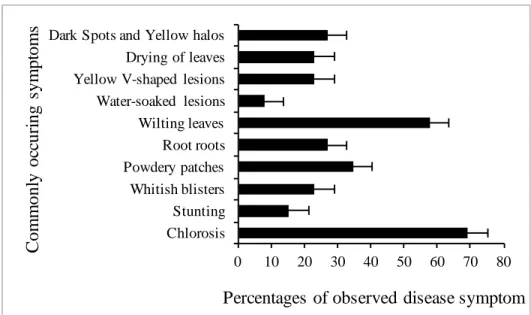
Figure 3.2: Commonly observed deviation from normal plant growth (disease symptoms) according to farmers’ responses in Domboshava ... 33
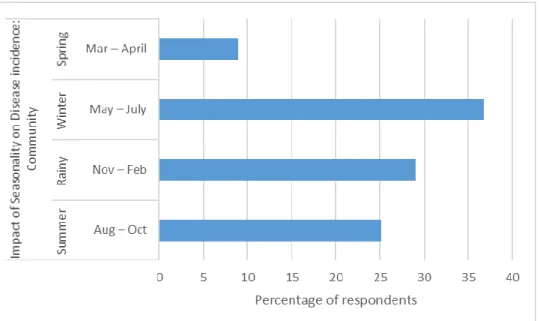
Figure 3.3: Farmers response disease incidence in relation to season type ... 34
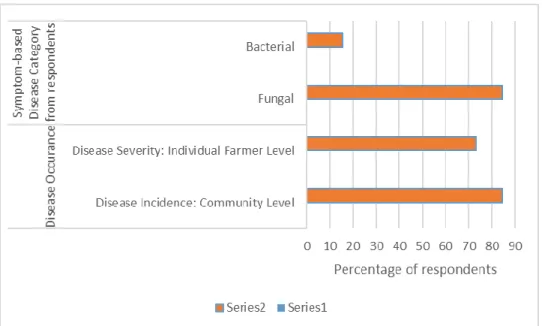
Figure 3.4: Farmers response on experienced disease type and their occurrence ... 34
Figure 3.5: Crop losses due disease experienced by farmers in Domboshava. ... 35
Figure 3.6: The most common disease control methods being practiced by farmers in Domboshava... 36
Figure 3.7: Farmers’ Perceptions on chemical control efficacy on disease control and spraying frequencies ... 37
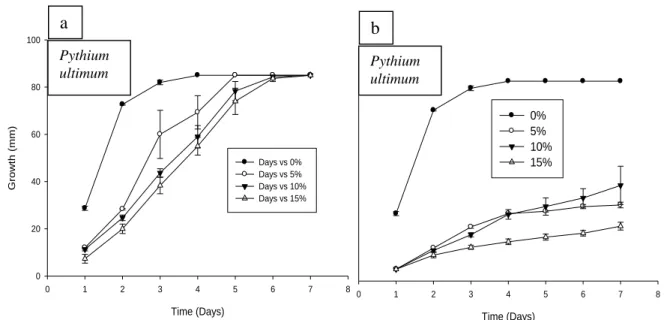
Figure 4.1 Antifungal activity of Moringa leaf (a) and Moringa seed (b) aqueous extracts on the growth of Pythium ultimum ... 55
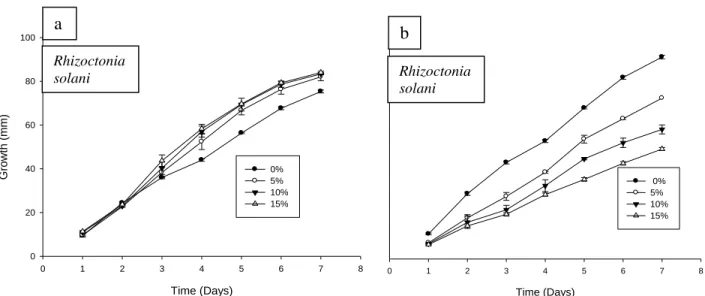
Figure 4.2. Antifungal activity of Moringa leaf (a) and Moringa seed (b) aqueous extracts on the growth of R. solani ... 56
Figure 4.3. Antifungal effects of Moringa leaf (a) and Moringa seed aqueous extracts (b) on P. infestans growth ... 56
Figure 4.4. Antibacterial action of Moringa leaf (a) and Moringa seed (b) aqueous extracts on P. atrosepticum growth ... 57
Figure 4.5. Antibacterial Effect of Moringa leaf (a) and Moringa seed aqueous extracts (b) on P. c. brasiliensis growth ... 57
Figure 4.6. Antibacterial effects of Moringa leaf (a) and Moringa seed (b) aqueous extracts on D. Dadantii growth ... 58
Figure 5.1: Interaction effects between Moringa extracts and radial growth of F. solani, June 2015. ... 76 Figure 5.2: Effect of Moringa extracts and concentration levels on percentage inhibition of
Fusarium solani, June 2015. ... 78_Toc508137703
xiii
Figure 6.1: Plant leaves infected four different strains of X. campestris: a. pv campestris – cabbage (Brassica oleracea var. capitata) b. pv vesicatoria – pepper (Capsicum group) c. pv malvacearum – cotton (Gossypium hirsutum) and d. pv phaseoli – beans (Phaseolus vulgaris). ... 90_Toc508137705 Figure 6.2: Strains of X. campestris bacterial colonies: a. pv vesicatoria b. pv campestris c. pv
malvacearum and d. pv phaseoli ... 91 Figure 6.3: Effect of Moringa bark aqueous concentration level on growth of Xanthomonas
campestris pathovars. ... 95 Figure 6.4: Effect of time on colony length of Xanthomonas campestris pathovars ... 96 Figure 7.1: Interaction effects of Moringa leaf aqueous concentration level and stage at which
lettuce was inoculated with F. solani on disease severity of F. solani. ... 111 Figure 7.2: Interaction effect of Moringa seed aqueous extract concentration and lettuce
inoculation stages on disease severity of R. solani ... 112 Figure 7.3: Interaction effect of Moringa leaf aqueous concentration and growth stage at which
lettuce was inoculated with F. solani on disease incidence ... 113 Figure 7.4: Effect of Moringa seed aqueous concentration level and stage at which lettuce was
inoculated with F. solani on disease incidence ... 114 Figure 7.5: Interaction effects of Moringa seed aqueous concentration and lettuce inoculation
stages on lettuce head weight inoculated with R. solani ... 115 Figure 7.6: Interaction effects of Moringa leaf aqueous concentration and lettuce inoculation
stages on lettuce head weight of F. solani. ... 116 Figure 7.7: Interaction effects of Moringa seed aqueous concentration and lettuce inoculation
stages on lettuce head weight of F. solani ... 117 Figure 7.8: Effect of Moringa leaf aqueous concentration and stage of inoculation of lettuce with R. solani on lettuce head diameter ... 118 Figure 7.9: Effect of Moringa seed aqueous concentration and stage of inoculation of lettuce with
F. solani on lettuce head diameter ... 119 Figure 7.10: Effects of Moringa seed aqueous concentration levels and stage of lettuce
inoculation on head diameter of lettuce ... 120 Figure 7.11: Interaction Effects of Moringa aqueous treatment concentration levels, lettuce
inoculation stages and lettuce head diameter ... 121
xiv
Figure 8.1. Effect of Moringa seed, leaf and bark aqueous extracts on mean cabbage leaf
defoliation at 7 - 10 weeks after emergence. P = 0.009 ... 141
xv LIST OF TABLES
Figure 3.2: Commonly observed deviation from normal plant growth (disease symptoms)
according to farmers’ responses in Domboshava. ... 33
Table 5.1: Effect of concentration levels on radial growth of R. solani and F. solani growth ... 75
Table 5.2: Effect of concentration levels on percent inhibition of R. solani ... 77
Table 6.1: Medium modifications ... 91
Table 6.2: P-values from Day 1 – Day 7 ... 95
Table 7.1: Effect of Moringa aqueous extract concentration on disease severity of R. solani and F. solani. ... 110
Table 8.1. Disease Severity scoring table for black rot disease in this study ... 138
Table 8.2. Means showing effect of Moringa aqueous extracts on black rot disease severity in cabbages ... 140
xvi
LIST OF APPENDICES
APPENDIX A156: RESULTS OF THE GC/MS ANALYSIS CARRIED OUT ON LOCAL ZIMBABWEAN Moringa oleifera ACCESSIONS USED IN THE STUDY 156 APPENDIX B: SURVEY QUESTIONNAIRE ... 157
1 CHAPTER 1
INTRODUCTION TO THESIS
1.1 Rational of the study
Vegetable farmers are facing major challenges brought about by the prevalence and incidence of crop diseases and the lack of resistant cultivars to soil-borne fungal pathogens (Altizer et al., 2006).
This inability of farmers to effectively manage disease outbreaks has caused them to resort to extensive and indiscriminate use of chemicals to manage these disease outbreaks (Aktar et al., 2009). Farmers have also adopted intensified agricultural practices and increased pesticide and fertilizer use to cater to the increased food demands (Potts et al., 2015). Intensified agricultural practices not only pollute the environment, they also disrupt the normal functioning of ecosystems and have detrimental effects on animal and human life (Potts et al., 2015; Ogle, 2016). Thus holistic, sustainable and environmentally friendly strategies have to be developed, especially in the face of the negative impact of climate change on crop productivity and yield. However, rising demands on agricultural products due to population explosion world-wide have caused a majority of farmers to resort to intensive and indiscriminate use of synthetic chemicals to manage disease and pest pressures (Ogle, 2016). This has resulted in build up of crop pathogens to chemicals (Aktar et al., 2009).
Chemical use to control vegetable pests and diseases has not only resulted in extensive health hazards to animal and human life, it has also contributed immensely to decline in the quality and yield of pollinator dependent horticultural crops (Klein et al., 2007; Potts et al., 2015). Chemical use not only negatively impacts yield indirectly through decreased pollinator activity, but it also influences other sectors of our communities, such as through contamination of drinking water sources and also further enhances pesticide resistance by crop pathogens (Clough et al., 2016).
The need to respond to food demand has caused farmers to adopt mono-cropping which inherently results in increased disease outbreaks. This practice has led to pathogens developing resistance to chemicals which are being continually applied to crops making chemicals less efficient in
2
controlling crop diseases (Ogle, 2016). Farmers respond to such challenges by intensifying chemical use resulting in large quantities of residual chemicals being perpetually present in the environment, and further compounding the pesticide resistant pathogenic strains. This results in health hazards to human and animal life, including fish, other fauna and soil inhabiting micro- organisms; and pesticide resistant-pathogens (Aktar et al., 2009; Davis et al., 2015). However, it is not all the farmers who are able to respond to increased food demands by intensifying chemical use. Small scale, resource poor farmers cannot afford any increase in input costs (Pramanik et al., 2016). Such farmers, therefore, suffer huge losses due to recurrent disease epidemics resulting in resistance build up, and their fields become sources of disease inoculum, providing a disease continuum every season.
Bio-pesticides also play a key role as they provide the opportunities for organic farmers. As the global population becomes more informed on detrimental impacts of pesticide use to health and the environment, the demand for organically produced, chemical free produce is on the increase (Hjelmar, 2011). It becomes important that the body of knowledge regarding preparation and utilization guidelines for application of bio-pesticides be enhanced to encompass all practical issues.
The problem of pesticide-resistant pathogens has also been excarcabated by climate change and variability which has caused diseases which were once classified as minor diseases and pests, to become of major concern, thus requiring more frequent and diversified chemicals (Ifejika, 2010).
The resultant problems of reduced crop yield, quality and productivity, therefore, need to be effectively addressed and sustainable solutions to manage these problems devised. Climate change and variability causes fluctuations in occurrence, duration and intensity of rainfall and fluctuating temperature ranges are experienced in different locations (Bernstein et al., 2000). Not only does climate change influence weather patterns, it also results in increases in disease incidence. Evans et al., (2008) indicated an increase in incidence and severity of phoma (Leptosphaeria maculans, Sacc.) disease across fluctuating weather patterns over 2 seasons. Yáñez-López (2012) states that extreme weather conditions were causing 14.1% crop losses, that is, approximately US$220 billion losses globally. Climate change has also resulted in changes in disease dynamics by altering and disrupting disease epidemiology and distribution (Yáñez-López, 2012). These disruptions in
3
epidemiology may affect plant pathogen survival, vigour and its rate of multiplication and infection across all the crop production systems. Smallholder vegetable producers are the most vulnerable to disease epidemics. This is because they are not only financially challenged, but they also lack the knowledge and skills of chemical use, thus further enhancing pesticide-resistant strains through improper utilisation (Nyamupingidza and Machakaire, 2003; Pahla et al., 2014 ).
There is need to identify alternative sustainable disease management strategies to reduce the current overreliance on chemical control. To this end, biological methods using plant aqueous extracts must also be evaluated as feasible alternatives to crop disease management. This view is shared by Ifejika (2010), who calls for further validation and documentation of utilization of traditional, medicinal plants as botanicals in plant disease management strategies. Gautam et al., (2013) argues that the changing disease scenario due to climate change calls for better, sustainable agricultural practices and the use of eco-friendly disease management strategies involving natural biocontrol mechanisms. Not only are bio-pesticides environmentally friendly and cheaper compared to chemicals, they utilize indigenous knowledge systems of farmers (Aktar, et al., 2009).
They are the only effective way to address the plethora of challenges in disease and pest epidemiology caused by the effects of climate change whilst research is being carried out (Ifejika, 2010).
Bio-pesticides have been used in several studies to successfully suppress, manage and control several pathogens across the globe (Bailey et al., 2004; Aliyu et al. 2008; Akinbode and Ikotun, 2008). To this end they have great potential in providing viable solutions to the challenges being posed by the continued over reliance on synthetic pesticides.
1.2 Justification for using Moringa oleifera as a biocontrol agent
Moringa is a multipurpose tree, acclaimed for its medicinal and nutritional value. Based on these properties, it is one of the most traditionally adopted trees which has been utilized for long periods of time to treat several ailments in the form of tonic, powder, concoction or can be eaten fresh (Fahey, 2005). It is considered one of the world’s most useful trees because almost every part of it is utilized in some way (Ashfaq et al., 2012). It is mostly grown for its leaves, seeds, flowers
4
and roots (Ashfaq et al., 2012; Anwar et al., 2007; Maroyi, 2006; Bukar et al., 2010; Das et al., 2010; Adedapo et al., 2009). Recent studies have shown that Moringa seed aqueous extracts cotain active antibactericidal substances such as pterygospermin, moringine and glycosides (Abalaka et al., 2012). These substances have been observed to inhibit the growth of Bacillus subtilis, Cohn., Mycobacterium, Escherichia coli, Mig., Psuedomonas aeruginosa, Psuedomonas shigella and streptococcus pyogenes which are commonly associated with food contamination (Viera et al., 2010). Other studies have shown that Moringa leaf aqueous extracts can successfully control root- knot nematode and Sclerotium, a pathogen causing damping off and root rot diseases in cowpea (Ashfaq et al., 2012) in-vitro studies. The plant has properties which make it of high scientific interest and it is a subject of extensive research worldwide (Das et al., 2010; Chollom, 2012;
Adedapo et al., 2009). In the tropics and subtropics, researchers have reported that the tree is grown as a backyard tree for leaf and pod consumption, for medicinal purposes and for fiber (Abalaka et al., 2012; Bukar et al., 2010; Fahey, 2005). The tree is also used as animal fodder, fertilizer, live fence, water purification, wood fuel and as a natural pesticide (Foidl et al., 2001, Basra et al., 2011).
Moringa has been utilized to enhance crop growth and quality in several crops as it is said to possess plant growth regulating properties (Foidl et al., 2001). However, recent laboratory-based studies have revealed that the plant posseses antimicrobial properties (Abiodun et al., 2012). It has been successfully used to suppress several fungal and bacterial pathogens such as Fusarium solani, Mart., Fusarium oxysporum, Sacc., (Gifoni et al., 2012), Shigella shinga, Kiy., Pseudomonas aeruginosa, Schourso., and Shigella sonnei, Carl., in in-vitro studies (Rahman et al., 2009).
However, most of the studies done are yet to validate laboratory based observations under field conditions, and the majority of these studies have dealt with human enteric pathogens and not with crop pathogens (Abalaka et al., 2012). In addition, the mechanism used by the bioactive compounds in suppressing pathogen activity are not fully understood (Freire et al., 2015). Some authors state that the bioactive phytochemicals cause structural plasma membrane disarrangement to effect antimicrobial action (Gifoni et al., 2012), while others argue that these bioactive components work by enhancing inhibitory spore germination and growth of specific pathogens (Kooltheat et al., 2014). Park et al., (2011) argues that the Moringa antimicrobial activity is
5
achieved through interference with critical pathogen pathways. This points to the need for further studies to provide answers to questions which are arising as additional research is being carried out on Moringa antimicrobial properties and how to harness them to improve crop productivity.
It is therefore, the focus of this current study to validate these in-vitro, laboratory based studies by carrying out field and greenhouse trials. The pathogens used in this study are of economic importance in terms of their negative impacts on crop productivity (yield and quality) in Zimbabwe (Nyamupingidza and Machakaire, 2003). In addition, the vegetable crops (cabbage and lettuce) under study form an integral part of the livelihoods of a majority of Zimbabwean horticultural market farmers. These market gardeners grow horticultural crops solely to meet market demand, as a critical source of income for the family (Pahla et al., 2014).
1.3 Importance of Xanthomonas campestris, Rhizoctonia solani, Kuhn. and Fusarium solani pathogens
The family Xanthomonadacea, is listed as being among the most problematic pathogens in brassica plants, with the Xanthomonas species causing tremendously devastating diseases (Vorster et al., 2002). Black rot (Xanthomonas campestris pv. campestris. Pam.) specifically renders a larger percentage of crops incapable of producing marketable produce, with the harvested produce also being unfit for processing or value addition (Seebold et al., 2008). In Zimbabwe, black rot is a common problematic disease in all the five agro-ecological regions, with the disease incidence levels ranging from 10% to 80% (Wulff et al., 2002). Xanthomonas campestris is one of the species that has raised great concern among vegetable farmers. In Zimbabwe, brassicas are grown all year round except in the rainy season when cultivation of brassicas almost becomes impossible due to black rot disease caused by the Xanthomonas campestris pv campestris bacterial pathogen (Wulff et al., 2002). Commercial and smallholder farmers growing brassicas are incurring huge economic losses of horticultural crops due to Xanthomonas campestris pv campestris. The control of the disease progression has proved quite ineffective to contain by relying solely on synthetic pesticides (Culver et al., 2012). Copper based chemical control methods result in pathogenic resistance buildup, rendering chemical control ineffective especially when applied after symptoms appearance (Culver et al., 2012).
6
Rhizotonia solani is a very common soil inhabitant which survives between lettuce crops as sclerotia or mycelium in soil and crop debris. It not only survives pathogenically on alternate hosts, but can also be introduced into a vegetable field by wind- or water-disseminated spores (Nuez, 2001). The fact that the fungus is both seed and soil borne and is present in most soils, makes it difficult to control. Not only does the fungus cause Rhizoctonia root rot, but it is also a key part of a group of fungi responsible for damping off which is a devastating disease of brassica crops globally (Agrios, 2004). Many small scale brassica farmers in Zimbabwe, incur huge seedling losses due to damping off disease (Pahla et al., 2014).
Fusarium solani is a widely distributed soil-borne fungus pathogenic to at least 111 plant species spanning 87 genera, causing wilt and rot diseases on a wide variety of crops (Naik and Rani, 2008).
The Fusarium solani pathogen can survive in soil for many years as resistant spores and leads to incidence of root rot diseases which can cause 10 to 80% losses in different species of vegetables (Gonzalez et al., 2006).
1.4 Research objectives
The overall objective of this study was to evaluate the antibacterial and antifungal action of Moringa aqueous extracts against selected plant pathogens in two vegetable crops. The study also investigated the local smallholder farmers’ perception on brassica and solanaceous vegetable diseases and their control.
The specific objectives were:
1. To determine farmers’ perceptions on vegetable disease incidence, prevalence and disease control methods in relation to seasonality and prevailing climactic conditions.
2. To evaluate if Moringa leaf and seed plant aqueous extracts can effectively suppress the growth and development of bacterial (Pectobacterium atrosepticum, Hall., Pectobacterium carotovorum subspp. brasilienses, Bur., Dickeya dadantii, Dick.) and fungal (Pythium ultimum, Trow. R. solani, F. solani Phytophthora infestans, Mont.) plant pathogens in- vitro.
7
3. To determine whether Moringa bark aqueous extracts at different concentration levels could exhibit antibacterial activity against four different pathovars of the devastating Xanthomonas campestris, Pammel., pathogens.
4. To determine the antifungal and antibacterial efficacy of Moringa leaf, seed and bark aqueous extracts against selected fungal and bacterial pathogens infecting two crops (Lettuce - Lactuca sativa, L. and Cabbage - Brassica olearacea, L.) grown under greenhouse and field conditions respectively.
1.5 Hypotheses
1. Farmers’ perceptions on disease incidence and disease control methods are influenced by their own knowledge, practices, exposure and experiences.
2. Moringa leaf and seed aqueous extracts can effectively suppress the growth and development of bacterial and fungal pathogens.
3. The antifungal efficacy of Moringa leaf and seed aqueous extracts against F. solani and R.
solani pathogens is influenced by the concentration levels of the plant aqueous solution.
4. The four Xanthomonas campestris pathovars react differently in their resistance to the antibacterial activity exhibited against their growth by Moringa bark aqueous and concentration level.
5. Moringa leaf, bark and seed aqueous extracts can effectively suppress bottom/stem rot and black rot in greenhouse and field grown lettuce and cabbage respectively.
1.6 General methodology and study approach
The study used participatory research approach using structured questionnaires and key informant interviews to obtain information on the objective. Laboratory, greenhouse and field trials were conducted to obtain information on antimicrobial action of the different Moringa plant aqueous extracts against selected crop pathogens. Data was subjected to statistical analyses using various appropriate statistical packages such as Statistical Package for Social Sciences (SPSS), GenStat Version 14 and analysis of variances were developed at P < 0.05.
8
A field study was carried out within the farmers’ own operating systems and environments with full farmer participation, without altering their normal agronomic practices. This approach was based on the fact that disease epidemiology, virulence and spread is influenced by the prevailing environment in which it infects its host plant within a given crop species (Agrios, 2004).
1.7 Organization of the thesis
Chapter 1 provides the background to the problem of pesticide use, disease resistance development and benefits of bio-pesticide usage to sustainable agriculture and greening the environment.
Chapter 2 provides a synthesis of the literature which has been carried out using Moringa as a natural biological agent in pathogen control. It also provides an insight into the challenges, and the areas in this work which are yet to be clarified, improved upon and validated through further studies. Chapter 3 provides an overview of the farmers’ perceptions on vegetable diseases incidence and their control in the semi-humid regions of Zimbabwe. The farmers were involved from planning, planting to full implementation of the extract evaluation trials. Chapter 4 provides an insight into the antimicrobial activity of Moringa plant leaf and seed aqueous extracts efficacy against selected fungal and bacterial crop pathogens in-vitro as a screening exercise. Chapter 5 provides a description of how the concentration levels of Moringa leaf and seed aqueous solutions influences its efficacy as an antifungal agent against R. solani and F. solani pathogens. Chapter 6 describes the antibacterial activity of Moringa bark aqueous against the devastating Xanthomonas campestris pv campestris pathovars notorious for black rot diseases in cabbages, rape and lettuce.
Chapter 7 provides an assessment of the ability of Moringa seed and leaf aqueous extracts to suppress damping off and root rot diseases caused by Rhizoctonia solani and Fusarium solani in greenhouse grown lettuce. Chapter 8 looks at the efficacy of Moringa seed, leaf and bark plant aqueous extracts in controlling black rot disease caused by Xanthomonas campestris pv campestris in field grown cabbage. Chapter 9 provides main conclusions, recommendations and areas of future research.
9 References
Abalaka, M. E., Daniyan, S. Y., Oyeleke, S. B., and Adeyemo, S. O. 2012. “The Antibacterial Evaluation of Moringa Oleifera Leaf Aqueous extracts on Selected Bacterial Pathogens.”
Journal of Microbiology Research 2 (2): 1–4. doi:10.5923/j.microbiology.20120202.01.
Abiodun, O. A., Adegbite, J. A., and Omolola, A. O. 2012. “Chemical and Physicochemical Properties of Moringa Flours and Oil.” Global Journal of Science Frontier Research 12 (5–C). http://www.journalofscience.org/index.php/GJSFR/article/view/463.
Adedapo, A.A., Mogbojuri, O.M., Emikpe, B.O., 2009. Safety evaluations of the aqueous aqueous of the leaves of Moringa in rats. J. Med. Plants Res. 3, 586–591.
Agrios, G. N. 2004. Plant Pathology. Amsterdam; Boston: Elsevier Academic Press.
Akinbode, O. A., and Ikotun, T. 2008. Efficacy of Certain Plant Aqueous extracts against Seed- Borne Infection of Collectotrichum Destructivum on Cowpea (Vigna Uniguculata).
African Journal of Biotechnology 7 (20).
http://www.ajol.info/index.php/ajb/article/view/59411.
Aktar, W., Sengupta, D., and Chowdhury, A. 2009. Impact of Pesticides Use in Agriculture: Their Benefits and Hazards. Interdisciplinary Toxicology 2 (1): 1–12. doi:10.2478/v10102-009- 0001-7.
Aliyu, A. B., Musa, A. M., Abdullahi, M. S., Oyewale, A.O., and Gwarzo, U. S. 2008. Activity of Plant Aqueous extracts Used in Northern Nigerian Traditional Medicine against Methicillin-Resistant Staphylococcus Aureus (MRSA). Nigerian Journal of Pharmaceutical Sciences 7 (1): 1–8.
Altizer, S., Dobson, A. P., Hosseini, P. R., Hudson, P. J., Pascual, M., and Rohani, P. 2006.
Seasonality and the Dynamics of Infectious Diseases: Seasonality and Infectious Diseases. Ecology Letters 9 (4): 467–84. doi:10.1111/j.1461-0248.2005.00879.x.
Anwar, F., Latif, S., Ashoursaf, M., Gilani, A.H., 2007. Moringa: a food plant with multiple medicinal uses. Phytother. Res. 21, 17–25. doi:10.1002/ptr.2023
Ashfaq, M., Basra, S.M., and Ashfaq, U. 2012. Moringa oleifera: A Miracle Plant for Agro- forestry. Journal of Agricultural Social Science. 8, 115–122.
10
Bailey, D. J., Kleczkowski, A., and Gilligan, A. 2004. Epidemiological Dynamics and the Efficiency of Biological Control of Soil-Borne Disease during Consecutive Epidemics in a Controlled Environment. New Phytologist 161 (2): 569–575.
Basra, S.M.A., Iftikhar, M.N., Afzal, I., others, 2011. Potential of moringa (Moringa) leaf aqueous as priming agent for hybrid maize seeds. Int J Agric Biol 13, 1006–1010.
Bernstein, L., Bosch, P., and Canziani, O. 2000. Climate Change 2007 Synthesis Report: An Assessment of the Intergovernmental Panel on Climate Change. Geneva:
Intergovernmental Panel on Climate Change.
http://public.eblib.com/choice/publicfullrecord.aspx?p=3289330.
Bukar, A., Uba, A., Oyeyi, T., 2010. Antimicrobial profile of Moringa Lam. aqueous extracts against some food–borne microorganisms. Bayero J. Pure Appl. Sci. 3.
Clough, Y., Krishna, V. V., Corre, M. D., Darras, K., Denmead, L. H., Meijide, A., and Moser, S.
2016. Land-Use Choices Follow Profitability at the Expense of Ecological Functions in Indonesian Smallholder Landscapes. Nature Communications 7 (October): 13137.
doi:10.1038/ncomms13137.
Culver, M., Fanuel, T. and Chiteka, A.Z.2012. Effect of Moringa Aqueous on Growth and Yield of Tomato. Greener Journal of Agricultural Sciences, 2(2), pp.207–211.
Das, K., Tiwari, R.K.S., Shoursivastava, D.K., 2010. Techniques for evaluation of medicinal plant products as antimicrobial agent: Current methods and future trends. J. Med. Plants Res.
4, 104–111.
Davis, J., O’Grady, A. P., Dale, A., Arthington, A. H., Gell, P. A., Driver, P. D., and Bond, N.
2015. When Trends Intersect: The Challenge of Protecting Freshwater Ecosystems under Multiple Land Use and Hydrological Intensification Scenarios. Science of the Total Environment 534 (November): 65–78. doi:10.1016/j.scitotenv.2015.03.127.
Evans, N., Baierl, A., Semenov, M. A., Gladders, P., and Fitt, B. 2008. Range and Severity of a Plant Disease Increased by Global Warming. Journal of the Royal Society Interface 5 (22): 525–31. doi:10.1098/rsif.2007.1136.
Fahey, J. W. 2005. Moringa oleifera: A Review of the Medical Evidence for Its Nutritional, Therapeutic, and Prophylactic Properties. Part 1. Trees for Life Journal 1 (5): 1–15.
11
Foidl, N., Makkar, H. P. S., and Becker, K. 2001. The Potential of Moringa oleifera for Agricultural and Industrial Uses. The Miracle Tree: The Multiple Attributes of Moringa, 45–76.
Freire, J. E. C., Vasconcelos, M. V., Moreno, Frederico, B. M. B. M., Batista, A.B., Morina, D. P.
L, and Jao, P. M. S. L. 2015. Mo-CBP3, an Antifungal Chitin-Binding Protein from Moringa oleifera Seeds, Is a Member of the 2S Albumin Family. Edited by Wei Wang.
PLOS ONE 10 (3): e0119871. doi:10.1371/journal.pone.0119871.
Gautam, H. R., Bhardwaj, M. L., and Kumar, R. 2013. Climate Change and Its Impact on Plant Diseases. Curr Sci India 105: 25.
Gifoni, J. M., Oliveira, J. T., Oliveira, H. D., Batisa, A. B., Pereira, M. L., Gomes, A. S., Oliveira, H. P., Grangeiro, T. B., and Vasconcelos, I. M. 2012. A Novel Chitin-Binding Protein from Moringa oleifera Seed with Potential for Plant Disease Control. PubMed 98 (4):
406–15. 27.
Gonzalez, G.V., Portal, O. M. and Rubio, S. 2006. Review. Biology and systematics of the form genus Rhizoctonia. Spanish journal of Agricultural Research. (2006) 4 (1), 55-77.
Hjelmar, U. 2011. Consumers’ Purchase of Organic Food Products. A Matter of Convenience and Reflexive Practices. Appetite 56 (2): 336–44. doi:10.1016/j.appet.2010.12.019.
Ifejika, S. 2010. Resilient Adaption to Climate Change in African Agriculture. Bonn: DIE, Deutsches Institut für Entwicklungspolitik.
Klein, A. M., Vaissiere, B. E., Cane, J. H., Steffan-Dewenter, I., Cunningham, S. A., Kremen, C., and Tscharntke, T. 2007. Importance of Pollinators in Changing Landscapes for World Crops. Proceedings of the Royal Society B: Biological Sciences 274 (1608): 303–13.
doi:10.1098/rspb.2006.3721.
Kooltheat, N. N., Sranujit, R. P., Chumark, P., Potup, P., Laytragoon-Lewin, N., and Usuwanthim, K. 2014. An Ethyl Acetate Fraction of Moringa oleifera Lam. Inhibits Human Macrophage Cytokine Production Induced by Cigarette Smoke. Nutrients 6 (2): 697–710.
doi:10.3390/nu6020697.
Maroyi, A., 2006. The utilization of Moringa in Zimbabwe: A sustainable livelihood approach. J.
Sustain. Dev. Afr. 8, 172–185.
Naik. M.K, and Rani. G. S. Devika. 2008. Advances in Soil Borne Plant Diseases, Pitam Pura, New Delhi.
12
Nyamupingidza, T., and Machakaire, V. 2003. Virus Diseases of Important Vegetables in Zimbabwe. In Plant Virology in Sub-Saharan Africa: Proceedings of a Conference Organized by IITA: 4-8 June 2001, International Institute of Tropical Agriculture, Ibadan, Nigeria, 397. IITA.
Nuez, J. 2001. Seedling disease of vegetables. University of California, kern, USA, Pp 26.
Ogle. H. J. 2016. DISEASE MANAGEMENT: CHEMICALS. Accessed September 11.
http://www.appsnet.org/Publications/Brown_Ogle/24%20Control-chemicals%20.
Pahla, I., Tumbare, T., Chitamba, J., and Kapenzi, A. 2014. Evaluation of Allium Sativum and Allium cepa Intercrops on the Control of Brevicoryne brassicae (Homoptera: Aphididae) in Brassica napus.
Park, E., Cheenpracha, S., Chang, L. C., Kondratyuk, T. P., and Pezzuto, J. M. 2011. Inhibition of Lipopolysaccharide-Induced Cyclooxygenase-2 and Inducible Nitric Oxide Synthase Expression by 4-[(2′- O -Acetyl-α- L - Rhamnosyloxy) Benzyl] Isothiocyanate from Moringa Oleifera. Nutrition and Cancer 63 (6): 971–82.
doi:10.1080/01635581.2011.589960.
Potts, S., Biesmeijer, K., Bommarco, R., Breeze, T., Carvalheiro, L., Franzén, M., and González- Varo, J. P. 2015. Status and Trends of European Pollinators: Key Findings of the STEP Project.
Pramanik, P., Maity, A., and Mina, U. 2016. “Multi-Enterprise Agriculture System.” Accessed October 12. http://www.ripublication.com/ijesdmspl/ijesdmv4n2_21.pdf.
Rahman, M. M., Sheikh, M. M. I., Sharmin, S. A., Islam, M. S., Rahman, M. A., Rahman, M. M., and Alam, M. F. 2009. Antibacterial Activity of Leaf Juice and Aqueous extracts of Moringa oleifera Lam. against Some Human Pathogenic Bacteria. CMU J Nat Sci 8 (2):
219.
Seebold, K., Bachi, P. and Beale, J. 2008. Black Rot of Crucifers. Plant pathology, 1(3), pp.14–21 Viera, G.H.F., Mourão, J.A., Ângelo, Â.M., Costa, R.A., Vieira, R.H.S. dos F., 2010. Antibacterial
effect (in vitro) of Moringa and Annona muricata against Gram positive and Gram negative bacteria. Rev. Inst. Med. Trop. São Paulo 52, 129–132. doi:10.1590/S0036- 46652010000300003
13
Vorster, H. J., Jansen, V., Rensburg, W.S., VanZijl, J.J.B. and Van, D. H. E. 2002. Germplasm Management of African Leafy Vegetables for the Nutritional and Food Security Needs of Vulnerable Groups in South Africa. Progress Report. ARC-VOPI, Pretoria, South Africa, pp.130.
Wulff, E.G. et al., 2002. Biological control of black rot (Xanthomonas campestris pv. campestris) of brassicas with an antagonistic strain of Bacillus subtilis in Zimbabwe. European Journal of Plant Pathology, 108(4), pp.317–325. Available at:
http://link.springer.com/article/10.1023/A:1015671031906 [Accessed March 5, 2016].
Yáñez-López, R. 2012. The Effect of Climate Change on Plant Diseases. African Journal of Biotechnology 11 (10). doi:10.5897/AJB10.2442.
14 CHAPTER 2
LITERATURE REVIEW
2.1 Vegetable diseases and chemical control
Vegetables refer to any edible herbaceous plant part and vegetable production constitutes approximately 2.88 million metric tons/year globally and this figure continues to raise significantly (Hanif et al., 2006). As consumers become more health-conscious, the global market for fresh vegetables imported from Kenya and Zimbabwe has increased in volume and product variety (Dole and Humphoursey, 2010). This increase in demand for fresh vegetable produce has resulted in a shift from off-season supply towards an increasing year-round supply, further expanding the market for imported fresh vegetables (Dole and Humphoursey, 2010). These conditions provide an all year-round source of alternate pathogen hosts, introducing further challenges into disease management dynamics.
Among all the pathogens which affect horticultural crops, fungal pathogens such as Rhizoctonia solani and Fusarium solani, cause major economic losses worldwide (Palou et al., 2016).
Vegetable diseases reduce the quality and quantity of harvested produce, thus increasing the production costs for the farmer by lowering price of the commodity (Jayne et al., 2003). Fungal plant pathogens are more prevalent and are known to cause huge losses in vegetable crops. As a strategy to manage these losses, farmers have resorted to heavy applications of conventional fungicides. This has, however, resulted in the buildup and proliferation of single, double and triple- resistant pathovors against several fungicides, which has seriously compromised the effectiveness of these chemicals (Palou et al., 2016; Droby et al., 2016). Development of these fungicide resistant pathogen biotypes, coupled with the environmental and health concerns raised, has resulted in the withdrawal of key fungicides from the market. The main drive, therefore, is focused on developing alternative disease management technologies which are safe and effective (Droby et al., 2016). Furthermore, food concerns, chemical residues and negative environmental impact have brought about strict regulatory changes in the use and registration of pesticides, resulting in further withdrawal of substantial amounts of fungicides from the market (Droby et al., 2016). This
15
fact further emphasizes the need for intensified study into bio-pesticide alternatives (Khan and Hamid, 1986). The need, therefore, for alternative bio-pesticide methods to synthetic pesticides is key.
Bio-pesticide uptake and adaptation is on the increase as evidenced by the registration and approval of 22 biocontrol agents compared to 20 synthetic chemical pesticides in the past 5 years in the European Union alone (Droby et al., 2016). However, despite the awareness of the need for bio- pesticides as alternatives to chemical pesticides, there are still some drawbacks to the effective and enhanced uptake of these technologies which need to be addressed.
2.2 General concerns over uptake of bio-pesticides
Natural bio-pesticides are a good alternative to synthetic chemicals in disease management, and these medicinal plants have been utilized to fulfill this role since time immemorial (Goswami et al., 2016). However, Tsouh-Fokou et al., (2015) and da Silva Oliveira et al., (2016), recommended the need for further efficacy and safety studies of medicinal plant utilization as bio-pesticides in food crops. Droby et al., (2016), studies evaluated the effectiveness of bio-pesticides in controlling postharvest diseases in horticultural crops, argues that there is very little literature on formulation of bio-pesticides for purposes of up-scaling, stabilization and commercialization. It is also important that bio-pesticides perform favourably in comparison to synthetic pesticides when applied as stand-alone treatments commercially in field conditions. Economic formulation of large quantities of aqueous bio-pesticides with reasonable shelf-life and constant efficacy under commercial testing are critical if a commercial bio-pesticide is to be developed and adopted (Droby et al., 2016). This current research is aimed at building the body of knowledge towards these mechanisms under organic, commercial and small scale field vegetable farming systems.
2.3 Alternatives in plant disease management
Over 80% of the world population is heavily reliant on medicinal plant use in one form or another.
This statistic translates to approximately over 2 billion people in both developing and developed countries (Smith-Hall et al., 2012). The documented indigenous utilization of medicinal plants has
16
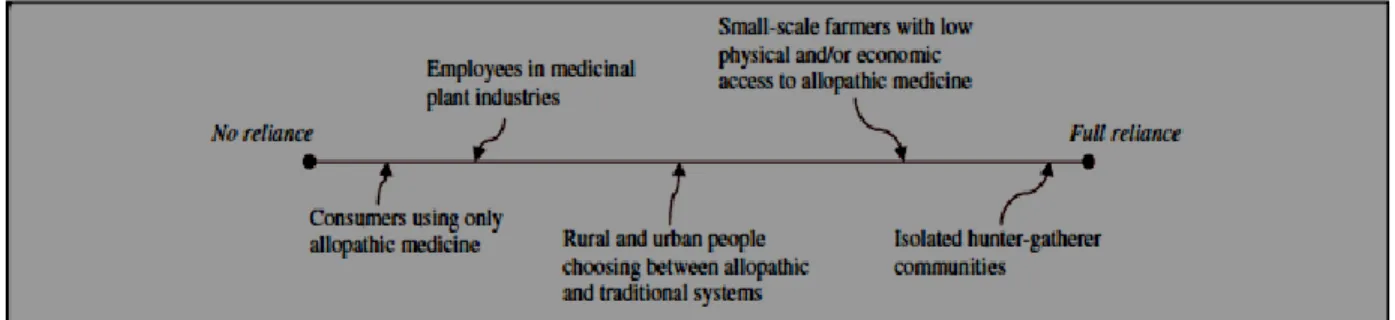
mainly been of their application as home remedies for common ailments (Figure 2.1). Very few cases in the past are documented regarding medicinal plant utilization as bio-pesticides in pest and disease control (Smith-Hall, et al., 2012). This fact inadvertently creates a need to identify new approaches and alternatives to disease management. The fact that 80% of the world’s population utilizes medicinal plants in home based remedies brings out the importance of such plants and the ease of acceptance of such plants into mainstream crop disease management strategies by local communities (Smith-Hall, et al, 2012). This, therefore, emphasizes the need for further studies to enable ease of application and incorporation of these bio-pesticides into mainstream agricultural activities in both small scale and commercial production systems.
Figure 2.1: Examples of medicinal plant utilization and reliance continuum in the communities. Source: Smith-Hall et al. (2012)
Although there is no evidence based research on the safety and efficacy standards for herbal and bio-pesticide utilization (Smith-Hall et al., 2012), there still is urgent need for farmers to understand the main drivers and factors which would enhance adoption of this practice. Such adaptations would lead to climate-smart and environmentally friendly, sustainable agricultural disease management practices which embrace bio-pesticides (Davis, 2011). It, therefore, becomes important to identify important medicinal plants and carry out studies regarding their antimicrobial properties. These can then be efficiently harnessed to develop biocontrol agents for incorporation into mainstream integrated disease and pest management strategies in agriculture.
One such plant is the Moringa tree which has been used in traditional and therapeutic applications for decades (Foidl et al., 2001). It is renowned for its medicinal and nutritional properties worldwide (Foidl et al., 2001). Several studies have revealed its antimicrobial properties and as a result, quite a number of studies have been carried out to validate these claims (Torres-Castillo et al., 2013; Anwar et al., 2007).
17 2.4 Moringa oleifera antimicrobial research trends
There has been a lot of research into evaluating and validating the antimicrobial properties of the Moringa tree. However, most of these studies have been in-vitro and laboratory based as summarized by Torres-Castillo et al., (2013); Anwar et al., (2007); Adandonon et al., (2006), as follows:
1. Spiliotis et al., (1998) carried out an in-vitro investigation to determine the antibacterial properties of Moringa seed aqueous extracts against Bacillus cereus, Fran., C. albicans, Streptococcus faecalis, Andre., (now known as Enterococcus faecalis, Schl.), S. aureus and Staphylococcus epidermidis, Evans. The results of these studies showed that Moringa seed aqueous extracts were able to significantly suppress the growth of these test human pathogens.
2. Nikkon et al., (2003), evaluated the antibacterial action of Moringa root aqueous extracts in an in-vitro study against Shigella boydii, Ewing., Shigella dysentriae, Shiga., and S.
aureus. The results showed that Moringa root aqueous significantly suppressed growth of the test pathogens.
3. Doughari et al., (2007) reported on the effectiveness of Moringa as an antibiotic and compared its effects to those of conventional antibiotic drugs such as Ciprofloxacin, Cotrimoxazole and Chloramphenicol. This particular study further emphasizes the focus of research on efficacy of the Moringa antimicrobial properties against human enteric pathogens.
4. Jamil et al., (2007) carried out an in-vitro study to determine the antimicrobial properties of Moringa seed aqueous against bacterial (Pasteurella multocida, Past., E. coli, B. subtilis and S. aureus) and fungal (F. solani and Rhizopus stolonifer, Enrenb.) pathogens. The antibacterial action of the extracts was more effective against bacterial pathogens compared to the fungal pathogens in this particular study. The study also focused on plant pathogenic strains of agricultural importance such as F. solani which is included in the group of pathogens which are responsible for a number of soil-borne diseases, such as damping off.
This particular group of soil-inhabiting fungal pathogens, is viewed as difficult to manage and has the ability to live for prolonged years in organic matter in the soil, causing root rots in plants.
18
5. Abdulkadir et al., (2015) reported antibacterial action of Moringa leaf juice against four Gram negative bacteria (S. shinga, P. aeruginosa, S. sonnei and Pseudomonas spp.) and six Gram-positive bacteria (S. aureus, B. cereus, Streptococcus-B- haemolytica, Fry., B.
subtilis, Sarcina lutea, Good., and Bacillus megaterium, de Bary.).
6. Mishoursa et al., (2011) summarized some of the major studies done to evaluate the antifungal and antibacterial properties of Moringa against disease causing pathogens.
These studies validated the potential of Moringa as a reliable and viable disease management option. Moringa can be an ideal alternative bio-pesticide which can offset the adverse chemical impacts on the environment and the continued buildup of pathogen resistance to chemicals. These in-vitro studies showed that Moringa aqueous extracts possess antimicrobial properties in significant amounts to inhibit pathogen growth.
7. Raza et al., (2015) reported good in-vivo antiviral activity against new castle disease in poultry. The results further indicated that an increase in aqueous concentration was directly proportional to the death of the new castle virus. These studies are among the few documented in-vivo trials.
8. Younus et al., (2016) evaluated the ability of Moringa plant aqueous extracts in exhibiting antiviral activity against foot and mouth disease in an in-vitro study. The results showed great antiviral activity against foot and mouth disease by inhibiting viral growth at l- 50ug/ml. They attributed this antiviral activity to the presence of glycosides, flavonoids, isothiocynates and caffeoyi acids present in the Moringa aqueous extracts.
9. Abbas et al., (2016) evaluated the antifungal activity of Moringa plant aqueous extracts against Colletotrichum falcatum, Corda., which causes red rot disease in sugar cane. The results showed the ability of Moringa aqueous extracts as having inhibited pathogen growth by 57.43%. The efficacy of inhibition was influenced by the concentration level of the aqueous solution. This was an in-vitro study.
All these studies point to the potential of using Moringa to manage bacterial, fungal and viral diseases. There is need to harness this potential and incorporate Moringa as part of an integrated disease management programme for crop plants.
19
2.5 Strengths and weaknesses in Moringa botanical research
The interest generated by the antimicrobial properties of Moringa among researchers prompted a lot of research undertakings. However, the majority of the studies mainly targeted human pathogens. Additionally, the mechanisms involved in the antimicrobial action against plant pathogenic strains need to be determined and understood as there exist mixed arguments regarding its mode of action within plant tissue (Freire et al., 2015). For instance, one study used the inhibition halo technique to determine and validate the antimicrobial activity of essential Moringa oil extracted from the leaves. The important point to note in this particular study is that, it has diverted from the majority of the in-vitro studies whose focus was mainly on human pathogenic strains (Mishoursa et al., 2011). The researcher also focused on pathogenic strains which are notorious as postharvest diseases in food storage and processing.
Lürling and Beekman (2010) reported the effectiveness of Moringa plant aqueous extracts against the cynobacterium Microcystis earuginosa, Kützing., which is a water inhabiting bacterium. Moyo (2012), Khojali et al.,(2014) and Ndhlala et al., (2014) also reported successful inhibition of human bacterial pathogenic strains by using Moringa plant aqueous extracts as the control agent.
However, Ndhlala et al., (2014) raised concerns over the lack of actual scientific research to validate all these findings and claims. He further argues that despite the existence of much evidence regarding the antimicrobial properties of Moringa plant aqueous extracts, it all remains anecdotal because of the presence of very little actual scientific research. This remains the greatest knowledge gap existing in Moringa research undertaken so far.
Despite the intensive research demonstrating the antimicrobial properties of Moringa, there is an apparent lack of scientifically validated field trials in agricultural production systems. However, some limited, yet thorough studies by very few chemists have elaborately identified the phytochemical and nutritional properties of some Moringa accessions (Fahey, 2005b). Studies by Adandonon et al., (2006) are among the earliest studies involving crop pathogens carried out under field and greenhouse conditions where the antifungal activity of Moringa plant aqueous extracts against damping off disease (Sclerotium rolfsii, Sacc.) were evaluated. However, the effectiveness of the antifungal action cannot be attributed to Moringa plant aqueous extracts alone, since a
20
combination of different medicinal plants plus Moringa were used in his study. Further studies by Kuri et al., (2011) assessing the antifungal activity of Moringa plant aqueous extracts on seed- borne pathogens Phomopsis vexans, Sacc. and Roum., Fusarium oxysporum, Schlecht., and Aspergillus flavus, Link., might also be listed as being among the first scantily documented studies involving actual crop pathogens.
Other studies involving agricultural interest in Moringa plant aqueous extracts have focused on other aspects of its composition for improved crop productivity and quality, since it contains a natural plant growth hormone zeatin (Iqbal, 2014). Moringa has exhibited the ability to enhance germination and early seedling development and establishment of major cereal crops (Phiri, 2010).
While other studies have explored the effectiveness of Moringa as an organic fertilizer (Emmanuel and Zaku, 2011), further studies have evaluated its allopathic effect on growth and productivity of mungbean (Hossain et al., 2012). Moringa seed has also been used extensively in groundwater treatment (Mangale et al., 2012). The majority of studies on Moringa, however, have been on its medicinal, nutritional and phytochemical compositions (Ogbunugafor et al., 2011; Nweze and Nwafor, 2014; Dahiru et al. 2006; Valdez-Solana et al., 2015; Karthika et al., 2013).
The overwhelming antimicrobial efficacy reports of Moringa plant aqueous extracts in suppressing pathogens is not supported by placebo, controlled and randomized scientific trials (Fahey, 2005a), a fact which raises concern. There is, therefore, need for validation through application of scientific research.
2.6 Concluding observations
Studies which have been clearly validated and documented involve Moringa plant aqueous extracts against human enteric pathogens, nutritional and phyto-chemical constituents (Valdez-Solana et al., 2015; Nweze and Nwafor, 2014), and more recently animal studies. Not much data exists on Moringa extract efficacy against crop pathogens in-vivo (Harvell, 2002; Smith-Hall et al., 2012;
Berger, 1977). In order for natural biological disease and pest control strategies to become a reality, there is need to carry out scientific, controlled and calculated field studies.
21 References
Abbas, S., S. Habib., and D. Ahmed. 2016. Laboratory Evaluation of Fungicides and Plant Aqueous extracts Against Different Strains Of Colletotrichum Falcatum The Cause Of Red Rot Of Sugarcane. Pakistan Journal of Agricultural Sciences 53 (1): 181–86.
doi:10.21162/PAKJAS/16.4