Where the work of others is used, it is duly acknowledged in the text. This dissertation provides an exploratory study of the environmental history of the Mgeni River estuary, KwaZulu-Natal in an effort to improve understanding of the forces driving environmental change. Through the application of environmental history techniques and methodologies, it explores the dynamics, characteristics and impacts of human interaction with the Mgeni River estuary over time.
Using the techniques and methods used, the study highlights a complexity of natural and human events that have changed the estuary over time.
CHAPTER ONE
The second level necessitates an examination of the socio-economic area as it interacts with the environment. A fundamental aspect of the second level is the analysis of modes of production as ecological phenomena. He argues that the process of simplification of the Great Plains ecosystem began with the arrival of settlers in the 1870s.
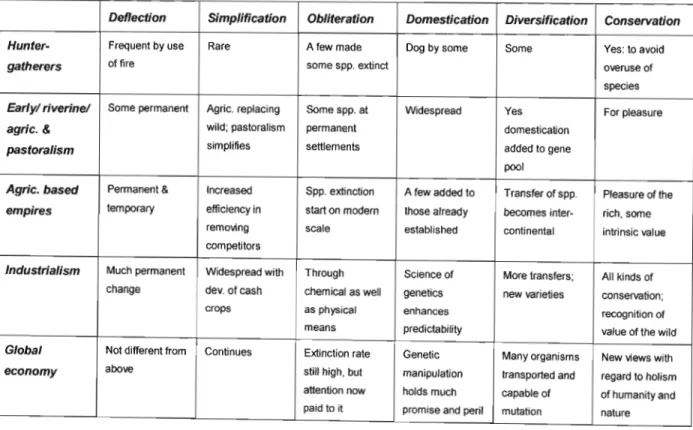
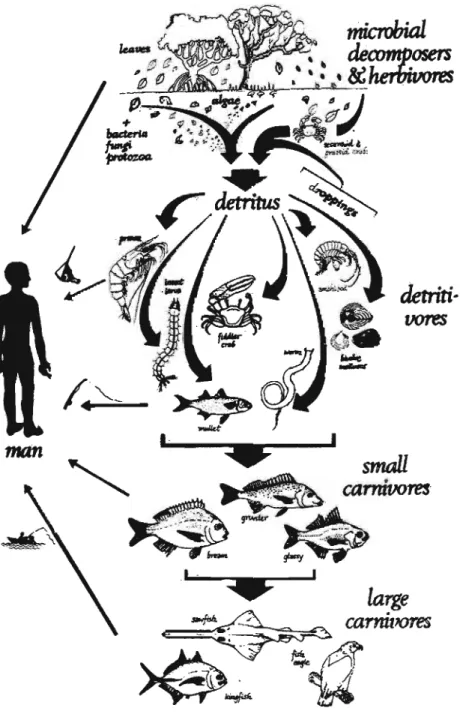
Human alteration of the Mgeni Estuary will be shown to take numerous forms as suggested by Simmons.
CHAPTER TWO
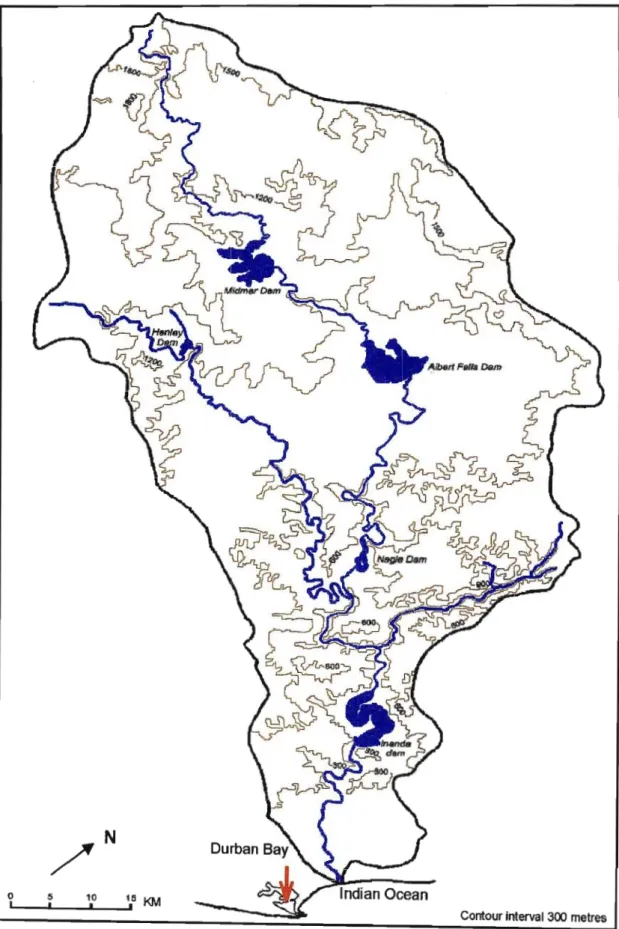
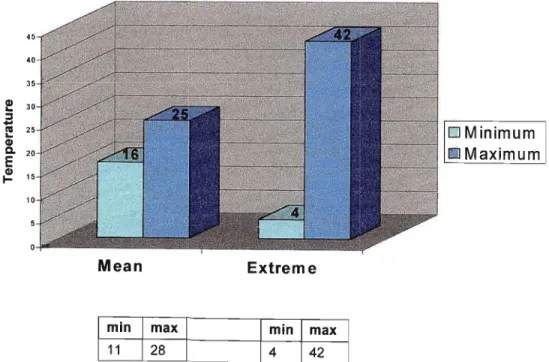
The mouth of the Mgeni River is a river-dominated estuary42 and is open most of the year. This estuarine system is part of a much larger ecosystem that stretches from the Indian Ocean to the Mgeni Basin. The Mgeni River originates in the Dargle Range in KwaZulu-Natal, about 230 kilometers from the Indian Ocean.
Cooper, 'Sedimentation in the Mgeni Estuary, Natal, South Africa', (unpublished MA thesis, University of Natal, Durban, 1986), p.
MGENI RIVER
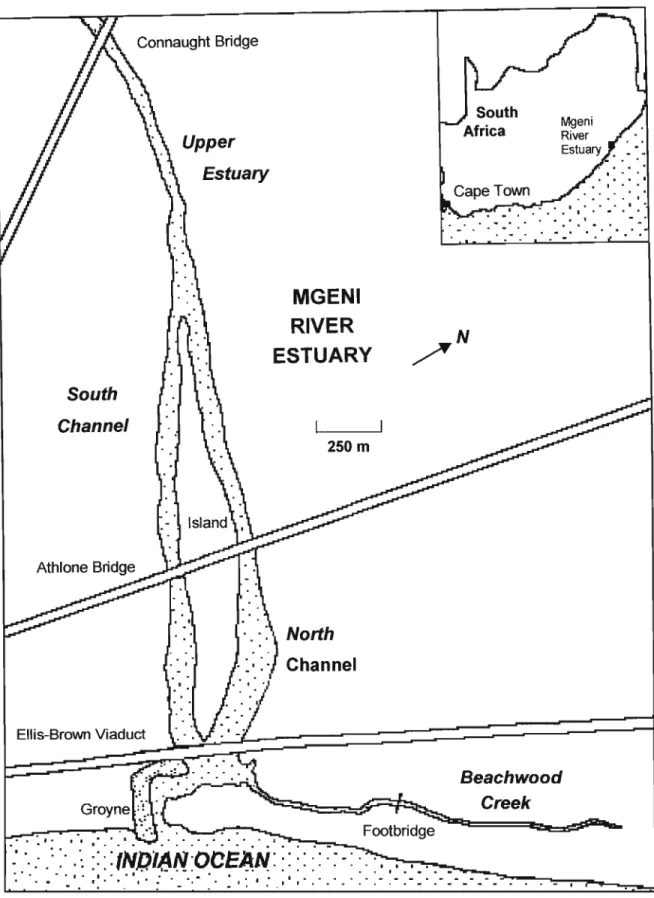
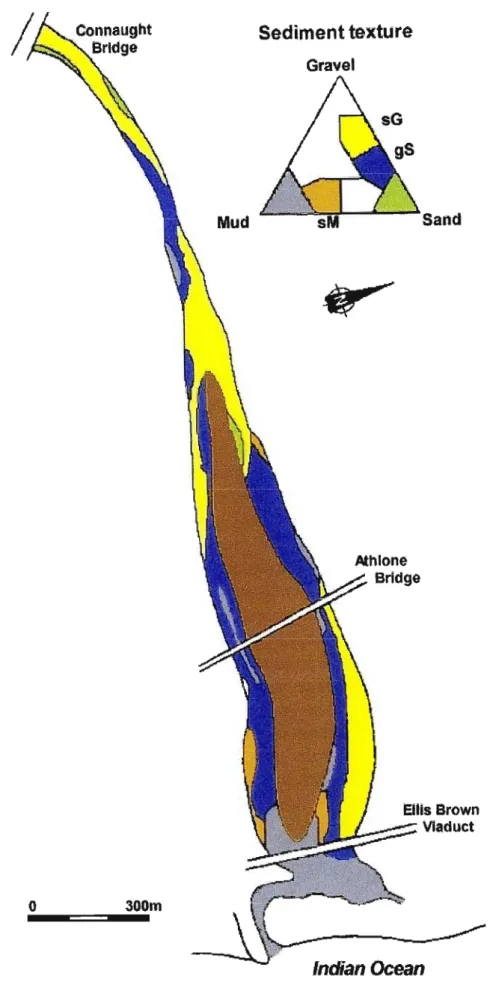
To illustrate this sensitivity, a description of the biophysical environment of the Mgeni River estuary will be given. The overall shape of the Mgeni River estuary has continuously changed over time. The nature of the sediments found in the Mgeni estuary varies considerably in different places.
A change in the sediment composition of the Mgeni River estuary will affect a number of estuarine species.
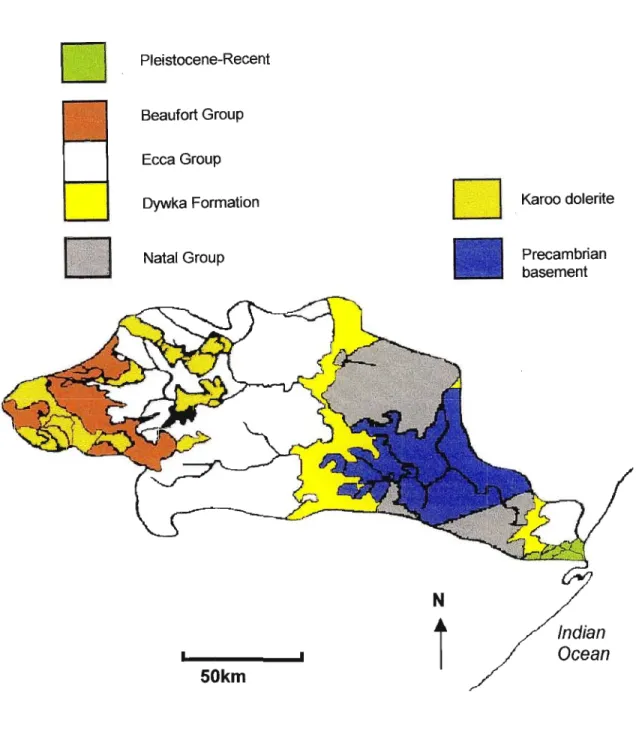
Sediment texture
The mouth of the Mgeni River is a river-dominated estuary72 and is open for most of the year. Mangrove swamp has emerged throughout Beachwood Creek and in the lower reaches of the Mgeni River estuary. The most common plant community in the Mgeni estuary is still mangrove swamp.
There are numerous bivalve species that compete with the prawns in the muddy sands of the Mgeni River mouth.
CHAPTER THREE
136 Ellis, 'The impact of white settlers on Natal's natural environment' in Guest & Sellers, eds, Enterprise and Exploitation in a Victorian Colony, p. The impact of white settlers on Natal's natural environment' in Guest & Sellers, eds, Enterprise and Exploitation in a Victorian Colony, p. This attitude of the white settlers would have negative consequences for the Mgeni River and consequently for the estuary.
143 Ellis, 'The impact of white settlers on Natal's natural environment' in Guest & Sellers, eds, Enterprise and Exploitation in a Victorian Colony, p. These quarrying activities, as well as those at the IVIgeni quarry, completely destroyed the natural vegetation of the area and radically changed the landform bordering the mouth of the Mgeni River. The destruction of natural vegetation along the Mgeni River was also due to the demand for fuel.
These activities, which were centered in the city, would therefore also have affected the vegetation near the mouth of the Mgeni River. In addition to "simplifying" the natural ecosystem, the industry also posed a threat to the waters of the Mgeni River Estuary. These upstream dams, together with water extraction for industrial and agricultural use, have changed the hydrology of the Mgeni River estuary.
The expansion of the Durban Metropolitan Area also necessitated the construction of a number of bridges across the mouth of the Mgeni River. However, in many cases, sewage and industrial effluents have entered the Mgeni River estuary unprocessed, compromising the efficient operation of the estuary.
CHAPTER FOUR
Furthermore, the identified changes have helped to illustrate how the functioning of the Mgeni River estuary has changed. It is therefore important to identify temporal variations to make an accurate assessment of human-induced change in the Mgeni River estuary. Estuary of the Mgeni River (C) - Additional changes are visible on the southern bank of the estuary, where a model hunting pond has been constructed.
Note the channel reduction in Beachwood Mangroves and the formation of. Mgeni River Estuary (C) - Landing on the mid-island has resulted in significant island growth. Also visible in the mid-island region is the construction of the new Athlone Bridge.
Upstream of the Mgeni River mouth (D) - The quarrying activities on the south bank have increased significantly compared to those observed in 1959. Upstream of the Mgeni River mouth (D) - Quarries on the south bank are of a similar size to those identified in 1967. Mgeni Estuary (C) - In the middle of the estuary, the large midstream island and surrounding islands have disappeared.
The expansion of the mangrove community would have been of great benefit to the many organisms that inhabit the Mgeni River estuary. First, human activities on the seaward side of Beachwood Creek destroyed the dune vegetation. This was evident in aerial photography from 1996, which showed the appearance of vegetated islands near the north bank of the Mgeni River estuary and on the south bank just below the Connaught Bridge.
Furthermore, they have also affected the many resource users of the Mgeni River estuary such as fishermen and canoeists.
CHAPTER FIVE
The flow of fresh water in the mouth of the Mgeni River is, as in all estuaries, a further factor that will govern the configuration of the mouth of the estuary. The freshwater flow of an estuary, as in the case of the Mgeni River estuary, will also affect many of the chemical characteristics of the estuary. As guardians of the environment, Iron Age society established many beneficial customs and practices regulated by the inkosi (chief) or induna (chief).
Over the decades, she has acquired considerable knowledge about the environment, which has been put to practical use. As guardians of the environment, their customs and beliefs reflected the importance, complex knowledge, preference and respect for the environment. One of the most noticeable changes in this society was the way of valuing the environment.
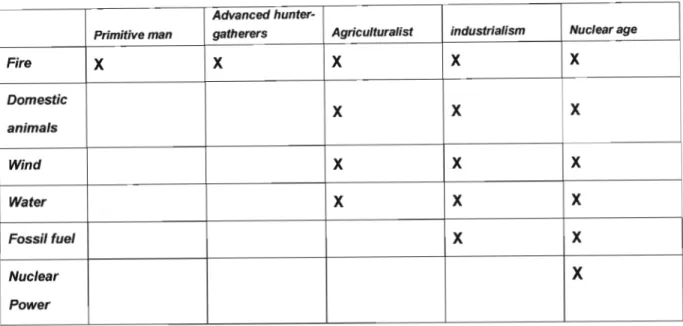
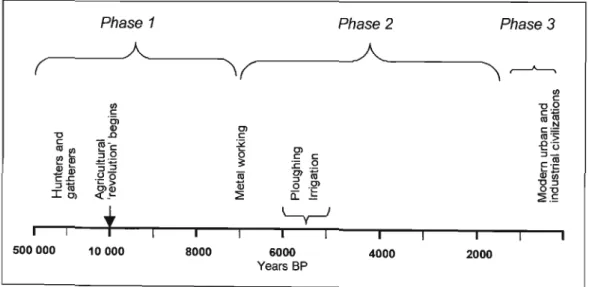
As Simmons argued, as human consumption of energy increased, so did the manipulation of the environment. With the dismantling of the apartheid system in the early 1990s, an added dimension was added. If the existing legislation is effectively implemented, it will have direct benefits for the efficient operation of the Mgeni River Estuary.
While the successful implementation of D'MOSS will save the Durban Metropolitan Council huge environmental costs, it will also have a very positive impact on the operation of the Mgeni River Estuary. Environmental changes in the Mgeni River Estuary are directly related to the changing goals, beliefs and aspirations of different societies.
CONCLUSION
If human society is to continue into the next millennium, we must review our past to take into account the beliefs and aspirations of early societies. Our history has an important story to tell; it is here that the key to our survival lies. We can no longer think like conquerors and remain bound by the dogma that nature has no place in land that can produce profit.
We must, like our ancestors, acquire a deep respect for and knowledge of the natural environment. In doing so, we will realize that it is not only technological innovation that sustains us, but that we are also dependent on the conservation of the resources and the processes and ecosystems on which they depend. It is clear that if sustainable development is to take place in the future, it is important to understand how our goals, beliefs and aspirations impact the environment so that our destructive life patterns can be changed.
This is an important lesson, especially considering that further development will take place on the KwaZulu-Natal coast. From the outset, estuary development will need to take into account the negative environmental impacts identified by this study. For example, in the Mgeni River Estuary we have seen that wetlands play a very important role in water management.
Environmental managers will need to identify areas as wetlands and plan for them to function. This may in the short term appear to be expensive, but history has shown that leaders must cost in the destruction of environmental services, otherwise they will be faced with large expenses in the future.
Pietermaritzburg Archival Repository, Colonial Secretary's Office, H. E. Stainbank draws attention to the condition of the Umgeni near its mouth. Pietermaritzburg Archival Repository, Colonial Secretary's Office G Johnson requests compensation for opening the mouth of the Umgeni River. iv) Maps. Worster, D., 'Transformations of the Earth: Toward an Agroecological Perspective in History', Journal of American History, Vol.
Gadhil, M. & Guha, R., This Fissured Land: An Ecological History of India, Oxford University Press, Delhi, 1992. Glacken, C. J., Traces on the Rhodesian Shore; nature and culture on Western thought from ancient times to the end of the eighteenth century, University of California Press, Berkeley, 1967. Maclean, G. W., Roberts' Birds of Southern Africa, The Trustees of the John Voelcker Bird Book Fund, Cape Town, 1985 .
Pooley, E., The Complete Field Guide to Trees of Natal Zululand and Transkei, Natal Flora Publications Trust, Durban, 1993. Perspectives on Modern Environmental History, Cambridge University Press, Cambridge, 1988. iv) Articles or chapters in a book produced in a composite manner. Ellis, B., 'The impact of white settlers on the natural environment of Natal in Guest, B.
Hall, A, 'Coastal Scenery and the Work of the Sea', in Duff, D., ed, Holmes' Principles of Physical Geography, Chapman & Hall, London, 1993. Ellis, B., 'The impact of white settlers on the natural environment of Natal Unpublished M.A Thesis, University of Natal, Pietermaritzburg, 1998.