IN VITRO AND IN VIVO EVALUATION OF METAL CHELATING AGENTS AS INHIBITORS OF NOVEL METALLO BETA-LACTAMASES AGAINST CARBAPENEM-RESISTANT ENTEROBACTERIACEAE. In vitro and in vivo evaluation of metal chelating agents as potential metallo beta-lactamase.
Introduction
History of Antibiotic Discovery
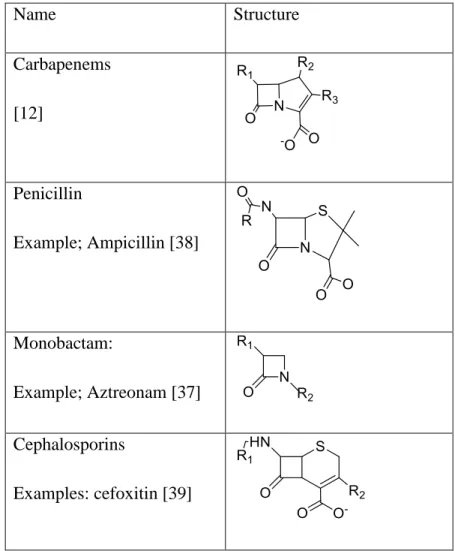
Carbapenem, a beta-lactam antibiotic discovered by the pharmaceutical company Merck was proposed to be the last drug because it was able to fight infections caused by some bacteria that had so far resisted treatment by other beta-lactam drugs. Unfortunately, the potency of this class of drugs is under threat from the ever-emerging multidrug-resistant bacteria [16].
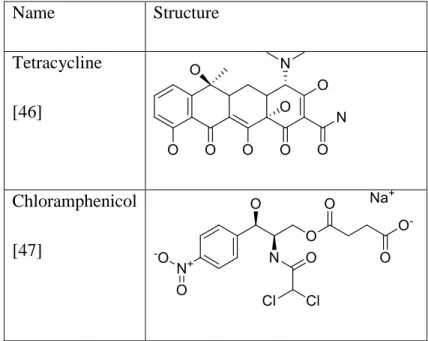
Classification of Antibiotics According to their Function and Mechanism of Action
- Cell wall synthesis inhibitors
- Inhibition of protein synthesis
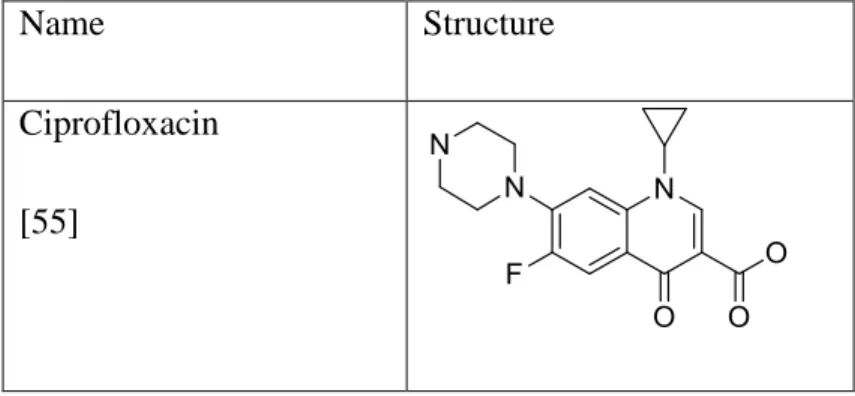
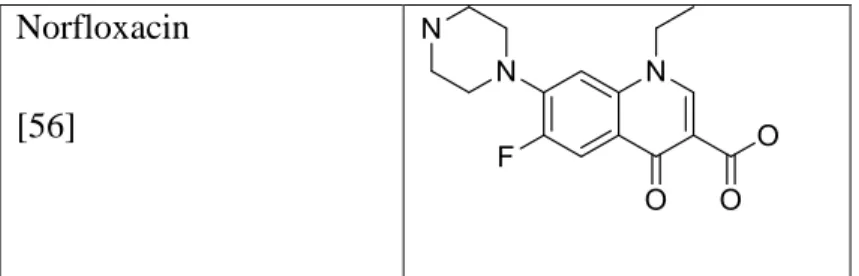
- DNA synthesis inhibitors
- Disruption of metabolic pathways
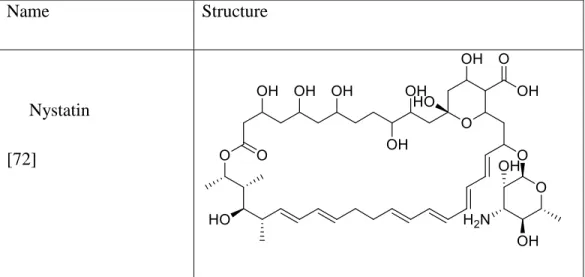
- Membrane function compromisers
Peptidoglycan is the main component of the bacterial cell wall and supports the maintenance of cell shape [28,29]. Thanks to numerous factors, bacteria have been able to develop different ways to resist the effects of the different classes of antibiotics discussed above.
Mechanisms of Bacterial Resistance to Antibiotics
Intrinsic resistance
Some bacteria are naturally resistant to a certain group of antibiotics, regardless of whether they have been previously exposed to them or not [85]. Metronidazole requires an anaerobic environment to be activated to its active form; this property makes aerobic bacteria intrinsically resistant to metronidazole [88, 89].
Acquired resistance
- Increase in the expression of efflux pumps
- Target site modification, alteration and elimination
- Resistant gene acquisition
- Enzymatic inactivation of the drug
They are produced by Enterobacter sp., Haemophilus spp., Pseudomonas aeruginosa, Escherichia coli, Staphylococcus aureus, etc.
Mechanism of Action of Beta-lactamases
- Classification of beta lactamases
The mechanism of action and classification of beta-lactamases will be discussed in the next two subsections. Over the years, the spread of beta-lactamases has necessitated different steps to be taken to curb its threat.
Combatting Beta- Lactamase Mediated Resistance
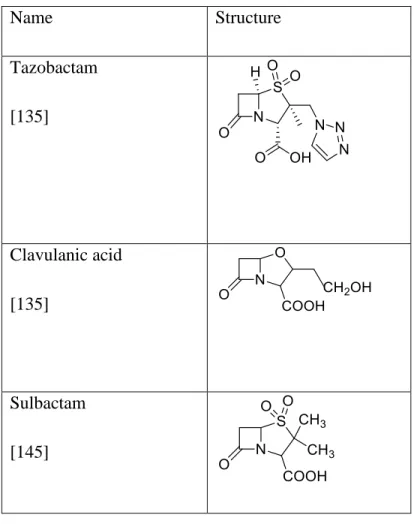
Serine beta-lactamase inhibitors
Until now, they were not thought to pose serious problems because they were mainly expressed by non-pathogenic bacteria [121,122], but over time, widespread invasion of gram-negative pathogens occurred [123,124]. In recent times, other inhibitors have been discovered that do not have a beta-lactam ring as their core.
Newer serine beta lactamase inhibitors
- Avibactam
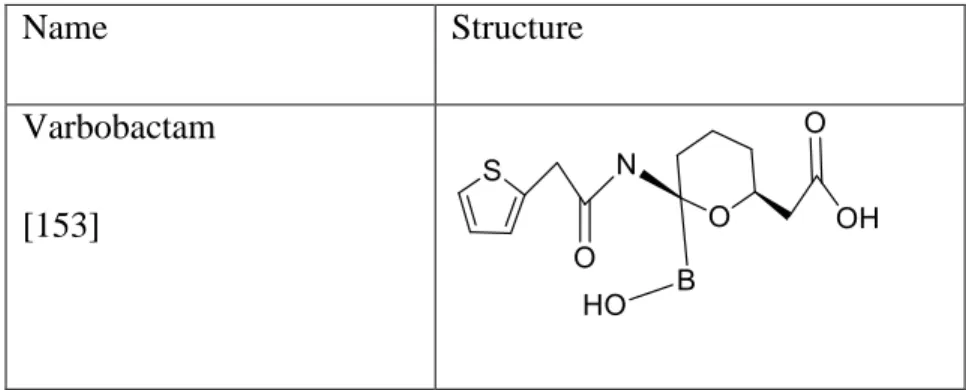
- Varbobactam (formerly known as RPX7009)
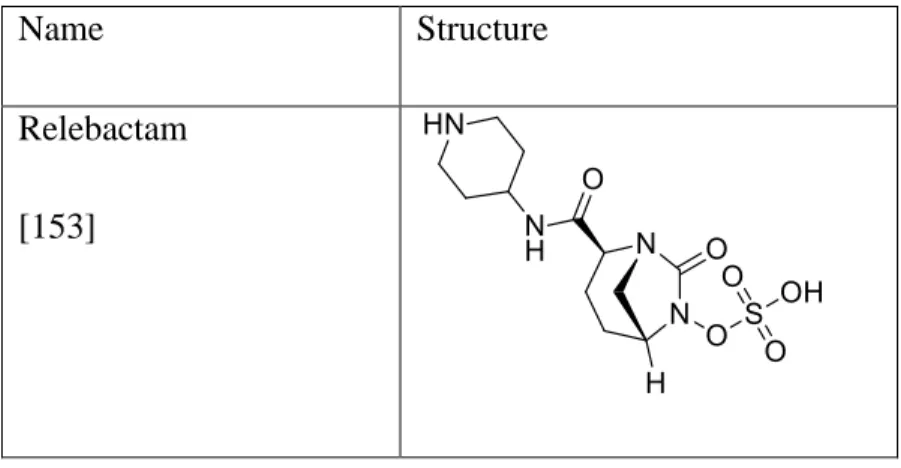
- Relebactam
Prior to this period, boronic acid was known to be a highly efficient inhibitor of serine beta-lactamase [151]. It is able to inhibit Ambler class A and C enzymes, but not class B metallo-beta-lactamase [152].
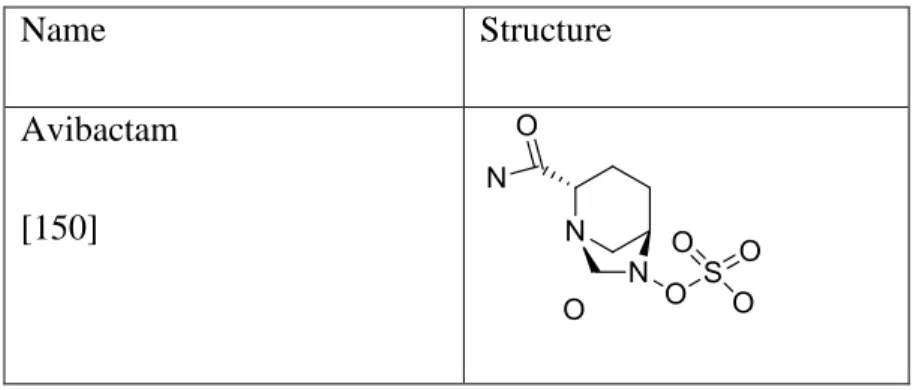
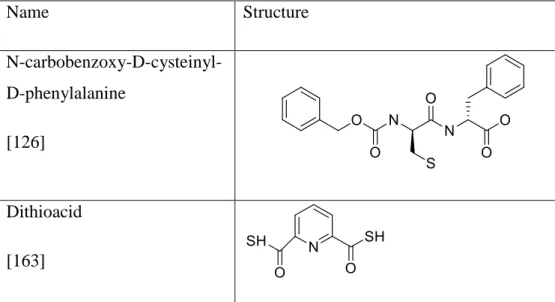
Some metallo-beta lactamase inhibitors
The various potential metallo-beta-lactamases discussed above have their limitations, meaning that infections caused by carbapenem-resistant organisms still pose a significant public health problem.
Why is Carbapenem Resistance a Significant Health Problem?
Inhibitors for other classes of beta-lactamases are clinically and commercially available as previously reviewed. None of the previously mentioned potential metallo-beta-lactamases have reached the clinical stage, as they can only inhibit the metallo-beta-lactamases in vitro. This may be due, among other things, to the toxicity of the compounds, its non-bioavailability.
To counter the scourge of infections mediated by metallo-beta-lactamase-producing bacteria, this study aims to investigate some bifunctional chelating agents (BFCAs) as potential metallo-beta-lactamase inhibitors in vitro and especially in vivo.
Bifunctional Chelating Agents
A challenge still remains for the design of compounds that will effectively inhibit class B cabapenemases (metallo-beta-lactamase). NOTA has been extensively studied and is considered one of the best chelators for radiocopper due to the high stability with which it binds radionuclides and its commercial availability [187]. NO3PY, like NOTA, exhibits high stability under reducing conditions and rapid complex formation with radionuclides [188].
NO3PY was synthesized for the purposes of this study by the Catalysis and Peptide Research Unit, University of KwaZulu Natal, Westville, Durban, South Africa. -lactamase, the methodology examined in the next section was used.
Analytical and Biophysical Techniques for Measuring In vitro And In vivo Efficacy
Synergy Testing and Time Kill Kinetics
Murine Thigh Infection Model
Liquid Chromatography Mass-Spectrometry (LC-MS)
Aims and Objectives of The Study
Thesis Outline
This thesis consists of Chapter 1, which is an introduction and overview of antibiotics, antibiotic resistance, metallo-beta-lactamase inhibitors and the techniques used therein. The results obtained in this chapter have been submitted for publication in a journal with a high impact factor (International Journal of Antimbiotic Agent. Impact Factor: 4.253).
AmpC cephalosporinase from Escherichia coli K-12 has a different evolutionary origin from that of penicillinase-type β-lactamases. Accurate insertion of antibiotic resistance determinants into Tn21-like transposons: nucleotide sequence of the OXA-1 b-lactamase gene. Crystal structure of the IMP-1 metallo-beta-lactamase from Pseudomonas aeruginosa and its complex with a mercaptocarboxylate inhibitor: binding determinants of a potent, broad-spectrum inhibitor.
Emergence of New Delhi metallo-beta-lactamase (NDM-1) and Klebsiella pneumonia carbapenemase (KPC-2) in South Africa. Africa and evidence for in vivo selection of colistin resistance as a result of selective gastrointestinal decontamination. Checkerboard titrations: the influence of the composition of serial dilutions of antibiotics on the fractional inhibitory concentration index and the fractional bactericidal concentration index.
The bactericidal effect of penicillin in vivo: participation of the host and the slow recovery of the surviving organisms. In vitro and in vivo evaluation of metal chelating agents as potential metallo-beta-lactamase inhibitors against carbapenem-resistant Enterobacteriaceae.
Introduction
BFCAs have two parts, one is a strong metal-binding unit used to complex a radionuclide of interest, while the other binds a carrier biomolecule (eg, antibodies, peptides) that serves to transport the complexed radionuclides to the target site in vivo [29-30] . BFCA's strong affinity for metal ions has been exploited for their ability to bind zinc, which is essential for metallo-beta-lactamase activity. However, this study examined neither the time-killing kinetics nor the in vivo efficacy of this combination.
Using time-death kinetics, the activities of NOTA and NO3PY (Supplementary file 1) when co-administered with meropenem against MBL-producing CREs (E. coli NDM-1, K. pneumoniae 449, E. cloacae NDM-1 and E. coli IMP-1) was evaluated. To the best of our knowledge, this study is the first time that a BFCA, NO3PY, will be tested for metallo beta-lactamase inhibition when co-administered with meropenem against a panel of metallo-beta lactamase-producing bacteria. This study is also the first to investigate the in vivo pharmacokinetics and efficacy of NOTA as a metallo beta-lactamase inhibitor.
Methods
- Bacterial source
- Antibiotics and inhibitors
- Susceptibility testing
- Time kill assay
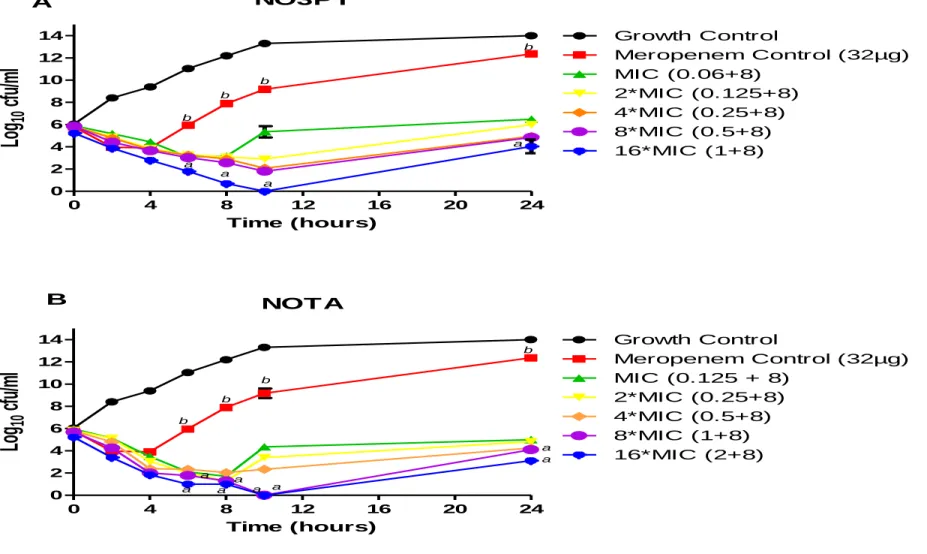
The broth microdilution method, according to the Clinical and Laboratory Standards Institute, was used to determine the susceptibility profile of meropenem alone and in combination with NO3PY and NOTA using the checkerboard method [37]. The minimum inhibitory concentration was recorded at the antibiotic inhibitor drug concentration that showed no visible growth in the presence of the resazurin dye. An initial inoculum density of 107cfu/ml test organism was added to Eppendorf tubes containing MHB and meropenem at graded concentrations of MIC, 1*MIC, 2*MIC, 4*MIC, 8*MIC and 16*MIC.
For the previous control group, the exact MIC of meropenem alone against the test organism (32 µg/ml for E. cloacae NDM-1 and 16 µg/ml for E. coli IMP-1) was used, except for the K. MHA- plates incubated at 35 °C for 24 hours and counting on the plates was done after 24 hours of incubation. Values for each time point are generated from the mean values ± SD of duplicate CFU/ml values from one experiment (Figures 1-4).
Pharmacokinetic study
Sample preparation for LC-MS/MS analysis
Chromatographic separation was achieved using an Ascentis Express RP-Amide column (5cm x 2.1 mm; 2.7 μm particle size) (Supelco, Sigma-Aldrich, Germany). Mobile phase A was millipore water (0.1% v/v FA) and mobile phase B was methanol (0.1% v/v FA), with a flow rate of 0.4 ml/min and column compartment set at room temperature. The MS acquisition parameters were: positive ion polarity; end plate setting was 500 V; capillary voltage - 5000 V; atomizer - 1.8 bar; dry gas flow rate - 8 l/min; dry heater temperature - 180 ºC; scan range was from m/z collision cell radio-frequency was 500 Vpp; collision energies were 1eV for NO3PY, NOTA, meropenem and ampicillin (internal standard).
In vivo murine thigh infection model
Statistical analyses
Results
- Susceptibility test results
- Test group comparison of the resistant bacteria
- Comparison between NO3PY and NOTA against resistant bacteria
- IC 50 evaluation
For other organisms (K. pneumoniae- 449, E. coli IMP-1 and E. cloacae NDM-1), the growth control compared to other groups with both metallo-beta-lactamase inhibitors showed that there was a significant increase ( P < 0.05) in cfu count. However, there was no statistically significant difference between other groups in the comparison tests (Figures 2A, 2B, 3A, 3B, 4A and 4B). Drug efficacy against the resistant bacteria shows that there was no significant difference between the two inhibitors against two of the resistant E.
The efficacy (reduction of the cfu per time) of the two inhibitors when co-administered with meropenem against metallo-beta-lactamase-producing organisms. This is the IC50 value of meropenem and the inhibitors at different MICs against metallo-beta-lactamase-producing organisms. Student T-test revealed that there is significant difference (P = 0.0031) between the infected control and Meropenem+ NOTA treated group.
Discussion
NOTA was below the limit of quantification in the pharmacokinetic study (Figure 5), but was detected, so we performed in vivo tests of NOTA at a much higher dose (100 mg.kg.tm). At this concentration, the chelator was able to restore the potency of meropenem by significantly reducing the number of colony-forming units of K. Furthermore, the recovery of meropenem efficacy by NO3PY may be limited to in vitro analysis only.
This is due to the poor bioavailability of the inhibitor in vivo, as it was also below the detection limit (Figure 5). A possible explanation for this is that the strong affinity of the inhibitor for metal ions may have led to its binding to serum cations. To use BFCAs for radiotherapy, a complexed metal ion in conjugation with a vector is introduced into the biological system, allowing transport to the target site [42].
Conclusions
Authors contributions
Acknowledgements
Declarations
Funding
Competing interests
Ethical approval
Efficacy of calcium EDTA as a metallo-lactamase inhibitor in a mouse model of Pseudomonas aeruginosa pneumonia. Evaluation of an internalizing monoclonal antibody labeled using N-succinimidyl 3-[131I] iodo-4-phosphonomethylbenzoate, a negatively charged substituent bearing acylating agent. Critical evaluation of the stability constants of complexone metal complexes for biomedical and environmental applications.
Activity of tigecycline in combination with colistin, meropenem, rifampicin or gentamicin against KPC-producing Enterobacteriaceae in a mouse thigh infection model.
Conclusion
Since NOTA restored the potency of meropenem in murine thigh infection, this may be only the first step in unraveling the response to the scourge of infections caused by MBL-producing CREs. Therefore, further in vitro and in vivo cytotoxicity tests are recommended. The potential of MBLI to restore the efficacy of carbapenems in vivo should be further tested in primates (monkeys, great apes, etc.) before it can undergo clinical trials in humans.