These twenty isolates increased the growth of maize and wheat over the uninoculated control under greenhouse conditions. Matthew and Heather for their assistance with the use of the MALDI Biotype machine for the identification of bacterial isolates.
Biofertilizers
Mechanisms of plant growth promotion
- Biological nitrogen fixation
- Phosphate-solubilization
- Production of siderophores
- Production of phytohormones
- Biological control of pathogens
- Multi-strain microbial inoculants
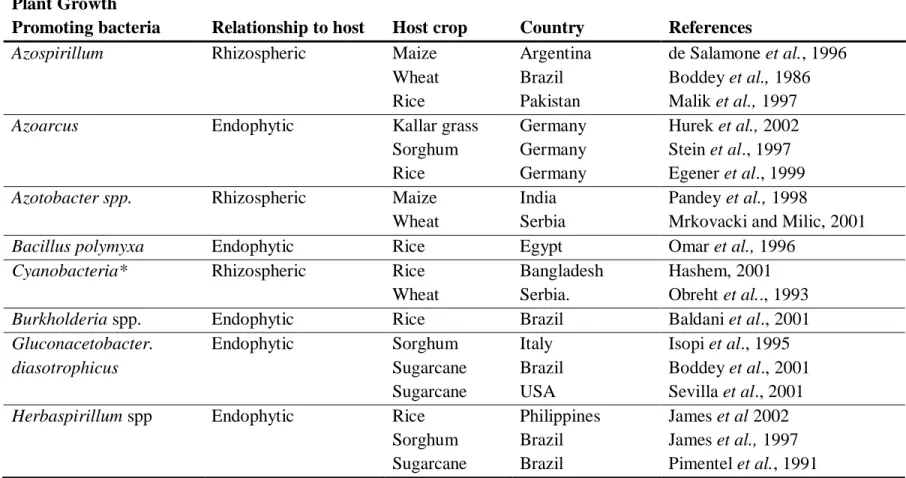
Phytohormones are plant growth regulators. These are organic substances that influence the physiological processes of plants at extremely low concentrations (Dobbelaere et al., 2003). A number of Bacillus-based biocontrol products are commercially available in the United States (Gardener and Fravel, 2002; Schisler et al., 2004) (Table 2).
The genus Bacillus
A number of Bacillus strains reduced all diseases, Rhizoctonia root rot of wheat and stimulated growth of wheat seedlings in Australia (Ryder et al., 1999). Several studies have demonstrated the ability of Bacillus strains to control downy mildew diseases in various crops (Handlesman, et al., 1990; Mahaffee and Backman, 1993).

Benefits and limitations of biofertilizers in agriculture
Scope and potential for the application of biofertilizers
Biological management of bacterial leaf blight of rice (Oryza sativa) with plant growth promoting rhizobacteria. Diversity and function of plant growth promoting rhizobacteria associated with heat rhizosphere in Northern Himalayan region.
Introduction
In vitro screening techniques have been used to select effective bacterial strains with multiple plant growth promoting and biocontrol properties (Husen, 2003; Khalid et al., 2003; Ahmad et al. Cakmakci, 2007; Engamberdieva, 2008). The variability observed in field results has been attributed to environmental conditions or competition from the indigenous soil microbial flora (Khalid et al., 2004; Ahmad et al., 2008).
Materials and methods
- Sample collection and isolation of bacteria
- Biochemical characterization of bacterial isolates
- Ammonia production
- Hydrogen cyanide production
- Indole-3-acetic acid production
- Phosphate solubilization
- Siderophore-production
- Antifungal bioassay
- Statistical analysis
A culture of the test isolate was inoculated into a 100 ml flask with 10 ml tryptone soy broth supplemented with 500 mg L-tryptophan and incubated for 48 hours at 28ºC. A culture of the test isolate was inoculated onto agar plates and incubated for 48 hours at 28ºC.
Results
Qualitative analysis
Quantitative analysis
- Acetylene reduction assay
- Indole acetic acid production
- Siderophores Production
- Phosphate solubilization
- Antifungal bioassay
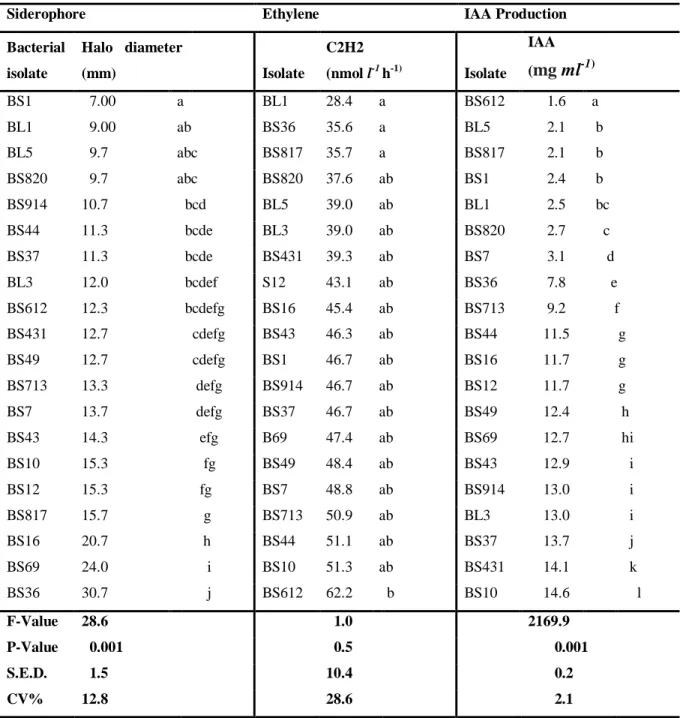
The level of inhibition varied with each bacterial isolate, while some of the isolates (isolate BS7) had no biocontrol activity. Means in a column followed by the same letter are not significantly different from each other at the 5% significance level according to Duncan's Multiple Range Test.
Discussion
Response of cotton to inoculation of plant growth promoting rhizobacteria (PGPR) under different nitrogen levels. Growth promotion and yield enhancement of peanut (Arachis hypogea L.) by application of plant growth promoting bacteria. Wheat growth and yield response to inoculation with auxin-producing plant growth-promoting rhizobacteria.
Introduction
Plant growth promoting rhizobacteria are thought to be more effective under conditions of nutrient limitation (De Freitas and Germida, 1992; Shaharoona et al., 2008). Previous studies have reported improvements in growth parameters due to the use of microbial inoculants in combination with reduced doses of chemical fertilizers (Okon and Labandera-Gonzalez, 1994; Biswas et al., 2000; Dobbelaere et al., 2001; Riggs et al., 2001). . Double or multiple inoculation with bacterial strains or bacteria in combination with fungi or arbuscular mycorrhizal fungi can yield better results than single inoculation (Belimov et al., 1995; Egamberdieva and Höflich, 2004; Lucy et al., 2004; Han and Lee, 2005 ; Ryu et al., 2007).
Materials and methods
- Source of bacterial cultures
- Source of seed
- Inoculum preparation
- Seed inoculation
- Preliminary screening of bacterial isolates for their effects on seedling growth under
- Effect of bacterial inoculation on maize and wheat seedlings growth at different N
- Effects of single and dual inoculation of Eco-T ® and bacterial isolates on seedling growth
- Rhizotron studies on the effect of bacterial seed inoculation on root development in
- Statistical analysis
The pots were kept in a greenhouse with a temperature range of 25–30 °C and watered daily with equal amounts of nutrient solutions as indicated in section 3.2.5 above. For the seedling experiment, maize and wheat seeds were inoculated as described in section 3.2.4 above with a suspension of Eco-T® in 2% CMC. The rhizotrons were kept in a greenhouse with a temperature range of 25-30 °C and watered daily with a nutrient solution prepared as in section 3.2.5 with NPK in the amount of 0.35 g l-1 of water.
Results
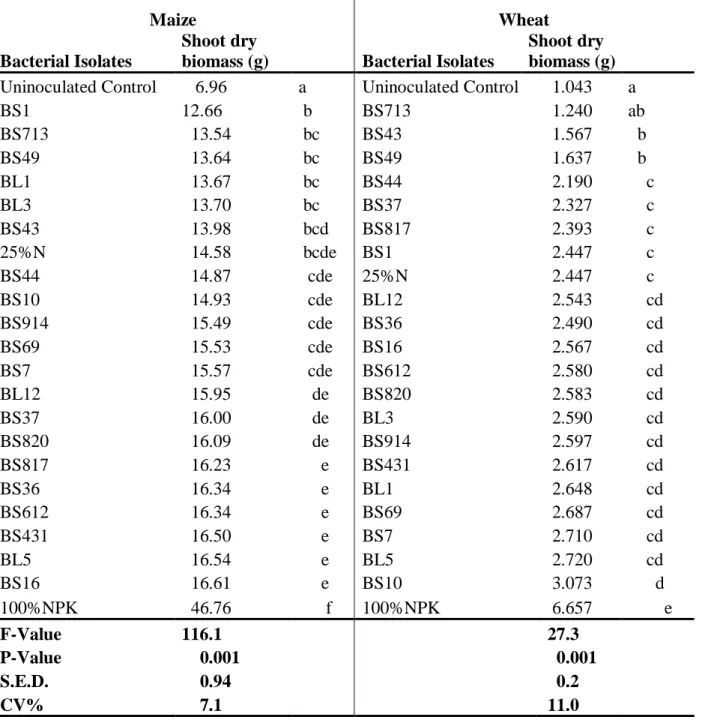
Effect of bacterial seed inoculation on maize and wheat seedling growth under
Three rhizotrons were planted, each with three seeds, which were thinned to one plant per rhizotron after germination. Roots and shoots were then dried in an oven at 70ºC for 48 h and weighed to obtain dry biomass.
Response of maize and wheat to bacterial inoculation at different levels of N fertilizer
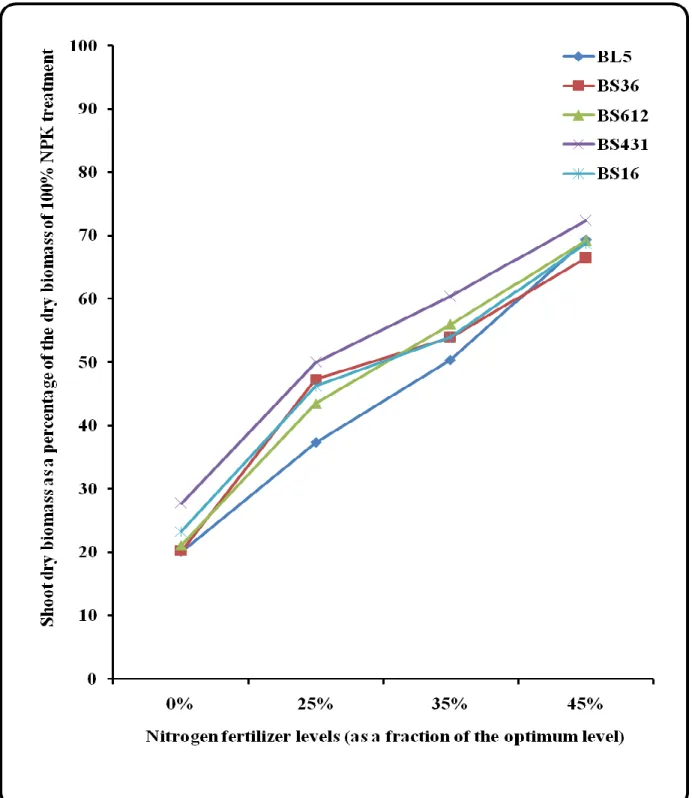
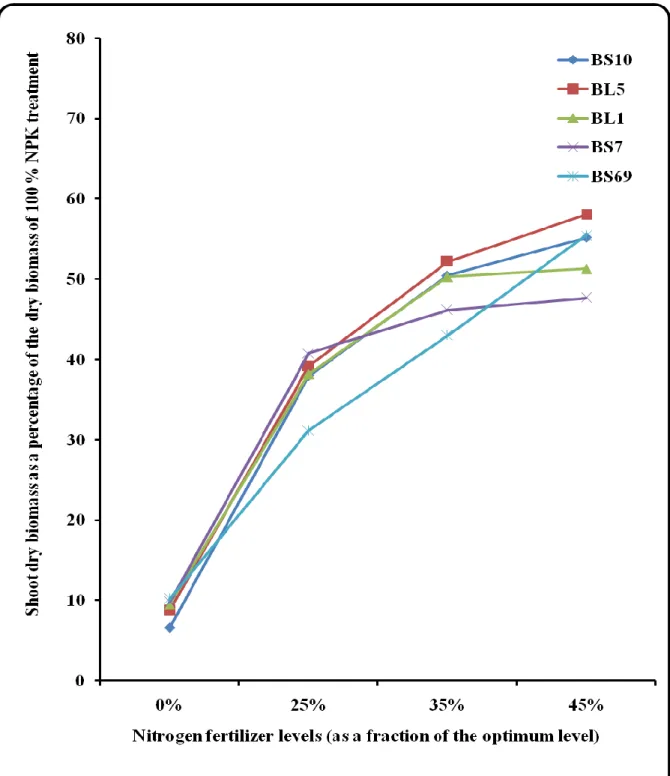
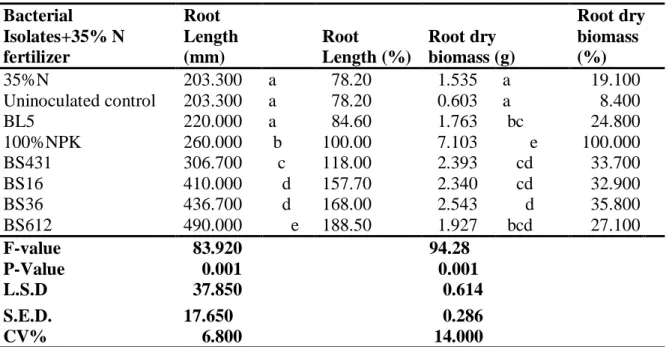
Means in the same column followed by the same letter are not significantly different from each other at the 5% significance level according to Duncan's Multiple Range Test. Nitrogen fertilizer levels as a percentage of the full amount recommended for the crop by the local Fertilizer Advisory Centre, Cedara, Pietermaritzburg, Republic of South Africa. Treatments: Bacterial isolates plus Eco-T®, a commercial BCA; Non-inoculated control: No bacterial isolate or fertilizer applied.
Effects of bacterial inoculation on root growth of maize under greenhouse conditions
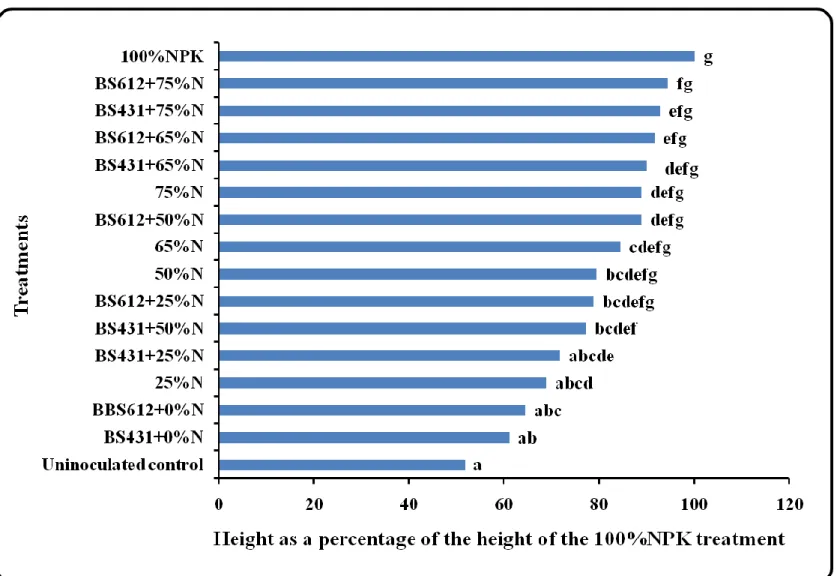
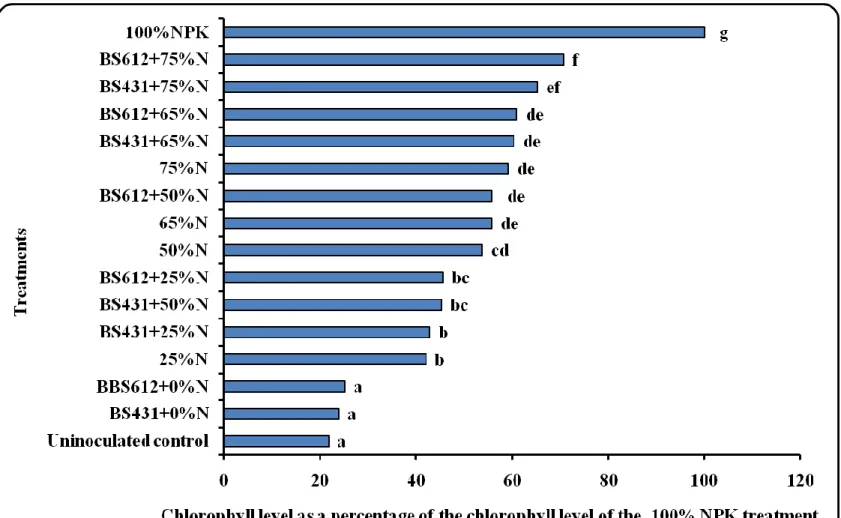
Plant heights increased with increases in fertilizer level, but there was no significant (P >0.05) difference between the inoculated plants at different fertilizer levels and the fully fertilized control. The chlorophyll level in the fully fertilized control was significantly (P = 0.001) higher than the inoculated plants at reduced fertilizer levels. In wheat, inoculated plants at different fertilizer levels produced more shoot biomass compared to those with different fertilizer levels alone.
Discussion
The effect of plant growth promoting bacteria on growth and nutrient uptake of maize in two different soils. The effect of plant growth promoting rhizobacteria (PGPR) on germination, seedling growth and yield of maize. Influence of plant growth promoting Rhizobacteria on dry matter accumulation of chickpea (Cicer arietinum L) under field conditions.
Introduction
Improvement of plant growth and increase in crop yields caused by microbial inoculants has been reported by a number of authors (Okon and Labandera-Gonzalez, 1994; Muthukumarasamy et al., 2000; Bashan et al., 2004; Rhokzadi et al., 2008, 2008; Mehnaz et al., 2010). The use of these products to increase crop production is practiced in many countries including Australia, Belgium, Brazil, China, Cuba, Egypt, India, New Zealand, the Netherlands and the United States of America (USA) (Rodriquez and Fraga, 1999). .Studies on the positive effects of PGPR on seedling growth, seed germination and maize yield have been reported in the literature (Saikia and Bezbaruah, 1995; Niranjan et al and Gholami et al., 2009). The main objective of the present study was to test isolates of diazotrophic bacteria with multiple plant growth promoting traits isolated from the rhizosphere and leaves of maize and wheat for their effects on in vitro seed germination and plant growth and yields of two cultivars. corn under field conditions. .
Materials and methods
- Source of bacterial cultures
- Source of seed
- Inoculum preparation
- Effect of seed inoculation on in vitro seed germination and seedling vigor of maize
- Effect of seed inoculation on growth and yield of maize under field conditions
- Statistical analysis
Seeds treated with each of the isolates and two controls (untreated seed coated with CMC alone and seed treated with 15 mg ml-1 IAA) were placed in paper towels soaked in sterile distilled water. The treatments were replicated three times and arranged in a randomized complete block design in each of the sub-plots. Two-thirds of the N fertilizer was applied at sowing and one-third five weeks after planting.
Results
Seed germination and seedling vigor
Effect of seed inoculation on different growth parameters and yield of maize under field
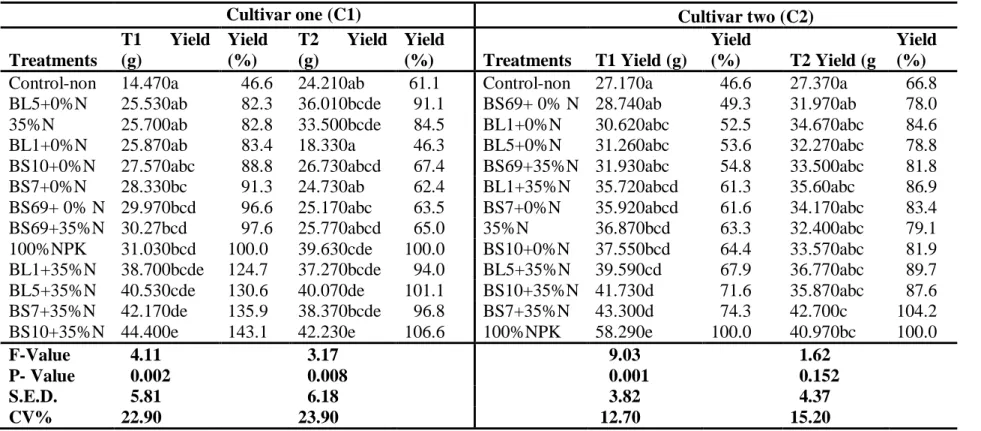
In C1 seed inoculation and 35% N, yields increased by 15% over yields caused by treatment with 100% NPK. Seed inoculation with isolate BS612 and 35% N caused higher yields than those caused by treatment with 100% NPK (Table 4.5). Treatments: Bacterial isolates plus nitrogen (N) fertilizer as a percentage of the amount recommended for the crop by the local Fertilizer Advisory Centre, Cedara, Pietermaritzburg, Republic of South Africa; 100% NPK: Fully fertilized control;.
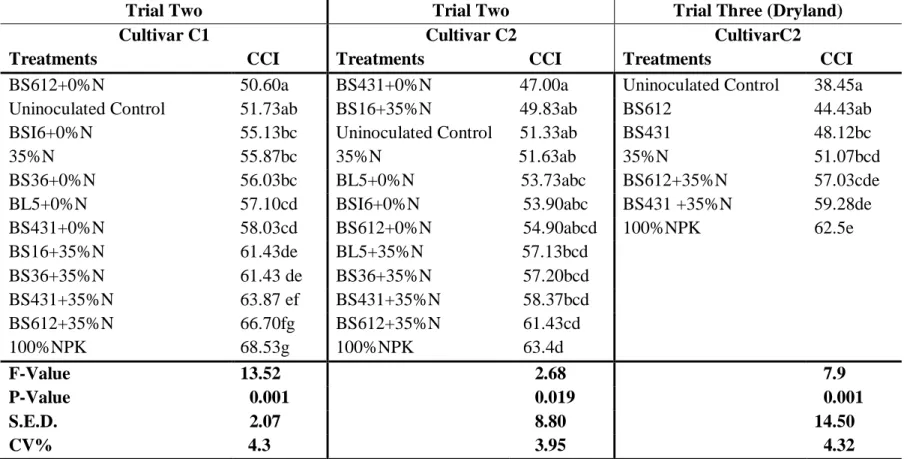
Discussion
The Effect of Inoculation with Plant Growth Rhizobacteria (PGPR) on Root Formation of Mint (Mentha piperita L) Cuttings. Effects of plant growth-promoting rhizobacteria (PGPR) on the yield, growth and nutritional content of organically growing raspberries. Yield response of wheat and barley to inoculation of plant growth promoting rhizobacteria at different levels of nitrogen fertilization.
Introduction
However, a large part of these fertilizers is lost through gaseous emissions, dinitrification and leaching of nitrates to groundwater (Bijay-Singh et al., 1995), which negatively affects the environment (Rejesus and Hornbaker, 1999). Use of diazotrophic bacteria in combination with nitrogen fertilizers has been shown to reduce the amount of nitrogen fertilizer that must be applied to plants (Yanni et al., 1997). Strains of Bacillus produce substances that inhibit the growth of other microorganisms (Lilinares et al., 1994), which ensures their reproduction and survival in the rhizosphere of many plants (Foldes et al., 2000; Shoda, 2000).
Materials and methods
- Source of bacterial cultures
- Source of seed
- Inoculum preparation
- Effect of bacterial seed inoculation on growth and yield of wheat under field conditions
- Statistical analysis
Two thirds of the fertilizer was applied at sowing and one third five weeks after sowing. These plants were harvested at ground level, dried in an oven at 70ºC for 72 hours and weighed. Treatment means separation was performed using Duncan's Multiple Range Test at 5% significance level.
Results
Effect of bacterial seed inoculation on shoot dry biomass under field conditions
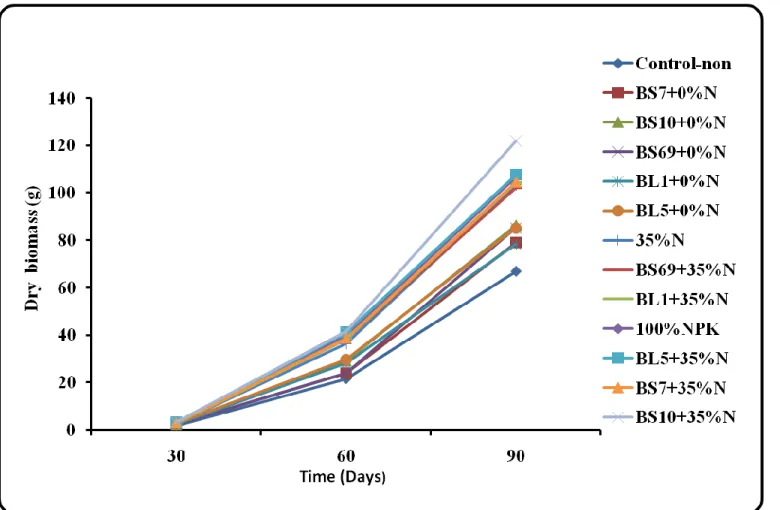
T1: Trial One; C1: Cultivar one; Time in days after planting; Control-not: Uninoculated control with no bacterial isolate or N fertilizer applied. T1: Trial One; C2: Cultivar Two; Time in days after planting; Control-not: Uninoculated control with no bacterial isolate or N fertilizer applied. T2: Trial Two; C1: Cultivar one; Time in days after planting; Control-not: Uninoculated control with no bacterial isolate or N fertilizer applied.
Effect of bacterial inoculation on yield (g) of two wheat cultivars under field conditions
Means in a column followed by the same letter are not significantly different (P < 0.05), according to Duncan's Multiple Range Test. Treatments: Bacteria isolates + nitrogen (N) fertilizer as a percentage (%) of the amount recommended for the crop by the local Manure Advice Center Cedara; Control-Not: Non-inoculated control with no bacterial isolate or fertilizer applied.
Discussion
Plant growth promoting potential of free-living diazotrophs and other rhizobacteria isolated from North Indian soil. Growth promotion and yield improvement of peanuts (Arachis hypogea L.) using plant growth-promoting rhizobacteria. Comparative performance of formulations of plant growth-promoting rhizobacteria for growth promotion and suppression of downy mildew in pearl millet.
Introduction
Gardener and Fravel (2002) and Schisler et al. 2004) reviewed Bacillus-based biocontrol commercial products in the USA, but further information on Bacillus-based commercial BCAs is scarce. Species of the genus Rhizoctonia are soil-borne fungal pathogens that affect a wide range of important agronomic crops, vegetables, ornamentals, shrubs and trees worldwide (Kloepper, 1991; . Agrios, 1997; Ryder et al., 1999). Infection can occur at any growth stage, but it is most common at the seedling stage (Agrios, 1997; Mathre et al., 1999).
Materials and methods
- Source of bacteria cultures and inoculum preparation
- Seed inoculation
- Isolation of R. solani cultures
- Pathogenicity test
- Screening bacterial isolates as biological control agents of Rhizoctonia solani damping-
- Rhizotron studies on Bacillus biocontrol of Rhizoctonia solani damping-off in wheat
- Data analysis
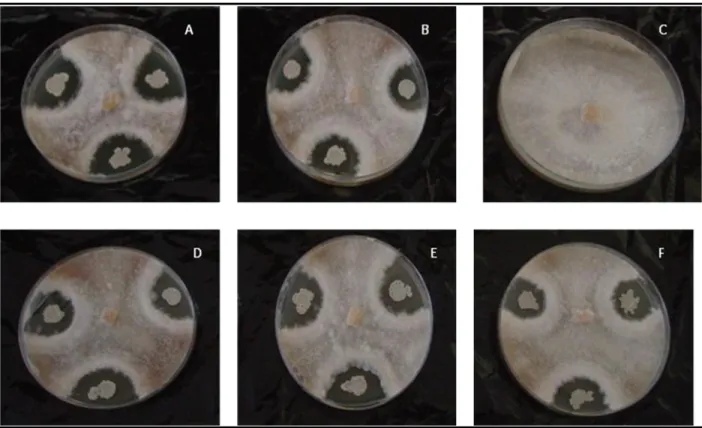
The aim of the present study was to identify promising Bacillus strains as potential BCAs for the management of Rhizoctonia suppression in wheat. Wheat seed of the cultivar Crocodile was supplied by the ARC Small Grain Institute.17 Seed was disinfected by soaking in 0.2% sodium hypochlorite for 2 minutes and rinsed several times in double sterilized distilled water. Four mm plugs of each isolate were cut from the edge of a young culture and placed a few mm from the center of each cell on top of the growth medium.
Results
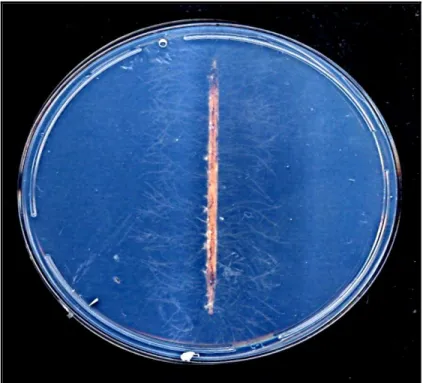
Isolation of Rhizoctonia solani
We planted three rhizotrons with three seeds each, which after germination were diluted to one per rhizotron. Rhizotrons were placed in ice cream containers, kept in a greenhouse and watered three times a day with a solution of NPK soluble Complete® fertilizer at a concentration of 1g l-1 using a micro jet irrigation system.
Pathogenicity test
Efficacy of bacterial seed inoculation on biocontrol of R. solani damping-off of wheat
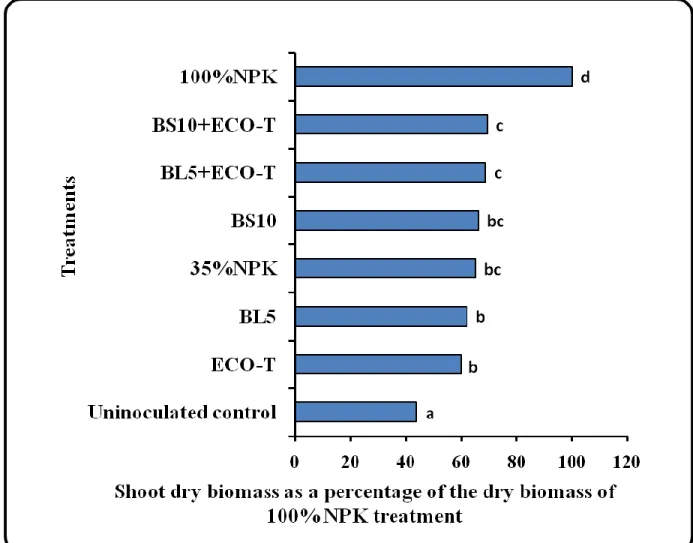
Eco-T® treatment resulted in the highest germination and seedling survival, while BS10 treatment resulted in the highest shoot dry biomass. Seed inoculation with Bacillus isolate significantly (P<0.05) increased both root and shoot dry biomass above the DC. There was no significant difference between the root and shoot biomass obtained from inoculation with Isolate BS10 and the DFC, and seed treatment with this isolate resulted in the highest root and shoot dry biomass among the treated seedlings.
Discussion
Cloning of genes involved in pyrrolnitrine synthesis from Pseudomonas fluorescens and the role of pyrrolnitrine synthesis in the biological control of plant diseases. Screening of rhizobacteria for biological control of Fusarium root and crown rot of sorghum in Ethiopia. In vitro studies on selected mechanisms used by isolates of Bacillus subtilis (Ehrenberg) Cohn in the biological control of Rhizoctonia solani Kühn.
Introduction
Materials and methods
- Source of Bacillus subtilis and Rhizoctonia solani isolates
- Antibiosis
- Siderophores production
- Cellulase production
- Amylase production
- Lipase production
- Proteinase production
- Pectinase production
- Antibiotic resistance
Paper plates soaked in each of the bacterial suspensions were placed in the center of each plate and the plates were incubated in the dark at 28°C for 3-5 days. Plates were inoculated with paper discs dipped in each of the bacterial suspensions and incubated in the dark at 28°C for 4 days. Inhibition zones around the discs were observed on the plates, which is an indicator of the sensitivity of the bacterial isolates to antibiotics.
Results
- Antibiosis
- Siderophores Production
- Cellulase production
- Amylase production
- Lipase production
- Proteinase production
- Pectinase production
- Chitinase production
- Antibiotic resistance
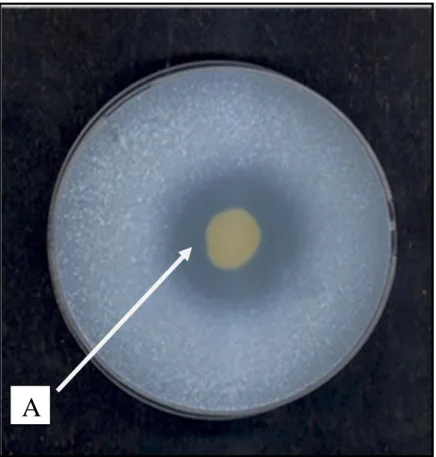
Clear areas around the bacterial growth were observed for all isolates indicating the presence of cellulase while the rest of the plate retained the red color of the stain. Clear zones formed around the bacterial growth confirming amylolytic activity while the rest of the medium retained a blue-black color indicating the presence of starch (Lipase production Figure. Clear zones formed around the bacterial growth indicating the presence of proteinase.
Discussion