The study examines the availability and accessibility of health services in rural areas in relation to the right to health. The primary health care approach is the underlying philosophy of restructuring the health care system.
RESEARCH METHODOLOGY
Therefore, primary health care is an essential program to make health care services available and accessible to previously disadvantaged communities, i.e. rural areas. It is therefore essential to investigate how effective this program is in making healthcare services available and accessible to the community in rural areas.
AIM AND OBJECTIVES OF THE STUDY
DEFINITION OF TERMS
A BRIEF OVERVIEW OF CHAPTERS
CONCLUSION
INTRODUCTION
INTERNATIONAL LEGISLATION AND PUBLIC HEALTH
ALMA-ATA DECLARATION
WORLD HEALTH ORGANISATION AND PUBLIC HEALTH
They should enjoy the right to health according to the highest attainable standards of physical and mental health. The Covenant recognizes that the right to health is an essential element of human dignity.
CONCLUSION
The final part of the chapter will examine statistics to support the presentation of information. The last part of this chapter focuses on the accessibility of healthcare services in developing countries.
STRATEGIES OF PRIMARY HEALTH CARE
- PREVENTION
- INTERSECTORAL COLLABORATION
- APPROPRIATE TECHNOLOGY
- COMMUNITY INVOLVEMENT
Although people have access to some sources of health care, poor nutrition often causes their health to deteriorate. In Shongweni, the Ministry of Health, the Ministry of Social Welfare and Population Development and the Ministry of Education work together to provide people with access to health care resources. In an attempt to make health services available and accessible to people living in Shongweni, voluntary organizations such as the Community Health Care Workers assist the Ministry of Health by monitoring patients from home, especially those with tuberculosis.
This allows for the reality that health care is often not a priority need within communities. Following this, community members are able to participate more fully when their own experience of need is recognized rather than when they are confronted with pre-planned visions of health care.69 The community development projects discussed above show that people in the Shongweni offered priorities that are not strictly located in health care itself. They often make orders to the community only to find that the community does not fully participate in the distribution of health care services.
In Shongweni, primary health care is used as a strategy to ensure that health care services are available and accessible to the community. This is done by utilizing community members, such as local councilors and community health workers, to determine the health needs of the community.
BARRIERS TO COMMUNITY PARTICIPATION
Community engagement cannot be conceptualized outside the economic and political realities of the communities in which they operate. As discussed earlier in this chapter, community development projects play an important role in improving the economy of the people of Shongweni. In terms of the development model, these difficulties are not simply seen as barriers to community involvement, but as the focus of the work.77 Therefore, there is greater emphasis on community development projects in the Shongweni area.
The second refers to power relations within the communities themselves, for example the Indunas in rural areas are the ones who make decisions on behalf of the communities without consulting their communities. Regarding the barriers to participation that operate within communities themselves, the most important issue is addressing the diversity within communities. Individuals and groups that hold power in communities do not always act in the best collective interests of society.
This phenomenon is particularly problematic when these individuals or organizations function as gatekeepers for community participation.81 This means that these individuals or organizations act as if they represent what is in the best interest of the communities and as if there is community participation while people in the community I don't know what's going on. Beijing, which is in full compliance with the goals and principles of the United Nations Charter and international law, is empowering women.
MEETING THE CHALLENGE
From what has been discussed above, there is no doubt that community participation is an important factor in making the delivery of health services more effective in rural areas like Shongweni. Rifkin describes two interrelated approaches to the transformation of the health system into primary health care as recommended. This involves, firstly, ensuring the establishment of structures and processes that facilitate community involvement in the healthcare system, and secondly, strengthening all groups in the local communities.8~.
In the Shongweni area this can be achieved by the local councilors and community health care workers working together with different service providers in the area. According to Oakley, there is widespread acceptance of the crucial role that community health workers must play in promoting community involvement in health as they can serve as effective mediators between professional and community interests.
RESOURCES ALLOCATION IN SOUTH ARICA
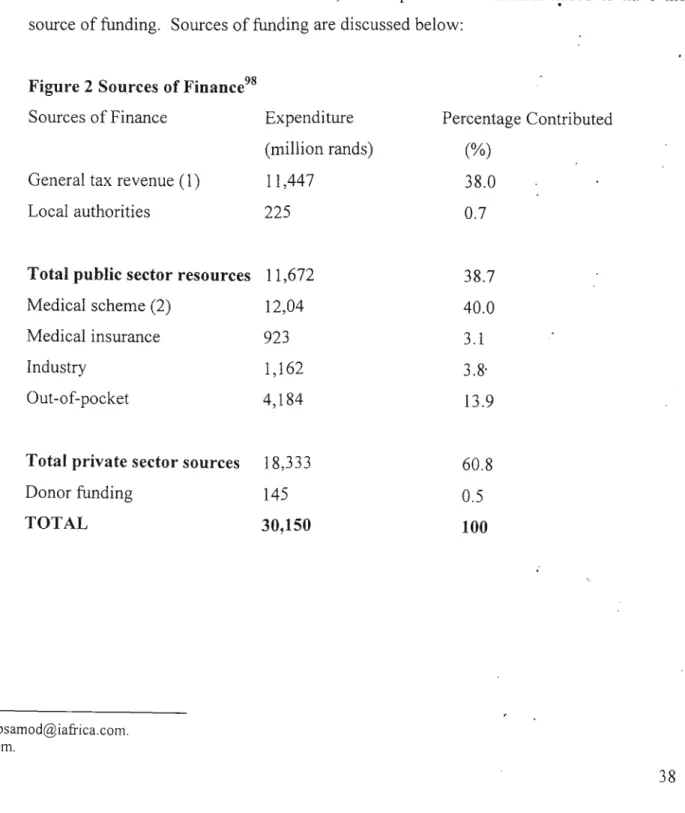
In South Africa, health care services are free for those who cannot afford to pay. As mentioned in the first chapter, the objective of providing primary health care is to maintain or improve the health of the population. Equitable distribution of resources for primary health care presents major challenges, especially allocation in rural areas.
The equal distribution of health care resources in this area may be influenced by the location of the area. Those who earn a high income and can afford to pay for health care services receive high-quality care. Clearly, the location of a given area plays a crucial role in the distribution of healthcare resources.
This forces Shongweni community members to utilize the adjacent healthcare services. As previously discussed, most people in Shongweni rely on public transport to reach the nearest healthcare facility.

CONCLUSION
The young and elderly are seen as the most limited in terms of their personal mobility. Those between the ages of 0-15 years are limited by their dependence on parents for transport fees and are accompanied to the operation. People aged 80 and over also face greater obstacles due to the fact that they are increasingly reliant on assistance to get to clinics.IO.
Townsend and others have found that those in the lower classes are likely to have greater difficulties due to their limited financial resources, as is the case in the Shongweni community.
INTRODUCTION
DATA COLLECTION
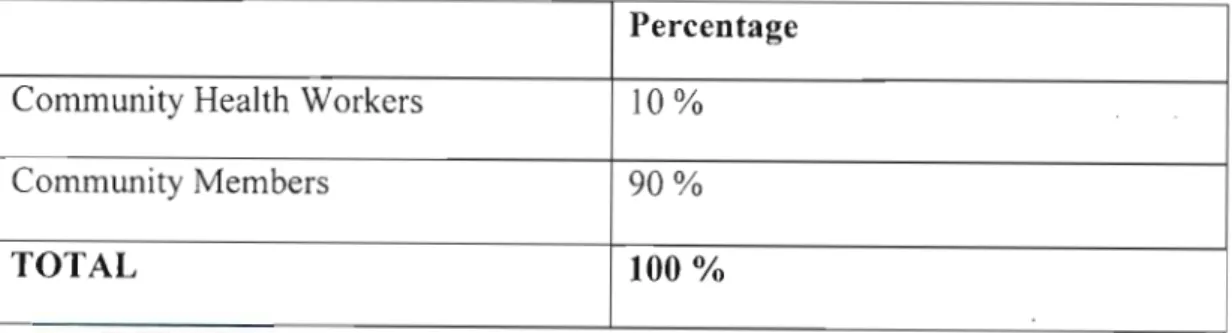
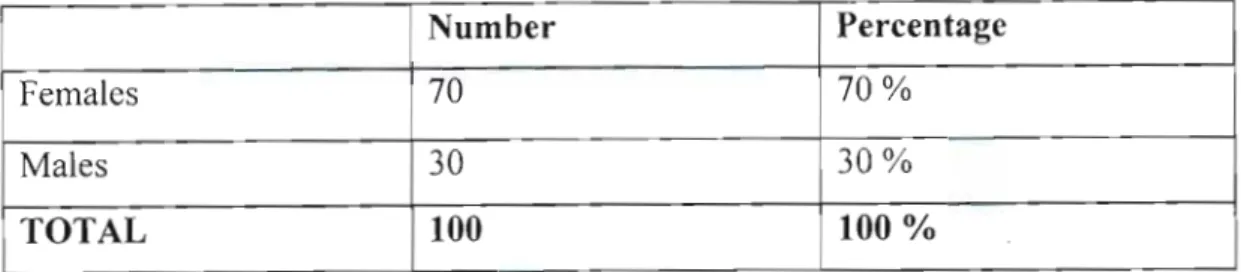
As the data collection methods used in this study included the administration of questionnaires, observational techniques and face-to-face interviews, the analysis of these data was an assessment of all responses. In analyzing the data obtained from this study, percentages, tables and figures were used to illustrate the responses.
LIMITATIONS OF THE STUDY
DATA ANALYSIS AND PRESENTATION OF FINDINGS
- Availability and Accessibility of Health Care Services in the Shongweni Area
- Adequate Health Care Resources
- Unemployment Rate
- Mode of Transport Used by the Respondents
- Transport Costs
- Costs Related to Health Care Services
- Emergency Services in the Shongweni Area
- The Effectiveness of the Department of Health in Health Care Service Delivery
- Rating of the Quality of Health Care Provision
- Right to Health Care in South Africa
As shown in Table 3 above, only 10% of respondents stated that they had adequate health services in the area. They had to travel far to get to the nearest health facility. There was a lack of public transport to get to the nearest health institution; and.
As mentioned earlier, most people in Shongweni depend on public transport to get to health facilities. Outpatient health workers expressed concern about the disparities and inequities in the distribution of health services in rural and urban areas. They further stated that the constitution gives everyone the right to access health services and ~ people.
95% of respondents felt that their right to health services was not respected, while 5% felt that their right was respected. Most people in rural areas felt that the government was not actually · obliged to provide free health services.
CONCLUSION
Recommendations
The Ministry of Health and other relevant stakeholders should be more proactive in identifying areas most in need, that is, underdeveloped rural areas that do not have adequate health care, such as the Shongweni area. Healthcare resources must be made sufficient to serve the entire community in rural areas such as Shongweni. Particular attention should be paid to informing people through their rural traditional leaders, such as Shongweni, about the proposed health care policies and programs.
Health care workers are expected to present their conditions to health workers and ask them to reflect on them. A World Declaration on Rural Health should be considered with practical strategies for the effective provision of health care resources in rural areas. The provision of health care in rural areas should be monitored by the Department of Health.
Establishing programs such as Medicare Choice programs and the Medic~re Rural Hospital Flexibility Program go a long way to ensure that rural health care is. This results in a number of health service delivery strategies that are not implemented or are not practically implemented.
CONCLUSION
A study of the availability and accessibility of health resources in rural Shongweni in relation to the right to health. Does your health facility have enough health resources to meet your community needs. What do you think are the reasons that contribute to the lack of availability of health resources.
Do travel costs influence your decision to go to a medical facility? Yes or no. Can health promotion and primary care achieve health for all without reverting to their more radical agenda: Oxford University Press (1995). Yach D, The Emerging Role of Public Health Law in the New Health Policy of the 21st Century, presented at the International Conference on Global Health Law, New Delhi (1997).
JOURNAL ARTICLES AND REPORTS