AN EXPLORATION OF HOW CURRICULUM CHANGES AFFECT THE EMOTIONS OF
GRADE 11 LIFE SCIENCES TEACHERS
By
THEMBALIHLE CELE
A dissertation submitted in fulfilment for the requirements for the degree of Masters in Education
in Teacher Education and Professional Development
COLLEGE OF HUMANITIES UNIVERSITY OF KWAZULU-NATAL
PIETERMARITZBURG
February 2017
ii
DECLARATION
Submitted in fulfilment of the requirements for the degree of Masters in Education, in the Graduate Programme in the College of Humanities, University of KwaZulu-Natal,
Pietermaritzburg, South Africa.
I, Thembalihle Cele, student number 932405163, declare that
1. The research reported in this thesis, except where otherwise indicated, and is my original research.
2. This thesis has not been submitted for any degree or examination at any other university.
3. This thesis does not contain other persons’ data, pictures, graphs or other information, unless specifically acknowledged as being sourced from other persons.
4. This thesis does not contain other persons' writing, unless specifically acknowledged as being sourced from other researchers.
5. This thesis does not contain text, graphics or tables copied and pasted from the Internet unless specifically acknowledged, with the source being detailed in the thesis and in the reference section.
……….. ……….
Student Signature Date
Dr. Jacqueline Naidoo ………. ………..
Name of Supervisor Signature Date
iii
DEDICATIONS
I dedicate this thesis to my late mother, Elizabeth Mbanjwa, and my late brother, Patrick, Dumsani Mbanjwa who always supported me and instilled in me the passion for education.
My brother’s encouragement made me believe in myself.
This thesis is dedicated to you.
iv
ACKNOWLEDGEMENT
I would like to give glory to God Almighty for leading me through this dissertation especially during the times when I thought of giving up and when I tended to lose hope.
A special acknowledgement goes to my supervisor, Dr Jacqui Naidoo, for her guidance, her thorough and precise feedback and the role she has played in the completion of this thesis.
When I got tired she was there to give me a necessary boost.
I would also like to extend my genuine appreciation to the Grade 11 Life Sciences teachers of Pholela Circuit who participated in this study.
My gratitude also goes to my husband, Derrick Cele, who has been very supportive in encouraging me to continue with this project. Special thanks go to my colleagues and the rest of my family members: my sisters, my brothers, my sons, and my daughters for their continuous support.
Finally, I would also like to express my thanks to my friend, Violet Makwara, who has always been there for me as a pillar of strength.
v
PREFACE
The research project described in this dissertation was carried out with six Life Sciences teachers teaching Grade 11 from six different schools. These schools fall under the Pholela Circuit in the Harry Gwala District of KwaZulu-Natal. The project commenced in May 2014 and concluded in January 2017, under the supervision of Dr J. Naidoo of the Pietermaritzburg campus of the University of KwaZulu-Natal.
This study represents the original work completed by the author and has not been submitted in any form for any diploma or degree to any other tertiary institution. Where the author has made use of the work of other authors, this has been duly acknowledged in the text.
... Date: ...
Thembalihle Cele
Student Number: 932405163
As the candidate’s supervisor I agree/do not agree to the submission of this dissertation.
... Date: ...
Dr J. Naidoo Supervisor Pietermaritzburg
vi
ABSTRACT
With the inception of democratic governance in South Africa in 1994, significant changes had to be implemented, in order to align the government with the Constitution of the country. This included the need to effect widespread changes in education, not only in 1994, but on an ongoing basis, so as to rectify the imbalances of the past and to continue to make improvements. There have been multiple changes to the Grade 11 Life Sciences curriculum which have presented teachers with one challenge after the next as they grapple to come to terms with each change. Initially Outcomes Based Education (OBE) was introduced, then cam Curriculum 2005 (C2005), followed by the national Curriculum Statements (NCS) and finally the Curriculum and Policy Statements (CAPS). As a Life Science teacher, the lack of stability in the subject was frustrating. Hence, the purpose of this study is to explore what emotions Grade 11 Life Sciences teachers have experienced as regards the curricular changes.
Furthermore, the study aims to discover how teachers have coped with and responded to these curricular changes. A further goal of the research is to contribute to the field of research regarding Life Sciences teachers’ emotional experiences concerning curricular changes; and also to examine the strategies that teachers use in response to curricular changes.
The focus of the research is on the teachers who were teaching Life Sciences at Grade 11 level in 2015. This study is underpinned by the conceptual framework of the emotional geographies, developed by Hargreaves (2001), and of the genealogy of emotions, developed by Zembylas (2003b).
The research is conducted within the interpretive paradigm. The data collected is sourced from the Life Sciences teachers under the Pholela Circuit in Bulwer, located in the Harry Gwala District of KwaZulu-Natal. The methods of collection include questionnaires and individual interviews with selected teachers. The qualitative data collected is analysed using thematic analysis.
vii
The findings indicate that the Life Sciences teachers experience mixed emotions, ranging from positive to negative feelings with regards to curricular changes. A range of feelings of excitement regarding the nature and need for changes is noted, but the participants also indicated their frustration and concern regarding the manner in which the changes were introduced, the expectations of the Department of Education, and the lack of appropriate support and resources in place to effect the changes. In coping and responding to the curricular changes, teachers have developed “bags of tricks” in order to achieve the purpose of teaching, namely to impart sound knowledge. Teachers believe that it is detrimental to teach learners content knowledge with which they themselves are not confident; hence they make every effort to develop themselves in order for teaching and learning to become a successful experience. The findings of this study could assist the curriculum planners as well as Life Science teachers to understand the importance of emotions in the teaching process, and to ensure that when future curricular changes are introduced; emotional support is also provided. At the same time, curricular changes are necessary and teachers need to strive to expand and deepen their subject content knowledge for their own development.
viii
Table of Contents
... i
AN EXPLORATION OF HOW CURRICULUM CHANGES AFFECT THE EMOTIONS OF GRADE 11 LIFE SCIENCES TEACHERS ... i
By ... i
THEMBALIHLE CELE ... i
DECLARATION ... ii
DEDICATIONS ... iii
ACKNOWLEDGEMENT ... iv
PREFACE ... v
ABSTRACT………vi
CHAPTER ONE ... 1
INTRODUCTION………1.
1.1.Introduction ... 1
1.2 Purpose of the study ... 1
1.3 Background to the study ... 2
1.4 Rationale of the study ... 4
1.5 Structure of the thesis ... 6
CHAPTER TWO ... 8
LITERATURE REVIEW AND CONCEPTUAL FRAMEWORK ... 8
2.1. Introduction ... 8
2.2 Emotions vs. feelings ... 8
2.2 History of curricular changes in South Africa ... 9
2.3 Educational reforms and teacher emotions ... 13
2.4. Emotions in the classroom ... 17
2.5. Theoretical framework ... 19
2.5.1. Emotional geographies ... 20
ix
2.5.2. The genealogy of emotions ... 22
2.6. Conclusion ... 23
CHAPTER 3 ... 24
RESEARCH DESIGN AND METHODOLOGY………25
3.1. Introduction ... 24
3.2. Research paradigm ... 24
3.3 Narrative inquiry ... 25
3.4. Data generation instruments ... 26
3.3.1. Semi-structured interviews ... 27
3.3.2. Collages ... 28
3.3.3. Poems ... 30
3.4. Sampling ... 31
3.5. Research context ... 31
3.6. Data analysis ... 31
3.7. Trustworthiness and dependability of data ... 33
3.8. Ethical considerations ... 34
3.9. Limitations and challenges ... 35
3.10. Conclusion ... 36
CHAPTER 4 ... 37
PRESENTATION OF FINDINGS………..39
4.1 Introduction ... 37
4.2. Pinkie’s narrative: the scholar, the lifelong learner ... 38
4.3. Ntobeko’s narrative: the reflective one ... 43
4.4. Melissa’s narrative: the passionate one... 47
4.4. Hlanzeka’s narrative: the aspiring curriculum designer ... 49
4.5. Nhlanhlo’s narrative: a teacher with a purpose... 50
4.6. Deli’s narrative: the hopeless and frustrated teacher ... 52
4.6. Analysis of data and emerging themes ... 54
4.6.1. Introduction ... 54
4.6.2. Mixed emotions ... 57
4.6.3. Teachers’ emotional experiences are linked to their teaching and identity ... 67
x
4.6.4. Differentiated strategies: “Bag of tricks” ... 70
4.6.5. The teacher as a scholar and a lifelong learner ... 74
4.6.6. Collaboration: “The spirit of togetherness reigns” ... 76
4.6.7 Conclusion ... 77
CHAPTER FIVE ... 78
DISCUSSIONS AND RECOMMENDATION………...81
5.1. Introduction ... 79
5.2. Discussion: ... 79
5.2.1. What emotions do teachers experience when curricular changes are introduced in Grade 11 Life Sciences?... 79
5.2.2. How have Grade 11 Life Sciences teachers coped with and responded to curricular changes? ... 82
5.3. Recommendations ... 84
5.4. Conclusion ... 85
REFERENCES ... 86
APPENDICES ... 94
TABLE OF CONTENTS
Title Page ………... iDedication ………ii
Acknowledgements ………...iii
Preface ……… iv
Abstract ……….v
Declaration ……….vi
Table of contents ……… vii
List of tables ………... viii
List of figures ……….ix
Abbreviations ……….x REFERENCES
APPENDICES
Appendix 1: Summary of responses to research question no. 1.
xi
Appendix 2: Summary of the responses to research question no. 2.
Appendix 3: Ethical Clearance Certificate Appendix 4: Informed Consent Letter Appendix 5: Turnitin Certificate
Appendix 6. Language Editor Certificate
xii
LIST OF TABLES
Table 1: Weighting of knowledge areas for the assessment of content in Grades 10, 11 and 12
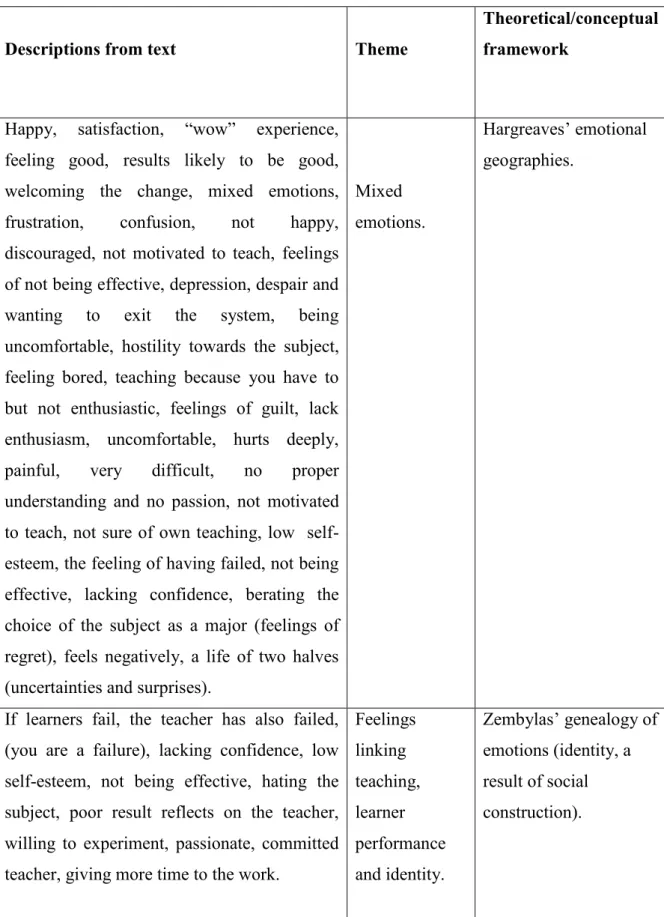
Table 2: Aligning responses to the research questions to the themes and frameworks
Table 3: Aligning the responses to research question no. 2 with the themes and the frameworks
xiii
LIST OF FIGURES
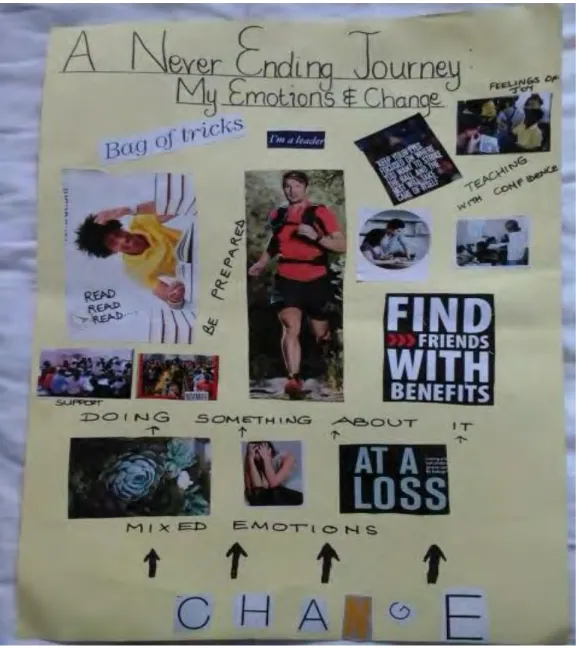
Figure 1: Nhlanhlo’s collage expressing her response to research questions no. 1 and no. 2
xiv
ABBREVIATIONS
C2005 - Curriculum 2005
CAPS - Curriculum and Policy Statements DBE - Department of Basic Education DoE - Department of Education FET - Further Education and Training GET - General Education and Training LO - Learning Outcomes
NCS - National Curriculum Statements OBE - Outcomes Based Education
RNCS - Revised National Curriculum Statements
1
CHAPTER ONE INTRODUCTION
1.1. Introduction
This introductory chapter begins by outlining the purpose of the study, and then describes the rationale and the background of the study. Next, the research questions and the methodological approaches used are described. The chapter concludes with a brief overview of the structure of the thesis and the contents of each chapter.
1.2 Purpose of the study
‘To teach is to be vulnerable ..., to be vulnerable is to be capable of being hurt (Bullough, 2005, p. 23).” Bullough suggests that emotions and teaching are closely linked; teaching opens opportunities for a teacher to be hurt. The purpose of this study is to explore the emotional experiences of teachers when curricular changes are introduced. In particular, the study examines the experiences of Grade 11 Life Sciences teachers. Furthermore, it explores how teachers cope and respond to curricular changes. Teachers find themselves engaging various strategies to ensure that the introduced curricular changes are well received by learners, and that the learners’ performance is not negatively affected.
Teaching is a moral act (Hargreaves, 2001) since teachers are duty-bound to ensure the effective and efficient transfer of knowledge to learners. If the teachers’ purpose of teaching is not met due to the challenges arising from on-going curricular changes, this amounts to a moral failing and it is thus imperative to discover the ways in which teachers cope with and respond to those changes. Teachers have encountered pleasant and unpleasant emotional experiences in their pursuit of teaching during periods of curricular changes; and these experiences shape not only how teachers perform, but who they are.
Considering the fact that we are ‘...socially constructed and reconstructed...’ (Zembylas, 2003b, p. 222), the study will also shed light on how teachers’ emotional experiences affect their identity in the context of a changing environment.
2 1.3 Background to the study
The personal motivation for engaging in this study was the researcher’s own experiences teaching Life Sciences at the Grade 11 level. This was during the period when the newly democratic government in South Africa was trying to bring about transformation in education. Major changes were introduced within the Grade 11 Life Sciences curriculum, with two knowledge areas being added to the curriculum. The two knowledge areas that were introduced were Diversity, change and continuity and Environmental studies. The inclusion of indigenous knowledge systems in all science subjects was another one of the major curricular changes, as was the strengthening of the practical work component (Enduran & Msimanga, 2014). The general pedagogy, content, assessments and methodologies were also reviewed. The syllabus was very long with flexible work schedules and timelines that were not met. Some Life Sciences teachers would teach the Grade 12 syllabus in Grade 11, because they felt that the link between the Grades 11and 12 syllabi was insufficient. Life Sciences teachers were angered, confused and frustrated; but, in the researcher’s experience, these emotional experiences brought them closer as teachers in support of one another. Although Life Sciences teachers generally work in isolation, this anger, confusion and frustration resulted in one positive outcome; it forced teachers out of their boxes and they started “working collaboratively” in clusters (Guskey, 2002; Shulman, 1997). For example, Life Sciences teachers would schedule meetings to discuss the best ways to deal with problematic topics as clusters.
In addition to the experiences and feelings of Life Sciences teachers, a further significant problem was that learners were generally performing poorly in certain themes for example, in the knowledge area of Diversity, change, and continuity (Umalusi & Higher Education South Africa, 2010), which included the challenging subject of evolution in which teachers were not well-versed (Magubane, 2012). The destabilisation of their routines and the large amounts of administrative work required of teachers added to their frustration. Some teachers became resistant to change; they felt discouraged and despondent. In the researcher’s cluster most Life Sciences teachers were not confident with the new amendments, especially the assessment standards and methodologies that were to be employed. Teachers had to rely on workshops run by Subject Advisors, and even these were not always beneficial (Guskey & Yoon, 2009).
3
According to Trigwell (2011), when teachers’ environments are full of uncertainties, this impacts negatively on teaching and learning. Furthermore, teachers will not be able to achieve the desired outcomes of the lessons. This may contribute to a high failure rate and to the inability to successfully implement a number of worthwhile programmes. However, the broader debate in literature indicates that studying teacher emotions has been neglected (Zembylas, 2003b; Sutton & Wheatley, 2003; Keltchermans, 2005; De Villiers, 2011).
Given that reforms in education are inevitable, and teachers are vehicles to bring about the desired changes (Hoadley & Jansen, cited in Varathaiah, 2010; De Villiers, 2011; Carl, 2005; Symeonides, 2013); and having personally experienced negative emotions when curricular changes were introduced, this situation is what motivated the researcher to explore and understand teachers’ emotions upon the introduction of curricular reforms in Grade 11 Life Sciences. Secondly, emotions become visible in one’s actions and language (Van Veen, and Sleegers, 2006). In the researcher’s view, learners sensed up the frustrations experienced by the researcher when teaching those newly introduced areas. As a results-driven person, the researcher became very discouraged when teaching learners new and unfamiliar content, because they would not perform well. As a result, the researcher experimented with a number of strategies to deal with the challenges arising out of the curricular reforms. This motivated the researcher to explore how other Life Sciences teachers cope with and respond to curricular changes.
It is critical therefore to explore phenomena such as teacher emotions which have been overlooked, specifically examining the extent to which teacher emotions are inextricably linked with curriculum reforms. This study is conducted in schools in the Pholela Circuit which falls under the Harry Gwala District of the province of KwaZulu-Natal. These schools are situated in the deep rural areas of the province, where there are a number of significant challenges facing the teaching and learning process, including a lack of teaching materials, under-qualified teachers, overcrowded or multi-graded classrooms and many other contextual factors such as the long distances travelled by learners to reach their schools and the prevalence of poverty in the communities. Regardless of the locality of these schools and their associated difficulties, curricular reforms have to be implemented nationally, and they must be executed in the schools in the Pholela Circuit, just as in any other school in the country.
4 1.4 Rationale of the study
In South Africa, transformation of basic education is taking place at a rapid rate and there is a continued interest in developing a curriculum that will be characteristic of the Constitution of the country (Noack, 2011). With the inception of the new democratic government, a plethora of reforms has characterised the education system. Reading through the literature, it is evident that emotions and teaching are linked to each other (Hargreaves, 2001; Van Veen & Sleegers, 2006; Keltchermans, 2005; Noack, 2011). If emotions influence teaching, it becomes important to explore the links of emotions to teaching. Hence, the purpose of this study is to understand and explore how Life Sciences teachers’ emotions are affected by curricular changes in their subject area in Grade 11 and also how these teachers cope with and respond to curricular changes.
The world is not static and change will always be a necessity; however, change brings about uncertainties. Teachers must therefore be emotionally prepared to respond to curricular changes in order to cope with and respond to the accompanying uncertainties.
The curricular changes in Life Sciences are necessary and important; and this study does not dispute the need for such changes. The study’s focus is to explore the emotional experiences of Grade 11 Life Sciences teachers in regard to the introduced curriculum changes. Curriculum reformers have to be able to acknowledge the “inescapable vulnerabilities” that come with the demands for change (Keltchermans, 2005, p. 1005). As a result, curriculum reformers have to take into account the influence of emotions in the process of implementing curricular changes, and to develop programmes that will attend to teacher vulnerabilities during transition periods.
In contrast to this vulnerability, whilst some teachers may be experiencing negative emotions, others may be finding constructive strategies that can be used to overcome discomforting emotions and transform them into productive behaviours (Zembylas, 2010).
Zembylas (2003b) argues that meaning is socially constructed and reconstructed and the failure to implement reforms may, from the interpretive perspective, be due to the failure to construct and reconstruct meaning socially, in understanding of the policy (Spillane, Reiser & Reimer, 2002). In support of this view Hargreaves (2001), in his theory of emotional geographies of teaching, affirms that the distance between the teacher and his/her physical, moral and professional world, determines the success or failure of the
5
reform initiative which that teacher is expected to implement. De Villiers (2011) argues for the need to understand the complex reason underlying the limited success of well-designed programmes and the reasons why the new methodologies are often not adopted or even attempted.
A further rationale behind this study on the phenomenon of teacher emotions is the identified gap in literature on the concept. Limited research on teacher emotions creates a knowledge gap (Sutton & Wheatley, 2003). Zembylas (2003b) contends that teacher emotions are neglected and their origins are ignored. This study then contributes generally to the limited literature on teacher emotions in relation to curricular changes. It argues for the critical need for curriculum reformers to begin to pay attention to teacher emotions and their effect in the classroom.
A methodological gap is also identified in the studies on teacher emotions (Keltchermans, 2005; Savage, 2004). Studies that have researched the phenomenon of teacher emotion have generally only used semi-structured interviews, life histories and narratives to gather data. This indicates the presence of a gap in the methodology of data collection in studies exploring teacher emotions. It has been mentioned in the literature review that it is not easy to talk about emotions; therefore evocative forms of art need to be employed in collecting data (Furman, Langer & Taylor, 2010). Keltchermans (2005) and Sutton and Wheatley (2003) strengthen this view by arguing that teachers’ emotional practices need critical methodological attention from researchers so as to be able to study the multi- componential nature of teacher emotions. The use of a narrative research design is appropriate; it allows participants to bring to the surface subjective data. According to Sutton and Wheatley (2005), using semi-structured interviews to collect data is not highly effective in eliciting deep seated emotional experiences; which participants do not want to talk about. Multiple data collection strategies therefore need to be employed. Hence, the researcher has opted to use poetry and collage to supplement the semi-structured interviews as data collecting methods. According to Furman et al. (2010) and Butler- Kisber (2008), the use of poems and collages are effective tools to generate the said and unsaid emotional experiences.
According to Carl (2005, p. 228), teachers do not wish to be seen “as mere recipients who are to implement the curriculum in the classroom – they expect to be included in the initial
6
processes of meaningful decision making where their voices are heard.” An implication emanating from this study supporting Carl’s assertion is that teachers feel frustrated when they are not involved in the initial stages of bringing about curriculum reforms.
Conducting this study may also contribute to alerting curriculum reformers of the need for teacher involvement in these primary stages of the development of curricular changes.
One of the reasons behind the constant changes in education is to improve the quality of education. This however requires teachers to be intellectually and emotionally equipped to be able to implement these changes. Giving attention to teacher emotions may mean putting processes and programmes in place to support teachers so that teachers may take care of themselves (Sutton & Wheatley, 2003). Likewise, Zembylas (2003b, p. 213) contends that when teachers are affected by curricular changes during the process of a reform initiative “possibilities for teacher transformation, care and self- knowledge may be opened up”. In other words, the curriculum reformers could create opportunities for self- care and teachers themselves could then take responsibility for their own development, adapting and coping with the introduced reforms.
.
Critical questions
The research questions which the study aims to answer are:
1. What emotions do Grade 11 Life Sciences teachers experience as a result of curricular changes?
2. How do Grade 11 Life Sciences teachers cope with and respond to curricular changes?
1.5 Structure of the thesis
This thesis consists of five chapters. Chapter One is an introductory chapter; outlining the purpose, the rationale and the background of the study, as well as the structure of the thesis. Chapter Two discusses the literature review, interrogating the concept of teacher emotions in relation to curricular changes in Grade 11 Life Sciences. The chapter ends with the conceptual framework that will be used to analyse data. Chapter Three describes the methodology that the study adopts in trying to answer the research questions. The presentation and analysis of data and findings are discussed in Chapter Four. Chapter Five
7
summarises the conclusion and findings and provides recommendations for further research
8 CHAPTER TWO
LITERATURE REVIEW AND CONCEPTUAL FRAMEWORK 2.1. Introduction
The purpose of the study is to explore the emotional experiences of teachers of Grade 11 Life Sciences when curricular changes are introduced. Furthermore, it explores how teachers cope with and respond to these curricular changes. This chapter firstly presents an overview of the curricular changes applied to Grade 11 Life Sciences since of the inauguration of a democratic South African government in 1994. Thereafter follows a review of the literature that displays a link between teacher emotions and curricular changes. This includes literature dealing with educational reforms and teacher emotions as well as with the emotions experienced in the classroom in particular. Emotions in the classroom are impacting on strategies that teachers employ in responding to the curricular changes. The last part of this chapter presents the conceptual framework used to analyse the data collected. In regard to the latter, Hargreaves’ (2001) concept of emotional geographies and Zembylas’ (2003b) theory of genealogy of emotions are adopted since the researcher viewed these to be of particular use in analysing the data collected. The literature drawn from is both international and national and includes works from Australia, the United States of America, China, Malaysia, the Netherlands and Germany. However, South African literature on emotions is very limited and is underpinned by the field of psychology rather than the field of education.
2.2 Emotions vs. feelings
A vast body of knowledge contends that the terms emotions and feelings are most often used interchangeably; whereas they have distinct variances (Damasio, 1998; Ekkekas, 2012; Petinelli, 2014). According to Damasio (1998, p. 84) emotions can be defined as
…a collection of responses triggered from the parts of the brain to the body and from parts of the brain to other parts of the brain, using both the neural and humoral routes. The end result of the collection of such responses is an emotional state defined by the changes within the body-proper e.g. the viscera, internal milieu, sectors of the brain etc.
9
This indicates that emotions are a result of physiological thought processes and are important in that they provide a “basic mechanism for making decisions … [which] affects [the] quality of survival and can help guide the creative process that best characterizes the human mind” (Damasio, 1998; p. 86). As a result, emotions influence behaviour, such as the expression of anger, joy, disgust etc. and this will impact on one’s interaction with the world around one. Neglecting the concept of emotions in research will deprive the learning community of the experience of understanding the role emotions may play in making simple and complex decisions.
As opposed to emotions, feelings originate in the neocortical regions of the brain, and are rational associations with and responses to the emotions (Pettinelli, 2014). Additionally, Damasio (1998, p. 84) defines feelings as the “complex mental state that results from the emotional state, including representations of the changes that have occurred in the body.”
Furthermore, Damasio (1998) contends that feelings impact on ongoing thinking, future planning and behaviour. In addition, feelings are also subjective, being influenced by an individual’s character as well as by their past experiences, beliefs and memories. Hence the same feeling may lead to different responses as a result of their experiences. What is critically important about both emotions and feelings is that they both play a powerful role in how we experience and navigate our world which is full of changes, while they are also the driving force behind our behaviours.
2.2 History of curricular changes in South Africa
The transition to democracy in South Africa in 1994 resulted in significant reforms in all the areas which are key drivers of the country’s economy. Education was one of the priorities that underwent rapid changes. In 1997 Curriculum 2005 (C2005) was introduced.
C2005 was characterised by Outcomes Based Education (OBE) as one of its central features (Harley & Wedekind, 2004) which aimed at rectifying the curricular imbalances of the past. This method of teaching presented a serious challenge to educators because teachers were accustomed to applying learner centred methods, as demanded by OBE (De Villiers, 2011). Jansen (1997) declares that one of the factors that contributed to the failure of OBE, was the methodologies employed. The methodologies were difficult to apply, and teachers were not sufficiently prepared to use learner-centred methods in the classrooms and to implement C2005 (Harley & Wedekind, 2004; Department of Education, 2003).
10
Furthermore, Harley and Wedekind (2004) assert that learner centred pedagogy was difficult to administer in overcrowded classrooms. Teachers perceived the OBE approach to education as being confusing, challenging and problematic, and eventually it had to be scrapped (Mouton, Louw & Strydom, 2012). Furthermore, under-resourced schools were struggling to provide teachers with the materials needed to teach specified topics under the OBE system. According to Umalusi (2009b), OBE required competent, well qualified teachers and well-resourced schools for its success. The outcry about OBE led to the introduction of the Revised National Statement Curriculum Statement (RNCS) from Grade R to Grade 9 in 2008 (Mouton et al., 2012). Mouton et al. further assert that “teachers were ill-prepared and did not receive adequate training” (Mouton et al., 2012, p. 1212).
Hoadley (2011) asserts that the 2008 matriculants (the product of C2005) performed poorly in national and international standardized tests. Hence in 2009 the new Minister of Education called for a review of C2005. This review led to the strengthening of the National Curriculum Statement (NCS) in order to improve teaching and learning with effect from 2012.
According to the Department of Education (2011a), the curricular changes that were introduced to strengthen the National Curriculum Statement (NCS) for Grades 10 to 12 Life Sciences were the following:
o The lessons stipulated the lesson outcomes to be achieved.
o The curriculum was underpinned by the outcomes based approach o A learner-centered and activity based approach to education
o The learning outcomes to be achieved were built on the critical and developmental outcomes and on the assessment standards.
The Life Sciences curriculum was divided into four knowledge areas, namely: Tissues, cell and molecular studies; Structures and control of processes in basic life systems;
Environmental studies; and Diversity, change and continuity.
In addition to the common curricular changes mentioned above, the changes listed below were specifically introduced to Grade 11 Life Sciences. Some of these changes were topics that were moved from the Grade 10 and Grade 12 curricula, which also underwent review, while others were drawn from the Nated 500 topics. Furthermore, different forms of assessments had to be administered by both teachers and learners. Peer assessment, group assessment, self-assessment and educator assessment had to be applied. The assessment methods ranged from observation, test-based assessments and task-based assessments.
11
These changes were implemented in Grade 10 in 2006, in Grade 11 in 2007 and in Grade 12 in 2008. Due to a number of complaints by teachers regarding the methodologies, content, contextual factors and the poor performance of the 2008 matriculants, the Minister of the DoE called for a review of the curriculum. According to the Department of Basic Education (2011b), the National Curriculum Statement was amended, with these amendments coming into effect in January 2012. A single all-inclusive National Curriculum and Assessment Policy Statement (CAPS) was developed for each subject to replace the old Subject Statements, Learning Programme Guidelines and Subject Assessment Guidelines for Grades R to 12.
This National Curriculum Statement for Grades R to 12 had its foundations on the previous curriculum OBE, but also improved on it by providing clearer descriptions of what content knowledge should be taught and learnt on a term-by-term basis (DBE, 2011b). In Grade 11, three out of the previous four knowledge strands were included in the NCS. The content knowledge defined in Life at molecular, cellular and tissue level covered in Grade 10 was henceforth to be employed to understand Life processes in plants and animals in Grade 11.
New topics that were introduced in Grade 11 included: Cytology; History of life;
Biodiversity and classification; Biospheres to ecosystems; Fossil formation and methods of dating; Circulatory system; Anatomy of dicotyledonous plants; Plants and animal tissues;
and Organic and inorganic compounds. Some topics linked back to Grade 7 work, for example Molecules for life. It is likely that learners would have forgotten much of what they had learnt. Human impact is a topic studied in Grade 11, but some of the work linked to this is formally assessed in Grade 12.
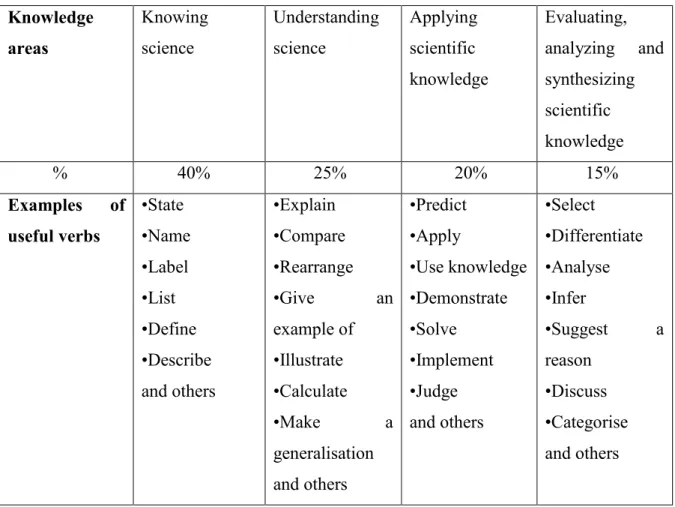
The NCS-CAPS stipulated the topics to teach and specified the concepts to be learnt for each term. It also indicated the concepts to be assessed and put guiding principles in place for setting assessment tasks and for when these concepts were to be assessed. Questions of varied levels of difficulty were to be set, the percentage weighting for each concept was to be acknowledged and different types of assessment tasks, such as projects and practical work were to be used, while the moderation of tasks was to be conducted both internally and externally. Table 1 below highlights the weighting of the knowledge areas for assessments tasks in Grades 10, 11 and 12 Life Sciences.
12
Table 1: Weighting of knowledge areas for the assessment of content in Grades 10, 11 and 12
Knowledge areas
Knowing science
Understanding science
Applying scientific knowledge
Evaluating, analyzing and synthesizing scientific knowledge % 40% 25% 20% 15%
Examples of useful verbs
•State
•Name
•Label
•List
•Define
•Describe and others
•Explain
•Compare
•Rearrange
•Give an
example of
•Illustrate
•Calculate
•Make a
generalisation and others
•Predict
•Apply
•Use knowledge
•Demonstrate
•Solve
•Implement
•Judge and others
•Select
•Differentiate
•Analyse
•Infer
•Suggest a reason
•Discuss
•Categorise and others
Note: Retrieved from Department of Basic Education (2011a).
Teachers are expected to weight their assessment tasks in accordance with the above cognitive demands. When moderating assessment tasks, the Heads of Department (HODs) have to ensure that they are aligned to the above weighting. The programme of assessment indicates how many tasks should be completed in a term and how marks should be allocated. Informal daily assessment tasks could be marked by either the Life Sciences teachers or by learners themselves, but the formal tasks must be marked by the teacher because they are used for progression and certification. However, in the Nated 500 and the NCS, no guidelines were provided for how the tasks were to be marked, especially the projects, assignments and the practical work.
Common papers for Grade 11 Life Sciences that were written at the end of each quarter for all schools were introduced. Generally, learners from former disadvantaged schools were
13
not performing well in these assessments (De Villiers, 2011). These changes impacted negatively on most teachers especially experienced educators who were ill prepared to implement the learner-centred methodologies of teaching (Hoadley, 2011). Darling- Hammond, Chung-Wei, Andree, Richardson, and Orphanos (2009) contend that when teachers are faced with challenges in their practice due to curricular changes, they engage in mutual consultations and on-going support, which are necessary for successful implementation of the reforms. They refer to this as professional learning knowledge in practice. Assessment tasks were set in the Life Sciences clusters for the purpose of standardization. Clusters were groups of teachers teaching the same subjects, who will meet and support each other regarding the content, assessment and methodologies.
Teachers were now forced to function differently and their work was moderated continuously. As noted above, they were grouped into clusters, where they helped fellow- teachers on different topics. It was hoped that these cluster meetings would ease the widespread feelings of confusion which are a recognized part of the experience of curriculum changes (Carl, 2005). Zembylas (2010) argues that when people are experiencing the same kind of emotion, they might be drawn closer to one another for support, for example, people can be united by hatred of a certain phenomenon.
2.3 Educational reforms and teacher emotions
The dawn of democracy in South Africa was accompanied by the need for educational reforms which aimed at redressing the imbalances of the past. Teachers had to be the vehicle for transformation in bringing about the desired changes (Carl, 2005). The literature that was reviewed is based on studies undertaken in Australia, the United States of America, Hong Kong, the Netherlands, Germany and Malaysia, as well as in South Africa.
According to De Viliers (2011) in South Africa, the educational changes were not accepted nor embraced; teachers were frustrated, helpless and angry. Furthermore their routines were destabilized and they were required to do a large amount of paperwork (De Villiers, 2011). Teachers’ programmes had to be followed in accordance with guidelines set out by the curriculum document for assessment, activities specified and the teaching strategies outlined to achieve set objectives (DoE, 2003). The introduction of new topics such as evolution, and the themes of Environmental studies and of Diversity, change and
14
continuity demanded that teachers learn thoroughly before they go and teach. Most teachers were not confident with the new amendments, especially the assessment standards and methodologies that had to be employed. Teachers had to rely on workshops run by subject advisors, which did not always address the pressures that accompany curricular changes. Teacher emotions influence the teacher him/herself and his/her students’
cognition, and behaviours. (Sutton & Wheatley, 2003).
Why do reforms often bring about challenges and negative emotions? According to Van Veen and Sleegers (2006), firstly, these changes come into conflict with the teachers’ daily practices, progress and their orientations. Secondly, they argue that the amount of time and energy that new changes demand from teachers, and also the resulting impact are too great for them to cope with. They further maintain that some teachers resist change due to their beliefs, their own interpretation of the significance or relevance of the changes being made and the specific appraisal of the situation. Zembylas (2010) agrees with Van Veen and Sleegers (2006) that changes bring about discomfort and emotional challenges in trying to adapt to uncertainties. At the same time, some teachers are able to explore ways to move beyond negative emotions, and to develop productive behaviours by finding constructive strategies to cope in the face of changes (Zembylas, 2010). In other words, change may not be frustrating to all teachers and it is useful to explore what causes teachers to respond differently to change.
A review of the literature reveals that in countries such as China, the Netherlands, Germany and the United States of America, research has revealed the interconnectedness between teacher emotions and curriculum change. Findings from a majority of these studies have shown how teacher emotions and identity are affected when curriculum reforms are introduced. In a study carried out by Lee and Yin (2006), a Chinese perspective on teachers’ emotional experiences linked to national curriculum reform was studied. Furthermore, the study examined the factors that shaped how teachers responded towards the reform. This national reform was characterised by the introduction of different resources to be used during teaching and learning, the introduction of new structures at school level to facilitate implementation, as well as the training of teachers (Lee & Yin, 2006). The findings showed that curricular reforms bring about diverse emotions which elicit different behaviours from teachers. Furthermore, the study revealed that interactions between teachers, parents, reformers and students are critical for a successful reform
15
process. This led Lee and Yin (2006) to claim that Hargreaves’ emotional geographies (which are discussed below) do not work in isolation but show interdependence. They suggest that in order for teachers to align themselves with the policies (Hargreaves’
political geography), they need to review their work schedules and follow the specified content (Hargreaves’ moral geography), and ensure that there is increased communication with all the stakeholders (Hargreaves’ physical geography).
Becker, Keller, Goetz, Frenzel and Taxer (2015) conducted an investigation to explore the link between classroom conditions, teachers’ appraisals and teacher emotions and specifically to examine the role of teachers’ appraisal in the relationship between classroom conditions and teachers’ emotions. Their findings reveal that if the interactions between students and teachers are positive and pleasing, the emotions may be used as a resource the teacher can draw from and benefit from. Student motivation is also influenced by the characteristics of the teacher or the class (Becker et al., 2015). This implies that if the teacher’s emotional experiences are positive, then learning and teaching becomes successful. Furthermore, positive emotional experiences will influence positive emotional responses (Becker et al., 2015). In addition, a study conducted by Van Veen and Sleegers (2006), aimed to understand how teacher’s identity can be affected in the context of curricular changes. The emotional experiences of the reform of a Dutch secondary school teacher was analysed to explore how these emotional encounters of enthusiasm for the reform, anxiety, anger, guilt and shame affected the teacher’s work in the school. Their findings indicate that teachers are enthused about reforms that improve their pedagogy and content knowledge; reforms which make them better teachers and develops them professionally (Van Veen and Sleegers, 2006). However, feelings of anxiety, anger and guilt are experienced if teachers are overwhelmed with the work, restricting work schedules and a lack of collegial, management and departmental support. According to Steinberg (2013) one of the areas that raise strong emotions among teachers is assessment.
She further contends that teachers experience emotions ranging from panic, guilt, disappointment, self-doubt and anxiety when learners are being assessed. These emotions are attributed to the departmental demands which undermine and alienate teachers.
However, when learners perform well in their assessments, positive emotions motivate teachers to continue performing well. This study indicates that emotions are an intricate and an integral part of teaching, hence more attention must be given to the phenomenon of
16
emotion in education. Furthermore, this study shows that curricular reforms affect how teachers perceive their personal and professional identity and self-worth.
A South African study conducted by Naidoo (2014), examining HIV and AIDS education, focussed on how the subjectivities and emotionality of the teachers are linked to teaching about HIV and AIDS. The country has been hard hit by the pandemic and teachers share different emotional experiences themselves; if not infected they are affected (Naidoo, 2014). Findings reveal that teachers bring diverse experiences in relation to HIV and AIDS; and as a result of these wide-ranging experiences, teachers’ personal and professional lives are influenced. As a consequence, teachers position themselves at various angles to their students when teaching about HIV and AIDS education. However, Naidoo (2014) suggests that these varied subjectivities do not stop teachers from creating platforms in the classrooms to share knowledge, increase knowledge about the pandemic and inculcate values in the classroom to manage HIV and AIDS. One of the major findings concerning teacher emotions made by Naidoo (2014, p. 228) is that “emotions influence their practice when teaching about sensitive issues related to HIV and AIDS.” She further postulates that it is difficult to hide these emotions; they simply emerge in the classroom.
Although the case of HIV and AIDS may be a topic particularly prone to emotional responses, Naidoo’s study affirms what Hargreaves (2001) and Zembylas (2003b) contend:
that teaching is indeed an emotional practice. This suggests that teaching and emotions are linked. Teachers may find joy when they are able to teach their students but may experience feelings of sadness when they deal with sensitive topics. However, teachers need to seek ways to ensure that teaching is prioritised regardless of their emotional experiences.
Among a growing number of studies in South Africa that explored emotion, Naidoo (2012) has conducted a study to understand the relationship between teacher identity and pedagogic practice against the background of the curricular reform. Zembylas (2003b, 2010) maintains that identity is constructed by experiences and social interactions. Naidoo (2012) shows that emotions and identity are interwoven. Teacher emotions may influence how a teacher perceives him/herself. It can therefore be concluded that how teachers respond to curricular changes is dependent on their context and identity which determines the degree to which they accept understand the reform. This in turn impacts on how proactive or resistant teachers choose to be due to their own grasp of the changes (Naidoo,
17
2012; Keltcherman, 2005). According to Naidoo (2012) her findings show that in the various research contexts where she undertook her study, these different settings influence how teachers respond to curricular changes. However, despite the contextual factors, she concludes that “…every teacher’s practice is the intent that learner emerging from the [Further Education and Training]… band must have access to, and succeed in, lifelong education and training of good quality; demonstrate an ability to think critically…” (DoE, 2011b cited in Naidoo, 2012). This indicates that regardless of how adverse conditions may be during the transition phases, teachers are generally committed to ensuring successful teaching and learning and through enabling them to have a better understanding of any changes, they will work to see that the set standards are met.
2.4. Emotions in the classroom
Teaching, being a moral act, comes with certain emotional responsibilities towards the learners, colleagues, the school, the wider community and the teacher him/herself. When a teacher has not met the expectations of above mentioned stakeholders in the system, he or she feels that they have let these stakeholders down. These emotions impact on teaching and learning in the classroom (Carl, 2005; Keltchermans, 2005, Trigwell. 2011).
According to Sutton and Wheatley (2003, p. 338-341), “teachers who are frustrated, are less intrinsically motivated and they may attempt to mask these feelings but students are aware of teachers’ emotions and are influenced by teachers’ expression of negative emotions.” Additionally, Trigwell (2011) states that when the teacher’s focus, memory, thought processes and their problem solving skills are divided, activities to be carried out are affected. This means that teaching and learning is affected when teachers are emotionally unstable. However, he further asserts that it is difficult to prove a clear link between teacher motivation and emotions.
Teaching is also a product of power play where the teacher exerts his/her authority on learners (Zembylas, 2003a). In turn, the departmental authorities also assert their power over teachers, for example when instituting curricular changes. When teachers feel that reforms which they do not like or understand are imposed on them and they have to conform to these new rules, feelings of powerlessness are experienced and this leads to a sense of personal inadequacy (Zembylas, 2003b). In other words, if teachers feel their power and authority are taken away from them, this lowers their confidence and self-
18
esteem. Hargreaves (2001, p.1060) asserts that “… emotional misunderstanding strikes at the foundations of teaching and learning…, lowering standards and depressing quality.”
This raises an area for exploration, which the current study is investigating. How can teachers provide and maintain quality service standards as articulated in the CAPS document (DoE, 2011a), if emotional negativity arising from the imposition of the numerous new regulations impacts negatively on teaching and learning? Does this imply that if changes are not simply imposed from the upper structures without prior discussions and on-going support, that teachers will gladly embrace reforms? Darling-Hammond et al.
(1994) affirm that teacher consultation, ownership and understanding of reform are necessary mechanisms for successful reform programmes and their execution.
De Villiers (2011) conducted a study on student teachers studying toward teaching Grades 10 to 12 Life Sciences under OBE, who had been learners when OBE was introduced. The aim was to explore their experiences in relation to Life Sciences curricular reforms. It was found that the majority of student teachers had difficulty with the following focus areas:
Micro-organisms and their diseases; Population studies; and Diversity, change and continuity. This indicated that teachers were unprepared to teach the new Life Sciences curriculum. Their subject content knowledge was questionable and they were not confident (De Villiers, 2011; Umalusi & Education in South Africa, 2010). However, in this study, interviews were used as a data collection instrument, which may not be effective when researching emotions. Employing interviews in conjunction with other tools of artistic expression could have led to great effectiveness in exploring emotions (Furman et al., 2010; Leavy, 2009)
The present study contributes to knowledge on teacher emotions and curriculum reforms to understand how a teacher with negative emotions can be a barrier in the classroom which may result in the development of programmes addressing issues of teacher emotions and identity. De Villiers (2011) claims that such investigations may help researchers to gain clarity on the question of the unexpected limited success levels of programmes with high potential and the non-implementation of new methodologies.
A gap has been identified in researching teacher emotions (Sutton & Wheatley, 2003).
Furthermore, Zembylas, (2003b) maintains that emotions are neglected and their origins are ignored. Education reformers will have to start paying attention to teacher emotions
19
and its effect in the classroom in order for their reforms to be productively implemented.
Noack (2011, p. 44) maintains that “teachers’ actions, verbal expressions, and behaviours act like a mirror to reflect teachers’ beliefs.” These beliefs impact on their ability to understand reforms and make positive decisions to implement transformation with success.
In other words, this means that the success or failure of reform initiatives depends on how the reform is interpreted. In support of this view, it is stated that teachers are enthusiastic to undergo changes and accept the need for self- improvement if it is to the benefit of their students (Guskey, 2002; Zembylas, 2003b). This is highlights that the teacher’s perception, which is a factor linked to his/her emotions, is significant to the successful implementation of educational reforms.
When there are educational changes, it is evident that classrooms become fields of frustrations, uncertainties and discomfort. The empirical studies cited above share common features with my study in that teacher emotion have been explored, together with their influence on teaching and learning. Furthermore, these studies reveal that teacher emotions cannot be ignored and their influence in the classroom may not be underestimated.
It is noticeable that the literature reviewed has a contextual limitation. Despite the contention that teacher emotions are under-researched, countries such as Australia, the United States of America, China, the Netherlands, Germany and Malaysia have a sizeable amount of literature. However, in South Africa the literature is far more limited and tends to be linked directly to the field of psychology. There is a particular dearth of studies on teacher emotions among educators of Life Sciences, and in the context of curricular changes.
2.5. Theoretical framework
The data analysis procedure of the present study is guided by Hargreaves’ (2001) conceptual frameworks of emotional geographies and by Zembylas’s genealogy of emotions. The researcher draws from Hargreaves’ (2001, p. 1061) conceptual framework of emotional geographies of teaching, which he describes as
20
the pattern of closeness and or distance of human interactions or relationships that help create or configure and colour the feelings and emotion about ourselves, our world and each other.
This conceptual framework assists the present study in responding to the first research question, which seeks to understand from the teachers’ viewpoint how they have emotionally experienced curricular reforms. The genealogy of emotions described by Zembylas (2003b) will assist this study to answer the second research question, which seeks to understand how teachers have coped with and responded to curricular changes.
2.5.1. Emotional geographies
Hargreaves’ (2001) conceptual framework of emotional geographies is rooted in social construction which emphasizes forms of distance and closeness in people’s interactions or relationships that support or threaten basic emotional bonds and understandings.
Hargreaves outlines five emotional geographies of distance namely, moral, professional, physical, socio-cultural and political distance. The researcher adopts all five emotional geographies to analyse the data in the present study.
According to Hargreaves (2001) the moral distance is described as the distance that is maintained when teachers achieve their goals or purpose. In such situations, they experience positive emotions; feeling happy and satisfied with themselves. Furthermore, under such conditions, they would want to try something new and take risks because of their successful experiences, which enhance their confidence (Mukeredzi, 2014).
The professional distance described by Hargreaves (2001) is the distance or closeness between the teacher and the instructional knowledge, expertise and the professional judgements. A teacher perceives him/herself as well-versed in his/her subject. When teachers are questioned about their practices and feel that they are not professionally trusted by parents, learners or other teachers, then negative feelings are experienced.
Teachers would then retreat and, among other things, resist curricular changes. However, if the relationship between teachers as colleagues, and between teachers and departmental officials are good, then teachers are willing to involve themselves and to work hard to
21
implement curricular changes. There are however teachers who, despite professional neglect, manage to pull through for the benefit of the learners.
The physical distance is described as the degree of proximity, intensity, frequency and continuity in interactions, which create certain emotions and reactions. During the implementation of a reform initiative, the relative closeness or distance of people - in terms of their physical distance as it is understood by Hargreaves - may result in varied behaviours and responses to the changes. Hargreaves (2001, p. 1062) further contends that the “emotional geographies of human interactions are not only physical. We can feel distant from the people right next to us, yet close to loved ones who are mile away.” As a result, teachers in the same school, teaching within the same subject, may have different emotional experiences due to the subjective nature of emotions.
“Teachers are socio-culturally distanced from many of their students and their families.”
(Hargreaves, 2001, p. 1062). Culture is evolving and consequently the cultures of teachers and the students, as well as parents, differ. In the same vein, Zembylas (2003b) contends that in a given society, there will be cultural structures which predict socially acceptable behaviours. These socio-cultural behaviours and differences result in teachers, parents, and learners not understanding each other. As a consequence, this incomprehension may lead to a biased and stereotyped perception about each other. When parents don’t support their children, teachers make assumptions as to the causes for their inactive role in their children’s school life (Zembylas, 2010; Hargreaves, 2001). This distance that is created between teachers, learners and the parents due to their socio-cultural differences, Hargreaves (2001) refers to as the socio-cultural distance.
“Emotions are bound up with people’s experiences of power and powerlessness”
(Hargreaves, 2001, p. 1072). This may mean that when teachers are given an opportunity to be part of decision making in matters regarding curricular changes, their emotions will be affected in different ways. Zembylas (2003b) conceptualises emotions as a discourse, and defines emotions not only as personal, psychological or social experiences but also as political experiences. This implies that how one’s workplace is managed, controlled and directed will influence how one responds to any reforms introduced. Hargreaves (2001) further postulates that when teachers claim that their powers have been reduced, they become anxious and fearful. However, if their position has been given more power,
22
feelings of happiness are experienced. In schools when teachers are led by principals who are not supportive and who are authoritarian, teachers experience feelings of powerlessness. Keltchermans (2005) affirms that teacher emotions cannot be separated from the issues of power and politics because teacher emotions direct the teacher’s capacity to achieve what they feel is good teaching, regardless of what is prescribed by policy.
This view helps to explain how teachers feel when curricular changes are effected and how emotions are constructed when teachers are interacting with their environment (their world) which is characterised by reforms. It also helps in analysing teachers’ responses to change.
2.5.2. The genealogy of emotions
Genealogies of teachers’ emotions describe events, objects, and persons and the relationships among them... and the ways in which these emotions are experienced in relation to the teacher-self (individual reality), the others (social interactions) and the school culture in general (socio-political context) (Zembylas, 2003b, p. 83).
Zembylas (2003a; 2003b) contends that emotions result from the interactions between teachers and their environment. If teachers achieve their goals, and they get a positive response in their engagement with learners, parents and other colleagues; they then become encouraged and experience positive emotions.
According to Zembylas’ conceptual framework (2003b), the individual reality describes how teachers experience and express emotions, the social interactions describe how teachers engage with their emotions in their social interaction with others, while the socio- political context shows how issues of power and culture influence the relationship between teachers, learners and their school environment. The socio-political context describes how the social and cultural influences shape teachers’ emotions, and also influences how teachers respond to and cope with curricular changes. The socio-political context may also encompass the school rules, policies and the norms of the school (Naidoo, 2014). The three levels of this framework are used in this study to examine the influence of teacher emotions on how teachers adapt and respond to curricular changes in their teaching.
23
Furthermore, Zembylas’ framework of the genealogy of emotions outlines how “teachers’
emotions can become sites of resistance and self-transformation” (2003b, p. 213). This implies that teachers are prompted to display certain appropriate and inappropriate behaviours – the latter can be seen as resisting implementing curricular reforms. In some instances, teachers respond to curricular reforms as opportunities for empowerment and self-development. In other words, “emotional rules serve to control and regulate the emotional expressions of teachers” (Naidoo, 2014, p. 57). Teachers’ behaviours are guided by emotional rules; hence some of the responses will be viewed as inappropriate. In this study, the researcher adopts Zembylas’ genealogies of emotions in teaching as a suitable framework to examine, understand and analyse how the individual realities, social interactions and socio-political context influence teachers’ responses to curricular changes in Grade 11 Life Sciences teaching. Zembylas genealogies of emotions therefore assist in answering the second research question of the study.
2.6. Conclusion
This chapter described the history of curricular change in South Africa and outlined teacher emotions in relation to these reforms. Furthermore, the chapter explored international and (more limited) South African literature on teachers’ emotional experiences, their response to curricular changes and the influence their emotional experiences have on their teaching. Factors which may bring about positive emotional experiences were discussed, for example, teachers being active participants in the reform initiatives. Factors that make teachers resist change, were also discussed. The second part of the chapter presented the conceptual and theoretical frameworks that will be used as a tool to analyse the data in the present study. Hargreaves’ theory of emotional geographies and Zembylas’ theory of genealogy of emotions are outlined in this regard. The chapter highlighted that it is therefore crucial that curriculum reformers take into cognisance that change affects teachers’ emotions and that emotions play a central role in their teaching practice. As stated, changes are inevitable and teachers will have to find positive self-care strategies to help themselves to adapt positively to educational reform. The following chapter describes the research design and methodology of this study.
24
CHAPTER THREE
RESEARCH DESIGN AND METHODOLOGY 3.1. Introduction
The aim of this study is to explore the emotional experiences of Grade 11 Life Sciences teachers as a result of curricular changes. In addition, this study aims to examine how teachers cope with and respond to curricular changes. Chapter Three discusses the research design and methodology employed in this study. The chapter begins with a discussion of the interpretive paradigm and narrative inquiry. It then outlines the tools and strategies used to collect data and the sampling techniques. Next it documents the methods employed to analyse data collected in the study. To conclude, the ethical considerations, trustworthiness and dependability issues as well as the limitations of the study are discussed. The research design and methodology is geared to answer the study’s research question guiding this study, namely:
1. What emotions do grade 11 Life Sciences teachers experience as a result of curricular reforms?
2. How do grade 11 Life Sciences teachers cope with and respond to curricular changes?
3.2. Research paradigm
This study is located within the interpretive paradigm. The interpretive paradigm allows
the researcher “to understand the subjective world of the human experience” (Cohen, Manion & Morrison, 2011, p. 22). Furthermore, the interpretive paradigm is a tool with
which to uncover the fundamental set of beliefs which guide the action of a person or persons (Creswell, 2009). The interpretive paradigm creates an opportunity for the teachers to share their feelings and experiences, as well as to provide interpretations of their actions (Ndemuweda, 2011). The viewpoint of the teachers is crucial. As a qualitative study, this research seeks to provide an in-depth understanding of teachers’ emotional experiences when curricular changes are implemented in Grade 11 Life Sciences and how teachers