1 UNIVERSITY OF KWAZULU-NATAL
Factors affecting intention to buy organic personal care products: a comparison of generations X & Y in Cape Town
By:
Mbali Noluthando Mhlamvu 214566599
A dissertation submitted in partial fulfilment of the requirements for the degree of Master of Commerce in Marketing - Coursework
School of Management, Information Technology, and Governance College of Law and Management Studies
Supervisor: Dr Sanjay Shantilal Soni
Pietermaritzburg
2021
2
Abstract
Organic personal care products are deemed to provide more benefits to consumers and the environment, with the provision that manufacturers have ensured a rigorous certification process.
In previous studies, research on organic consumption has placed a significant amount of focus on organic food in comparison to organic cosmetics. A gap in knowledge exists in understanding the consumers underlying motivations to purchase organic personal care products versus conventional products, more so in the South African market. The purpose of this paper is to research the factors affecting the intention to buy organic personal care products among generation X and generation Y in Cape Town.
A conceptual framework integrating the Theory of Planned Behaviour, Kim and Chung’s consumer values, and Chen’s green trust metric has been developed and applied for this study.
For this, a quantitative online survey using Google Forms was distributed to a sample of 150 respondents, which generated 123 valuable responses for further analysis. Descriptive statistics were conducted to display frequencies and mean of the study’s variables. Cronbach’s alpha scores for all variables were all above the acceptable reliability criteria of r=.06, which indicated they all capture the same underlying construct. Thereafter, principal component analysis was conducted to pinpoint the item with the largest variance on an underlying construct.
From the findings, environmental consciousness was the consumer value that significantly influenced consumer attitudes, for both generation X and Y. For generation X, subjective norms had the strongest influence towards purchase intention, whereas for generation Y, the findings revealed that consumer attitudes were significant and positively influenced purchase intention towards organic personal care products. This study provides tangible insights to environmentalists and marketers of green products on ways of effectively conveying their green message to the intended target market in South Africa. As the study focused on generation X and generation Y, a combination of those actively and not actively engaged in environmental practices and issues; future researchers could consider a nationwide survey covering samples from other generation groups who are actively organic cosmetic purchasers.
3
Declaration
I, Mbali Noluthando Mhlamvu, declare that
(i) The research reported in this dissertation, except where otherwise indicated, is my original research.
(ii) This dissertation has not been submitted for any degree or examination at any other university.
(iii) This dissertation does not contain other persons’ data, pictures, graphs or other information unless specifically acknowledged as being sourced from other persons.
(iv) This dissertation does not contain other persons’ writing unless specifically
acknowledged as being sourced from other researchers. Where other written sources have been quoted, then:
a) their words have been re-written, but the general information attributed to them has been referenced;
b) where their exact words have been used, their writing has been placed inside quotation marks and referenced.
(v) Where I have reproduced a publication of which I am an author, co-author or editor, I have indicated in detail which part of the publication was actually written by myself alone and have fully referenced such publications.
(vi) This dissertation does not contain text, graphics or tables copied and pasted from the Internet unless specifically acknowledged, and the source being detailed in the dissertation and in the References sections.
Signature:
Date: 27/02/2022
4
Acknowledgements
I would like to take the opportunity to thank the University of KwaZulu-Natal in allowing me to complete my degree with support from the administrative team and lecturers. A special thank you to my supervisor, Dr Sanjay Soni, for guiding me along the way and ensuring I produced the best set of work.
I would also like to express a special appreciation to my family. Special mention to my mom, dad and nephew. You have been very understanding of the time dedicated to school and have supported me on the journey, so thanks for being my rocks!
Another appreciation for my friends and colleagues for your helpful advice and encouragement during my studies. Also, appreciate the individuals who willingly partook in this study and the value you provided.
Lastly, I would like to thank the almighty for the strength and endurance to pursue my studies with great health during such a strenuous time globally.
5
Table of Contents
Abstract ... 2
Declaration... 3
Acknowledgements ... 4
Chapter 1: Introduction and Study Background ... 9
1.1. Background and Motivation for the Study... 9
1.2. Research Problem ... 10
1.3. Research Aims and Objectives ... 11
1.4. Research Questions ... 12
1.5. Significance of the Study ... 13
1.6. Limitations of the Research ... 13
1.7. Delimitations of the Research ... 13
1.8. Chapter Outline ... 14
1.9. Conclusion ... 15
Chapter 2: Literature Review ... 16
2.1. Introduction ... 16
2.2. Understanding Consumer Behaviour ... 16
2.3. Green Consumption ... 17
2.4. Generational Cohorts X and Y ... 20
2.5. Organic Personal Care Products ... 22
2.6. Organic Cosmetic Certification ... 29
2.7. Theoretical Framework ... 30
2.7.1. Purchase Intention ... 30
2.7.2. Yeon Kim and Chung Model ... 32
2.7.3. Theory of Planned Behaviour ... 34
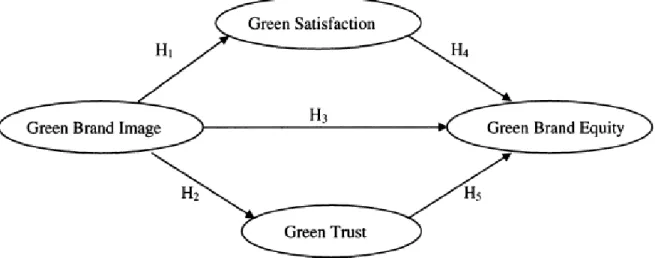
2.7.4. Chen’s Drivers of Green Brand Equity: Green Brand Image, Green Satisfaction, and Green Trust Research Framework ... 38
2.8. Conceptual Framework ... 40
Chapter 3: Research Methodology ... 42
6
3.1. Introduction ... 42
3.2. Research Design ... 42
3.3. Target Population ... 43
3.4. Sample Size and Sampling Method ... 43
3.5. Data Collection ... 44
3.5.1. Data Collection Instrument ... 44
3.6. Data Quality Control ... 47
3.7. Data Analysis ... 48
3.8. Ethical Considerations... 48
Chapter 4: Findings & Analysis ... 50
4.1. Introduction ... 50
4.2. Demographics ... 50
4.2.1. Gender ... 50
4.2.2. Ethnicity ... 51
4.2.3. Education ... 51
4.2.4. Income... 52
4.2.5. Generational Cohort ... 52
4.3. Descriptive Statistics ... 53
4.4. Reliability and Validity ... 55
4.5. Correlation Analyses ... 58
4.6. Regression Analysis Assumptions ... 60
Chapter 5: Discussion of Findings ... 64
5.1. Introduction ... 64
5.2. Findings Relating to Objectives ... 64
Objective 1: Subjective Norms ... 64
Objective 2: Consumer Attitudes ... 65
Objective 3: Perceived Behavioural Control ... 66
Objective 4: Health Consciousness ... 66
Objective 5: Appearance Consciousness ... 67
7
Objective 6: Environmental Consciousness... 67
Objective 7: Green Trust ... 68
Chapter 6: Recommendations, Limitations, and Final Conclusion ... 70
6.1. Introduction ... 70
6.2. Recommendations ... 70
6.3. Limitations ... 72
6.4. Future Research ... 73
6.5. Final Conclusion ... 74
7. Reference List ... 75
8. Appendices ... 82
Appendix 1: Questionnaire ... 82
Appendix 2: Informed Consent ... 89
Appendix 3: Ethical Clearance ... 92
Appendix 4: Generation X and Y descriptive statistics ... 93
8
List of Tables
Table 4.1: Gender of Respondents ... 50
Table 4.2: Ethnicity of Respondents ... 51
Table 4.3: Education of Respondents ... 51
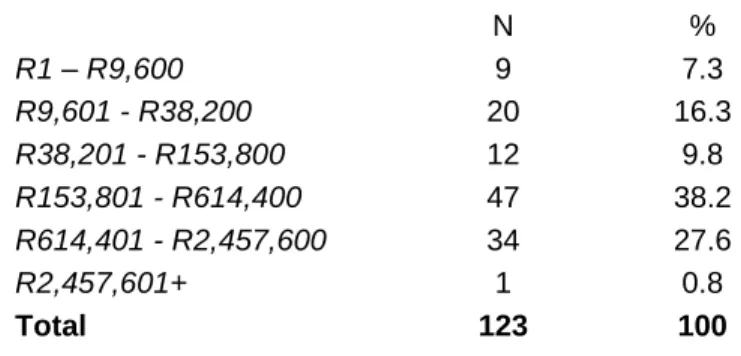
Table 4.4: Income of Respondents ... 52
Table 4.5: Respondents by Generation ... 52
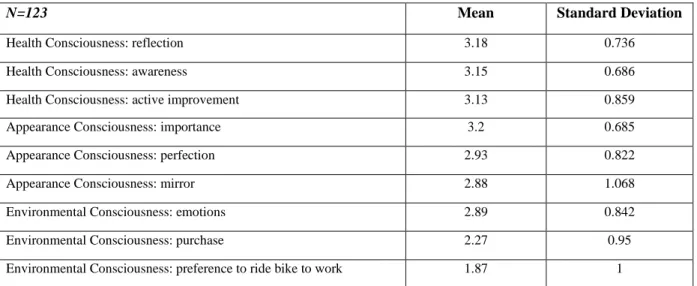
Table 4.6: Descriptive Statistics of Items on Consumer Values ... 53
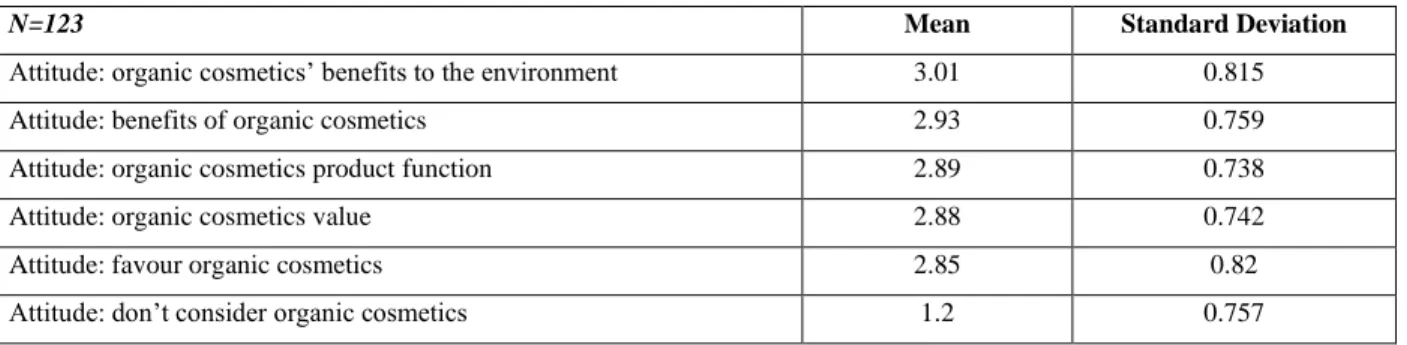
Table 4.7: Descriptive Statistics of Items on Consumer Attitudes ... 53
Table 4.8: Descriptive Statistics of Subjective Norm Items ... 54
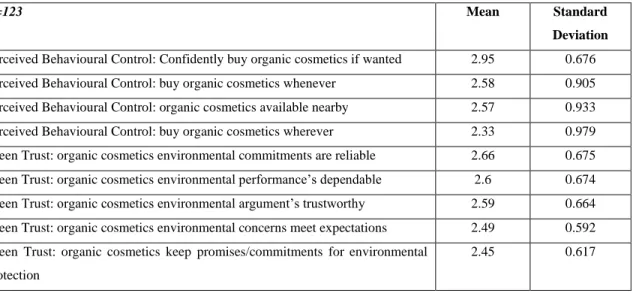
Table 4.9: Descriptive Statistics of Perceived Behavioural Control and Green Trust Items ... 54
Table 4.10: Descriptive Statistics of Purchase Intention Items ... 55
Table 4.11: Cronbach’s Alpha and Principal Component Analysis ... 55
Table 4.12: Correlation Analysis for Generation X ... 59
Table 4.13: Correlation Analysis for Generation Y ... 59
Table 4.14: R2 of Consumer Values ... 61
Table 4.15: Multiple Linear Regression Analysis for Generation X and Y ... 61
Table 4.16: Consumer values regression coefficients for generation X ... 61
Table 4.17: Consumer values regression coefficients for generation Y ... 61
Table 4.18: Regression coefficients for generation X ... 62
Table 4.19: Regression coefficients for generation Y ... 62
Table 4.20: Summary of Hypotheses ... 62
Table 4.21: Descriptive Statistics per Generation ... 92
List of Figures
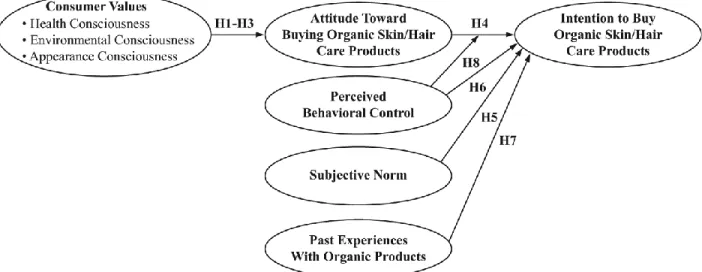
Figure 2.1: Research model of Yeon Kim & Chung’s Consumer purchase intention for organic personal care products (2011) ... 32Figure 2.2: Research model of Ajzen Theory of Planned Behaviour (1991) ... 34
Figure 2.3: Research model of Chen’s Drivers of Green Brand Equity (2010) ... 38
Figure 2.4: Conceptual Research Model ... 40
9
Chapter 1: Introduction and Study Background
1.1. Background and Motivation for the Study
South African consumers continue to grapple with poverty, unemployment, societal and gender inequalities. These challenges emerge from innate failures erupting from governance and macroeconomic insights in the country (Price Waterhouse Coopers, 2012). In overcoming these volatilities, a green economy presents opportunities that allow economic prosperity and sustainable development for current and future generations. The growing trend of health and environmental consciousness has contributed to the rise in individuals leading wellness-oriented lifestyles (Jones & Muller, 2016). In cosmetics, organisations are continually looking for new ways to present their offerings to gain more significant value share in the highly competitive yet innovative industry.
Personal care products contribute to an individual's physical appearance and wellbeing. Matic and Puh (2015) make inferences on the positive correlation between organic food consumption and consumer attitude towards natural cosmetics. This study's primary objective will be to determine factors that influence the intention to purchase organic personal care products amongst generation X and generation Y in Cape Town. Various authors present organic personal care products as a sector that makes up a significant number of sales in markets such as the United States of America (USA), Malaysia, and Europe (Fauzi & Hashim, 2015; Yeon Kim & Chung, 2011). Therefore, this research will present a deep dive into the consumer behaviour and level of awareness of this product category and explore the opportunities presented by the organic personal care products industry in South Africa to provide recommendations. Using the Theory of Planned Behaviour, the researcher will assess the influence perceived behavioural control, health consciousness, subjective norms, consumer attitudes, and green trust have on consumers' purchase intention towards organic personal care products.
For this research, personal care products are categorised into five segments: skincare, haircare, decorative cosmetics, fragrances, and toiletries. According to Ansoger-Schumacher and Thum (2012), these segments are broken down as per the following:
• Fragrances include perfumes, deodorants, eau de parfum, and eau de toilette;
10
• Decorative cosmetics include lip care, make-up, nail polish, self-tan sprays/lotions;
• Skin care includes body lotions, scrubs, roll-ons, facial creams, shaving cream, sunscreen, and insect repellents;
• Hair care includes shampoos, treatment products, conditioners, chemical dye; and
• Toiletries include shower gels, bath soaps, bath additives, mouth washes, and toothpaste.
Organic cosmetic marketing, product positioning, personal care product pricing, and effective promotions remain imperative to maximise sales and profits (Matić & Puh, 2016). Providing consumers with knowledge that assures them all cosmetic compliance requirements are met for advertising and labelling cosmetic products provides necessary disclosure of ingredients and safety of the content. According to Bom, Jorge, Ribeiro, Marto (2019), some of the advantages of consuming organic personal care products include preventing premature ageing of the skin, providing the body with rich skin nutrients, safety, gentleness skin, and an environmental- friendly product.
In a Malaysian research study published by Yeon Kim and Chung (2011), consumers displayed behavioural intentions to understand the benefits of organic cosmetics – with a significant number of respondents mentioning affordability as the prime barrier to purchasing organic cosmetics. They found that Malaysian consumers' purchasing decisions were mostly influenced by the price and not only by the benefits derived from consumption. In South Africa, finding organic personal care products was previously a challenge due to limited demand and purchase channels for the products, but that did not disregard consumers' want of products that are environmentally friendly. This instead created an opportunity for local manufacturers to produce offerings with healthy and natural nutrients with the essential extracts, using channels convenient for consumers. The study will delve deeper into motivational factors influencing generation X and generation Y's behavioural intention to purchase organic personal care products. It will also outline what criteria consumers find significant in their decision of purchasing organic personal care products using the Theory of Planned Behaviour (TPB) model.
1.2. Research Problem
A significant number of consumers have a growing desire to improve their looks and sustain a
11 youthful look, thus have gravitated to the consumption of environmentally friendly personal care products. Consumers become prone to purchasing these products as organic personal care products do not consist of petroleum, aluminium or micro plastic and are produced using less severe ingredients than the conventional substitutes (Adels, 2018). In South Africa, there is limited research about organic consumption in comparison to the vast literature found on the subject in international markets. Specifically, in the body of knowledge on personal care products, where a significant amount of South African literature is on conventional foods and personal care products, with a not-so-great focus on organic (Mkhize, 2017; Yadav & Pathak, 2016). A gap in knowledge exists in understanding the drivers motivating consumers to purchase organic personal care products and the key compelling factors for consumers to purchase organic versus conventional products among the generation X and generation Y in Cape Town.
1.3. Research Aims and Objectives
The study will seek more knowledge on what consumers understand about the benefits sought from organic personal care product consumption, and the values that influence their purchase intention in the product category. This dissertation aims to understand consumer perceptions of organic personal care products and compare findings of both generation X and generation Y, using the Theory of Planned Behaviour. Thus, this requires an analysis of the topic, “Factors affecting intention to buy organic personal care products: a comparison of generations X & Y in Cape Town”. Based on this topic, the proposed objectives for the study are.
1. To assess the impact subjective norms have on the purchase intention towards organic personal care products amongst generation X and generation Y in Cape Town;
2. To identify the influence consumer attitudes have on purchase intention towards organic personal care products amongst generation X and generation Y in Cape Town;
3. To evaluate the influence of perceived behavioural control on the purchase intention towards organic personal care products amongst generation X and generation Y in Cape Town;
4. To determine the influence of health consciousness on consumer attitudes in the purchase of organic personal care products amongst generation X and generation Y in Cape Town;
12 5. To determine the influence of appearance consciousness on consumer attitudes in the purchase of organic personal care products amongst generation X and generation Y in Cape Town;
6. To determine the influence of environmental consciousness on consumer attitudes in the purchase of organic personal care products amongst generation X and generation Y in Cape Town;
7. To investigate the role of green trust on the purchase intention towards organic personal care products amongst generation X and generation Y in Cape Town.
1.4. Research Questions
In understanding the research problem, directly related questions assist in investigating what the study wants to achieve. Currently, literature exists on the global trends of organic personal care product consumption, but not on the African scale and its consumer purchasing patterns, specifically to the South African market. Below are the formulated questions that will aid in the market research of the beauty industry:
1. What impact do consumer subjective norms have on the purchase intention towards organic personal care products amongst generation X and generation Y in Cape Town?
2. What extent does consumer attitudes influence purchase intention towards organic personal care products amongst generation X and generation Y in Cape Town?
3. What impact does perceived behavioural control have on the purchase intention towards organic personal care products amongst generation X and generation Y in Cape Town?
4. What level of influence does health consciousness have on consumer attitudes in the purchase of organic personal care products amongst generation X and generation Y in Cape Town?
5. What level of influence does appearance consciousness have on consumer attitudes in the purchase of organic personal care products amongst generation X and generation Y in Cape Town?
6. What level of influence does environmental consciousness have on consumer attitudes in the purchase of organic personal care products amongst generation X and generation Y in Cape Town?
13 7. What impact does green trust have on purchase intention towards organic personal care products amongst generation X and generation Y in Cape Town?
1.5. Significance of the Study
Maggioni, Montagnini, and Sebastiani (2013) conducted research and found that the market share of organic personal care products is growing but is still significantly lower compared to that of conventional personal care products. This study has therefore been imperative to evaluate the different factors that influence the purchase intention towards personal care products as well as the characteristics of the organic cosmetics consumer from generations X and Y in Cape Town, South Africa. Whilst this study aims to extend on the body of knowledge in this research subject, it also hopes to advise environmentalists and marketers on ways to better develop strategies to on-board more consumers, as well as enhance their communication to this target group.
1.6. Limitations of the Research
A few of the limitations present in this study are geographical boundaries and the reach of individuals. The study’s focus is on the South African market but will only target respondents who reside in Cape Town, limiting the generalizability of the study. Another limitation is the lack of literature on the desired topic in the market chosen for the study. In the limited literature available on South African consumption, previously, the focus was on organic food products and the marketing strategies to be conducted to target green consumers. Given the research that was done on natural personal care products, an in-depth understanding of consumer behaviour was collated for other regions outside South Africa.
1.7. Delimitations of the Research
This research investigation focused only on generation X and generation Y individuals that live
14 in Cape Town metro area. Looking at the literature and demographics represented, it is evident that these are the two generational cohorts that have adequate purchasing power. Previous authors also note that these two target groups are prone to looking for sustainable offers and support brands that display ecological practices, transparently. Furthermore, the researcher chose to collect the data using online surveys, considering the current COVID-19 pandemic, as well as the rise of electronic device usage such as ‘smartphones’, where individuals are predominantly using or accessing their mobile devices for various uses – thus making it easier to collect responses for this research. The lockdown in South Africa resulted in individuals spending less time outdoors, and more time at home, thus naturally reverting to self-entertaining activities as well as consuming more information on electronic devices.
1.8. Chapter Outline
In chapter one, a detailed synopsis of the study is presented, alongside the background and motivation behind the selection of the topic. The problem statement, research objectives, and significance of the study is outlined. Thereafter, it is concluded by noting the limitations and delimitations of the research.
In chapter two, literature on organic personal care products is covered, starting with a brief history on cosmetics and their evolution over the years, then linked back to the current behaviour of green consumption. Thereafter, a detailed overview of generations X and Y are provided to uncover the relevance of these generational cohorts to the subject under study. The chapter progresses to outline the study’s theoretical framework, looking closely at The Theory of Planned Behaviour (1991), Yeon Kim and Chung’s model (2011), and Chen’s model (2010), to provide context on the constructs incorporated in the researcher’s conceptual framework.
In chapter three, there is a focus on the methodology chosen for this study. It encompasses the research design, sample techniques, sample size, the target population, data collection instrument, and data analysis. Post discussion of the study’s statistical analysis, it concludes with the ethical considerations for the persons used in the study and overall ethical concerns to be
15 noted throughout the study.
In chapter four, the findings and analysis are presented from the online Google form surveys conducted. When illustrated, they are compared with past literature from authors who previously researched the same subject under study.
In chapter five, the researcher discusses the study’s results whilst linking the findings back to the study’s objectives.
In chapter six, the study’s recommendations and limitations are presented. In this section, based on the summarised findings, the researcher provides recommendations to the personal care product industry on ways to communicate green consumption as well as ways to communicate using the correct channels. Thereafter, the researcher wraps up the report by drawing a final conclusion for the study.
1.9. Conclusion
The growing interest in organic/natural personal care products has spiralled from consumer and marketer reactions to the media coverage on the transition to healthy lifestyles. The perception for all-natural/organic is that the entire supply chain considers environmentally friendly processes, final products, and impact. At the same time, natural/ organic is believed to provide health benefits. The constant innovations and high technology developments allow for the modern personal care product industry. The rise in the usage of organic personal care products is characterised by the concern of youthful aesthetics, the dangers, and the quality of the personal care items – this is, however, not majorly communicated or prioritised in the South African market.
16
Chapter 2: Literature Review
2.1. Introduction
This chapter entails a detailed review of literature and theories where scholars have previously conducted studies that assess consumer intention towards purchasing organic or green personal care products. It commences with a breakdown of understanding consumer behaviour and choice drivers, then proceeds to deep dive into the profile of the generational cohorts’ consumers will be chosen from for this study. After that, an analysis of the organic personal care product category, looking at its evolution leading to the consumer shift to ethical living. Subsequently, the researcher will present an organic personal product care industry analysis in end markets abroad, based on previous authors' findings. After that, the researcher will briefly analyse relevant international and local organic personal care brands that can be found in South Africa. Lastly, the researcher will present a conceptual framework adapted and modified from the theory by Ajzen (1991), Yeon Kim and Chung (2011), and Chen (2010) that was developed to gauge the relationship these constructs have with the intention to purchase organic cosmetics.
2.2. Understanding Consumer Behaviour
Consumer behaviour looks at the recognition of needs and wants using a search process, the comparison and selection of products or services, and the selection or purchase of offerings best suited (Carrington, Neville, & Whitwell, 2014; Stankevich, 2017). According to Keller (2013), the traditional consumer decision-making process consists of five core stages: problem recognition, information search, comparison of offerings or alternatives evaluation, purchase decision, and post-purchase evaluation. The first stage entails the realisation of the crux of the problem, where the purchase decision's initiation occurs. The second stage entails gathering information that assists in weighing options that serve as solutions to the problem. The third stage requires a critical analysis of the solutions provided. The fourth stage involves a selection of a final choice on one of the solutions provided. The last step entails evaluating the purchase, assessing benefits derived from consumption post-purchase (Armstrong, Adam, Denize, &
Kotler, 2014; Keller, 2013).
17 According to Darley, Luethge and Blankson (2013), consumer purchases' underlying motives include various social influences, motivating factors, and interests. Social influences constitute culture, religion, reference groups, and family. Generational differences encompass an understanding of the online environment, and the reliance consumers have on digital technology serving need satisfaction (Darley et al., 2013). Individual characteristics are style, motives, values, lifestyle, and personality (Carrington, Neville, & Whitwell, 2010; Darley et al., 2013).
McKenna (2012) argues that searching costs vary between low-involvement and high- involvement goods, which help consumers reach a final decision, leading more towards their preference.
Research indicates that consumers make purchases based on individual preferences, budget constraints, and expectations of the outcomes (Yoon, Gonzalez, Bechara, Berns, Dagher, Dube, Hurettel, Kable, Liberson, Plassmann, Smidts, & Spence, 2012). According to Le Roux, Van der Merwe, Wilders, and Wissing (2017), a sizeable number of consumer choices include high intellectual or cognitive effort. Others occur without intentional consideration, needing very little information before the purchase transaction. In personal care products, consumers are compelled to make well-versed decisions on the cosmetics they purchase, due to the daily use of the products and the effects they have on various individuals. The growing number of health- conscious consumers is fuelling the growth of the organic cosmetic industry and impacting the shopping habits of consumers. As this study will look at both generation X and generation Y, the literature and findings will provide context on influencing factors that explain the behaviour displayed by the relevant cohort, when faced with different buying situations in the organic cosmetics category.
2.3. Green Consumption
Fonseca-Santos, Correa, and Chorilli (2015) found that the new development of raw materials, products, people, environment, and waste management, was because of sustainability. The concern about the waste of natural resources has impacted consumer behaviour, which has created a rising interest in natural products and biodiversity. This interest is displayed in individuals who are named ‘green consumers’. A green consumer displays effective mindfulness
18 towards the environment and sustainability and has a predisposition towards products with organic and natural ingredients. In their search for green products, they consistently lookout for products with components considered ‘green’ from conception to manufacturing. Below are additional characteristics of a green consumer:
• Their most significant concern in product characteristics (other than intrinsic), is the environmental impact of consumption and production, in line with preserving the environment;
• Preference for products with a simple packaging design that is reusable, recyclable, biodegradable, or returnable;
• There is an increased preparedness to purchase cosmetics at higher prices;
• Green consumers avoid consuming products that are derived from animals or endangered flora;
• Green consumers are wary of the products they consume, thus prioritising the consumption of safer products for themselves and the environment.
While consumers value social and environmental responsibility, green products provide several advantages to satisfy customer expectations - mainly centred on causing less damage and minimising impact to the environment. These advantages include reduction of the use of raw materials and packaging, manufacturing multiple utility products for more efficiencies, developing reusable products with recycled and biodegradable materials, developing products that are less harmful to the environment and an individual’s health, which can be incinerated and converted to fertiliser (Fonseca-Santos et al., 2015). However, Ahmad and Omar (2018) assert that social norms and media exposure are significant motivators in ecologically responsible behaviour, suggesting that consumers place much focus on peer recommendations and current trends. The information an individual receives about green products in their networks or social media can either encourage green consumption or taint their view of green offers. This perceived social pressure makes it important to evaluate the influence of subjective norms on purchase intention of organic personal care products, to understand the extent consumers are persuaded by salient beliefs.
19 Peattie (2010) defines green consumption as the behaviours of individuals who display concern and closely observe the environmental outcomes of those ecological behaviours. The notion of green consumption concerns behaviours assumed to be environmentally beneficial as a reflection of pro-environmental motivations or intentions (Young, Hwang, McDonald, Oates, 2010). The theory of green consumption emerged from Fisk's Theory of Responsible Consumption, which focused on analysing an 'ecological concerned consumer' alongside responses to advertising and labelling information, recycling, and energy-saving (Peattie, 2010). Peattie (2010) speaks of flaws in research on green consumption, which focuses on green consumption behaviours and public policy goals that emphasise consumers' needs to purchase more ecological products rather than focusing on the need for consumption reduction. Such does not explicitly tackle consumerist lifestyles within industrialised countries. However, it potentially perpetuates overconsumption by lessening consumer guilt towards an environmental impact. This makes it vital to do a further investigation to assess whether the same exists for organic personal care products in the South African market.
According to Connolly and Prothero (2008), the lack of financial means in relation to perceived higher prices of organic cosmetics has frequently been an essential factor impeding green consumption. Shafira and Mayangsari (2020) further support this statement using findings from a study conducted on Malaysian consumers. There is a higher interest in purchasing organic personal care products only when they are on special offers or at discounted prices. According to Shafira and Mayangsari (2020), another hindering factor towards the purchase of organic personal care products is brand reputation. According to Chen and Chang (2013), due to the increase in greenwashing, consumers have less trust in organisations as a result of doubt created around brand product certification and ‘natural’ or ‘green’ claims. Thus, consumers prioritise knowing the brand well before purchasing an organic personal care product (Shafira &
Mayangsari, 2020).
According to Johnstone and Tan (2015), greenwashing refers to the overstating of products’
environmental claims that are non-existent. These non-existent or barely existing environmental benefits can lead to a decline of green trust, causing green reservations among consumers. These green reservations explain the cynical attitude that consumers display about green claims
20 organisations make about their products that clearly do not exhibit these benefits (Strauss &
Kleine Stuve, 2016). Strauss and Kleine Stuve (2016) further mention that organisations should not partake in greenwashing, as it directly influences a consumer’s intention to purchase organic personal care products and affects their long-term purchase behaviour.
2.4. Generational Cohorts X and Y
Cape Town’s 2020 population is estimated to be at 4,617million(mn), with a 2.4% annual growth rate change from the last South African census in 2011 (StatsSA, 2020). When broken down further to ethnic and racial compositions from the 2011 census, it is reported as 42.4% Coloured;
38.6% Black; 15.7% White; 1.4% Asian or Indian; and 1.9% Other. Furthermore, Generation X and Generation Y reported 20.7% (955,719) and 33.8% (1,560,546), respectively, out of the total Cape Town population of 4,617mn (StatsSA, 2020). According to Jiri (2016), generation X constitutes individuals born between 1965 and 1976, identified by significant life events, technologies, global phenomena, or economic transition periods. This categorisation by specifics such as age ranges in the year of birth shapes their values, cultural norms, and personalities (Li, 2015). Fauzi and Hashim (2015) highlight that adopting psychographic variables to assess green purchase behaviour proved to be more effective, more so amongst generation X. According to Reisenwitz and Iyer (2009), generation X individuals are risk-averse, brand loyal, and are rarely optimistic and idealistic.
Jiri (2016) further goes on to define generation Y as individuals born between 1977 and 1995, commonly referred to as the Millennial Generation. This group of people seems to display more assertiveness, confidence, and a better inclination to fields of digital technology (Smith &
Nichols, 2015). In the workplace, Generation Y seems to display traits that equip them better for leadership. Still, the benefits of employing these individuals manifest when organisations fully understand these individuals' characteristics and their look at life in general. Furthermore, Synodinos and Bevan-Dye (2014) found that Generation Y are individuals that choose to raise awareness and show support for organisations that helps communities and the environment by contributing in a sustainable manner.
21 For this study, discussions by Cherrez-Ojeda, Mata, Vanegas, Felix, Bernstein, Jiménez, and Gavilanes (2020) on generational cohorts are utilised for classification purposes. Cherrez- Ojeda et al. (2020) assert that individuals that belong to generational cohort Z (age <24 years) and Y Generations (aged 24-38 years) in comparison to those older, such as Generation X (aged 39-53 years). Information and Communication Technologies (ICT) are growing as a platform providing healthcare-related services. Cherrez-Ojeda et al. (2020) found that 72% of patients search and place reliance on online medical information to a certain extent before and after seeking medical consultations. Further results presented by Cherrez-Ojeda et al. (2020) displayed that Gen Z and Millennials have the highest overall use of ICT’s, which they use to seek medical information online, then seeking validated content from healthcare advisers, i.e., medical doctors, dieticians. These could be platforms to inform consumers of their product knowledge and usage benefits for organic personal care products.
Amongst generation X and generation Y, it's imperative to understand their level of awareness and consumption patterns of cosmetics, as this relates to the desire to restore, preserve, and improve beauty (Ansorge-Schumacher & Thum, 2013). According to Euromonitor International (2011), difficult economic, environmental conditions influence consumers' buying decisions in South Africa's cosmetic products. Using this population group in the study will facilitate a comparison of factors that influence the purchase intention towards organic personal care products. Amongst these two segments, this study will also assist in establishing marketing communication efforts that will enable the repurchase of organic personal care products and the conversion of non-purchasing consumers into purchasing (Adels, 2018).
Lee (2020) found that younger adults display a higher awareness towards environmental issues, and therefore have a more optimistic attitude towards green products. However, previous research found contradictory evidence pointing to the fact that these younger adults do not support environmental regulations and are less observant of eco-labelling than older consumers.
Lee (2020) also attributed the study’s findings to the monetary resources of these younger consumers and that they lack the capability to practice sustainable consumption based on their current lifestyle. Hence, Generation Z was not chosen for this study.
22 Whilst there is still a belief based on statistics in some end markets, that the female demographic is higher in the cosmetics market, the significant increase in men’s consumption of cosmetics is evidence that the focus on physical appearance and male grooming is growing. Ilunga (2018) states that marketers have found a great opportunity in Generation Y and have thus made action on focusing more on this large group of consumers. Synodinos and Bevan-Dye (2014) further support this by highlighting the South African generation Y as a crucial target consumer to propel the growth of green evolution, as it represents the future of the environment and environmentalism. Amongst these ‘millennials’, the increase of women in the workplace, the growing middle-class, and increasing demand for grooming products has enabled further development in South Africa’s cosmetics market (Ilunga, 2018). Even with the volatilities and downward economic fluctuations in the country, South Africa’s cosmetics market is thriving.
2.5. Organic Personal Care Products
In understanding the category of organic personal care products, it is essential to unpack the difference between the terms ‘organic’ and ‘natural’. According to Fonseca-Santos et al. (2015), organic refers to products that have at least 95% formulation components (minus water), that constitute raw materials that follow strict standards or protocols of organic production, extraction, purification, and processing. These components may be obtained from certificated crops and extraction and essentially are biodegradable as well as ensuring they preserve natural chemical characteristics. The balance of the formulation components (5%) may constitute water, natural raw materials, from agriculture or non-certified extracted organic formulations. On the other hand, classifying a product as ‘natural’ simply means the formulation components is composed of natural raw materials, certified or not. Natural raw material can not automatically be classified as ‘organic’, as the raw materials are often produced in conventional conditions and do not always adhere to the criteria of organic production.
Santos (2012) asserted that more businesses were entering the natural and organic beauty industry, as launching these products differentiates themselves from competitors and improves innovation and sustainability results. The beauty industry's ongoing evolution has introduced
23 innovations that have radically shifted individuals' attitudes and consciousness towards eco- friendly cosmetic and personal care products. These transformations are seen in the composition of perfumes and how their usage has evolved. The early 19th century saw it mainly being consumed orally and as a remedy when contrasted to the current mass production and synthetic components. Personalities introducing innovations in the beauty industry included Max Factor, Eugene Rimmel, Elizabeth Arden, Helina Rubenstein, and Eugene Schueller, launching new concepts, ideas, and revolutionary products.
When looking at the history of cosmetics, the use of cosmetics was seen commonly seen amongst the Egyptian people, where the Egyptian queen would immerse herself in goat’s milk to make her skin softer (Barros & Barros, 2020). From the teachings passed on by the Egyptians, the era of 400 B.C. was when the ‘father of medicine’, Hippocrates, introduced the study of dermatology – using clay cosmetics or better known as ‘beauty masks’ (Barros & Barros, 2020).
The advancement of cosmetology was seen amongst the Romans and Greeks with the formation of cooling ointment and cold cream emulsions (Barros & Barros, 2020). According to González- Minero and Bravo-Díaz (2018), in the passing of Egyptian pharaohs, bouquets of rosemary were placed on their tombs to perfume their send-off to Hades (known as the Greek god of the underworld). In the same era, it was also believed that healing plants possessed spiritual essences with supernatural powers. (González-Minero & Bravo-Díaz, 2018). Centuries later, with ethnobotanical knowledge and adapted traditional cosmetic use, a significant modification in natural resources and certain effective plants has been done to accommodate the increasing focus on health, skincare, and physical appearance.
The beauty and personal care industry currently benefit from a resilient market despite the economy's conditions (Ilunga, 2018). Zhang and Zhou (2019) assert that the rise in global media reports on sustainability contributes to the consumer awareness of environmental, economic, and social concerns. The cosmetic industry displays a high demand for resources that are not sustainable environmentally, socially, and economically, thus serves as a significant reason for the consumer shift to green products (Bom et al., 2019). Consumers assume various classifications are associated with 'organic cosmetics' (Matic & Puh, 2016). These include product quality, long-lasting, medical advice, skin protection, aroma, and the method of sourcing
24 products. Typically, this comes across product categories such as skincare, haircare, decorative cosmetics, toiletries, feminine hygiene, and oral care (Matic & Puh, 2016).
Bom et al. (2019) found that the sustainability of organic personal care products lies with the extent to which the 3R’s (Reuse, Reduce, and Recycle) are applied. When looking at the adverse effects cosmetic packaging and waste of materials have on the environment, these 3R’s are mandatory in the various chain levels within the product category (Csorba & Boglea, 2011). The previous point highlights the increased importance of organisations incorporating or investing in sustainable and environmentally conscious practices in their marketing strategies and policies. In doing so, organisations should be mindful of water consumption, carbon emissions, ethical sourcing, packaging, and waste generation as environment impacting factors. The social factors that influence these sustainable practices include investing in education and training in local communities, which are imperative in improving supply chain management (Girotto, 2013).
Cosmetic organisations have seen the importance of investing more in research and innovation to develop more sustainable practices. These include reducing carbon emissions, using alternative energy sources, and products designed with sustainable packaging – resulting in a lower negative impact on the environment. Sustainability is a highly complex process that entails finding policy frameworks to ensure consumers' protection while safeguarding the environment and animals (Girotto, 2013). Moreover, consumers now look beyond the product, where they look at the producer and place high importance on what the business is doing to promote social welfare (Santos, 2012). Whilst consumers change their behaviour to resemble environmental consciousness, they expect the same in companies by investing more in sustainable practices (Santos, 2012). In reaching an adequate standard of sustainability, fair trade practices of raw materials in personal care products have become essential for cosmetic organisations. This practice owes to the rising consumer demand for eco-friendly, natural, and sustainable personal care products, which businesses also incorporate in their strategy, products' sourcing, and production processes (Girotto, 2013).
The heightened consumer demand has created an opportunity for eco-friendly consumption, as environmental protection has increased as a global ecological concern (Yeon Kim & Chung,
25 2011). The beauty market has seen a significant transformation in the past two decades in the economic, social, and cultural aspects in various parts of the world. Han (2018) asserts that the rise in consumer income and urbanisation has made it a profitable industry with immense competition. Global consumption in the beauty industry has shown a stable and continuous growth of 4.5% a year: an approximate annual growth of 3-5% even in unfavourable market conditions (Lopaciuk & Loboda, 2013). Borel-Saladin and Tulok (2013), conducted research that displayed key conditions of the South African beauty and personal care market, which include:
• The resilience of a market with weakened economic growth;
• A positive outlook for beauty products on digital platforms;
• The good performance of economy brands in markets with consumers that have limited spending power; and
• The introduced innovations of packaging that offers savings in restrictive markets.
The beauty/personal care product industry constitutes five segments - skincare, haircare, decorative cosmetics, fragrances, and toiletries (Lopaciuk & Loboda, 2013). Within these five segments, brands sub-divide their offerings into mass-produced and premium segments, of which many of these premium segment sales are seen in the developed markets (Barbalova, 2011).
According to Zota and Shamasunder (2017), women aged between 18-34 years purchase more than ten beauty products each year. Initially, this represents the age group where an increased rate of women are entering the workforce. For men, a study was done in France on their usage of grooming products – focusing on the main benefits such as slowed ageing process and maintenance of health being the main drivers of natural grooming product consumption (Ghazali, Soon, Mutum, Nguyen, 2017).
Organic cosmetic brands that have been made available in SA include SKOON. SKOON is a South African cosmetics manufacturer based in Cape Town that adopts clean manufacturing practices and natural formulating practices. The cruelty-free brand draws a hard line on waste and strictly partners with suppliers who provide no-animal-testing declarations. Another brand available in SA is Organyc - an Italian brand that produces 100% organic cotton products for women that are naturally absorbent, renewable, and sustainable. This brand has offerings such as pads, tampons, pantyliners, facial wipes, cotton balls, cotton buds, intimate care washes, baby
26 cotton squares, and baby wipes. In addition, other natural personal care product brands that are available in stores such as Clicks Pharmacies, Dis-Chem Pharmacies, Faithful to Nature health shops, and online retailers include Love My Hair, Africa Organics, Nativechild, Naturals Beauty, My Natural Hair, and various other brands. These brands focus on providing consumers with eco-friendly products that are cruelty-free and are less harmful to the health of consumers and the environment.
Another successful innovating organisation that has evolved in various stages in the past century is L’Oreal. Withisuphakorn, Batra, Parameswar, and Dhir (2019) highlight the efforts by L’Oreal in sustainability, which include four action points; reducing environmental footprint; respecting biodiversity; optimising packaging; and zero deforestation. For instance, brands in the L’Oreal Paris portfolio that have extended their product line to explore sustainable beauty is Garnier;
focusing mainly on establishing ground-breaking green innovations in beauty, green science, sourcing and manufacturing of materials, and packaging (Perakis-Valat, 2019). Other sustainability efforts by the L’Oreal group can be seen in relation to the paper, cardboard, and wooden packaging, where they have set a target of only using materials sourced from responsibly managed forests that do not undermine biodiversity (Bom et al., 2019). Another brand that adopted and implemented a successful strategy is Lush; the brand focuses on handmade cosmetics, with a concept of ‘no packaging’ as a representation of the brand’s packaging. Whilst most organisations view packaging as a representation of image and brand, Lush, however, applies the concept of selling approximately 35% to 70% of their products with no packaging. (Bom et al., 2019).
It is imperative to understand what natural and organic personal care products are and what product attributes have been included in these offerings in exploring organic personal care products. Recker and Saleem (2014) state that ‘organic’ products are offers that provide:
• More sustainable solution;
• Minimal impact on the environment;
• Aim not to inflict harm on consumer health;
• Have been produced according to ethical, regulated, and socially responsible standards;
• Avoid unnecessary animal testing and are cruelty-free.
27 According to Ghazali et al. (2017), organic personal care products are prepared from farmed ingredients without including insecticides, artificial fertilizers, sewage waste, or genetically modified chemicals. Growing consumer awareness of such processes are deemed favourable, as it steers away from the hazard of synthetic chemicals (Onel, 2017). In the organic personal care product category, some of the concerns that resonate with consumers include the potential negative impact on environmental health and the chemicals used in consumers' manufacturing process. The notion of using organic products focuses on offerings that are environmentally friendly in comparison to conventional products (Van Loo, Diem, Pieniak, & Verbeke, 2013).
Han and Chung (2014) found that society has transitioned to become full of consumers that prioritise beauty, hygiene, and the desire for aesthetic but healthy appeal, making a significant impact on the beauty industry's growth. Currently, personal care products are an essential daily product for both men and women. Although conventional personal care products are designed for external contact with the human body to maintain cleanness, care, scent, or enhancement of aesthetical appeal, exposure to the chemical ingredients may have negative long-term side- effects (Bauer, Heinrich, & Schafer, 2013; Rybowska, 2014). Therefore, the availability of organic personal care products seeks to promote an environmentally conscious lifestyle for the consumer.
In assessing German consumers' underlying motives to purchase organic personal care products, several factors were identified as significant contributors to mistrust. The factors that lead to mistrust for the product category include perceived higher price, minimal availability, perceived inferior quality of the offer, lack of product attribute information or misunderstanding product ingredients’ breakdown, and natural or organic claims (Recker & Saleem, 2014; Chen & Chang, 2013). Moreover, this has led to consumers' view that it is safer to not purchase offers with organic ingredients' claim due to scepticism than to worry about the hazard of the ingredients included for a higher price (Shafira & Mayangsari, 2020).
28 In understanding what some of the impeding reasons for consumers to purchase organic personal care products are, Shafira and Mayangsari (2020) have unpacked the following through consumer research on Malaysian consumers:
• Usage Barriers: Availability and awareness are vital reasons consumers do not use organic personal care products. There are seldom marketing campaigns or initiatives around organic personal care products in the audience at large; thus, consumer education in this product category is minimal. Perceptions of limited product range and product information are a hindrance to purchasing intention towards this category;
• Value Barriers: Consumers assess products' utility to gauge desirable end states and whether the offer will provide the promised benefits or represent a worthy purchase. In this process, consumers will weigh the performance of innovation and monetary value to gauge whether their performance-to-price expectation is met. A change in consumption would occur. High costs and extra time are significant challenges in the transaction's execution, and in weighing value, as opposed to conventional personal care products;
• Risk Barriers: Product certification, labelling details, and country of origin are motives that lead to scepticism amongst consumers in purchasing organically grown goods.
Consumers have been found to have doubts about purchasing organic personal care products due to low trust in local manufacturers for local brands;
• Tradition Barriers: Considering the trend to use non-toxic and environmentally friendly products, consumers still find satisfaction in using conventional products with synthetic materials due to routine and habits. Consumers then find the switch from conventional cosmetics to organic cosmetics slightly challenging – considering consumers who lack the necessary information about the difference between the offers;
• Image Barriers: Consumers find complexity in distinguishing between the organic personal care offers and non-organic personal care offers due to the low-quality differentiation amongst the two offers. Therefore, this acts as a barrier to the overall image of the organic personal care product category.
Liobikienė and Bernatonienė (2017) found in an analysis of green purchase behaviour that there is a general environmental awareness among the interviewed respondents. Still, the main barrier to not buying green products is affordability. However, further evidence shows that a consumer
29 with higher satisfaction with organic beauty products, will pay a more considerable amount of money for the product again (Nguyen, Nguyen, & Vo, 2019). Nguyen et al. (2020) assert that in addition to customer satisfaction, another stimulant to consumer’s positive attitude towards organic produce is safety consciousness. International anti-counterfeiting and organic certification stamps further enhance product safety consciousness, as this emphasises that saleable products have accounted for consumer safety.
2.6. Organic Cosmetic Certification
In previous studies, authors noted that various cosmetic products contain controversial ingredients that have not gone through safety assessments which prove strict adherence to regulation to the public (Annis, 2011). Ecocert is an audit and certification organisation for organic products globally. Having been around for more than 30 years, it specialises in authenticating sustainable practices and certifying organic claims on products. Public authorities and legislation play a key role in governing the activities of this organisation. Ecocert, alongside Afrisco, serve as organic certifiers for food, cosmetics, and textiles to various end-market standards. Ecocert sets a requirement level superior to the regulation that governs conventional cosmetics. This validates that specific practices were followed, ensuring full adherence to environmental impacts, promotion of natural substances of a required ecological standard and superior quality, as well as respect for the consumer – throughout the production line.
As also stated by Nguyen, Nguyen, and Vo (2019), Ecocert permits only two levels of claims, and these are the details for each:
1. Ecological cosmetics – These cosmetics should constitute approximately 95% of ingredients with natural origin, of which 5% is representative of the total number of compounds and 50% of vegetal ingredients.
2. Organic cosmetics – These cosmetics should constitute approximately 95% of ingredients from natural origin, of which 10% is representative of the total number of compounds and 95% of vegetal ingredients.
30 Ecocert Cosmos is the specialist for cosmetic organic and natural standards certification, which provides approval for commercialisation worldwide. The recipients legible for this organic certification constitute producers and manufacturers of raw materials, and any member of the cosmetics sector. Cosmos prioritises human health by assuring environmentally friendly production and processing of cosmetics. It also regulates based on the inspections carried out for the below:
• Green chemical concept development;
• The use of natural resources responsibly;
• Respect of biodiversity;
• Biodegradable packaging.
What is key to adhere to for manufacturers to get the correct labelling on their products in accordance with the international Cosmos, is transparency and providing consumers information on the content in the ingredients displayed on the natural and organic products. The teams in Cosmos verify these products from composition to processing and packaging.
2.7. Theoretical Framework
The following section explores various frameworks that have been taken from previous authors and used to build onto this study’s conceptual framework. In order to link these frameworks to this study’s research aims and objectives, the developed theories such as the TPB model, Yeon Kim and Chung’s model, Green Trust in Chen’s Drivers of Brand Equity, and Purchased Intention, will be outlined to better understand the factors that influence purchase intention towards organic cosmetics.
2.7.1. Purchase Intention
According to Wu, Yeh, and Hsiao (2011), previous authors have used purchase intention as a measure to estimate and predict consumer behaviour. Purchase intention refers to the likelihood of a consumer willing to purchase or plan to buy an offering in the future. Hartmann and Apaolaza-Ibáñez (2012) and Mohammad (2017) assert that as a consumer's intention to purchase
31 increases, the possibility of a purchase being made increases too. In the TPB model, an individual's desire to perform a specific behaviour is denoted as behavioural intention – representing a link between what people' think and say' and their 'actual' behaviour (Beck &
Ajzen, 1991). Also, the stronger the individual's intention to act, the more likely they will act out the predicted behaviour (Khare, 2015). However, in Finisterra do Paco and Raposo's (2010) study analysing Portuguese consumers' green buying behaviour, findings showed that environmental concerns did not match or translate into environmental-friendly behaviour.
Intention to purchase remains a crucial predictor of consumer behaviour in all product categories (Matic & Puh, 2015). The intention to purchase green products has been conceptualised as the willingness and the likelihood an individual may prefer environmentally friendly products that provide ecological benefits over conventional products (Bian & Forsythe, 2012). In the context of green personal care products, there is incongruence between the intention to purchase and the actual purchase of these products (Caruana, Carrington, Chatzidakis, 2016). According to Chin, Jiang, Mufidah, Persada, & Noer (2018), the price remains a significant barrier in intention to purchase green cosmetics amongst Indonesian consumers, as they deem green cosmetics to be more expensive than conventional cosmetics. Rybowska (2014) asserts that this comes from consumers weighing trade-off benefits, with a significant association with luxury items, based on high pricing and low availability consumer perceptions. Thus, for this study, using intention to purchase organic personal care products as a dependent variable will indicate the likelihood of organic personal care product purchase behaviour.
32 2.7.2. Yeon Kim and Chung Model
Figure 2.1 illustrates the eight hypotheses developed for a study exploring consumer purchase intention for organic skin and hair care products in the United States of America. According to Yeon Kim and Chung (2011), health values impact the attitude (H4) towards organic personal care products, environmental values, and consciousness of one's appearance. Yeon Kim and Chung (2011) also analysed consumers' intention to purchase organic skin and hair care products through predictors such as perceived behaviour control, subjective norms, and past experiences.
Consumers with higher perceived behaviour control (H6) have increased intention due to more money, time, and skills – allowing them to engage in specific behaviour due to the increased intention. Subjective norms (H5) refer to behavioural traits resulting from an individual's perceived social pressure.
Past experiences (H7) that consumers have with green products also determine their future engagement and purchase of natural skin and hair care products (Yeon Kim & Chung, 2011).
Product perception acts as a critical indicator of future purchase intention. Yeon Kim and Chung (2011) also added that perceived behaviour control served as a moderating variable to the relationship between attitude towards and the intention to purchase skin and hair care products.
Figure 2.1: Research model of Yeon Kim & Chung’s Consumer purchase intention for organic personal care products (2011)
33 They derived this from considering factors such as making the actual purchase and repeat purchasing. Moreover, price perceptions represented a moderating variable to purchase intention, even though consumers may have a positive attitude towards organic personal care products (Ghazali et al., 2017). Yeon Kim and Chung (2011) assert that health consciousness refers to the individuals who place significant importance on their wellbeing and display engagement in healthy behaviours. Globally, marketers have latched onto the increasing trend of consumer transitions to their desire to live a healthy life and consume products that inflict less harm on the environment and their bodies.
Yeon Kim & Chung (2011) have defined value in various contexts as the guiding principles, goals, and standards fundamental in an individual’s belief system. A consumer is influenced by these values, forming an attitude that guides them in navigating objects that will grant them satisfaction aligned to their values. The behaviour shown by consumers echoes their value systems. Research shows consumers influenced by various values will display different behaviours towards organic personal care products, more so those that have previously engaged or have had experience with this specific product category (Strauss & Kleine Stüve, 2016). The researcher assessed consumer values by measuring health consciousness, appearance consciousness, and environmental consciousness for this study. These constructs will constitute three items that have been modified for this study and taken from Yeon Kim & Chung (2011) and Strauss & Kleine Stüve (2016).
Therefore, the following hypotheses are proposed.
H1a: Health Consciousness will positively influence consumer attitude towards purchasing organic personal care products for generation X.
H1b: Health Consciousness will positively influence consumer attitude towards purchasing organic personal care products for generation Y.
H2a: Appearance Consciousness will positively influence consumer attitude towards purchasing organic personal care products for generation X.
H2b: Appearance Consciousness will positively influence consumer attitude towards purchasing organic personal care products for generation Y.
H3a: Environmental Consciousness will positively influence consumer attitude towards
34 purchasing organic personal care products for generation X.
H3b: Environmental Consciousness will positively influence consumer attitude towards purchasing organic personal care products for generation Y.
2.7.3. Theory of Planned Behaviour
Ajzen (1991) developed a Theory of Planned Behaviour (TPB) model to analyse a consumer’s behaviour using subjective norms, perceived behaviour control, and attitude as predictors of behavioural intentions. Figure 2.2 illustrates the TPB model that was constructed as an amendment to the Theory of Reasoned Action (TRA), in which an antecedent variable referred to as perceived behavioural control was added, to assess the likelihood of a behaviour to be performed (Beck & Ajzen, 1991). In understanding human behaviour, the way an individual processes information readily available facilitates biological and environmental factors on their behaviour (Montano, & Kasprzyk, 2015).
• Consumer Attitudes
Consumer attitudes are predictors of belief and behavioural intentions (Shaari & Kuan, 2017).
Research shows that attitudes are representative of transformation, where consumer tendency to adopt a specific behaviour is displayed by their beliefs of the phenomena (Ahmad, 2018). The evaluation of this behaviour looks at the extent to which a consumer may show a strong likeability or dislike towards a specific attribute (Khare, 2015). Before making a purchase decision, such consumer attitudes may be influenced by price perceptions (Yeon Kim & Chung,
Figure 2.2: Research model of Ajzen Theory of Planned Behaviour (1991)