The fibrolytic potential of domestic and wild herbivores microbial ecosystems on maize stover
BY
FABIAN NDE FON
MSc (Agriculture, University of KwaZulu-Natal) BSc Hons (Biochemistry, University of Natal)
BSc (Biochemistry, University of Buea)
Submitted in fulfilment of the academic requirements for the degree of Doctor of Philosophy
in
Animal Science (Nutrition)
Discipline of Animal and Poultry Sciences
School of Agricultural, Earth and Environmental Sciences (SAEES) College of Agriculture, Engineering and Science
University of KwaZulu-Natal Pietermaritzburg
2011
DECLARATION
The experimental work described in this dissertation was carried out in the Discipline of Animal and Poultry Science, School of Agricultural Sciences and Agribusiness, Faculty of Science and Agriculture, University of KwaZulu-Natal, Pietermaritzburg Campus, under the supervision of Prof. Nsahlai I.V.
This is to declare that this thesis has been composed by me and has not been presented in any previous application for a degree. All sources of information are shown in the text and listed in the reference and all assistance by others has been duly acknowledged.
FON F.N
UNIVERSITY OF KWAZULU-NATAL PIETERMARITZBURG CAMPUS
Signed………. Date ……….
I, Prof. Nsahlai I.V., Chairperson of the Supervisory committee, approved the release of this thesis for examination
Signed ……… Date ………...
ABSTRACT
The growing demand for meat worldwide by the increasing human population (6.8 billion) calls for an increase in livestock production as well as attention to environmental sustainability. Production increases are critical especially in Africa with the highest annual population growth rate (2.5%), where most communities rely on livestock for protein supply.
Attempts by intensive livestock farming to optimize production are limited by fibrous quality feeds (roughages) and their unavailability in both developed and developing countries. The overall objective of this study was to scan both domestic and wild herbivores in search for microbial ecosystems with superior fibrolytic potential that can be used as feed additives. It was hypothesized that microbes from wild herbivore can improve fibrous feed breakdown in domesticated ruminants.
Experiment 1 evaluated the use of fresh or in vitro cultured faecal inoculum (FF) from two Jersey cows as a potential substitute for rumen fluid (RF). Cultured FF was a better substitute for fresh RF as demonstrated by percentage differences in exocellulase activity (0.4%) and true degradability (TD) (7%), compared to the differences observed between fresh RF and FF for exocellulase activity (33%) and TD (14%). It was applied in subsequent experimentation because it was cost effective (no surgery and reduced sample collection time).
The second experiment compared the fibrolytic competence of cultured faecal inocula from three hindgut fermenters (miniature horse (mH), horse (H) and Zebra (ZB)) in summer and winter grazing in their natural environment. Both cellulase enzyme assays (exocellulase, endocellulase and hemicellulase) and in vitro maize stover digestibility study ranked the herbivores according to their fibrolytic competence as ZB > H > mH.
The effect of cultured faecal inocula from H, ZB and wildebeest (WB) and its combined systems (N1=H+WB, N2=H+ZB, N3=WB+ZB and N4=H+WB+ZB) on the fermentation of maize stover were also evaluated in vitro. Both enzyme assays and MS degradability studies showed that the combined systems were higher (P<0.01) in fibrolytic activities compared to the individual systems. The microbial ecosystems were ranked as N1 > N2 > N4 > H > ZB >
WB >N3; and N3 > N1 > N4 > WB > N2 > ZB >H by their exocellulase activity and degradability parameters, repetitively. The diversity of microbial ecosystems was confirmed by numerous active carboxymethyl cellulase bands present on a carboxymethy cellulose zymograms in experiment 4. The combined microbial ecosystems contain more active and variable bands of cellulases than in the individual microbial ecosystems. Systems N3 and N1 were considered as the best inocula for rumen transinoculation studies.
Experiment 5 assessed the in vivo effect of direct-fed microbials from N1 and N3 on MS degradation, ruminal fermentation characteristics and cellulase enzyme profile in sheep. Feed dry matter intake increased (P<0.03) in N1 but tended to increase when inoculated with N3.
The treatments, N1 and N3 increased (P<0.05) rumen exocellulase (9.4 and 33.2%, respectively) and endocellulase (82.1 and 47.1%, respectively) specific activities but not hemicellulase activity. Maize stover degradability parameters for N3 (TD, degradability of the insoluble fraction of MS, effective degradability, total SCFA and propionate) measured after 96 h of incubation tended (P>0.05) to be numerically different (1.1, 5.4, 7.1 and 7.9%, respectively). Increase in propionate for N3 was accompanied by higher total SCFA and lower CH4. A decrease in CH4 and no difference in CO2 allow both systems to be environmentally friendly since they have been associated with global warming.
These studies showed that direct-fed microbials from N1 and N3 inocula have the potential of improving the utilization of maize stover feeds in ruminants, particularly in view of its simplicity and availability which allows it to be implemented at a relatively lower cost compared to other specific strains or microbial cultures. However, more research is required to identify, purify and classify the superior fibrolytic microbes in the most active ecosystems.
ACKNOWLEDGEMENTS
Many people contributed to the success of this research and it may be unjust to single out individuals. However, I will like to express my sincere and profound gratitude to the following persons and institutions:
My supervisor, Prof. Nsahlai I.V. for his guidance, constructive comments and important sources of information provided throughout this study. His patience and support during rainy days inspired me.
Special thanks to the National Research Foundation (NFR) of South Africa for providing the funds that facilitated the smooth running of this project.
The Department of Animal and Poultry Science and the staff (Prof. Chimonyo M. and Ms Marion Young) at the Ukulinga Research farm for providing research facilities, experimental animals and their support throughout this period.
The Tala Game Reserve, Umbumbulu, KwaZulu-Natal (SA) for providing most of the experimental animals in this study.
To all my friends, thanks for your help and support especially Dr. Yobo K, Ms. Bame I. Mr.
Nasreldin B., Ms Ahmed M., Mr. Fomum S. Mr. Mbu D., Dr. Achilonu I., Norbert N., Dr.
Pascaline F. Ms Jessica and Mrs Nsahlai J.
I would also like to appreciate my late dad Mr. Forcob F. and my Brother Fru F. for making my studies possible in South Africa. Special appreciation to my mum (Alias Marie), siblings Neh P., Nanga B., Swiri S., Ngum N., Che S. and Ntseh R.
Finally, I would like to thank my treasured wife, Tessido Anastsie, for the unlimited love, patience and all the moral support she has been offering to me. Thanks for being there for me and Frank when we needed you most.
This thesis is dedicated to my
Mum
Mama Mary Bih Fon
Wife
Anastasie Tessido
and
Children
Frank N. and Shalome K.
Conference proceeding papers published
Fon, F.N. and Nsahlai, I.V. (2009). Activities of microbial fibrolytic enzymes in ten herbivore microbial ecosystems. In: XIth International Symposium on Ruminant Physiology. Chilliard, Y., Glasser., F., Faulconnier., Y., Bocquier, F., Veissier, I. and Doreau, M. (eds). Clermont-Ferrand, France: Wageningen Academic, Netherlands, 180 -181.
Conference abstracts
Fon, F.N. and Nsahlai, I.V. (2008). The fibrolytic activity of microbial ecosystems in three hindgut fermenters. In: 10th World conference on Animal Production, 23rd to 28th November 2008 WCAP (eds). Cape Town, South Africa: Wageningen Academic, 72.
Fon, F.N. and Nsahlai, I.V. (2011). In vitro fermentation using faecal fluids of the horse, wildebeest and zebra. In: Southern African Society for Animal Science 44th Biannual Congress. Enhancing Production Efficiency within Current Constraints and Seminar, Stellenbosch University, Western Cape Province, South Africa.
Journal papers submitted for publications
Fon, F.N. and Nsahlai, I.V. (2011). In vitro fermentation using faecal fluids of the horse, wildebeest and zebra. Summitted in S. Afr. J. Anim. Sci. 30 October 2011
Fon, F.N. and Nsahlaia, I.V. (2011). The effect of direct-fed microbial ecosystems on ruminal fermentation of maize stover in sheep. Submitted in Small Ruminant Res.
Manuscript number Rumin-D-11-3840, 12 September 2011
Journal papers still working on for submission
Fon, F.N. and Nsahlai, I.V. (2011b). The fibrolytic activity of microbial ecosystems in three hindgut fermenters.
Fon, F.N. and Nsahlai, I.V. (2011b). Laboratory cultured faecal inoculum is a better substitute for fresh rumen inoculum than fresh faecal inoculum for in vitro feed evaluation
TABLE OF CONTENTS
DECLARATION ...i
ABSTRACT... ii
ACKNOWLEDGEMENTS ...iv
Conference proceeding papers published ...vi
TABLE OF CONTENTS... vii
LIST OF TABLES ... xii
Glossary of abbreviations and symbols ... xv
Chapter 1 ... 1
General Introduction ... 1
1 Background ... 1
1.1 Overall objective ... 4
1.2 Specific objectives of the study ... 4
Chapter 2 ... 5
Literature review ... 5
2 Maize stover as a feed and microbial energy generator in herbivores ... 5
2.1 Crop residues ... 7
2.2 Agro-industrial by-products ... 7
2.3 Maize realities ... 8
2.4 Factors affecting the nutritional valuevof maize stover... 9
2.5 Factors influencing the use of maize stove as a forage supplement ... 12
2.5.1 Educating the local community of crop residues feed potentials ... 13
2.5.2 Nutritional value of maize stover... 13
2.5.3 Stage of harvest ... 14
2.5.4 Morphological fractions ... 15
2.5.5 Maize stover as a supplement ... 15
2.5.6 Harvesting technology ... 16
2.5.7 Storage conditions... 17
2.5.8 Feed formulation ... 18
2.5.9 Bioenergy ... 19
2.6 Maize stover utilization by herbivores ... 20
2.6.1 The cell wall and cellulose fibre ... 21
2.6.2 Maize stover hydrolysis in herbivores ... 25
2.6.3 Factors affecting fibre fermentation and utilisation ... 30
2.6.4 The origin of short chain fatty acids in the rumen ... 38
2.6.5 The fate of short chain fatty acids ... 39
2.7.2 Cellulosomes ... 42
2.8 Cellulose additives ... 46
2.8.1 Antibiotics ... 46
2.8.2 Ionophores ... 47
2.8.3 Probiotics ... 48
2.8.4 Enzymes ... 49
2.8.5 Buffers ... 50
2.9 Microbial variations in herbivores ... 51
2.10 A hypothetical model for the improvement of maize stover digestibility ... 53
2.11 Summary ... 54
Chapter 3 ... 56
Laboratory cultured faecal inoculum is a better substitute for fresh rumen inoculum than fresh faecal inoculum for in vitro feed evaluation ... 56
Abstract ... 56
3.1 Introduction ... 57
3.2 Materials and Methods ... 59
3.2.1 Chemical composition of maize stover ... 59
3.2.2 Experimental animals ... 59
3.2.3 Inoculum collection and preparation ... 59
3.2.4 Rumen fluid and faecal fluid culturing ... 60
3.2.5 Crude Protein extraction ... 60
3.2.6 Protein dialysis ... 61
3.2.7 Determination of protein concentrations ... 62
3.2.8 Enzyme assays ... 62
3.2.9 Quantification of reducing sugars ... 63
3.2.10 In vitro digestibility ... 64
3.2.11 Statistical Analysis ... 66
3.3 Results... 66
3.3.1 Chemical composition of whole maize stover ... 66
3.3.2 Enzyme assays ... 67
3.3.3 In vitro digestibility ... 68
3.3.4 Gas production kinetics ... 70
3.3.5 Faecal fluid activity over time ... 71
3.4 Discussion ... 71
3.5 Conclusion ... 75
Chapter 4 ... 77
The fibrolytic activity of microbial ecosystems in three hindgut fermenters ... 77
4.1 Introduction ... 78
4.2 Materials and Methods ... 79
4.2.1 Materials ... 79
4.2.2 Chemical composition of maize stover ... 79
4.2.3 Experimental animals and nutrition ... 79
4.2.4 Inoculum collection and preparation for sampling ... 80
4.2.5 Faecal fluid culturing ... 80
4.2.6 Crude protein extraction ... 80
4.2.7 Enzyme assays ... 81
4.2.8 In vitro digestibility ... 81
4.2.9 Statistical analysis ... 82
4.3 Results... 82
4.3.1 pH of microbial ecosystems ... 82
4.3.2 Enzyme assays ... 83
4.3.3 In vitro degradability ... 84
4.3.4 Gas production kinetics ... 86
4.4 Discussion ... 87
4.5 Conclusion ... 91
CHAPTER 5 ... 92
In vitro fermentation using faecal fluids of the horse, wildebeest and zebra ... 92
Abstract ... 92
5.1 Introduction ... 93
5.2 Materials and Methods ... 95
5.2.1 Materials ... 95
5.2.2 Chemical composition of maize stover ... 95
5.2.3 Experimental animals ... 95
5.2.4 Faeces collection and inocula preparation ... 96
5.2.5 Faecal fluid culturing ... 96
5.2.6 Crude protein extraction ... 97
5.2.7 Enzyme assays ... 97
5.2.8 In vitro digestibility ... 97
5.2.9 Statistical analysis ... 99
5.3 Results... 99
5.3.1 Enzyme assays ... 99
5.3.2 In vitro degradability of maize stover and gas production ... 100
5.3.3 In vitro gas production kinetics ... 102
5.4 Discussion ... 103
5.5 Conclusion ... 107
Chapter 6 ... 108
Cellulase production from five in vitro herbivore microbial ecosystems and their combined systems ... 108
Abstract ... 108
6.1 Introduction ... 109
6.2 Materials and methods ... 111
6.2.1 Materials ... 111
6.2.2 Experimental animals ... 111
6.2.3 Faeces collection and inocula preparation ... 112
6.2.4 Faecal and rumen inocula culturing ... 112
6.2.5 Crude protein extraction for enzyme assays ... 113
6.2.6 Enzyme assays ... 113
6.2.7 Sodium dodecyl sulphate polyacrylamide gel electrophoresis and cellulase zymography ... 113
6.2.8 Statistical analysis ... 115
6.3 Results... 115
6.3.1 Enzyme assays ... 115
6.3.2 SDS-PAGE analysis ... 116
6.3.3 Cellulase zymography... 118
6.4 Discussion ... 121
6.5 Conclusion ... 123
Chapter 7 ... 125
Effect of direct-fed microbials on ruminal fermentation of maize stover in sheep ... 125
Abstract ... 125
7.1 Introduction ... 126
7.2 Materials and Methods ... 128
7.2.1 Materials ... 128
7.2.2 Experimental diet, animals and design ... 128
7.2.3 Faecal collection and inocula preparation ... 130
7.2.4 Faecal fluid culturing ... 130
7.2.5 In sacco degradability and ruminal fermentation ... 131
7.2.6 Rumen fluid collection, crude protein extraction and cellulase enzyme assays .... 133
7.2.7 Statistical analysis ... 134
7.3.1 Chemical composition of whole maize stover and rationed feed ... 134
7.3.2 Daily feed intake of sheep ... 134
7.3.3 Degradability characteristics of whole maize stover ... 135
7.3.4 Short chain fatty acid, carbon dioxide, methane and pH changes ... 136
7.3.5 Activities of cellulases in the different systems... 141
7.4 Discussion ... 141
7.4.1 Chemical composition of whole maize stover and rationed feed ... 141
7.4.2 Feed intake and in sacco degradability of maize stover ... 142
7.4.3 Rumen fermentation parameters ... 143
7.4.4 Activities of cellulases in the different systems... 144
7.5 Conclusion ... 145
Chapter 8 ... 146
General discussion, conclusions and recommendations ... 146
8.1 Laboratory cultured faecal inoculum is a better substitute for fresh rumen inoculum than fresh faecal inoculum for in vitro feed evaluation ... 147
8.2 The fibrolytic activity of microbial ecosystems in three hindgut fermenters ... 148
8.3 In vitro fermentation using faecal fluids of the horse, wildebeest and zebra ... 149
8.4 Cellulase production from five in vitro herbivore microbial ecosystems and their combined systems ... 151
8.5 The effect of direct-fed microbials on ruminal fermentation of maize stover in sheep 152 8.6 Conclusion ... 155
8.7 Recommendations ... 156
8.8 References ... 157
LIST OF TABLES
Table 2.1 Principal crop residues in sub-Saharan countries ... 7
Table 2.2 Chemical composition of maize stover morphological fractions ... 10
Table 2.3 Chemical composition of eight varieties of maize stover ... 11
Table 2.4 Stover yields for the four harvest scenarios ... 17
Table 2.5 Nutrient concentrations in corn collected using different harvest scenarios ... 17
Table 2.6 Evidence for cellulosomes in cellulolytic microorganisms ... 44
Table 3.1 Maize stover chemical composition ... 67
Table 3.2 The specific activities of exocellulase, endocellulase and hemicellulase of crude protein extracts from fresh and cultured systems of rumen fluid and faecal suspension ... 67
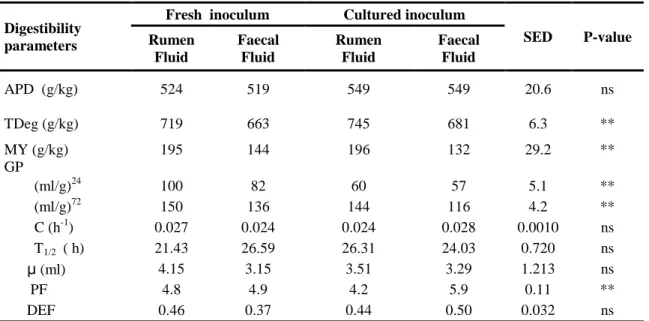
Table 3.3a In vitro digestibility of Maize stover by in situ and cultured rumen or faecal inoculum ... 68
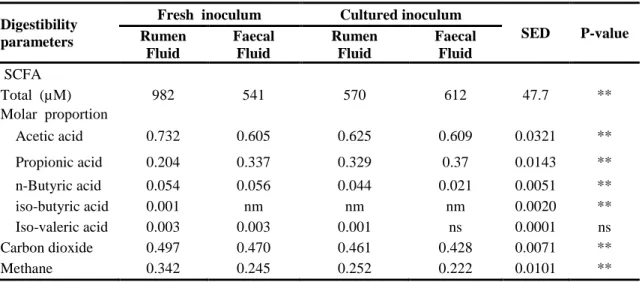
Table 3.3b Short chain fatty acid and gas production calculated from VFA... 69
Table 3.4 Gas parameters of maize stover when incubated with fresh or cultured inocula ... 70
Table 3.5 Gas production from maize stover over a period using faecal inoculum from cow . 71 Table 4.1 Effect of source of inoculum, animal type and season on enzyme activities from three hindgut fermenters ... 83
Table 4.2 Effect of source of inoculum, animal type and season on in vitro digestibility of maize stover and gas production ... 85
Table 4.3 Effect of source of inoculum, animal type and season on short chain fatty acids and gas production from maize stover fermentation ... 86
Table 4.4 Effect of source of inoculum, animal type and season on mean gas production kinetics of maize stover fermented by faecal fluid from three hindgut fermenters ... 87
Table 5.1 Faecal fluid proportions for culturing microbial ecosystems ... 96
Table 5.2 Effect of source of inoculum on the specific activities of exocellulase, endocellulase and xylanase of crude protein extracts from seven in vitro microbial ecosystems... 99
Table 5.3 Effect of source of inoculum on in vitro fermentation of maize stover by seven microbial ecosystems ... 100
Table 5. 4 Effect of source of inoculum on short chain fatty acids and gas production from maize stover fermentation ... 101
Table 5.5 Effect of source of inoculum on mean gas production kinetics of maize stover
fermented in various inocula... 102
Table 6.1 Faecal and rumen fluid proportions for culturing microbial ecosystems ... 112
Table 6.2 The specific activities of exocellulase, endocellulase and xylanase of crude protein extracts from nine in vitro microbial ecosystems ... 116
Table 6.3 A. Apparent molecular masses of cellulase enzymes from crude protein extracts of five in vitro microbial ecosystems ... 120
Table 6.3 B. Apparent molecular masses of cellulase enzymes from crude protein extracts of four in vitro microbial ecosystems... 120
Table 7.1 Feed compositions for in vivo fermentation study ... 128
Table 7.3 The chemical composition of feed and whole maize stover ... 134
Table 7.4 Effect of source of inoculum on daily feed intake of sheep ... 135
Table 7.5 Effect of source of inoculum on dry matter degradation parameters of whole maize stover ... 136
Table 7.6 Effect of source of inoculum on mean production of short chain fatty acids and gases from maize stover fermentation ... 137
Table 7.7 The effect of inoculum source on exocellulase, endocellulase and xylanase specific activities ... 141
LIST OF FIGURES
Figure 2.1 Statistics of production and consumption of maize in the world ... 8
Figure 2.2 The structural unit of cellulose ... 24
Figure 2.3 Crystalline structure of cellulose ... 24
Figure 2.4 Bacteroides succinogenes growing on filter paper cellulose... 28
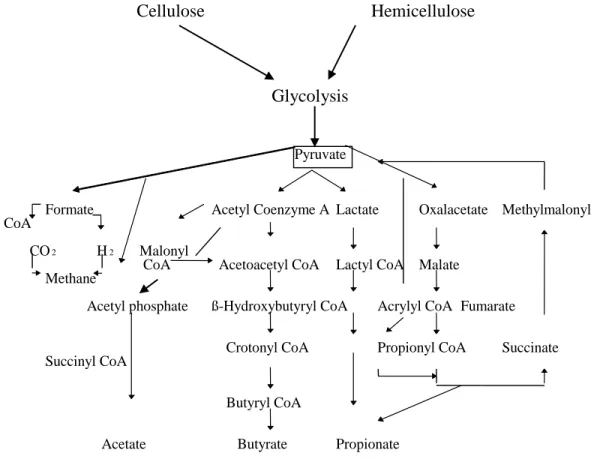
Figure 2.5 The production and conversion of pyruvate to volatile fatty acids in the rumen .... 39
Figure 2.6 Schematic representation of the hydrolysis of amorphous and microcrystalline cellulose by a non-complexed (A) and a complexed (B) cellulase system. ... 43
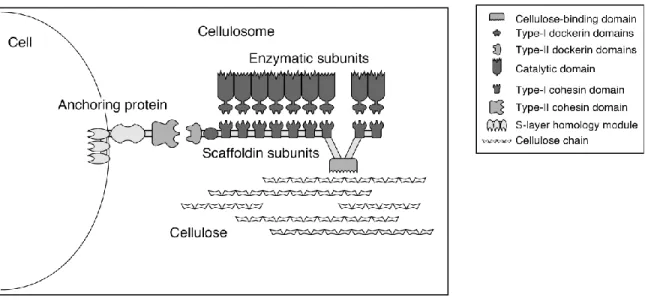
Figure 2.7 A schematic view of cellulosome subunits and its interaction between cellulose interaction and microbes ... 45
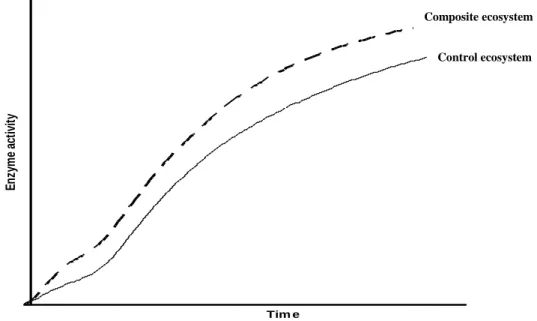
Figure 2.8 A hypothetical graph predicting the activity of a composite ecosystem ... 54
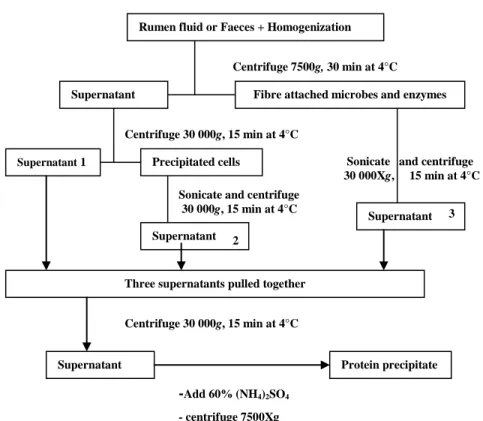
Figure 3.1 A flow chart for the precipitation of cellulase and hemicellulase from rumen fluid and faeces ... 61
Figure 4.1 Variation in in vitro pH in three hindgut microbial ecosystem before and after incubation... 83
Figure 6.1 Coomassie stained Laemmli reducing and non-reducing 10% SDS-PAGE monitoring the presence of proteins in crude protein extracts from different microbial ecosystems. ... 117
Figure 6.2 Zymograms of cellulase activities from crude protein extracts of nine in vitro microbial ecosystems on Laemmli non-reducing polyacrylamide gel electrophoresis. ... 119
Figure 7.1 Effect of source of inoculum on dry matter disappearance of whole maize stover ... 135
Figure 7.2.2 The effect of source of inoculum on the molar proportions of n-butyric acid, iso- butyric and iso-valeric acid patterns as a function of time after feeding sheep with maize stover supplemented with microbes from N1 and N3 ... 139
Figure 7.2.3 The effect of source of inoculum on pH, carbon dioxide and methane patterns as a function of time after feeding sheep with maize stover supplemented with inoculum from N1 and N3 ... 140
Glossary of abbreviations and symbols
°C Degree centigrade
Acet Acetic acid
CH4 methane
CO2 Carbon dioxide
DEF Degradability efficiency factor
DM Dry matter
DMD Dry matter degradability
DMI Dry matter intake
GP Total gas volume from fermentation
iB Iso-butyric acid
nB n-butyric acid
PP Propionic acid
TD Truly degradable fraction of feed
NGO Non-governmental organization
H Horse
WB wildebeest
ZB Zebra
mH Miniature horse
N1 H+WB
N2 H+ZB
N3 WB+ZB
N4 H+WB+ZB
DNA Deoxyribonucleic acid
RNA Ribonucleic acid
PF Partitioning factor
Ca Calcium
N Nitrogen
P Phosphorus
Mn manganese
K Potassium
ATP Adenosine triphosphate
PF Partitioning factor
SCFA Short chain fatty acids
Chapter 1 General Introduction
1 Background
All living systems require some form of energy in order to operate, which may be food, chemical, kinetic or solar energy. Food energy is the most common form of energy utilized by living organisms with carbohydrates being the most abundant and main source of metabolic energy for plants and animals. Carbohydrates are the major substrate through which energy of the sun is harnessed and converted into a form that can be utilized by man and other animals.
Therefore, they are the primary products of photosynthesis (Laisk et al., 2006). Photosynthesis is an endothermic reduction condensation of carbon dioxide that harnesses light energy in the presence of the plant pigment chlorophyll to produce carbohydrates and oxygen (Equation 1).
Equation 1.0 nCO2 + nH2O + energy (light) CnH2On + nO2
n = natural numbers
Although carbohydrates are known to be the major source of energy for plants and animals, they also play a vital role as structural components in the plant cell wall (cellulose) as well as in the animal cell membrane (glycolipids). They serve as components of recognition sites on cell surfaces (glycoprotein, e.g. immunoglobulins) and as essential components of Deoxyribonucleic acid (DNA) and ribonucleic acid (RNA) molecules (ribose sugars) (Freier and Karl-Heinz, 1997; Lindqvist et al., 2000), which are informative molecules.
Carbohydrates are defined as carbon hydrates with respect to their molecular formula Cn(H20)n. Peter (1990) further separated them chemically into hydroxyl aldehydes or ketones and their derivatives. Simple carbohydrates are called monosaccharides, saccharides or sugars (e.g. glucose, ribose and galactose) while the complex forms include cellulose, starch, glycogen and hemicelluloses. They have also been classified as soluble or non-soluble carbohydrates depending on their interaction with water molecules. Plants are the major source of carbohydrates with cellulose (fibre) being the most plentiful polysaccharide in nature (Schwarz, 2001), contributing 200-400 g/kg of most abundant plant tissue (Van Soest,
1982). Because of cellulose complexity, the rate of consumption varies from one animal to another.
Ruminal microbes are responsible for fibre breakdown in ruminant forestomach. These microbes include bacteria, protozoa and fungi (Flint, 1994; Fonty and Gouet, 1994). They are anaerobic since the rumen environment is known to be oxygen deficient (Kamra, 2005).
However, Brooker et al. (1994) reported that the rumen environment is not completely anaerobic, as it is inhabited by facultative bacteria such as Streptococcus caprznus, which help to eliminate traces of oxygen entering the rumen.
The distribution of cellulose in plant tissue varies from one plant species to another as well as in different parts of the same species (leaves, stems and fruits) (Ouda et al., 2006; Sun et al., 2009). Due to these differences, animals have evolved to select and consume different components of plants and vegetation depending on their mouth parts and designs of their fore- and hindgut fermentation chambers (Church, 1988). There are a large number of extant species of ruminants found in different ecosystems harbouring a variety of microbes. Hofmann (1998) demonstrated that flora variation among ecosystems as well as seasonal availability of forages influence the nutritional habits of these animals. The extant species were classified according to the physiological evidence obtained from fibre hydrolyses into a flexible system of three overlapping morphological feeding types: concentrate selectors (CS), intermediate selectors (IM) and grass and roughage feeders (GR).
Concentrate selectors (e.g. giraffe) feed on easily digestible forages such as shrubs and fruits while GR graze mainly on grasses (e.g. buffalo and cattle). Intermediate selectors alternate between CS and GR (e.g. goat). According to Hofmann (1998), climatic conditions, habitat pressure, behavioural patterns and ecological opportunities have a great influence on ruminant diversity. Despite the variation of the above factors ruminants have been able to maintain two generic futures such as a complicated morphological master plan of the ruminant digestive system and an incredible flexible adaptation that extends from the level of one animal to another. As one moves from CS to GR, salivary gland regress while the rumen cavity increases in size. These adaptations are flexible, such that seasonal variations with the
availability of forages are common, e.g. increase gland secretion in goats in summer (Hofmann, 1998).
Livestock production is often not cost-effective in the dry season (winter) especially in developing countries where feed quality, quantity and availability of grazing pastures are limited. During this period, feed shortages and poorer feed qualities are the major problems faced by livestock farmers. In developed countries, where resources and technologies are more advanced and available, this is not a major problem as feeds of higher qualities (Leng, 1996; Dominguez Bello and Escobar, 1997) can be stockpiled in preparation for such periods.
In developing countries, animals are malnourished and lose body weight due to long journeys in search of pastures (Leng, 1996; IFAD, 2004). Some farmers even sell up to 80% of their livestock during this period at low prices so as to avoid the loss of animal through death.
However, during this period crop residues and agro-industrial by-products, which have feed potentials, are often abundant but not exploited (Leng, 1996). The lack of information about the nutritional potential of crop residues limits its application by small scale farmers. Maize is the highest crop fodder production in the world and third cereal produced (Butler, 2007). This implies that maize stover residues are abundant but are not properly utilized, especially in Africa, where it is often burnt, ploughed back into the soil or allowed to be grazed on farm (Yang et al., 2008). Sensitizing small scale farmers on the feed potential of crops residues especially maize stover is important in improving livestock production.
Low hydrolysis of high fibre forages or crop residues by herbivores is a major problem as little of the total intake is converted into feed energy (Leng, 1990; Leng, 1996). Less than 30%
of the total fibre consumed by ruminants is converted into chemical energy while the rest is excreted as waste. This implies that metabolic substrates are far less than that which is lost in faeces. The review will be looking at maize stover as the main crop residue, the factors influencing its usage as a forage feed, scans through the complexity of fibre, its association with other components of the plant cell wall, factors influencing its hydrolysis and different fibre additives. At the end of the review, a possible mechanism will be hypothesized, attempting to improve fibre hydrolysis with regards to the available information acquired from the substrates and microbial activity from different ecosystems.
1.1 Overall objective
The broad objective of the study was to identify microbial ecosystems with high fibrolytic activities and investigate their fibrolytic potential when merged both in vitro and in vivo.
1.2 Specific objectives of the study
The specific objectives of the study were to:
Investigate the difference between fresh or laboratory cultured inocula for ruminant in vitro feed evaluation;
Compare the fibrolytic activity of microbial ecosystems in three hindgut fermenters;
Manipulate rumen or hindgut ecology in vitro with microbes from the most active ecosystems (wildebeest, horse and zebra);
Monitor cellulase production from five in vitro herbivore microbial ecosystems and their combined systems; and
Manipulate the sheep rumen ecology with microbes from the two most active in vitro microbial synergistic ecosystems.
Chapter 2
Literature review
2 Maize stover as a feed and microbial energy generator in herbivores
Livestock production can be defined as the art of attempting to increase livestock population.
Factors such as pasture, fodder production and utilization, improved supplementation of ruminant diet, optimum management techniques, processing of animal products and improved animal techniques influence livestock production. Livestock production accounts for about 30% of the gross value of agricultural production in Africa (Seré, 2004). Seventy percent of the rural poor in Africa own livestock and about 200 million rely on it for income (sales of meat, skin or milk) (Thornton et al., 2002; World Resources Institute, 2005; FAO, 2010).
McDowell (1988) also reported that smallholder crop-livestock farming contributes 60-70% of ruminants in sub-Saharan Africa. Although humans are more related to herbivores than carnivores, most herbivores still depends on meat for protein supply (IFAD, 2004). In most Southern African countries, starch is the most abundant foodstuff, while plant protein sources are limited, especially among the poor communities. Given the rising demand for animal protein in diets due to the expanding human population both in developed and developing countries (Thornton et al., 2002; IFAD, 2004), there is an urgent need to increase livestock production.
Livestock production has been classified into four main groups by Otte and Chilonda (2002).
These systems are: (I) grassland based systems (Grazing systems), based solely on livestock in which more than 90% of the dry matter (DM) fed to animals comes from range lands, pastures or home grown forages; (II) rain-fed mixed farming of which more than 10% of the DM fed to animals comes from crop by-products or more than 10% of the total value of production comes from non-living farming activities. In these systems, more than 90% of the value of non livestock farm produce comes from rain-fed land use; (III) Irrigated mixed farming systems, which is similar to the above farming system but more than 10% of the value of non-livestock
farm produce comes from irrigated land use; and (IV) landless livestock production systems (industrial systems), that are solely livestock with 10% or less of the DM fed to animals being farm produced.
In most African countries, large-scale systems, such as ranching, commercial farming and co- operative farming, still account for a relatively small proportion of agricultural output whereas small scale farming systems, such as pastoralism, irrigated mixed farming, agro- pastoralism and mixed small holder farming, accounts for most of the agricultural products (IFAD, 2004). However, large scale farming systems such as ranching and irrigated mixed farming systems are rapidly growing in sub-Saharan countries. Therefore, improving policies and available resources to promote such farming systems in these countries will be beneficial.
Modern farming systems are characterized by large capital requirements and employment of a large labour force. These characteristics are prominent in developed countries. Whereas traditional livestock production systems are characterized by family labour and extensive use of land (Wilson and MacLeod, 1991; Wilson, 1991) in developing countries, especially in sub Saharan Africa. In the temperate or developed countries, ruminant production systems mainly use high quality ingredients in formulating feeds, which, in turn, support high production rates close to the genetic potential (Leng, 1996; Hall and Silver, 2001). In traditional livestock production, animals graze predominantly on natural pastures (often of low nutritional value).
Often the grazing land is not easily farmed on or too infertile for cropping.
Seasonal variation of the quality, quantity and availability of grazing pastures is also a major problem in tropical countries. In the raining season (summer) the grazing pastures are available and of a higher quality whereas in the dry season (winter) the animals suffer severe nutritional stresses due to the poor nutritional value of pastures and shortages in supply (Smith et al., 1989; FAO, 2010). During this period of nutritional shortages, animals waste a lot of energy as they have to walk long distances in search of food and water. As a result of these adverse conditions and nutritional deficiencies, animals lose weight (Alaku and Moruppa, 1983), poor body condition, low milk yield, low conception rates and increased calf mortalities are also prominent (Zerihun and Oba, 2004). Such factors can contribute to heavy
economic losses to small scale farmers. Although there is a scarcity of quality pastures in winter, crop residues (by-products) and agro-industrial by-products that have feed potentials are often abundant (Saleem, 1995).
2.1 Crop residues
Crop residues are materials generated after harvesting (Dixon and Egan, 1987). They are produced on farm and are wide-spread geographically. They are invariably fibrous, low in digestibility and nitrogen content. The types of crops grown in an area determine the nature of crop residues produced in that region. Table 2.1 shows the common crop residues in sub- Saharan countries.
Table 2.1 Principal crop residues in sub-Saharan countries
2.2 Agro-industrial by-products
Agro-industrial by-products are produced by agricultural companies indulged in the processing of a specific crop or animal product. Some of these by-products have been studied and classified according to their feed potentials (Bistanji et al., 2000). These by-products vary
Crop residues Crop residues
Cereals:
Maize stover cobs
Sugar cane bagasse Tops
Wheat straw
Millet stover
Rice straw hulls
Sorghum stover Threshed heads
Legumes:
Groundnut halms hulls
Soya bean straw
Cottonseed stalks hulls
Sunflower heads hulls
from one country to another depending on the availability of industries. Although the type of crop produced in a particular region influences the type of by-product produced, this is not always the case as developed countries with huge industries tend to import such crops from developing countries without processing facilities. Examples of industrial by-products are:
bagasse, oilseed cake, molasses, maize milling by-products and brewer‘s wastes.
Kossila (1988) showed that crop residues account for more than 25% of the total energy suitable for ruminant livestock production in both developed and developing countries. This implies that if crop residues, as well as agro-industrial by-products, are used in the right proportion for feed formulation, production will definitely increase. However, in developing countries where these facilities are limited, an introduction of on farm technologies as well as sensitizing small scale farmers on how to manage crop residues would definitely have a positive influence on livestock production. Maize is one of the world‘s food-providing crops for human and crop residues both in the developed and developing countries.
2.3 Maize realities
Gramene website (2006).
Figure 2.1 Statistics of production and consumption of maize in the world
After wheat and rice, maize is the third most produced grain in the world (Kossila, 1988;
Butler, 2007). Although it is the third in terms of grain production, it tops the chart of crop
fodder production world wide (Kossila, 1988). About 1816 and 340 million tones of maize fodder are produced annually both globally and in Africa, respectively (Reddy et al., 2003).
Maize is a staple food source in many countries (e.g. corn flakes, porridge, pap, ―fufu‖ etc.).
Porridge and cakes are the common meals made from maize. Industrial products from maize include: maize oil, maize starch, syrup, dextrose, alcohol, ethanol, high fructose corn syrup, grits, flour and additives in paints and explosives. There are about 4000 industrial products of maize. World production of maize has increased tremendously over the past decades but human consumption is increasing slowly (Figure 2.1). This increment has been associated with the increase in demand for feed production.
Maize grain has been fed to both ruminants and non-ruminants as concentrates (Tolera et al., 1998; Dhakad et al., 2002; Garg et al., 2004). However, maize stover, which is the non-grain portion of the maize plant is an important supplement of feed (Gertenbach et al., 1998). Maize stover fractions include the stalk, leaf, cob and husk. It is the most abundant and available crop residue in the world. In most African countries maize stover (MS) is abundant but has not been fully exploited. This is due to the fact that small scale farmers have very little or no knowledge of processing, storage or formulating feed using MS (Aregheore and Chimwano, 1991). The consequence of this is that MS is regarded as an environmental nuisance and is discarded either by burning (Yang et al., 2008) or by ploughing into the soil (Aregheore, 1994). Crop residues are also lost through conservation agricultural practices which involves leaving some crops residues on farm after harvesting as to protect the soil and to help sustain productivity gains over time (Erenstein, 2011).
2.4 Factors affecting the nutritional valuevof maize stover
The chemical components of MS (leaf blade, leaf sheath, stem, husk and tassel) have been analysed by many researchers (Tolera et al., 1999; Tolera and Sundstøl, 1999; Undi et al., 2001; Sun et al., 2009). Crude protein (CP), neutral detergent fibre (NDF), acid detergent fibre (ADF), lignin, cellulase, hemicellulase, total proanthocyanidins (TPA) and tannins are the main chemical components that have been analysed. Table 2.2 shows the chemical
composition of MS morphological fractions harvested at different stages of maturity (Tolera and Sundstøl, 1999).
Table 2.2 Chemical composition of maize stover morphological fractions
Chemical components
Maturity stage
Leaf blade
Leaf
sheath Stem Husk Tassel
Whole stover
DM at harvest (g/kg) I (28%) 804 718 436 761 801 629
II (20.2%) 895 882 506 816 890 717
III (9.8%) 935 928 760 925 923 918
±SE 25 48 91 35 23 78
CP (g/kg) I 63 42 38 33 62 48
II 58 39 35 30 60 44
III 48 38 31 28 52 37
±SE 5 3 2 2 3 4
NDF (g/kg) I 639 805 744 872 755 746
II 656 794 777 882 774 757
III 694 800 800 887 796 769
±SE 11 7 17 6 10 7
ADF (g/kg) I 319 372 414 379 372 371
II 322 382 465 370 380 393
III 362 387 475 383 396 408
±SE 9 5 19 3 5 7
Lignin (g/kg) I 41 40 51 29 51 46
II 43 41 65 30 54 49
III 44 48 64 29 59 52
±SE 2 3 3 1 3 2
cellulose (g/kg) I 164 288 352 332 277 275
II 144 288 385 323 276 307
III 215 284 397 335 290 320
±SE 15 4 15 4 6 11
Hemicellulose (g/kg) I 319 433 330 493 383 375
II 336 412 312 512 394 364
III 332 413 325 503 400 362
±SE 4 9 4 8 7 7
TPA (A550 nm/g DM) I 16 11 10 5 8 12
II 14 11 9 7 8 12
III 14 12 8 6 9 11
±SE 1 1 0.6 0.6 0.6 1
Modified (Tolera and Sundstøl, 1999), maturity stage=grain moisture content, SE = standard error
Table 2.3 Chemical composition of eight varieties of maize stover Variety Crop residue
yields (t DM ha-1)
CP NDF ADF Lignin Cellulose Hemicellulose
(g/kg) (g/kg) (g/kg) (g/kg) (g/kg) (g/kg)
DTP1 7.96 31 765 511 55 456 254
Guto 5.27 28 837 523 58 464 314
Katumani 5.96 51 758 493 45 448 265
Birkata 5.90 61 731 454 46 407 278
CBF 4.19 59 706 500 66 435 206
Dendane 4.67 46 789 508 53 455 281
A511 8.35 52 768 493 64 429 274
Keroshet 5.78 57 810 476 39 437 335
Mean 6.10 48 770 495 53 441 276
Modified (Tolera et al., 1999)
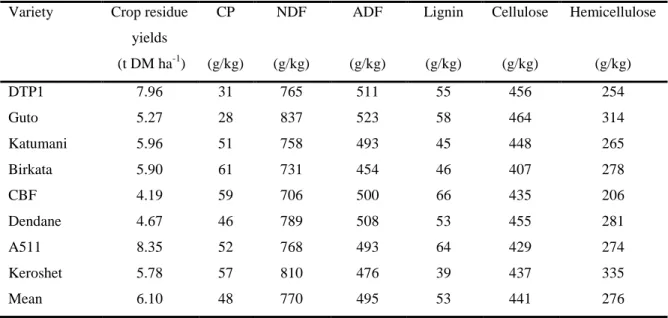
Analysis of different varieties of MS showed variation in their chemical composition. Tolera et al. (1999) showed that the crude protein (CP) content of eight varieties of MS was not the same though they were cultivated on the same piece of land and treated the same (Table 2.3).
This was also true for NDF, ADF, lignin, cellulose and hemicellulose contents. This implies that careful examination of these varieties would assist in the selection of varieties with relatively higher nutritional values for forages.
Since the primary objective of maize production is not for stover production (Tolera et al., 1998), there is a need to select varieties with higher crop residues without compromising grain production if possible. Tolera et al. (1999) found out that drought tolerant population DPT1, produced a high yield of stover without compromising grain yield. Variety A551 produced the highest stover yield but grain production was greatly compromised. Considering the objective of cultivation, DPT1 was considered best for both human and fodder production while A551 will be preferred for silage. Tolera et al. (1999) suggested that DPT1 should be promoted among small scale farmers as well as non-livestock farmers (for commercial purposes) to optimize production.
2.4.1 Shearing force as a tool for estimating the nutritional value of maize stover
Shearing force is a parameter that has been used to estimate forage value. Shearing force is the maximum force required to cut forages in laboratory experiments. It also denotes the required force when animals bite forages (Chen et al., 2007). It is also said to be related to the nutritional value of plant stems. The smaller the shearing force, the richer (nutritional value) the stem while the larger the sharing force the poorer the forage quality. Sheep fed with low shearing force ryegrass leaves showed higher DM intake than those fed with higher shearing force ryegrass (Inoue et al., 1994). Prince et al. (1958) also demonstrated that the shearing force required in cutting alfalfa increased with maturity. Iwaasa et al. (1996) later on demonstrated that shearing force is affected by the plants age. Factors affecting the shearing force of a stem are moisture content, diameter of the stem as well as its chemical constituent (Kokubo et al., 1989). This implies that shearing force increases with decreasing moisture content because fibre tensile strength is higher when moisture content is low. Correlation between sharing force and moisture content of maize stems has been found to be significant (Chen et al., 2007). The shearing force required to cut the bottom stem is different to that of the top stem (Iwaasa et al., 1995). Therefore shearing force standards would have to be determined for both the bottom and the top stem in other to obtain reliable results. Due to the simplicity and productiveness of the instrument used in measuring shearing force, it would be right to suggest that an introduction of such technologies to small scale farmers might be important for proper timing of harvest.
2.5 Factors influencing the use of maize stove as a forage supplement
In Africa, the long dry season is characterized by maturity and wilting of grass, inadequacy and poor nutritive value of forages (Nicholson, 1984; FAO, 2010). Feed cost is a major problem as broad animal production and profitability is dependent on low feed cost. However, there is a large area of crop land interspersing with the grazing land. These crop lands produce huge amounts of crop residues with MS being the most abundant. Although MS is abundant, it is not fully exploited as a forage supplement especially in Africa. In countries where land is
used primarily for cash and food crops production with very little available for fodder production, animals are fed in confinement (zero grazing systems). Over grazing is also a major problem in many countries with limited land for fodder productions (Gong et al., 2000).
Maize stover could be a potential supplement for forages in such areas. To fully exploit MS as a possible forage supplement especially in the developing world where it is often treated as environmental nuisance, the following points would be important:
2.5.1 Educating the local community of crop residues feed potentials
Most communities are still not aware that MS can be exploited as a forage supplement not to mention commercializing. In most sub-Saharan countries, MS is usually grazed on farm as standing stalks and often by chance (Njie and Reed, 1995; Onwuka et al., 1997). Small scale farmers often consider it as environmental nuisance and are thrown away either by burning or ploughing in the soil (Aregheore, 1994; Onwuka et al., 1997; Shafi et al., 2007). Onwuka et al.
(1997) demonstrated that less than 3% of total maize stover was being utilized at Ogun state in Nigeria due to ignorance of its nutritional value. Many sub-Saharan countries including Zambia (Aregheore, 1994), Malawi and Zimbabwe (Manyuchi et al., 1994) are already taking cognizance of MS as a forage supplement due to shortages and high cost of forages during the long dry seasons. Extension programmes educating rural farmers on the importance of MS as a possible forage supplement would be vital in reducing feed cost.
2.5.2 Nutritional value of maize stover
The recognition of MS as a forage is not only based on its relative abundance but on its fast growth, nutritional quality, high palatability and digestibility. The leaves are more palatable and digestibile than the stem. The relatively high digestibility was associated to its relatively high CP and mineral content (Tolera and Sundstøl, 1999) when compared to other fibrous forages. Harika et al. (1995) contributed by stating that the quality of MS also depends on the proportion of leaf and stem fractions. Tolera and Sundstøl (1999) confirmed that the chemical composition did not only vary within varieties but among varieties (Table 2.2 and 2.3). In the same study they also established that varieties A511 and DTP1 produced the highest crop residues among eight varieties. However, production of maize residues was greatly
compromised in A511 for maize residue while grain and stover yields were very high in DPT1. Crude protein content of DPT1 was 246% higher than observed in A511. Therefore, choosing the right verities for fodder production is very important.
An input in technological change (e.g. improved varieties) is important for the transformation of local communities, but it sometimes by-passes some local communities because of production and price risks that could render input use unprofitable (Kelly et al., 2003). Use of improved, high yielding MS varieties by small scale farmers can mean the difference between improve livelihood and staying trapped in poverty and hunger. It is obvious that poor farmers are reluctant to invest in new varieties due to their limited cash resource or access to credit. In Nepal showed that less than 60% of all village development communities used improved varieties while only 15% did in the most remote village development committees (Ransom et al., 2003). Biofortified plants (micronutrient-dense crop varieties developed through conventional plant breeding) are the latest plant varieties in the market. Although such plants are initially engineered to replenish micronutrient undernourishment in human, they can also be important for herbivores. Iron, zinc and provitamin A are the main micronutrients that have been identified by WHO to be limiting in diets of the poor (WHO, 2002). Research is often influenced by micronutrient deficiency with regards to the stable food or forage in a particular region (Ortiz-Monasterio et al., 2007). Although there have been some success in zinc and provitamin A enrichment, the setback on such projects are still enormous (e.g. breeding efficiency and soil deficiency of micronutrients). The lack of resources obligate poor farmers to sell their assets (e.g. motorcycles, bicycles, and televisions) to generate sufficient cash to buy the necessary inputs (Langyintuo and Mungoma, 2008). Therefore government or wealthy group-specific interventions are required to subsidize such varieties and increase their use and adoption among small scale farmers.
2.5.3 Stage of harvest
Maize at between 30 and 25% grain moisture is already physiologically mature but harvest is often delayed to 20-15% grain moisture (Tolera et al., 1999). This is to facilitate the drying process to the conventional storage grain moisture which is 13% (Martin et al., 1976). Harika
stover yield decreases with decrease in grain moisture. The number of leaves per plant and the leaf-stem ratio decreases with delay in harvesting from physiological maturity (30-35%) to the dead ripe stage (10-13%). The loss of leaves affects the declining trend in stover yield with increased stage of maturity. Crude protein content and DM degradability also decreases with decrease in grain moisture. Small increases in NDF and ADF contents of leaf and stem fractions were also observed when harvesting was delayed (Harika and Sharma, 1994). Lower MS yields and decrease in CP and total non-structural carbohydrates are characteristic of late harvest (Russell, 1986; Irlbeck et al., 1993). Russell (1986) illustrated that heifers fed with early-harvested stover silage tended to have greater daily gains and required less feed/kg gain than heifers fed on the late harvested MS silage. Therefore, harvest timing of maize stover is a very important factor to be considered prior to harvesting.
2.5.4 Morphological fractions
Tolera and Sundstøl (1999) studied the morphological fractions of MS harvested at three different stages of grain maturity; stage I (28%), II (20.2%) and III (9.8%) and the nutritive value of different fractions demonstrated that, at late harvest (stage III), stem proportions increased by 20% while leaf sheaths, tassel and leaf blades decreased by 21.5, 41.5 and 44%, respectively. A decrease in CP and an increase in DM, NDF, ADF, lignin and cellulase contents were also characteristic of increased stage of maturity. Similar results were obtained by Harika and sharma (1994), Tan et al. (1995)(wheat straw) or Tolera et al. (1998). The stem is the main contributor of the bulkiness of MS. With enormous information available on the nutritive value of MS harvested at different stages, one can possibly conclude that feeding herbivores with different stover fractions would have an impact on digestibility and weight gain/day.
2.5.5 Maize stover as a supplement
The different morphological fractions of maize stover are stem, leaf sheath, husk, leaf blade and tassel. Pordesimo et al. (2004) reported that 15% of MS dry mass (DM) is cob and that stalks, leaf blades and husks accounted for 51%, 21%, and 13% of the total MS, respectively.
The chemical compositions of these fractions vary within and among varieties as well as the stage at which they were harvested (Tolera et al., 1999; Tolera and Sundstøl, 1999). Sheep and goats supplemented with crop residues were observed to be healthier and heavier (Onwuka et al., 1997) than controls. Leaf blade and tassel of MS are richer in CP than observed in the stem and husk (Methu et al., 2001; Sun et al., 2009). Browne et al. (2005) substituted grass silage with maize silage in a forage mixture and found out that the total DM intake, apparent digestibility and organic matter digestibility increased as compared to the control. Therefore, knowledge about the chemical composition of MS is very important when required as a supplement. Fractions such as the leaves and tassel, with relatively high CP (required by microbes) and palatability, could be a possible supplement in other diets. Maize stover with relatively high CP might reduce the cost on protein supplements required to initiate microbial processes.
2.5.6 Harvesting technology
Maize stover is either grazed in situ (on farm) or removed from the field prior to feeding. The practice of grazing on farm is wasteful and insufficient. In the developing countries, especially in Africa, MS is usually grazed ―on farm‖ with very few farmers engaged in harvesting. Even in developed countries, harvesting maize stover using modern technologies is still a sub- standard because harvesting efficiency is still less than 50% (Richey et al., 1982; Sokhansanj et al., 2002; Shinners et al., 2007). Modern equipment such as the shredder, collect less than two-thirds of the available stover, while the baler collects about 50% of what was trimmed by the shredder (Richey et al., 1982). This implies that the harvesting efficiency is approximately 30%. Stover yields are higher when harvested wet than when allowed to dry. The harvest rate of wet stover is higher than dry stover (Shinners et al., 2007). The height of harvest is also an important factor to consider prior to harvesting because it affects yield and quality of MS.
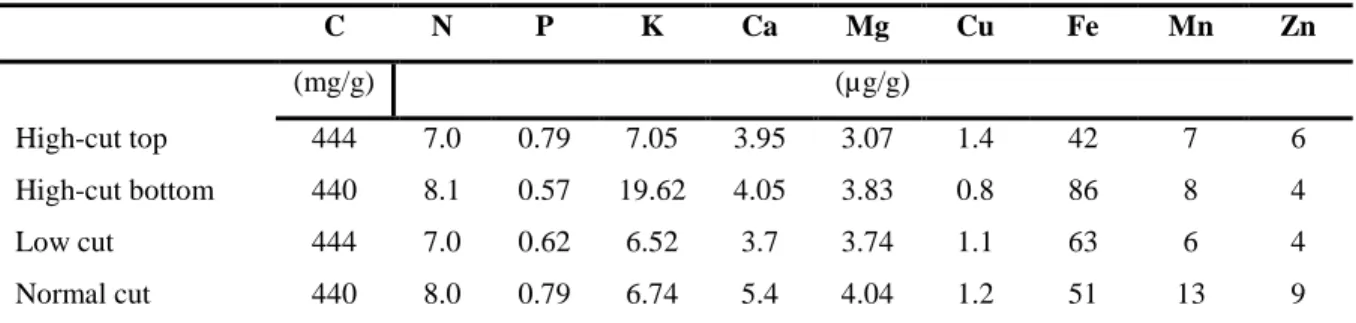
Normal-cut (40 cm) stover produces high yields and less water weight than low-cut with high water weight and relatively high stover yield (Table 2.4). Although low-cut yields are relatively high, contamination and transportation are not cost effective because of its high weight (Hoskinson et al., 2007). The height of harvest also affects the quantity of micronutrient available for animal intake (Table 2.5).
Table 2.4 Stover yields for the four harvest scenarios
Stover
Water (mg g-1) Wet (Mg ha-1) Dry (Mg ha-1)
High-cut top 196 6.05 4.86
High-cut bottom 639 4.75 1.71
Low cut 338 10.1 6.68
Normal cut 237 6.67 5.09
Mg ha-1 = megagram per hectare, From a Journal paper by Hoskinson et al. (2007).
Table 2.5 Nutrient concentrations in corn collected using different harvest scenarios
C = carbon, N=nitrogen, P = phosphorus, K = potassium, Mg = magnesium, Fe = iron, Mn = manganese, Zn = zinc. From a Journal paper by Hoskinson et al. (2007)
Sokhansanj et al. (2002) noticed that the weather and season of harvest plays a vital role in the amount of stover collected per unit area. Methu et al. (2001) showed that higher leaf + husk + sheath: stem ration were harvested in the dry season than in the rainy season. Therefore, educating small and large scale farmers on the need of harvesting using appropriate technologies, season and height of harvest might have a positive impact on MS total yields.
2.5.7 Storage conditions
Harvest and storage of MS are often affected by weather conditions, material moisture and storage facilities. There is a great need to conserve forages especially during winter or dry seasons, which are often long and harsh. Maize residues can be stored in different forms such as hay, silage (Sun et al., 2009) or spared veldt (Shinners et al., 2007). However, silage and hay are the most common methods of preservation. If the warehouses are not properly sealed especially during the heavy rains, bale fermentation is very common. Fermented bales in the
C N P K Ca Mg Cu Fe Mn Zn
(mg/g) (µg/g)
High-cut top 444 7.0 0.79 7.05 3.95 3.07 1.4 42 7 6
High-cut bottom 440 8.1 0.57 19.62 4.05 3.83 0.8 86 8 4
Low cut 444 7.0 0.62 6.52 3.7 3.74 1.1 63 6 4
Normal cut 440 8.0 0.79 6.74 5.4 4.04 1.2 51 13 9
presence of oxygen have a negative impact on maize stover quality. In most developed countries or dairy farms, stovers are often harvested wet (45% grain moisture) and preserved by ensiling (Shinners et al., 2007). Ensiling decreases stover losses often observed during bailing and a more uniform product is also achieved when compared to dry stover bales stored outdoors (Shinners et al., 2007). Other advantages that encompass ensiling includes, no fire hazards, silage quality if maintained for longer periods, less dependence on weather, less bleaching by the sun (loss of Vitamin A) and anaerobic fermentation which is known to improve feed palatability. Silage does have an excellent appearance and colour with a familiar and pleasant odour. On-farm grazing of MS appears to be the worst method, because it involves a lot of wastage and exposure to hash weather conditions. Therefore, strategizing on storage options prior to harvest is vital so as to preserve feed quality and minimize cost due to wastages.
2.5.8 Feed formulation
Optimum ration formulation is crucial when MS is required as a supplementary feed for ruminants. Although MS is more palatable than other hays, when fed as a whole, digestion is still low. The low digestibility has been associated to low nitrogen (Siebert and Hunter, 1982) and perhaps mineral in dry MS (Agricultural Research Council 1980). The rate of feed digestion depends on the quality (type of nutrient) and composition (ration) of the feed (Tolera et al., 1998), which is also affected by the number, type of microbes and nutrients that limits microbial growth (Lynd et al., 2002).
The most limiting factor on performance of animals fed on different MS residues appears to be dietary protein (Siebert and Hunter, 1982). In sacco DM digestibility of the same variety of MS was found to decrease with an increase in grain maturity (Tolera and Sundstøl, 1999). The decrease in digestibility was primarily associated to a decrease in CP (Sun et al., 2009), with an increase in grain maturity, though a decrease in soluble carbohydrates might have played a minimal role. In vitro analysis of the degradability of MS fractions showed a lower dry matter degradability (DMD) in stems than in leaves with higher CP content (Tolera and Sundstøl, 1999). This clearly indicates that nutrient deficiencies in certain fractions are the principal