Submitted in partial fulfillment of the requirements for the degree of Master of Social Science in the. Food security and national policies in Mozambique 24 Implications of the literature review for the current study 26.
INTRODUCTION
- Addressing Food Security in Mozambique
- Food Security and the Changing Face of Southern Africa
- Confronting the Challenge of Change
- Structure of the Dissertation
The process of change is not easy and has consequences for the economic development of the country. The aim of the study is to gain an overview of the current level of food security in Daque Unit.
LITERATURE REVIEW
Introduction
Trade-based right: ownership of goods or resources obtained by trading something an individual or household owns with another party. Inheritance and transferability: ownership of goods or resources assigned or freely given to the person or household.
A Conceptual Framework for Food Security
- Defining Food Security
- Food Insecurity
- Food Risk
- Measuring Food Security
- Poverty and Food Security
- Food security: a contemporary perspective
There has been no single definition of food safety in the literature over the years. The World Bank definition of food security also makes an important distinction between chronic food insecurity and transient food insecurity (World Bank 1986).
Food Security and Nutrition in Africa
Van Braun & Paulino (1990) mentioned that food security in sub-Saharan Africa is threatened by continuous and rapid population growth. According to UNAIDS and WHO (1998), approximately 7 out of 10 people newly infected with HIV in sub-Saharan Africa are among children under five.
Women and Food Security
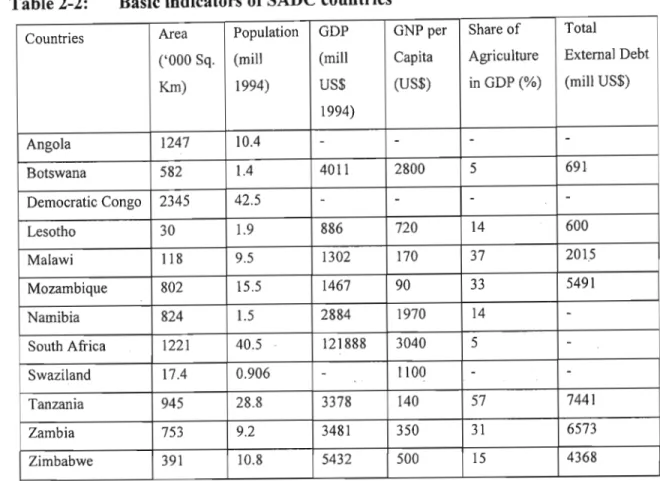
According to Nichola (1998), the achievements and challenges of SADC countries with regard to food security are diverse. Grain prices have increased by double digits in most SADC countries and also show significant variability, indicating that the region is experiencing widespread temporary food insecurity.
Agricultural Conditions in Mozambique
- Food Security in Mozambique
- Food Security and National Policy in Mozambique
In Mozambique, research on food security has been conducted in the northern part of the country, but is almost non-existent for other areas. Although government, researchers and the donor community understand the causes of national food insecurity, undernutrition and poverty, there is a need to design practical interventions tailored to local socio-economic conditions. Access to an adequate food supply is the most basic human need and right, and ensuring that people have enough food is not just the moral duty of governments.
According to the 1998 report of the "Estrategia de Seguran9a Alimenatr e Nutrition", the objective of the National Agricultural Policy is to support the government to achieve food security and job creation in order to improve the balance of payments. The National Food Security and Nutrition Strategy was approved by the Council of Ministers in December 1998. The document was prepared by an intersectoral working group, in which the process included the development of a conceptual framework to analyze food security through the components of availability, access and utilization. of food.
Nutritional aspects are taken into account in all three components, but especially in the use of food. The conceptual framework also represents an approach through which the role of the state in providing public goods and an enabling environment to encourage the contribution of the private sector and non-governmental organizations is taken into account. Research priorities would contribute to improving food and nutrition security and prioritize improving access to land, especially for women, labor productivity and reducing the impact of climate fluctuations and crop diseases and pests.
Implications of the Literature Review for the Present Study
THE STUDY AREA
Introduction
Effects of War and Floods on Food Production
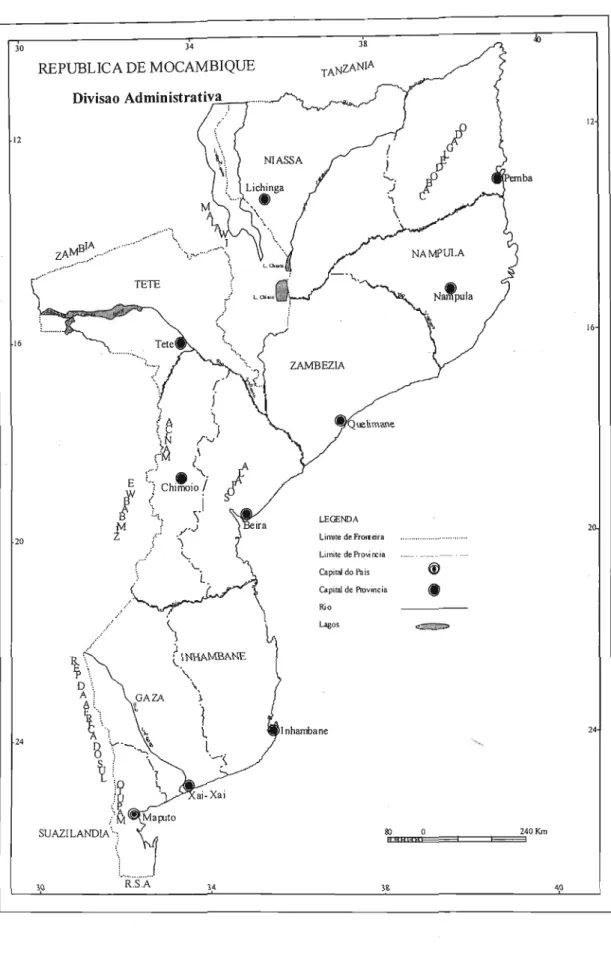
I During the flood period the two districts (Magoe and Cahora Bassa) were unable to communicate with each other due to the flooding of the Daque River which separates the two districts. This caused great problems: for example, people from Bungue (one of the communities in Cahora Bassa district) could not cross the Daque River to get medical help at the Daque Health Center. If the goal is to provide food for rural communities, it is time to look at other options or to include already known problems in strategic plans to develop a better life in rural communities.
Biophysical Environment .1 Geographical Location
- Geology and Soils
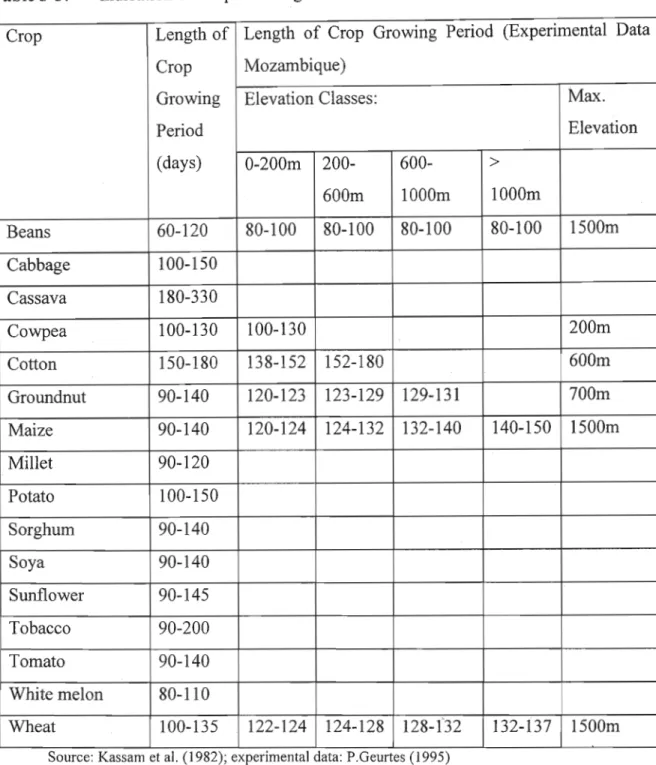
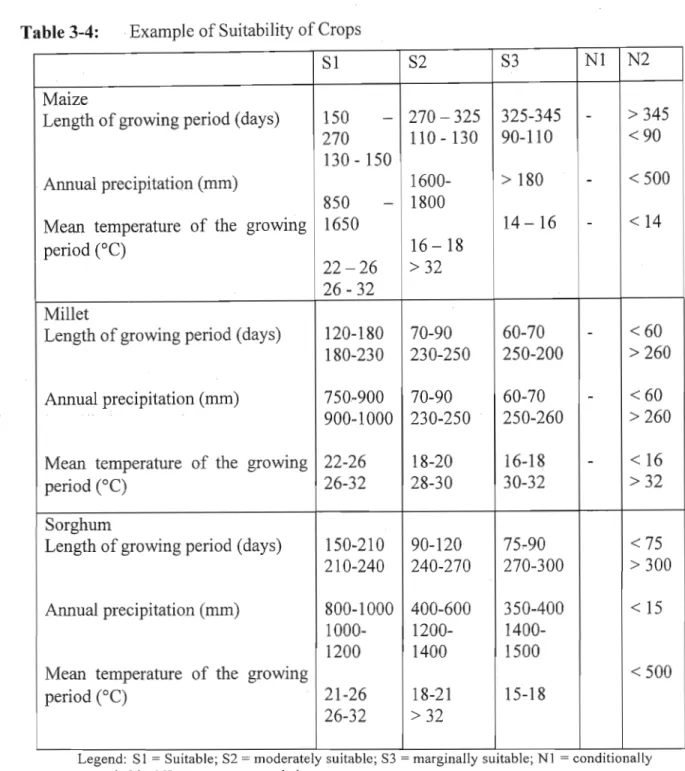
- Climatic Requirements for Crops in the Daque Unit
- Vegetation
- General Characteristics of the Two Districts
- Cahora Bassa District
- Magoe District
- Population Demographics
- Infrastructure
- Energy
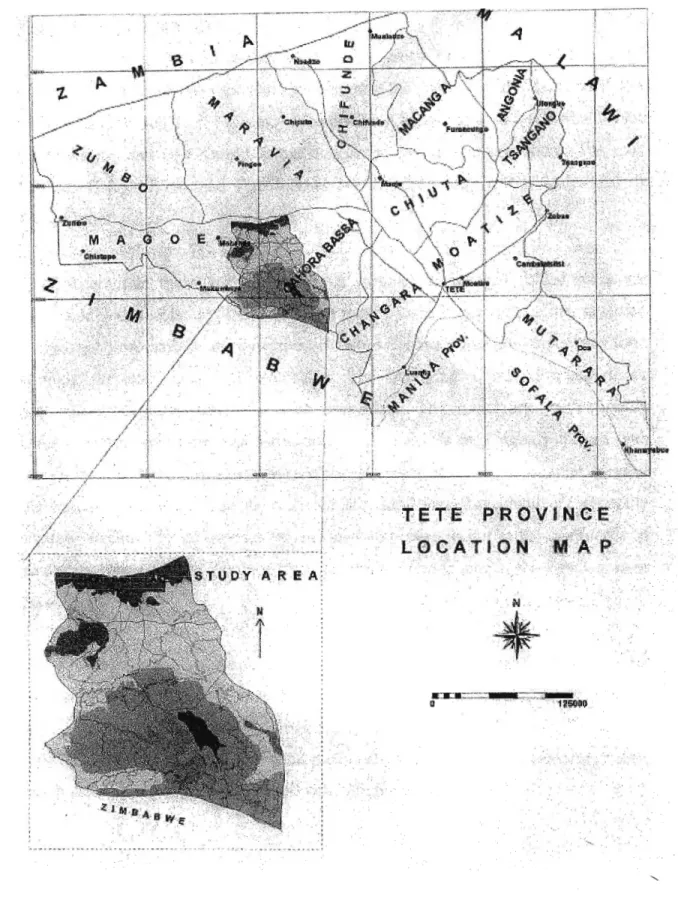
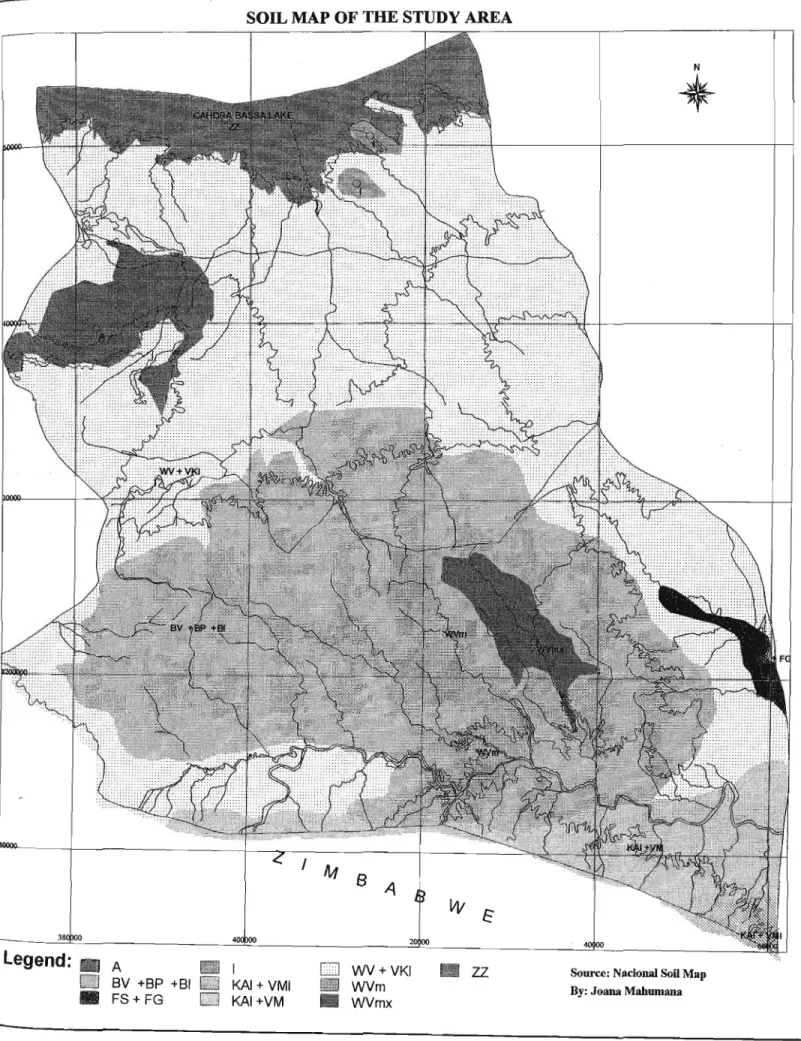
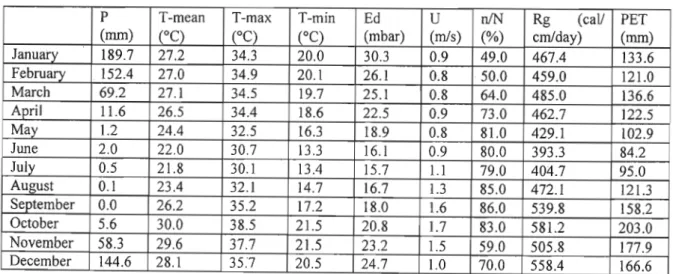
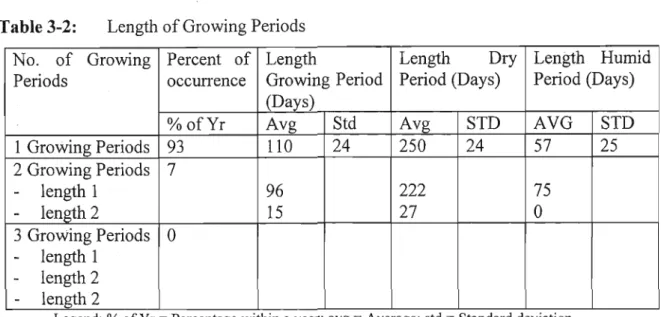
In general, soil depth is > 180 cm, and they are well to very well drained. The climate of the region is an important environmental variable, as it contributes to the marginal agricultural potential in the study area. The study area is located in the Zambezi valley, which is climatically hot and dry.
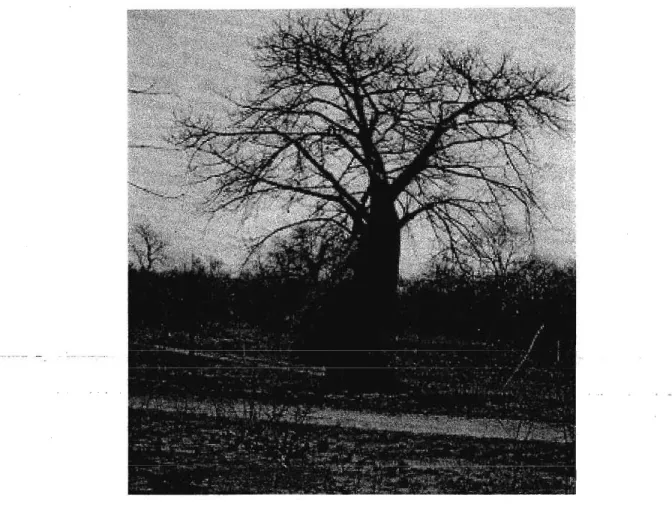
The Mopane forest, one of the most distinctive vegetation types in the southern part of Africa, characterizes the area. However, according to most interviewees, many elephants in the area continue to destroy large areas set aside for crop production. The common diseases that occur in this district are the same as in the Cahora Bassa district.
Another major obstacle faced by the people in the study area is the lack of schools. According to key informants interviewed in the study area, there is only one primary school (EPl) in Daque (one of the five communities in the study area). Key informants mentioned that there is only one medical facility located in Daque Community.
Conclusion
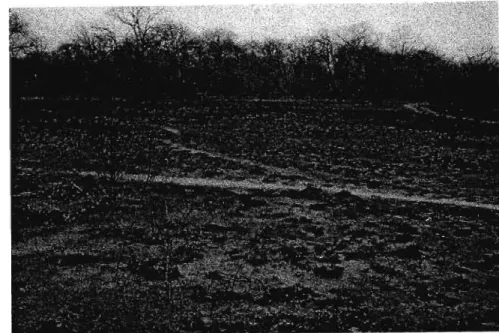
This problem encourages some farmers to make their farms near the Daque River, which is unfortunately vulnerable to natural disasters (floods) and erosion. E) Hygiene.
METHODS
- Introduction
- Methods
- Qualitative Data
- Quantitative Data
- Analysis of Data
- Conclusion
- Level of Education
- Household Infrastructure
- Food Production and Production Capacity
- Sources of Income .1 Income
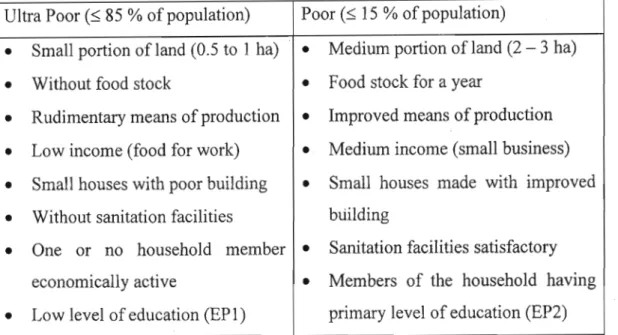
Initial field contacts were made at the provincial level with Ford Foundation officials to explain the objectives of the current study. One or no household member • Sanitary facilities sufficiently economically active • Household members have. The pilot phase used qualitative methods, which helped to understand the current situation of the households (e.g. their main problems and what they think about the future of the community).
These methods also helped to collect information related to the roles of the government, NGOs and the community structures through meetings with the key informants. As a result, the nutritional assessment of the children was exploratory and is not included in the results. One therefore looks at the current hunger and the long-term stunted growth of children (and society, by association). a) The Daque community.
NH = number of households, M = male, F= female, HHH = head of household Source: Fieldwork questionnaire case study data.-. The productivity of the cultivated land depends on several factors, such as type of soil. Most of the households in both communities have unstable income which is 87% in Bungue and 53% in Daque.
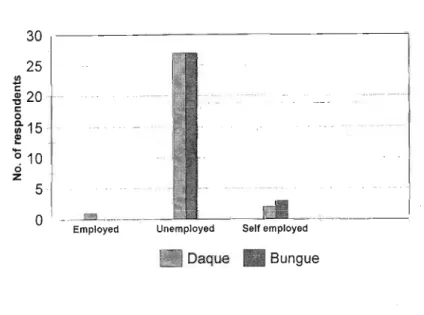
11 Daque • Bungue
Working Status
It is important to mention that these incomes refer to income per month for the households obtained from all household members within a month. Most of the people living in both communities are easily vulnerable to food insecurity as they mainly depend on their own agricultural production and this in turn depends on rainfall and many other factors previously mentioned such as poor soil, animal damage, hot and dry climate and so on. In Daque there are 20 households with livestock, while in Bungue there are 17 households with livestock.
Radios, bicycles and furniture are irregularly distributed within communities, and there are very few households that have these items. For the ultra-poor household, it varies from 1 to 2 per day, and it is basically maize. The poor families usually have 3 meals a day, and these too are based on maize.
Both ultra-poor and poor families tend to reduce the number of meals when food is scarce. The number and type of meals per household is the same for adults and children (including those under 5). In both communities, complementary food is given to babies between 3 and 6 months of age and is basically a light porridge made from maize and without added oil.
Water and Sanitation
Natural Resources and other Environmental Concerns
As households in both communities mainly depend on subsistence agriculture without financial resources, both communities are vulnerable to food insecurity. In terms of food security and entitlement, both communities have the same problems that affect their food production. Finally, in terms of access to natural resources, both communities have access to resources, but not control over them.
Most people in both communities lack food supplies, meaning they only produce enough to sustain themselves, and food is only available for less than half a year. Land productivity is a problem in both communities and the study area in general, due to the fact that rainfall is low and the climate is hot and dry. It can be argued that since both communities have low incomes, there are few opportunities to alleviate existing poverty.
Both communities produce food for subsistence, and they have no other means of buying food. According to the results presented, all households in both communities have land as an asset to produce subsistence crops. This problem associated with low income makes both communities vulnerable to food insecurity, as they have no other means of helping themselves to access food in times of crisis.
- Food Utilization
- Poverty, Food Insecurity and Hunger
- Women and Food Security
- Conclusion
- Conclusion
- Recommendations
- Characteristics of households
- Food Security and Entitlement
- I. History of food production / production capacity
- Food Practices
This chapter presents an analysis of the results from the previous chapter, which has been combined with relevant aspects found in the study area. The study found that land, gender and income are the most important variables affecting food security in the area. However, the absence of detailed soil information in the study area is a limiting factor for food production.
There are other factors also affecting the current status of food security in the Daque units such as lack of employment, absence of schools and medical facilities, inadequate water supply and sanitation. Natural disasters such as floods and droughts also cause vulnerability to food security in the study area. This chapter will recommend some activities that can lead to increasing food security in the study area.
So it is recommended that further research linking food security and nutrition assessment should be done in the area. Therefore, it is of utmost importance to make an assessment of the land in the area. In the medium and long term, food security will increasingly depend on improved agricultural productivity.
Natural Resources
For the key informants
What about the safety of the water source? e) What do you think for the future: will things get better/worse? Country-level food security in the SADC countries: an examination of long-term trends and variability. The three phases and many faces of MONAP: a presentation of the Mozambique - Nordic agricultural development programme.