I would like to especially acknowledge the technical assistance provided to me by the staff members of the Biomedical Resources Unit, especially Dr S. Summary of OGTT responses to test extracts Acute effects of test extracts on insulin release 3.2.1.4.1.
4.0. Discussion
6.0 References
7.0. Appendices
INTRODUCTION AND LITERATURE REVIEW
Diabetes mellitus
- Diabetes mellitus in Mrica
- Glucose transport into cells
- Insulin secretion
- The metabolic effects of insulin
- Insulin regulatory and counteregulatory hormones
GLUT-5 transporters are located in the small intestine, sperm, brain, kidney and muscle (Shepherd and Kahn, 1999). It is defined as the inability of insulin to limit hepatic glucose production and promote glucose disposal in the periphery.
The metabolic syndrome
Types of diabetes mellitus
- Type 1 diabetes
- Immune-mediated diabetes
- Idiopathic diabetes
- Type II diabetes mellitus
- Gestational diabetes mellitus
- Microvascular complications
- Diabetic neuropathy
- Diabetic retinopathy
- Reproductive problems
- Pathogenesis of diabetic complications
- Advanced glycation products
- Hexosamine pathway
In addition, hypertension associated with diabetes is one of the most important factors in the pathogenesis and progression of diabetic nephropathy (Bretzel, 1997). Accumulation of advanced glycation end products in retinal cells and vasculature is crucial for the pathogenesis and progression of diabetic retinopathy (Stitt, 2003).
Therapy for diabetes mellitus
- Oral blood glucose lowering agents
- Adjunct treatment
- Non-pharmacological intervention
Thiazolidinediones (TZDs) mediate their hypoglycemic effects by increasing insulin sensitivity and reducing hepatic gluconeogenesis (Emilien et al., 1999). The interaction of benzoic acid derivatives with their receptors results in reduced levels of insulin release compared to sulfonylureas (Harrigan et al., 2001).
Novel antidiabetic therapy research
- Experimental animal models of diabetes
- Animal models of type I diabetes mellitus
- Animal models of type II diabetes mellitus
- Other animal models of experimental diabetes
As a result, diabetes patients and healthcare professionals have begun to consider alternative and complementary therapy in the treatment of diabetes mellitus. Animal models of diabetes have enabled studies and provided understanding of the pathogenesis and progression of diabetes mellitus in humans. Alloxan then undergoes reduction intracellularly in the presence of the tripeptide thiol, glutathione, to give diluric acid, the re-oxidation of which regenerates alloxan.
Development of diabetes in the NOD mouse model is remarkably similar to humans (Kurrer et al., 1997). As in the BB rat, ~ cell-cell destruction in the NOD mouse is spontaneous and initiated by IFN-γ + T cells (Kukreja, Cost, Marker, Zhang, Sun, Lin-Su, Ten, Sanz, Exley, Wilson, Porcelli and Maclaren, 2002). Induction of type II diabetes in rats is also possible by subjecting the animal to a combination of a high-fat diet and low-dose STZ injection (Reed, Meszaros, Entes, Claypool, Pinkett, Gadbois, & Reaven, 2000; Srinivasan, Viswanad, Asrat, Kaul and Ramarao, 2005).
Background to medicinal plant research
- Some reported medicinal plants with hypoglycaemic effects
Aqueous extracts of Gongronema latifolium of the botanical family Asclepiadaceae are used in the traditional treatment of diabetes mellitus in the tropics (U gochukwu and Cobourne, 2003). Decoctions of plants are used in Ayurveda as antipyretic, antirheumatic, antispasmodic, antiperiodic and in the management of asthma and diabetes (Saeed and Sabir, 2001; Kannur, Hukkeri and Akki, 2006). Eucommia ulmoides bark is used to manage blood pressure, prevent miscarriage, and improve kidney and liver tonicity in many countries including Japan, China, and Korea (Lee, Kim, Cho, Park, Park, Jung, Park, and Choi , 2005).
The folkloric use of Pterospartum tridentatum flowers in the treatment of diabetes has been confirmed by laboratory studies. Rhizoma coptidis has been used in China for thousands of years to treat diabetes. The fruits of Solanum xanthocarpum are used in the traditional treatment of many diseases due to their anthelmintic, anti-inflammatory, laxative, diuretic and anti-asthmatic effects.
Basis of the present study
Since cardiovascular and renal complications are closely related to diabetes, the effects of the test extracts on hypertension and renal function were also assessed. Furthermore, effects of the test extracts on the viability of renal cell lines of proximal and distal origin were also assessed to determine whether the test extracts altered tubular epithelial cell viability to affect tubular reabsorption and secretion. The present study was therefore undertaken with the hope that findings from the study will be used in the development of herbal-based medicine that is effective, safe and affordable for the majority of poor African diabetics.
The main objective of this study was to investigate the hypoglycemic, cardiovascular and renal effects of extracts of Hypoxis hemerocallidea, Sclerocarya birrea, Ficus thonningii and Persea americana in streptozotocin (STZ)-induced diabetic rats. The study aimed to investigate the effects of Hypoxis hemerocallidea, Sclerocarya birrea, Ficus thonningii and Persea americana extracts on blood pressure and renal fluid and electrolyte handling in STZ-induced diabetic animals. The study also investigated the in vitro effect of the extracts on cytotoxicity of proximal and distal kidney cell lines.
MATERIALS AND METHODS
Chemical reagents and drugs
Plant materials and extract preparation
- Acute studies
- Oral glucose tolerance test (OGTT)
Biological effects of test extracts were assessed in healthy non-diabetic and STZ-induced diabetic rats. Effects of test extracts on cell viability were investigated on MDBK and LLCPK-1 cell lines. Effects of test extracts on oral glucose tolerance test (OGTT) were assessed on separate groups of control and treated non-diabetic and STZ-induced diabetic rats, each with 6 animals.
Renal effects of test extracts were assessed in separate groups of rats after a 3.5h equilibration period. Long-term hypotensive effects of test extracts were assessed for a period of 6 weeks in unanesthetized non-diabetic and STZ-induced-diabetic animals. The lower limit of detection was 1.39 pmolll. the intra-assay analytical coefficient of variation ranged from 4.4% to 5.5% and inter-assay coefficient of variation ranged from 4.7% to 8.<)010.
Data presentation
RESUL TS
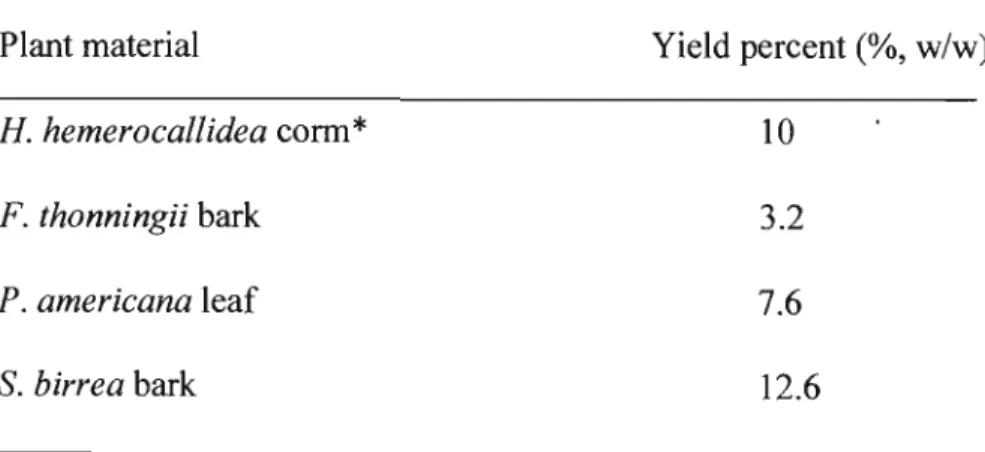
Plant extraction yields
- STZ-induced diabetic rats
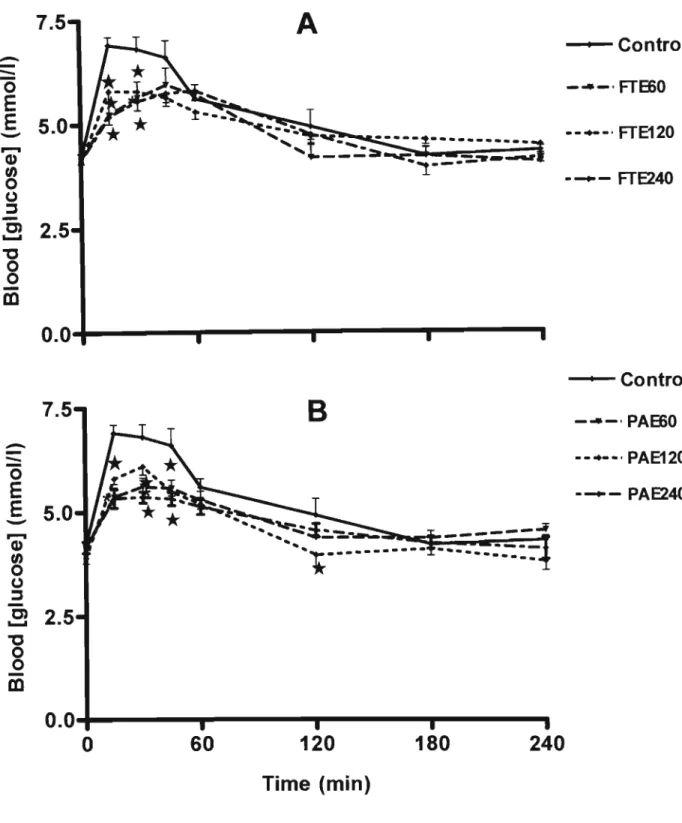
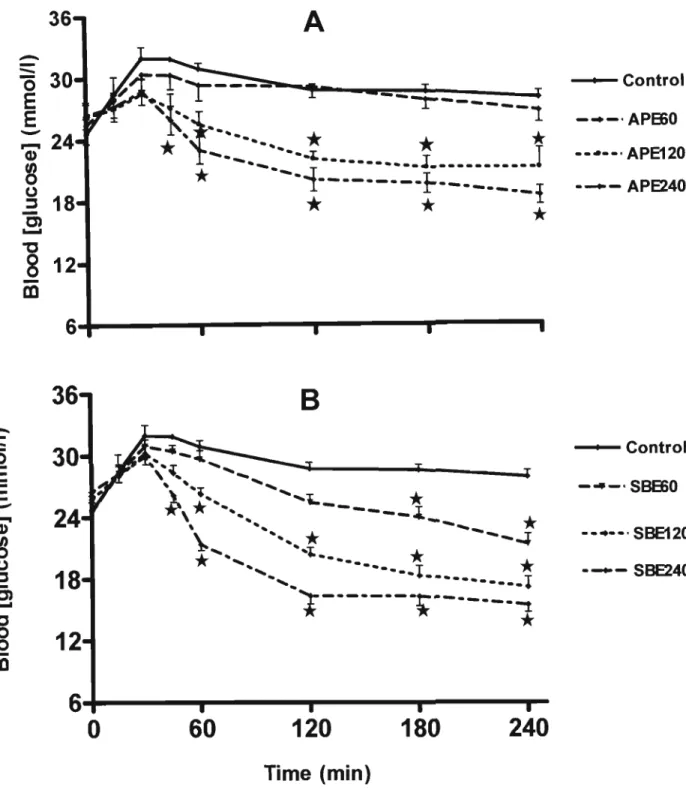
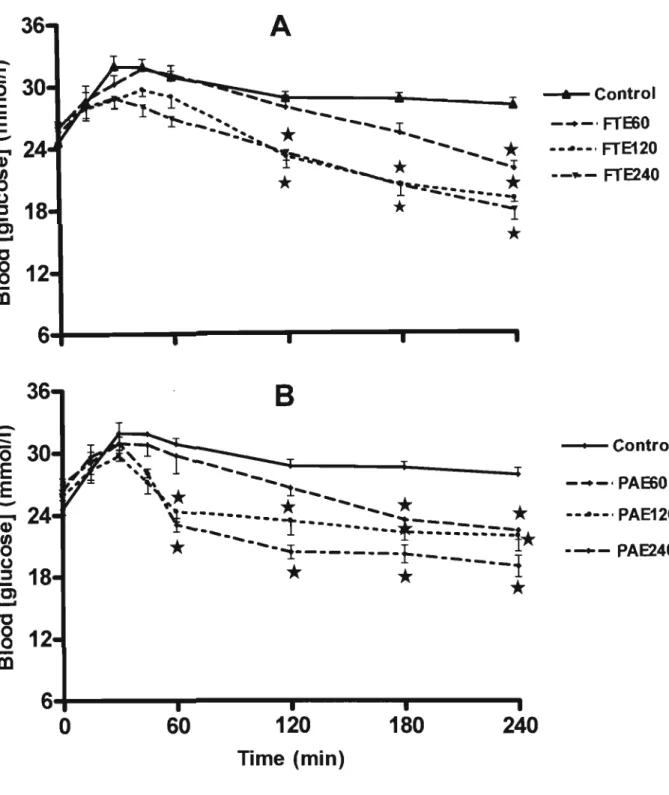
In both extracts, the lowest doses (60 mg/kg) did not show significant blood glucose-lowering effects compared to vehicle-treated controls. OGTT responses for group B extracts (FTE and PAE) in non-diabetic rats are shown in Figure 8. In contrast to group A extracts, the lowest dose of group B extracts (60 mg/kg) decreased blood glucose in non- diabetic rats.
Effects of a single acute oral administration of vehicle and standard drugs on blood glucose in glucose-challenged non-diabetic rats. Effects of a single acute oral administration of APE (A) and SBE (B) on blood glucose in glucose-challenged non-diabetic rats. Effects of a single acute oral administration of FTE (A) and P AE (B) on blood glucose in glucose-challenged non-diabetic rats.
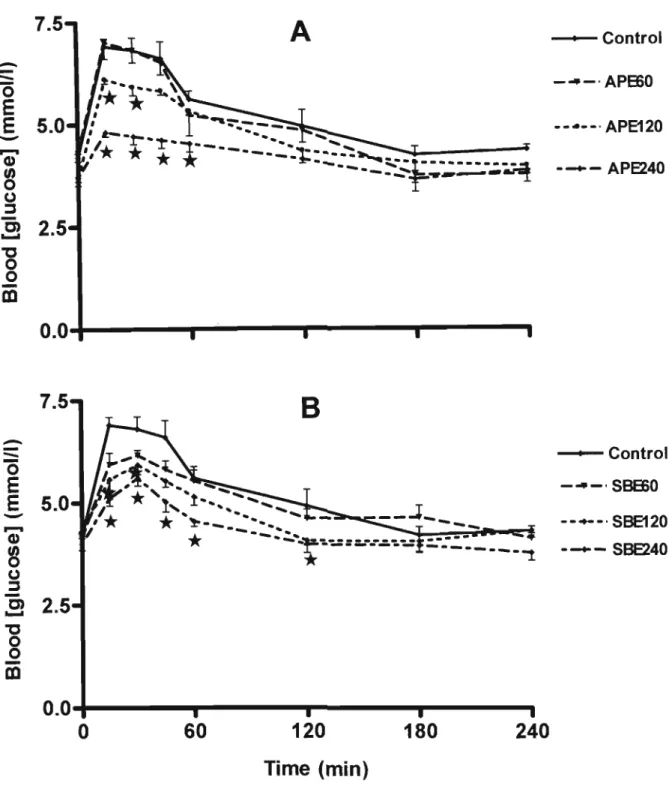
Time (min)
Acute effects of test extracts on insulin release
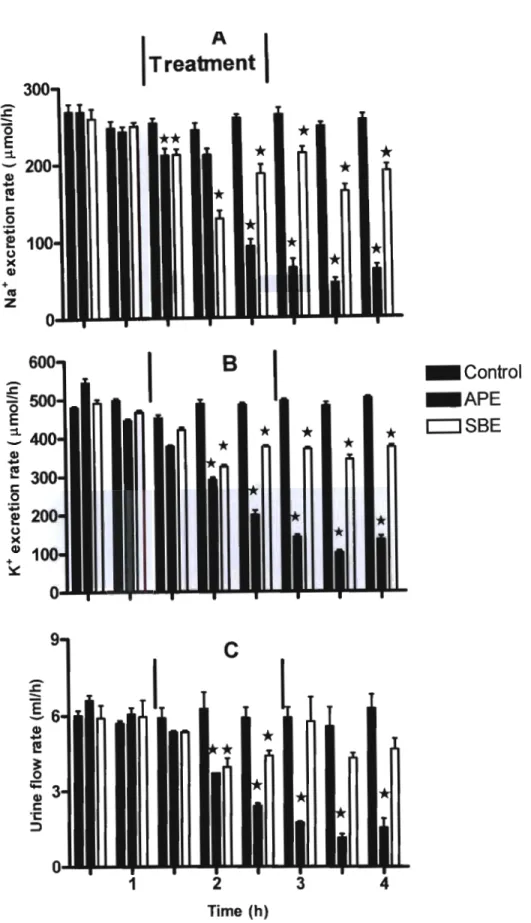
The effects of short-term intravenous administration of test extracts on the excretion rate of Na+, K+ and urine in anesthetized rats are shown in Figure 12. Figure 13 shows the effects of intravenous administration of extracts from group B on the excretion rate of Na+, potassium and urine. urine flow. in anesthetized rats. Intravenous administration of FTE showed no effects on K+ excretion and urine flow rate in non-diabetic rats.
K + secretion rates were higher in STZ-induced diabetic rats compared to nondiabetic control rats. Acute intravenous administration of SBE had no effect on urine flow rates in STZ-induced diabetic rats (Figure 14C). The effects of administration of group B extracts on electrolyte excretion and urine flow rates in anesthetized STZ-induced diabetic animals are shown in Figure 15.
Summary of acute renal effects of test extracts Non-diabetic rats
Control _APE
The mean arterial blood pressure values for control animals stabilized at approx. 120 mmHg during the 4 hours after the equilibration period. Shown in Figure 16B are the effects of intravenous administration of group B test extracts on blood pressure in anesthetized non-diabetic rats. FTE showed transient effects, reducing blood pressure from a pre-treatment value of 119 ± 1 mmHg to 98 ± 1 mmHg during the first 30 minutes of treatment.
The mean arterial pressure of the APE-treated group was 67 ± 4 nunHg at the end of the experiment. SBE reduced blood pressure from a pretreatment value of 109 ± 5 mmHg to a maximally reduced value of 82 ± 3 mmHg. FTE decreased blood pressure from a pretreatment value of 111 ± 2 mmHg to a posttreatment value of 97 ± 1 mmHg, after 30 minutes of treatment that was significant compared to the corresponding value of the control group, P < 0.05.
34;· · SBE
Also shown in Table 4 are the effects of group B test extracts on blood glucose concentrations at the end of 6 weeks of treatment in non-diabetic rats. Also shown in Table 4 are the effects of group B test extracts on blood pressure in non-diabetic rats. The effects of chronic administration of test extracts on Na+ and K+ excretion and 24-hour urine flow rate in nondiabetic rats are shown in Figures 18 and 19.
APE reduced urine flow rate in non-diabetic rats, but this was not statistically significant. None of group B extracts had any effects on Na + and K + excretion and urine flow rate in non-diabetic rats during 6 weeks of treatment. SBE, VTE and PAE had no effects on Na+ and K+ excretion, and urine flow rates in STZ-induced diabetic rats.
Effects of test extracts on plasma sodium and potassium levels
None of the test extracts had any influence on plasma Na+ and K+ concentrations in STZ-induced diabetic rats. In contrast, PAE had no effect on water and food intake and percent weight gain in non-diabetic rats. None of the test extracts had any long-lasting effect on insulin release in non-diabetic rats.
As shown in Table 8, none of the test extracts affected plasma insulin release in STZ-induced diabetic rats. None of the test extracts affected final plasma insulin in non-diabetic rats. None of the test extracts had any effect on the final plasma insulin in STZ-induced diabetic rats.
APE 72
SBE24 _SBE48
- Summary of aU results
- DISCUSSION
- Background
- Hypoglycaemic effects
- Renal effects
- Antihypertensive effects
Results showed that all test extracts have short- and long-term hypoglycemic effects in non-diabetic and STZ-induced diabetic rats. The demonstration of acute hypoglycemic effects of test extracts APE, SBE, VTE and P AE in STZ-induced diabetic rats (Figures 10 and 11) is a significant finding in the present study. Indeed, these observations are supported by results shown in Table 3, which show that none of the test extracts in the present study stimulated insulin release in both non-diabetic and STZ-induced diabetic rats.
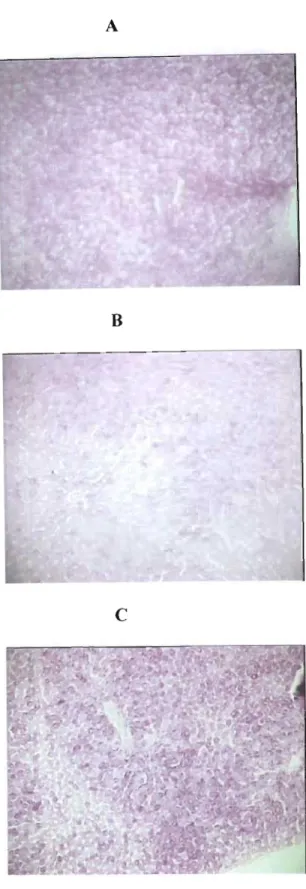
In the present study, glibenclamide showed hypoglycemic effects in non-diabetic rats (Figure 7), but showed no effects in STZ-induced diabetic animals (Figure 9). In the present study, all test extracts promoted the conversion of hepatic glucose to glycogen in STZ-induced diabetic rats compared with the control group (Table 7). Therefore, the long-term hypoglycemic effects of the test extracts may be partly due to the conversion of blood glucose to stored glycogen in the liver and muscle.