Definitions 13
- Suicide 13
- Suicide Behaviour 13
- Suicide Ideation 13
- Non- Fatal Suicide Attempt 14
And, while the behaviorist approach may view suicide as problem-solving behavior based on faulty assumptions and conclusions (Reese, 1968), it is ultimately the human act of self-inflicted termination of life, an act that is immutable and irreversible (Kgosimore & Makofane, 2006). Although an individual may be thinking about suicide, they can get the support they need to help them cope with their situation and thus avoid a suicide attempt. 1.2.5 "At Risk" and "Not at Risk" Group: The "at risk" group in this study was defined as those adolescents who had suicidal ideation and/or non-fatal suicide attempts, while adolescents who did not have suicidal ideation Suicide or Attempt was defined as "not at risk".
Outline of Research Report 14
The results of the statistical analysis of the study are presented in the fourth chapter. This chapter first presents statistical analyzes for the total student sample, followed by analyzes for the "at risk" group. Therefore, they are more vulnerable to make hasty decisions about often transient circumstances, which, in the case of suicide, eventually lead to a permanent solution.
International Suicide Rates 16
The only exception is China, where female suicide rates are consistently higher than male suicide rates (WHO, 2004). Suicide is the third leading cause of death among US youth ages 15 to 24. American statistics show that the suicide rate among adults and the elderly has tripled over the past century, even though the suicide rate among adults and the elderly has decreased (Cutler, Glaeser & Norberg, 2000).
Suicide Rates in South Africa 17
Although suicide rates tend to be highest among whites and men, both the magnitude and distribution of suicides in South Africa appear to vary considerably across age, race and gender groups within and between cities in South Africa (Burrows &. Laflamme, 2006). ). The results of this study confirmed the normative findings that suicide rates are highest among whites in all cities except for men in the Nelson Mandela Metropolitan area and men and women in Buffalo City, for whom rates were found to be highest among Asians and then among whites. Gender-based suicide rates were found to be in line with global norms, with suicide rates among men in all cities in South Africa being significantly higher than among women (Burrows & Laflamme, 2006).
Determinants of Suicide 19
Norberg, 2000; Herrera, Dahlblom, Dahlgren & Kullgren, cited in Bridge, Goldstein and Brent (2006), indicated that "a small but statistically significant number of adolescent suicide completions occur in time-space clusters, consistent with the mechanisms of contagion and imitation" (p. 381). A study on the relationship between suicide and friendships among American adolescents, conducted by Bearman and Moody (2004), using data on 13,465 adolescents from the National. However, a study conducted by Watkins and Gutierrez (2003), with 268 high school students in an urban area of Illinois, which examined the relationship between exposure to adolescent suicide and subsequent suicide risk, failed to support either.
Suicide Risk Factors simplified: Who is ‘at risk’? 20
It has been proven that suicide attempts among adolescents are related to the loss of a family member or friend due to suicide (Borowsky & Resnick, 2001; Cutler, Glaeser &. Such impairment can be in the form of loss of concentration, difficulties in schooling). work, bizarre or irrational thoughts, inability to meet expectations, self-criticism, pessimism, preoccupation with death, lack of concentration, confusion and unjustified conclusions.
The interplay between risk and protective factors in suicide risk 22
- Peer and Family networks as a protective factor against 23
- Peers as a protective factor against adolescent 26
Pearson correlation was also used to compare the relationship between Bonding Family Social Capital and Bonding Peer Social Capital. The hypotheses in this study relate to the central question of the relationship between Bonding Family Social Capital and Bonding Peer Social Capital and youth suicide risk. Subsequently, intercorrelations between measures of Bonding Family Social Capital and Bonding Peer Social Capital are highlighted.
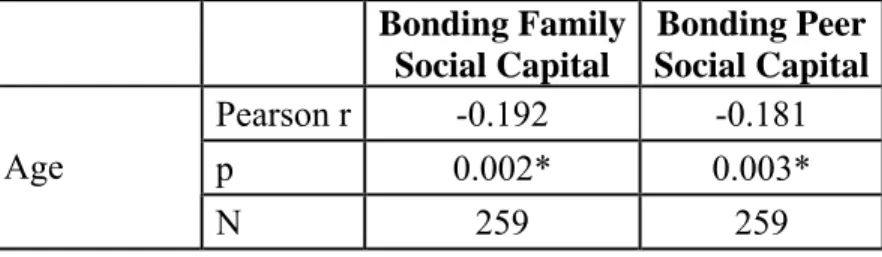
Pearson correlation was calculated to examine the relationship between Bonding Family Social Capital and Bonding Peer Social Capital. Age was significantly correlated with both Bonding Family Social Capital and Bonding Peer Social Capital (p<0.05). This included an analysis of the gender and age differences in bonding family social capital and bonding peer social capital.
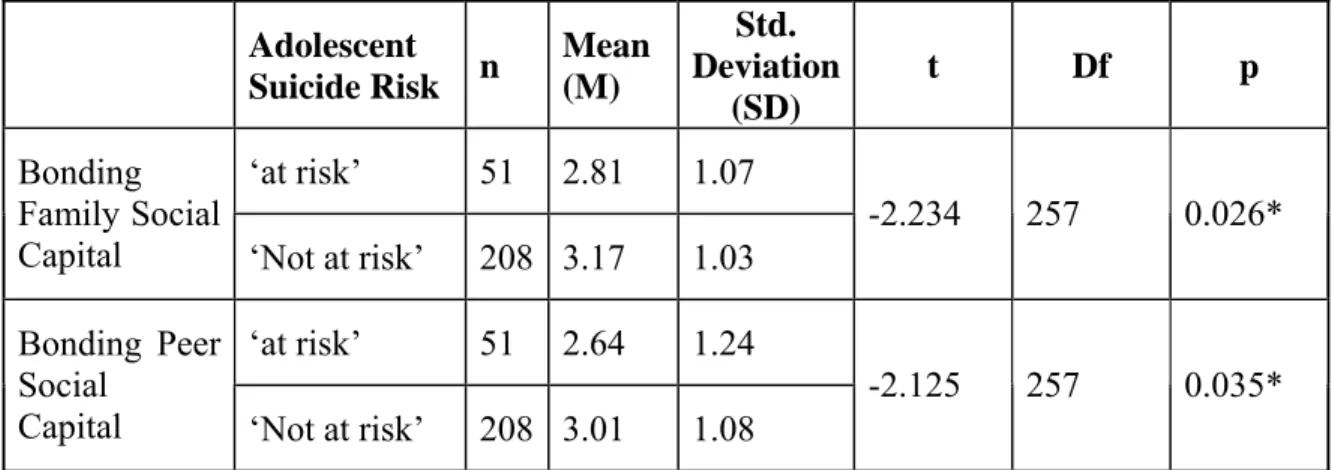
The results of the study indicated that there is indeed a link between Bonding Family Social Capital and Bonding Peer Social Capital and suicide risk.
Theoretical Framework 34
- Social Capital 34
- The origins of Social Capital 34
- Social Capital and Mental Health 39
- Durkheim’s Theory of Suicide 40
- Introduction 40
- Integration 40
- Regulation 41
- The Four Forms of Suicide 42
Introduction 46
As it is cross-sectional in nature, no conclusions can be drawn about causality.
Aims and Objectives 46
To determine whether higher levels of family social capital are associated with lower levels of suicide risk in the adolescent population. To determine whether higher levels of peer capital are associated with lower levels of suicide risk in the adolescent population.
Research Questions 47
Hypotheses 47
Methodology 48
- Sample 48
- Procedure and Data Collection 48
- Pilot Study 49
- Main Study 50
- Data Collection Techniques 50
- Informed Assent Form 50
- Measures 50
Due to the non-invasive nature of the study, parental consent was not obtained individually. Each student completed a self-administered questionnaire consisting of three scales that measured youth risk-taking behavior as well as family bonding social capital and peer bonding social capital. 3.4.3.2.2 Measures of family and peer social capital The second and third scales measured family social capital and peer social capital (Appendix E and F).
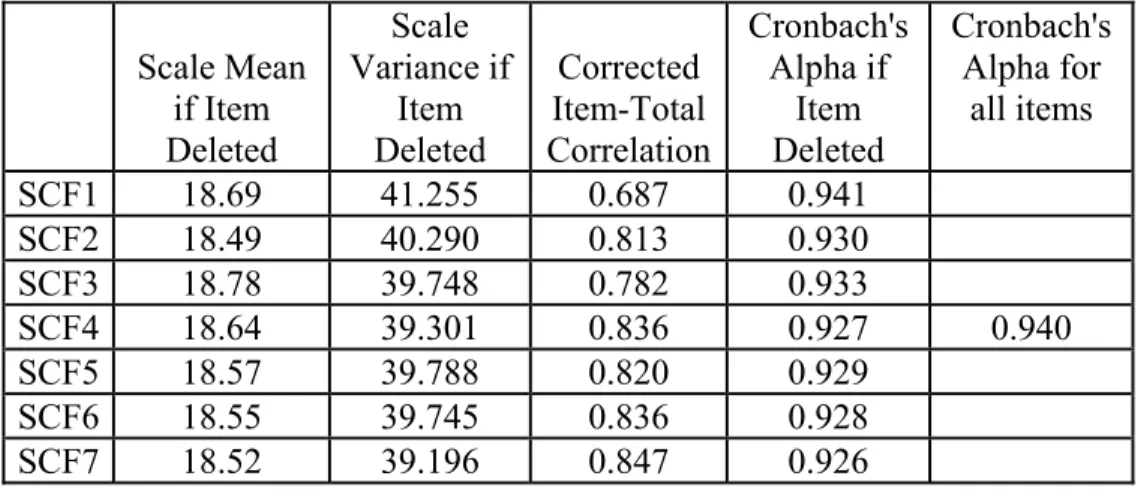
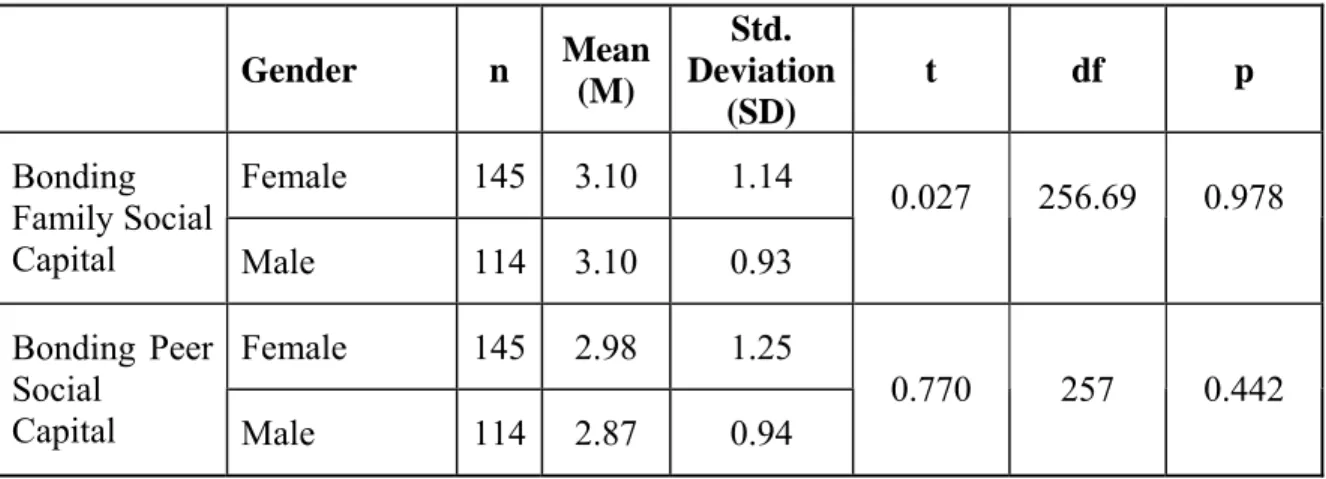
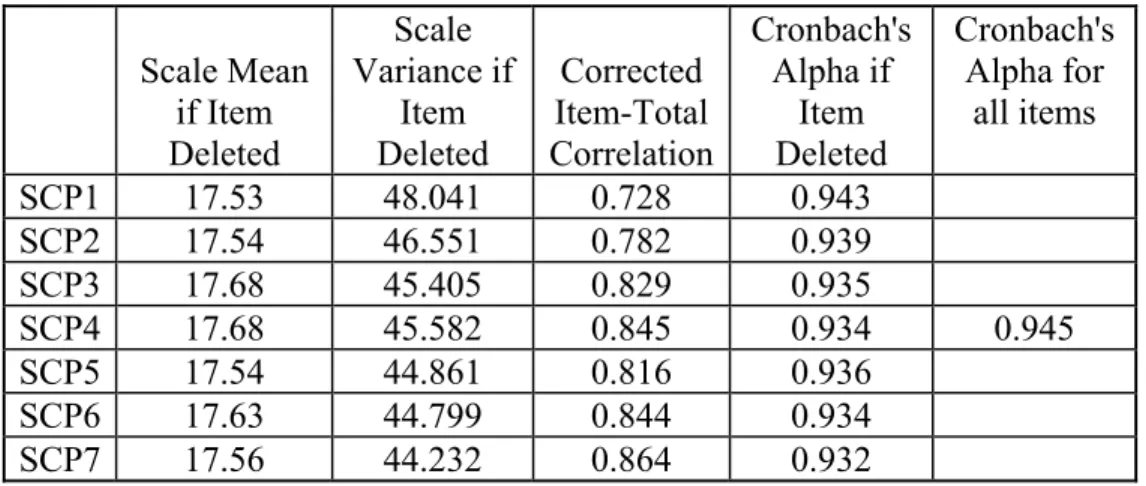
Cronbach's alphas for items related to peer social capital and family bonding social capital are greater than 0.90, indicating a high degree of internal consistency. Frequencies were used to examine the frequencies and distribution of variables of the total sample. For the total sample, an independent samples t-test was used to determine whether there were differences in mean scores between males and females on Family Bonding Social Capital and Peer Bonding Social Capital.
Pearson correlation analysis was conducted to determine the nature and magnitude of the relationship between the confederate variables of age, Family Bonding Social Capital, and Peer Bonding Social Capital. We used SPSS frequencies to check the frequencies and distribution of subsample variables. These frequency tables showed the frequencies of 'at-risk' youth according to the items in the Youth Risk Behavior Survey.
For the sub-sample, an independent sample t-test was used to determine whether there were differences in Bonding Family Social Capital and Bonding Peer Social Capital between adolescents who had suicidal thoughts and did not attempt suicide versus those who attempted suicide. do not have.
Ethical Considerations 55
- Informed Consent 55
- Anonymity and Confidentiality 55
- Coercion 55
- Deception 55
This study did not include any catalyst that could have resulted in physical harm, psychological abuse, or increasing an individual's risk of attempting suicide. However, due to the sensitive nature of the subject under investigation, students were provided with data from the University of KwaZulu Natal Psychology Clinic and other independent agencies should any trauma or concerns arise as a result of completing the questionnaires.
Introduction 57
- Abbreviations Key 57
Adolescent Suicide Risk Behaviours of the Full Sample 58
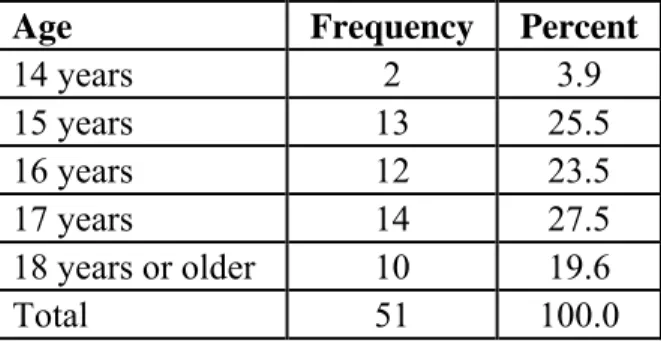
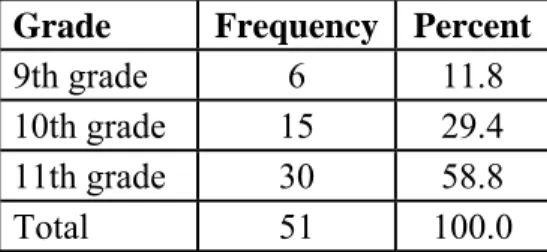
- Demographic Profile 58
- Gender Differences in Bonding Family Social Capital and Bonding Peer 60
- Biographical Profile of ‘at risk’ Adolescents. 64
- Age 64
- Gender 64
- Grade 64
- Descriptive Statistics of ‘at risk’ adolescents: Frequency Tables 65
- Youth Risk Survey 20- Requirement of treatment after 65
The Pearson correlation between Bonding Family Social Capital and Bonding Peer Social Capital is significant at the 99% level (p<0.01). There is a strong positive correlation between the two variables, indicating that both Bonding Family Social Capital and Bonding Peer Social Capital can be predicted from each other. Youth who have a high average Bonding Family Social Capital will also have a high average Bonding Peer Social Capital and vice versa.
The results of this study showed that there is no significant difference in the means between genders in bonding family social capital and bonding peer social capital. The results of the study show that adolescents with a high average social capital of connection with family also have a high average social capital of connection with peers. Similarly, adolescents who have low average family social capital were found to have low average peer bonding social capital.
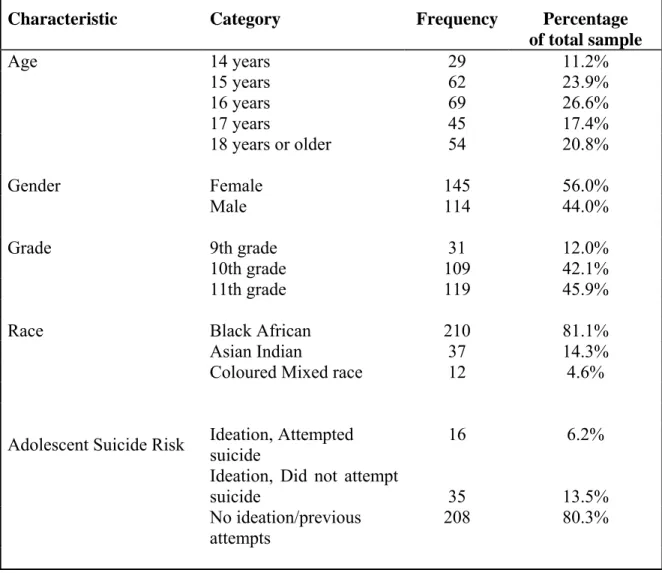
The negative effects of Peer Bonding social capital and suicide risk are evidenced by the study of Bearman and Moody (2004). This is of interest as this age group also reported the highest level of bonding family social capital and peer social capital. These findings are of interest and there were no gender differences in the levels of related family social capital and peer social capital in the analysis of the total sample (N=259).
Data collection The measures of bonding family social capital and bonding peer social capital were adapted from the Health Survey for England (Poortinga, 2006).
Introduction 67
Biographical Statistics of the Total Sample 67
- Gender Differences in Bonding Family Social Capital and 67
- Bonding Family Social Capital, Bonding Peer Social Capital and 72
- Comparison between Gender and Adolescents who are ‘at risk’ 75
Differences in Bonding Family Social Capital and 75
Conclusion and Recommendations 77
In light of Durkheim's postulation that suicide rates are indicative of a particular society's breakdown in social bonds (now known as a decline in Bonding Social Capital) (Bearman, 1991), this research study aims to examine the relationship between Bonding Social Capital both in relation to suicide risk and to the two most important sources of bonding social capital in a teenager's life, i.e. the youth categorized as being "at risk" (i.e. having suicidal thoughts and/or suicide attempts) were found to have lower levels of Bonding Family Social Capital and Bonding Peer Social Capital compared to the youth categorized as being 'not at risk' ', i.e. the following research project therefore provides evidence for the ongoing contemporary debate about the possible benefits of social capital in mental health research.
In order for the empirical replication and comparison of social capital research to take place, a universally accepted empirical and operational definition of social capital must be decided upon. Although the family and peer group are recognized as an essential source of social capital, both of these groups have been largely overlooked in the empirical social capital literature. The detailed examination of these important sources of social capital, in future research, is therefore crucial.
Suicide mortality in the South African context: Exploring the role of social status and environmental circumstances. Toward a neighborhood resource-based theory of social capital for health: Can Bourdieu and sociology help. If the statement does not describe your situation, place an X in the box that indicates NOT TRUE next to the statement.
If the statement partially describes your situation, place an X in the PARTLY TRUE box next to the statement.
APPENDICES