UNIVERSITY OF NATAL (DURBAN)
CENTRE FOR fNDUSTRIAL, ORGANlSATlONAL AND LABOUR STUDIES fNDUSTRIAL PSYCHOLOGY
AN INVESTlGA TlON INTO THE ATTITUDES, OPINIONS, AND FEELINGS OF PSYCHOMETRIC TEST ADMINISTRATORS TOWARD TIlE APIL B AS A CULTURE FAIR ASSESSMENT WITU
SPECIAL REFERENCE TO TIlE EMPLOYMENT EQUITY ACT
MlCHELLE DOOSI
SUPERVISOR: MS SONIA HILL
Submitted in partial fulfilment of the requirements for the degree of Master of Social Science in Industrial Psychology in the Centre for industrial, Organisational and Labour Studies,
University of Natal, Durban
2000
ACKNOWLEDGMENTS
The successful completion of this thesis would not have been possible without the assistance of the following people, to whom I am indebted:
I would firstly like to express my sincere gratitude to God for direction, wisdom and insight throughout my academic career.
• Denyse Fogg for all assistance rendered with regard to accessing test administrators in the KwaZulu Natal region.
• All test administrators at Beacon Sweets, Durban Metro Electricity, Profiled Appointments, Saunders and Associates, Tetrapak, lthala and Mangosuthu Technicon who willingly responded to the questionnaires administered to them.
• The Industrial, Organisational, and Labour studies staff at the University of Natal, Durban, especially Professor Ari Sitas and Ms Oebby Bonnin for their support and encouragement.
• My sincere thanks also to my supervisor Ms Sonia Hill for her guidance.
I am also grateful to my mother and sisters for their unconditional love, support, understanding and encouragement throughout my academic career.
Special thanks are also due to Tahir 8aig for his moral support and patience.
The financial assistance of the Mellon Foundation Scholarship Fund towards the research is hereby acknowledged. Opinions expressed and conclusions arrived at are those of the author and are not
necessarily to be attributed to the Mellon Foundation or the University of Natal.
DECLARATION OF ORIGINALITY
I hereby declare that this dissertation is my own original work, unless it is specified to the
contrary in the text. This dissertation has not been submitted for a degree at any other university.
MICHELLE DOOSI (MISS)
University of Natal, Durban December 2000
TABLE OF CONTENTS
LIST OF GRAPHS ...•...
LIST OF T ABLES... 11
ABSTRACT... IV CHAPTER I: fNTRODUCTION AND STATEMENT ... I 1.1. INTRODUCTION ... . 1.2. BACKGROUND OF THE STUDY ... ... ... . 1.3. LEARNfNG POTENTIAL TESTS ... 3
1.4. STATEMENT OF RESEARCH ... 4
lA. t. Primary Objective ... . . ... 5
1.4.2. Secondary Objectives ... 5
1.5. VALUE OF THE RESEARCH ... . . ... 6
1.6. SUMMARY ... 6
CHAPTER 2 LITERATURE REYTEW ... 7
2.1. I TRODUCTIO ... 7
2.2. WHAT DO PSYCHOLOGICAL TESTS MEASURE ? ... 7
2.3. TRADITIONAL METHODS OF PSYCHOMETRIC TESTING ... 9
2.3. I. Standardisation ... 9
2.3.2. Norms ... 10
2.3.3. Defining Variables ... . . ... 10
2.3.4. Reliability ... . II 2.3.5. Validity ... . I I 2.3.5.1. Construct Validity ... ... ... 12
2.3.5.2. Predictive Validity ... . . ... 12
2.3.5.3. Content Validity .. ........ . . ... 12
2.4. THE MEASURE OF OCCUPATIONAL STRESS ... 12
2.5. TEST FAIRNESS ... ... .. . . ... . . ... 13
2.6. DEFINING THE TERM CULTURALLY FAIR ... 13
2.7. THE EMPLOYMENT EQUITY ACT AND PSYCHOMETRIC TESTING ... 14
2.7.1. The Recruitment Process ... 15
2.7.2. The Selection Process .. ... .. ... , . 15
2.7.3. Psychometric Testing for the Purpose of Selection .... " ... . ... 16
2.8. A CRITIQUE OF TRADlTlONAL METHODS OF PSYCHOMETRIC TESTING ... 17
2.9. THE CULTURAL BIAS DEBATE . ... , ... . 19
2.10. ISSUES THAT NEED TO BE RECONSIDERED IN THE TRADITIONAL METHODS OF PSYCHOMETRIC TESTING ... . . ... 24
2.10.1. A Cognitive Processing Approach .. . ... 24
2.10.2. The Experimental Approach. .. 24
2.10.3. Measurement of Learning Potential as an Alternative to Conventional Assessment .. 24
2.10.3.1. Theoretical Conceptions of Leaming Potential ... . ... 25
2.10.3.2. A Critique of Learning Potential Tests .... ... 26
2.1 L THE APlL B ... . ... 27
2.12. THE THEORETICAL FRAt\1EWORK .. . ... 29
2.12.1. Allocation of Resources ... , ... .. 29
2.12.2. Justice Related Behaviour. ...... . .... 30
2.12.3. Summary of Distributive Justice Theory ... , .. . ... 30
2.13. IMPLICATIONS OF TESTING FOR INDIVIDUAL AND SOCIETy ... 31
2.14. CONCLUSION •...•... 32
2.14. SUMMARY ... ... . . ... 33
CHAPTER 3 : RESEARCH DESIGN ... 34
3.1. INTRODUCTION ... . 34
3.2. RESEARCH APPROACH ... 34
3.3. RESEARCH METHODOLOGy ...•..• . ... . ..••...•...•.... 34
3.3.1. Qualitative Method •.. ...••.•...•••..•••....••....•... 34
3.3.1.1. The Central Principles of Qualitative Research ... 35
3.3.1.2. Phenomenology ..••....••••.•••.. ... 36
3.3.2. Quantitative Method ...... ........ 37
3.4. POPULATION •.••... ... ... 39
3.5. SAMPLE ..•....•••. ...•••...••...••...••• . ... 39
3.5.1. General Underpinning Qualifications of Proposed Test Administrators ... 39
3.5.2. Instrumental Knowledge and Skills Required by Competent Test Administrators. ... 40
3.5.3. Professional and Ethical Standards ofOood Testing Practices ... 41
3.5.4. Basic Knowledge that Competent Test Administrators Should Possess ... 42
3.6. SAMPLING METHODS ... . ... . .. ... 43
3.6.1. Non-Probability Sampling ... 43
3.6.2. Purposive Sampling ... . .. ... 43
3.7. GATHERING OF DATA ... 44
3.7.1. Self-Administered Questionnaires 44 3.7.1. 1. Questionnaire Construction .... ... 44
3.7.1.2. Types of Questions Used and Response Categories ... 46
3.7.1.2.1. Types of Questions Used ... .. 46
3.7.1.2.2. Response Categories ... .. .. ... 45
3.7.1.3. Structure of the Questionnaire .... . ... 46
3.7.1.4. The Administration of the Questionnaire ... . .. ... 48
3.8. DATA ANALYSIS ... 48
3.8.1. Analysis of Qualitative Data ... ... 48
3.8.2. Analysis of Quantitative Data ... . . ... 51
3.9. ETHICAL STANDARDS IN RESEARCH ... 52
3.10. SUMMARy ... . ... ... 53
CHAPTER4: DISCUSSION ... 54
4.1. INTRODUCTION ... . 54
4.2. RESULTS OF THE QUESTIONNAIRE ... 54
4.2.1. Question One ... . 54
4.2.2. Question Two ... . . ... 55
4.2.3. Question Three ... . ... 57
4.2.4. Question Four ... . . ... 59
4.2.5. Question Five ... 60
4.2.6. Question Six ... . ... 66
4.2.7. Question Seven ... . . ... 66
4.2.8. Question Eight ... . ... 68
4.2.9. Question Nine ... . 69
4.2.10. Question Ten ... . . ... 70
4.2.11. Question Eleven ... . . ... ... M 4.2.12. Question Twelve
... . ... .. n
4.2.13. Question Thirteen ... . . ... 744.2.14. Question Fourteen ... . . ... 75
4.2.15. Question Fifteen ... 76
4.2.16. Question Sixteen ... . ...78
4.2.17. Question Seventeen ... .
. ... ... ...... n
4.3. I TERPRETATlONOF RESULTS ... 804.3.1. Summary oflnterpretation ... . . ... 82
4.4. SUMMARY ... 83
CHAPTER FIVE ... 84
5.1. INTRODUCTION ... . .. ... 84
5.2. RECOMMEND A nONS ... ... ... .. .. ... 84
5.2.1. Learning Potential Tests ... .. 84
5.2.2. Culture Reduced Tests ... . .......... ... 85 5.2.3. Standards in Testing . ... .. . ... 86
5.2.4. Issues of Bias and Fairness ... 87
5.2.5. Competency Models ... . ... 87
5.2.6. Co-measures ... 88
5.2.6.1. Provision of Learning Periods Prior to the Job ... 88
5.2.6.2. Work Samples ... . . ... 89
5.2.6.3. Assessment Centers ... 89
5.3. CONCLUSIONS ... . •. . •... 90 5.4. SUMMARY ... 90
REFERENCES ... 91
APPENDIX: RESEARCH QUESTIONNAIRE ... A-I
LIST OF GRAPHS
CRAPTER4
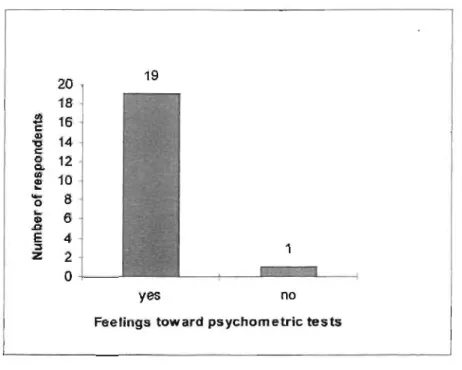
Graph 4.1 : Depicting Respondents Feelings Toward the Use of Psychometric Testing as a Tool for
Recruitment and Selection ... 56
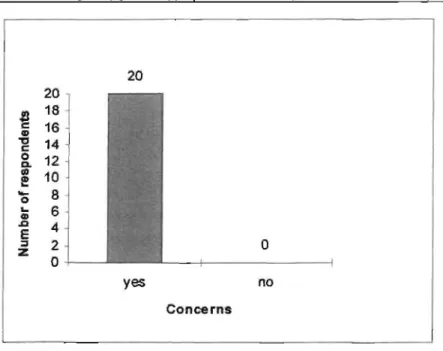
Graph 4.2 : Reflects Concerns that Respondents may have when using Psychometric Tests .. 58
Graph 4.3 : Reflects Respondents Opinions Concerning the Validity and Reliability of the ApiIB ... 61
Graph 4.4 : Indicates Whether Respondents Feel that the Apil B is Fairly Applied ... ... 63
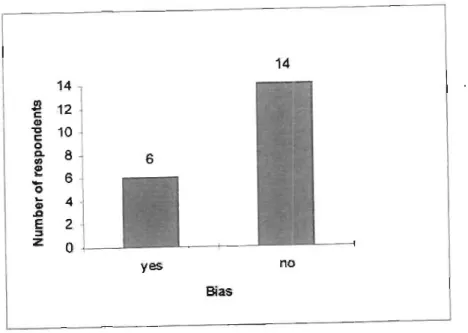
Graph 4.5 : Indicates Whether Respondents Feel that the Apil B is Biased in Any Way ... 65
Graph 4.6 : Illustrates Whether the Equity Legislation has Influenced Respondents Attitudes, Opinions, and Feelings Concerning the Use of Psychometric Tests ... 67
Graph 4.7 : Illustrates Whether Respondents Feel that the Apil B Values Diversity in South Africa .. ... . ... 71
Graph4.8: RatingoftheApilB ... ... ... 73
Graph 4.9 : Indicates Whether Respondents Value Psychometric Tests ... 76
Graph 4.10: Reflects the Utility of Psychometric Tests ... 77
Graph 4.11 : Reflects Whether Respondents Feel that there are Other Measures of Assessing Individuals ... 78
LIST OF TABLES
CHAPTER 3
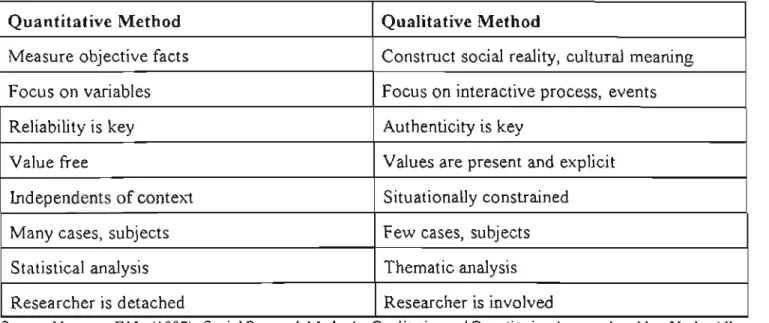
Table 3, I : Quantitative Style versus Qualitative Style .... . ... ... 38
CHAPTER 4
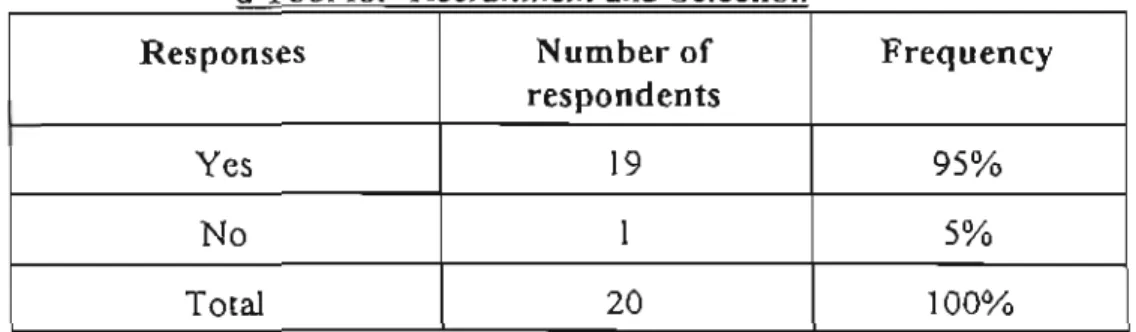
Table 4.1 : Depicting Whether Respondents Value Psychometric Testing as a Tool for
Recruitment and Selection ... ... . ... 55
Table 4.2 : Depicting Whether Respondents have Any Concerns When Using Psychometric
Table 4.3
Tests ... ... . ... ... 58
Depicts Respondents Opinions Concerning the Validity and Reliability of the
~IB@
Table 4.4 : Reflects Respondents Opinion Concerning the Fairness of the Apil B ... 63
Table 4.5 : Reflects Respondents Feelings Toward Bias in the Apil B ... 64
Table 4.6 : Depicts Whether the Equity Legislation has Influenced Respondents Attitudes,
Opinions and Feelings Concerning the Use of Psychometric Tests ... 66
Table 4.7 : Depicts Respondents Feeling Toward the Apil B as a Test that Values Diversity ... 71
Table4.8 : Rating of the Apil B as a Culture Fair Test.. ... . . ... 72
Table 4.9 : Depicts Respondents Opinion with Regard to the Value of Psychometric Testing for Selection Purposes ... 75
Table 4.10: Reflects the Utility of Psychometric Tests ... 77
Table 4.11 : Other Means of Assessing Competence, Potential, and Developmental Areas ... 78
ABSTRACT
This research is an investigation into the Apil B as a culture fair assessment tool for the purpose of recruitment and selection. The Employment Equity Act stipulates that "psychological testing and other similar assessments are prohibited unless the test or assessment being used :-a) has been shown to be valid and reliable b) can be fairly applied to all employees and c) is not biased against any employee" (Employment Equity Act, 1998). The primary objective of this research is to evaluate the Apil B with regard to validity. reliability, cultural fairness, and bias via a consideration of the attitudes, opinions, and feelings of psychometric test administrators in the Kwa Zulu Natal region. The secondary objective is to ascertain whether the Employment Equity legislation has influenced the attitudes of test administrators toward psychometric testing, and the implications for psychometric testing in South Africa following the Act.
The sample in this research consists of 20 qualified test administrators of the Apil B. The administrators are affiliated with the following companies : Beacon, Durban Electricity, Profiled Appointments, Mondi, McCann and Associates, Saunders and Associates, Tetrapak, lthaJa, and Mangosuthu Technikon.
Qualitative and quantitative methods are used. A self-administered questionnaire is used to investigate the attitudes, opinions, and feelings of the respondents toward the Apil B as a culture fair assessment, specifically in relation to validity, reliability, cultural fairness, and bias. Although most of the questions are qualitative, quantitative questions are also included. Therefore, this research requires numerical data as well. The quantitative questions include yes and no responses, as well as rating scales. The quantitative data supplements the qualitative data and therefore facilitates a more concrete data base.
The results indicate that all respondents feel that the Apil B is valid, reliable, culture fair and fairly applied. Respondents feel more positively toward the new updated psychometric tests. They expressed greater confidence in terms of knowing which tests are inappropriate and which tests are relevant to specific jobs.
It is also evident that the Employment Equity Act has strongly influenced the attitudes of respondents, in a very positive light, toward the use of psychometric testing. The respondents do however mention some concerns with regard to language based tests, and the ethical use of tests.
According to the research conducted, the Apil B is regarded as a valid, reliable, and culture fair assessment tool in the opinion of the respondents utilised in this study. It is therefore recommended that the Apil B is used in organisations as a test that does not discriminate against any culture or subculture.
CHAPTER I
INTRODUCTION AND STATEMENT
1.1. INTRODUCTION
This chapter provides an introduction to the topic and research problem underlying this study. The value of this research is clearly explicated. The aim of this research is to investigate the attitudes, opinions, and feelings cftest administrators in the Kwa-Zulu Natal region concerning the use of psychometric tests following Employment Equity legislation. Special reference is made to the learning potential test, the Apil B.
1.2. BACKGROUND OF THE STUDY
Psychometrics played a central role in the development of psychology in South Africa and continues to affect more South Africans than any other branch of psychology. For this reason the transformation of psychology in South Africa wiJI not be complete until psychometric testing practices have been transformed. Workers tend to have little trust in tests and the testing process.
The solution for them lies in the formulation of explicit testing policies arrived at through a process of consultation. Personnel practitioners, while acknowledging cultural bias in testing, tend to think that it could be overcome through the construction of non-biased tests. Such views tend to coincide with regard to the popularity of interviewing as an alternative to testing. This places a heavy burden of responsibility on experts in psychological testing to help redeem psychological testing, and psychology, III the eyes of South Africans (Schlapelo and Terreblanche, 1996).
It is generally agreed that South African psychology is at an historical crossroad as it tries to free itself from the Eurocentric theories, naively positivist methodologies, elitist service delivery mechanisms, and legitimation of the status quo which has characterised it in the past. However, much of the debate around the transformation of South African psychology has been characterised by an emphasis on academic and clinical issues rather than on psychology's role in industry (ScWapelo and Terreb1anche. 1996).
Why is industrial psychology, and more particularly psychometrics, important? Two reasons for psychometrics' importance in the transformation of South African psychology have been identified: Firstly, its central role in the development of South African psychology as a profession and, secondly the extent of testing in South African society (Schlapelo and Terreblanche, 1996).
Arguably the first contact ordinary South Africans had with scientific psychology was through the early research of Rich (cited in Schlapelo and Terreblanche, 1996). He was cuncerned with adapting European-designed psychometric tests for use on Zulus. The pre-war history of South African psychology is dominated by psychometric work relating to the education of 'natives' and their intellectual standing relative to 'Europeans' (Fick cited in Schlapelo and Terreblanche, 1996), Several decades after the war psychometric testing in industry (particularly as practised at the National Institute of Personnel Relations) was a central concern of academic and professional psychologists such as Biesheuvel and Hudson (cited in Schlapelo and Terreblanche, 1996).
Since the 19605 there has been a steady decline in academic publications on psychometrics but the practice of psychometrics has continued to grow . Although no exact incidence figures appear to be available the level of test use in companies in the United Kingdom is between 63 and 68 percent.
Some indirect indicators of the scope of testing in South Africa are the following: The Human Science and Research Council sells more than a 105000 answer sheets annually. In the 19705 as many as 10 000 workers were tested monthly in the mining industry alone and 91,7% of large companies use psychometric tests to select artisans is thus entirely possible that psychology touches the lives of more South Africans through testing than in any other way (Schlapelo and Terreblanche,
1996).
Given South African psychology's intimate historical connection with psychometrics and the continued prevalence of psychometric testing in modern-day South Africa, it should obviously be an important site of transformation. The fact is that psychological tests are used on a large scale to determine who gains access to economic and educational opportunities. The reform of testing practices should therefore be one of the priorities of psychologists.
However, testing practices, i.e. the day-ta-day use of tests as opposed to technical issues of test construction and validation, tends to receive inadequate research attention, not only in South Africa but internationally (Fletcher, 1994). This research presents some attitudes, opinions, and feelings regarding a newly developed culture fair test, the Apil B, with regards to its fairness, validity, reliability and applicability. What do psychometric test administrators in South Africa think of psychometric tests and testing? What suggestions can be made by such experts with regards to what factors can lead to the creation of culture fair tests? Has employment equity legislation influenced the attitudes of test administrators toward the use of psychometric tests in South Africa? This research attempts to present some of the answers to the above questions.
1.3. LEARNING POTENTIAL TESTS
The popularity oflearning potential in South Africa is due to its promise of providing a means offair assessment despite unequal and inadequate educational opportunities. The extent to which testees benefit from the instruction is taken as indicative of their potential also to benefit from future learning opportunities. Despite its popularity there are numerous technical measurement issues which have yet to be adequately resolved (Boeyens, 19&9).
There is also a paradox in the simultaneous endorsement of the importance of learning potential and job specific skills. While job specific skills expressly depend on previous learning, and therefore disadvantage those who have not had learning opportunities, learning potential is assumed to equalise opportunity.
Although it is encouraging to see such a high degree of agreement among workers, trade unionists, academics, and personnel practitioners, a danger inherent in the learning potential discourse is that it may come to be seen as a technical solution to problems which are fundamentally socio-political in nature. To be labelled as lacking in potential is, if anything, more damning than to be considered unintelligent, and it is hard to imagine any procedure which can assign such value-laden characterisations in a neutral, scientific way (Schapelo and Terreblanche, 1996).
1.3.1. The Apil B
The Apil B was developed by Or T.R. Taylor to measure a person's underlying ability to learn cognitively challenging new skills. It can thus be used to assess learning potential. The Apil B consists of eight dimensions and is classified as a B test (Taylor. 1995). This research makes particular reference to the Apil B since it has been declared as a culture fair assessment tool for the purpose of recruitment and selection. It is therefore necessary to consider the attitudes, opinions, and feelings of psychometric test administrators with regard to the validity. reliability, fairness, cultural fairness.
and bias of the Apil B.
1.4. STATEMENT OF RESEARCH
This research comprises an investigation into the Apil B as a culture fair assessment tool for the purpose of recruitment and selection. The Employment Equity Act stipulates that "psychological testing and other similar assessments are prohibited unless the test or assessment being used :-a) has been scientifically shown to be valid and reliable b) can be fairly applied to all employees and c) is not biased against any employee" (Employment Equity Act, 1998).
The primary focus therefore is an evaluation of the Apil B with regard to these technical factors, that is, validity. reliability, fairness, cultural fairness, and bias. This will be accomplished by a thorough analysis of the attitudes, opinions, and feelings of psychometric test administrators of the Apil B. Such a consideration will assist in determining whether the Apil B meets Employment Equity standards. A qualitative approach will be used. A questionnaire will be used to assess the attitudes, opinions, and feelings of test administrators in the Kwa-Zulu Natal region toward the Apil Band toward psychometric testing in general following Employment Equity legislation. Although the research is essentially Qualitative, the research questionnaire contains quantitative questions as well (such as ratings).
A main research objective and secondary objectives are presented to serve as guidelines during the research process.
1.4.1. Primary Objective
To investigate the attitudes, opinions, and feelings of test administrators with regard to the validity, reliability, fairness, cultural fairness, and applicability of the Apil B as a culture fair assessment tool for the purpose of recruitment and selection.
1.4.2. Secondary Objectives
To assess, in the test administrators opinion;
• Whether the Apil B is valid, fair and reliable (or does the Apil B meet Employment Equity standards )7
Is the Apil B a culture fair assessment?
• Is the Apil B a reliable tool for recruitment and selection?
• The value and utility of psychometric tests for the purpose of recruitment and selection in South African organisations, following Employment Equity legislation.
The Apil B has been presented as a culture fair assessment tool. The purpose of this research is to uncover the attitudes, opinions, and feelings of psychometric test administrators concerning the validity, reliability, fairness and cultural fairness of the Apil B, a test that claims to meet the requirements of the Employment Equity Act. Furthermore, as part of the secondary objectives of this research, the aim is also to provide an understanding of test administrators attitudes, opinions, and feelings toward the value and use of psychometric testing in general, following Employment Equity legislation. Such attitudes, opinions, and feelings may have invaluable implications for the future of psychometric testing in South Africa. This research is not aimed however at reconstructing psychometric tests but rather attempts to offer information regarding the attitudes, opinions, and feelings of psychometric test administrators toward psychometric testing, with particular reference to the Apil B.
1.5. VALUE OF THE RESEARCH
This research will provide valuable infonnation with regard to the attitudes, opinions, and feelings of test administrators concerning the use of the Apil B for the purpose of recruitment. selection and placement The test itself claims to meet Employment Equity standards and is therefore currently being used in some organisations. This research proves to be highly valuable in that it provides expert attitudes, opinions, and feelings concerning the validity, reliability, fairness, cultural fairness and applicability of the Apil B based on extensive experience with the test.
The field of testing has often been plagued by the lack of research and has consequently been faced with resistance from many. most often, testees. This research could make a contribution in terms of providing an understanding of the utility of the Apil B in organisations.
Psychometric testing, although still widely used in South Africa is viewed with much skepticism from many, rnost notably the South African workforce. This places a heavy burden on psychologists to redeem the notion of testing in the eyes of those whose lives it affects the most. It is hoped that this research rnakes a contribution in this regard.
1.6. SUMMARY
This chapter has provided insight into the topic and underlying problern of this research. A background to the study serves to iIIurninate its irnportance. The airns as well as the value of this research has been clearly outlined.
CHAPTER 2
LITERATURE REVlEW
2.1. INTRODUCTION
The notion that psychometric tests can promote unfair discrimination and lead to controversy in the workplace has lead to widespread debate and research in the field of testing over the past years. The popular criticisms that these instruments, which are based largely on middle-class white values and knowledge, are culturally biased and less valid for other population groups, has lead to the contentious issue of bias in testing (Van Zyl and Visser, 1998:25).
South Africa is beginning a new lease on life with the end of apartheid and the beginning of a new, equal, free, and fair society. The Employment Equity Act (1998) is a legislation that attempts to promote equal opponunity and fair treatment in employment through the elimination of unfair discrimination. Consequently psychometric testing and other similar assessments of an employee are prohibited unless the test or assessment being used has been scientifically shown to be valid and reliable. Psychometric testing has therefore been the site of much scrutiny, controversy, and debate after the stipulations in the Act. The discussion that follows therefore attempts to highlight aspects of psychometric testing that needs to be re-evaluated and transformed in order to be "culturally fair"
and "anti-fixating".
2.2. WHAT DO PSYCHOMETRIC TESTS MEASURE?
A psychological test may be defined as a standardised procedure for quantifying a persons responses to a sample of tasks (Huysamen, 1983:1O). According to this definition, a test is a standardised procedure for assigning numbers to persons to reflect differences among them in some attribute.
Another corresponding definition is <'A psychological test is essentially an objective and standardised measure ofa sample of behaviour" (Anastasi and Urbina, I 997:4). Thus, psychological tests are like the tests in any other science, insofar as observations are made on a small but carefully chosen sample of an individuals behaviour {Anastasi and Urbina, 1997}.
The first key term in these definitions is that of a standardised procedure. Standardisation in this context refers to the uniformity of the test material, administration, and scoring procedure of the instrument. A measurement procedure is adequately standardised if a person is subjected to precisely the same procedure irrespective of where, when, and by whom it is administered (Huysamen,
1983:10).
The above defmitions also emphasises that the intention is not to measure the individuals themselves but some attribute, for example intelligence and anxiety. Psychological attributes such as intelligence and anxiety can only be measured indirectly. Inferences about these attributes are made based on observations of the person's responses to a standard collection of tasks or questions, that is, a test (Huys.men, 1983: 1 0).
Measuring instruments can be classified in terms of the nature of the attribute which they are supposed to measure. In tests of maximal performance the objective is to determine the individuals best possible performance. Consequently, there is agreement on the correctness or incorrectness of the answers to items on these tests. One person may fare better on them than another. Aptitude and intelligence tests are examples of maximal performance tests. No attempt will be made to provide a comprehensive survey of available tests within this area. Such a survey will be outside the scope of this research. In the case of typical performance tests, the objective is to determine an individuals typical behaviour. In such measurement procedures, there are no correct or incorrect responses as no assumption is made about the correctness or incorrectness of a person's typical behaviour.
Measures of personality, interest, and attitude represent typical performance measurement (Huysamen, 1983). Once again a comprehensive review of all the tests available within this area will not be possible.
The last three decades of the twentieth century witnessed a conspicuous growth in research and writing on cultural psychology. The use oftests on individuals from diverse cultural backgrounds has been examined ITom various angles. Anastasi and Urbina (1997) highlight some basic theoretical issues about the role of culture in behaviour, with special reference to the use and interpretation of intelligence test scores. Beginning with the analysis of basic psychological processes, such as learning, remembering, problem-solving and emotion, cognitive psychologists soon discovered that
such processes are manifested in behaviour that is domain-specific. For example, memory or problem-solving may vary widely when one is playing chess, working on a mathematical problem or writing an essay. Essentially, the field of cultural psychology represents a recognition of the cultural specificity of all human behaviour, whereby basic psychological processes may result in highly diverse performance, attitudes, self-concepts, and world views in members of different cultural populations (Anastasi and Urbina, 1997).
This discussion represents an account of what psychometric tests measure. Following this, it is necessary to consider traditional methods of psychometric testing in a more detailed manner.
2.3 TRADITIONAL METHODS OF PSYCHOMETRIC TESTING
According to Maloney and Ward (1980) psychological tests are designed to assist in the collection of data. It enables behaviour to be described in a quantitative way. Psychometric tests are based on empirical endeavours which embrace the following constructs: norms, standardisation, defining variables, reliability, and validity. An investigation into these technical aspects of psychometric tests reveals the inherent biases of traditional methods of psychometric assessments.
2.3.1. Standardisation :
A psychological test is described as a standardised measure. Standardisation implies "uniformity of procedure in administering and scoring the test" (Anastasi and Urbina, 1997). If the scores obtained by different persons are to be comparable, testing conditions has to be the same for all.
In order to secure uniformity of testing conditions, the test constructor provides detailed directions
for administering each newly developed test. This foonation of direction is a fundamental aspect of the standardisation of new tests. Such standardisation extends to the exact materials employed, time limits, oral instructions, preliminary demonstrations, ways of handling queries from the test takers, and every other detail of the testing situation. Many other more subtle factors may influence the performance on a test.
Therefore when test instructions or problems are presented orally, consideration must be given to the rate of speaking, tone of voice, pauses, inflection and facial expression (Huysamen, 1983).
2.3.2. Norms :
Another important aspect in the standardisation ofa test is the establishment of norms. Psychological tests have no predetermined standards of passing or failing (Anastasi and Urbina, 1997). Norms indicate the average performance of a certain group and individuals by comparing them with other members in the total population (Saunders, 1993). In the process of standardising a test, it is administered to a large, representative sample of the type of persons for whom it is designed. This group, called the standardisation sample, serves to establish the norms (Anastasi and Urbina, 1997).
Traditional standardisation of assessment tools as well as establishing validity and reliability are at crossroads, globally and, in particular, in South Africa. In a culturally heterogenous society like ..; South Africa, test constructors have established different norms for different populations. A situation developed where norms for one population were regarded as inferior (Black population) in comparison with norms for another group (White population). Many assessment tools thus discriminated against people in South Africa on the basis of race and sometimes even gender, favouring individuals from certain groups only in staff appointments. Accelerated change and growing diversity in organisational cultures today have rendered such static measures (norms) almost obsolete (Erasmus and M.mabolo, 1996).
2.3.3. Defining variables :
In using a particular psychometric test, there must be an understanding of the construct or variable that it is designed to measure. The trait being measured must be appropriate in terms of the purpose of the test (Maloney and Ward, 1980). In terms of the defining variable, one prescription following the Employment Equity Act is that there should be no inconsistency in the questions that appear in a test. A test that does not link questions to specific competencies for instance may be considered invalid (Human, Bluen and Davies, 1999).
2.3.4. Reliability :
The term reliability basically means consistency. "Test reliability is the consistency of test scores obtained by the same person when retested with the identical test or when retested with an equivalent form of that test" (Anastasi and Urbina, 1997:7). A test is reliable if it measures in a consistent and accurate manner over time. This is a necessary but not sufficient condition for psychometric tests, they must also be valid. Before a psychological test is released for general use, a thorough, objective test of its reliability must be carried out. Reliability may be checked by comparing the scores obtained by the same test takers at different times, with different sets of items, with a different examiner, with
different scores, as well as under any other type of relevant testing condition. The number and nature of the persons on whom the reliability was checked must also be recorded. The provision of such information enables test users to predict whether such tests will be equally reliable for the group that they intend to use it on, or whether it is likely to be more or less reliable (Anastasi and Urbina, 1997).
2.3.5. Validity :
Validity may be defined as the "degree to which a test measures what it purports to measure"
(Anastasi and Urbina, 1997:8). A test is valid ifit measures what it sets out to measure (Maloney and Ward, 1980). This statement can be traced back to the idea that questions need to be related to the
J
competency or trait being assessed.v
The validity of tests that are used within organisations and institutions should be investigated by the test users, and tests bias studies should be conducted to shed light on issues that pertain to bias and testing. Gregory (cited in Van Zyl and Visser, 1998) stated that validation of tests is a developmental process that begins with test construction and continues indefinitely. A biased test from this V perspective is one that contains questions that in some sense are 'unfair' to some members of the population. Fairness on the other hand. refers to the way in which test scores (whether biased or unbiased) are used in any selection situation to endorse selection fairness. The criteria of bias are generally classified under three main headings which are content validity. construct validity, and predictive validity. Since the validity of the test sets out to answer the question : does the test fulfil its primary function? herein lies the source of bias. A test that is systematically biased to a subgroup
because of a source of variation in the test that functions differently for one subgroup than for another, implies that the test is not measuring what it is supposed to measure, and will therefore not facilitate appropriate inferences and decisions about each subgroups performance based on the results of this test. It will he invalid for a certain subgroup or subgroups (Van Zyl and Visser, 1998).
2.3.5. J. Bias in the construct validity of a test exists when a test is shown to measure different hypothetical traits (psychological constructs) in one group than in another, or when it measures the same trait, but with differing degrees of accuracy. For a test to be biased in construct. all the items comprising the test must measure the same trait or ability for all the subgroups (Van Zyl and Visser,
1998)
2.3.5.2. Predictive validity refers to the correlation between the test scores and criteria variable external to the test. An unbiased test should show correlation with other variables in two or more popuiations, that is, it will predict performance equally well for people from various subgroups.
2.3.5.3. Bias exists in the content of a test when an item(s) "can be demonstrated to be relatively
V
more difficult for members of one group than for another when the general ability level of the groups being compared is held constant and no reasonable theoretical rationale exists to explain group differences on the item in question" (Van Zyl and Visser, 1998).An investigation of the above mentioned technical factors brings the traditional methods of psychometric testing under much scrutiny. This research is aimed precisely at an investigation into these factors, with specific reference to the Apil B.
2.4. THE MEASUREMENT 01' OCCUPATIONAL SUCCESS
The statement that a test is a valid and useful device for selecting workers means that those employees that the test indicates to have greatest potential will perform better on the job than those who it indicates have the least potential. An index of occupational success used in connection with the validation of tests is termed the criterion.
A test that is more valid means that the relationship between the scores on the test and scores on the criterion will be higher and the more accurately will the score an individual earns on a test predict the degree of success he or she achieves on the job (Ghiselli, 1966).
The implication of this is that for each job there is one criterion, a single way of measuring the performance of workers which precisely and meaningfully describes and characterises their relative success or failure in the performance of the job. However the notion that there is a criterion for every job is open to question. With most, ifnot all jobs, success is a multifacet matter and can be measured in several different ways. For any given job, success is likey to be reflected in many different aspects of performance. When several criteria are available for evaluating employees' performance, sometimes the one deemed most appropriate may be used alone. In most cases however, no single criterion may be used to give a complete description of job success because each of them measures some prominent phase of performance. Unfortunately. in reports about the validity of tests.
information pertaining to the reliability of the criterion is seldomly reported. As a consequence, when a low validity is reported for a test it is impossible to know to what extent the low value is due to the unreliability of the criterion, and to what extent does it not measure abilities that are necessary for performance of the job (Ghiselli, 1966).
2.5. TEST FAIRNESS
A test is fair if the correlation between test scores and a criterion of job success is essentially the same in one group as in another. A selection test is said to be fair if it predicts job success as well for one group as it does for another, regardless of any difference in the average test scores of the two groups.
Test fairness is not a fixed concept. But whatever the definition of fairness is used, the relative seriousness of the errors of incorrectly rejecting and incorrectly accepting applicants must be taken into account in selection (Aiken, 1991).
2.6. DEFINING THE TERM CULTURALLY FAIR
"Psychologists recognise that hereditary and environmental factors operate jointly at all stages in the
organisms development and that their effects are inextricably intertwined in the resulting behaviour"
(Anastasi and Urbina, 1997:342). It is therefore acknowledged that it is futile to try and devise a test that is free from cultural influences. Consequently, the objective is to construct tests that "pre- supposed only experiences that are common to different cultures" (Anastasi and Urbina, 1997:342).
For this reason terms such as "culture-common" or "culturally fair" replaced the earlier "culture-free" / label (Anastasi and Urbina, 1997).
2.7. THE EMPLOYMENT EQUITY ACT AND PSYCHOMETRIC TESTING
The Employment Equity Act (1998) indicates that employment equity involves the establishment of specific measures to accelerate the advancement of Blacks, women and the disabled (Human,
V
1999).
The purpose of the Act is to achieve equality in the workplace by:
• "promoting equal and fair treatment in employment through the elimination of unfair
discrimination; and
• implementing affirmative action measures to redress the disadvantages in employment experienced by designated groups, in order to ensure their equitable representation in all occupational categories and levels in the workforce" (Employment Equity Act, 1998: 12).
"The elimination of unfair discrimination in any employment policy or practice includes the prohibition of direct or indirect unfair discrimination on the grounds of one or more of the following: race, gender, sex, pregnancy, marital status, family responsibility, ethnic or social origin, colour, sexual orientation, age, disability, religion, H1V status, conscience, belief, political opinion, culture, language, and birth" (Employment Equity Act, 1998). 0/
Both the Labour Relations Act (LRA) (1995) and the Employment Equity Act (1998) prohibit "unfair discrimination, either directly or indirectly, against an employee on any arbitrary ground, including, but not limited to race, gender, and disability" (LRA, 1995:253). Both documents indicate that the term 'employee' refers to job applicants as welL
The Employment Equity Act states that the organisations employment equity plan must include steps to eliminate identified employment barriers (Human, 1999). Consequently it has been legislated that
"psychological testing and other similar assessments are prohibited unless the test or assessment being
J
used :.a) has been scientifically shown to be valid and reliable b) can be fairly applied to all employees and c) is not biased against any employee or group" (Employment Equity Act, 1998). Thus it is legislated that procedurally and substantively fair and equitable recruitment and selection processes must be adopted (Human, (999).Following from the Act, several considerations have to be made by the recruiting manager to ensure that fair recruitment and selection occurs.
2.7.1. The Recruitment Process
2.7.1. I. Ensure that the vacant position has been properly evaluated, thereby objectively establishing the value of the position, its internal equity and external compatibility.
2.7.1.2. Link the appropriate recruitment specifications to the vacant position. These job· related characteristics should provide an objective, fair assessment of candidates. Recruitment specifications include biographical, physical and educational requirements, job-related knowledge and skills, personal attributes and any specialised experience needed to petform the job effectively (Human,
1999).
2.7.2. The Selection Process
An important point to consider here is that the Employment Equity Act (\998) does not prohibit the use of psychometric tests completely. Although test results yield an important source of selection information, they should never be used as the sole criterion for selection decisions. The tests used must have clear and demonstrable relationships with the work behaviour they are intended to measure or predict (predicative validity) and must apply equally to all races (culture fairness) (Human, 1999).
As psychological assessments represents a "vexed" aspect within the equity context, the use of psychometric tests in selection decisions needs to be explored further.
2.7.3. Psychometric Testing for the Purpose of Selection
According to Human (1999), the Employment Equity Act (1998) stipulates that employers have to validate their psychometric assessment approach and ensure that the tests used are not biased against
J
members of designated groups. The onus is placed on the test user to demonstrate the validity and culture fairness of the assessment tools used (Human, 1999).In response to these legislative requirements, the Society for Industrial Psychology (1998)
(cited in Human , 1999) has published a set of guidelines to validate and use psychometric tests at work.
Major focus areas include:
• The assessment procedure used must be related to the jobs in question.
• The test used must demonstrate sound reliability and validity. This includes criterion-related, predictive, content, and construct validity.
• Tests used should not display any intrinsic or predictive bias towards any designated groups.
• Proof of the above psychometric properties of the tests used needs to be well documented.
The issue of defining relevant job related criteria becomes important for all aspects of selection, most notably in the case of the disabled. Traditionally, irrelevant criteria have been adopted, hence denying disabled people equal employment opportunities (Human, 1999). The section that follows comprises of a detailed critique of the traditional methods of psychometric testing.
2.8. A CRITIQUE OF TRADITIONAL METHODS OF PSYCHOMETRIC TESTING
In simple statistical terms, bias in testing means systematic errors of measurement. It can be described as a slant in the way a test measures what it intended to measure, or predict what it intended to predict. Psychometric tests are generally used in organisations to assist in making -./
decisions about the prediction of future work success of individuals. If, however, it can be demonstrated that these psychometric tests place a particular individual or group at an unfair disadvantage, this could constitute an unfair labour practice in terms of the new Employment Equity Act in South Africa. The fact that bias or systematic error can lead to disadvantaged test performance for members of a certain group, has led to the general perception that test bias results vin unfair discrimination (Van Zyl and Visser, 1998). The basic concern with fairness in tests used in South Africa is that when psychometric tests deliver invalid results, previously disadvantaged groups get relatively fewer chances of sharing the social benefits of employment opportunities and
v occupational advancement, leading to adverse impact in the workplace (Van Zyl and Visser, 1998). Differences in test performance between different groups based on race, sex, age, and socio-economic
V'
background has been a constant problem in the field of psychometrics. In South Africa in particular, group score differences among various racial groups have been a prominent problem that was historically handled by designing and standardising separate tests for separate groups. However, the new concern for fair discrimination and equal opportunities creates the need to be able to make valid comparisons between people from various race groups based on results from tests that can prove they respect diversity. Although research on the topics of test and item bias is not an entirely new field in South Africa, the process of gathering data pertaining to our own unique situation has only recently gathered momentum (Van Zyl and Visser. 1998).'v
A central critique of the psychometric approach to assessment is its preoccupation with factor analysis. Measuring an underlying structure (such as intelligence as 'real' things, that is, factors) is
/" problematic. Factor analysis is a psychometric approach to simply measure differences. This method
does not meet the demands in the area of assessing cognitive and intellectual abilities and processes.
Guildford (cited in Saunders. 1993) argues that the psychometric approach reveals differences but cannot explain the nature of these differences.
Maloney and Ward (1980) assert that psychometric tests never take seriously the nature of the processes that underlie the manifest and observable responses. They argue that the approach in psychometrics has always been on 'what' and 'how much' as opposed to how a response is produced.
Learning theorists who focus on processes argue that the emphasis should be on the assessment of / the cognitive processes as opposed to cognitive abilities (intelligence) as a static measure (Saunders,
1993). This area of the psychometric approach is lacking since no methods of assessment have been devised that can competently measure cognitive processes. Conventional tests provide static measures and hence "fixes" individuals onto specific positions on the corporate ladder. They do not
v
in any way assess the dynamics of learning. The current concern in South Africa is personal development and empowerment. Conventional test scores reflect the crystallisation of skill and knowledge built from the individuals history of exposure to learning opportunities.Given the socio-historical nature of South Africa, it is evident then that if we are to re-address the unfairness of the past then there is a major question over the methods that measure factors such as intelligence, skills or competencies which are inherently linked to an individuals opportunity for employment.
From a transactional point of view, Boerlijst and Meiboom (cited in Saunders,1993) argue that the ability of the psychometric approach to generalise problem solving strategies across different work tasks must be queried. They purport that individuals react to their own environment in a subjective and idiosyncratic manner and their unique interpretations of the problem in their own environment defines behaviour in each unique context or situation. Differences in job performance cannot be measured only in terms of differences in cognitive ability but must also be related to differences in problem solving strategies which incorporates a dynamic element into the assessments (Saunders, 1993). This account reinforces the fact that tests which reveal static pictures of cognitive ability will not be relevant for identifying and selecting individuals who are suitable for jobs that have dynamic
;J
v
and complex elements to it.Ideally, assessment techniques should define what makes cultural groups different and reveal cognitive processes in order to construct training and education interventions. Diagnostic techniques are essential in applying remediation interventions for disadvantaged South Africans. Taylor (1997) argues that although psychometric tests are utilised for job selection purposes, a major concern should be a developmental as opposed to a pure selection context. This in essence would break down the vicious circle of selecting people with current skills.
The first move from the new South African government to redress the labour imbalances of our society created by many years of discrimination and segregation is formulated in chapter two, 'Fundamental Rights' of the [nterim Constitution of 1993. Section 27 explicitly provides that "every person shall have the right to fair labour practices" (Van Zyl and Visser, 1998:25). Section eight furthermore provides that "no person shall be unfairly discriminated against, directly or indirectly"
and then mentions specific grounds of unfair discrimination such as "race, gender, sex, ethnic or social origin , culture or language"(Van Zyl and Visser, 1998:26) .
There is a similar trend in the Green Paper on Employment and Occupational Equity. Specifically pertaining to recruitment and selection, the Green Paper advises that employers should avoid
"psychometric tests unless they can demonstrate that they respect diversity" (Van Zyl and Visser, 1998:27) . It is against the background of imminent changes in the political-legal sphere of employment policy in South Africa that psychometric tests as selection instruments are under the scrutiny of many.
2.9. THE CULTURAL BIAS DEBATE
The whole cultural debate has pervaded the field of psychometric testing for many years now. The main issues relate to the extent to which cultural issues such as language, educational history, and dynamic variables such as environment conditions are important moderators of test performance, especially with members of the Black population in South Africa.
Psychometric tests have been heavily criticised due to the marked effect that formal education has on test performance in a South African context. The implication of studies conducted in this area is that access to education at an early age is the single most powerful factor facilitating the development and
unfolding of the cognitive potential of the mind. Familiarity with material and testing procedures are typically associated with the classroom. These include facility in using a pencil, familiarity with booklets, letters, numbers and elementary symbols, speed and accuracy of work, sitting still, paying attention to and obeying instructions, and the examination situation in general. Subjects who attend school are in a position to transfer these skills to the testing situation which would place them at an immediate advantage over their illiterate companions who are given the same tests (Irvine and Berry, ./ 1988). Should it be found that the industrial trainability of illiterate Black workers, relative to that of workers who have received some schooling is underestimated by psychological tests of abilities, then a strong case for test bias can be made.
\ /
Grant (cited in Irvine and Berry, 1988) and Kendal (cited in Irvine and Berry, 1988), advocate that there are clear trends in the level of psychometric test performance that have emerged as a result of increased acculturation. A continuum from rural illiterates through to urban illiterate and rural literate through to urban literate was discerned, with the least acculturated group achieving the lowest mean level of test performance and the most acculturated group the highest. It was concluded that the education factor appeared to have greater importance in moderating test performance than urbanisation, while urbanisation appeared to be somewhat more important than age (lrvine and Berry, 1988).
Along with many other western researchers, psychologists in South Africa seemed to have forgotten that their tests sample a very narrow range of cognitive operations. When it is considered that investigators throughout the world have concentrated only on measuring those abilities that western ,./ technologies deem important, it is dangerous to conclude that they constitute universally valid yardsticks of intelligence per se. Bakare (in Irvine and Berry, 1988:169) and other Black psychologists pointed out that it is "improper to use such tests to measure the intelligence of people in South Africa. Such tests could measure their spatial ability, their perceptual speed, their visual- motor coordination and the like but certainly not their intelligence". Had psychologists in South Africa constructed a truly varied array oftests, capable of surfacing visual, auditory and
proprioceptive abilities and focussing in addition on those unsearched crystallised abilities which are of functional value in adapting to the demands of traditional societies then only could it have claimed that the exploration of the structure ofinteUect of South African people was underway.
African psychologists could list a range of additional behaviours which westerners may find difficult to appreciate and to conceptualise in familiar "maximum performance" test term (Irvine and Berry,
1988).
The kinds of abilities that are of functional value in the technology based societies of Europe and North America and that are highly valued by members of those societies are precisely those abilities for which western psychologists have been constructing measuring instruments. Rarely have psychologists begun to attempt the measurement of the human skills and abilities by members of
J traditional African societies. The disdain for exploring and measuring the kinds of abilities which traditional African cultures could well have fostered is summed up by Fontaine (cited in lrvine and Berry, 1988:326) "one is not selecting Blacks to make bows or build canoes! Given then that the tests that have been used on the African continent since the inception of objective scientific enquiry more than seventy years ago, are essentially western in flavour, it is hardly surprising that Blacks do not achieve the same level of test performance as westerners".
In South Africa, the system of apartheid, which until recently had retarded the process of urbanisation of Blacks, has restricted contacts with members of other ethnic groups, It has resulted in an inferior educational system for Blacks and may have placed further environmental constraints on the development of abilities necessary for survival in the modem world (lrvine and Berry, \988).
Campbell (1995) conducted research on factors that lead to poor test scores among Zulu speakers with reference to the Higher Level Mental Alertness Test utilized in South Africa. The findings reveal that the interpretation of psychometric tests by third year Zulu speaking university students was an influential factor in the low test scores they achieved.
The two key areas he addressed was :
I) The interpretations subjects have of the English based test questions and,
2) Are tests created to serve as tests for all racial groups in South Africa or a single cultural group?
The research indicated that the low test scores among Zulu speakers were directly influenced by
/cultural background, socio-economic class, and place of residence. For example a factor that can lead
to misinterpretation is the use ofthe English subjunctive, (words such as "would", "could", "should") rarely have a readily available term in other languages which does not facilitate the interpretation of test questions for non-english speakers (CampbeU, 1995:42-64).
From the above account it can be seen that these psychometric tests were directed at reinforcing the capitalist ideal, comparing everyone against each other to select the most suitable candidate from whom maximum use (as far as the extrapolation of labour is concerned) can be made. This is precisely where the crisis arises. The results of the individual that takes the test that has not been standardised for him or her indicates that they are not adequate and they are placed at the bottom of the rank. Most tests have been created for the use of placing and selecting the White population.
When such tests are administered to the African population, they do not fare as well as Whites. Tests in South Africa compared individuals and ranked them from good to bad performance. This then
y allowed for some individuals, if not, the masses in South Africa to become cheap sources of labour.
Thus, the inequalities in the current labour market of South Africa has been perpetuated by the use of traditional psychometric tests on candidates on employment. Such inadequacies of traditional methods of psychometric testing might have been the rationale behind the decision taken in the Employment Equity Act to prohibit psychometric tests unless they have been scientifically shown to be valid and reliable and fair to all employees. The question that remains is "what is it that needs to be reconsidered in an effort to construct tests that are fair and equitable"?
Myburgh (1983) researched the difference in test achievement between tests based on own and culturally foreign material for memory of names and faces. The study examines memory in general as conceptualised in the western culture and by the traditional African. In his experiment, two test groups were used, that is, an African and an European group.
The results indicated that a group remembered names and faces better if they were presented in a form similar to the culture to which the group belonged. It is concluded that all psychometric tests v should be administered within a cultural framework similar to the ethnic group to which a testee belongs (Myburgh, 1983).
Similarly, Van der Merwe (1998) conducted a study on the applicability of the block design technique (BDT) for the measurement of intelligence among black pupils. Due to the growth in the admittance rate to South African schools, a greater need for objective psychological tests has developed. The various individual intelligence Scales for black pupils have been developed as a result of this need.
The investigation indicates that there is a strong positive correlation between the standard intelligence scores of the BDT and the global intelligence scores of the shortened versions of the individual Scales for Southern Sotho and Zulu-speaking pupils. The BDT can therefore be used to obtain an estimation of the general intellectual ability of black pupils.
Miller (1997) conducted a sample survey of human resource managers' position regarding the use of psychometric tests for personnel selection with specific reference to bias and fairness. Other studies conducted by Trytsman (1992) and Taylor (1986) consider item bias in South African psychometric tests and possible counter strategies as well as interpretations of fair psychological testing practices in selection.
This study aims to investigate the Apil B as a culture fair test in South Africa via a consideration of the attitudes, opinions, and feelings of psychometric test administrators with regard to issues of validity, reliability, fairness, cultural fairness. and bias. More than that. this research will be conducted within the framework of Employment Equity legislation. This research a1so endeavours not only to focus on the Apil B per se but also to consider the attitudes, opinions, and feelings of test administrators toward the use of psychometric tests following Employment Equity legislation as well as their ideas about the construction of fair tests .
The following section includes a discussion of some issues that warrant re-consideration in the methods of traditional psychometric testing.
2.10. ISSUES THAT NEED TO BE RECONSIDERED IN THE TRADITIONAL METHODS OF PSYCHOMETRIC TESTING:
i./ Taylar (1987) argues for a more dynamic model of cognitive competence in opposition to the static nature of psychometric testing. He suggests that culture influences the nature of cognitive processing. Some suggested changes are as follows:
2.10.1. A Cognitive Processing Approach
Assessment methods should intervene at underlying cognitive levels to identify deficits in cognitive processing. This is in tandem with the proposed developmental, as opposed to selection purposes of current methods of psychometric testing in South Africa.
VPsychometric tests should have a strong developmental focus given the skewed economic, social, educational, and cultural nature of the countries population(Taylor, 1987).
2.10.2. The Experimental Approach
The focus is again on paying attention to cognitive tasks and cognitive processes. Psychometric tests are criticised for limiting the flexibility of human performance (Taylor, 1987). As mentioned earlier, traditional psychometric tests "fixes" individuals on specific levels of a matrix which counteracts personal development and growth. Taylor (1987) argues for a link between the experimental approach and the differential approach. This will hopefully present a more comprehensive assessment. than one single method.
2.10.3. Measurement of Learning Potential as an Alternative to Conventional Assessment
One of the chief critiques of psychometric tests is that they undervalue potential. Taylor (1997) argues that learning potential tests address the shortcomings of traditional psychometric tests and serve as useful tools in the process of reconstruction and development. Tests of learning potential are designed to determine whether a person, when given learning opportunities. is likely to use these well, to master new competencies. These tests supposedly drain the stimulus material of specific cultural contents. For example. the Tram-l test provides instructions in the vernacular. The Apil B and Tram-2 test instructions are written to be easily understood by second language individuals. The
activities that the person does in the test are unrelated to any job or activity the testee might previously have done. Such tests may also be used to serve the purposes of affirmative action or employment equity if the scores are used to design developmental programmes, rather than, simply being used for selection. The main justification for learning potential tests is found in the dynamic nature of the material. The challenge to the testee is to become, over a period of exposure, more and more competent at processing and handling the (initially) novel material. It is this growth in competence which is assessed rather than a historical accumulation of skill. These tests are designed to determine whether a person, when given learning opportunities are likely to master new competencies, and is therefore suited to the current needs in South Africa.
The method and aim are therefore compatible and future-oriented rather than past or historically- oriented. Learning potential tests have a strong developmental context, it is different to the traditional approach where people are selected for suitability for a given type of work. These tests are used to determine those who are likely to be able to master more demanding work given developmental opportunities (Taylor, 1997).
2.10.3.1. Theoretical conceptions of Learning Potential
The theories of both Vygotsky and Feurestein (cited in Boeyens, 1989) form an important foundation for tests of learning potential. Both theorists regard environmental and, more importantly, socio- cultural experience as the most important influence affecting cognitive development.
Vygotsky's and Feuerestein's theoretical stances are radically opposed to the assumptions of fixed intelligence. Feuerestein (cited in Boeyens, 1989) asserts that cognitive ability is largely determined by the social experiences of the individual. Vygotsky (cited in Boeyens, 1989) goes further and asserts that the learning derived from the child's social experience is a prerequisite for mental development. Feuerestein (cited in Boeyens, 1989) identify two types oflearning: The first is learning through direct exposure to the environment. The second is learning that is facilitated by a mediator who stands between the child and the environment. Similarly, Vygotsky (cited in Boeyens, 1989) claims that whilst the child accomplishes complex problem solving tasks, his or her attention and thinking is guided by adults or more capable peers.