Green concrete –
An Investigation into the use of waste materials for concrete applications in the South African construction sector
By
Thesan Naicker (209501407) Supervisor: Prof C.Trois Co- Supervisor: V. Tramontin
Submitted in fulfillment of the requirements for the degree of Master of Science in Engineering (MSc Eng. [civil])
School of Civil Engineering, Surveying and Construction University of KwaZulu-Natal
Durban November 2014
1
COLLEGE OF AGRICULTURE, ENGINEERING AND SCIENCE
DECLARATION 1 - PLAGIARISM
I, Thesan Naicker.………., declare that
1. The research reported in this thesis, except where otherwise indicated, is my original research.
2. This thesis has not been submitted for any degree or examination at any other university.
3. This thesis does not contain other persons’ data, pictures, graphs or other information, unless specifically acknowledged as being sourced from other persons.
4. This thesis does not contain other persons' writing, unless specifically acknowledged as being sourced from other researchers. Where other written sources have been quoted, then:
a. Their words have been re-written but the general information attributed to them has been referenced
b. Where their exact words have been used, then their writing has been placed in italics and inside quotation marks, and referenced.
5. This thesis does not contain text, graphics or tables copied and pasted from the Internet, unless specifically acknowledged, and the source being detailed in the thesis and in the References sections.
Student Supervisor
………
………
Date: Date:
CMC Feb 2012
2
Acknowledgments
To my parents, Mr and Mrs Naicker, I thank you for all the support, love and guidance throughout my life.
To my supervisor Professor Cristina Trois for providing support and readily assisting when needed and my co-supervisor Dr Vittorio Tramontin for not only his guidance and supervision but also being a friend who always had the belief in me to succeed and in
supporting my research.
My heartfelt gratitude and sincere thanks goes also to the following individuals for their indelible support, guidance and inspiration.
Prof Everitt for providing insight into the world of concrete technology and always readily providing technical explanations where required.
Jim Horton and Nathi Memela from Contest for assisting with testing and provide expert advice where needed.
Rolf Shutte for sharing his wealth of experience with regards to the concrete mix design in order to add confirmation that the approach was sound.
Shaun Mahdeo and Ramesh from SMRI for providing lab assistance as well as their time and facilities.
Vishal Bharuth and Nelisha Murugan from the EMU at University of KwaZulu-Natal Westville campus, for the assistance with microscopy analysis.
Sezela Sugar Mill and Kumaran Naicker for being kind enough to supply sugarcane bagasse and coal ash samples, without which, this research would not be possible.
UKZN civil engineering staff: Mark Holder, Fathima Ali, Boysie Dumisa, Linda Banda, Sydney Mpungose, Ishaan Ramlakan and Logan Govender for always being helpful and
doing all that was possible to aid in getting this research completed. Prof Graham Smith for providing valuable time and assistance with all Heat and Mass transfer investigations.
Mr S Naicker for providing insight into economic evaluations and Jamie Van Wyk (Quantity surveyor) for assisting with costing rates, which enriched the cost analysis.
3
Abstract
Concrete is one of the most common construction material in the world, which contributes approximately 5% of man-made CO2 globally (C&CI, 2011). An increase in consumer resource consumption and waste production creates an opportunity for research into concrete which uses less virgin minerals, waste materials and has a lower cement content.
Such prior research into alternative aggregates has not only delivered innovative high-end concrete adaptations for high performance and specialist applications, but also economical greener alternative concrete solutions which provide a means for developing nations to improve their standard of living by incorporating materials which are cheaper or more environmentally friendly and still yield adequate performance. This study is aimed at the latter, by investigating the potential viability of waste concrete mixes that involved the partial substitution of cement and aggregates with locally sourced waste products. Cement was substituted with coal bottom-ash (BA), stone aggregate with sugarcane bagasse fibre (SCBF) and recycled high density polyethylene (HPDE) plastic pellets.
In this study, an investigation into the potential viability of waste modified concrete in a local context was carried out by comparing strength (compressive, flexural, and splitting), durability (Oxygen Permeability Index, Chloride Conductivity, and Water Sorptivity), workability and economics (R/m3 concrete cost & scenario analyses) with conventional concrete. The critical volume substitution for each waste material was found after evaluating the compressive strength of each waste and this was used to develop mixed waste specimens to investigate combinations of waste in concrete. To further investigate the behaviour of waste concrete mixes and fulfil knowledge gaps identified in literature, this study also investigated the effect of varying volume substitutions (2.5%, 5%, 10%, 20%, 40%) of waste materials on strength, workability, density and specific heat as well as properties such as elastic modulus, SEM analysis, and the effect of moisture state, using the optimum/critical volume substitutions identified.
The effect of varying substitutions of waste was shown to have a noticeable effect on concrete properties and the optimum/critical volume percentages were found to be 2,5% for HDPE, 5% for BA and 10% for SCBF. Waste mixes also performed best when used on their own as the mixed combinations generally were inferior in performance. The SCBF and BA mixes at 10% and 5% substitution respectively, did have potential viability for structural applications when using dry waste materials as workability was acceptable, mixes were
4
above the target strength and were relatively durable based on this study. HDPE (2,5%) however, only had the potential for non-structural applications that support passive heating and cooling measures. However, with further research into developing a waste concrete mix design specification to achieve a pre-determined compressive strength, HDPE and the natural moisture state mixes that yielded compressive strengths above 30 MPa (general structural use), still had the future potential to be viable conventional concrete alternatives.
Economically, if the project was profit-driven, none of the waste mixes were viable in terms of maximising profit as they cost more than the conventional mix for both the small scale precast and larger scale cast in-situ scenarios. The waste mixes also did not offer any significant enhanced concrete properties to validate the higher costs. However, if corporate social responsibility (CSR) or government environmental incentives were factors, then by reducing virgin mineral consumption and utilizing waste materials, this promotes environmental preservation. Hence, the reduction in profits may therefore be the warranted, thus making the waste mixes economically viable in the context of CSR projects or with the potential for government environmental incentives.
Keywords: Green Concrete, Waste materials, Fibre Aggregate, Polymer Aggregate, Bottom-Ash
5
Table of Contents
Acknowledgments ... 2
Abstract ... 3
Table of Contents ... 5
Glossary ...14
List of Figures ...17
List of Tables ...21
Introduction ...24
1.1. Introduction ...24
1.2. Research background and Rationale ...24
1.3. Research question ...26
1.4. Research Aim ...27
1.5. Research Objectives ...27
1.6. Research Methodology ...28
1.7. Significance of research ...29
1.8. Thesis structure...31
1.9. Chapter Summary ...32
Literature review ...33
2.1. Introduction ...33
2.2. Literature on materials investigated in this study ...34
Conventional concrete & concrete modification ...34
Cement ...37
Cement modification – Pozzolans ...43
Aggregates ...45
6
Aggregate modification – Fibre / pellet substitution ...47
Sugarcane Bagasse (Organic waste/agro waste) ...53
Background ...53
Method of processing ...56
Critical review on the literature about Sugarcane bagasse fibre material properties 57 Past research and applications ...59
Summary of the possible benefits of using SCBF in concrete ...63
Summary of SCBF limitations in concrete ...63
Concluding remarks on SCBF literature ...64
HDPE Recycled plastic pellets ...65
Background ...65
Method of processing ...70
Critical review on the literature about HDPE pellet material properties .73 Past research and applications ...75
Summary of possible benefits of using HDPE pellets in concrete ...79
Summary of HDPE pellet limitations in concrete ...80
Concluding remarks on HDPE ...80
Coal bottom ash-from sugar mill ...81
Background ...81
Method of processing ...84
Critical review on the literature about BA material properties ...85
Past research and application ...86
Summary of the possible benefits of BA in concrete ...91
Summary of the possible limitations of BA ...92
Concluding remarks on BA ...92
2.3. Literature on the tested properties in this study ...93
7
Material properties ...94
Fineness modulus (FM) ...94
Bulk Density ...95
Particle relative density (RD) ...95
Particle shape and texture ...96
Concrete mix proportioning ...97
Material properties ...97
Water: cement ratio ...98
Water content ...99
Stone content ... 100
Sand content ... 101
Adjustment of trial mix ... 101
Waste proportioning ... 102
Workability ... 102
Saturated Hardened Density ... 104
Strength properties of concrete ... 105
Compressive strength ... 106
Flexural strength ... 108
Splitting strength ... 110
Specific heat capacity ... 111
Background ... 111
Specific heat testing theory ... 113
Elastic modulus (Young’s modulus) of concrete ... 114
Durability of concrete ... 118
Oxygen Permeability index (OPI) ... 121
Chloride conductivity (CC) ... 122
Water sorptivity (WS) ... 123
8
SEM imaging analysis ... 124
Effect of waste aggregates moisture properties on concrete ... 128
2.4. Economic analysis ... 130
2.5. Chapter summary ... 136
Methodology ... 140
3.1. Introduction ... 140
3.2. Constituent material properties ... 143
Fineness modulus of sand (fine aggregate)... 144
Compacted bulk density ... 145
Relative density ... 146
HDPE & Stone aggregate ... 146
Coal ash and sand ... 147
Cement & SCBF ... 148
Moisture properties ... 148
Material sizes ... 148
3.3. Mix design and test specimen preparation ... 149
Water: Cement ratio ... 150
Water content ... 152
Cement content ... 152
Stone content ... 152
Sand content ... 153
Adjustment of trial mix ... 153
Volumetric waste substitution ... 153
3.4. Workability ... 156
3.5. Saturated hardened Density ... 157
3.6. Strength property experimental testing ... 158
Compressive strength ... 159
9
Flexural strength ... 160
Splitting strength ... 162
3.7. Specific heat ... 163
3.8. Static elastic modulus ... 165
3.9. Durability ... 168
Oxygen Permeability index (OPI) ... 168
Chloride conductivity (CC) ... 171
Water sorptivity (WS) ... 173
3.10. Scanning Electron Microscope (SEM) imaging analysis ... 176
3.11. Moisture effect investigation ... 177
3.12. Economic analysis ... 178
Concrete costing in R/m3 ... 178
Scenario Costing ... 179
Material ... 180
Labour ... 180
Plant & Site establishment ... 180
Transportation ... 180
Evaluation ... 181
3.13. Limitations of this study ... 181
3.14. Chapter summary ... 184
Results and Discussion ... 185
4.1. Introduction ... 185
4.2. Constituent material properties ... 186
13.2mm stone compacted bulk density (CBD) ... 186
Sand fineness modulus ... 187
Relative densities ... 187
HDPE and Stone ... 188
10
Sand ... 189
Coal bottom ash ... 190
Sugarcane bagasse density ... 190
Cement ... 191
Moisture properties ... 191
Material sizing ... 191
4.3. Mix design ... 194
4.4. Workability of waste concrete ... 195
Individual waste materials ... 195
Mixed substitutions ... 198
4.5. Hardened saturated concrete density ... 199
Individual waste mixes ... 199
Mixed waste combinations ... 204
4.6. Hardened concrete strength properties of waste concrete ... 206
Compressive cube strength (fcu) ... 206
Compressive strength of SCBF ... 207
Compressive strength of HDPE... 210
Compressive strength of BA ... 211
Mixed combinations ... 213
Flexural strength ... 215
Flexural strength of SCBF ... 215
Flexural strength of HDPE ... 217
Flexural strength of BA ... 219
Mixed Combinations ... 220
Splitting strength ... 221
Splitting strength of Individual mixes ... 222
Splitting strength of mixed combinations ... 224
11
Summary of strength properties ... 225
4.7. Specific heat of waste concrete ... 230
Comments on the SCBF concrete specific heat results ... 231
Comments on the BA concrete specific heat results ... 231
Comments on the HDPE concrete specific heat results... 232
Comments on specific heat results for mixed waste combinations ... 233
4.8. Static elastic modulus of waste concrete ... 234
4.9. Durability of waste concrete ... 240
Oxygen permeability index (OPI) ... 240
Chloride conductivity (CC) ... 243
Water sorptivity (WS) ... 246
Concluding remarks on durability ... 249
In terms of the varying three durability tests carried out: ... 249
In terms of each waste: ... 249
In relation to past research: ... 251
4.10. Scanning Electron Microscope (SEM) analysis of waste concrete ... 252
4.11. Moisture analysis of waste aggregates ... 256
4.12. Economic analysis ... 260
Material costs model ... 261
Waste material costs ... 261
Conventional materials costs ... 262
Costing of waste mixes ... 262
Costing scenario analysis ... 265
Cast in-situ signalling room ... 266
Pre-cast applications ... 277
Concluding remarks on economic analysis ... 283
4.13. Chapter summary ... 285
12
Summary of workability ... 285
Summary of density ... 286
Summary of hardened strength properties ... 287
Summary of specific heat properties ... 291
Summary of static elastic modulus... 292
Summary of durability ... 293
Summary of SEM imaging ... 294
Summary of moisture properties ... 295
Summary of economic analysis ... 296
Summary on viability criterion ... 297
: Conclusion and Recommendations ... 299
5.1. Introduction ... 299
Conclusions on waste concrete property behaviour ... 299
SCBF ... 299
HDPE ... 300
Bottom ash ... 302
Validation of objective completion ... 303
Response to research question ... 306
5.2. Recommendations ... 306
5.3. Possible future research ... 306
References ... 308
Appendix A: Sand fineness modulus raw data ... 340
Appendix B: Material Density and moisture data ... 342
Appendix C1: BA Mix designs ... 346
Appendix C2: SCBF Mix design ... 347
Appendix C3: HDPE Mix designs ... 348
Appendix C4: Final Mix designs ... 349
13
Appendix D: Natural moisture state slump data ... 350
Appendix E: Hardened natural moisture state strength results ... 351
Appendix F: Elastic modulus data ... 355
Appendix G: Durability index data ... 357
Appendix H: Dry waste aggregate concrete data ... 358
Appendix I1: Specific heat ... 359
Appendix I2: Specific heat ... 360
Appendix J1: Cost analysis – Waste mix rates ... 361
Appendix J2: Cost analysis – signalling room ... 362
Appendix J3: Cost analysis – Copings... 364
Appendix K: Signalling room drawing ... 366
Appendix L: Coping drawing ... 367
Appendix M: SEM images ... 368
14
Glossary
Absolute volume - The space occupied by a material in the solid state without any voids (Engineering-Dictionary, 2008).
Anthropogenic - Resulting from the influence of humans (Merriam-Webster, 2013).
Aggregate – Loose particulate materials such as sand, gravel or pebbles which are added to a cementing agent to make concrete, plaster etc. (Dictionary.com, 2014).
Bottom ash – The material that falls to the bottom of the boiler after burning coal (ALS Environmental, 2013).
C&CI- Cement and concrete institute
Cellulose -An inert carbohydrate (C6H10O5) n which is a large constituent of plant cell walls (Farlex, 2013).
CC - Chloride Conductivity
Composite material – A combination of two or more distinct materials that do not merge but still impart their properties to the product resulting from the combination (The Business Dictionary, 2014) .
Concentration gradient – A difference between concentrations in a space (Biology Corner, 2014) .
Corporate Social Responsibility (CSR) – The voluntary action undertaken by companies to integrate social and environmental concerns in their business actions (United Nations Industrial Developement Organization, 2014).
Deleterious solids- Damaging or harmful (Merriam-Webster, 2013).
Diametric – Completely opposed (Merriam-Webster, 2014)
Extrinsic – Not part of something: coming from the outside of something (Merriam-Webster, 2014),
Heat sink – An environment or medium that absorbs excess heat (Farlex, 2013)
15
HPDE-High density Polyethylene- Dense hydrocarbon thermoplastic (Business dictionary, 2013).
HCP –Hardened Cement Paste.
Hemi cellulosic- Groups of complex carbohydrates that surround cellulose fibres of plant cells (Encylcopedia Britanica, 2013).
Hydration – The chemical reaction between water molecules and another compound (Encyclo, 2014).
Hydrophilic –Compounds that have an affinity to water (Hughes, 2004).
Hydrophobic – Compounds that are repelled by water (Hughes, 2004).
Hygroscopic – Readily taking up and retaining water (Merriam-Webster, 2014) . HVAC – Heating, ventilation and air conditioning.
Interfacial zone – The region of a concrete matrix formed at aggregate cement interface with a higher W/C ratio and porosity.
Inert - Not readily chemically reactive with other materials, forming little if not any chemical compounds (Farlex, 2013).
Intrinsic - Occurring as a natural part of something (Merriam-Webster, 2014).
Lignin – Lignin is an amorphous polymer, oxygen-containing, organic compound and is the second most abundant organic material on Earth. It binds the cell walls of plants (Merriam- Webster, 2013).
Ligno cellulosic- Substance consisting of lignin that constitutes part of the woody cell walls of plants (Merriam-Webster, 2013).
OPI –Oxygen Permeability Index.
PPE –Personal Protective Equipment
Quicklime –The chemical compound calcium oxide (CaO) (Dictionary of Construction.com, 2014).
16
Resonance – When an object vibrates at the same natural frequency as a second object and causes vibrational motion of the second object (The Physics Classroom, 2014).
SCBF - Sugarcane Bagasse Fibre-The fibre waste after the sugar juice extraction process (Encyclopedia Britanica, 2013).
SEM - Scanning Electron Microscope
Slaked lime - The chemical compound calcium hydroxide [Ca (OH)2] which is formed when adding water to CaO (The Free Dictionary by Farlex, 2003).
Specific heat - A measurable quantity that is the amount of heat energy (joules) required to raise the temperature of a unit mass (g) of material by 1°C (Àbout.com, 2013).
Specifications – Descriptions of aspects of work to be done (Addis, 1986).
Thermal mass – A term that describes a materials ability to store heat (The Concrete Centre, 2013).
Thermoplastic- A plastic that can be repeatedly softened and hardened through heating and cooling (Farlex, 2013).
van der Waal’s forces – Electrostatic forces that attract water in liquid form together (Nave.R, 1999).
W/C – Water cement ratio WS- Water Sorptivity.
17
List of Figures
Figure 1-1: Thesis structure ...31
Figure 2-1: Annual world production of materials 2002-2004 (Granta-Material Intelligence, 2004) ...34
Figure 2-2: Diagram of the Interfacial zone (Caldarone, 2009) ...36
Figure 2-3 Concrete Composition (Mastour, 2013) ...36
Figure 2-4: Summarised timeline of cement/binder history (Auburn, 2014) ...37
Figure 2-5: Strength Development (Addis, 2008) ...39
Figure 2-6: Cement matrix (Addis, 2008) ...40
Figure 2-7: Cement manufacturing process (International Energy Agency, 2009) ...41
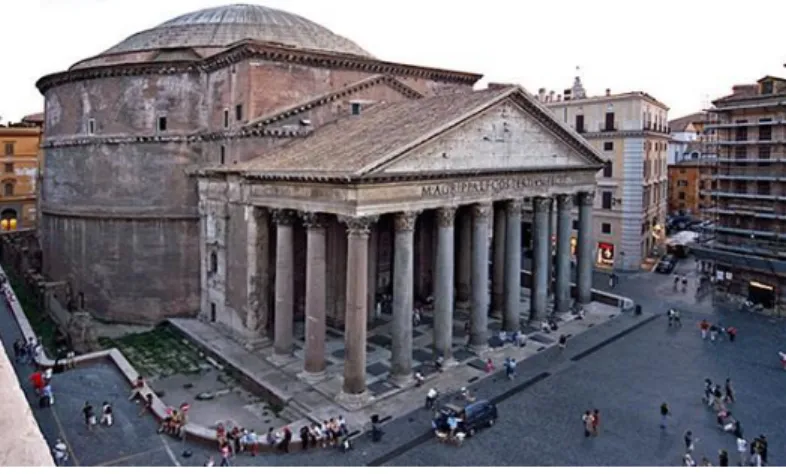
Figure 2-8: Left to Right :Class C fly ash, Met akaolin, Silica Fume, Class F fly ash , Slag, Calcined Shale (Girard, 2011) 43 Figure 2-9 The Pantheon in Rome made using natural pozzolans (Rome on Segway, 2013) ...43
Figure 2-10: Coarse stone aggregate (Ottawa Stone aggregates, 2014) ...46
Figure 2-11 Fine sand aggregate (A&B Kerns Trucking and Stone, 2014) ...46
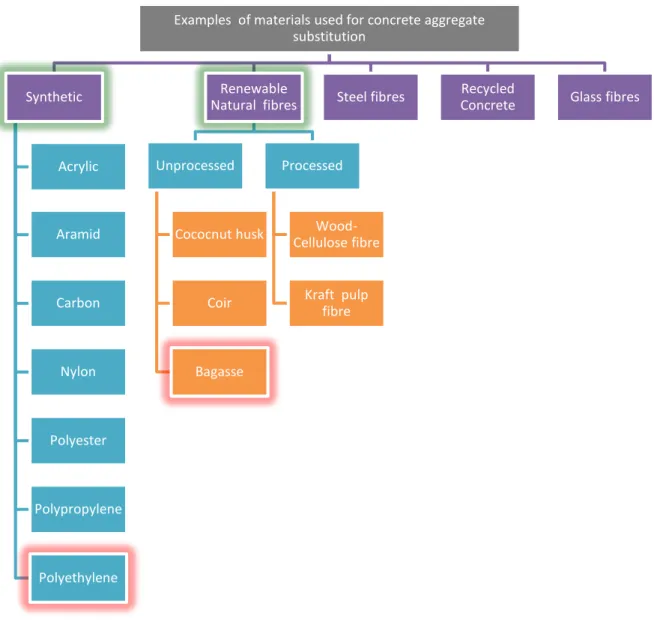
Figure 2-12: Examples of alternative aggregates used in concrete (C&CI, 2013) ...48
Figure 2-13 : Synthetic plastic fibre ...49
Figure 2-14: Recycled HDPE pellets ...50
Figure 2-15: How short & long fibres limit crack propagation (Vandewalle, 2006) ...52
Figure 2-16: (A) cellulose, (B) hemicellulose, (C) pectin, (D) lignin (Westmann, et al., 2010) ...54
Figure 2-17 Sugar mills of South Africa (SMRI, 2011) ...55
Figure 2-18: Process diagram of sugar milling ...56
Figure 2-19 : Rind (left), Pith (right) (Rabelo, et al., 2008) ...57
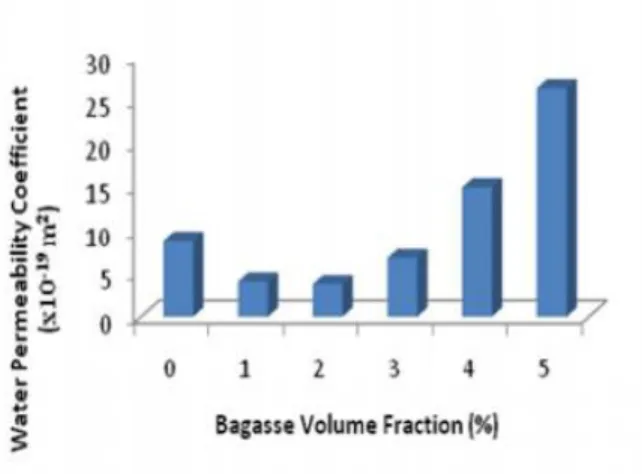
Figure 2-20: Comparison between Water Permeability and Bagasse Volume fraction (Omoniyi & Akinyemi, 2013) ...62
Figure 2-21: South African annual plastic consumption (Plastics S.A., 2012) ...66
Figure 2-22: Types of polymers ...67
Figure 2-23: SPI Plastic numbering system (Kashi, et al., 2001) ...68
Figure 2-24 Tonnage of recycled plastic in South Africa (Plastics S.A., 2012) ...69
Figure 2-25: Source of HDPE (TEP Smart, 2013) ...70
Figure 2-26: HDPE manufacturing process (Plastics Europe, 2008) ...71
18
Figure 2-27: HDPE recycling process ...72
Figure 2-28: Packing of aggregates ...74
Figure 2-29: Compressive strength results at 28 days (Pc) shredded, (Pp) pellets, (Pf) fibres (Ferreira, et al., 2012) ...78
Figure 2-30: Graph of Worldwide coal consumers (European Commision, 2013) ...82
Figure 2-31 Uses of coal bottom ash (RMRC-3G, 2012) ...84
Figure 2-32: Coal processing diagram (Federal Highway Administration, 2012) ...85
Figure 2-33: Compressive strength results (Aggarwal, et al., 2007) ...87
Figure 2-34: Flexural strength results (Aggarwal, et al., 2007) ...88
Figure 2-35: Splitting strength results (Aggarwal, et al., 2007) ...89
Figure 2-36: Relation between porosity and strength (MAST, 2014) ...99
Figure 2-37: (Top) Slump cone, (bottom) measuring slump (Addis & Owens, 2001) ... 104
Figure 2-38: Compressive failure mechanism ... 106
Figure 2-39: Relationship between modulus of rupture and compressive strength (Addis, 1986) ... 109
Figure.2-40:Thermal mass diagram (Hibshman, 1983) ... 112
Figure 2-41: Methods of approximating elastic modulus (Mamlouk & Zaniewski, 1999) . 115 Figure 2-42: Relationship between compressive strength and elastic modulus (Davis & Alexander, 1989) ... 117
Figure 2-43: Corrosion of steel (Galvanizeit, 2014)... 119
Figure 2-44: Relationship between the degree of hydration and W/C ratio (Addis & Owens, 2001) ... 120
Figure 2-45: Zeiss Ultra Plus FEGSEM ... 124
Figure 2-46: C-S-H gel (Cement Lab, 2011) ... 125
Figure 2-47: Calcium Hydroxide plates (Cement Lab, 2011) ... 125
Figure 2-48: Interaction between C-S-H and C-H (Cement Lab, 2011) ... 126
Figure 2-49: Surface of bagasse fibre in concrete (Sivarja, et al., 2010) ... 126
Figure 2-50: Polymer aggregate-mortar interface (Gavela, et al., 2003) ... 127
Figure 2-51: Ash particle SEM image (University of Memphis, 2014) ... 127
Figure 2-52 : Four aggregate moisture states (Mobasher, 1999) ... 129
Figure 2-53: Diagram of scenario components ... 131
Figure 3-1: Experimental programme ... 142
Figure 3-2: Sieve analysis apparatus ... 144
Figure 3-3 Mass scale, Mould, 13.2 mm stone ... 145
19
Figure 3-4: Relative density apparatus ... 146
Figure 3-5: Volumetric flasks for relative density tests ... 147
Figure 3-6 : Overview of Mix design method used for this study ... 150
Figure 3-7: Graph of W/C ratio (University of KwaZulu-Natal, 2009) ... 151
Figure 3-8: Drum type concrete mixer ... 154
Figure 3-9: Beam moulds on vibrating table (left) and cube mould (right) ... 155
Figure 3-10: Specimens curing in controlled curing room ... 156
Figure 3-11: Slump test (Blogspot.com, 2014) ... 157
Figure 3-12: Mass scale ... 158
Figure 3-13: Compression testing machine ... 160
Figure 3-14: Failure of beam in flexural apparatus ... 161
Figure 3-15: Layout of flexural testing apparatus ... 161
Figure 3-16: Splitting strength apparatus ... 163
Figure 3-17: Specific heat apparatus setup ... 164
Figure 3-18: Huggenberger apparatus (left), Specimen with strain gauges in compression testing machine (right) ... 166
Figure 3-19: Oxygen permeability test apparatus (Comsiru, 2009) ... 169
Figure 3-20: Vacuum saturation apparatus (Comsiru, 2009) ... 172
Figure 3-21: Chloride conductivity apparatus (Comsiru, 2009) ... 172
Figure 3-22: Specimens in tank with paper towels (Comsiru, 2009) ... 175
Figure 3-23: Zeiss Ultra plus FEGSEM apparatus ... 176
Figure 4-1: SCBF length measurements ... 192
Figure 4-2: HDPE pellets ... 192
Figure 4-3: BA sample ... 193
Figure 4-4: SEM of BA specimen ... 193
Figure 4-5: Workability (slump) of Individual waste with varying proportions ... 196
Figure 4-6: Workability of mixed waste combinations ... 198
Figure 4-7: Graph of 7 day hardened densities ... 200
Figure 4-8: Graph of 28 day hardened densities ... 202
Figure 4-9: Percentage change in density from 7 to 28 days ... 204
Figure 4-10 Density of mixed waste and critical volume substitution mixes at 7 and 28 days ... 205
Figure 4-11: Graph of 7 and 28 day compressive strengths for SCBF mixes ... 208
Figure 4-12: Graph of 7 and 28 day compressive strengths for HDPE mixes ... 210
20
Figure 4-13: Graph of 7 and 28 day compressive strengths for BA mixes ... 212
Figure 4-14: Graph of mixed waste and optimum waste substitution compressive strengths at 7 and 28 days ... 214
Figure 4-15: Graph of 7 and 28 day SCBF flexural strength results ... 216
Figure 4-16: Graph of 7 and 28 day HDPE flexural strength results ... 218
Figure 4-17: Graph of 7 and 28 day BA flexural strength results ... 219
Figure 4-18: Flexural strengths of mixed waste and optimum mix combinations at 7 and 28 days ... 221
Figure 4-19 : Graph of Splitting strength vs. volumetric waste substitution ... 222
Figure 4-20: Graph of splitting strengths for mixed waste substitutions and optimum waste mixes... 225
Figure 4-21: Graph of specific heat results for individual waste mixes ... 230
Figure 4-22: Graph of mixed waste specific heat results ... 233
Figure 4-23 : Graph of cumulative strain vs. stress for waste mixes ... 235
Figure 4-24: Graph of predicted static elastic modulii vs actual static elastic modluii ... 237
Figure 4-25: Graph of OPI results for mixed waste combinations and optimum volume waste mixes ... 240
Figure 4-26 : Graph of CC results for mixed waste combinations and optimum volume waste mixes ... 244
Figure 4-27 : Graph of WS results for mixed waste combinations and optimum volume waste mixes ... 247
Figure 4-28: SEM image of the SCBF-cement interface ... 253
Figure 4-29 SEM image of the HDPE-cement interface ... 253
Figure 4-30: SEM image of HDPE interface ... 254
Figure 4-31: SEM image of BA mix ... 254
Figure 4-32: SEM image of conventional concrete C-S-H matrix ... 255
Figure 4-33: SEM image of BA mix C-S-H matrix ... 255
Figure 4-34: workability for natural state & dry state waste aggregates ... 256
Figure 4-35: Graph of compressive strength using dry and natural moisture state waste aggregates ... 258
Figure 4-36`: Waste concrete cost/m3 breakdown ... 265
Figure 4-37: 3D diagram of signalling room ... 266
Figure 4-38: Percentage of total material cost ... 269
Figure 4-39: Total material costs ... 270
21
Figure 4-40: Breakdown of signalling room total costs for mixed and optimum waste specimens ... 276 Figure 4-41: Coping slab block ... 278 Figure 4-42: Breakdown of coping total costs for mixed and optimum waste specimens 282
List of Tables
Table 2-1 Cement Chemical compounds ...38 Table 2-2 Oxides used in the manufacture of Portland cement (Addis, 2008)...42 Table 2-3 :Bagasse composition (Bilba, et al., 2003) ...53 Table 2-4: SCBF property values summarised from literature ...57 Table 2-5: HDPE property values summarised from literature ...73 Table 2-6: Results of study by Ferreira, et al. (2012) ...79 Table 2-7: Main chemical compound of bottom-ash (Martins, et al., 2010) ...83 Table 2-8 : Bottom ash property values summarised from literature ...85 Table 2-9: Compressive and Flexural strength results (Kurama & Kaya, 2007) ...90 Table 2-10: Relative densities of materials ...96 Table 2-11: K – factors for stone content formula (Addis & Owens, 2001) ... 101 Table 2-12: Slump tolerance (Afrisam, 2012) ... 101 Table 2-13: Slump classification table (Paving Expert, 2014) ... 102 Table 2-14: Concrete applications based on slump classes (Aggregate Industries, 2014) ... 103 Table 2-15: Compressive strength classification (AfriSam, 2008) ... 107 Table.2-16: Material specific heats ... 112 Table 2-17: Table of suggested durability parameters (Alexander, et al., 2009) ... 121 Table 2-18: Rates used for material costing ... 133 Table 2-19: Calorific values ... 133 Table 2-20: Construction times ... 134 Table 2-21: Labour rates ... 134 Table 2-22: Plant costs ... 135 Table 2-23: Vehicle fuel consumptions ... 136 Table 2-24: Distance to waste sources from Pinetown ... 136 Table 4-1: 13.2mm Stone CBD... 186 Table 4-2: Average percentage retained ... 187
22
Table 4.2: Relative density of HDPE 4-3 ... 188 Table 4-4 Relative density of 13.2mm stone ... 189 Table 4-5 : Sand density ... 189 Table 4-6 : Density of coal ash ... 190 Table 4-7: Waste material moisture properties ... 191 Table 4-8: Average slump results ... 195 Table 4-9: Table of Saturated hardened densities ... 200 Table 4-10: Table of 7 and 28 day compressive strengths ... 207 Table 4-11: Table of 7 and 28 day flexural strengths ... 215 Table 4-12 Table of individual waste mix splitting strengths ... 222 Table 4-13: Comparison of cube strength to cylinder strength conversion factors ... 234 Table 4-14 : Average cumulative strain and stress results ... 235 Table 4-15: Table of percentage changes relative to the control mix (Flexure, Spitting, and Elastic modulus) ... 238 Table 4-16: Percentage changes in OPI relative to control mix ... 241 Table 4-17: Percentage changes in CC relative to the control mix ... 244 Table 4-18: Percentage changes in WS relative to the control mix ... 247 Table 4-19 : Table of compressive strength results using dried vs. natural moisture state waste aggregates ... 258 Table 4-20: HDPE cost ... 262 Table 4-21 : Costs of conventional materials ... 262 Table 4-22: Costs of individual waste mixes per m3 of concrete ... 263 Table 4-23: Costs of mixed waste combinations per m3 of concrete ... 264 Table 4-24: Concrete waste mix costs ... 267 Table 4-25: Pricing for the signalling room – control mix ... 268 Table 4-26: Signalling room labour fees ... 271 Table 4-27: Signalling room plant cost... 272 Table 4-28: Transport costs for sand & stone ... 273 Table 4-29: Transport costs for waste materials ... 273 Table 4-30: Summary of total transportation costs ... 274 Table 4-31: Summary of total costs ... 275 Table 4-32: Table of coping material costs ... 278 Table 4-33: Labour costs for coping slabs ... 279 Table 4-34: Plant and hire costs for copings ... 280
23
Table 4-35: Transport cost for stone and sand (Copings) ... 280 Table 4-36: Summary of construction costs per coping ... 281 Table 4-37: Viability table ... 297
24
Introduction
1.1. Introduction
“Viability is the ability to work as intended” (Cambridge University, 2014). Sustainability is long term viability which does not deplete or degrade the resources” (Russell, 2010).
The primary aim of this research is to investigate the potential viability of the waste materials (SCBF, HDPE and Bottom Ash) in concrete in comparison to conventional concrete. By using waste materials there is already an inherent reduction in virgin resource depletion. In this study the viability of using waste materials in concrete will be evaluated in terms of investigating if waste concrete mixes meet minimum strength requirements and are durable, workable and economical (Mishra, 2014) (Bjegović & Oslaković, 2013). A comprehensive statement on sustainability can only be proposed with a full life cycle analysis and this is beyond the scope of this study.
This chapter provides an overview of the study, describes the research background and indicates the research objectives as well as how they were achieved in order to accomplish the research aim. A summary of the thesis structure is shown by figure 1.1.
1.2. Research background and Rationale
The increasing global population brings about an increase in resource consumption and waste production, thus rendering current practice unsustainable in the long-term if changes in consumer behaviour or waste reduction measures are not employed. It is therefore necessary for each facet of society to conserve the environment in one way or another. The construction industry has played an active role in this regard producing sustainability assessment tools such as Leadership in Energy and Environmental Design (LEED) (U.S Green Building council, 2014) and Green Star S.A (Green Buidling Council of South Africa, 2014), incorporating energy efficiency into buildings through codes such as SANS 204 (SABS, 2011) and promoting the use of materials which are more sustainable and environmentally friendly. Concrete, being one of the worlds most used construction materials, is an ideal medium to implement sustainable measures due to its wide ranging market and adaptability. Adaptability in a sense that concrete is fundamentally a composite material comprised of a binder (cement) which holds a matrix (coarse & fine aggregates)
25
together. Therefore, individual constituents can be substituted or modified with materials that exhibit similar or enhanced properties, to form varying composite materials, as long as the required concrete properties are maintained. Such constituent substitution can either result in high performance concrete variants aimed at specialist markets, or provide a variation of concrete which appeals to developing nations, as it may not provide enhanced performance but it might meet basic material property requirements at a reduced cost. An example of high performance concrete is the fly-ash concrete used for dam construction and river tunnels, researched by Thomas (2007), which exhibited a reduction in permeability, improved long-term strength and chloride resistance. An example of low-cost concrete for developing nations is the use of rice husk cement in Cuban low-cost housing panels researched by Swamy (1987), which has lasted over 18 years.
This research will aim to expand on knowledge of aggregate and cement substitutes and provide a local context by investigating the viability of three locally available waste materials to form an adaptation of conventional concrete referred to in this study as “Green concrete”.
Reducing virgin mineral consumption and utilizing waste, which by definition, is any
“unwanted or unusable substances or bi-products” (Oxford Dictionary, 2013), supports environmental preservation.
The waste materials investigated in this research were: high density polyethylene (HDPE) recycled plastic, sugarcane bagasse fibres (SCBF), and coal bottom ash (BA). The latter two were sourced from the Illovo Sugar Mill in Sezela and HDPE was obtained from the RE- SA plastic recycling facilities in Prospecton.
SCBF was used to partially replace stone aggregate and was selected as it is an abundant local renewable fibre in KwaZulu-Natal, which has the potential to improve flexural and splitting strength (Sivarja, et al., 2010). HDPE was also used to partially substitute stone aggregate and was selected because South Africa has a high plastic recycling percentage (18%) and this implies relative availability of material (McKenzie, 2012). Even though HDPE has been documented to not have a noticeable influence on strength, it is a lighter material than the stone it replaces and hence this may result in lighter concrete mixes. If strength is not compromised this can be of benefit in terms of reducing the permanent load on a structure. Coal bottom ash will be used to partially substitute cement binder and was selected because even though it is not as reactive as fly-ash it still has the potential to improve long-term strength as per research by Kurama & Kaya (2007), possibly reduce
26
alkalinity in the mix and hence protect fibres (Jorillo & Shimizu, 1992) and reduce pollution caused by ash dumps by making use of the material. Literature research into the use of all three waste aggregates in concrete was limited and no research was found on combining these waste aggregates in a concrete mix. This study was subsequently carried out to fulfil such knowledge gaps and expand knowledge on the topic.
In order for the waste concrete alternatives to be viable, they must be economically feasible whilst meeting the basic requirements of the conventional concrete, or offer enhanced properties at a premium. This study first compared the influence of the respective wastes on properties such as compressive strength, flexural strength, splitting strength, workability, density, Scanning Electron Microscope (SEM) analysis and specific heat. The critical volume was identified from the compressive cube strengths as per the research methodology of Patel, et al (1989). The critical volume was the volume which yielded the best performance and after which a noticeable decline in performance was noticed.
In order to narrow down the possible applications of the waste materials only the critical volume mixes and combinations of critical volume mixes were tested further for elastic modulus, moisture effects using dry waste aggregates and durability tests (Oxygen permeability index, Chloride Conductivity, and Water Sorptivity) to complete the material property evaluation. Lastly, the economic viability of these mixes was evaluated by calculating a simple R/m3 waste concrete rate using current market material rates and applying them to a scenario analysis.
The research seeks to provide insight on the potential viability of the waste concrete mixes in terms of workability, strength, durability and cost which are main factors regarding material selection as per Mishra (2014) and Bjegović & Oslaković, (2013). It also fulfils knowledge gaps noticed in literature studies by comparing the additional tested material properties such as specific heat, density, elastic modulus, SEM analysis and the effects of moisture states for a range of waste proportions (2.5%, 5%, 10%, 20%, 40%) and mixtures of different wastes together.
1.3. Research question
Is the use of SCBF and recycled HDPE for use as partial aggregate substitutes and coal bottom ash as a partial binder substitute in concrete potentially viable in the South African context in terms of strength, workability, durability and cost?
27
1.4. Research Aim
To investigate the potential viability of waste materials (SCBF, HDPE, and BA) for concrete use in the South Africa construction sector in terms of strength, durability, workability and cost. In addition to this, provide further insight on waste concrete behaviour by investigating varying waste substitution, mixtures of waste materials and properties such as elastic modulus, density, SEM analysis, specific heat and the moisture effects of the selected waste materials (SCBF, HDPE, and BA).
1.5. Research Objectives
1. Investigate the effect of varying volumetric proportions (2.5%, 5%, 10%, 20%, and 40%) of waste materials (SCBF, HDPE, and BA) at natural moisture state, in terms of compressive cube strength (7 & 28 day), flexural strength (7 & 28 day), splitting strength (28 day), density, workability and specific heat (28 day).
2. Establish the potential critical volumetric substitution within the range of 2,5% - 40%
substitution, to be used for further investigation, from the compressive cube strength results.
3. Further investigate the concrete mixes for each waste at critical volumes (based on compressive strength) and in combinations of waste at critical volume (BA + SCBF, HDPE + BA, SCBF + BA + HDPE), in terms of elastic modulus (28 day) and durability (28 day) (OPI, CC, and WS).
4. Identify whether the chosen waste materials perform better independently or in conjunction with each other by comparing individual waste mixes with mixed waste results.
5. Investigate the effect of moisture absorption on compressive cube strength and workability for each waste material at critical volumes, by testing mixes with wastes at dry moisture state and comparing the results to the natural state mix results.
6. Evaluate the material cost of each mix by creating and comparing the R/m3 value using current market rates.
7. Evaluate construction cost implications in terms of a scenario analysis.
8. Comment on the viability of the waste concrete mixes in terms of strength, workability, durability and cost, and recommend future work to complement knowledge based on the findings obtained from this study.
28
1.6. Research Methodology
In order to achieve the objectives of the study the following approaches were adopted:
A review was done on the literature and previous studies to create a precedent, contextualise the research, identify potential knowledge gaps and provide a theoretical background for testing methods and materials used.
Concrete mixes were designed based on the Cement and Concrete Institute (C&CI) method with cement and aggregate quantities adjusted, based on the respective proportions of volumetric waste content. It is acknowledged that different aggregates do have varying water demands based on material properties such as absorption and porosity. However, water content was kept constant to quantify the effect of moisture absorption and moisture content on the respective concrete properties tested.
Each individual waste mix, using wastes at natural moisture state and volumetric waste material percentages of 2.5%, 5%, 10%, 20% and 40%, were tested for compressive cube strength (7 & 28 day), flexural strength (7 & 28 day), splitting strength (28 day), density, SEM analysis, workability and specific heat (28 day) and compared with a control sample of no waste material content. This research assessed the effect on the concrete mix due to the effect of varying proportions of waste material and mixtures of waste materials keeping all other variable such as Water/Cement (W/C) ratio constant. The concept of keeping W/C ratios constant and investigating the resulting effect on concrete properties was also evident in internationally published researched work by Yaragal & Prabhu (2013). It is acknowledged that W/C does have an impact on material properties. For example the higher the W/C ratio the lower the strength, but this effect can be a topic of future research aimed at developing specifications for waste concrete, using the outcomes from this study such as the potential critical volumetric substitution between 2,5 - 40% substitution.
Compressive strength, workability and durability are the common material specifications that designers use for concrete. Compressive strength and durability are closely related. However, the tests to carry out durability are costly for a wide range of mixes. Therefore, it was deemed adequate to determine the critical volumes based on the compressive cube strength tests carried out for each waste between
29
2,5% and 40% volumetric substitutions. These critical volumetric substitutions were used for the mixed waste combinations and further testing.
Only the critical volume waste mixes (based on compressive strength) and the mixed waste combinations were tested for elastic modulus and durability (OPI, CC, and WS) to narrow down the study and arrive at the most viable variant for each waste.
The material test results of the mixed combinations and individual waste mixes were compared to identify if the material is best used independently or in a combination.
To evaluate the moisture absorption effect, the mixes at critical volume were tested for compressive cube strength and workability, using dry waste materials. This was compared to the respective results with waste materials at natural state. The moisture absorption and moisture contents of each waste material were also calculated to enhance the discussion and explanation of results.
For the economic analysis, rates were obtained from relevant suppliers and each mix was priced to arrive at a R/m3 rate.
The R/m3 rate was applied to costing scenarios to identify the cost implications of using the mixed waste and optimum/critical volume individual waste mixes. Both small and larger works applications were investigated to identify the impact of costing for smaller items compared to larger items.
The test carried on elastic modulus, SEM analysis, specific heat and density were used to fulfil potential knowledge gaps found in past research and enrich knowledge on the behaviour of the waste material concrete mixes.
Based on the results of the workability, strength, durability and cost analysis, conclusions were drawn on the potential viability of the waste materials as partial materials substitutes in concrete.
Recommendations for future research were stated in order to refine and expand on knowledge gained from this study.
1.7. Significance of research
Concrete is the one of most widely used modern day construction materials on Earth by weight (Cement Industry Federation, 2009). Past research into modifying the standard concrete mix has lead the development of high-performance mixes for specialist applications as well as low-cost or environmentally friendly alternatives to conventional concrete that uplift developing nations and preserve the environment.
30 In terms of the significance of this study:
Locally available waste materials (SCBF, HDPE, and BA) were investigated, evaluating a range of volumetric partial substitutions as well as mixes of the selected waste materials which have not been attempted in prior research. The potential critical volumes for compressive strength were found for each waste between 2,5% - 40% volumetric substitution. This coupled with the effect of moisture states on tested concrete properties could serve as precursors for the development of specifications for the selected waste materials, as well as complement current data available, thus expanding knowledge on the topic.
Knowledge gaps identified in literature regarding the tested properties were addressed, and insight into the behaviour of waste concrete was provided in terms of: compressive cube strength (7 & 28 day), flexural strength (7 & 28 day), splitting strength (28 day), density, SEM analysis, workability, specific heat (28 day), moisture effects, elastic modulus and durability.
Relationships between strength, durability, workability, elastic modulus, etc., were investigated and could be useful for the purpose of material property predictions from known results.
The costing analysis not only evaluated the economic viability of the waste concrete mixes, but also indicated whether there was a more significant impact on small precast works or larger cast in-situ works.
In terms of the significance of the primary research aim, if the materials were found to be potentially viable structurally and economically, this would aid in advocating their use locally and encourage further research into waste concrete standards and specifications being developed. This would ultimately reduce waste pollution and virgin mineral consumption by creating “greener” concrete alternatives.
31
Overview of the study:
The background of the study is introduced, research aims identified and objectives stated.
Concluding remarks:
Summary of results and critical volumes.
Waste best used independently or in mixtures.
Potential viability of waste concrete with the proposed materials.
Recommendations made and future research options stated.
1.8. Thesis structure
Chapter 1 Introduction
Chapter 2 LItrature Review
Chapter3 Methodology
Chapter 4 Results &
Discussion
Chapter 5 Conclusion &
Recommendations Theoretical background:
Explain conventional concrete and how it was modified for this study.
Provide background information for each waste material and critically evaluate past research.
Materials investigated:
o Bottom ash o SCBF o HDPE
Discuss the theory behind testing methods.
Summarize key knowledge gaps and relate to the testing to be carried out for this study.
Material properties to be tested:
Experimental approach:
compression, flexural, density, splitting, workability, elastic modulus, specific heat, SEM analysis, OPI, CC and WS tests.
Economic evaluation:
Costing analysis: R/m3 rate Cast-in situ and precast models developed.
Outcome
Potential viability based on material properties and economic results.
Analysis of data:
Each property is discussed under a different sub- section. And for each there is a critical evaluation of experiential data with reference to literature.
Cost evaluation and scenario application for all mixes.
Viability discussion from the outcomes of analyses.
Figure 1-1: Thesis structure
32
1.9. Chapter Summary
This chapter introduced the reader to the study, provided a brief background for the research and indicated the research question, research aims, research objectives and the research methodologies that was implemented to accomplish the research objectives.
The next chapter will provide the theoretical foundation for the study and evaluate past research on the topic.
33
Literature review
2.1. Introduction
As defined in the introductory chapter, the primary objective of this research was to investigate if the use of the selected waste materials (SCBF, HDPE, and BA) were potentially viable in concrete for the local context, in terms of workability, strength, durability and cost. In addition to this, investigations into the effects of varying waste substitutions, mixtures of waste materials and properties such as elastic modulus, density, SEM analysis, specific heat and the moisture effects, provided further insight into the behaviour of the selected waste materials (SCBF,HDPE,BA) in concrete.
This chapter provided a theoretical foundation for the research and related past research to this study. To do this the review was divided into sub-sections which:
Gave a brief overview of conventional concrete and indicated what aspects of conventional concrete were modified in the context of this study.
Explained the waste materials that were tested in this study (sugarcane bagasse fibre, high density polyethylene pellet and coal ash).
Provided the theory and research background behind the material properties that were tested (workability, density, compressive strength, flexural strength, splitting strength, SEM analysis, specific heat, static elastic modulus, oxygen permeability, chloride conductivity, water sorptivity and moisture effects)
Provided the theoretical reasoning for the economic analysis used.
Summarised findings from the literature review
The overview of concrete in section 2.2.1, gave a general background about concrete and its constituents and indicated to the reader what aspects of concrete were changed for this study, compared to conventional concrete. For sections 2.2.2 to 2.2.3, based on the waste materials to be tested, a background for each material (SCBF, HDPE, and BA) was provided, followed by the methods used for its processing, literature properties, past research and the possible benefits and limitations based on literature.
In terms of tested concrete properties, the study involved tests which investigated certain properties associated with both fresh and hardened concrete states. Section 2.3, based on
34
the tested material property literature, explained to the reader the theoretical aspects of the tested properties such as formulae used and the significance of the tests.
For the economic analysis, assumptions made and the reasoning adopted for the study were indicated in section 2.4.
Lastly, concluding remarks on literature were made in section 2.5 which highlighted the potential knowledge gaps identified from the literature review, to improve research on the viability of the investigated waste materials in concrete.
The summary in section 2.5 also served as a link to the methodology chapter of the thesis which described the evaluation procedures used in order to fill the identified knowledge gaps and meet the research aim.
2.2. Literature on materials investigated in this study
Conventional concrete & concrete modification
Concrete is widely regarded as the world’s most used construction material, roughly twice as much as the total of other building materials combined (Chemistry world, 2008) with around 25 billion tonnes being produced globally every year (CSI, 2009). Figure 2-1 shows the annual production of materials globally between 2002 to 2004 and it can be seen that during this period more concrete was produced than oil and coal.
Figure 2-1: Annual world production of materials 2002-2004 (Granta-Material Intelligence, 2004)
35
Concrete is popular because once hardened, it is strong in compression, has the advantage of being easily moulded into virtually any shape, is long-lasting and requires little maintenance. Concrete is however a brittle material which is weak in tension, because it contains cracks and flaws which can quickly propagate when stretched under tension load and hence this must be remedied with reinforcing if critical (Jackson, 1980).
Concrete has both a fresh state and a hardened state. The fresh state in general lasts few hours and it is during this time that the required workability is essential to allow for concrete to be handled, transported, placed and compacted to the prescribed specification. Once hardened, properties such as strength and durability become critical as these are the performance criteria specified for the application. Concrete is traditionally a combination of water, cement, coarse aggregate (stone) and fine aggregate (sand), this mix is what is referred to as conventional concrete and will also be referred to as the control mix in this study.
Apart from concrete being a composite material comprised of the constituents mentioned, it can also be viewed as a three-phase material comprising of a transition zone, hardened cement phase and aggregate.
The transition zone is the thin shell (10-50 micron thick) between the aggregate and the cement paste (see Figure 2-2). Adsorption properties of aggregates affect the W/C ratio in the transition zone and the degree of water held on the surface of aggregates dictates the effect on properties related to W/C ratio such as strength and porosity. The transition zone is generally weaker than both the aggregate and hardened cement paste and therefore, even though the volume of the concrete matrix occupied by the transition zone is relatively small, the impact on concrete properties is significant. The transition zone is relevant to this study as the varying bond characteristics as well as the adsorption and absorption properties of the waste aggregates used may have an influence on the transition zone and hence the properties of the concrete matrix (Addis & Owens, 2001). For example, a hydrophobic material like plastic repels water which limits hydration in the transition zone and hence decreases bond strength.
36
Figure 2-2: Diagram of the Interfacial zone (Caldarone, 2009)
The other two components of the three phase theory of concrete, namely cement paste and aggregates, were discussed further in general, within subsections 2.2.1.1 to 2.2.1.3, as the study involved the substitution of cement with coal bottom ash and coarse stone aggregate with recycled HDPE pellets and SCBF fibres.
Figure 2-3 Concrete Composition (Mastour, 2013)
37 Cement
Concrete gains its strength from the hydration of cement which is the binding agent that holds the other constituents together. The earliest binders date as far back as the 3000 B.C.
where the Egyptians used lime based mortars in the construction of the pyramids. Hydraulic cement using limestone was investigated by John Smeaton in 1756 (Bellis, 2013) but the
“Portland cement” we know today was developed and named as such by Joseph Aspdin in 1824 after the colour of limestone found in Portland (Addis, 2008). A summary of some important dates related to the history of cement and concrete is shown by Figure 2-4.
Figure 2-4: Summarised timeline of cement/binder history (Auburn, 2014)
3000 BC- Egyptians used gypsum and lime mortars
for the pyramids
700BC-600BC -Greeks utilized a lime-pozzolan mixture for water tanks
300BC-476 AD - Romans used a mixture of lime and
volcanic ash mined near a city which is now called
Pozzuoli, as a binder
1824 - Joespeh Aspdin invented Portland cement
1828-Brunel was credited with the first engineering application of Portland
cement in the Thame tunnel
1868 - First Portland cement shipment from
England to the United States of America 1886- First roatary Kiln
introduced 1889 - First concrete bridge built (Alvord lake
bridge)
1936- First major concrete dam (The Hooverdam) was built
1970 - Fibre reinforcement was introduced
1980's- Superplastizers introduced as admixtures
1999-First installation of polished concrete in the
U.S.A
38
The cement used today, being a hydraulic binder, hardens when mixed with water through the hydration reaction. The principal cement compounds that react with water during the hydration reaction are shown in Table 2-1.
Table 2-1 Cement Chemical compounds
Compound Content (%)
Name Formula Abbreviation
Tricalcium silicate 3CaO.SiO2 C3S 35-55
Dicalcium silicate 2CaO.SiO2 C2S 20-40
Tricalcium aluminate 3CaO.Al2O3 C3F 5-12 Tetracalcium
aluminoferrite
4CaO.Al2O3.Fe2O3 C4AF 4-7
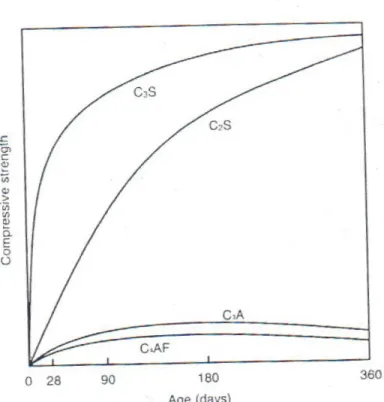
From the calcium silicates, aluminates and other the compounds that make up cement, tricalcium silicate (C3S) and dicalcium silicate (C2S) are the most stable. As shown in Table 2-1, they form a large portion of the cement chemical make-up and hence have the most significant influence on the concrete’s strength (Jackson, 1980). Tricalcium silicate rapidly hydrates and is responsible for early-age strength with the initial set typically being reached after 4 hours, after which the concrete will not be workable (Neuwald, 2010). In contrast to Tricalcium silicate, dicalcium silicate hydrates slowly and generally only starts to develop strength after 7 days. The relationship between hydration time and compressive strength for the main compounds that make up cement are shown by Figure 2-5, extracted from the book “Fundamentals of concrete” by Brain Addis (Addis, 2008).
39
Figure 2-5: Strength Development (Addis, 2008)
The exothermic hydration reactions that take place when water (H2O) reacts with C3S and C2S, are shown by the approximate chemical equations below:
2Ca3SiO5 + 6H2O → Ca3Si2O7.3H2O + 3 Ca(OH)2
2Ca2SiO4 + 4H2O → Ca3Si2O7. 3H2O + Ca(OH)2
Alternatively in cement nomenclature:
2C3S + 6H → C3S2H3 + 3 CH 2C2S + 4H → C3S2H3 + CH
The products of the hydration reaction are hydroxide ions and calcium silicate hydrate (C3S2H3) which is sometimes shown as C-S-H. Calcium silicate hydrate forms a gel of very fine needles and plates which provide most of the hardened cement paste strength. Calcium hydroxide (Ca(OH)2)forms crystals embedded in C-S-H gel and increases the pH of the pore water but does not affect the strength of the cement paste. The calcium hydroxide and
40
C-S-H act as seeds (nucleation points) from which more C-S-H can form which eventually interlock and hold the mix together (Amsterdam, 2000). C-S-H gel occupies more volume than the C3S and C2S it replaces, and because the overall volume of the cement paste does not change significantly after mixing, the capillary pore volume in the mix is decreased, permeability is reduced and hence compressive strength is improved. The hydration reaction does get slower over time but can continue for years, strengthening concrete as it ages, provided there is enough room for reaction products to form and moisture available for hydration (Thomas & Jennings, 2014). Figure 2-6 shows the basic structure of hardened cement extracted from “Fundamentals of concrete” (Addis, 2008) illustrating the gel of fine needles as described above.
Figure 2-6: Cement matrix (Addis, 2008)
Cement does however have some negative aspects such as contributing significantly to the high CO2 emissions related to concrete. Concrete contributes around 5% of global anthropogenic CO2 emissions mainly due to the release of CO2 from the manufacture of cement which is harmful to the environment (International Energy Agency, 2009). The energy intensive process of manufacturing cement generates approximately one ton of CO2
41
from the burning of fuel and a further ton of CO2 from the reaction that changes raw material to clinker, for every ton of cement produced (Wilson & Ding, 2007).
The cement manufacturing process shown by Figure 2-7, starts with the quarrying, crushing and prehomogenization of the raw materials, which are subsequently preheated through a series of vertical cyclones.
Figure 2-7: Cement manufacturing process (International Energy Agency, 2009)
Limestone (CaCO3) is then decomposed to form quicklime (CaO) from the calcination process shown below.
CaCO3 → CaO + CO2
The meal consisting of calcium oxide, silica, alumina and iron oxides (see Table 2-2) is then heated in a rotary kiln from temperatures of 1400 to 1450°C, to form clinker. The four main compounds that make up clinker are: tricalcium silicate (C3S), dicalcium silicate (C2S), tricalcium aluminate (C3A) and tetracalcium aluminoferrite (C4AF) (Addis, 2008).
42
Table 2-2 Oxides used in the manufacture of Portland cement (Addis, 2008)
After being left to cool, the clinker is then ground into a powder with gypsum which retards the setting of cement when mixed with water. The addition of gypsum is necessary to allow time for transport and placing of concrete. The cement is then ground with extenders such as fly-ash or silica fume based on the specification required and the final product is stored in silos or bagged (International Energy Agency, 2009). The bagged product is known to vary slightly in composition from bag to bag but the impact is almost negligible due to quality control measures implemented by the concrete plant (Ultratech concrete, 2014).
For the experimental tests conducted in this study, the bagged cement product was partially substituted with Coal bottom ash in volumetric substitutions ranging from 2.5- 40%. The use of bottom ash has been utilized in the past as a structural fill material where economically viable to transport to site. By exploring the use of coal bottom ash as a cement substitute in concrete, this will possibly lower the net CO2 footprint of the concrete (Venter, 2014), decrease the amount of bottom ash diverted to ash-dumps and potentially reduce the cost of concrete within a feasible region. The feasible region will be based on transportation constraints to be investigated in this study. Bottom ash has also been shown to exhibit pozzolanic properties which could benefit concrete albeit being less reactive than fly-ash.
Section 2.2.1.2 will explain pozzolans further to build an understating of how they affect the conventional concrete mix.
43 Cement modification – Pozzolans
A pozzolan is a siliceous or aluminous material that does not possess any cementitious properties on its own but reacts with water and calcium hydroxide (slaked lime) to produce cementitious C-S-H compounds (U.S Department of Transportation Federal Highway Administration, 2011). Pozzolans can either be natural (volcanic