98 4.4.7 Recommendations of peer counselors regarding the program 100 4.4.8 Being a peer counselor: How it has personally affected them 101. 106 5.2.4 Practical implementation of the Peer Counseling Program 107 Users and No. 2.5. of the Peer Counseling Program 110.
Towards a New School-Based Counselling Programme
The picture in South Africa is further complicated by the fact that most South African schools have historically lacked specialist guidance and counseling posts, and few educators are adequately trained to deal with social and emotional problems (Ntlhe, 1995). In addition, the history of guidance and counseling in schools during the apartheid era, in both black and white schools, was often one of using the programs to serve the goals of the government at the time (Dovey, 1980; Dovey & Mason, 1984).
PEER-LED COUNSELLING PROGRAMMES
MOTIVATION FOR THE PRESENT STUDY
In addition, there is a general lack of evaluative research that has been conducted on school-based peer counseling programs, particularly in the South African context. The current study aims to extend and contribute to peer counseling research in South African secondary schools in an effort to explore the efficacy and potential utility of a peer support program as an additional school-based support. for his students.
DEFINITIONS
- Peer Education
- Peer Counsellor
- Peer Counselling
- Guidance and Counselling
- The School Guidance Counsellor/Teacher
- Learner
Furthermore, 'peer counsellor' is the term used by the school in this study. This is a member of school staff who is a qualified teacher and trained in school psychology/guidance.
AIMS OF THE STUDY
The term 'teacher' is used to distinguish school-goers from people attending tertiary institutions, who are more often referred to as students.
LITERATURE REVIEW
INTRODUCTION
THE SOCIAL AND EMOTIONAL NEEDS OF ADOLESCENCE
- Self-Esteem: The Significance of Positive Self-Regard
- The Importance of Peer Affiliation in Adolescence
- Adolescents at Risk
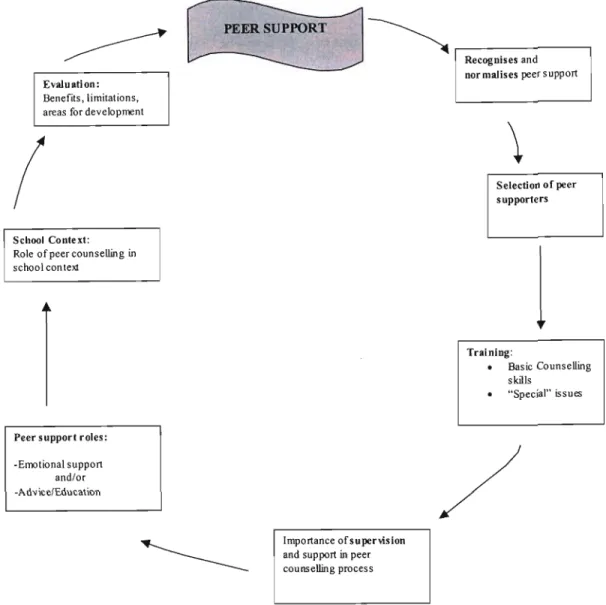
- Guidelines for School-Based Peer Support
The realization that schools are organizations influenced the approach to school guidance and counseling programs. This demonstrates that the school trusts peer counselors (Cowie & Sharp, 1996).
PEER COUNSELLING RESEARCH
- Introduction
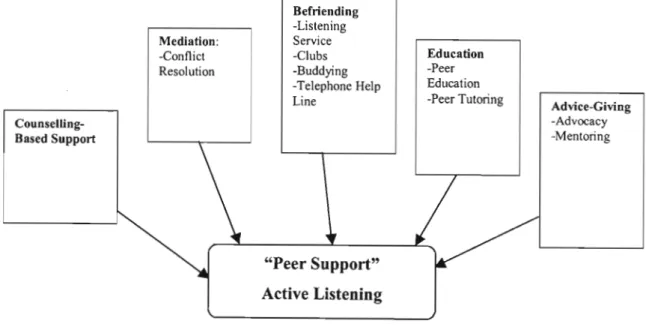
- Rationale for Peer Counselling
- Selection of Peer Counsellors
- Training Issues
- The Efficacy of Peer Counselling Programmes
- Peer Counselling Research in Southern Africa
Some peer counseling programs may choose to offer mindfulness training to peer counselors. This refers to the integration of the peer counseling program into the life and fabric of the school and the degree to which the program is "known."
CONCLUSION
This section describes and explains the research design and methodology adopted and used in this study. Much of this information is provided by the school counselor, the school director and another member of the academic teaching staff.
RESEARCH SETTING
- Research Aims
Specifically, the goal was to explore the needs of this high school, and specifically the students, that a peer counseling program can address. Based on the results of these objectives, this study will also examine how peer mentoring programs could be generalized to other South African secondary education.
RESEARCH DESIGN
The present study draws from both forms of evaluation research to assess the impact of the program at different levels of the school. In summary, the research aims and objectives of the present study are concerned with the impact of a peer counseling program on a school, as well as with an evaluation of those aspects of the program that are working or not working well.
DATA COLLECTION PROCEDURES
- Teachers' Questionnaire
The main purpose of this questionnaire was to assess the knowledge, attitudes and perceptions of teachers about their peers. They were also asked about their knowledge and perceptions of the peer counseling program at school.
DATA ANALYSIS
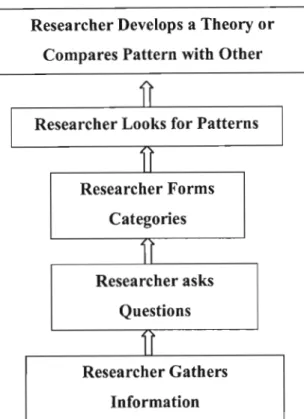
A total of six of the eleven peer counselors were present at the focus group held at the end of the year. Ceding is the process in which the researcher attributes labels to certain sections of the text.
ETHICAL CONSIDERATIONS
- Conclusion
In the present questionnaire, students were given information about the aims of the research, how the information would be used and, most importantly, the confidential nature of the study. The concern was that the content of the information requested in the questionnaire would evoke potentially sad or disturbing emotions in the students.
CHAPTER FOUR: RESULTS
INTRODUCTION
THE ROLE OF PEER COUNSELLING AT THE SCHOOL
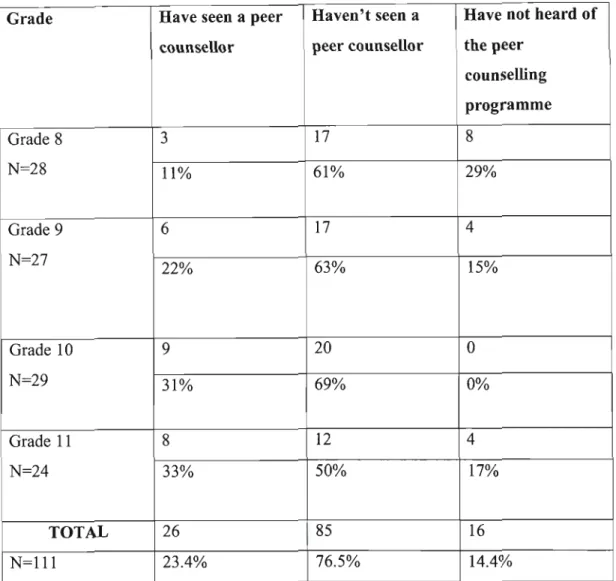
- Users and Non-Users of the Peer Counselling Programme
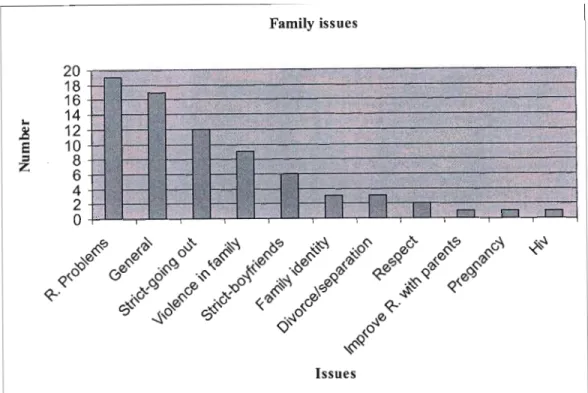
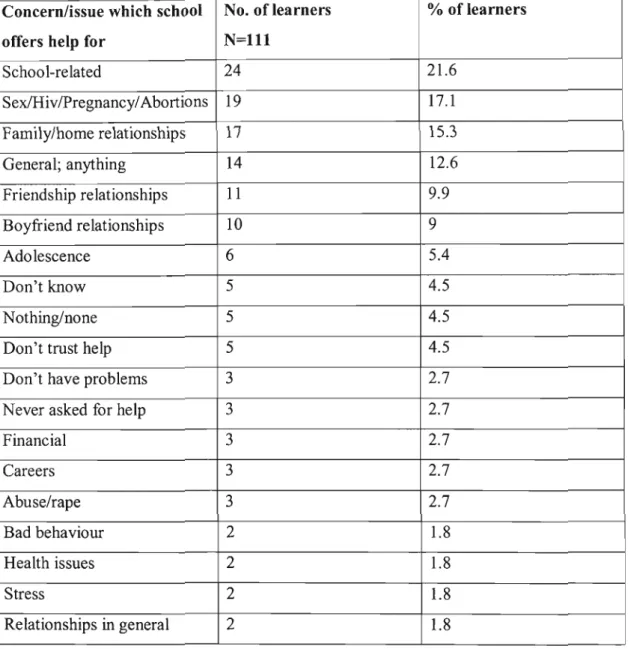
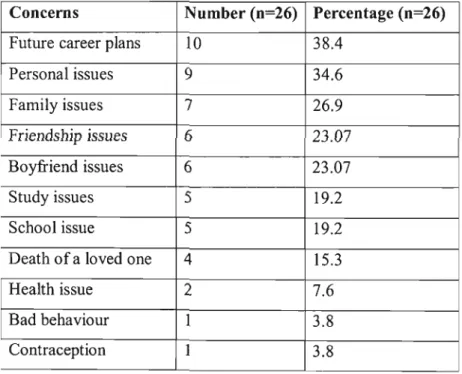
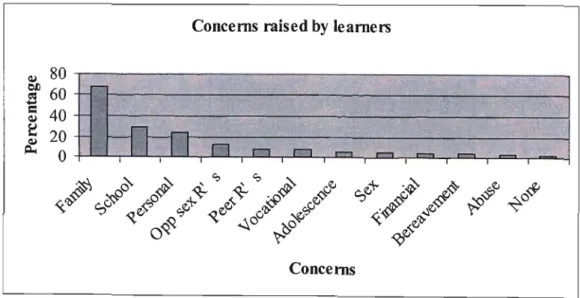
In summary, the school counselor emphasized that personal and relational problems have a major impact on the students. A number of students therefore seemed to acknowledge the school's support, education or specific sexual help. The school counselor also reported that the life skills and guidance program is given high priority in the school context.
The groups took place in the school counselor's classroom and usually about four or five fellow counselors led the discussions.
EVALUATION OF THE PEER COUNSELLING PROGRAMME
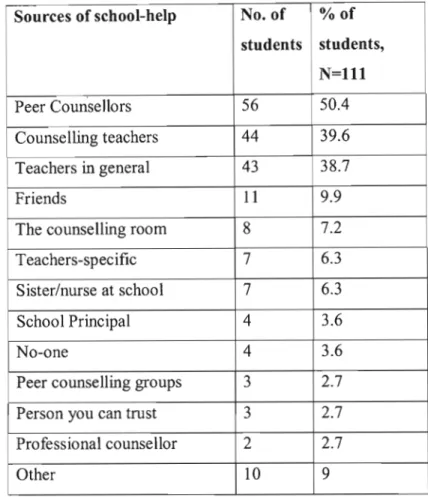
This may indicate that having a peer advisor may motivate students to use peer advisors more. Finally, two students expressed their fear of the consequences of disclosing information to peer counselors. Some of the responses indicate that peer counselors were not trusted because they were of the same age and in a similar position to the students.
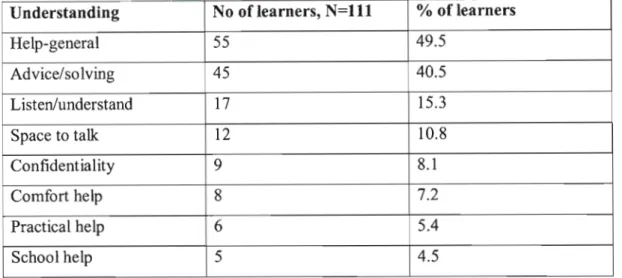
Another 16% of the learners noted that they felt that they were understood by the peer counselors and that the peer counselors listened to them ('listened/understood').
THE PEER COUNSELLQRS' OBSERVATIONS OF THE PROGRAMME AND ITS EFFECT ON THEM PERSONALLY
- The Peer Counselling Groups
- Trust: Why do Some Learners not trust the Peer Counsellors?
- The Peer Counsellors' Recommendations regarding the Programme
- Being a Peer Counsellor: How it has influenced them Personally
Peer counselors did not report approaching students in the classroom. Peer counselors found the career files very useful in their meetings with students. Peer counselors were asked to comment on the personal impact of the peer counselor role.
Difficult moments experienced by peer counselors in their role as peer counselors included the following.
CONCLUSION
The peer counselor laughed with the student only to discover that she had been serious about the issue that was bothering her. Peer counselors acknowledged their difficult life circumstances while expressing their determination not to become victims of these circumstances. Disturbing was the extent of the problems they could be expected to address.
Finally, the peer counselors recognized their need to respond seriously to people and their difficulties, no matter how trivial they may seem.
INTRODUCTION
It is worth mentioning here the knowledge of the school counselor and the students about the systemic issues faced by the students. The school counselor and the school principal emphasized the importance of the life skills component and school counseling (see section 4.2.1.4). She added that the school management has provided support for counseling activities at the school.
In this study, the school environment appeared to provide a supportive help-seeking context for students.
The Development of the Peer Counselling Programme: Goals and Expectations
- The Learners' Opinion
This form of supportive assistance is presented in the literature regarding the roles of peer counselors (Baiss, 1989). Seeking help from different contexts may imply a lack of confidence in the help of peer counsellors. However, some of the students were concerned about their privacy in the peer counseling situation.
Most of the peer counselors said that peer counseling allowed them to grow as people.
SUMMARY AND RECOMMENDATIONS
The peer counseling program encompasses the amount of support and assistance available to the learners. This indicates that the amount of counseling that takes place within the school has increased due to the presence of the peer counseling program. The teachers also realized that the peer counseling program expanded the support and help available to the learners.
Finally, it can reduce the burden on the school counselor in the area of peer counseling training.
LIMITATIONS OF THE STUDY
Additionally, the number of people in the peer counseling room should be kept to one. It is possible that the students and teachers wanted to present a very positive perception of the peer counseling program to the researcher because of its evaluation. The incorporation of peer counseling in school policy can be one such way of recognizing and approving it as a form of help available to students in school.
It is believed that the effectiveness of the current peer counseling program has been demonstrated.
INDICATIONS FOR FUTURE RESEARCH
I am researching the peer counseling program that exists at your school as part of my master's degree in psychology. Do you think there are other ways the peer counseling program could help you in school? My main focus is on the peer counseling program used at your school.
I hope the results of these questionnaires will help me understand your views on the peer counseling program.
Parents' ban on relationships with boys (1 Parents' disapproval of secret relationships (1 Parents' rules regarding dating - too strict (1 Lack of parental freedom by having boyfriends (1 Lack of parental freedom in social life/need for more (5 Lack of parental freedom) parents' trust in to go out/want them to trust her (3 Don't stay out late(1. Being laughed at by peers for not doing well (1 PERSONAL IEMOTIONALIlNTERNAL (26 Lack of confidence/self-esteem) (4 Hurt/ angry (1. MEASURING RELATIONSHIPS (4) How to avoid/handle conflicts in a relationship (1 How to handle rejection/avoid being hurt (1 Problems in relationships (1.
People who think she's younger than them (1 How to respond when a guy proposes to you (1 Weight issues (1.
A list of themes
Don't have problems so don't know (1) I don't have a big problem at the moment (1) Don't have problems at school (1. No help because you don't trust anyone/ at school (3) Don't trust anyone except your best friend and teacher ( 1 I cannot trust a peer counselor (1.
A List of Themes
You can talk to them about issues/problems (2 You give time to talk about how you feel (l. They will do everything in their power to help you (1 They are passionate about their work them (1. Teenagers should not see computers because they are not supposed to have problems in their lives (1 WILL NOT SEE PC (1).
Yes, if you have a problem with the teacher, you can talk to them (IN DATING BEH (1).
Experience of PC Programme
Can't comment because they have little to do with the program (1 Teachers should be more in touch with the program (1 BEWARE/SUSPICIOUS OF PC (4. Topics should be more low points such as subject choice and teachers)) (l IS NOT GOOD observed USE (3. The learners think that they must have a serious problem to go to PC(l ALSO OBSERVED USE(2).
REFER LEARNER TO PC POSITIVE RESULT(1) Refer learner with difficulty to a computer that is handled very well (1 POSITIVE COMMENT FROM GIRLS (1.
Impact of PC Programme
An opportunity to develop self-worth in serving the school community (l Provides them with a pathway to leadership/caring in the school (l Forgets about themselves (l. Reduces pressure on counselling/teachers as a PC) another support system (1 Counseling teachers they struggle with pressures) more serious problems (1. The school benefited from happier and less difficult students (1 It can only be positive help) (1.
Based on the integrity students have shown to the staff (1 PCs must be open-hearted, strong and patient (1.
Training needs of PC's
Disadvantages of PC Programme
PC and Teachers
Great need to provide support for students with problems (1 Many girls have a difficult background - they need support (2 PEER HELP AGAINST ADULTS(2).
Recommendations