NUTRITION KNOWLEDGE, FOOD INSECURITY AND COPING STRATEGIES AMONGST HEALTH CARE SCIENCE STUDENTS AT THE UNIVERSITY OF
LIMPOPO, SOUTH AFRICA
By
MOHUBE ELIZABETH MASHABELA
DISSERTATION
Submitted in fulfilment of the requirements for the degree of MASTER OF SCIENCE (DIETETICS)
in the
FACULTY OF HEALTH SCIENCES (School of Health Care Sciences)
at the
UNIVERSITY OF LIMPOPO
SUPERVISOR: MS ME RAPETSOA CO-SUPERVISOR: PROF BM SELEPE
2023
ii DEDICATION
This study is dedicated to my deceased parents; Mabine Josias Mashabela and Bakhambile Joanah Mashabela who taught me patience. To my son Mafiri Katlego Madihlaba and my two sisters Ramabele Annah Mashabela and Malope Irene Mashabela, I am who I am thanks to your unconditional love and support.
iii DECLARATION
I declare that the “Nutrition Knowledge, Food Insecurity and Coping Strategies Amongst Health Care Sciences Students at The University of Limpopo, South Africa” dissertation hereby submitted to the University of Limpopo, for the degree of Master of Science in Dietetics has not previously been submitted by me for a degree at this or any other university; that it is my work in design and in execution, and that all material contained herein has been duly acknowledged.
……… ………..
MASHABELA M.E (Ms) Date
iv ACKNOWLEDGEMENTS
I thank the Almighty God for giving me strength, knowledge and courage in this research project. I would like to thank the following people for their contributions.
Special thanks to my supervisor, Ms. M.E Rapetsoa, for the excellent guidance, support and encouragement. May the Almighty God bless you abundantly and save you.
• To my Co-supervisor, Prof B.M Selepe (University of Limpopo), for providing undivided support and guidance. When the situation got tough, you paved the way. Thank you for not giving up on me.
• My son, Mafiri Katlego Madihlaba, I appreciate your support, encouragement and understanding.
• My two sisters, Ramabele Annah Mashabela and Malope Irene Mashabela for your constant support and encouragement.
• Colleagues in the Department of Human Nutrition & Dietetics (University of Limpopo) for your motivation and support.
• Heads of Departments under the School of Health Sciences for permitting me to conduct the study.
• Students from Optometry, Nursing and Pharmacy for participating in the study.
• A special thank you to the following students: Masenya, Karabo, Thabiso and Fumani for assisting with the distribution and collection of self-administered questionnaires.
• My colleague Dr. Poopedi Annanias, for your constant support and encouragement.
• To my sponsor the University of Western Cape, thank you for making this project possible through your sponsorship.
• To my editor Prof S.J Kubayi, thank you for taking time to edit my dissertation.
v ABSTRACT
Introduction: Nutritional knowledge is essential for selecting healthy and nutritious meals. However, access to consistent, adequate and nutritious food was unattainable for university students, despite the fact that food was considered a human basic right.
Food insecurity is a real issue in South African universities, but it is poorly documented.
Numerous studies have used one approach to measure food insecurity rates in various universities, either quantitative or qualitative. There is a scarcity of data on food insecurity among students in institutions of higher learning in Limpopo Province. Food- insecure students used a variety of coping mechanisms such as, borrowing money, buying cheap food, skipping meals, sharing food, and reducing portion size in order to cope with food insecurity.
The goal of the study was to investigate the level of nutrition knowledge, food insecurity, and coping strategies among students at the School of Health Care Sciences. at the University of Limpopo, South Africa.
Methodology: The explanatory sequential mixed-method approach was used in this study. The quantitative survey employed convenience sampling, with 237 undergraduate participants from the Health Care Sciences. Nutritional knowledge was assessed using a multiple-choice questionnaire adapted from the Perlstein study.
Food security status was assessed using the eight (8) questions from Food Insecurity Experience Scale. Fourteen purposefully selected in-depth qualitative interviews were conducted to explore life experiences and coping strategies of food-insecure students.
Statistical analysis was performed using STATA version 11.0, Fischer’s exact test to test the association between food insecurity and nutritional knowledge with regards to age, gender and study level and thematic analysis for the qualitative data.
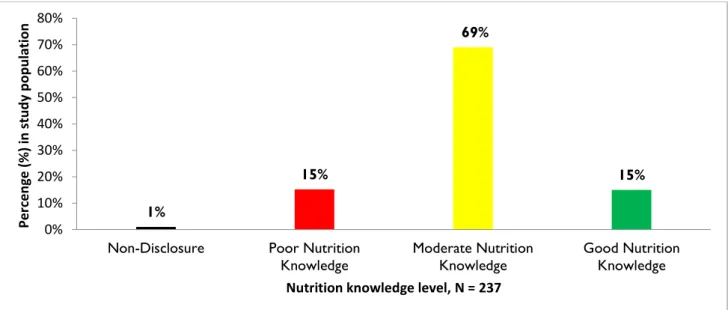
Findings: Students were on average 21 years old, in level II and level III years of study. Fifteen percent (n=36) had poor nutritional knowledge, 69% (n=164) had moderate nutrition knowledge, and 14.7% (n=35) had good nutritional knowledge.
Both males and females in the current study had a fair amount of dietary knowledge.
Twenty-four percent (n=57) experienced moderate food insecurity and 16% (n=37) had severe food insecurity. The rate of food insecurity in the study exceeded the national rate. Lack of budgeting skills, delayed distribution of bursary money, unforeseen costs, and household obligations were among the factors that aided in food insecurity.
vi Food-insecure students applied numerous coping mechanisms, such as borrowing money from friends, sharing food, buying cheap food, and cutting portion sizes. The study found a significant association between a study level and nutrition knowledge with a P-value of 0.02 for both study levels less than and more than two years. Six themes emerged from interviews with food-insecure students i.e., coping strategies, nutrition knowledge, hunger and academic effect, competing expenses, health triangle and contributing factors to lack of money to buy food.
Conclusion: This study provided insight into the food insecurity levels and the nutritional knowledge of the students in the Health Care Sciences at the University of Limpopo. It further offered an understanding of how students experienced food insecurity and the various coping mechanisms employed to deal with the situation.
The rate of food insecurity in the study exceeded the national rate. Nutrition education programmes and interventions that address food insecurity are important and the strengthening of existing support systems to ensure that students cope and succeed in their studies. Future research is needed to cover a large scale of students.
Keywords: Food in/security, students, coping strategies and nutrition knowledge.
vii Table of Contents
NUTRITION KNOWLEDGE, FOOD INSECURITY AND COPING STRATEGIES AMONGST HEALTH CARE SCIENCE STUDENTS AT THE UNIVERSITY OF
LIMPOPO, SOUTH AFRICA ... i
DEDICATION ... ii
DECLARATION ... iii
ACKNOWLEDGEMENTS ... iv
ABSTRACT ... v
LIST OF ABBREVIATIONS ... xi
DEFINITIONS OF CONCEPTS ... xii
CHAPTER ONE: OVERVIEW OF THE STUDY ... 1
1.1 Introduction and background ... 1
1.2 Problem statement ... 4
1.3 Purpose of the study ... 5
1.4 Research ojectives ... 6
1.5 Research questions ... 6
1.51. Quantitative research questions ... 6
1.5.2 Qualitative research question ... 6
1.6 Significance of the study ... 7
1.7 Arrangements of chapters ... 7
CHAPTER 2: LITERATURE REVIEW ... 8
2.1 Introduction ... 8
2.2 Nutritional knowledge and dietary habits of food insecure students ... 8
2.3 Institutions of higher learning and food insecurity ... 10
2.3.1 Food insecurity status at institutions of higher learning globally ... 11
2.3.2 Food insecurity at institutions of higher learning in South Africa ... 12
2.4Student financing and meal allowance in South Africa ... 13
2.5The effects of food insecurity on students ... 14
2.5.1 Effects of food insecurity and poor health ... 14
2.5.2 Effects of food insecurity and poor academic performance ... 15
2.6 Coping mechanisms of food insecure students ... 16
2.7 Theoretical Framework ... 17
2.8 Summary ... 19
CHAPTER THREE: RESEARCH METHODOLOGY ... 21
3.1 Introduction ... 21
3.2 Study design ... 21
viii
3.2.1 Quantitative Strand ... 22
3.2.2 Qualitative Strand ... 23
3.2.3 Study Site ... 23
3.2.4 Study population and Sampling ... 24
3.3 Ethical considerations ... 24
3.3.1 Ethical clearance ... 25
3.3.2 Permission to conduct the study. ... 25
3.3.3 Informed Consent ... 25
3.3.4 Confidentiality and Anonymity ... 25
3.4Preparation for data collection ... 26
3.5Data collection method ... 26
3.5.1 Quantitative data collection ... 27
3.5.2 Qualitative data collection ... 27
3.5.3 Inclusion criteria ... 28
3.5.4 Exclusion criteria ... 28
3.5.5 Pilot Study ... 29
3.6 Reduced bias ... 29
3.7 Management and analysis of data ... 29
3.7.1 Quantitative data management and analysis ... 30
3.7.2 Qualitative data management and analysis ... 30
3.8 Measures to ensure trustworthiness, validity and reliability ... 32
3.8.1 Credibility ... 32
3.8.2 Transferability ... 33
3.8.3 Dependability ... 33
3.8.4 Confirmability ... 33
3.8.5 Validity ... 34
3.8.6 Reliability ... 34
3.9 Summary ... 34
CHAPTER FOUR: PRESENTATION AND DISCUSSIONS OF THE QUANTITATIVE FINDINGS ... 36
4.1 Introduction ... 36
4.2. Demographic characteristics of the participants ... 37
4.3 Nutrition knowledge ... 39
4.4 Food security status ... 47
ix 4.5 Association between age, gender, study level with food insecurity and
nutrition knowledge ... 56
4.6 Summary ... 57
CHAPTER FIVE: PRESENTATION AND DISCUSSIONS OF THE QUALITATIVE FINDINGS ... 58
5.1 Introduction ... 58
5.2. Demographic profile of participants. ... 58
5.3. Main themes and sub-themes emerged. ... 59
5.4 Integration of Quantitative and Qualitative findings ... 81
5.5. Application of Theoretical Framework ... 83
5.5.1 Attitude ... 83
5.5.2 Behavioural Beliefs ... 84
5.5.3 Evaluation ... 84
5.5.4 Subjective Norm ... 84
5.5.5 Motivation to Comply ... 84
5.5.6 Behavioural Intention ... 85
5.6 Summary ... 85
CHAPTER SIX: SUMMARY, CONCLUSIONS AND RECOMMENDATIONS. ... 86
6.1 Introduction ... 86
6.2 Summary ... 86
6.3 Conclusion ... 88
6.4 Recommendations ... 88
6.4.1 Theme 1: Coping strategies ... 89
6.4.2 Theme 2: Health triangle effects ... 89
6.4.3 Theme 3: Nutrition Knowledge ... 89
6.4.4 Theme 4: Effects of hunger on academic performance ... 90
6.4.5 Theme 5: Factors contributing to lack of money to buy food ... 90
6.4.6 Theme 6: Competing expenses ... 90
6.4.7 Recommendations for future studies ... 90
6.5 Limitations of the study ... 90
REFERENCES ... 92
ANNEXURES ... 112
Annexure A Faculty proposal approval ... 112
Annexure B Ethics clearance certificate ... 110
Annexure C Approval Letter to collect data ... 111
x
Annexure D Consent form ... 112
Annexure E Self-Administered Questionnaire ... 113
Annexure F Interview Guide ... 114
Annexure G Request letter to collect data ... 115
Annexure H Interview Script ... 116
Annexure I Editor Certificate ... 120
Annexure J Turn in it Results ... 121
LIST OF SUPPLEMENTARY TABLES ... 122
LIST OF TABLES Table 2.1 Theory of Reasoned Action Concepts………..17
Table 4.1 Student Profile………. 35
Table 4.2 Correct Knowledge Responses………44
Table 4.3 Food Insecurity Questions Affirmative Responses………52
Table 4.4 Association between Age, Gender and Study level………54
Table 5.1 Participants Characteristics Qualitative………57
Table 5.2 Themes and Sub-themes………58
Table 5.3 Integration of Quantitative and Qualitative………79
LIST OF FIGURES Figure 2.1 Summary of the Theory of Reasoned Action……… 18
Figure 3.1 Schematic Explanatory Sequential Design……….21
Figure 3.2 The Map of the University of Limpopo……….22
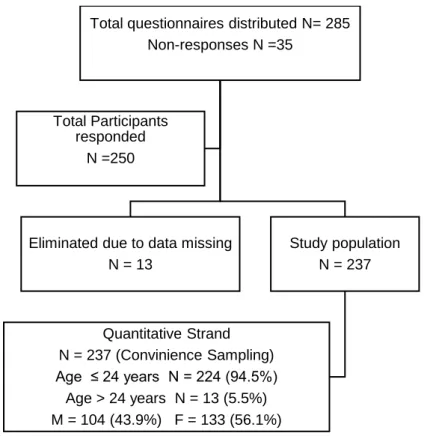
Figure 4.1 Study Population Data Flow Chart……….4
Figure 4.2 Nutritional Knowledge of the Study Population………39
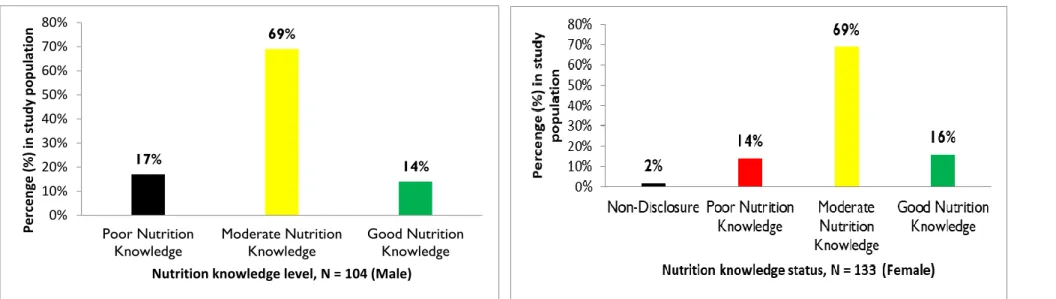
Figure 4.3 Nutritional Knowledge by Gender……….40
Figure 4.4 Nutritional Knowledge by Age………..41
Figure 4.5 Nutritional Knowledge by Study Level………42
Figure 4.6 Summary of Nutritional Knowledge ………43
Figure 4.7 Food Security Status of the Study Population 47
Figure 4.8 Food Security Status by Gender……… 48
Figure 4.9 Food Security Status by Age……… 50
Figure 4.10 Food Security Status by Study Level………51
xi Figure 4.11 Summary of Food Security ……….53
LIST OF ABBREVIATIONS
APA American Psychological Association COVID-19 Coronavirus disease of 2019
DHET Department of Higher Education and Training DOH Department of Health
FAO Food and Agricultural Organisation FBDG Food-Based Dietary Guidelines FI Food Insecurity
FIES Food Insecurity Experience Scale GPA Grade Point Average
IFA International Fund for Agricultural Development IHL Institutions of Higher Learning
KCS Korean College Students MCS Mongolian College Students MMR Mixed Methods Research
NHANES National Health and Nutrition Examination Survey NSFAS National Student Financial Aid Scheme
SAVAC South African Vulnerability Assessment Committee TRA Theory of Reasoned Action
TREC Turfloop Research Ethics Committee WFP World Food Programme
WHO World Health Organization UNICEF United Nations Children’s Fund UKZN University of KwaZulu-Natal
US United States
USA United States of America
USDA United States Department of Agriculture WHO World Health Organization
xii DEFINITIONS OF CONCEPTS
A student is a person who is studying at a university or other places of higher education (Oxford Dictionary, 2018). In the current study, a student will refer to a person who is studying at the University of Limpopo in the School of Health Care Sciences.
A coping strategy is a thought process that is used to deal with an unpleasant situation or to change one's reaction to such a situation (APA Dictionary, 2019). In the study, a coping strategy refers to an action undertaken to solve a personal problem to overcome a stressful situation.
Food insecurity is the state of being without reliable access to a sufficient quantity of affordable, nutritious food (FAO, 2015). In the current study, food insecurity will mean not having the guarantee of food shortly to sustain the body and mind.
Food security exists when “all people, at all times, have physical and economic access to sufficient, safe and nutritious food to meet their dietary needs and food preferences for an active and healthy life” (FAO, 2015). In this study food security means having unlimited access to buy and eat nutritious food to sustain a healthy body and mind.
Mixed methods research involves combining qualitative (QUAL) and quantitative (QUAN) methods (Creswell and Plano-Clark, 2017). In the study, mixed methods will refer to collecting and analysing quantitative data separately then followed by collecting and analysing qualitative data and thereafter merging the results and interpretation.
Nutrition knowledge refers to knowledge of concepts and processes related to nutrition and health including food representing major sources of nutrients, dietary guidelines, and recommendations (McKinnon, Giskes and Turrel, 2014). In this study, nutrition knowledge will refer to knowledge of food and nutrients by students.
1 CHAPTER ONE: OVERVIEW OF THE STUDY
1.1 INTRODUCTION AND BACKGROUND
One of the factors in choosing a healthy and nutritious food was nutritional knowledge (Worsley, 2002). According to Makowske and Feinman (2005), students lacked nutritional knowledge which may lead to unhealthy eating habits and practices. Young university students were prone to poor dietary habits such as skipped breakfast, ate a lot of fast food, sweets and sugary drinks (Musaiger, Awadhalla, Al-Mannai, Alsawad and Asokan, 2017). On the other hand, students that had more nutritional knowledge were seen to consume foods that contained less unhealthy fat and cholesterol (Yahia, Brown, Rapley and Chung, 2016). Knowing which food to buy and how to prepare could assist students to be food secure. Food literacy skills could enable one to stretch their food budget, choose and cook healthier food and save money which could lead to improved food security (Vidgen and Gallegos, 2014; Begley, Paynter, Butcher and Dhaliwal, 2019).
Food insecurity was a major issue all over the world. College and university students were no exception (Mukigi and Brown, 2018). It was caused by circumstantial, economic and other barriers that limited a specific population's access to sufficient and nutritious food (Jensen, Gregory and Singh, 2014). A lack of financial management skills, such as budgeting for food expenses also contributed to food insecurity (Forman, Mangini, Dong, Hernandes and Fingerman, 2018; Gundersen and Garasky 2012). Higher education students were more likely than the general population to be food insecure (Hughes, Serebryanikova, Donaldson and Leveritt, 2011; Nazmi, Martinez, Byrd, Robison and Bianco et al., 2018). Scholars reported that individuals from low-income families, racial/ethnic minorities, those who grew up in food-insecure homes, and those who lived off campus were more likely to experienced food insecurity during college (Martinez, Webb, Frongillo and Ritchie, 2017; Payne- Sturges, Tjaden, Caldeira, Vincent and Arria, 2018). Furthermore, researchers pointed out that university students are vulnerable group with regards to food insecurities due to the high cost of attending university (Cheong, 2021).
2 Poor academic, mental, and social outcomes have been linked to food insecurity.
(Mukigi, Thornton, Binion, Brown and Church, 2018). In the United States, African Americans and Hispanics were more likely than White students to be food insecure (Martinez, 2016, Jensen, Gregory, Rabbitt and Singh, 2016). Doom and Haeffel (2013) discovered that food insecurity predicted low self-esteem in African American students. International data on the prevalence of food insecurity among students in the United States revealed that 15 to 58.8% of the sampled population was higher than the national average (Jensen, Gregory, Rabbit and Singh, 2016; Kaul, 2016;
Lerer, 2013; Freudenberg, Manzo, Jones, Kwan, Tsui and Gagnon, 2011). There appeared to be a racial disparity in food insecurity among students (Martinez, 2016).
Studies showed that the prevalence of food insecurity amongst students in institutions of higher learning in US, Canada, Australia and New Zealand were higher compared to their national levels (Hughes et al., 2011). Studies conducted in South Africa revealed similar higher rates of students’ food insecurity compared to the national level (du Toit, 2011). In South Africa the prevalence of food insecurity was conducted in few and mainly historically disadvantaged institutions of higher learning. Some researchers concurred that the issue of food insecurity at institutions of higher learning was under-researched in South Africa (Munro, Quayle, Simpson and Bamsley, 2013;
Van den Berg and Raubenheimer, 2015).
It should be noted that food insecurity measurements at international and national level was quite subjective such that there was no specific standard used as a benchmark (Headey and Ecker, 2013; Hendriks, 2013). University food insecurity studies used different methods of measuring and analysing food insecurity (Rudolph, Kroll, Muchesa, Manderson, Berry and Richard, 2018). Nonetheless, measuring food insecurity at any level including the individual level was an important method of determining the factors that may have caused the food insecurity or may affected food security in the future, and deciding on the appropriate interventions (Sabi, Kolanisi, Siwela and Naidoo, 2019). According to Silverthorn (2016), 39.2% of students in Canada were food insecure, whereas rates of food insecurity in Australia ranged between 48 and 72% (Hughes et al., 2011; Micevski, Thornton and Brockington, 2014).
3 A study at the University of KwaZulu-Natal comprising of 5 campuses and 4 colleges conducted in KwaZulu-Natal Province amongst postgraduate and undergraduate students, found that 55% of the students who were identified as coming from low- income families were food insecure (Gwacela, Chita and Kolanisi, 2013). According to Van den Berg and Raubenheimer (2015), 24.6% of undergraduate and postgraduate students in the Free State University students were food insecure without hunger, while 60% were food insecure with hunger. A related study of undergraduate students at the Witwatersrand University discovered that 1% of students were severely food insecure, while 6% were moderately food insecure (Rudolph et al., 2018).
It should be noted that the above South African studies involved majority of undergraduate and few postgraduate students from low socio-economic background.
Food and Agriculture Organization and South African Vulnerability Assessment Committee, 2020 report revealed that Free State, KwaZulu-Natal and Limpopo had the following percent of moderate to severe and severe food insecurity, 21.8% and 13%, 26.4% and 16.4%, and 28.9% and 18.2% respectively. These percentages were higher than the national level which was 23.6% and 14.9%. Furthermore, Limpopo and Free State were amongst the provinces with the highest proportions of household without an employed person in 2020 (FAO and SAVAC, 2020).
It is therefore not surprising to have the high rates of food insecurity amongst the students from the South African institutions of higher learning based on the above FAO and SAVAC, 2020 statistics. To deal with the situation of food insecurity, students employed a variety of coping strategies. Students who were food insecure frequently skipped meals or ate less to stretch their food budget, and when food becomes available, they frequently overate (Olson, Bove and Miller, 2007; Kendall, Olson and Frongillo, 1996). Food scarcity students claimed that they have been forced to choose between food and medicine, as well as educational and housing costs (Martinez, 2016). Due to rising tuition and housing costs, a growing number of students were facing eviction from university residences (Hallett and Crutchfield, 2018; Broton, 2020). Many students struggled to cover the cost of housing because there was nothing left. Students struggled with meeting their basic needs amongst others such as adequate nutrition and safe shelter prior COVID-19 pandemic (Fernandez, Webster and Cornett, 2019).
4 During the coronavirus pandemic there was an increased loss of jobs and wages (Owens, Brito-Silva, Kirkland, Moore, Davis and Patterson, 2020) and unfortunately students often relied upon their parents and/ or family members to help over the university related expenses. Many households squirmed with disruptions to their employment and due to loss of income students were faced with food and housing insecurity and some had to move back with their families or relatives due to unaffordability (Cornett and Fletcher, 2022; Hotez, Gragnani, Fernandes, Rosenau, Chopra, et al., 2021). Food and housing insecurity have been found to overlap among college students, exacerbating the potential negative outcomes of such experiences.
According to a recent quantitative study conducted at the University of Kentucky, 43%
of participants who qualified as food insecure were 18 times more likely to also present as housing insecure (Hege, Stephenson, Pennell, Revlett, Van Meter et al., 2021).
Another recent study found that food and housing insecurity were related to academic performance as measured by grade point average (Leung, Farooqui, Wolfson and Cohen, 2021). The Global Food Initiative's 2017 findings supported the intersection of insecurities, as 77% of those 50 students who identified as homeless also reported food insecurity (University of California, 2017). One large study of over 4,000 undergraduate students at ten community colleges across seven states found that one-half of these students experienced food insecurity, housing insecurity, or both (Goldrick-Rab, Richardson, and Kinsley, 2017). These astounding findings strongly implied that the two insecurities were linked and should be studied as such.
1.2 PROBLEM STATEMENT
Access to enough safe, nutritious food to meet daily needs and food preferences for an active and healthy life was critical for mental, social, and academic well-being.
Additionally, students have poor dietary habits (Musaiger et al.,2017). This could be due to a lack of knowledge about selecting healthy foods. One of the factors influencing the selection of healthy and nutritious food was nutrition knowledge (Buxton and Davies, 2013). Students that had more nutritional knowledge were seen to consume foods that contained less unhealthy fat and cholesterol (Yahia, Brown, Rapley and Chung, 2016). However, the researcher observed some students in Health Care Sciences occasionally asking for food or borrowing money from friends and lecturers to buy food.
5 Some Health Care Sciences students used the University of Limpopo food bank to cope with food insecurity, and those on financial aid had expressed concern that funds were insufficient to cover tuition fees, including food. Food insecurity has been identified as one of the major issues affecting students in institutions of higher learning (Wagner, Kaneli and Masango, 2021). However, there has been limited research in South African higher education. Food insecurity is a real issue in South African universities, but it is poorly documented (Meko, 2018). International statistics on student food insecurity ranged from 15 to 72%, while rates in South Africa ranged from 1 to 55 % (Jensen et al.,2016; Kaul, 2016; Silvertorn, 2016; Micevski, 2014; Gwacela, 2013; Rudolph et al., 2018; Freudenberg et al., 2011; Hughes et al., 2011).
Limpopo was among the provinces that were predominantly rural and with a high level of poverty and had the highest proportions of households relying on agricultural activities to supply their own food. FAO and SAVAC, 2020 report revealed that Limpopo experienced 28.9% of moderate to severe food insecurity with 18.2%
experiencing severe food insecurity and these rates were higher than the national level. There was a lack of literature or studies conducted in Limpopo institutions of higher learning that sought to understand the prevalence of food insecurity and its impacts on students.
The University of Limpopo enrolled both undergraduate and postgraduate students from low socio-economic backgrounds, which puts them at greater risk of food insecurity like other South African institutions of higher learning. Thus, this study aimed to investigate the level of nutritional knowledge, food insecurity status, and coping strategies employed by the Health Care Sciences students in response to this problem. Furthermore, the study aimed to understand if there was an association between food insecurity and nutritional knowledge with regard to age, gender and study level amongst the students.
1.3 PURPOSE OF THE STUDY
The goal of the study was to determine the level of nutritional knowledge, food insecurity and coping strategies among students at the University of Limpopo's School of Health Care Sciences.
6 1.4 RESEARCH OBJECTIVES
The study strove to achieve the following objectives:
• To determine the level of nutritional knowledge of students in the School of Health Care Sciences by completing a self-administered semi-structured questionnaire comprising of 25 multiple choice questions: 1 – 5 about food- based dietary guidelines, 6 – 15 about food groups, 16 – 20 about nutrient contents and 21 – 25 about nutrients benefits.
• To assess the level of food insecurity among School of Health Care Sciences students using an 8 questions Food Insecurity Experience Scale asking about the past 12 months of experience with response options of no or yes and frequency response options of rarely (if it happened once or twice), sometime (3 – 10 times) and often (> 10 times).
• To assess the association between food insecurity and nutritional knowledge with regard to age, gender and study level among students in the School of Health Care Sciences by using Fischer’s test.
• To explore the coping strategies of food-insecure students in the School of Health Care Sciences by using an interview guide with one central question and 8 follow-up probing questions.
1.5 RESEARCH QUESTIONS
The following research questions guided the researcher throughout the study.
1.51. Quantitative research questions
• What is the nutritional knowledge of students in the School of Health Care Sciences?
• What is the level of food insecurity among students in the School of Health Care Sciences?
• What is the association between nutritional knowledge and food insecurity with regard to age, gender, and study level amongst students in the School of Health Care Sciences?
1.5.2 Qualitative research question
• What are coping strategies of food-insecure students in the School of Health Care Sciences?
7 1.6 SIGNIFICANCE OF THE STUDY
Student food insecurity remained higher than in the general population, which was a global challenge and a cause for concern (Couch, Gilboy and Delshad, 2017;
Bruening, Argo, Payne-Sturges and Laska, 2017; Nazmi, Martinez, Byrd, Robison and Bianco, 2018). The findings of this study will help the university to find ways to support and provide for food-insecure students, develop programmes to improve nutritional knowledge among students, and to strengthen existing platforms to combat food insecurity on campus. This dissertation will be made available to the University of Limpopo management structure, in particular the Vice-Chancellor of the institution, student affairs, Human Nutrition and Dietetics, School of Agriculture and Department of higher education and training.
1.7 ARRANGEMENT OF CHAPTERS
This dissertation is divided into six (6) chapters. Introduction, research problem, aim, objectives and research questions are presented in chapter one. The second chapter is a review of literature, which reveals evidence from previous studies on nutritional knowledge, university students' food insecurity and coping strategies. Additionally, the theoretical framework is discussed in this chapter. Chapter three, the methodology chapter describes the study design and methods used, including ethical considerations, data management analysis and trustworthiness measures. The presentation of findings and the discussions of quantitative and qualitative data are discussed in chapter four and five, respectively. Chapter 6 summarises the research project as well as the conclusions, recommendations and limitations of the study.
8 CHAPTER 2: LITERATURE REVIEW
2.1 Introduction
This section presents a literature review that focused on nutrition knowledge and dietary habits and the prevalence of food insecurity among students at institutions of higher learning globally and locally. It further described students’ finances in South African universities, the effects of food insecurity on academic performance, health, and food-insecure students' coping mechanisms It also presented the theoretical framework of the study.
2.2 Nutritional knowledge and dietary habits of food insecure students Lack of nutritional knowledge could be detrimental to the health and well-being of society; this further affects the nutritional status and could lead to long-lasting lifestyle diseases (Chalmun, Padma, Pratap, Vincela, and Varma et al., 2018). Dietary patterns have been linked to the risk of diseases and quality of life (Hodge, Bassett, Shivappa, Hebert, and English et al., 2016; Mueller, Blondin, Korn, Bakun and Tucker et al., 2018). Figuring out which variables impacted dietary patterns over life expectancy could enlighten interventions to improve diet quality and related well-being outcomes (Mueller et al., 2018).
Food decision was additionally liable to change over life expectancy (Monteleone, Spinelli, Dinnela, Endrizzi, and Laureati et al., 2017). One of the key factors in choosing healthy and nutritious foods was dietary awareness (Buxton and Davies, 2013). Having nutritional knowledge could help people broaden their food budget, select and prepare healthier foods and save money, all of which could lead to improved food security (Vidgen, 2014; Begley et al., 2019) Musaiger et al. (2017) reported that poor student dietary habits included, breakfast skipping rates, low milk intake, fish, fruits, and vegetables, high fast-food intake, high intake of candy (sweets and chocolates), and sugar-sweetened beverages (carbonated beverages and sugar- sweetened fruit drinks). Other results showed that less meat, fruits and vegetables were consumed by students living far away from home (EI Ansari, Stock and Mikolajczyk, 2012). They also went all-day period of not eating (Freudenberg et al., 2011).
9 Female students, according to Yahia et al. (2016), were more knowledgeable in nutrition and consumed lower amounts of total fat, saturated fat, and cholesterol per day as compared to their male counterparts. In the study conducted by Ozdogan among university students in Ankara, found that females had higher nutritional knowledge scores than males (Ozdogan, Yardimci and Ozcelik, 2018). These findings corroborated those found by Yahia et al. (2016). Females' higher nutritional knowledge scores may be related to the point that in general females are more likely than men to be interested in diet, nutrition and body weight particularly during their university years (Livingston, Saafir and Manuel, 2012; Moaadeli, Neyrizi, Sharifikia and Marandi, 2015).
A similar study was conducted by Labban (2015), who found that female Syrian university students had higher nutritional knowledge scores than males. This was an indication that adequate nutritional knowledge had a positive effect on eating habits and could promote a healthy lifestyle if applied on a day-to-day basis by university students. The study further revealed that students who were involved in health-related projects scored higher in nutritional knowledge assessments than students in non- health-related programmes. This suggested that students who were enrolled in health- related programmes had a better understanding and improved consciousness about healthy diet and healthy lifestyle than students in non-health related programmes because of the awareness and exposure they received.
Contrary to the findings by Yahia et al. (2016), Ozdogan et al. (2018) and Labban (2015), male and female students at a dental college in Telangana State had the same level of nutritional knowledge in a study conducted by Chalmun et al. (2018). Abraham, Norienga and Shin (2018) reported that students chose food based on palatability and convenience. In their study, students rarely ate fast food because they believed it contained unhealthy additives. As much as they ate more fruits to maintain their health, they still consumed more processed food even though they knew it was unhealthy.
This suggested that having nutritional knowledge does not guarantee healthy eating habits. Brown, O’Connor and Saviano (2017) discovered that college students used vending machines to select food based on convenience, palatability, time and cost instead of nutritional value. Abraham et al. (2018) and Brown et al. (2017) agreed that students chose food based on palatability and convenience, but Brown et al. (2017) further reported that the students used vending machines on campus.
10 According to Erdenelbileg, Park and Chang (2018), Korean College Students (KCS) were more knowledgeable and experienced in nutrition information than Mongolian College Students (MCS). This could be attributed to the fact that 47.2% of KCS and 8.3% of MCS participated in nutrition classes at school taught by trained specialists such as nutrition teachers, resulting in KCS having a higher level of nutritional knowledge than MCS. A similar study by Shuchen and Kim (2015) reported that 58.1%
of Korean college students had higher scores on nutritional knowledge as compared to 44% of Chinese students. This was due to the fact that Korea conducts annual national health and nutrition surveys, and monitors and publicly reports on national nutritional status.
Despite having higher nutrition knowledge scores, Erdenelbileg et al. (2018) found that Korean students' dietary attitudes were lower with unhealthy dietary habits such as skipping breakfast but higher with alcohol consumption. This suggested that Korean students could not apply the acquired nutritional knowledge to their health benefits.
Mueller et al. (2018) discovered that participants had behavioural factors that were associated with different dietary patterns in their study. Students who never ate out had lower intakes of refined grains, processed meats, and alcoholic beverages, which were characteristics of Western and Alcoholic dietary patterns. The study also discovered increased consumption of plant-based foods, which represent prudent dietary patterns (Mueller et al., 2018). This implied that students who never ate out had better dietary habits than those who reported eating out more frequently.
2.3 Institutions of higher learning and food insecurity
It was estimated that between 720 and 811 million people globally faced hunger in 2020 (FAO, 2021). According to the FAO 2021 report, the “State of Food Security and Nutrition in the World” showed that the COVID-19 pandemic had caused the level of hunger globally to risen, by 1.5% in 2020, to approximately 9.5%. The report presented in the paper is concerning, in 2020, around 2.7 billion people lacked access to sufficient and nourishing food, and about 12% of the world’s population experienced severe food insecurity. Roughly 420 million undernourished people in Asia and 280 million in Africa lived in 2020.
11 This FAO report emphasised the severity of the world’s food security and nutrition situation and highlights that “business as usual” is not an option and that bold approaches and measures must be developed and implemented as soon as possible in order to reverse the course and overcome the dire challenges (FAO, 2021). The South African Human Rights Commission's 2016/2017 reported that the right to nutritious food remained a challenge, with one-quarter of South Africans suffered from hunger and 28.3% at risk of suffering from hunger. Furthermore, Statistics South Africa’s (2017) fourth-quarter report for 2016 showed that 26.6% of South Africans were unemployed.
The right to food in South Africa was recognised and guaranteed in various laws at international, regional and national levels. Section 27(1) (b) and section 28(1) (c) of the Constitution states that everyone had the right to have access to sufficient food and ensured that every child had access to fundamental nutrition. As a result, government had to ensure the right to food for everyone, including students in tertiary institutions in South Africa (Adeniyi and Durojaye, 2020). Bruening et al., 2017, cited studies by Rubin et al. (2014), Kahu et al. (2013), Wladis et al. (2015), Taylor (2015);
and Nelson et al. (2013), and concluded that food insecurity affected students from low socioeconomic backgrounds. They emphasised that even though these students pursued post-secondary education, their basic need for human well-being in terms of access to consistent adequate nutritious food might not be achieved (Dubick, Mathews and Cady, 2016).
2.3.1 Food insecurity status at institutions of higher learning globally
Food insecurity was a challenge across the globe and there was a limited evidence to date suggesting more research was needed to address the issue (Bruening et al., 2017). Studies revealed estimates of 32.9 to 50.9% of college students in the US who suffered from food insecurity as compared to the general population at the rate of 12.3% in 2016 (Nazmi et al., 2018; Bruening et al., 2017; Coleman-Jensen, Rabbitt, Gregory and Singh, 2017). The food insecurity rates for the students were higher than the general population and this was a concern. Nazmi et al. (2018) conducted a study among students at a university in the US and reported a 44% prevalence of food insecurity. This was considerably far above the 13% reported of national household food insecurity in the US in 2015.
12 A related study at Mid-Atlantic State University revealed 32.6% of food insecurity among the students (Couch et al., 2017). The occurrence of food insecurity amongst students at California State University, Western Oregon University, Deakin, and Griffith Universities was found to be ranging from 24 to 72% respectively, (Crutchfield, 2016; Patton-Lopez, Lopez-Cevallos, Cancel-Tirado and Vazguez, 2014; Hughes et al., 2011; Micevski et al.,2014). Studies carried out at the University of California across the 10-campus system and Wisconsin HOPE found that 19% of students experienced low food security, 23% faced very low food security (Goldrick-Rab, Broton, and Eisnenberg, 2015; Martinez, 2016), and 32% of students suffered food insecurity with or in the absence of hunger in Merced (Lerer, 2013). Another related study performed at the City University of New York found that 39.2% of students suffered food insecurity, with 22.7% being food insecure with hunger (Freudenberg et al., 2011). Food insecurity status also differs across nationalities. This was seen in the study conducted at Minnesota University, which revealed that 45% of students of colour reported food insecurity concerns, as compared to 22% of students of white colour (Kaul, 2016). Food insecurity is a global challenge for university students.
2.3.2 Food insecurity at institutions of higher learning in South Africa
In South Africa, student food insecurity remains a problem. According to a quantitative study conducted at the University of KwaZulu-Natal for both under and postgraduate students, 53% (n=243) of students were vulnerable to food insecurity because they consumed fewer than three meals per day, 44% (n=194) were moderately vulnerable because they feasted twice daily while 9.2% were extremely susceptible because they only ate once per day (Sabi, Kolanisi, Siwela and Naidoo, 2019). Although not as high as UKZN, the Free State University had a 31.9% prevalence of food insecurity (Gwacela et al., 2013).
A survey conducted at the University of the Witwatersrand reported that further from depleted funds and going without food, students also had difficulty obtaining food on campus (Dominguez-Whitehead, 2015). A related survey also done at the same institution revealed an overall hunger score of 6% which was classified as moderately food insecure and 1% of the students were severely food insecure (Rudolph et al., 2018).
13 An incomparable poll found that 55% of students at the UKZN said they were from low-income homes and suffered food insecurity as a result of little to no financial support from their families. (Gwacela et al., 2013). Other studies done at UKZN and Northwest University found that food insecurity amongst students was 34.4% and 30%, respectively (Gwacela et al., 2013; Munro, Quayle, Simpson, and Barnsley, 2013). At the national level, the prevalence of food insecurity among students does not provide a clear picture of the severity of the problem as studies were only conducted in a few and mainly historically disadvantaged South African institutions of higher learning.
2.4 Student financing and meal allowance in South Africa
Many underprivileged students benefited from the National Students Financial Aid Scheme (NSFAS), which covered tertiary education costs and was sometimes viewed as a solution to food insecurity. Unfortunately, the current organisational structure of the fund heavily favoured other expenses such as tuition, housing, and study materials, leaving little money for food, which was frequently insufficient (Adeniyi and Durojaye, 2020). Other issues that prevented these students from having access to food include delayed NSFAS bursary payments, travelled time to the nearest grocery store, and expensive food options on campus. As a result, students were both physically and financially unable to obtain food (Adeniyi and Durojaye, 2020).
Students supported by NSFAS and student loans (40.7% and 39.3%, respectively) were found to be susceptible to food insecurity as equated to their self-/family funded counterparts at 8% (Sabi et al., 2019). There had been a significant increase over the last decade in student enrolments at South African universities. Overall government spending on education and higher education support had also increased sharply over the years (Letseka and Maile, 2008; Cloete and Moja, 2005). According to reports, many South African students experienced major fiscal difficulties (Department of Higher Education & Training, 2011; Petersen, Louw and Dumont, 2009). Munro et al.
(2013) conducted research at UKZN and Micevski et al. (2014) found that financially assisted students are substantially more vulnerable to food insecurity compared to non-financial assisted students. For 2011, students received an annual meal payment in the amount of R5026, which was paid out in eight instalments of R628.24. This translates into R20.85 per day for every student to spend on food, and therefore just under R7/meal.
14 Munro et al. (2013) concluded that R7/meal would not be adequate for academic success to provide optimal food. This was very true as the money would only buy cheap high energy-dense food. The 2018 revised bursary programme provides full grant funding to working-class and low-income students attending public universities.
Allowance covered books, living expenses, food, rent, and other miscellaneous expenses. An annual meal allowance was given to students at the cost of R14 400, which included R2750 for living expenses. The meal allowance was R1294.44 monthly payable over a period of nine months (DHET, 2019). National students financial Aid Scheme (NSFAS) assisted needy students. However, the money is not enough to provide a balanced meal daily.
2.5 The effects of food insecurity on students
Unsatisfied physiological needs, according to Maslow's Hierarchy of Needs, could jeopardise an individual's survival (Mcleod, 2007). According to Sabi et al. (2019), 69.8% of male and 55% of female students were severely food-insecure and incompetent of satisfying their food and nutrition needs. As a result, they became vulnerable to low self-esteem and lacked the motivation to study. This corresponds to Maslow's Hierarchy of Needs model.
Poor nutrition was experienced more by the food insecure student population due to food intake becoming erratic (Hughes et al., 2011). Munro et al. (2013) reported that as a result of hunger, 11.3% of students often had a concentration deficit and 12.2%
reported fatigue.
Food insecurity had a negative impact on one's physical and emotional health, as well as an increased risk of chronic diseases such as diabetes, heart disease, and anxiety (Tarasuk, Mitchell and Dachner, 2012). Food insecurity did not cost just more than physical well-being; it also had an impact on psychological and emotional health (Williams, MacAulay, Anderson, Barro and Gillis et al., 2012).
2.5.1 Effects of food insecurity and poor health
Foods such as fruits and vegetables with a higher nutrient density were often more expensive (Oldewage-Theron and Egal, 2010; Temple, 2006). Martinez et al. (2019) reported that food-insecure students had fewer daily servings of fruits and vegetables, fewer days of moderate to vigorous physical activity, and fewer days of adequate sleep, all of which contributed to poor overall health status.
15 Past studies discovered that students who were food-insecure had elevated stress, depression, and anxiety which has a direct impact on their well-being and mental health status (El Zein, Shelnut, Colby, Olfert and Greene et al., 2019; Raskind, Haardorfer and Berg, 2018; Morris, Smith, Davis, and Null, 2016). These side effects may have contributed to poor health outcomes (Mukigi et al., 2018). It is therefore clear that food insecurity posed a risk to the health of students at institutions of higher learning.
2.5.2 Effects of food insecurity and poor academic performance
Food insecurity had been reported to have a negative impact on academic performance. In a study done at the UKZN, Sabi et al. (2019) reported that 65% of students went hungry and 28% missed classes due to lack of food. University food insecurity hurts the educational experience (Hughes et al., 2011). Food insecurity may have compromised the ability by students to perform well in their classes and may have forced them to take time off from university or completely discontinued their education (Maroto, Snelling and Linck, 2015). Dubick et al. (2016), discovered that it was hard to concentrate in class or to focus on studies when you were hungry or worried about financial obstacles.
A study conducted at Witwatersrand University showed that 52% of students felt the quality effect of hunger (Rudolph et al., 2018). Goldrick-Rab et al. (2015) recorded that low-income undergraduates had a harder time succeeding academically, their grades decreased, their test results seemed to be lower, and overall, their chances of graduating were narrowed. Students with food insecurity were likely to have a lower grade point average (GPA) than students with food security (Hagedorn and Olfert, 2018; Martinez, 2016; Patton-Lopez et al., 2014). Allen and Alleman (2019) found that a food insecure student often performed less than their peers, and others would participate in off-campus jobs which resulted in missed classes.
He further alluded that working while studying showed no benefits in resolving food insecurity status among university students (Allen et al., 2019). This was because efforts to integrate employment and academics led students to do little shifts resulted in low wages that cannot meet their ultimate needs, which left them still affected by food insecurity.
16 According to a study conducted at the University of Alberta in Edmonton, students who were food insecure had three academic challenges: 73% found it difficult to concentrate in class or write exams; 23% found it difficult to study; and 15% failed to turn in assignments (Farahbakhsh, Hanbazaza, Ball, Farmer and Maximova et al., 2017).
2.6 Coping mechanisms of food insecure students
Students who lacked access to food adjusted in different ways. Hanna (2014) recorded that all of the students surveyed did not have a balanced diet, 69.2% skipped a meal (44% frequently, 22% routinely), 92% decreased the amount of their meals, and 38%
did not consume any food at all throughout the day. Some had opted to cheat or working additional jobs (Micevski et al., 2014; Farahbakhsh, Ball, Farmer, Maximova and Hanbazaz et al., 2015; Nellum, 2015). Other studies reported that some students resorted to stealing (Micevski et al., 2014; Patton-Lopez et al., 2014). Patton-Lopez et al. (2014) discovered that working while studying did not improve academic focus or food security levels. Farahbhakhsh et al. (2015) discovered additional coping strategies, such as applied for additional student loans and or tapped in campus-based food banks.
However, Koller (2014) noticed that food banks were not a good solution to the problem of food insecurity amongst the students as it was the last option to be considered. Van den Berg et al. (2015) established that combined money with friends to buy food, borrowed money from relatives, friends, and parents, sold possessions to get money for food, and stolen food as coping strategies. Studies published by Mukigi et al. (2018) and Rudolph et al. (2018) revealed that participants used the following coping strategies to deal with food insecurity: reduced quantity and quality of meals, ate cheap food, used support networks, avoided expensive fast-food places, meal pooling, eaten fewer meals, and went home to get food. Hagedorn et al. (2018) found that food-insecure students at Appalachian university changed their eating habits, borrowed money, and bought school supplies in advance to afford food. Hanbazaza, Ball, Farmer, Maximova and Farahbakhsh et al. (2017) alluded that both domestic and international food-insecure students from the University of Alberta used the same coping strategies to deal with food insecurity.
17 These included not buying university supplies, bought food using credit cards, delayed bill payments, worked more hours and sold belongings. Although domestic students were able to request food from relatives and friends, international students could not be due to distance from home. Six-point five percent (6.5%) of domestic food-insecure students attended events for free food while 9.7% stolen food as a coping mechanism for food insecurity. A similar study conducted by Nikolaus, Ellison, and Nickols- Richardson (2019a) revealed coping strategies of food-insecure students and classified them into four categories, i.e.
(1) Self-sufficiency and concealed personal situations from others.
(2) Sought social support from friends and acquaintances to the point of attended gatherings or meetings that provided free meals on campus.
(3) Sought formal support through employment or government assistance; and (4) Sought emergency support, which included visited food pantries, begged or stole food.
2.7 Theoretical Framework
The theoretical framework was a foundation in which all knowledge was constructed (metaphorically and literally) for a research study. It served as the structure and support for the rationale for the study, the problem statement, the purpose, the significance, and the research questions (Kivunja, 2018). In this study the Theory of Reasoned Action (TRA) developed by Martin Fishbein and Icek Ajzen (1975) was used. The framework assumed that people consider the consequences of their behaviour before engaged in that behaviour.
The TRA is concerned with behaviour; it used attitudes and norms to predict behaviour intention. It also recognised that there were situations that limited the influence of attitude on behaviour and separated behavioural intention from behaviour (Fishbein and Ajzen, 1975). The concepts of TRA are outlined in Table 2.1 and summarised in Figure 2.1 below.
18 Table 2.1: Theory of Reasoned Action concepts
Concept Definition Application
Attitude A person’s positive or negative feelings about performing a specific behaviour.
Attitude was influenced by the strength of behavioural beliefs and evaluation. There was a correlation between attitude and outcome.
If one believes that a certain behaviour would lead to a favourable outcome, then one was more likely to have a positive attitude towards a behaviour. For example, if students believed that borrowing money would help them access food to deal with food insecurity, they would do it. A person was more likely to have a negative attitude toward a behaviour if they believed it would result in a negative outcome. For instance, if students believed that accessing food from food campus banks was associated with stigma or disbelieved it would benefit them, they were more likely to have a negative attitude and not utilised the services.
Behavioural beliefs
Stipulates association of certain performance of behaviour with a certain set of outcomes
For example, if students believed that reduced portion sizes or skipped meals could alleviate food insecurity, then behavioural belief would be that reduced portion sizes or skipped meals was a strategy to deal with food insecurity.
Evaluation Refers to the way people perceive and evaluate the potential outcome of a performed behaviour.
Students might evaluate the outcome of using the campus food bank as positive if the behavioural belief was to improve food security. They could evaluate the outcome as negative if the behavioural belief was that it was not acceptable to peers.
Subjective norm Refers to the way perceptions of relevant groups or individuals such as family members, friends, and peers may affect one’s performance of the behaviour or perceived social pressure to perform or not to perform the behaviour.
If students believed that buying cheaper meals was acceptable within one’s social group, they would be more likely to be willing to engaged in that activity. But if one’s friend group perceived that the behaviour was bad, one would be less likely to buy cheaper foods.
Motivation to comply
Addresses the fact that individuals may or may not comply with the social norms of the referent groups surrounding the act.
Depending on the individual motivations in terms of adhering to social pressures, the individual would either succumb to the social pressures of performing the act if it was deemed acceptable or would resist the social pressure of performing the act if it was deemed unacceptable. If students believed that stealing food was not acceptable but was a way of coping with food insecurity, they would still be motivated to steal and resist the social pressure.
19 Behavioural
Intention
Refers to a person’s attitude and subjective norms towards the behaviour or perceived likelihood of performing the behaviour.
The attitude and subjective norms could predict the intention but not the behaviour. For example, if students perceived that a healthy food option was expensive, they would buy cheaper food that was affordable. In this case, behavioural belief was that cost was more important than nutrition. The attitude towards the act was so strong.
Figure 2.1: Summary of the Theory of Reasoned Action (Fishbein and Ajzen, 1975)
2.8 Summary
A review of the literature revealed several aspects of nutrition knowledge, food insecurity, and coping strategies to address food insecurity. Adequate nutrition knowledge was essential because it influenced dietary habits, which could improve the health and lives of students in higher education institutions. Food insecurity remained problematic for university students all over the world. Available literature had limited evidence to date on the actual prevalence rate, suggesting a need for more research to address the issue.
The research needed to include both qualitative and quantitative studies to get deeper into the root cause of the problem and experiences of the food insecure students.
Studies must be conducted on all continents, particularly Africa, because the majority of available studies are from America, Canada, Australia and Europe. Student financing through NSFAS was insufficient to cater for food as the chunk of the money was directed to tuition, accommodation and other study materials. This must be reviewed as it was one of the solutions to student food insecurity options. Food insecurity showed serious implications for the physical and mental health of the students.
Attitude about the behaviour
Subjective norm
Behaviour
al Intention Behaviour Beliefs about the
behaviour
Evaluation of the behaviour Opinion of the referent others Motivation to
comply.
20 High levels of depression, anxiety and stress were linked to food insecurity, which impacted the overall health of food-insecure students. It had a negative impact on academic performance and resulted in dropouts.
Students used a variety of coping strategies to deal with food insecurity, among others, shared meals, borrowed money, eaten less expensive meals, skipped meals, begged, or even stolen food were all possibilities. TRA was used as a theoretical framework that guided the study. The next chapter discussed the research methodology of the study.
21 CHAPTER THREE: RESEARCH METHODOLOGY
3.1 INTRODUCTION
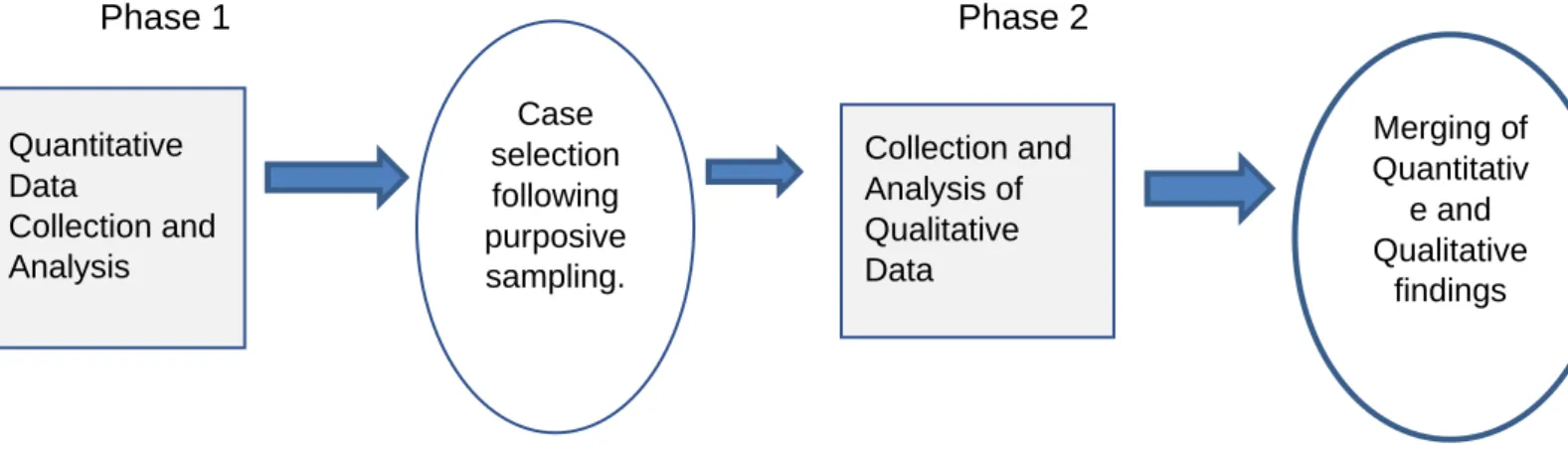
Chapter three presents the research method used in guiding this research. In this study, a mixed-methods approach was used to look into students' knowledge of nutrition, their level of food insecurity, and their coping mechanisms in the School of Health Care Sciences. This study followed a two-phase survey process. In the initial quantitative survey, the researcher aimed to determine the level of nutrition knowledge, and food insecurity status of the study population. The follow-up qualitative interview phase helped to explain the quantitative findings. Participants were allowed to liberally share their life experiences on how they coped with food insecurity through one-on-one telephonic interviews. The integration of the survey results and the interviews aided in building a deeper understanding of the intention of the study.
University Limpopo was selected as a study side because there were no previous studies conducted on students’ nutritional knowledge, food insecurity, and coping strategies in the province. Health Sciences students were chosen because they were observed asking for money from the lecturers to buy food and that they are from low socio-economic background.
3.2 STUDY DESIGN
The explanatory sequential mixed methods research design was used in this study.
The main reason for using mixed methods was that combining quantitative and qualitative methods could provide a better understanding of research issues than using only one method (Creswell, Plano Clark, Klassen, Smith and Meissner, 2012;
Tashakkori & Teddlie, 1998). One of the most common designs in mixed methods research was the explanatory sequential design. It was divided into two interactive phases: the initial quantitative phase and the subsequent qualitative phase. Because the priority weight was in the quantitative approach, this was commonly referred to as QUAN-qual (Kemper, Springfield and Teddlie, 2003).
When researchers needed qualitative data to explain quantitative significant or no significant results, or when researchers wanted to form groups based on qualitative research, the explanatory design was typically used (Creswell et al., 2012; Morgan, 1998; Tashakkori & Teddlie, 1998).
22 As a result, the explanatory design was appropriate for this study because: (1) the researcher wanted to gain a deeper understanding of the survey results through a follow-up interview; and (2) the researcher needed to purposefully select participants for the interview based on the initial quantitative results.
The procedures in this study are demonstrated in Figure 3.1 below.
Phase 1 Phase 2
Figure 3.1: Schematic Explanatory sequential Design representation (Creswell & Creswell, 2018).
3.2.1 Quantitative Strand
The quantitative explanatory sequential design was used to determine the level of nutrition knowledge and food insecurity amongst Health Care Science students at the University of Limpopo, South Africa. Creswell and Creswell (2018) defined the quantitative research approach as a means for testing objective theories by examining the relationship between variables. These variables could be measured, typically on instruments so that numbered data could be analysed using statistical procedures.
Participants were recruited from their residential areas on and off-campus, some from their respective departments under the School of Health Care Sciences. Participants were requested to complete a semi-structured self-administered questionnaire, which consisted of three sections, namely, demographic information, nutrition knowledge multiple-choice questions (to determine the level of nutrition knowledge amongst students) and food insecurity experience scale (to determine the level of food insecurity).
Quantitative Data
Collection and Analysis
Collection and Analysis of Qualitative Data Case
selection following purposive sampling.
Merging of Quantitativ
e and Qualitative
findings
23 3.2.2 Qualitative Strand
The qualitative research approach was followed in this study to explore coping strategies of food-insecure students in the School of Health Care Sciences at the University of Limpopo, South Africa. John and David Creswell (2018) explained qualitative research as a means for exploring and understanding the meaning individuals or groups ascribed to a social or human problem.
Participants who were classified as moderate and severe food insecure were purposefully selected to continue with a semi-structured telephonic interview that lasted between nine and twenty-one minutes.
3.2.3 Study Site
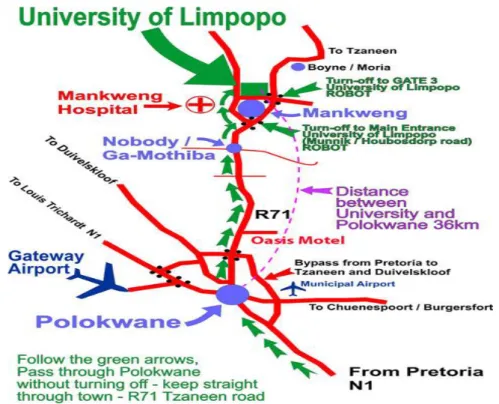
The study was conducted at the University of Limpopo, which was situated 40 km east of Polokwane. The University was in the foothills of Hwiti in Mankweng Township, Limpopo Province, South Africa.
Figure 3.2 The map of the University of Limpopo
(https://www.ul.ac.za/application/images/get_here_map.jpg, cited 04/04/2020) <