Title
Parental status of African children in South Africa: the relationship to household composition and household socio-economic status.
By
Chawapiwa Angela Chimbindi
Supervisor Dr Kerry Vermaak
Submitted to the University of KwaZulu-Natal,
School of Built Environment and Development Studies, College of Humanities.
In partial fulfilment of the academic requirements for the degree of Master of Population Studies.
2016
ii
Plagiarism Declaration I, Chawapiwa Angela Chimbindi, declare that
1. The research reported in this thesis, except where otherwise indicated, is my original research.
2. This thesis has not been submitted for any degree or examination at any other university.
3. This thesis does not contain other persons’ data, pictures, graphs or other information, unless specifically acknowledged as being sourced from other persons.
4. This thesis does not contain other persons' writing, unless specifically acknowledged as being sourced from other researchers. Where other written sources have been quoted, then:
a. Their words have been re-written but the general information attributed to them has been referenced
b. Where their exact words have been used, then their writing has been placed in italics and inside quotation marks, and referenced.
5. This thesis does not contain text, graphics or tables copied and pasted from the Internet, unless specifically acknowledged, and the source being detailed in the thesis and in the References sections.
Signed
………
iii
Acknowledgements
Firstly I want to thank God for granting me the opportunity to undertake a masters degree successfully. I would like to express my deep gratitude to my supervisor Dr Kerry Vermaak, whose door was always open and who was fully engaged throughout the writing of this thesis.
Similarly, I would like to thank Professor Dorrit Posel whom I started this journey with, for her useful comments, remarks and consistently allowing this paper to be my own work. Also important to me are my family members, especially Basil and Natsai Bafana who inspirited my effort to overcome all challenges. They made financial sacrifices and offered immense encouragement which without, finishing the master’s programme would have been seamless.
Furthermore, I acknowledge the financial support I obtained from the NRF and all the wonderful members of staff in the Department of Development and Population Studies, particularly Priya Konan. Last but not the least important, I owe more than thanks to my many friends
“umnganiwami”, we are strong.
iv Abstract
The living arrangements and social economic status of households are reportedly a reflection of their coping strategy to shocks. Particularly for African South Africans: labour migration, low and decreasing rates of marriage and HIV/AIDS pandemic among others have clearly affected both the living arrangements and the parental status of African children. In this paper, descriptive statistics were employed to compare the living arrangements and socio-economic status of households with African children according to their parental status. The GHS (2012) data was used to formulate nine exhaustive parental categories and three separate orphan hood (paternal, maternal and double) categories. Basically, a comparison of the living arrangements of multi- generational households, female headed households and households with high dependency ratios was undertaken forchildren who have deceased parents (fathers/mothers/both) to non-orphaned children (both parents are alive) where children live with either or both of their biological parents or guardians. Furthermore, geographical location, household wealth status and the reception of social grants were used as socio-economic status indicators.
The results across all the variables show that households with children who are co-residing with both their parents had the preferred outcomes when compared to the other parental statuses.
Households with fathers only the mother being deceased or alive but absent also exhibit preferential socio-economic status when compared to households with mothers only the father being either dead or alive but not a resident and in households with children who co-reside with neither of their parents, for reasons of death or mere absenteeism. Basically, the living arrangements and socio-economic status was worse off for the former and latter parental status.
Although child poverty was not my outright focus, the wide and deeply worrisome levels of poverty amongst African children motivated this study. In this study, I observed that a greater proportion of households with African children were headed by females. In these households, and in households were children reside with absent parents, children are highly likely to be socialized in some dimensions of poverty. Government can rectify this by correcting some institutional factors. Women face more disadvantages in almost all social, economic and political institutions.
Furthermore, these disadvantages are exacerbated in households with single mothers and no adult males.
v List of Tables
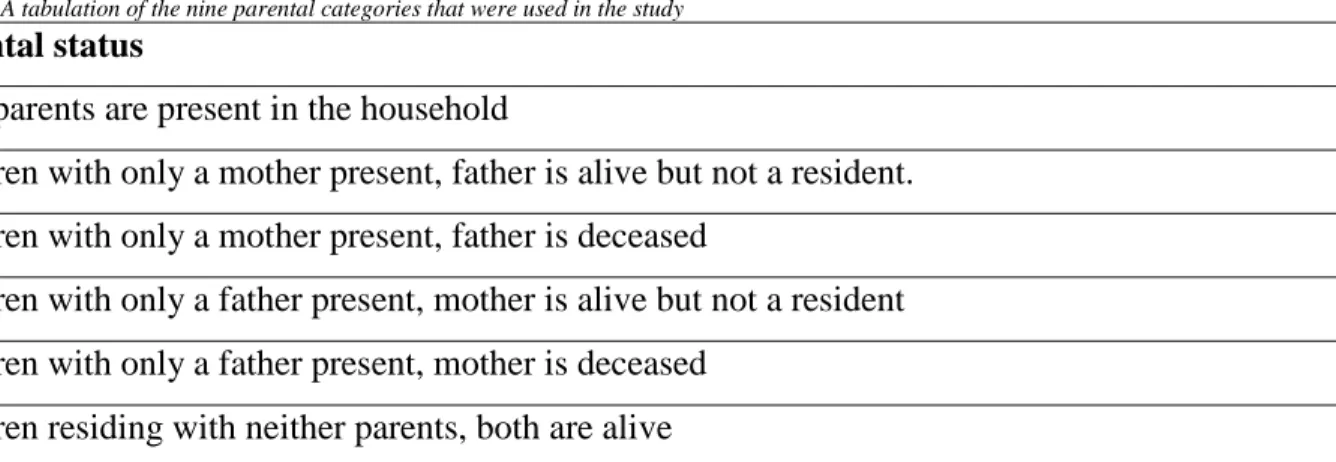
TABLE 1: A TABULATION OF THE NINE PARENTAL CATEGORIES THAT WERE USED IN THE STUDY ... 32
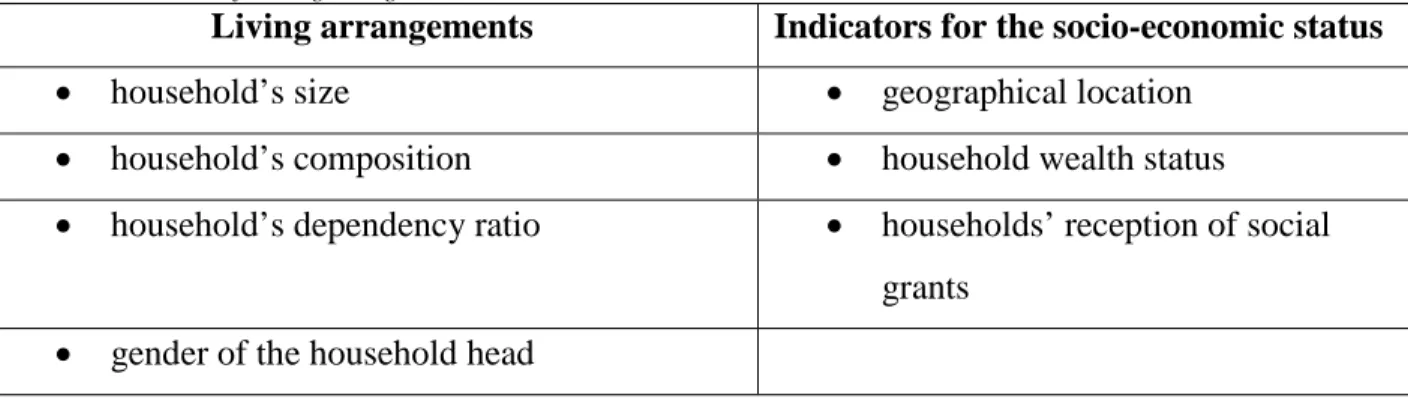
TABLE 2: THE INDICATORS FOR LIVING ARRANGEMENTSAND SOCIO-ECONOMIC STATUS ... 33
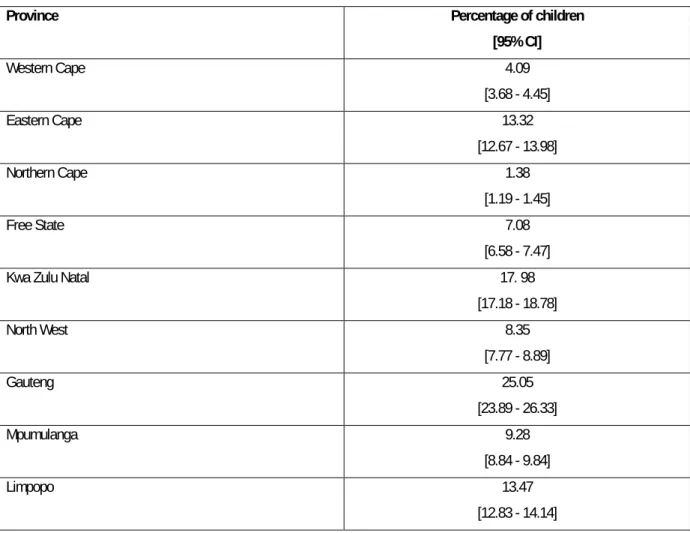
TABLE 3: THE PROVINCIAL DISTRIBUTION OF AFRICAN CHILDREN IN SOUTH AFRICA, USING GHS (2012) DATA. ... 42
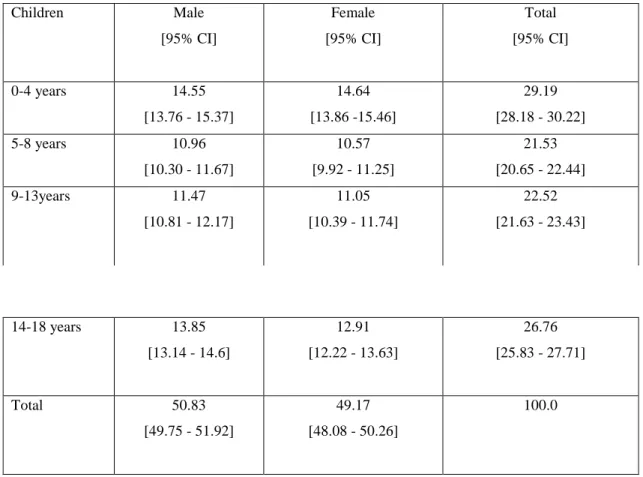
TABLE 4: THE DISTRIBUTION OF AFRICAN CHILDREN ACCORDING TO THEIR GENDER AND AGE ... 43
TABLE 5 THE PARENTAL STATUS OF AFRICAN CHILDREN IN SOUTH AFRICA, 2012. ... 45
TABLE 6: THE AVERAGE HOUSEHOLD SIZE FOR HOUSEHOLDS WITH AFRICAN CHILDREN ACCORDING TO PARENTAL STATUS ... 46
TABLE 7: THE AVERAGE HOUSEHOLD SIZE FOR HOUSEHOLDS WITH AN AFRICAN CHILD WHO HAS AN ORPHAN STATUS ... 47
TABLE 8: THE HOUSEHOLD COMPOSITION FOR HOUSEHOLDS WITH AN AFRICAN CHILD ACCORDING TO THEIR PARENTAL STATUS. ... 48
TABLE 9:AVERAGE HOUSEHOLD COMPOSITION FOR HOUSEHOLDS WITH AN AFRICAN ORPHAN. ... 50
TABLE 10: THE DEPENDENCY RATIO FOR HOUSEHOLDS WITH AFRICAN CHILDREN ACCORDING TO THEIR PARENTAL STATUS ... 51
TABLE 11: THE DEPENDENCY RATIO FOR HOUSEHOLDS WITH AFRICAN ORPHANED CHILDREN. ... 52
TABLE 12:.HOUSEHOLD HEADSHIP IN HOUSEHOLDS WITH AT LEAST ONE AFRICAN CHILD, 2012. ... 53
TABLE 13: THE GEOGRAPHICAL LOCATION OF HOUSEHOLDS WITH AN AFRICAN CHILD ACCORDING TO PARENTAL STATUS IN 2012. ... 55
TABLE 14:. THE TYPE OF GEOGRAPHICAL LOCATION FOR HOUSEHOLDS WITH AN AFRICAN CHILD ACCORDING TO ORPHAN HOOD STATUS ... 57
TABLE 15:THE WEALTH INDEX OF HOUSEHOLDS WITH AFRICAN CHILDREN ACCORDING TO THEIR PARENTAL STATUS. ... 58
TABLE 16: THE WEALTH INDEX FOR HOUSEHOLDS WITH AN AFRICAN ORPHAN. ... 59
TABLE 17:HOUSEHOLDS WITH AN AFRICAN CHILD AND THE SOCIAL ASSISTANCE THEY RECEIVE FROM THE GOVERNMENT. ... 60
TABLE 18:. CHILD RELATED GRANTSACCORDING TO CHILDREN’S ORPHAN HOOD STATUS ... 62
TABLE 19:.AFRICAN CHILDREN LIVING IN HOUSEHOLDS WITH HOUSEHOLD MEMBERS WHO RECEIVE SOCIAL ASSISTANCE, 2012. ... 63
TABLE 20:.ORPHANED CHILDREN LIVING IN HOUSEHOLDS WITH HOUSEHOLD MEMBERS WHO RECEIVE SOCIAL ASSISTANCE, 2012. ... 64
vi Table of figures
FIGURE 1: THE ORPHAN HOOD STATUS (PATERNAL, MATERNAL AND DOUBLE) OF AFRICAN CHILDREN IN SOUTH AFRICA IN 2012. ... 44 FIGURE 2: THE TYPE OF HOUSEHOLD HEADSHIP IN HOUSEHOLDS WITH AFRICAN CHILDREN WHO HAVE AN ORPHAN HOOD STATUS ... 54
vii
Table of contents Table of Contents
Plagiarism Declaration ... ii
Acknowledgements ... iii
List of Tables ... v
Table of figures ... vi
Table of contents ... vii
Chapter One: Situating the research problem ... 1
1.1 Background of the study ... 1
1.2. Context of the study ... 3
1.3 Problem statement ... 7
1.4 Significance of the study ... 8
1.5 Objectives ... 9
1.6. Questions to be asked... 9
1.7. Methods used ... 10
1.8. An outline of the conceptual framework ... 10
1.9. Organization of the study ... 12
1.10. Conclusion ... 13
Chapter two: Literature review ... 13
2.1 Introduction ... 13
2.2 A review of children’s living arrangements in South Africa ... 13
2.3. The impact of HIV/AIDS on the parental status of African children. ... 15
2.4. The impact of labour migration on the parental status of African children ... 18
2.5. The impact of marriage on parental status of African children ... 21
2.6 A review of studies which explore the relationship between parental status and children’s outcome ... 24
2.7 Contribution of my study ... 28
2.8 Conclusion ... 29
Chapter 3: Research Methods ... 30
3.1 Introduction ... 30
3.2 Data Source ... 30
3.3 Data analysis ... 32
3.4 Outcome variables ... 34
3.5 The living arrangements of households with African children ... 34
3.5.1 Household size ... 34
3.5.2 Household composition ... 34
3.5.3 Dependency ratio ... 35
3.5.4 Gender of the household head... 36
3.6 Household’s socio-economic status ... 36
3.6.1 Geographical location ... 36
3.6.2 Household’s wealth status... 37
viii
3.6.3 Social grants ... 39
3.7 Weighting of the data ... 40
3.8 Conclusion ... 40
Chapter Four: Results ... 41
4.1 Introduction ... 41
4.2 Profile of randomly selected African children ... 41
4.3 Parental status ... 44
4.3 Parental status ... 46
4.4.1 Household size ... 46
4.4.2 Household composition ... 47
4.4.3 Dependency ratio ... 50
4.4.4 Gender of the household head... 52
4.5 Socio-economic status ... 54
4.5.1 Geographic location of the household ... 55
4.5.2 Household wealth... 57
4.5.3 Social grants ... 60
4.6 Conclusion ... 64
Chapter 5: Recommendation and conclusion ... 67
5. 1 Introduction ... 67
5.2 Living arrangements ... 67
5.2.1 Household size ... 67
5.2.2 Household composition ... 68
5.2.3 Dependency ratio ... 70
5.2.4 Gender of the household head... 71
5.3. The socio-economic status of households... 72
5.3.1. Geographical location ... 72
5.3.2 Household wealth status ... 74
5.3.3 Social grants ... 75
5.4 Limitations of the study ... 76
5.5 Recommendations ... 77
5.6 Conclusion ... 81
References ... 83
1 Chapter One: Situating the research problem
1.1 Background of the study
This thesis offers statistical data on the living arrangements and socio-economic status of households with African children in South Africa according to their parental status. The socio- economic well-being of children is of key importance: UNICEF (2012) stated that the growth and prosperity of tomorrows’ nations depends heavily on the children of today. However, amongst other attributes, the apartheid era left a very large proportion of Africans in poverty and different publications show that child poverty is associated with: poor nutrition and susceptibility to illness and disease, lack of clean water, family break up due to poverty, little access to healthcare and lack of sanitation and means of waste disposal (Department of Social Development 2013).
At the World Summit for Children in 2006, world leaders affirmed that the family and all of its resources was the ‘first call’ in which children should have their essential needs met (UNICEF, 2007.p. 27). Drawing from this summit, the family and particularly parents have a valuable role to play in shaping children’s socio-economic status as resources flow from them to children.
Furthermore, it is in their households that children acquire concepts, skills and attitudes that lay the foundation for lifelong learning.
A UNICEF (2012, p.2) report stated that the childhood phase is a “unique window of opportunity”. They believe that during one’s childhood, the cycle of poverty can be broken or even pre-empted, for when poverty strikes a family, children are its immediate victims (UNICEF, 2007) and thereafter they fail to fulfil their potential. In 2007 the UN estimated that more than half of the children in South Africa were living in poverty (Social Development Report, 2010).
The Social Development Report (2010) put forward that inequity and marginalization in South Africa could grow worse without child-related interventions.The government has made various positive interventions since the coming of democracy but there remain a worrisome number of poor African children who continue to suffer the indignities of poverty. They postulate that lack
2 of access to adequate nutrition, poor education quality,dissatisfying service delivery for things like clean running water and adequate sanitation could result into a “long term viscous cycle of deprivation” (ibid, p 42).
Since 1994 South Africa has adopted a social agenda, which channels a significant amount of effort and resources towards identifying vulnerable groups in society, crafting legislation that protects their interests and developing and implementing programmes and strategies that support them (Social profile of South Africa 2002–2009, 2010).However,particularly, women, children and the elderly still suffer because of the distribution of rights and privileges, social power, access to public goods such as credit and financial services and the judicial system (Dungamaro, 2008).
South Africa has a long history of children who do not live consistently with their biological parents. Richter, et al., (2012) argue that the foundation of parenthood had been slowly eroded in South Africa. Many children experience a sequence of different caregivers or they are being raised without fathers (Russell, 2003; Hosegood, et al., 2009; Richter, et al., 2012; Posel, et al., 2011; Posel and Devey, 2006). The parental status of African households with children in contemporary South Africa has been shaped by a combination of interrelated social, political and economic processes. Low and declining marriage rates, the HIV/AIDS epidemic, labour migration and poverty are amongst the factors that have strongly shaped the living arrangements and socio-economic status of African children (Social profile of South Africa 2002–2009, 2010).
In a twenty year review of South Africa from 1994–2014, Van Der Byl (2014) revealed that children were disproportionately represented in rural and non-metropolitan areas. She reports that 42% of African children were still within the former Bantustans(overpopulated and underdeveloped areas where Africans were resettled during apartheid), while only 29% of all adults reside in these areas. She expressed concern over the high levels of parental absenteeism, the poor municipal infrastructure, poor levels of service delivery and limited employment opportunities in these areas (Van Der Byl, 2014).
Many researchers suggest that industrial capitalism and apartheid brought about some serious changes in the African family system and kinship organisation. Firstly, the apartheid government
3 stripped the black majority of most of their rights. As a result, there was, and still is, very high levels of residential separation between biological fathers and their children as a result of labourmigration (Spiegel, 2003). However, Posel (2010) postulates that over the years, increasing numbers of women have also migrated from their permanent homes for work reasons.
The long and well-established decline in marriage rates (Budlender, et al., 2005; Locoh, 1988;
Udjo, 2001) has significantly contributed to the social and residential separation of parents and their children. In 2006, 55% of women aged 40-44 years in rural KwaZulu-Natal had never been married (Hosegood, et al., 2009). There are generally many factors that have driven the decline in marriage rates. According to Hosegood, et al., (2009) family dispersal resulting from labour migration and/or poverty has contributed substantially to the long-term decline in marriage rates.
As a result, an increasing number of South Africa’s women are having children outside of marriage (Makiwane, et al., 2013) which also promotes paternal absenteeism.
Children in South Africa are growing up in an era of HIV/AIDS. Millions of children have been orphaned by the epidemic. Subsequently, there has been considerable concern over the other negative socio-economic consequences which are caused by the epidemic. Among other things, the epidemic usually reshapes and affects the household type, household composition; care giving options, residential stability and the economic status of households (Hosegood, et al., 2009).
Research has shown that poverty is significantly increased for orphans and children with absent fathers when compared to children with a resident father (Booysen 2003). Roggman et al., (2002) estimated that in 2001, 77 per cent of African children with absent fathers were living in poverty. Poverty creates challenges for children whom may be very difficult to manage in households with only one or no parent (Case, et al., 2006; Ford and Hosegood, 2005). This is especially worsened in South Africa, where unemployment is very high and most single mothers work outside the home (Cancian and Reed, 2009).
1.2. Context of the study
In 2014, StatsSA estimated South Africa’s population to be 54 million people. South Africa is one of the most ethnically diverse countries in Africa. According to the 2011 Population Census,
4 Africans comprise the largest population group, constituting about 79.5% of the total population;
while Coloureds make up 9.0%, Indian/Asian 2.5% and Whites 9% of the population(South African Government, 2015).
South Africa was colonised by Dutch settlers during the 17th century largely because of its wealth in natural resources (Bray, 2003). At that time, it was inhabited by pastoral Khoi-Khoi, the hunter-gatherer San, the Xhosa and the Zulu nations and various other indigenous tribes. In pre- modernised South Africa, land ownership under communal tenure was the main source of livelihood for Africans. Bester (1994) notes that the African family structure was influenced by a self-supporting agro-economy system that was under patriarchal authority. Living arrangements were largely influenced by a family’s proximity to a means of production and its ability to sustain itself. Therefore, factors like climate, geography, and the productivity of the land all had a substantial impact on a household’s composition (Edmonds, 2006).
The discovery of diamonds (1867) and gold (1886) prompted the intensification of the oppression of the native inhabitants. This was because the white government was pushing able- bodied Africans away from a rural subsistence economy into urban based labour (Beinart, 1982).
Many control laws were enforced and different forms of taxation were imposed. Consequently, there was a city-ward movement in search of wage employment, better housing and health care facilities (Seekings, 2008).
As a result of the pass laws a migrant’s dependents could not easily join him/her at their urban work place. Consequently, the living arrangement of African mothers, fathers and children was affected. Mostly, the women, elderly family members and children were left behind in the rural homestead whilst the fathers were working in urban areas. This resulted in very high levels of residential separation between biological fathers and their children (Spiegel, 2003).
Russell (2003) argues that institutions such as the economy, modern agricultural technologies, polity, education and religion were some of the key drivers of the ideational shift in South Africa. For instance, the relationship between men and women has became more egalitarian, new patterns of cohabitation have developed, marriage rates have fallen, divorce rates have
5 increased,the patterns of childbearing have changed and the status of women has improved, amongst others.
In 1994 South Africa became a democratic nation after the minority government stepped down.
Van Der Byl (2014) argues that the advent of democracy was an opportunity for the government to change the trajectory of all African children. Jeeves et al., (1995) caution that the transition from rural to urban areas for Africans has been anything but simple. The government has transformed the unfavourable and restrictive political, economic and social environment for African South Africans but its fight against a legacy of lawlessness and socio-economic inequality is still on-going.
Nonetheless, as Africans are now exposed to urban industrialized life they can access better housing, education and health facilities. Sibanda, et al., (1999) argue that the impact of improved government policies on family structure and family organization is still very hard to determine because there have been some demographic changes, like lower fertility rates and the reversal in mortality levels due to HIV/AIDS, which are concurrently shaping African’s living arrangements.
Van Der Byl (2014) revealed that the number of households in South Africa had increased substantially since 1994 but the average household size has been shrinking over time. Moreover, the number of households with children has been declining. At the same time, Hall and Meintjes (2014) observed that the number of single-person households have increased substantially in South Africa which could explain the increase in the number of households and households without children.
There has been an inconclusive debate on whether African households are converging to one generation households like in the developed countries. In her paper, Russell (2003) argues that African households were not converging to one generation households. She undertakes a thorough analysis of the underlying principles on which African households rest. She states that the tradition of patrilineal descent in African households entails a much wider and unpredictable
6 set of options for co-residence. However, Van Der Byl (2014) identified an increase in the prevalence of two generations households in South Africa for the period 1994-2014.
Russell (2003) advances that in contemporary South Africa, patterns of co-residence are shaped by various factors but to a larger extent they reflect the forces of the new global economy. This entails families that are dispersing in a bid to obtain better economic opportunities.
South Africa currently possesses one of the largest and most ambitious social assistance programmes in the developing world (Fordand Hosegood, 2005). Its Constitution (Act No. 108 of 1996) includes the Bill of Rights which states that everyone should have access to healthcare, social security, sufficient food and adequate water and a safe environment. In section 28, children are afforded additional protection, which includes basic nutrition, shelter, basic healthcare, social services and protection from abuse and neglect. As a result, the Department of Social Development has availed a number social assistance programmes which facilitate human development and improve the quality of life of the South African population, particularly of the poor and the vulnerable.
The Child Social Grant (CSG) is one of the most important social grants. Van Der Byl, (2014) notes that although a number of programmes have been implemented, the CSG has been the most successful in terms of implementation. Its aim is to improve children’s wellbeing. The grant, which is paid to a child’s primary care giver, currently reaches a substantial proportion of children. According to the South African Social Security Agency (SASSA), around 8.9 million children received some form of cash transfer in 2008 (Djebbari and Mayrand, 2011).
Amongst Africans in South Africa, kinship care is the prevalent and accepted means of raising children. For a broad range of reasons children are looked after on an on-going or indefinite basis by relatives, friends or others. By channelling the grant through the primary care giver, the CSG was meant to adapt to the nature of the South African society. For instance, awarding the grant to the primary care giver caters for situations when: the biological parents are absent as a result of labour migration; children are cared for by the extended family as a result of HIV/AIDS related
7 deaths; and when children are living with an unmarried mother as a result of non-marital births (Lund, 2008).
1.3 Problem statement
Children are living in various forms of living arrangements in South Africa which shapes and influences their socio-economic status and well-being. Subsequently, looking at households’
according to children’s parental status is of key importance.Parents have an essential role to play when it comes to improving the well-being of all children. Whether a child can access resources like quality education, primary health care and social protection is determined by their primary caregivers who are usually parents.
To improve the wellbeing of children in South Africa there is need to uncover and understand some dynamic social phenomena that shape and influence households (formation, composition and structure). For instance, the households’ socio-demographic structure is influenced by labour migration, HIV/AIDS and lower marriage rates.
In South Africa, there is an overlying assumption that households with African children who are co-residing with both their biological parents have relatively the best socio-economic status, whilst, double orphaned children are believed to have the worst.However, the problem arises in that there is very little, if any research which includes nine different parental categories and uses a wide range of socio-economic indicators. This is imperative, as the living arrangements of households with African children are constantly changing. Therefore, there is an increasing need to define and analyse their socio-economic status. Particularly, this study uses an exhaustive nine parental categories and more than eight socio-economic indicators in order to closely analyse their socio-economic status.
There is a greater need to analyze particularly, households with African children. These are mostly affected because relative to the other population groups, the formation, composition and structure of African households has been the most dynamic. This results from the apartheid era,
8 effects of labour migration, HIV/AIDS pandemic, lower marriage rates and the increased labour force participation rates of African women.
It is widely believed that the living arrangements and socio-economic status for households with double orphans is worse off than all the other orphan status, probably because the assumption is that they have no one to fend for them. It is possible that in some socio-economic indicators they may be better off relative to the other non -orphan status, why? Factors like being able to collect a larger number of social grants, donations and child labour amongst others.
1.4 Significance of the study
Often, not all of the potential categories of parental status are considered when researchers are determining the socio-economic well-being of children. At the same time, numerous studies have documented only the psycho-socio and economic status of households’ with various groups of children in South Africa but very few studies have compared the socio-economic status of household’s with African children using an exhaustive list of parental status. In this dissertation, I do just that, I use recent GHS (2012) data to compare the living arrangements and socio- economic status of households with African children according to their parental status.
Parental absenteeism is a prevalent feature in African households, commonly the term is used to refer to children with fathers who are alive but absent from the household. Again, research and research initiatives usually associate socio-economic vulnerability only to households with children who have experienced parental death, households with children with both or one living parent but are not co-residing with them are often excluded even though in South Africa’s context, they could be equally vulnerable. This study explores households from nine possible categories of parental status and thereafter it looks specifically at three categories of orphans:
paternal, maternal and dual orphans. For both categories of parental status the study analyses how they influence children’s living arrangements and their socio-economic status.
In this study I employ a wealth index to describe the economic status of households with African children. This index measures each household’s assets and its access to essential services. The wealth index provides a better indicator of a households’ long-term or permanent socio-
9 economic status than does either current income or current consumption (Booysen, 2003).
Kothari (1990) identified that poor households usually understate their income in order to appear poorer than they really are. Similarly, rich people usually understate their income because they are fearful of the possibility of taxation, political repercussions and robbery. Therefore, current household income alone may not be a good reflection of more long-term economic status.
1.5 Objectives
The general objective of this study is to describe and compare the living arrangements and the socio-economic characteristics of households with African children in South Africa according to their parental status.
The specific objectives of the study are:
1) To compare the living arrangements of multi-generational households, female headed households or in households with higher dependency ratioshouseholds according to their parental status that is: compare children who have deceased parents (fathers/mothers/both) to non- orphaned children (both parents are alive) where children live with either or both of their biological parents or guardians.
2) To compare the socio-economic characteristics of households in which African children live according to their parental status that is: compare children who have deceased parents (fathers/mothers/both) to non-orphaned children (both parents are alive) where children live with either or both of their biological parents or guardians.
2) To investigate the living arrangements and socio-economic status of households with orphaned African children by the type of orphan-hood status (maternal, paternal or double).
1.6. Questions to be asked
1). How do household composition and household size compare among African children according to their parental status?
10
● For example, are orphaned children more likely than other children to be living in multi- generational households, female headed households or in households with higher dependency ratios?
2). How do the socio-economic characteristics of the households in which African children live compare according to the parental status of children?
● For example, does the economic status of children differ according to whether the parent is deceased, or the parent is alive but not part of the child's household. Are double orphans more likely to live in poverty than either maternal or paternal orphans?
3). How do household composition, household size and socio-economic status of households with orphans compare according to their orphan hood (paternal, maternal and double) status?
● For example, are double orphans worse off than either maternal or paternal orphans?
1.7. Methods used
To undertake a statistical analysis of the living arrangements and the socio-economic status of households with African children according to their parental status descriptive statistical methods were used using the GHS (2012) data. Therefore, the principal research questions were answered using nine parental categories and three other separate orphan hood (paternal, maternal and double) categories.
1.8. An outline of the conceptual framework
This study is guided by the Sustainable Livelihood Analysis (SLA) framework. The framework plays an imperative role when assessing poverty, inequality and human development issues.
More generally, the framework maintains that livelihoods of vulnerable households comprise of a diverse range of factors and processes which should be valued for human development (DFID, 2000). The purpose of the SLA is to analyse the current livelihood of vulnerable households and assess their need for enhancement.
Development has many definitions but Morse and McNamara (2013) have come up with two interesting and basic forms. They mention that development can be intentional (interventionist)
11 or immanent development. The latter refers to a “broad process of advancement in human societies driven by a host of factors including advances in science, medicine, the arts, communication, governance and others. It is facilitated by processes such as globalisation which helps share new ideas and technologies”. Whilst the former “is a focussed and directed process whereby government and non-government organisations implement development projects and programmes (typically a set of related projects) to help the poor. The projects are usually time and resource bound, but have an assumption that the gains achieved would continue after the project has ended” (ibid. p. 2).
The SLA framework was chosen for this study, particularly, because it defines development as being intentional. I believe that households in which African children live are socio- economically vulnerable and in need of intentional development. I believe that documenting the socio-economic status of households with African children according to their parental status is an essential diagnostic tool which will enable development practitioners to maximise the effectiveness of their interventions. Some African children in South Africa live in households with neither parent as a result of parental death and/or mere parental absenteeism, therefore, some parental status make children more vulnerable to the others.
In this study, I described living arrangements using: household size, household composition, dependency ratio and the gender of the household head according to children’s parental status.
The following variables were used to represent the socio-economic status of households:
geographical location, household wealth status and social grants. In a way, in line with the SLA framework these variables will expose the vulnerable parental categories and subsequently, enable focussed and more directed interventions to be implemented.
The SLA framework places people, particularly vulnerable people, at the centre of a web of inter-related influences that affect how these people create a livelihood for themselves and their households. Closest to the people at the centre of the framework are the resources and livelihood assets that they have access to and use. According to the SLA framework the extent of the people’s access to resources is strongly influenced by their vulnerability context, which takes account of trends. Access is also influenced by the prevailing social, institutional and political
12 environment, which affects the ways in which people combine and use their assets to achieve their goals.
This study adapts the SLA framework by focusing only on African children and assessing their livelihood. As a result of apartheid, South Africa was divided into “two nations”. The Africans are the poorer group because they were heavily segregated. Unlike the other racial groups, Africans lived under conditions of grossly underdeveloped economic, physical, educational, and other infrastructure. Therefore, the purpose of including variables like the household size and household composition is for assessing how Africans offset some “shocks” they have suffered.
Some of these “shocks” for African South Africans include forced labour migration, HIV/AIDS pandemic and factors leading to low and declining marriage rates. To a greater extent these shocks have shaped and influenced the living arrangements of African children.
Therefore, as this study identifies the different areas of vulnerability for different categories of parental status, in accordance to the framework, interventionists can create sustainable livelihoods for households so that they become less vulnerable and cope efficiently to shocks and stress, particularly, parental death and absenteeism. The framework asserts that either increasing the available capital or by reducing household’s vulnerability are sustainable strategies for intentional development (Sen, 2013).
Furthermore, my study evaluates the socio-economic well-being of households not in terms of income, but according to the household’s access to assets, which will be measured through the construction of a wealth index.
1.9. Organization of the study
The remainder of the dissertation is structured as follows. In the next chapter, I provide a review of the existing literature on the living arrangements and the socio-economic status of households with African children in South Africa. Chapter 3 is an outline of the research methodology. In it I discussed the data and the methods that were used for data analysis. I present the findings from the data analysis in Chapter 4. Consequently, Chapter 5 is the last chapter; I discuss the results
13 that I attained from Chapter 4. Thereafter, I summarise the results and make some recommendations based on these results.
1.10. Conclusion
Chapter 1 was dedicated to the following: introducing the study, stating the problem statement, discussing the relevance of the study, outlining the research objectives, research questions, briefly outlining the research methods and the conceptual framework of the study.
Chapter two: Literature review
2.1 Introduction
This chapter contains a review of the existing literature on the parental status of African children in South Africa and its relationship to household composition and household socio-economic status. This chapter focuses on key variables, trends and the issues that are relevant to my study as per existing literature. Firstly I will highlight the living arrangements of African children in South Africa, thereafter; I will explore some background factors that have shaped and influenced them. Following that I discussed the relationship between parental status (vital status and co- residence) and children’s outcomes using some relevant literature.
2.2 A review of children’s living arrangements in South Africa
South Africa provides an interesting setting for examining children’s living arrangements and socio-economic status. Research has shown that African children in South Africa are far less likely than other children to live with both their biological parents, in particular, their fathers (Russell, 2003; Hosegood, et al., 2009; Richter, et al.,2012;Posel, et al., 2011;Posel and Devey 2006). It should be noted that parental absenteeism is not always as a result of parental death but it is usually caused by other factors (Van Der Byl, 2014; Richter, et al., 2012; Hall and Mayekiso, 2009). A situational analysis of children in South Africa 2002–2008 conducted under the auspices of the President’s Office (2009) showed that approximately 78% of all children in South Africa had at least one parent who was still alive in the period 2002-2008. In a similar
14 vein,StatsSA (2012) estimated that half of all South African children who had both of their parents living were not co-residing with both of them.
At the start of the post-apartheid era, data from the 1993 Project for Statistics on Living Standards and Development (PSLSD) indicated that only 34% of all South African children had two biological parents at home for at least half of the month preceding the survey (Reynolds, 1995; Van Der Byl, 2012). Even well into a democratic South Africa, the GHS (2009) showed that only 34% of all children in South Africa were in households which had both parents as co- residents. Almost two-fifths (39%) were living in households without their biological fathers, but had a mother present, while only 3% of all the children were living with their biological fathers but without a biological mother. Lastly, 24% of all children were living with neither of their biological parents (Hall and Mayekiso, 2009). Drawing from the 1993 and 2009 statistics, it can be seen that South Africa has along established and well maintained pattern of children who do not live consistently with both of their biological parents.
A number of interrelated social, economic and political factors have affected the structure and living arrangements of families in South Africa. Industrial capitalism and apartheid (Sibanda, 2011; Ritcher, et al., 2012), labour migration (Spielberg, 1980; Posel, 2010; Casale and Posel, 2002),the HIV/AIDS epidemic (Case and Ardlington, 2006; Ford and Hosegood, 2005) and low and decreasing marriage rates (Posel, et al., 2011; Johnson, 2003; Udjo, 2007; Posel and Rudwick, 2013, Makiwane, 2004) are reportedly some of the strong influences that have shaped the living arrangements of African children in contemporary South Africa.
These background factors have affected particularly African children relative to the other population groups largely because of their history (Amoateng, et al., 2007; Russell, 2003;
Sibanda, 2011) and customs (Chimere-Dan, 1995). The following section reviews studies which explore the role of these background factors in shaping and influencing the living arrangements of African children in South Africa.
15 2.3. The impact of HIV/AIDS on the parental status of African children.
Moyo (2011) postulated that before the mid 1990’s the concept of orphan-hood was not very prevalent. She argued that although some children would lose their parents to death, society was more than ready to foster orphans. However, these social patterns changed around the year 2000, after an UNAIDS demographical report revealed that an alarming 14 million African children had been orphaned by HIV/AIDS. African society has become overwhelmed by the socio- economic consequences of HIV/AIDS, urbanization, interventions by the government like extending the availability and accessibility of social grants and education for all has largely undermined the need for child fosterage (ibid.).
South African children are not only growing up in an era of HIV/AIDS but the epidemic has grown at a very rapid rate such that the country has experienced one of the largest prevalence rates in the world. HIV/AIDS hit the hardest amongst its adult population and this consequently increased the orphan-hood status amongst South African children (Bradshaw, et al., 2012;
UNICEF, 2007).
A UNAIDS (2013) report stated that three HSRC surveys estimated HIV prevalence at 15.6%
(2002), 16.2% (2005) and 16.9% (2008, increase not statistically significant) in adults 15-49 years.Overall, maternal orphans increased the most as a result of HIV/AIDS; this is because women aged 20-44 years were the most affected (Hall and Meintjes, 2014; Bicego, et al., 2003;
Bradshaw, et al., 2012). A UNAIDS (2006) study reported that children who are maternal orphans increased sharply from 2.5% to slightly more than 5% within the period 2001-2005.
HIV/AIDS has considerable socio-economic consequences which have taken the heaviest toll on households and communities. Unfortunately, in the case of an African child, the HIV/AIDS epidemic is only one of many other negative phenomena that shape and influence their lives. For instance, Ciganda, et al., (2010) argue that under-development and poverty are even of greater concern. Therefore, the consequences of HIV/AIDS that they suffer are often devastating and unmitigated.
The epidemic usually reshapes and affects the household type, household composition, care giving options, residential stability and the economic status of children (Hosegood, et al., 2005;
16 Booysen 2003; Hosegood, et al., 2009). Seekings (2008) argues that some of the socio-economic effects of AIDS related illness and death are mitigated in African households because of their porosity and fluidity. He explains that these characteristics of African households allow them to be easily reconstituted. For instance, when a breadwinner suffers or dies from HIV/AIDS, the dependents in that household can easily be moved into the care of other related adults. In contrast, in a static and stable nuclear household the illness or death of a breadwinner or caregiver is usually disastrous to all members of the household (Booysen, 2003; Lamb et al., 2004).
In almost all African societies, relatives (aunts, uncles, and grandparents) are the first and most important source of love and care for children orphaned by AIDS (Case and Ardlington, 2006).
Sometimes when an adult dies, the household maybe dissolved, children may be sent to live with their relatives(Foster, 2000; Bicego, et al., 2003, Hosegood, et al., 2009) but quite rarely do orphaned children live with non-relatives (Ritcher, et al., 2008). Informal fostering is prevalent in most African cultures, particularly by grandparents in the case of South Africa (Lunga, 2009;
Sibanda, 2011; Case and Ardlington, 2006, Makiwane, et al., 2013; Ziehl, 2002). However, in some cases, older children may act as surrogate parents to their younger siblings (Merli, et al., 2002).
Booysen (2003) documented that as households in South African are fragmenting and reforming, grandparents are increasingly becoming the primary caregivers to their HIV/AIDS orphaned grandchildren. Seekings (2008,p. 45) pointed out that in most extended households grandparents are often the key breadwinners as they receive a relatively “substantial” amount of money from the pension grant (R1400/month).The extended family structure can be multigenerational as it usually includes a wider circle of kin; which normally consist of grandchildren, parents and grandparents. In skip-generation households, working-age people are absent from the household.
In South Africa these household structures have developed largely because of labour migration and the consequences of HIV/AIDS (Nyamukapa, et al., 2005).
Perusal of relevant literature shows that there has not been an agreement on the well-being of children who are raised in grandparent headed households. While one body of researchers argue
17 that grandparents are ideal substitute parents, the other body claims otherwise. Bryant (2007) argues that unlike in households which are headed by other relatives, grandmothers are less likely to discriminate against children. Usually grandparents do not have young children of their own which eliminates competition for resources. Similarly, Nyamukapa, et al., (2005, p. 245) argue that grandchildren benefit a lot from the care they get from their grandparents because they
“love and pamper their small charges”.
However, Lunga (2009) suggested that children being cared for by grandparents sometimes received inappropriate care because of their deteriorating emotional, social and in some cases diminishing economic capacity. Kalil, et al., (2002) noted that grandparents may face extra difficulties especially if it’s their own child who died; although they usually felt obliged to diligently take care of their grandchildren they usually suffered from emotional stress resulting from losing a child.
From their study, Djebbari and Mayrand(2011) observed that HIV/AIDS orphans were usually disadvantaged when they co-resided with non-orphaned children. They explain that HIV/AIDS orphans were prone to illness and they often did not receive regular routine immunizations or preventive care when compared to the non-orphans whom they co-resided with. Moyo (2011) explained that because poverty deepens with each orphan taken in for fostering, overwhelmed guardians may choose to feed their own children first, leaving the orphans, hungry and malnourished. At the same time, a study from Kenya explains the dilemma in African households, the article said that relatives from poorer households are more willing to take in AIDS orphans whereas wealthier relatives tend to maintain minimal links with them (Beegle, et al., 2009).
Foster (2000) advanced that funerals are an important event in the South African society but they have caused many African families to lose their productive capital and income. Case and Ardlington, (2006) found that bereaved survivors ended up in debt because of funeral expenses.
Their study showed that on average, households spent the equivalent of a year’s income for an adult's funeral and the costs they incurred were paid out well into the future. Therefore, the HIV/AIDS epidemic has resulted in many families losing their productive capital and income.
18 Nyirenda, et al., (2010) explain that in rural KwaZulu Natal, adolescent children orphaned from HIV/AIDS were at a higher risk of acquiring the disease when compared to other adolescents, which is one of the many ways in which HIV/AIDS cements the cycle of poverty.
Similarly, Pepfar (2006) reported that millions of the children in South Africa had been made more vulnerable by HIV/AIDS even if they are not orphans. The report stated that because of the epidemic sometimes infected parents may have to stop working for wages and they might acquire overwhelming medical expenses. In such cases, children’s only option maybe to be the primary care-givers in the family. Sometimes they drop out of school so that they can source some income for their household (Gilborn, 2002; Sibanda, 2011).
Existing literature has shown that dislocation or dissolution of the household, a change in household composition and loss of children’s education are some typical examples of the consequences of HIV/AIDS. A Situation Analysis of Children in South Africa (2009) added that children who had been affected by HIV/AIDS faced diminishing resources for food, school, health care and clothes.
The United Nations, Department of Economic and Social Affairs, Population Division (2002) presented a conceptual framework of the socio-economic impact of the HIV/AIDS epidemic on households (Hamza, 2010). The framework states that HIV/AIDS begins to have an impact on a household as soon as one of its members starts suffering from a HIV-related disease. The framework identified three main economic impacts that HIV/AIDS had on households. The first is loss of income of the family member, particularly if he or she is the breadwinner. The second impact is the increase in household expenditures as a result of increased medical costs. The third impact is the indirect cost resulting from the absenteeism of some members of the family from work or school to care for the AIDS patient (Hamza, 2010).
2.4. The impact of labour migration on the parental status of African children
South Africa’s long history of apartheid and labour migration contributed to the splitting up of African families (Amoateng, et al., 2007; Russell, 2003; Sibanda, 2011, Pillay, 2010). The two phenomena have changed Africans’ pattern of household composition and household size.
19 During apartheid, essential resources were made available mostly in urban areas where whites resided. However, there remained a need to increase the supply of labour in these urban areas;
therefore, the government had to increase the supply of labour. Stringent taxes were imposed in the reserves where the Africans resided, this forced African households to send some of its members to earn cash in towns or on the mines. Subsequently, mostly working age men began to migrate to urban areas (Bryant, 2007; Richter, et al., 2012; Grelb, 2004; Kautzky, 2009).Households which did not send any wage earners suffered from severe poverty (Pillay, 2010).
Pillay (2010) argues that labour migration has led to the growing number of single parent families and that many African children are growing up in the absence of a paternal figures in the household. As mostly fathers’ migrated to urban areas, it became the wife’s role to manage the rural homesteads (Murray, 1981). The state imposed controls on urban entry and the residence patterns in urban areas. For instance, Posel and Rudwick (2013) found that some African urban workers were made to stay in same sex hostels. This prevented a male worker’s wife from joining him and it resulted in long periods of separation between a husband and his family.
Sometimes children grow up in their relative’s households because both their parents need to move and search for employment (Garey, et al., 1994). Kendig, et al., (2008) argue that in such cases, labour migration compromises the quality of child care or parenting. They explain that sometimes labour migrants would send remittances at irregular times and they could not provide for their children’s non- financial needs. They explain that mostly fathers would start new families at their work places since they would spent lengthy time away from their permanent homes. Others however, recklessly spent their income due to the fact that they were now exposed to a different life in the towns (ibid.).
Bryant, (2007) found that more generally people migrate mainly because they need to access places with better opportunities, resources and better resource distribution. According to Bryant (2007), there continues to be a worryingly low rate of co-residence between fathers and their children in South Africa. More so, even after the democratization of South Africa, fathers remained largely “invisible” (Posel and Devey 2006, p. 52).
20 In 2006only 30% of all African children were living in the same household as their biological fathers. On the other hand, over 70% of White children were co-residing with their biological fathers. The same study by Posel and Devey (2006) showed that about50% of the African children who were not co-residing with their fathers had living fathers. In contrast, only 20% of similar white children had fathers who were alive but not resident.
Father absence amongst African children is not always as a result of paternal death, a low 14% of African children had deceased fathers. However, overall the Social Development Report (2010) showed that the percentage of children whose fathers had been reported as either absent or dead had increased from approximately 43% in 1993 to 57% in 2002.
Lamb et al., (2004) suggest that South Africa has insufficient information on non-resident fathers and also on the type and quality of relationship fathers have with their children. They add on that the quality of relationship determines the extent by which a child benefits. On a different note, Lloyd, et al., (1996) observed that as more and more biological fathers are absent, social fathers have become a common phenomenon in African households, although little research has been undertaken about them. Kalil, et al., (2002) cite that in South Africa, social fathers are usually a mother's romantic partner or a male relative.
Over the years, many researchers in South Africa have reported that the level of female temporary migration has been increasing. Kautzky (2009) used the Agincourt Surveillance data and found that in 2006, approximately 60% all of men and 20% of all women between the ages of 20 and 60 years were absent from their household for more than 6 months in a year. Similar to African fathers, not every mother who is absent from the household is deceased. Sibanda, (2011) suggested that as the role and status of women continues to change, a significant proportion of children are not living with their mothers. Casale and Posel (2002) suggested that urbanisation fuelled the levels of and changed the predominantly male nature of rural-urban migration in post- apartheid South Africa.
Kautzky (2009) argued that child migration is also increasing as more women are entering the labour market. According to his study, children were 42 times more likely to migrate with their mothers than with their fathers. Typically, in South Africa, only one or two able-bodied members
21 of a household migrate and on very rare occasions it is the whole family. Therefore, older children often migrate only when it’s the whole family migrating. The nature of child migration is usually internal and over short distances. There is very limited work on the socio-economic well-being of children with mothers who are alive but absent and a comparison of the well-being of children with deceased mothers and children with mothers who alive but absent in the household could also be beneficial.
2.5. The impact of marriage on parental status of African children
Makiwane, et al., (2007) advanced that early and universal marriage is no longer the norm in South Africa. Historically, never married persons were very rare because marriage was almost universal (Palamuleni, 2010). In traditional African society, marriage marked the “beginning of socially sanctioned exposure to pregnancy” in which childbearing was expected (van de Walle, 1968; p.14). However, the nature and rate of marriage affects not only the total fertility rate but also the living patterns of children.
Children are more likely to co-reside with both of their biological parents when their parents are married. In the same vein, Posel, et al., (2011) suggested that children whose mothers are either married or cohabiting with a partner are significantly less vulnerable to poverty, two parents can provide better, both economically and socially than one parent.
Garenne, et al., (2001) argue that African women in contemporary South Africa now have a wider spectrum of choices, as such, the need for and the desire to get married early and have children has been greatly reduced. In South Africa, the mean age at first marriage has increased for women of all population groups. More so, as more women have increased opportunities in the labour market they are averting marriage and childbearing. The percentage of never married females in the age group 20-24 increased from 77.7% in 1996 to 79% in 2001 and 82.5% in 2007. For the male population, the percentage never married for age group 20-24 increased from 91.4% in 1996 to 91.9% in 2001 and 93.9% in 2007 (Palamuleni, 2010).
22 Posel, et al., (2011) revealed that well pronounced and continuously widening racial disparities exist amongst South African women’s marital status. Africans have very low and declining rates of marriage when compared to whites. In a study which compared the marriage rates across races for women aged between 20-50 years, Posel, et al., (2011) showed that African women were far less likely than white women to be ever-married and more likely to be never-married and not cohabiting with a partner. However, both African and whites had an equal chance of being mothers. In 2010, there was a 40 percentage point differential between the shares of African and White women who were ever-married (ibid.).
Palamuleni (2010) undertook a study of the marriage patterns in South Africa using 1996, 2001 census and 2007 Community Survey data. From his study, the percentage of unmarried couples who were living together had increased but the percentage of those who are married had decreased.
A multitude of social and economic changes have been linked to the steady decline in marriage rates. Such changes, according to Posel, et al., (2011) include factors that are constraining marriage and factors that have shaped people’s attitude towards marriage. Rising levels of education (Palamuleni, 2010;Budlender, et al., 2009), labour migration (Mbatha, 1998), colonization and apartheid (Udjo, 2007; Lesthaeghe, 1971), increased urbanisation and greater labour force participation of women (Bah, 1999) has reduced marriage rates.
Van der Vliet’s (1991) argument was informed by an ethnographic research in which he found that some contemporary African women viewed not being married as a positive choice. As African women’s employment opportunities are increasing, they believe that averting marriage would give them steady control over their fertility and earnings (Garenne, et al., 2001; Kalule- Sabiti, et al., 2007). Consequently, individuals are either postponing marriage or choosing not to marry but may bear some children outside marriage.
The African tradition requires that ilobolo/ bride wealth which is usually in the form of cattle (commonly eleven cows) be paid by a prospective husband to the bride’s family to validate customary marriage. However, in more recent years, cash has replaced cattle as a means of payment but ilobolo practice still remains widely valued and a “significant hurdle to marriage”
23 (Posel and Rudwick, 2011, p.4). Casale and Posel, (2007) argue that the majority of African adults identify ilobolo as a constraint to marriage and that it is key to explaining why marriage rates are lower.
Casale and Posel (2007) used panel data from the 1998 KwaZulu-Natal Income Dynamics Study (KIDS) to estimate the extent by which ilobolo is still being practiced and its value. Of the 725 married African respondents aged 60 years or younger in the sample, three quarters reported ilobolo payments with marriage. Payment typically involved a combination of cash, cattle and livestock: about 68% reported that the ilobolo payment included cash; 75% reported payments of cattle and a further 13% of other livestock.
Posel, et al., (2011) highlighted that African men are far more likely than White men to be unemployed and among the employed; they are far less likely to work in stable, high-earning jobs. Hunter (2001) adds that the high unemployment rates among Africans further depress the feasibility of marriage. African men cannot access vital economic resources; therefore, they tend to avert marriage.
At the same time, Posel and Rudwick, (2011, p.16) postulate that the bride’s family may charge exorbitant amounts as the bride wealth which is commonly known as “commercialization of the bride wealth. In another paper,Posel, et al., (2011) note that the high unemployment rates amongst Africans partly explain the commercialization of bride wealth. As more people have no employment, ilobolo becomes an important source of income. In a regional panel data study of KwaZulu-Natal in 1998, it was estimated that the average value of the bride wealth between 1985 and 1998 represented about 13 times the average monthly real earnings of an African men in 1998 (ibid.).
Although the Natal Code from 1878, has not been consistently observed, it states that a full bride wealth payment should be made at the start of marriage. This has an effect of further delaying marriage until the total bride wealth amount has been saved. Although some fathers insist on full cattle payment before a wedding, some are willing to “lend” their daughters to suitors on receipt of some head of cattle (Posel and Rudwick, 2011, p. 3).
24 Other researchers associate the trend of declining marriage rates with high levels of poverty and past apartheid policies. During apartheid Africans could not settle permanently with their families, in white urban areas. “Long periods of separation in turn undermined gender relationships and reduced the possibilities of marriage,” (Newell, 1986, p. 23). More so, Statistics South Africa (2008) suggests that parents’ long periods of separation from their children, could be due to a marked increase in the rate of divorce over the past decades. For Africans in South Africa it increased from 18% to 35% between 1998 and 2001(Bah, 1999).This also implies that even more children are being raised in single parent families and usually by a single mother.
Historically, cohabitation as a substitution to marriage was culturally unacceptable amongst Africans even in cases where there had been childbirth (Bah, 1999). This could be because cohabitation undermines the chances of marriage and which without bride wealth cannot be received. However today, in South Africa, as the marriage rates are falling, the level of cohabitation is increasing. Posel, et al., (2011) estimated that Africans and Coloureds were more likely to cohabit than Whites and Indians. Furthermore, their estimation also showed that it is less likely for African women who are never married, to cohabit relative to women of other races (ibid.).
2.6 A review of studies which explore the relationship between parental status and children’s outcome
The extant literature reveals that where children are raised determines their outcomes to a great extent, which includes whether or not they will participate in the labour force, their level of formal education and their health status amongst others. From the time a child is born it has innumerable and various needs but factors like the child’s family structure, family size and the household’s capacity to sustain itself play a role in shaping the child’s outcome. According to Biblarz, et al., (1992), single mothers may have difficulty providing for their children economically but they are more likely to offer considerable psychological support relative to other family structures.
25 Booysen (2003) argues that orphan hood disadvantages children’s welfare. He adds that the economic status of paternal orphans is even worse off, more generally, children with an absent father are more likely to be living in poverty. Ciganda, et al., (2010) put forward that households that had experienced paternal illness or death in the recent past were more than twice likely to be poorer and to suffer from long term poverty than non-affected households. Posel and Rudwick (2011) estimated that in 2008, 77% of African children with absent fathers were living in poverty, which is greater than 54% of children with a resident father. However, they alert that parental death does not necessarily lead to poverty, in some cases children will be living in poverty way before they experience parental death.
Parental loss could be the most traumatic experience for any child. Case, et al., (2003) argue that there is differential impact on children’s outcome when a mother and when a father dies. They reached this conclusion from a longitudinal study of Africa Centre Demographic Surveillance Area (DSA) in rural KwaZulu Natal. They found that losing a mother was closely associated with poorer schooling outcomes. Maternal orphans were less likely to be enrolled in school and they had lower levels of school attainment and very little money was spent on their schooling material when compared to children whose mothers were alive. This notion existed even in households were maternal orphans were living in the same household as non-maternal orphans;
maternal orphans were offered fewer opportunities to excel in school. On the other hand, the same study revealed that losing a father was significantly correlated to having a poorer economic wellbeing.
Madhavan, et al., (2007) measured the co-residential living arrangements of households with children in rural South Africa and its effect on educational attainment. They put forward that co- residential living arrangements of children could be measured in two ways, by a household’s structure and by the presence of kin in a household. The former measure looks at the extent of nucleation (vertical or horizontal extension) and generational spread, whilst the latter measure, focuses on how particular kin either protect or put children’s welfare at risk.
Four distinct categories of non-parental kin were selected, grandmother, grandfather, aunt and uncle, whileseven different categories were selected to distinguish the structural living
26 arrangements of households: exclusive nuclear (only both parents and/or adult siblings);
exclusive continuous vertical (one or both parents, grandparents); exclusive lateral (one or both parents, aunts, uncles); both lateral and vertical (one or both parent and having at least one member from vertical and lateral arrangements); no parents/ any kin; lone mother (no kin) and others. The study revealed that contrary to both popular and academic knowledge of South African households, the role of the extended family was very limited in children’s lives.
The reference group were children who co-resided with both their parents; this group had the highest educational outcomes. Boys who were co-residing with their grandparents and at least one parent also had positive educational outcomes. Based on their results they concluded that living with one parent in a vertical structure (one or both parents, grandparents) is far better than living in a lateral arrangement (one or both parents, aunts, uncles) particularly for boys. Children who were living in vertical structured households had better educational outcomes than children from lateral households. Living in exclusively lateral household structures appeared to increase the likelihood of children being two or more years behind grade for age. Being in a household structure with either no parents and kin or only a mother and no kin had the expected negative impact on all measures (Madhavan, et al., 2007).
Craigie, et al., (2009) however, pointed out that parental status is not the only factor that shapes children’s educational attainment and achievement. Other factors include the type of school, school’s quality and cost, gender norms, parental health, and a child’s nutrition. They pose that in more developed areas where access to quality schooling is fairly universal, there may be fewer differences based on parental status for educational outcomes like school enrolment.
Female headed households have become a common phenomenon in South Africa. Rogan (2011) advised that their prevalence and level of impoverishment has been exacerbatedby HIV/AIDS pandemic. An Economic Commission for Africa (2012) report postulates that as a result of the HIV/AIDS pandemic, younger women who have younger children are now household head than before the pandemic. Furthermore, the following aresome potential situations that females are likely to face when they are widowed: the loss of land and perhaps the right to use it; the loss of their property to the husband’s family, especially if the husband did not leave a will; some