Psycho-Social Experiences of Aged Foster Parents Residing in the Mbizana Local Municipality, Eastern Cape, South Africa
By
Hlonipha Msebenzi 213569865
Submitted in partial fulfilment of the regulations for the degree of Master of Child Care and Protection (MChPr) in the School of Law in the College of Law and Management studies
December 2017
Supervisor: Prof. T. Raniga University of KwaZulu-Natal, Durban
2017
ii DECLARATION – PLAGIARISM
I, Hlonipha Msebenzi – Student number: 213569865 − declare that the research reported in this mini-dissertation, except where otherwise indicated, is my original work. This mini-dissertation has not been submitted for any degree or examination at any other university.
The mini-dissertation does not contain other persons’ writing, unless specifically acknowledged as being sourced from these researchers. Where other written sources have been quoted, their words have been re-written but the general information attributed to them has been referenced.
Where their exact words have been used, their writing has been placed inside quotation marks and referenced.
This mini-dissertation does not contain text, graphics or tables copied and pasted from the internet, unless specifically acknowledged and the source being detailed in the mini-dissertation and in the reference section.
_________________
Hlonipha Msebenzi Student December 2017
iii DECLARATION OF ORIGINALITY
I, Hlonipha Msebenzi (Student Number 213569865) declare that this study entitled:
Psycho-Social Experiences of Aged Foster Parents Residing in the Mbizana Local Municipality, Eastern Cape, South Africa
is the result of my own investigation. No source material has been falsely used or unacknowledged. I declare that this study represents my own research and it has not been submitted in part or in full for any other degree or to any other university.
______________
Hlonipha Msebenzi Student December 2017
iv DECLARATION BY SUPERVISOR
This thesis, which I have supervised, is being submitted with my approval.
. Prof. T. Raniga
University of KwaZulu-Natal Durban
December 2017
v ACKNOWLEDGMENTS
“I can do all things through Christ who strengthens me” Philippians 4:13
This piece of scripture has been my source of strength throughout the expedition of this Master’s programme. When facing obstacles, I always knew that God did not bring me this far to leave me. In all these things, I am more than a conqueror through him who loves me. Thank you God for granting me the strength and wisdom to embark on this fruitful journey of professional growth and development. All praise goes to you, Lord.
My sincere appreciation goes to my research participants. Thank you for your valuable contribution in this study.
I would also like to thank the Department of Social Development for granting me permission to conduct the study with their clientele. Without you, this study would not have been possible.
Foremost, I am extremely grateful to my supervisor, Prof. T. Raniga. Thank you for your patience and for allowing me to grow during this long journey and for guiding me throughout the research process. Without you, this study would not have been completed.
My heartfelt gratitude goes to my amazing parents, Cynthia and Mandlakayise Msebenzi, for your prayers, your unconditional love, and your endless support. Thank you also for the sacrifices you have made in making my dream come true. You are my heroes.
My gratitude is also extended to my beautiful siblings, Ongeziwe and Lusapho and my late brother, Xola Msebenzi, thank you all for your constant love and encouragement, for which I am forever grateful.
Lastly, I would like to thank all my beloved friends; Nomfundo Ntongazana, Andile Radebe, Nozuko Mkhize, Inganathi Swana, Amanda Mhlontlo and everyone else who has contributed towards the success of this study. Your endless support is always refreshing
vi DEDICATION
This study is dedicated to my late brother, Xola Msebenzi. Being the teacher that you were, we learnt so much from you. You have taught us the value of education and the importance of perseverance. You encouraged us to dream big and that with hard work, no goal is unattainable.
Most importantly, you have taught us how to love and cherish one another and I shall forever be thankful to the Lord for having had you as one of us. You will forever be loved and remembered for your good deeds. Thank you for having been my pillar of support and my biggest fan as I embarked on this Master’s journey and for always believing in me, even at times when I doubted myself. It is very unfortunate that you were not here long enough to see me graduate, but all is well, my brother, the Lord knows best. May your beautiful soul rest in eternal peace Bhut’am (my brother), I shall always love you.
"Smooth roads never make good drivers. Smooth seas never make good sailors. Clear skies never make good pilots and a problem free life never makes a strong person. Be strong enough to accept challenges in life. Don’t ask life, 'Why me?’ instead say, 'Try me'."
- Author Unknown
vii ACRONYMS AND ABBREVIATIONS
ABBREVIATION DEFINITION
ACRWC African Charter on the Rights and Welfare of the Child AIDS Acquired Immune Deficiency Syndrome
ARVs Antiretroviral medication/s
CSG Child support grant
FCG Foster care grant
HIV Human Immunodeficiency Virus
OAG Old age grant
OVCs Orphans and vulnerable children NGO Non-governmental organization
SACSSP South African Council for Social Service Professions SASSA South African Agency for Social Security
StatsSA Statistics South Africa
UN United Nations
UNAIDS United Nations Joint Programme on HIV/AIDS UNCRC United Nations Convention on the Rights of the Child UNICEF United Nations International Children's Emergency Fund
viii ABSTRACT
The practice of extended family members raising children deprived of parental care is a long- standing custom in various parts of the world. Parents die, leaving behind orphaned children in the care of family members and the responsibility of caring for these orphans often resides with grandparents. The motivation to conduct this study arose from the researcher’s experiences in working with aged foster parents and witnessing how they often struggled in their effort to provide care to their foster children. Therefore, it was crucial to comprehend the challenges and needs of this particular group of foster parents.
Using the general systems theory, this qualitative research study explored the psycho-social experiences of aged foster parents residing in the Mbizana Local Municipality, Eastern Cape, South Africa. An exploratory descriptive research design was employed. The sample was selected using a non-probability, criterion-sampling method from the case files of the Department of Social Development, Bizana service office. Semi-structured interviews were used to collect data from 12 research participants. Thereafter, one focus group discussion was conducted with six of these research participants. Thematic analysis was utilised to analyse the data.
Findings/ themes: Four main themes emerged from the study, namely the reasons for foster care placement, roles and functions of caregivers, challenges facing caregivers and access of caregivers to support systems. These findings reveal that aged foster parents in rural areas are confronted with a myriad of challenges that impact on their health and psycho-emotional well- being. They feel overwhelmed by their caregiving responsibilities due to stress over their inability to manage their foster children’s behaviour, constraining financial circumstances and the difficulty of accessing health and social services. These findings also reveal that aged foster parents are not adequately supported in their caregiving role. Recommendations include the need for an interdepartmental approach and intervention programmes at different levels in order to improve access to health and social services by aged foster parents and to alleviate the numerous challenges that they face. Social work practitioners need to develop an understanding of the psycho-social, emotional and material support that is essential in sustaining this special group of foster parents.
Keywords: alternative care foster care foster child aged foster parent social worker
ix TABLE OF CONTENTS
DECLARATION - PLAGIARISM II
DECLARATION - ORIGINALITY III
DECLARATION BY SUPERVISOR IV
ACKNOWLEDGMENTS V
DEDICATION VI
ACRONYMS AND ABBREVIATIONS VII
ABSTRACT VIII
TABLE OF CONTENTS IX
LIST OF TABLES XV
LIST OF FIGURES XVI
CHAPTER ONE 1 INTRODUCTION AND BACKGROUND OF THE STUDY 1
1.1 INTRODUCTION 1
1.2 BACKGROUND AND THE RESEARCH CONTEXT 1
1.3 PROBLEM STATEMENT AND KEY QUESTIONS TO BE ANSWERED 4
1.4 RESEARCH AIM AND OBJECTIVES 6
1.4.1 Research aim 6
1.4.2 Objectives of the study 6
1.4.3 Key questions 6
1.5 THEORETICAL FRAMEWORK UNDERPINNING THE STUDY 7
1.6 SIGNIFICANCE OF THE STUDY 10
x
1.7 RESEARCH METHODOLOGY 10
1.7.1 Research context 11
1.7.2 Research approach 11
1.7.3 Sampling 12
1.7.4 Methods of data collection 13
1.7.5 Data Analysis 14
1.8 CLARIFICATION OF TERMS 14
1.9 STRUCTURE OF MINI-DISSERTATION 16
1.10 CONCLUSION 18
CHAPTER TWO 19
LITERATURE REVIEW 19
2.1 INTRODUCTION 19
2.2 GLOBAL OVERVIEW OF FOSTER CARE 19
2.3 THE AFRICAN PERSPECTIVE ON FOSTER CARE 22
2.4 OVERVIEW OF FOSTER CARE IN THE SOUTH AFRICAN CONTEXT 23
2.5 PROVINCIAL FOSTER CARE GRANT DISTRIBUTION 24
2.6 THE PLIGHT OF AGED FOSTER PARENTS 26
2.7 BENEFITS OF GRANDPARENT CAREGIVING 27
2.8 CHALLENGES EXPERIENCED BY AGED FOSTER PARENTS IN CHILD CARE 28
2.9 CONCLUSION 35
CHAPTER THREE 37 UNDERSTANDING THE INTERNATIONAL AND SOUTH AFRICAN LEGISLATIVE FRAMEWORK GUIDING ALTERNATIVE CARE OF CHILDREN
xi
3.1 INTRODUCTION 37
3.2 INTERNATIONAL FRAMEWORK 37
3.2.1 United Nations Convention on the Rights of the Child, 1989 38
3.2.2 United Nations Guidelines on Alternative Care of Children, 2009 39
3.3 REGIONAL FRAMEWORK 40
3.3.1 African Charter on the Rights and Welfare of the Child, 1990 40
3.4 SOUTH AFRICAN LEGISLATION 41
3.4.1 Constitution of the Republic of South Africa, 1996 42
3.4.2 White Paper for Social Welfare, 1997 43
3.4.3 Children’s Act 38 of 2005 44
2.10 CONCLUSION 56
CHAPTER FOUR 58
RESEARCH METHODOLOGY 58
4.1 INTRODUCTION 58
4.2 RESEARCH CONTEXT 58
4.3 RESEARCH APPROACH 59
4.4 SAMPLING PROCESS 60
4.5 METHODS OF DATA COLLECTION 62
4.6 DATA ANALYSIS 66
4.7 ENSURING TRUSTWORTHINESS 67
4.8 ETHICAL CONSIDERATIONS 70
4.9 LIMITATIONS OF THE STUDY 74
4.10 CONCLUSION 74
xii
CHAPTER FIVE 76
PRESENTATION OF THE FINDINGS 76
5.1. INTRODUCTION 76
5.2.1 BIOGRAPHICAL PROFILE OF THE PARTICIPANTS 76
5.2.2 FINANCIAL STATUS OF HOUSEHOLD 77
5.3 MAJOR THEMES AND SUB-THEMES 79
5.3.1 THEME 1: REASONS FOR FOSTER CARE PLACEMENT 80
5.3.1.1 Sub-Theme 1: No Choice 81
5.3.1.2 Sub-Theme 2: Authentic care VS Financial Benefit 82
5.3.1.3 Sub- Theme 3: Reciprocal Benefit 83
5.3.2 THEME 2: ROLES AND FUNCTIONS OF CAREGIVERS 85
5.3.3 THEME 3: CHALLENGES ENCOUNTERED BY CAREGIVERS 87
5.3.3.1 Sub-Theme 1: Health Challenges 88
5.3.3.2 Sub-Theme 2: Psycho-emotional Challenges 92
5.3.3.3 Sub-Theme 3: Financial Challenges 93
5.3.3.4 Sub-Theme 4: Parenting challenges 96
5.3.3.5 Sub-Theme 5: Voices of grandfathers 100
5.3.4 THEME 4: ACCESS TO SUPPORT SYSTEMS 101
5.3.4.1 Sub-Theme 1: God as a source of support 102
5.3.4.2 Sub-Theme 2: Family Support 103
5.3.4.3 Sub-Theme 3: Community Support 104
5.3.4.4 Sub-Theme 4: Social Work services 105
5.3.4.5 Monitoring of the application of the FCG 110
xiii
5.3.5 Other pertinent suggestions for improved services 112
5.3 CONCLUSION 114
CHAPTER SIX 115 SUMMARY, CONCLUSIONS AND RECOMMENDATIONS 115
6.1 INTRODUCTION 115 6.2 OVERVIEW OF THE STUDY 115
6.3 SUMMARY OF FINDINGS 116 6.3.1 OBJECTIVE I 116
6.3.2 OBJECTIVE 2 117
6.3.3 OBJECTIVE 3 118
6.3.4 OBJECTIVE 4 119
6.3.5 OBJECTIVE 5 120
6.4 RECOMMENDATIONS 121
6.4.1 Recommendations for Social work practice 121
6.4.2 Recommendations for policy and legislation 124
6.4.3 Recommendations for further research 125
6.5 Limitation: Generalizability of the Findings 125 6.6 CONCLUSION 125
REFERENCES 127 Annexure A: Ethical approval letter from the University of KwaZulu-Natal School of law research ethics committee
Annexure B: A gatekeeper’s letter from the Department of Social Development Annexure C: Informed consent letter (in English)
xiv Annexure D: Informed consent letter (in IsiXhosa)
Annexure E Interview guide for the one-one-one interviews and focus group discussion (in English)
Annexure F: Interview guide for the one-one-one interviews and focus group discussion (in IsiXhosa)
Annexure G: Gate Keeper’s letter
xv LIST OF TABLES
Table 2.1 Children receiving a foster care grant by province, as at July 2017 Table 5.1 Biographical profile of participants
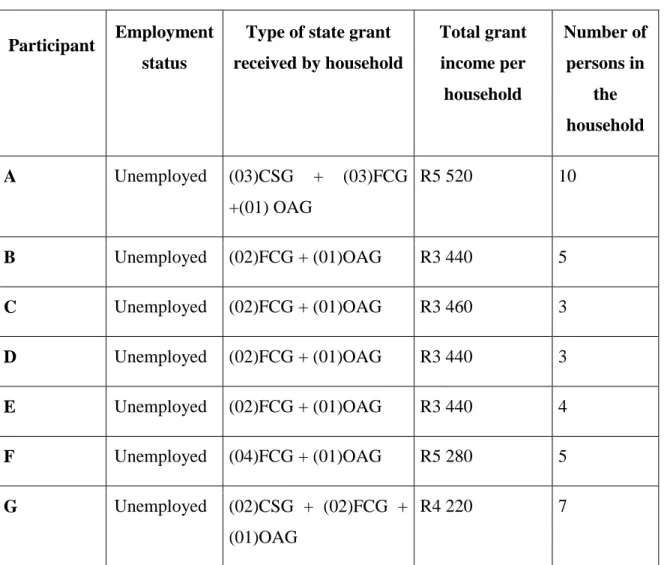
Table 5.2 Participants’ Income (State Support) and Total Number of Persons in the Household
xvi LIST OF FIGURES
Figure 5.1 Major themes and sub-themes
1
CHAPTER ONE
INTRODUCTION AND BACKGROUND OF THE STUDY 1.1 Introduction
This introductory chapter will provide the background as well as the context of the study. The problem statement and the rationale for the study will be elucidated. Additionally, the theoretical framework underpinning the study and the significance of the study will be clarified. The main aim, objectives and research questions will also be provided. Furthermore, an outline of the research methodology that was utilized will be offered. Definitions of terms are also presented and a summary of the overall structure of the mini-dissertation will conclude the chapter.
1.2 Background and the Research Context
Foster care has advanced considerably over the years with the progress made in research and the consistent changes in policy. This has resulted in a foster care system that focuses on providing alternative care for children when they are unable to reside with their biological families (Crosson-Tower, 2007). In response to the plight of children in need of care of care and protection, the Children’s Act No. 38 of 2005, hereafter referred to as ‘The Children’s Act’
makes provision for children to be placed in an alternative placement. According to Pretorius and Ross (2010), there is a significant variety in how foster care is defined and practised. In some countries it is defined as applying only to children placed through official channels, whilst in countries like Canada and New Zealand, just to mention two, it includes children living in informal arrangements. In many states in the USA and in the UK, foster care is a strictly temporary arrangement, whereas in most other countries the norm is usually a long-term quasi- adoptive arrangement (Pretorius & Ross, 2010; Strijker, Knorth & Knot-Dickscheit, 2008;
Warwick, 2013).
Kinship care is the oldest and most widespread form of alternative child care. Kinship care refers to any arrangement in which children are looked after by relatives or any person with whom the child has had a previous relationship (Pretorius & Ross, 2010). The Children’s Act, which is the
2
main legislation governing the functioning of child protection agencies in South Africa, does not distinguish between kinship care and non- kinship care. Section 180 (1) (a) and (b) of the Children’s Act defines foster care as “a child who has been placed in the care of a person who is not the parent or guardian of the child as a result of an order of a children's court or a transfer in terms of section 171 and a foster parent as an approved person who is not the child’s biological parent”. Preference is given to family placement before non-family members or cluster foster care is considered. According to Pretorius and Ross (2010), family placements are seen as being more advantageous because the child can adjust more easily to an environment that they are more familiar with. The Children’s Act, which is grounded in the principles of the Constitution of the Republic of South Africa (1996) regulates the practise of foster care. Social work practice policy, of which foster care forms a part, is set out in the White Paper for Social Welfare. Foster care occurs on order by the Children’s Court and the foster family is placed under the supervision of a designated social worker and the foster care grant (FCG) is awarded to the foster family in terms of section 65 of the Children’s Act (Republic of South Africa, 2005).
The international community has also made significant progress in acknowledging the rights of children. The United Nations Convention on the Rights of the Child (1989) and the African Charter on the Rights and Welfare of Children (1999) were developed specifically for this purpose. These policies have been ratified and adopted by South Africa and this obliges the country to uphold the principles contained in them. The fact that South Africa domesticated these conventions is evident in the Children’s Act which aligns South African legislation for children with international instruments. The United Nations Guidelines on Alternative Care of Children (2009) were also adopted to enhance the implementation of the United Nations Convention on the Rights of the Child and other international provisions regarding the protection and well-being of children deprived of parental care or at risk of being so.
In most African societies, grandparent caregiving to orphans has always been a common phenomenon. In the African cultural context, fostering children often rests with immediate families, with the main expectation being placed on grandparents. When a child’s parents die, the extended family members or grandparents surrender themselves to the care of the child/children (Pretorius & Ross, 2010; Kiggundu & Oldewage- Theron, 2009). In 2008, Hindman (2008)
3
suggested that half of the globe’s 15 million orphans were cared for by grandparents and it was anticipated that the number of grandparents caring for orphans would double again by 2015.
According to Choi, Sprang and Eslinger (2016), 7 million grandparents in the USA lived with grandchildren younger than 18 years in 2010; among them, 2.7 million grandparents were responsible for the basic needs of one or more grandchildren. These findings are supported by a qualitative study that was conducted by Raniga and Simpson (2010) among fifteen grandmothers bearing the brunt of HIV/AIDS and another qualitative study by Perumal (2011) that was conducted among ten adolescent foster children and eight grandmothers on their experiences of living together. These studies also revealed an increase in grandparent caregiving and reflected that the reasons for the increase in grandparent caregiving were multifaceted and compounded by both psycho-social and socio-economic issues.
According to an article by Times Live (2012), the Social Profile of South Africa’s annual report, which was grounded on data from the General Household Survey of 2002 and 2011, showed that
“4.7% of South Africa's children had lost both parents. 8.1% of children lived in skip-generation households with their grandparents and about two thirds of all orphaned children in South Africa were living in extended families, mostly with grandparents”. Skipped-generation households refer to living arrangements where the immediate generation before the children, that is their parents, are absent (usually because of death) and the children are staying with their grandparents (Generations United, 2011). According to Eddy and Holborn (2011:1), in 2009, 8% of children below the age of 18 years in South Africa lived with their grandparents. Most of these skip- generation households were required to survive under poor socio-economic conditions. They lacked adequate resources to care for these children and depended on government social grants for their survival (Tanga, 2013). It is often the grandparents who are poor and overburdened, because when parents die, they are more likely to be caregivers of the increasing number of vulnerable children and orphans. Kasiram (2011) recognized the socio-political and economic context of the elderly in South Africa as being one where unemployment, poverty and illness render the elderly a vulnerable group. Choi et al. (2016) offer a similar argument by stating that grandparent caregivers cut across socio-economic status, race and gender, with an overrepresentation of females, people of low socio-economic status, and poorly educated people.
The vulnerabilities of the elderly place them at risk of being exploited, disrespected, abused and
4
marginalized, which is viewed as discriminatory and a violation of their human right (Ferreira &
Lindgren, 2008).
1.3 Problem Statement and the Rationale for the Study
Mathambo and Gibbs (2008) argued that in many poorer societies, grandparents assume that they will be cared for by their children, but this social relationship is now fractured as the middle generation dies and grandparents – particularly grandmothers − are expected to care for their grandchildren. Prospective foster parents as suggested by the International Foster Care organisation (2010), should enjoy good physical health and be free from communicable diseases and disabilities that could pose a risk to the health of a child or the child’s care. However, a number of studies have indicated that aged caregivers face numerous challenges that impact their own well-being, that of the children under their care, and their ability to continue in their roles.
Raniga and Simpson (2010:6) revealed that a majority of the elderly caregivers are emotionally exhausted and overwhelmed with the burden of caring for sick relative/s and nurturing grandchildren.
A qualitative study by Linsk and Mason (2014:127) which conducted an inquiry with 21 caregivers of HIV infected children, established that grandmothers were experiencing “hostile psychological functioning” that resulted from caregiving such as distress, depression, anger, resentment and parenting stress. These grandparents also reported lower levels of physical functioning or physical limitations that could negatively affect their quality of life as well as their ability to provide adequate care to their grandchildren. The challenges that are described by the latter authors are also supported by other pertinent research studies on aged caregivers. These studies’ findings include dealing with legal issues relating to custody of children under their care, their own health problems such as high blood pressure, diabetes, arthritis and depression and also educational matters that affect their grandchildren, coping with isolation, and lack of awareness about where to find the necessary information and resources (Morgan & Baron, 2011; Thomas, 2007; Kiggundu & Oldewage-Theron, 2009; Gomo, 2015). These challenges are compounded in rural areas where resources are scarce (Whitley, Kelley, Williams, & Mabry, 2007). A qualitative study that was conducted by Tloubatla (2009) also explored the challenges facing ten
5
grandmothers who cared for AIDS orphans. The latter study adds that grandparents from rural areas struggled to receive medical treatment at the clinics and state hospitals as they had to travel long distances to obtain medical services for themselves and their grandchildren.
The researcher's motivation to conduct this study stemmed from the fact that she was practising as a social worker in the sub-programme of Childcare and Protection where she rendered statutory services. She had been in the Childcare and Protection programme for four years when the decision was taken to undertake the study, and she had consistently witnessed a rise in the number of elderly partaking the role of being foster parents to their grandchildren. This was evident from the number of case files the researcher had in her foster care database. For example, of a total of 252 cases in February 2017, 124 were cases of children being placed in the care of their aged grandparents, an elderly relative, or a neighbour.
Based on the researcher’s observations, it became clear that aged foster parents continued to respond to their families’ needs for care and protection and that this response stemmed from their belief of shared support. However, these aged foster parents clearly experienced various challenges in their determination to care for the children under their custody. They found themselves abandoned in their caregiving roles and suffered severe on-going psychological distress due to the impact of this role. It was observed that aged foster parents found themselves at increased risk of poverty and physical and emotional adversity as they struggled to raise their foster children with limited resources.
The researcher also observed during the supervision of foster care placements that there was a shift or blurring of roles between some of the aged foster parents and children .Aged foster parents’ vulnerability or ill health ostensibly placed a burden on the children as they now had the responsibility to care for their foster parents, such as assisting them to walk, fetching medication from the clinic and, in some cases, bathing and feeding them in their helpless state as well as completing all the house chores that were not developmentally age appropriate. Under these circumstances, there was a clear need to assess whether the environment in which these children are raised is conducive for the upbringing of the children and if aged foster parents were able to satisfy parental responsibilities and provide a stable environment to the foster child as stipulated in the Children’s Act.
6 1.4 Research Aim and Objectives
1.4.1 Aim of the study
The main aim of the study was to explore the psycho-social experiences of aged foster parents residing in the Mbizana Local Municipality, Eastern Cape, South Africa.
1.4.2 Research objectives
The objectives that drove the study were to:
Examine aged foster parents’ perceptions of their roles and functions in providing care to their foster children;
Explore the challenges that aged foster parents face in child care;
Identify the coping strategies that aged foster parents employ in caring for their foster children;
Identify the support services that are available to aged foster parents during care giving;
Gain insight from aged foster parents about suggestions for improved services.
1.4.3 Research questions
The research questions that the study attempted to answer were:
What are the roles and functions of aged foster parents in child care?
What are the challenges facing aged foster parents?
What coping strategies do aged foster parents employ to support their capacity to cope with caring for their foster children?
Which support services are available to aged foster parents?
Which appropriate intervention strategies are available to social workers and family care organisations with regards to effectively addressing the psychosocial needs of aged foster parents?
7 1.5 Theoretical Framework
The general systems theory was employed to underpin this study. Families function in a manner that can be understood as an interconnected system. In this context, ‘system’ refers to “a complex rule-governed organisation of interacting parts, the properties of which transcend the sum of the properties of the parts and which is surrounded by a boundary that regulates the flow of information and energy in and out of the system” (Carr, 2008: 122). According to Carr (2008:
123), the general systems theory was developed by Ludwig von Bertalanffy as a framework within which to conceptualize the emergent properties of organisms and complex non-biological phenomena that cannot be explained by a mechanistic summation of the properties of their constituent parts.
The systems theory thus allows for a focus upon the collaboration among and the inclusion of all the parts of the foster care system (White, Klein & Martin: 2014). It is basically concerned with problems, relationships, structures and the interdependence of various parts within the system.
This implies that the behaviour of individuals cannot be understood without reference to the system to which they belong. The premise of the theory is that the parts must be synthesized and viewed as being connected. What occurs in or to one part of the system will have an effect upon the whole system (White et al., 2014). Therefore, the experiences and internal feelings of the aged foster parent will affect other parts of the family system. This is premised on the fact that individuals and families do not exist in isolation, but in the context of wider relationships within the society. In this context, Berk (2010) identifies four basic systems, namely the micro, mezzo, exo and macro systems, which are briefly described below:
1.5.1 The micro system
A microsystem consists of an individual and his/her biological, psychological and social systems (Zastrow & Kirst-Ashman, 2007). The micro system refers to the individual and focuses on this person’s needs, problems and strengths. This study sought to examine aged foster parents’ roles and functions in caring for their foster children. It also intended to explore the challenges they face in childcare and how these experiences impact on their ability to look after these children placed under their care. In this quest, it was imperative to examine the abilities and challenges of aged foster parents on the micro level. It was imperative to identify their needs and to determine
8
if they are equipped with adequate skills, knowledge and tools in order to effectively care for the children placed under their care. For example, if the foster child presents with behavioural problems, it might be a huge stressor that impacts on the psycho-emotional well-being of the foster parent. If the foster parent is encountering age related ailments, he/she may be overwhelmed with the burden of caring for a child while being equipped with limited resources.
Such a situation might influence the quality of the placement and invariably negatively influence both the aged foster parent and the child.
1.5.2 The mezzo system
According to Zastrow and Kirst-Ashman (2007), the mezzo system consists of small groups that an individual might interact with. These groups could be family, neighbours, friends and the immediate community. “It is that part of the environment that in some way or another influences and determines the character and functioning of the micro system” (p.19). The way that an aged foster parent relates with the foster child, the extended family and the wider community is crucial, as these relationships directly influence the success of the placement and can also affect the aged foster parent’s functioning as well as that of the foster child as an individual on a micro level.
1.5.3 The exo system
Berk (2010) describes the exo system as the linkages and processes taking place between two or more settings, at least one of which does not contain the developing person, but the nature of the interactions in that system indirectly impacts the microsystem of the individual. The exo system consists of social settings that do not contain the aged foster parents, but it may nevertheless influence and impact their lives. This could include welfare services as well as informal social networks that may provide support and possibly financial assistance to foster parents (Berk, 2010). Foster care services are provided by registered social workers in a designated child protection organisation. Social workers are responsible for finding alternative care for children in need of care of care and protection, screening the suitability of the placement, and engaging in supervision thereafter. It is maintained that the social worker and foster parent are partners and they work collaboratively to meet the needs of the child. Social workers are therefore responsible for gaining knowledge about the needs of aged foster parents and equip them with appropriate
9
skills and tools to execute their caregiving responsibility. Social workers provide constant supervision of foster care placements and are able to intervene when there is a dispute within the foster family. The social worker also offers support to the aged foster parent on the micro level in order to ensure this person’s well-being and ability to continue to foster.
1.5.4 The macro system
According to Zastrow and Kirst-Ashman (2007) and Berk (2010), the macro system comprises cultural values, laws, customs and resources and focuses on the social, political and economic conditions and policies that will affect people’s overall access to resources and their quality of life. The macro system also encapsulates government and social welfare policies. This study thus focused on treaties and legislation governing alternative care which have a direct impact on aged foster parents. The Children’s Act mandates and guides foster care (RSA, 2005), which is presently encountering implementation challenges. To ensure that government and legislation (i.e., the macro system) are adequately addressing the issues of aged foster parents, intervention of all role players at different levels of society is required in order to advocate for policy change.
Treaties and legislation governing alternative care as part of the macro system’s influence on caregivers’ experiences will be discussed in detail in Chapter three.
The foster children foster parents as well as the entire foster family and social workers from welfare organisations and government policies that govern foster care “are all integral parts of the whole” (Whitelaw et al., 2004:344). If there is a part or subsystem that is not functioning effectively, the whole system will be affected. Therefore, whatever impacts the aged foster parent or the foster child will affect other parts of the family system as well.
The general systems theory basically provides a conceptual framework within which unconnected systems are integrated, and it allows for a synthetic interpretation in which many different parts fall into place. It offers a way of conceptualizing the relationship between people and environments and encourages a balanced approach to both domains of practice. According to (Teater, 2014:17), “The importance of the person-in-environment concept is the continual interactions between individuals, families, groups and their environments in order to encourage growth and development”. The systems theory was therefore appropriate for application in this
10
study as it assisted in providing a comprehensive understanding of aged foster parents’
experiences. This study sought to explore aged foster parents’ experiences by investigating the nature of their interactions with the foster child, the broader family, the community, the child welfare agencies, relevant government departments, and legislation and policies. These inextricably interconnected facets of the system were viewed through the theoretical lens of the study, as the principle of connectedness suggests that changes in one part will influence the functioning of other parts of the system (Walsh 2010:93).
1.6 Significance of the Study
Based on the literature review, this study attempted to address various recommendations by previous researchers whose studies had focused on aged caregivers, e.g. Kiggundu and Oldewage-Theron (2009), Tloubatla (2009), Nyasani et al. (2009), Perumal (2011), and Raniga and Simpson (2010) recommend that social workers in government positions should pay urgent attention to the provision of adequate social services to accommodate the increased burden of care giving by older people. Moreover, the South African Human Rights Commission and UNICEF (2011) asserted that rural areas were traditionally under-serviced and under-resourced, which were some of the factors that prompted this study. It was the researcher’s quest to contribute to the social work profession by gaining in-depth insight into the psycho-social experiences of aged foster parents, particularly in the Mbizana municipality area. The researcher envisaged that the finding of this study will contribute to improve service provision not only for children in the foster care system, but also for those individuals who care for them. In addition, it is contended that the study will supplement the existing body of literature in the interdisciplinary field of child care and protection law and Social work.
1.7 Research Methodology
The following discussion outlines a brief overview of the research methodology that was utilised in the study. A more detailed and comprehensive discussion of the research methodology and processes that were followed will be outlined in Chapter four.
11 1.7.1 Research context
The study was conducted in the Mbizana municipal area which falls under the Alfred Nzo District Municipality in the Eastern Cape Province. This study area was selected because increasing levels of abject poverty have been recorded in the Eastern Cape. Many families in this area have to survive on R800 or less a month (Census, 2011). High rate of poverty suggest a high reliance on social assistance. A total of 100 585 people making up 35.95% of the population of Mbizana are dependent on social grants (Census, 2011). According to SASSA (2017), as of July 2017 the Eastern Cape had the highest number of foster care grants in South Africa. The Mbizana local municipal area, like other rural communities in South Africa, has soaring levels of poverty, limited access to basic nutrition, poor access to economic opportunities and inadequate social services
1.7.2 Research approach
A qualitative research approach was adopted. According to Babbie and Mouton (2001:75), qualitative research allows for in-depth understanding, as well as detailed and open research that is conducted in a naturalistic and holistic environment without manipulating the situation. This approach afforded the researcher the opportunity to obtain a holistic and profound understanding of aged foster parents’ experiences.
A combination of the exploratory and descriptive designs was utilised in order to more effectively examine, understand and describe the experiences of the aged foster parents who participated in this study (Babbie & Mouton 2001). These authors further explain that an exploratory descriptive design enables the researcher to provide rich descriptions of the situation and events by interpreting and observing patterns that exist as well as their implications. In this research, the participants provided thick descriptions of their psychosocial experiences of caring for foster children.
12 1.7.3 Sampling
In terms of qualitative research, a population refers to “individuals in the universe who possess specific characteristics” (De Vos et al. 2005; 204). In this context, aged foster parents comprised the population that was investigated. Terre Blanche, Durrheim and Painter (2006:49) define sampling as “a process of selecting research participants from the whole population which involves a decision about people, settings, events, behaviours and social processes to observe”. A sample is made up of components that comprise of the most characteristic, representative or distinctive features of the population (De Vos et al., 2005). In this study, the sample consisted of 12 aged foster parents (6 males and 6 females) who were recruited from the Department of Social Development’s office that renders foster care services in Bizana. The researcher selected 12 participants as this was deemed a feasible sample size for the study. It was presupposed that a larger sample size would present difficulties in terms of managing the data collection process and, as such, 12 was regarded as a manageable size for the sample. The researcher used an evenly balanced selection in terms of the gender of the participants. This was done in order to To recruit the sample, non-probability sampling methods were utilised. Van der Riet and Durrheim (2006:189) define non-probability sampling as “the kind of sampling where someone is not chosen randomly, which is unlike probability sampling where every element in the population has a known chance of being selected”. A criterion sampling technique was employed in this study. This technique entails selecting participants that meet a certain criterion or criteria (Marlow, 2011).
The 12 participants were selected based on the following criteria:
a) Above the age of 60;
b) Residing within the Mbizana Local Municipality;
c) Provided foster care to that particular child for a minimum period of two years;
d) Received the foster care grant.
The reason for the ‘two-year same child’ inclusion criterion was to attempt to differentiate between general ‘teething’ challenges and long-term challenges that aged foster parents might experience.
13 1.7.4 Methods of data collection
Semi-structured one-on-one interviews and thereafter, a focus group discussion were held with the participants in order to elicit their perceptions of their experiences and needs in caring for their foster children. De Vos et al. (2011) state that researchers use semi-structured interviews in order to gain a detailed picture of a participant's beliefs about, or perceptions or accounts of, a particular topic. The one-on-one interviews were conducted within the households of the participants, an environment that was less intimidating and in a more comfortable space where participants felt relaxed and comfortable to share their thoughts and feelings. Each interview took between 20 to 35 minutes.
Following the one-on-one interviews, the foster parents were invited to a focus group discussion as it was envisaged that it would broaden the research. One focus group was conducted comprising 6 respondents. A focus groups discussion allows a group of people to be brought together in a private, comfortable environment to engage in a guided discussion of a specific topic (De Vos et al., 2011). The focus group was conducted at a local school in a library room, which was a venue that was convenient for all and also suggested by the participants. The focus group discussion took over 2 hours.
Both the one-on-one and focus group discussions were conducted in isiXhosa as the research participants and the researcher were isiXhosa speaking. The interviews were recorded both in writing and by audio recorder and the transcriptions were later translated into English for reporting purposes. All the research interviews were audio recorded. Consent to record the interviews was included in the general consent form.
The researcher also conducted a thorough case analysis using the files of the research participants which were accessed from the Public Service Office in order to obtain background information and to create participant profiles. The researcher used her own case files as this made it possible to get research participants from around the same residential area for the purposes of data collection. Permission to access the files of the clients for the purposes of data collection was sought from the Service Office manager of the Public Service Office. (See Annexure G). Request to access these personal client files was also sought from the research particpants and they were assured that only the identifying details will be used in order to
14
compile a Biographical Profile of the Participants and that the data would be shared without revealing their identities.
1.7.5 Data analysis
Data analysis involves the organising and interpreting of raw data with the purpose of creating understanding and drawing conclusions that reflect on the interests, ideas and theories that initiated the inquiry (Babbie & Mouton, 2001). “Qualitative data analyses are methods for examining research data without converting them to numerical format. Rather, this form of analysis looks for and discovers the underlying patterns and meanings that appear from the data across several interviews and observations and typically represents the different phenomena under study” (Babbie, 2005:289). The subsequent steps of data analysis in qualitative research were followed in this study, as stipulated by de Vos et al., (2011: 403-423); Planning for recording data; data collection and preliminary analysis; managing the data and reading and writing memos; generating categories and coding the data; testing the emergent understandings and searching for alternative explanations; interpreting and developing typologies; visualising, representing and displaying the data. Further details of the research process are discussed in Chapter four.
1.8 Definitions of Terms Child:
The Constitution of the Republic of South Africa defines a child as a person under the age of 18 years (RSA, 1996).
Alternative care:
Article 167 of the Children’s Act 38 of 2005 as amended defines alternative care as “a placement of care where a child is placed in foster care, a child and youth care centre or in temporary safe care by court order for a period determined by the court.”
15 Foster care:
According to the United Nations Guidelines on Alternative Care of Children (2009) foster care is
“situations where children are placed by a competent authority for the purpose of alternative care in the domestic environment of a family other than the child’s own family that has been selected, qualified, approved and supervised for providing such care” (29) (c)(ii). Section 180 (1) and (2) of the Children’s act states that “a child is in foster care if the child has been placed in the care of a person who is not the parent or guardian of the child as a result of an order of a children’s court or transfer in terms of section 171”. Foster care excludes the placement of a child in temporary safe care or in the care of a child and youth care centre.
Foster child:
A foster child is a child who has been placed in the custody of a foster parent as a result of being orphaned, abandoned, at risk, abused or neglected (Department of Social Development, 2008).
Orphan:
According to Meintjes and Hall (2013), “an orphan is a child under the age of 18 years whose mother, father or both biological parents have died (including those whose living status is reported as unknown, but excluding those who’s living status is unspecified)”.
Foster parent:
Section 1 of the Children’s Act No. 38 of 2005 as amended defines a foster parent as “a person who has foster care of a child by an order of the Children’s Court and includes an active member of an organisation operating a cluster foster care scheme and has been assigned responsibility for the foster care of the child.”
Aged foster parent:
For the purposes of this study, aged foster parents are regarded as family members or caregivers above the age of 60 years who have been assigned a caregiving responsibility by the Children’s Court. On the literature context, the term aged foster parent will refer to both grandfather and grandmother caregivers.
16 Foster care grant (FCG):
The FCG is a state grant available to foster parents intended to cater for the basic needs of foster children (Meintjes & Hall, 2013). As of April 2017, the FCG is R920 and it is paid monthly to the foster parent.
Social work:
The National Association of Social Workers (1973) defines social work as "The professional activity of helping individuals, families,groups or communities enhance or restore their capacity for social functioning or creating societal conditions favorable to that goal” .For the purposes of this study, social work will refer to a profession dealing with childcare and protection.
Social worker:
A social worker is any person who is registered as a social worker under the Social Service Professions Act 110 of 1978, as amended. Social workers are at the coalface of the foster care process in South Africa and their Duties include investigations into neglect and abuse with the possibility of removal as well as placement of children in foster homes and being part of the follow-up system (Swanepoel, 2009). They are tasked with achieving the objectives of foster care which are “to protect and nurture children by providing a safe, healthy environment with positive support, and to promote the goals of permanent planning, first towards family reunification, or by connecting children to other safe and nurturing family relationships intended to last a lifetime” (RSA, 2005)
1.9 Structure of the Mini-Dissertation This study report is divided into six chapters:
Chapter 1: Introduction
This chapter provides the background information as well as the context of the study. The problem statement and the rationale for the study are also elucidated. Additionally, the theoretical framework underpinning the study and the significance of the study are clarified. The main aim, objectives, research questions and an overview of the research methodology utilised in
17
this study is offered. The chapter also presents the definition of terms as well as the overall structure of the mini-dissertation.
Chapter 2: Literature Review
This chapter presents a review of the body of knowledge on foster caring of children by aged foster parents. An overview of foster care is provided and foster care models that are used globally, with particular reference to South Africa and other countries in Africa, elucidated. The current perspectives on the experiences of aged foster parents are also be explored. The chapter is concluded with a brief summary.
Chapter 3: Understanding international Treaties and the South African Legislative Framework for the Alternative Care of Children
This chapter continues with the literature review with particular focus on international treaties and South African legislation and policies that focus on childcare and protection. The notion of foster care and rights and responsibilities of foster parents are explored. The role of social work services in foster care is also discussed. The last section critiques the Children’s Act and discusses various debates about foster care services. A brief summary of the literature review will conclude the chapter.
Chapter 4: Research Methodology
This chapter provides details regarding the research design and methodology. It also discusses the data analysis and data verification processes and presents the challenges that were encountered and the limitations that impacted this research.
Chapter 5: Presentation of the Findings
This chapter presents the findings based on data analysis. The findings are discussed in conjunction with pertinent literature on the experiences of aged caregivers in child care.
Chapter 6: Summary, Conclusions and Recommendations
The last chapter offers the conclusions and recommendations of this study.
18 1.10 Conclusion
This chapter presented the contextual background of the study. It also included the outline, rationale, and significance of the study. The aim, objectives and research questions that gave impetus to the study were presented and an overview of the theoretical framework and a brief overview of the research methodology utilised in this study were provided. Definitions of related terms and the overall structure of this report concluded this chapter. The next chapter will provide a history of foster care, the foster care trends and the different kinds of foster care models used in different countries. A discussion of the benefits and the plight of aged foster parents will also be included.
19
CHAPTER TWO
LITERATURE REVIEW: FOSTER CARE 2.1 Introduction
This chapter offers an overview of foster care and the trends and models that impact this phenomenon globally, with specific reference to Africa and South Africa. Finally, a summary that concludes this chapter is provided. It was necessary to separate the discussions in the current chapter from those in chapter three because the current chapter seeks to explore the non-legal discourses around the research topic whereas chapter three will focus specifically on legislation around the research topic. In terms of the objectives of this study, the current chapter is more aligned with the first three objectives whereas chapter three will align with the fourth objective.
In order to achieve well nuanced discussions in both chapters, it was necessary that the two chapters be separated.
2.2 Global Overview of the Foster Care Phenomenon
Foster care is the most widely practised form of alternative care for children (Rymph, 2012).
Children are placed in foster care when a child protection service worker and a court have determined that remaining at home is no longer safe for the child. Numerous reasons account for the unavailability of either one or both biological parents to raise their children, which include drug use by parents, incarceration of the parents, death due to HIV/AIDS, divorce, and mental health challenges. Any or a combination of these may lead to the abandonment of a child or children (Fuller-Thomson & Minkler, 2007; Clottey, 2012; Kelly, 2015; Kuo & Operario, 2010).
Statistics provided by the Child Welfare Information Gateway (2016) and the US Department of Health and Human Services (2015) revealed that foster care in America began in the 19th century when efforts were launched to look for alternative care for homeless children. During the 1990s, the number of children that had been placed in America stood at 400 000 and increased to 567 000 in 1999. In 2005, there were an estimated 513 000 children but this number dropped to 397 000 in 2012. Since then, the number had increased to 415 129 in 2014. Moreover, Child Welfare Information Gateway (2016) suggested that the number of foster children in 2014 was lower than
20
the number in 2005. In 2014, 46% of all children in alternative care lived in the homes of non- relatives and 29% lived in the homes of relatives. A further 14% of foster children lived in group homes or institutions, 4% lived in pre-adoptive families, and the rest lived in other types of facilities (Child Welfare Information Gateway, 2016).
Various kinds of fostering exist and the term ‘foster care’ has different meanings for different societies. According to Warwick (2013:11), in the US foster care is seen as a short-term intervention lasting up to 22 months. Foster care is not considered permanent (though it may be long-term in specific legal cases) as it is typically used until a child can be reunited with a parent or established according to another form of long-term intervention (i.e., adoption). In the Netherlands, two models of foster care are used, either as a short-term or long-term intervention, depending on the circumstances of the child. As a short-term intervention, “the Netherlands aim to treat a child or parent with the purpose of returning the child to its family of birth. The second approach is to provide long-term foster care until the child turns 18 years of age, with the aim of providing continuity of care and respect for the child’s right to a stable rearing situation”
(Strijker, J., Knorth, E. J., & Knot-Dickscheit, J. ,2008). This model is comparable to the model used in South Africa, which is deliberated upon below on the overview of foster care in the South African context.
In many states in the US and in the UK, foster care is meant as a temporary option as it focuses on the reunification of the child with its family of origin, or until adoption by a permanent family. The main emphasis is on prevention and on keeping children with their birth families.
After a number of years in foster care, children may be declared adoptable and they may be adopted by their foster parents or specially-recruited adopters through open adoption orders (International Social Service/ International Reference Centre for the Rights of Children Deprived of their Family (ISS/IRC), 2011; Strijker et al., 2008; Warwick, 2013).
In New Zealand, care and protection services for children are provided by the Ministry of Social Development to ensure the safety, security and well-being of children and young people who have been maltreated, who are at risk of being maltreated, or whose behaviour is placing them or others at risk of harm (Ministry of Social Development, 2012). According to Kelly (2015), the main reason for a child’s placement in care after validated claims of maltreatment is concern about the child’s ongoing safety. Other reasons that may compel children to enter statutory care
21
include removal from parents at birth, usually after substantiated allegations of maltreatment of older children in the family, the incapacitation of a parent, or death. Social workers in New Zealand are required to explore all avenues for alternative care within the child’s family (Kelly, 2015).
Statistics from Child, Youth and Family (2006 & 2014) suggested a marked increase in the number of New Zealand children in state care after the Second World War, with a peak of 5 515 in 1971−1972. In contrast, the number of children in state care in recent years has been decreasing from 5 095 in 2006 to 4 129 in 2014, indicating a 19% decrease in the last eight years. Of the 4 129 children that were placed in alternative care in New Zealand, in June 2014, 48% of those children lived with a family or caregiver, 31% was with non-kin foster parents, 13% had family support services, and almost 4% was placed in group homes or residences.
In contrast to the customary model of alternative care, countries like Canada and New Zealand consider a more indigenous form of alternative care. Schmidt (2007) validated this as the right of the children to be cared for in their own community and culture, as well as the right of the community to participate in the care of children in need of care of care and protection.
Residential out-of-home care is regarded as a less preferred placement option utilised when no suitable placements are available in the community (Ministry of Social Development, 2012). The New Zealand care system can be differentiated from that of North America and the UK by the minimal use of residential care, the high use of kinship care, and the absence of an adoption from care provision within legislation (Murray, Tarren-Sweeney, & France, 2011).
From the above discussion, it is evident that approaches to foster care differ among countries.
Children in need of care of care and protection can either be formally or informally placed under the care of a suitable family or community member or they can be put in residential care either as a short-term option up until the child is able to be successfully reunified with its family of origin, or until he/she turns 18 years, or as a long-term intervention until the child is permanently adopted.
This section focused on the global overview of foster care and the different approaches used to care for children in need. The section below will narrow down this discussion and look at foster care in the African context.
22 2.3 The African Perspective on Foster Care
Adoption and foster care in the African context differs markedly from the practices in Europe and the US. In many African countries, adoption is culturally not accepted or recognised, therefore fostering is regarded as a good alternative ((ISS/IRC, 2011). For example, children are placed with extended families with an intention for them to become permanent family members without severing the legal bond with the birth family. Child circulation within family networks is a traditional feature of African family systems in order to increase access to resources and care (Abebe, 2010).
According to Ince (2009), a family system can experience a range of challenges that might necessitate social services intervention. Under these conditions, children can be officially placed with their relatives or friends if this is in their best interest. Thus, kinship foster care is a form of substitute care where relatives assume the role that a parent would normally play. Kinship care in this context requires less formal legal process or protection (Abebe, 2010). According to Foster (2000), in most African societies the sense of duty and responsibility among extended families towards other members was almost without limit as people live collectively. Foster (2000:56) states that “there is no such thing as an orphan in Africa”. Families always accommodate orphans even if they do not have adequate resources to care for additional children in the home.
Across the African continent, the term ‘fostering’ has various meanings in different societies.
According to UNICEF (2008), foster care is rare in African countries, apart from South Africa, where formal fostering by non-relatives is rare. The responsibility for caring for orphans is frequently passed to grandparents who often feel obligated to provide their grandchildren with a safe place to stay when they are without parental care. They mostly do so by way of social obligation, because they want to give them a sense of belonging, or because of their genuine love and desire to care for their grandchildren (Nyasani, Sterberg, & Smith, 2009; Coakley, Cuddeback, Buehler & Cox, 2007). Other reasons mentioned by Chipungu and Bent-Goodley (2004) include the desire to fulfil a societal need, religious reasons, the need for supplemental income, foster care as a step towards adoption, increased family size and substitution for a child lost through death. The latter authors state that in Zambia, 33% of orphans was raised by grandparents. In Swaziland, an estimated 47 000 children stayed with grandmothers or alone, but it was not known if they were orphans. According to Ansha-Koi (2006), in Ghana, a group of
23
women in a tribe, known as “queen mothers”, took the responsibility to care for a maximum of six children who are in need of care and protection. The children were cared for within their tribe of origin. This method of substitute care is to some extent comparable with cluster foster care practised in South Africa.
The following section will position this discussion in the South African context and give an overview of its provisions for children in need of care of care and protection.
2.4 Overview of Foster Care in the South African Context
Foster care on an informal basis has been a recognised form of alternative care for many years in South Africa, predominantly in the form of kinship care. The rapid expansion of foster care placements started in 2003, when the Department of Social Development encouraged family members who were caring for orphaned children to apply for FCGs (Raniga & Simpson, 2010).
In South Africa, foster care is normally considered the preferred form of substitute care for children who cannot remain with their biological families and who are not available for adoption (Law Commission, 2002). Alternative care legislation and policies are in place to ensure that children in need of care of care and protection are protected and supported through different forms of alternative care, and that appropriate supervision of caregivers and placements occurs.
Foster care legislation will be discussed broadly in Chapter three.
The South African approach to foster care is similar to the one practised in Netherlands. In South Africa, provision is made in the Children’s Act for a child to be placed in foster care until a period when they turn 18 years of age if that is in his/her best interets, as stipulated in Section 159 (1) and Section 186 (2) of the Children’s Act. Gallinetti and Loffel (2007) established that foster care in South Africa broadly addressed two categories of needs. First, the court affords abused, neglected and abandoned children are special and are placed with people unknown to them. Such placements are associated with a permanency plan including services to the biological family where possible, and with efforts either to return the child to their care where feasible, or to settle the child in an alternative permanent arrangement in due course. Secondly, children are living with relatives due to the death, incapacity or disappearance of their parents.
24
These relatives usually come before the courts to access the FCG and the children concerned may remain under their care indefinitely.
In 2010, UNICEF South Africa revealed that there were an estimated 3.7 million orphans in South Africa, half of whom were either single or double orphans due to losing their parents to AIDS. Of this number, 150 000 children were believed to be living in child-headed households.
This number increased to approximately 3.85 million according to the 2011 General Household Survey, which translates to 21% orphaned children (Children’s Institute, 2014). As the highest HIV/AIDS mortality rates in sub-Saharan Africa occur among young adults, millions of children have been orphaned by the death of their HIV-positive parents (StatsSA, 2008a).
A Statistical Summary of Social Grants in South Africa by the South African Agency for Social Security (SASSA) demonstrated that there were 427 928 recipients of the FCG in 2009, which increased to 460 000 in 2011 and to over half a million in 2012 with 504 893 recipients. In 2015, the number of recipients fell to a low 482 432 and further declined to 454 330 in 2016.
According to SASSA (2017), as of July 2017 approximately 465 137 recipients of the FGC in South Africa (SASSA, 2017).
2.5 Provincial Foster Care Grant Distribution
The most recent data on foster care grants in South Africa are provided by SASSA (2017).
Table 2.1: Children receiving a foster care grant by province as at July 2017
PROVINCE FCG
Eastern Cape 108 078
Free State 35 504
Gauteng 54 763
KwaZulu-Natal 98 208