Running Head:
CORRELATES OF ATHLETIC IDENTITY IN ELITE SWIMMERS
Psychological and Demographic Correlates of Athletic Identity in Elite South African Swimmers.
Kirsten van Heerden Supervised by: Zubeda Paruk
Presented in Partial Fulfilment of the Requirements for the
Masters Degree in Clinical Psychology at the University of KwaZulu-Natal
Acknowledgements
I would like to thank my supervisor Zubeda Paruk for her guidance and assistance in finishing this research. To my family and friends, I could not have completed this without your continual support and understanding and I thank you for that. To the swimmers who so willing participated in this study, despite being busy with a national competition, thank you. Finally I would like to thank God, who gives me all my abilities; without Him I can do nothing.
Abstract
This study aimed to investigate if the strength of athletic identity affected the rankings (or salience hierarchy) of 6 every-day life roles among 100 elite South African Swimmers. The link between performance and athletic identity was also investigated along with an investigation of the effects of age and gender. There was found to be no interaction between athletic identity and ranking of life roles; only the athlete role was found to be significantly different between high and medium athletic identity groups. A difference was found between elite and non-elite athletes in the ranking of life roles. There was also no association between athletic identity and performance. As age increased athletic identity decreased, and gender was found to have no influence on athletic identity.
Table of Contents
CHAPTER 1 ... 8
LITERATURE REVIEW ... 8
Identity ... 8
Relationship between identities ... 8
Social construction of identity ... 10
Identity Salience, Hierarchy and Commitment ... 12
Athletic Identity ... 14
Role Engulfment, Identity Foreclosure ... 16
Positive consequences of high AI ... 19
AI and other life roles ... 20
Age and AI ... 22
Gender and AI ... 22
Measurement Issues ... 23
Rationale for the current research ... 24
CHAPTER 2 ... 26
DESIGN AND METHODOLOGY ... 26
Participants ... 26
Sampling ... 26
Instrumentation ... 26
Data Analysis ... 28
CHAPTER 3 ... 30
RESULTS ... 30
Athletic Identity ... 30
Athletic Identity and ranking of other life roles ... 30
Athletic Identity and Performance... 33
Age and Athletic Identity ... 36
Age and ranking of Life Roles ... 37
Gender and Athletic Identity ... 38
CHAPTER 4 ... 38
DISCUSSION... 38
AI Groups ... 38
AI and ranking of Life Roles ... 39
Confounding factors of the results ... 50
Age and AI ... 51
AI and Performance ... 52
AI and Gender ... 53
CONCLUSIONS ... 54
RECOMMENDATIONS ... 56
REFERENCES ... 57
APPENDIX A ... 62
APPENDIX B ... 65
TABLES ... 67
Psychological and Demographic Correlates of Athletic Identity in Elite South African Swimmers.
“Who am I ?” This is a question that people ask the world over. Humans are self reflective beings and the fundamental question of who we really are is one we all struggle with and strive to answer daily. Identity is the set of meanings that a person, and those around them, attributes to him or herself in a role, and this identity provides an individual with a frame of reference in which to interpret their actions and social situations (Burke & Reitzes, 1981). Because identities are seen as roles that a person occupies, life roles, roles and identities are terms that are used interchangeably.
The difficulty with answering the question about who we are, is that identity is a complex concept and people cannot be categorized or though of in a simple way.
There is consensus in the literature that self-concept or identity is not one-dimensional but that it is rather multidimensional, fluid and contextual (Fay, 1996; Marsh &
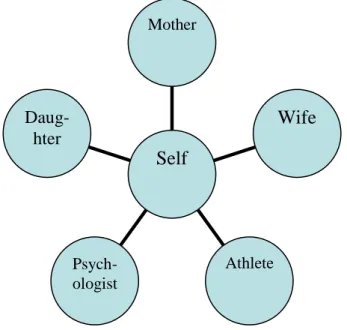
Shavelson, 1985). A person may be a mother, daughter, wife, athlete or psychologist – all real identities, but very different to one another (see fig. 1)
Figure 1. The Self and its Identities Daug- hter
Psych- ologist
Athlete
Wife
Mother
Self
Of all the possible identities that a person can have, of particular interest to sportspeople is athletic identity. People who participate in sports begin to develop an athletic identity from a young age, which develops further if they reach elite level (Cieslak, 2004). Athletes, and those close to them, therefore often build a sense of self-worth and esteem on their identity as an athlete and neglect other aspects of their self (e.g. family, friend, academic, romantic partner or extracurricular). This can lead to an arrest in psychosocial development and difficulties when sports participation is not possible.
This research seeks to examine the relative importance of different identities and what, if any, effect the strength of the athletic identity will have on the ranking of these other identities. Elite athletes will be used a sample, as little research has been done on this category of athlete with regards to athletic identity and its effect on the importance of other life roles. For the purpose of this study an elite athlete has been defined as an athlete competing at national or international level, and non-elite or non- professional athlete as those athletes competing recreationally or at non-national level.
There are also a number of other variables which might be affected by or affect athletic identity, and this paper will examine three of these, namely: age, gender and performance.
Chapter 1 Literature Review Identity
Stryker and Burke (2000, p.284) define identity as “the parts of a self
composed of the meanings that persons attach to the multiple roles they typically play in highly differentiated contemporary society”. There are many potential identities that a person can have and these symbolise an individual‟s ideas about the person they were, are at present and will become (Markus & Nurius, 1986). Potential identities are the cognitive components of hopes, goals and fears and thus provide the self with meaning, structure, organization and direction (Markus & Nurius, 1986; Cieslak, 2004). Identities also influence current and future behaviour in that behaviours have meanings that correspond to, reinforce and display the identities of an individual (Burke & Reitzes, 1981). Different identities call for different behaviours and Burke and Reitzes (1981, p.91) argue that “identity is like a compass helping us steer a course of interaction in a sea of social meaning”.
Relationship between identities
What constitutes identity is a range of subjective positions, which can be thought of as narratives that speak of „identities‟, and identity is a continuous process of fluidity, oppositions and alliances between these narratives (Haywood & Mac An Ghaill, 1997). The idea of different roles (or identities), where with different
situations different selves are present, can lead to a sense that there is no coherent whole or unity to the self. However, Royce, Gebelt and Duff (2002) note that having many identities does not mean that our sense of self needs to be fragmented. They argue that different identities do not stand alone, but rather they stand in relation to
one another, and it is this relationship that provides unity. Fay (1996) suggests, there are two types of unity. Firstly there is substantial unity, which is the most common way of thinking about unity. In this instance, various elements are seen as being part of an underlying base entity, and unity is derived from the fact that changes are all alterations of that base entity (Fay, 1996). Often people see the self as having only one „true‟ identity, and that there are simply variations of that identity, and these variations are seen as almost false or mere pretence.
There is, however, another type of unity that does not presuppose that something underpins various elements. Relational unity is where things are in unity because the range of elements that make up the whole stand in certain relation to each other, and Fay (1996) notes that we can think of the self in these terms. Fay (1996) uses a sporting analogy to make his point. If you had to think of a cricket test match, each innings on its own does not make sense and does not constitute a cricket match. Rather, it is only when one innings is viewed next to the other innings that it can be called a cricket match. Fay (1996, p.37) writes,
Perhaps the self is not a thing which undergoes various state changes, but instead just is various states of consciousness related in a certain manner. In this case, the self would be more like a verb (an organized temporal flow of mental states) and less like a noun (a particular thing)…In this case no underlying thing is required for unity; indeed, in this case the self would be certain states of mind properly related.
A properly unified self-identity then would not have to mean that there is one
„true‟ identity, but rather many „true‟ identities.
Social construction of identity
Burke and Reitzes (1981) write that identities are social products, formed and maintained through social processes, such as locating the self in socially recognizable categories, identification and exchange and validation of self concepts by means of self-presentation. Fay (1996) argues that in part, to have an identity is to be related to others in some way and to understand that you are so related. Part of identity
formation is a process of self-differentiation, which requires others against which to distinguish ones self. There can be no self without the difference provided by others.
It is through interactions with others that self meanings come to be known and understood by an individual, because in particular situations others respond to a person as a performer in a role relevant to that situation. Through others responses to our own actions we learn about the meanings of ourselves (Burke & Reitzes, 1981).
Mead (1934, cited in Horton & Mack, 2000) has also argued that if important people in an individuals life emphasise a certain identity, for example athletic identity, then that individual will internalize this and define themselves thus.
Our culture and society also provide the materials from which a large part of our identity is formed. Though we have some free choice, as Marx (cited in Fay, 1996, p.67) put it,
Men make their own history but they do not do so just as they please; they do not make it under circumstances chosen by themselves, but under circumstances directly encountered, given, and transmitted from the past.
Fay (1996) writes that culture can be conceived of as a process of
appropriation and society as a process of structuration in which rules and meaning are applied through the wilful activity of conscious agents. In this sense, our culture and society „make‟ us who we are – they enable and constrain, and thus form. The formation of a self-identity is one of reflexivity between the culture, society and personal will, and as Giddens (1991, p.75) says: “We are not what we are, but what we make of ourselves.” Through interactions with others, and through others‟
responses to a person, meanings of identities become known and understood by an individual; what a person becomes is largely dependent on their engaging with the world and reorganising their sense of identity accordingly (Giddens, 1991).
Just as the environment can form an identity, it can also activate already formed identities. According to Royce et al. (2002, p.2), “self is a multifaceted social construction, depending in part on one‟s social environment.” Depending on the environment, different aspects of the self can be activated, and behaviour and information processing will differ depending on what dimension of self is active (Markus & Nurius, 1987). For example, when training hard, and an athlete identity is activated, an athlete might interpret loud laughing as distracting and disruptive;
however, when out at a night club, when a friend identity is activated, the same laughter could be interpreted as fun and pleasing. Thus identity can be seen as
dynamic – guiding behaviour but also being modified by the environment around you (Royce et al., 2002).
Identity Salience, Hierarchy and Commitment
The concept of identity salience is important because the salience or
importance we attach to our identities influences how much effort we put into each role and how well we perform in each role (Burke & Reitzes, 1981). Stryker (1968, p.563) notes that “the higher an identity in the salience hierarchy, the higher the probability of role performance consistent with the role expectations attached to that identity…identities are themselves motivators for human action”.
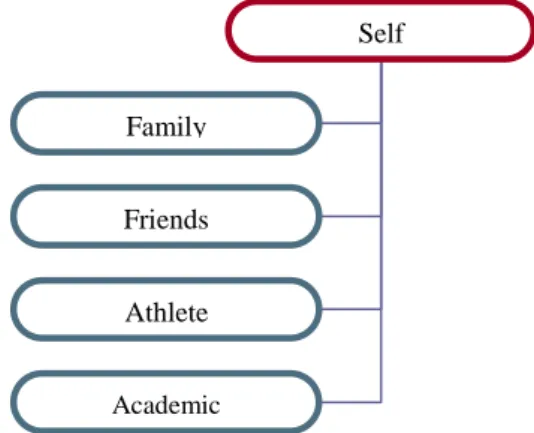
Figure 2. Hierarchical Nature of Identities
According to Stryker (1968) the various identities that comprise the self exist in a hierarchy of salience (see fig. 2), which are reinforced through the importance of the social networks on which a particular identity is based, where the identities that are more salient are most likely to be invoked in situations involving facets of the self.
Stryker and Serpe (1982, cited in Curry & Weaner, 1987, p.281) state that implied in the concept of a salience hierarchy is the “general proposition that an identity‟s location in a salience hierarchy will affect its threshold for being invoked in situations and thus the likelihood that behaviour called for by the identity will ensue”. In other
Self
Family
Friends
Athlete
Academic
words, the more important an identity is to a person, the more likely they are to behave in a manner in accordance with this identity in any given situation. For example, if the athlete identity is more important than a friend identity, in situations where both friend and athlete identity could be activated, say at a competition (which involves competing and friendships with team mates), the athlete identity is likely to be activated, as the person will pick up on the environmental factors relating more to that identity – in this case the competition. If the friend identity was more important, a person might rather pay attention to the cues regarding friendship, such as the other team mates and the camaraderie of the competition, and the friend identity would become activated rather than the athlete. Stryker (1968) also notes that the more salient an identity is, the more likely a person is to perceive a situation as an opportunity to perform in terms of that identity; also, they will actively seek out opportunities to perform in terms of the identity.
Although salience and hierarchy are related terms, they do actually differ.
Cieslak (2004, p.9) notes that “salience is the amount of importance ascribed to an identity – a singular evaluation, while hierarchy is the actual ordering of the identities by importance – a group evaluation”. Cieslak (2004) argues that an identity might be very salient, that is very important to an individual, but that identity could rank low in a hierarchy. Curry and Parr (1988) found that a sample of student-athletes at a
Christian college identified strongly with the athlete identity (so the athlete identity was salient), yet ranked it lower than family, academic, friend and romantic identities.
In the hierarchy of identities, commitment to these identities differs.
Commitment is an important concept in terms of identity as it relates to social construction of identity. Stryker (1968, p.560) writes, “To the degree that one‟s
relationships to specific others depend on one‟s being a particular kind of person, one is committed to being that kind of person.” Therefore the „cost‟ of changing these social relationships is weighed up and the commitment to an identity changed accordingly; so if a person has many relationships that are built around being an athlete, the commitment to the athlete identity is likely to be high. Not being an athlete would mean giving up these relationships, or at least changing the relationships, and this „cost‟ would determine the commitment to the identity.
Brewer, van Raalte and Linder (1993, p.238) note that, “people do not generally make only global or overall assessments of themselves. Rather, people make domain-specific judgements of personal worth and competence”. For example a person might perceive that he or she has good academic ability but low social ability.
Harter (1990), James (1892) and Rosenberg (1979) (cited in Brewer et al., 1993) have all proposed that the importance attributed to a specific self-concept domain (or identity) will determine the extent to which perceived competence or incompetence will influence self-esteem, affect and motivation. Anderson (2004) has also noted that the more salient an identity is, the more time and effort will be invested to ensure its enactment and the more self-esteem will depend on it.
Athletic Identity
In sports psychology there is an interest in self-concepts related to being a sports person, and more recently, how this relates to other identities, because as Lantz and Schroeder (1999) note, this relationship will influence both the sportsperson‟s life and sporting performance. Brewer, Selby, Linder and Petipas (1999) argue that for many sportspeople, sports participation is the central source of self-definition and self-worth. Brewer et al. (1993) have identified an aspect of self called athletic
identity (AI) which is the extent to which a person identifies with the athletic role.
They note that in its narrowest sense, AI is “a cognitive structure, or self-schema that guides and organises processing of self-related information” (1993, p.238), therefore a person with a high AI is likely to interpret life events in terms of how it impacts on their athletic functioning. Brewer et al. (1993) also note that AI can also be considered a social role, in that identity is socially constructed and that a person makes a social statement about themselves by participating in a certain sport.
For two reasons AI has been suggested to be different to other identities (Webb & Nasco, 1998). Firstly, athletic talent is normally recognized when a person is quite young and development of that talent becomes a central part of their and their family‟s life. Therefore AI is formed early in a person‟s development and much time and psychological commitment is given to this role. This means that by the time the person reaches adulthood, AI has become internalised, “frequently at the expense of other possible social roles. As a result an internalised AI is likely to dominate the individual‟s overall self-concept” (Webb & Nasco, 1998, p.340). Secondly, AI is a uniquely public identity. The athletic role is played out in a much more public arena than other roles and thus there is a greater emphasis placed on success and failure in the athletic role. Webb and Nasco (1998) maintain that other social roles do not encounter such performance pressure. Lantz and Schroeder (1999) note that Brewer‟s research into AI has shown that the higher AI is (i.e. seeing the athletic identity as the central dimension of self), the greater its influence on social relationships, types of activities sought and perceptions of life experiences.
Role Engulfment, Identity Foreclosure
Role engulfment is when a person‟s time and energy is poured into one role and Weichman and Williams (1997) have shown such role engulfment in an
intercollegiate basketball team in the USA. They found that throughout their four years at university, all players became engulfed in the athletic role, withdrawing from student and social roles. A similar concept is one of identity foreclosure. Danish (1995, cited in Anderson, 2004, p.405) writes,
In psychological foreclosure people rigidly adhere to their identities to maintain security or to cope with intra-psychic anxiety… They may be resistant to change and more vulnerable to threats of identity loss because their method of coping with their life situation is to seek approval through their athletic success. The loss of their athletic role would compromise their entire defensive structure.
Marcia (1966) has extended work on Erickson‟s psychosocial theory of identity formation in adolescents. He states that identity formation is based on crisis and commitments. A crisis is a period of time where conscious decisions are made with regard to an identity and where searching and questioning of identity is done.
Commitment is the personal investment in the system of beliefs sustaining an identity.
Marcia (1966) argues that there are four identity states, one of them being identity foreclosure. When there is a commitment without a crisis, in other words, when a person is committed to an identity without questioning the set of beliefs underpinning the identity or exploring other options, identity is foreclosed. The three other states are identity moratorium – when there is crisis with no commitment, identity diffusion – where there is no crisis and no commitment, and identity achievement – where there
is a crisis leading to commitment. These states are not stages however, and a person does not move through one to the next, but can revisit each at some point in their lives.
There are a number of studies examining identity foreclosure among student athletes, but the results are contradictory. Murphy, Petipas and Brewer (1996), in a study of 124 intercollegiate Division I student-athletes, found a high degree of identity foreclosure in these athletes, especially among high revenue and high profile sports such as basketball, football and ice hockey. Good, Brewer, Petipas, van Raalte and Mahar (1993) also found a positive correlation between athletic identity and identity foreclosure. However, Perna, Zaichkowsky and Bocknek (1996, cited in Miller & Kerr, 2003) found that at the time of graduation, male athletes and non- athletes did not differ significantly in identity states, meaning that the athletes did not have foreclosed identities. Miller and Kerr (2003) found two stages in identity
formation in student athletes. These students initially over-identified with the athlete role and were in a state of identity foreclosure, however in their later years as a student, the identification with the athlete role declined and there was a rise in identification with the academic role, suggesting that identity foreclosure did not occur. However, the results of this study could be due to the sample, as the participants were drawn from a Canadian university that did not have high profile athletic programs and as mentioned earlier, higher-profile athletes tended to have a greater degree of identity foreclosure.
Although a greater identification with the athlete role can be beneficial in the sporting context, leading to increased commitment and training, it is hypothesised that
role engulfment or foreclosure can lead to emotional distress when the role becomes threatened. One aspect of this that has been researched is retirement from sport, especially forced retirement. Webb and Nasco (1998) argue that retirement from sport is not simply another life transition and is different from other occupational
retirements because of the uniqueness of AI and the special circumstances of early forced retirements. They conducted a study of 231 university athletes, asking them to fill in questionnaires about the sport they played, athletic identity, reason for
retirement and psychological reactions to retirement. 46.2% of the sample reported that difficulty with retirement was “quite characteristic” or “very characteristic” of their experience, and AI was strongly related to that experience. For those whose retirement was forced (e.g. through injury), the relationship between AI and
difficulties with retirement was even stronger. This group was found to have a strong sense of vagueness and feelings of uncontrollability about the future. Similarly, Brewer (1993, cited in Green & Weinberg, 2001) conducted four studies examining the relationship between athletic identity and depressive symptoms following injury.
In all four studies, those athletes with a higher AI displayed significantly greater depressive symptoms than those with lower AI.
Webb and Nasco (1998) suggest that one reason for the above findings could be that athletes have a private and a public AI; they note, “a private athletic identity refers to one‟s internal thoughts, feelings and assessments of oneself as an athlete, while public athletic identity refers to one‟s public reputation in the social role of athlete” (p.350). Athletes may be able to divest themselves of their private AI but when they suffer a loss of self-esteem it is more likely linked to their public AI.
Family and friends need to help the athlete divest themselves of their social role of an
athlete. Also, Horton and Mack (2000) point out further problems with having a high AI. They note that high AI may lead to damaging behaviours within the athlete role, such as over training, becoming anxious when not training, and in some extreme cases, the use of performance enhancing drugs.
Positive consequences of high AI
There are some notable positive consequences of a high AI. It has been found that having a dimension of self that is related to physical performance is related to physical fitness, global self esteem, increased social relationships, confidence and health benefits (Horton & Mack, 2000). Adolescents who participate in sports are at a lower risk for depression, are less likely to feel lonely and are more likely to feel accepted by others (Oler et al., 1994). Stryker and Serpe (1994) have stated that an increased salience of an identity will increase commitment and behaviours consistent with that dimension, and as such, a high AI will increase an athlete‟s commitment to athletic participation and training. Danish (1983, cited in Brewer et al, 1993) argued that the commitment needed to train and compete often demands that an athlete narrows down other activities, and so a high AI could help an athlete achieve optimal athletic performance. However, there has been little research into the relationship between AI and performance. In one study Horton and Mack (2000) found that in a group of 236 marathon runners, those who had the fastest and slowest marathon times displayed the strongest AI. It is theorised that success in one identity of a person, will lead to an increase in importance of that identity; therefore for those runners that were successful, this success fed into their sense of being an athlete and the importance of this identity for them – and AI was high. Also, high AI could have provided the dedication and commitment to training needed for success, and thus the more
successful runner displayed a high AI. So why did those runners with the slowest times also display high AI‟s? Horton and Mack (2000) argue that cognitive dissonance can explain this. Research into cognitive dissonance suggests that the evaluation of a task is directly related to the effort that must be given to accomplish the task. Slow runners expend large amounts of effort for little external justification, and thus justification must come from within, and so a strong AI justifies the effort they put into running.
The above studies point to the fact that a multi-component self-concept protects the person in the event of failure of one dimension, and that a high AI is problematic only when it prevents the development of other identities (Horton &
Mack, 2000).
AI and other life roles
As can be seen from the above research, there have been a number of studies investigating AI and identity foreclosure, role experimentation and reactions to injury and retirement, but there has been very little research into the relative importance of AI with regard to other identities; in fact, Horton and Mack‟s (2000) study of marathon runners and Cieslak‟s (2004) study of the Athletic Identity Measurement Scale (AIMS) are two of the only studies to compare AIMS scores with the salience of other identities.
Horton and Mack (2000) conducted a study on non-elite adult marathon runners to investigate the relative importance of AI as compared to other life roles, which would provide a measure of the extent to which AI dominates the self-concept,
which in turn is an indicator of identity foreclosure. Previous research had suggested that people with high AI should assign high importance to the athletic role and low relative importance to other roles, such as family, friends or romantic roles. Horton and Mack (2000) gave the Athletic Identity Measurement Scale (AIMS) and the Life Roles Inventory to 236 marathon runners ranging in age from 19 to 72 years old. They found that although runners with high AI scores did rate the athlete role as more important than those runners with low AI scores, there was no significant difference between the two groups on the rating of other life roles. The runners with a high AI ranked family first, then romantic partner, athlete, academic/occupational, friendship and lastly extracurricular. Those with low AI ranked family first, followed by
romantic partner, academic/occupational, friendship, athlete and lastly extracurricular.
Horton and Mack (2000) concluded that his indicated that the runners did not have foreclosed identities. Although the runners with high AI did also see themselves as having other roles and ranked some of those roles as more important than the athlete role, running decreased the amount of time spent on these other roles. For example, the runners indicated that social networks outside of running suffered because running actually took the place of other social activity.
Cieslak (2004) sampled 300 collegiate intramural (non-elite) athletes, asking them to rate and rank different roles, namely: family, friendship, athletic, religious, academic and romantic. No significant difference was found between the rankings of these life roles in the medium and high AI groups, with the exception of the athlete role and romantic roles. High AI participants ranked the athlete role as more important than the medium AI group and the romantic role lower. The research participants in this study were non elite athletes, and Cieslak (2004) warns that their
AI might not be as salient as more “serious” athletes, which may have influenced the results.
Age and AI
Except for Horton and Mack‟s (2000) study, most previous research into AI has been conducted on American college students and, according to Horton and Mack, this could have consequences for research into AI. They argue that university age and adult athletes may differ in the complexity of the self-concept. University age athletes may have fewer roles that they regard as important because they have fewer obligations, such as family or career, than do older athletes. However, this hypothesis has not been investigated empirically (Horton & Mack, 2000). In younger athletes, AI might constitute the basis of other identities, and in adult athletes, especially among non-professional athletes, this might not be the case. Brewer et al. (1993) did find that in a sample of college athletes, AI was negatively correlated to age. They argue that it is possible that as athletes mature and become exposed to a wider variety of activities and influences, their identification with the athlete role could diminish. However Horton and Mack (2000) found that high AI among their sample of runners, with an average age of 41, was similar to high AI for previous samples of college age athletes.
Therefore, the relationship between AI and age needs further investigation.
Gender and AI
It has been found that gender can have an influence on AI, with males generally having a higher AI than females (Brewer et al., 1993; Wiechman &
Williams, 1997; Lantz & Schroeder, 1999). A study by Wicheman and Williams (1997) of 389 high school athletes found that males had a significantly higher athletic
identity than females. It is reasoned that society places greater importance on sport for males than females. Coakley (1990, cited in Wicheman & Williams, 1997, p.199) argues that “girls are less likely to learn that physical activities and achievements in sport can or should be uniquely important sources of rewards in their lives” and so females generally have a lower AI. However, Hale and Waalkes (1994, cited in Ceislak, 2004) in a study of 475 elite athletes, found no difference in the strength of AI in males and females. A possible reason for could be the elite nature of the sample, were female athletes competing at such a level would presumably have a high AI.
Also, it has been found that some sports are seen as more acceptable for women (Royce et al., 2002; Allison, 1991; Marsh & Jackson, 1986) thus allowing them to fully express their AI in an acceptable arena.
Measurement Issues
Although identity is an area of much research interest, there are some
difficulties relating to its measurement. Three specific problems relate to the current research.
Firstly, as mentioned previously, in Curry and Weaner‟s (1987) study of student athletes in a Christian college, although participants strongly identified with the athlete role, they ranked it quite low in a hierarchy of identities. Curry and Weaner (1987) felt that the hierarchy did not accurately reflect the behavioural importance in the daily lives of the students; they argued that the hierarchy reflected a cultural bias that favours some identities above others. They state that a forced ranking of roles introduces a value choice and could weaken the validity of this method as an indicator of actual sports behaviour. As Cieslak (2004) has pointed out, ratings of roles are a singular evaluation which could be different to the group ratings of rankings.
Therefore rankings of life roles might not give a very clear indication of the salience of the roles and the behaviour, cognition and affect associated with these roles.
Anderson (2004) notes that there is no one scale of AI that reflects prominence within an individuals salience hierarchy.
A second difficulty is that together with multiple identities, AI itself is most likely hierarchical and multidimensional. Although recent research has been done on revising the scales used to measure AI, there is a need to expand the construct and design a measurement tool to assess the nature of AI (Anderson, 2004; Cieslak, 2004;
Martin, Eklund & Adams-Mushett, 1997; Miller & Kerr, 2003).
Thirdly Horton and Mack (2000) note that if one identity is thought to be the key to other identities, it will most likely be the most salient identity. This leads to the interesting question about the interdependence of identities, which is difficult to measure quantitatively.
Rationale for the current research
Almost no previous research has investigated how AI affects the salience of other identities, and two of the only studies to do so, namely Horton and Mack (2000) and Cieslak (2004) have used non-elite athletes as a sample, and as Cieslak (2004) has pointed out, this may have biased previous results. The current research will extend their research, by using elite swimmers as research participants and it is hypothesized that AI will effect the salience of life roles and that elite athletes will have a higher AI than non elite athletes. Somewhat of a comparison can then also be made between the elite and non elite athletes to investigate if the level of participation and investment in
a sport affects the salience of life roles. In order for this comparison to take place, it was decided to partly base the current study on Horton and Mack‟s (2000) study, and similar questionnaires will be used. Also, much research done in America on AI has been done on college students who are contemplating a future in professional sports.
For many South African swimmers however, high school and university is the very time when their careers take place, in other words they are not contemplating a future career, but are elite athletes already. The effect of this needs to be investigated.
Although the sample of swimmers is an elite sample, swimming is not really a career option in South Africa as it is a non-professional sport, and swimmers cannot earn enough money to make a career out of swimming. Therefore, the swimmers cannot choose swimming as a career and simply do it for the „love of the sport‟, and this may have an effect on AI and the importance of other life roles. Also, there has been little research on high school athletes, and many elite South African swimmers are still in high school. The current research will thus also add to the knowledge about age and its effect on AI, as Horton and Mack (2000) argue that age may affect the strength and interactions of AI.
Horton and Mack (2000) also point out that there is little research into how AI affects performance. Their study is in fact one of the only ones that examines the relationship between AI and performance, and the current study will help grow this body of knowledge. It is hypothesised that AI will be positively correlated to AI.
The current study will also add to research regarding gender and AI, which has had contradictory results thus far.
Chapter 2
Design and Methodology Participants
Swimmers who had obtained provincial or South African colours were asked to participate in the study. The sample was comprised of 53 female and 48 male swimmers, ranging in age from 13-27 years.
Sampling
Most swimmers from all provinces competing in the Senior South African Aquatic Championships, held in Durban during April 2004, were approached to participate in the research.
Instrumentation
Quantitative questionnaires were handed out at the South African Senior Aquatic Championships, and they consisted of:
1. Demographic Questionnaire
Questions were asked regarding age, gender, level of education, number of years involved in swimming, the age at which they started competitive swimming, the number of years swimming at national/provincial level and, highest achievement.
2. Athletic Identity Measurement Scale (AIMS)
This scale was developed by Brewer et al. (1993) to assess the strength and exclusivity of identification with the athlete role. It has been found to have a test- retest reliability of 0.89 and a coefficient alpha (internal consistency) of 0.93 (Brewer et al. 1993). The AIMS also has been found to have construct validity, as it is highly
correlated to other measures conceptually related to athletic identity, such as the Perceived Importance Profile and Sport Competence Scale. Discriminant validity is shown by non-significant correlations to measures conceptually unrelated to athletic identity, for example, self-esteem and sports competence (Brewer et al., 1993). Other studies have confirmed the reliability and validity of the AIMS (Martin 1999, Martin
& Adams-Muschett 1995; Hurst, Hale, Smith & Collins, 2000).
Martin, Ekland and Adams-Muschett (1997) found that the AIMS did not just measure athletic identity as one construct, but rather measured four factors that make up athletic identity. Thus four subscales have been developed, namely: Self-Identity, Social Identity, Exclusivity and Negative Affectivity, however more research needs to be done to confirm the validity of these constructs. Originally the AIMS consisted of 10 questions, but question 6 (“ I need to participate in sport to feel good about myself”) did not fit into any of the four factors and thus has been dropped by most researchers (Burke, 2002).
The AIMS therefore consists of 9 statements that people are asked to rate on a Likert scale anchored by „strongly agree (7)‟ and „strongly disagree (1)‟, for example
“I feel badly about myself when I do poorly in swimming”. The word „swimming‟
replaced the word „sport‟ in the original AIMS, to assess the role of swimmer rather than athlete or sport in general (this does not change the validity ore reliability of the aims (Horton & Mack (2000)).
3. Life Roles Inventory
The Life Roles Inventory is an adaptation from the work of Stryker and Serpe (1994) used by Horton and Mack (2000) and evaluates psychological centrality of six
roles, namely academic, athletic, family, friendship, dating and extracurricular, through the use of pair-wise comparisons. Each role is compared to every other role and for each pair the preferred role receives a „1‟ and the other a „0‟. A score of six indicates that the role is rated as more important than other roles and a score of 1 indicates that the role is considered less important than the other roles. Stryker and Serpe (1994) found a satisfactory internal consistency for the assessment of individual life roles, with a Cronbach‟s alpha range from .81 to .89.
Data Analysis
The total AIMS score of each participant was rated as follows: high AI (43- 63), moderate AI (22-42) and low AI (9-21).
In the Life Roles Inventory, the roles were ranked in order, according to which role was chosen most often. A Factorial ANOVA was used to analyse the AIMS scores and the Life Roles Inventory to determine whether there was any interaction between AI and ranking of life roles.
A T-Test was used specifically to analyse if there was an association between AI and the athletic life role, as it was assumed a priori that this identity would be most affected by strength of AI.
To determine whether there was a correlation between AI and performance, a Pearson Chi-Squared test was used. It is difficult, however, to compare performance of swimmers because there are four different strokes and different distances are swum for each stroke; therefore time could not be used as a measure of performance in this
case. There is also the complicating factor of age; for example, a swimmer of 14 years may be the best in his or her age group, but might not be quite as fast as an older swimmer, who is actually not as good.
Therefore, to measure performance, firstly, highest career achievement was used. The categories were ranked as follows:
1. Making a senior South African Team
2. Making a Junior South African team, or breaking a national age group record
3. Winning a medal at a gala other than the Senior SA National Aquatic Championships
4. Qualifying for the SA National Aquatic Championships
Secondly, performance at the Senior South African Championships was analysed. The categories for this were:
1. Winning a medal 2. Swimming in a final 3. Swimming in a semi final 4. Swimming in a heat.
To investigate whether there was a correlation between AI and age, a Pearson Correlation was done. A one-way ANOVA was also conducted to determine if age had an effect on the ranking of life roles. To do this the swimmers were divided into two groups: under 18 years of age, and over 18 years. The cut-off of 18 years was
chosen as this is the age when most people leave school and are considered a young adult and no longer a teenager.
To determine if gender influenced AI in this study a T-Test was performed.
Chapter 3 Results Athletic Identity
65 swimmers were found to have a high AI (43-63) and 36 a moderate AI (22-42).
There were no swimmers with a low AI (9-21).
Athletic Identity and ranking of other life roles
Figure 3. Bar-graph showing mean overall rankings of each Life Role for all swimmers
For the group of participants as a whole (see fig. 3), the family life role was ranked first, followed by friends, athlete, academic, romantic partner and lastly
extracurricular.
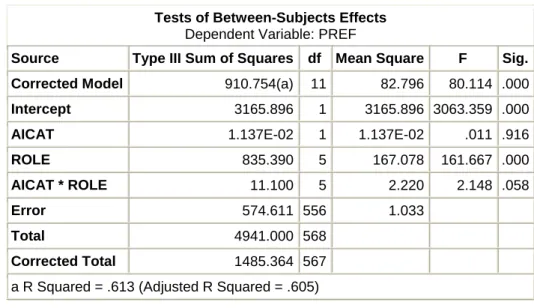
Using a Factorial ANOVA (see table 1.) a significant difference was found between the rankings of each role (df =5, f = 161.667, p<0.005) (see fig. 8-24).
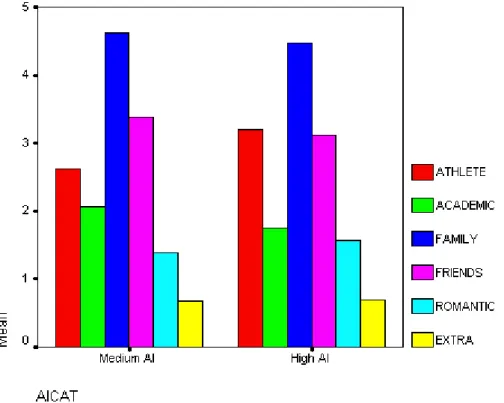
Figure 4. Comparison of Ranking of Life Roles for groups with High and Moderate AI
When the ranking of life roles was compared to AI (see fig. 4), most of the roles were ranked in the same order for both groups, except the friend and athlete role. The moderate AI group ranked family highest, followed by friends, athlete, academic, romantic partner and extracurricular. The high AI group switched the order of the friend and athlete role compared to the moderate AI group. The high AI ranked family first, followed by athlete, friend, academic, romantic partner and lastly
extracurricular.
Table 1. Results of a Factorial ANOVA of Life Roles and AI
Tests of Between-Subjects Effects Dependent Variable: PREF
Source Type III Sum of Squares df Mean Square F Sig.
Corrected Model 910.754(a) 11 82.796 80.114 .000 Intercept 3165.896 1 3165.896 3063.359 .000
AICAT 1.137E-02 1 1.137E-02 .011 .916
ROLE 835.390 5 167.078 161.667 .000
AICAT * ROLE 11.100 5 2.220 2.148 .058
Error 574.611 556 1.033
Total 4941.000 568
Corrected Total 1485.364 567 a R Squared = .613 (Adjusted R Squared = .605)
The results from table 1 show that even though the ranking of life roles in the moderate and high AI group was slightly different, there was no significant interaction between AI and the ranking of life roles (df = 5, F = 2.148, p>0.05).
Therefore AI did not influence to a significant level the ranking of life roles.
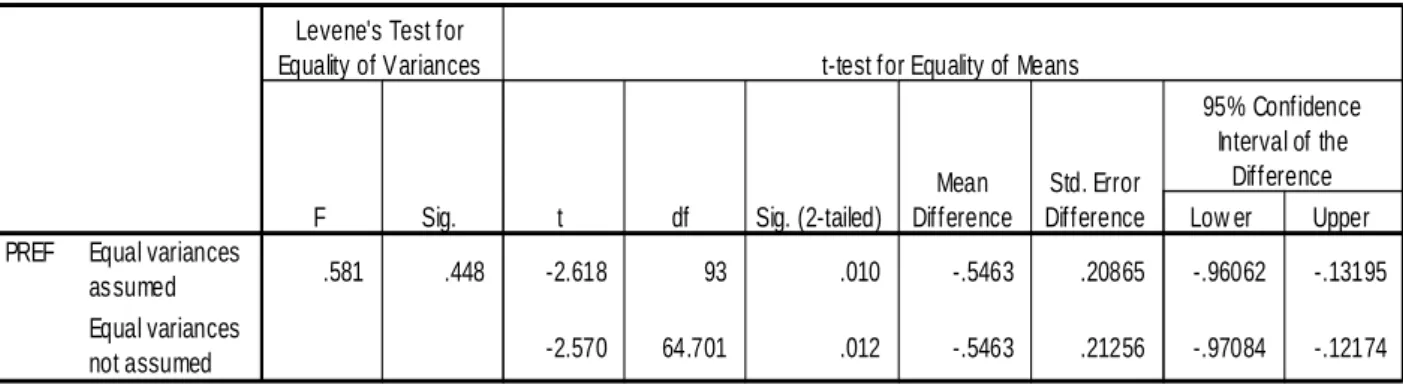
It was hypothesised that the strength of AI would affect the athlete role the most and when the athlete role was analysed (see Table 2), it was found that there was a
significant difference (df = 93, T = -2.618, p<0.05) between the moderate and high AI group, with the high AI group ranking the athlete role as more important than the moderate AI group.
Table 2. The difference in the importance of the Athlete role between moderate and High AI Swimmers (T-Test)
Inde pe nde nt Samples Te s t
.581 .448 -2.618 93 .010 -.5463 .20865 -.96062 -.13195
-2.570 64.701 .012 -.5463 .21256 -.97084 -.12174 Equal variances
assumed Equal variances not assumed PREF
F Sig.
Levene's Test for Equality of Variances
t df Sig. (2-tailed)
Mean Difference
Std. Error
Difference Low er Upper 95% Confidence
Interval of the Difference t-test for Equality of Means
Athletic Identity and Performance
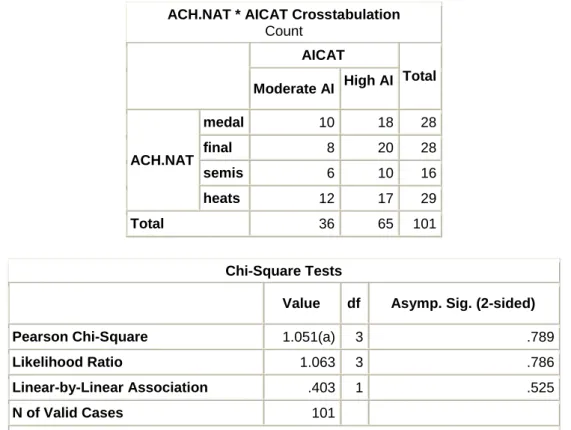
Table 3. Association between Performance at Senior South African Championships and AI
ACH.NAT * AICAT Crosstabulation Count
AICAT
Total Moderate AI High AI
ACH.NAT
medal 10 18 28
final 8 20 28
semis 6 10 16
heats 12 17 29
Total 36 65 101
Chi-Square Tests
Value df Asymp. Sig. (2-sided)
Pearson Chi-Square 1.051(a) 3 .789
Likelihood Ratio 1.063 3 .786
Linear-by-Linear Association .403 1 .525
N of Valid Cases 101
a 0 cells (.0%) have expected count less than 5. The minimum expected count is 5.70.
For this test, the swimmers‟ performance at the Senior South African Swimming Championships was used as a measure of performance. The results (see table 3) show
that, although there are a greater number of swimmers with a high AI in the highest performance category and also within each performance category, there is no association between AI and performance (df = 3, Chi-Squared = 1.051, p>0.05).
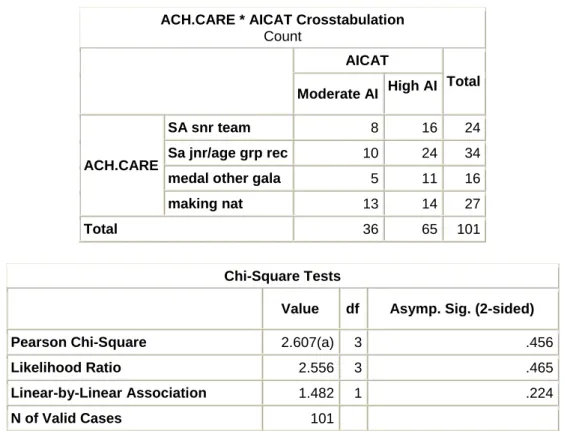
Table 4. Association between highest career achievement and AI
ACH.CARE * AICAT Crosstabulation Count
AICAT
Total Moderate AI High AI
ACH.CARE
SA snr team 8 16 24
Sa jnr/age grp rec 10 24 34
medal other gala 5 11 16
making nat 13 14 27
Total 36 65 101
Chi-Square Tests
Value df Asymp. Sig. (2-sided)
Pearson Chi-Square 2.607(a) 3 .456
Likelihood Ratio 2.556 3 .465
Linear-by-Linear Association 1.482 1 .224
N of Valid Cases 101
a 0 cells (.0%) have expected count less than 5. The minimum expected count is 5.70.
These results (see table 4) analysed the association between AI and level of
achievement reached in the swimmer‟s career, and no association was found (df = 3, Chi-Squared = 2.607, p>0.05), which suggests that there is no association between performance and AI. The above results were surprising and so a post-hoc
investigation was warranted. The mean AI was found for each performance category and then an ANOVA was conducted.
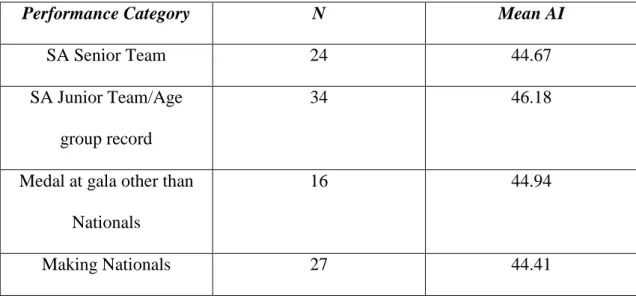
Table 5. Mean AI scores for swimmers in each performance category for career achievement .
Performance Category N Mean AI
SA Senior Team 24 44.67
SA Junior Team/Age group record
34 46.18
Medal at gala other than Nationals
16 44.94
Making Nationals 27 44.41
There was no significant difference (see table 5, table 10 and figure 23) between the means in the categories for career achievement (df = 3 & 97; f = 0.282; p>0.05).
However it can be seen that those swimmers whose highest achievement was either making a junior South African Team or breaking an age group record, had the highest AI.
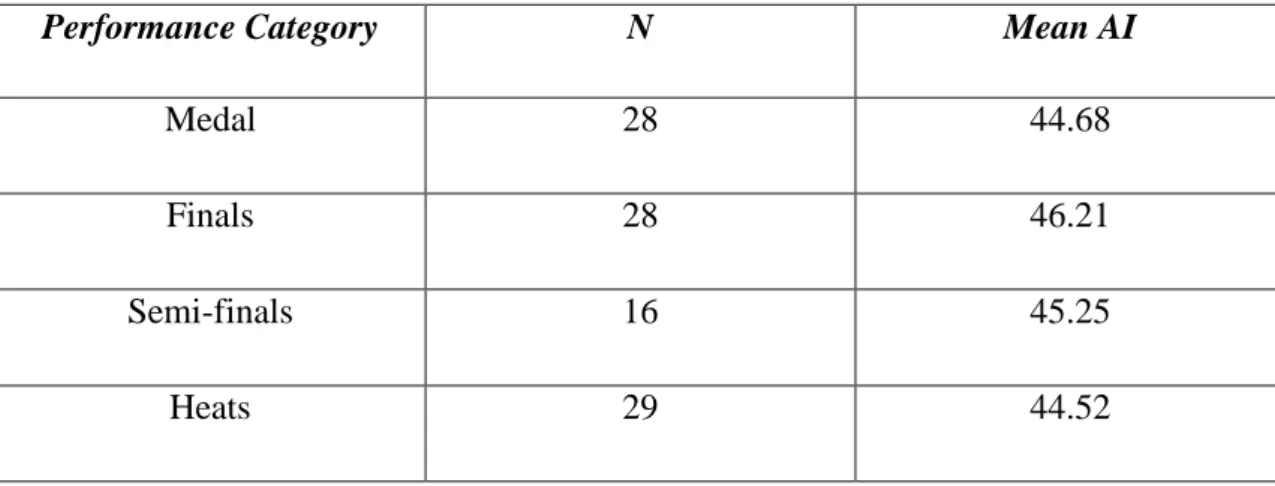
Table 6. Means of AI in performance categories for performance at the South African Senior National Aquatic Championships
Performance Category N Mean AI
Medal 28 44.68
Finals 28 46.21
Semi-finals 16 45.25
Heats 29 44.52
The mean AI scores for each performance category at the Senior National Swimming Championships were similar (see table 6, table 11 and fig. 24) and there was no significant difference between the mean scores (df = 3 & 97; f = o.246; p>0.05).
However, those swimmers whose best performance at the South African Nationals was making a final had the highest AI.
Age and Athletic Identity
AGE
28 26
24 22
20 18
16 14
12 10
AI total
60
50
40
30
20
Figure 5. Correlation of AI to Age.
A Pearson‟s Correlation (see fig. 5 and table 7) showed that there was a significant negative correlation between age and AI (r = -0.238, p<0.05), meaning that as age increased AI decreased.
Age and ranking of Life Roles
Estimated Marginal Means of PREF
ROLE
Extra Romantic
Fri ends Family
Academic Athlete
Estimated Marginal Means
5
4
3
2
1
0
CATAGE Less than 18 18 and Older
Figure 6. A graph showing the difference in ranking of life roles in those swimmers under and over 18 years old.
There was no interaction (see fig. 6 and table 8) between age and the ranking of life roles (df = 5; f = 1.388, p>0.05). So both younger and older swimmers ranked the life roles in the same order.
Gender and Athletic Identity
53 48
N =
GENDER
female male
AI total
70
60
50
40
30
20
100 9343
Figure 7. Mean AI scores for male and female swimmers
In this sample, the women swimmers actually displayed a slightly higher AI than the male swimmers (see fig.7 and table 9), however a T-Test showed that this was not significant (df = 99; t = -0.517; p>0.05). Therefore, gender did not influence AI in this study.
Chapter 4 Discussion AI Groups
This study did not have any participants who fell into the low AI category.
This is not surprising, considering the sample. All swimmers were competing at at least a national level and thus it was hypothesised that the swimmers would no have low AI‟s. To compete at this level requires much dedication and commitment, and
therefore being an athlete should be relatively important to these swimmers. A high AI also has positive consequences such as greater commitment and dedication to training, which is necessary for performing at an elite level (Danish, 1983, cited in Brewer et al., 1993) and as such, it stands to reason that no swimmer had a low AI.
AI and ranking of Life Roles
One of the aims of this study was to explore the relationship between AI and the importance of other life roles in elite athletes, examining how AI affects the relative importance of life roles. When the moderate AI group of swimmers was compared to the high AI group, no association was found between AI and the ranking of life roles, meaning that both groups ranked all roles similarly. The high AI group ranked family first, followed by athlete, friend, academic, romantic partner and lastly extracurricular. The medium AI group ranked family first followed by friend, athlete, academic, romantic partner and lastly extracurricular.
This suggests that AI might not significantly influence the salience or
importance of life roles. This is a surprising result, as, considering previous literature (Anderson, 2004; Lantz & Schroeder, 1999; Web & Nasco, 1998) it was expected that a high AI would dominate the self-concept and thus that other roles would differ in importance in swimmers with different AI‟s. One reason for this result could be the fact that there were no swimmers with a low AI in this sample and so the effect of AI might not be as pronounced. The fact that AI did not have an effect on the relative importance of life roles also suggests that a high AI does not necessarily lead to identity foreclosure. In addition to this, as will be discussed later, although the high AI group did rank the athlete role as significantly more important than the medium AI
group, even the high AI group did not rank the athlete role as the most important, adding to the evidence that the swimmers with a high AI were not in a state of identity foreclosure. Cieslak (2004) among others have argued that as athletes progress
towards elite status their identities would become more foreclosed, however, even though the swimmers were elite athletes, competing at international and national level, the results indicate that this does not hold true.
Horton and Mack (2000) found that in non-professional runners there was also no significant difference between groups with differing AI‟s; but in their study there was a low AI group which was then compared to a high AI group. However, the ranking of the different life roles, i.e. the relative importance of each life role, differed in the runners and the swimmers. The marathon runners rated different life roles as more important compared to the swimmers. One reason for this, as Horton and Mack (2000) note, is that age may affect the relationship between AI and life roles and their sample of runners was older than the sample of swimmers; they write,
College and adult athletes may exhibit the same levels of AI; however, the way AI is organized in relation to other dimensions of the self may be different in the two groups. Specifically, college and adult athletes may differ in the complexity of the self-concept: the number and independence of important dimensions of the self (2000, p.9).
Older athletes may organize their identity differently to younger athletes and the relationship to AI could be different because of this organization. Identity is also dynamic, and is attached to positions occupied in society, Cieslak (2004, p.15) writes,
The social interaction of a person with the environment and other people regulates to development, maintenance, and elimination of their role identities, thus, making role identities dynamic. A change in the social interactions… or context…should elicit a change in the degree of strength of a given identity and cause a reordering of existing identities.
The swimmers were scholars and students, whereas the runners were
mostly employed and also had families of their own. The different social context of the two samples could therefore account for the difference in their salience
hierarchies.
However, interestingly, age alone does not seem to be able to account for the ranking of life roles. The results of the current study show that age did not
significantly affect the relative importance of life roles, with the swimmers over 18 and under 18 years of age ranking the roles in the same order. However sample of older runners in Horton and Mack‟s study ranked them differently. So why did the swimmers age not affect the ranking of life roles, yet it seemed to affect it when the two samples are compared? Could the difference be that the swimmers were elite and the runners not?
Another possible reason that the swimmers ranked different life roles as more important compared to the runners, is the elite status of the swimmers – meaning that although AI might be similar in elite and non-elite athletes, the elite athletes may perceive different life roles as important due to being an elite athlete. Elite athletes could have a different identity concept to non-elite athletes, thus influencing the
importance of other identities or life roles. This hypothesis needs to be investigated further.
Although there was no significant difference between the two groups of swimmers with regard to the importance of life roles, there was a significant
difference in the importance of the athlete role between the groups. The high AI group rated the athlete role as more important than the moderate AI group. The definition of AI is how strongly a person associates with the athlete role (Brewer et al. 1993), and so it was expected that swimmers with high AI would rate the athlete role as more important that those with a moderate AI. This confirms Horton and Mack‟s (2000) and Cieslak‟s (2004) study, where a significant difference in the importance of the athlete role between low AI and high AI groups was also found, with high AI rating it as more important that the low AI group. This seems to suggest that AI influences the importance of the athlete role, but might not significantly influence the importance of other life roles.
Although there was no significant difference between the groups of swimmers in the rankings of the importance of life roles, there was a significant difference in the ranking of each role for the group of swimmers as a whole. Each role will now be discussed in detail.
Family
There were a number of interesting results from the ranking of life roles in the group of swimmers as a whole. Firstly, family was ranked as the most important life role by the majority of swimmers; so their identity as a member of a family
(daughter/son/brother/sister) was most important to them; it was ranked highest in the salience hierarchy. When comparing the two AI groups, the high AI and moderate AI groups also both ranked the role of family as the most important role.
One possible reason for this could be due to the level of family involvement in the swimmers‟ lives, as family can often be a prominent source of social support.
Family provide much emotional support for swimmers, often being the only people other than the other swimmers who truly understand what the swimmer goes through each day at training. They could also provide esteem support, which is information that the swimmer is esteemed and accepted, and that they are valued for their own intrinsic value, not because of what they do or how fast they swim (Cohen & Wills, 1985). Family can also offer instrumental support, which is the provision of finances, material resources and needed services (Cohen & Wills, 1985). This is a very
important source of support for swimmers in South Africa as they do not get paid to swim and do not receive much financial assistance from the national swimming body;
so parents are often the sole „sponsors‟ of the swimmer, and without their support they would not be able to go on tours or compete. The buffering hypothesis suggests that social support buffers a person against stressful life events (Cohen & Wills, 1985); being part of a family and identifying themselves with a family role could actually benefit a swimmer and help them cope with the stress and strain of competing and training. Salience of an identity, according to Stryker (1968) is related to the importance of social networks that are attached o that identity, and thus the high ranking of the family role could be due to the important part that the family play in a swimmers lives.
Horton and Mack (2000) argue that when an identity is seen as the key to other identities, it is ranked as more important, therefore, a question that needs further investigation then is: is family ranked first because it helps support the athlete identity or is though of as a key to the athlete role (or other roles), or is family an important part of the swimmers‟ lives for other reasons?
In Horton and Mack‟s (2000) study (and in Cieslak‟s (2004) study) the participants also ranked family first. Curry and Weaner (1987) have pointed out that the family role is deemed very important by society, and thus these societal norms could be influencing the ranking of this role. However, even though the family role is ranked first, the meaning of the role could be different in different samples. The runners in Horton and Mack‟s (2000) study were older and thus the importance of the family role could be because the runners were concerned with building and raising a family, rather than being important because of esteem, emotional and instrumental support (or indeed for some other reason), although support is still an important part of family. The family role is important in both studies, but could be so for different reasons. This needs to be investigated further.
Friends
The group of swimmers as a whole ranked the friend role as the second most important life role. This could be due to the age of the sample, as adolescence and young adult hood are times where friendship and „fitting in‟ is very important.
Swimmers spend up to 6 hours per day training and thus team-mates become important sources of friendship. Even if swimmers don‟t have much in common outside of swimming, Miller and Kerr (2003) found that swimmers developed strong,
close friendships with teammates and provided meaningful support to each another.
The participants in Miller and Kerr‟s (2003) study recognized that they did not have long histories with their teammates, but nonetheless, nurtured strong, trusting relationships with one another. Team-mates know what a person goes through as a swimmer, are actually in the water training with each other and thus provide much support and social companionship. Miller and Kerr (2003) also found that these friendships actually motivated swimmers to continue swimming. Stryker (1968) has argued that commitment to and salience of an identity is partly based on the
importance of social networks surrounding that identity, and the social networks surrounding the swimmers friend identity appear to be very important. Horton and Mack (2000) also note that people with a high AI may actually surround themselves with other athletes who encourage a definition centred on athletics, which teammates seem to do. This could increase commitment to the friend role and also have an influence on the commitment to and importance of the athlete role. Oler et al. (1994) speculate that sports participation and the friendships formed in the sports arena provide the athlete with a sense of acceptance and protection from loneliness because of being a member of a team. These positive effects of the friend role could account for it being ranked so highly in the hierarchy.
Hurst et al. (2000) have found that bodybuilding dependence is highly related to the social networks formed in the sport and that becoming part of this network may lead to identification more as a bodybuilder. Similarly the social networks formed in swimming and the friend role could lead to a greater identification with the athlete role, again pointing towards the interdependence of identities.
A question for further investigation, though, is whether the friendship role refers to friendships within the swimming „fraternity‟ or friendships in general and what friendships outside of swimming mean for the swimmers.
Horton and Mack (2000) found that in their sample of non-elite marathon runners, the friend role was ranked fourth in the group as a whole and fifth by the high AI and fourth by the low AI runners. As can be seen the ranking of the friend role is lower than that of the swimmers. Again, this could be a function of the age of the swimmers, where friendships are more important in the 13-27 year age group. As discussed above, one of the reasons for the importance of friendships for the
swimmers could be that this role has many positive effects for an athlete and could be seen as one of the keys to the athlete role. Possibly for the runners the friendship role did not have the same meaning as for the swimmers and thus was ranked differently.
Athlete
Overall, the athlete role was ranked third by the swimmers. The high AI group ranked the athlete role second and the moderate AI group ranked it third, and there was a significant difference between these rankings. This confirms the hypothesis that AI would influence the importance of the athlete role. Therefore, a high AI
significantly influences the importance of the athlete role in a swimmer‟s life.
However, as can be seen from the results above, for the majority of the swimmers, although the athlete role was important, it was not seen as the most important role, which is surprising. This means that although the swimmers strongly associate themselves with the athlete role, this role is not the most important in their lives. As discussed earlier however, the friend and family roles, which overall were ranked higher could actually be interdependent with the athlete role, and this could be a