In addition, the poor level of customer service and violations of the bank's usury regulations made the organization more uncompetitive. According to Thayser, undercoverage is dangerous because acquirers wipe out more market capitalization due to due diligence errors.
Limitations
Significance of study
Research Questions
Objectives of the study
Structure of the study
Introduction
It includes the context of the study, statement of aims, scope and significance and limitations, all of which are described above. These factors elaborate the purpose and objectives of this study, which are included in the aforementioned research questions.
Review of related Literature
Research Methodology
Evaluation of the case
Recommendations and Conclusion
Literature Review
Background factors to the problem
If the deal valuation is sensible, the right decisions can be made and the best investment alternatives can be taken. The agreed price will depend on the negotiations and negotiating terms of the negotiating parties to the agreement.
Assumptions
For example, in the past, the reason for South Africa's larger banks to acquire smaller banks was to seize the opportunity to capitalize on the impending passage of the Community Reinvestment Bill. Due to the intense competition in the banking industry, the service offering to the public needs to be streamlined to motivate customers to stay with the bank.
Research Methodology
Introduction
Research Methods
- Research Methodology 1: Literature Review
- Research Methodology 2: Interviews
- Research Methodology 3: Data Collection
- Research Methodology 5: Data Analysis
These interviews were general about the topic, using examples related to the organization used in the case study example. The above-mentioned methodologies have been made applicable for obtaining relevant data and examining and analyzing the case study data used in this exercise.
Case Study
- Introduction
- Case - Tribunal Hearing
- Tribunal Hearing Judgement and Outcome
- Inherent Corporate Financial Risk
- Due Diligence Risk Factors (not adequately addressed in the acquisition deal)
- Case Study Content
- Motivation
- Economic and Political factors in today's mergers and acquisition deals
- Motivating factors behind Financial Services deals
The Usury Act provides that interest must be accrued at the end of the period, i.e. the scheme has been approved: - The scheme has been approved by the High Court (Provincial Division of Transvaal) in terms of the order granted on 20 August 2002. which of the two categories of creditors of the scheme, as defined in the Scheme of Arrangements, voted.
In my letter dated August 1, 2003, I drew your attention to the violations of the directives contained in the Usury Act in relation to Saambou Bank's mortgage bonds. In response, the Registrar of Usury Act, conveyed that, in the aforementioned letter, I addressed the personal loans of three customers, namely J.Greeff, H. Myburgh, that Saambou Bank breached section 2(1)(a) of usury. Act on behalf of Mr.
One of the motivating factors for First Rand's acquisition of Saambou was the positive financial results reported before the deal was announced.
Evaluation of the Case
Introduction
Michael Porters Five Market Forces
The main threat here for Saambou was poor customer service, when competitors took advantage and cornered the market in terms of cash flows that were diverted from Saambou to competitors by wavering depositors unsure of the bank's future. Also, poor customer service, as was the case with the Saambou bondholders, who had overcharged interest on mortgage loans, with public knowledge of this sending the wrong sentiment to the market and leading to the bank's collapse. Mortgage loans are also not fully secured assets in value, which are balanced against secured customer loans, and this represents financial risk on the bank's balance sheet from the perspective of buyers.
Therefore, the decline of Saambou bank was the result of strong bargaining power of suppliers/depositors in response to negative sentiments about the bank as perceived in the market. The bank's relationship and interaction with the outside world was not strengthened or made more effective by the strategies after the acquisition by the First Rand group.
SWOT Analysis
Discussing the result of Porters Five strengthen competitive strategies and their inherent features related to Saambou bank, it becomes clear from Saambou's point of view that, the acquisition by First Rand Limited did not give the bank a competitive advantage and added value for money. -acquisition strategies that existed before they took over. The original definition of 'financial institution' before the amendment in 1997 did not contain the qualification that the bank or mutual bank must deal in trust property as a regular feature of its business. Weaknesses • Weak corporate governance that led the business to its failure in cases where the bank defied the Financial Services Usury Act ie.
Considering he set up a bank in 18 months, less than seven months later found himself on the wrong side of a curatorship that was no fault of his, fully dressed the bank for another 18 months without to go, and had to rebuild the bank almost from scratch in the last year, this recognition by the bank's CEO is astonishing. To further analyze the above case study for Saambou, a PEST analysis on the above case factors explains management and First Rand Group/FNB's lack of strategic focus and vision on PEST factors for long-term continuity of the bank after acquisition.
PEST Analysis
To further gain in-depth knowledge about the business, in this case how Saambou's relationship with the outside world was sufficient, and how mismanagement of the external environmental factors led to poor governance, resulting in business failures. Banking regulatory clauses breached by Saambou, including the miscalculation of interest on mortgage bonds, which caused the bank to become indebted to its customers, in violation of the Banks Usury Act, resulting in a poor corporate image among customers and the public. Mergers and acquisitions are intended to facilitate industrial and economic growth by creating healthy economic business structures at the micro level of the economy, which translates into improved efficiency and capacity building at both corporate and national levels.
With Saambou, the above resulted in software technology failure after the implementation of the Twenty 20 software, which after its poor implementation saw operational inefficiencies by the bank, resulting in customer service deficiencies, bad publicity and eventual depositors running out of the bank, causing deficits about the bank's liquidity and decline . Lack of follow-up budget after implementation and unavailability of system backup support in RSA due to the system being a unique Canadian banking software not popular in RSA implies that poor business decisions were made affecting future operating results when operating software was selected , by overlooking inherent risks from a software operations perspective, resulting in operational inefficiencies.
Further Analysis of the Case
- Lack of product diversification
- Motivation for the Saambou acquisition
Part of the valuation problem stems from the overly optimistic culture of individuals when ascribing value to underlying synergies. Failure to provide evidence that the amount charged has been remitted to the life insurer on behalf of the client. This can be proved by the above violations of the provisions of the Usury Act.
The latter did not apply to the First Rand Group's core banking operations and also to the new system with less back-up support in South Africa, which increased operational risk after the acquisition of the M&A deal. Therefore, from the facts of the case, it is possible to identify inherent liquidity risks that the acquirer did not pay much attention to when devising a post-acquisition management strategy, which ultimately led to liquidity problems and poor systems management. and the processes that led to the bank's post-takeover collapse.
Reasons for mergers and acquisitions
- Micro purpose
- Macro level
All of the criteria below that determine the trend for successful mergers and acquisitions were not embraced or realized in the First Rand Saambou deal. Mergers and acquisitions are an important part of South African business, and it is therefore relevant for us to analyze the reasons for corporate mergers at both micro and macro levels and how we can determine the conditions for a successful deal. Mergers and acquisitions involve the supply and rotation of resources and, when executed successfully, stimulate economic activity.
M&A facilitates the inflow of foreign capital through the merger of state-owned enterprises with foreign investors who inject capital to become partners in a merger or joint venture agreements with local investors. Therefore, mergers and acquisitions play an integral role in streamlining the economy, both at the micro and macro levels. That is why a good due diligence process for mergers is needed.
Value of Project
Interview Results
Assurance of all of the above will mean that there is a clear course of action on how to approach the deal and that value can be quantified and risk reduced in the M&A process. In terms of respondents' perception of risk issues, the prevailing view was that risks are drawn from a broader business perspective, which includes financial risks associated with the capital restructuring of the group's balance sheet following an M&A transaction, resulting in changes in the structure mechanism and working capital as a result of the transaction, including from an operational perspective, the value when used to determine the future financial performance on which the valuation is based may be impaired by risks of an operational nature, which include risks from a wide range of factors such as marketing, legal and regulatory issues that they may not suit a company moving forward into the future, poor human resource management and others. The overall objective of the due diligence is to focus on the above broad range of issues, analyze them and suggest strategies for inclusion in the post-integration business plan that should also be used in the acquisition value decision.
The respondents' opinion was that the purpose/s that motivated the M&A transaction should be adequately addressed in the post-acquisition strategic plan. Due diligence should not be taken for granted, but should be strictly followed to address all levels of operations of both strategic and operational nature, quantifying the financial impact of such operations, including developing post-integration strategies for managing them .
Recommendations and Conclusion
- Summary of major results
- Recommendations (Process and approach)
- Conclusion
- Summary
Compliance with regulatory issues that need to be addressed in a deal, including regulatory aspects of the Bank Usury Act and the Public Finance Management Act (PFMA). Therefore, it was necessary to plan for the restructuring of the balance sheet, as part of the post-acquisition strategy for Saambou bank. Overlooking the inherent inefficiencies of the target company resulted in First Rand Limited continuing to overcharge customers in interest, which amounted to a violation of the governance procedures prescribed by the Bank's Usury Act.
Lack of efficient and effective management skills of the acquired bank, which ultimately led to inefficiencies in systems and control, i.e. the financial risk that the bank's capital base rests with a few large corporate depositors, which in the case of withdrawing their money actually becomes the business. illiquid and subject to receivership.
APPENDICES
Interview Questionnaire
Capital Alliance - Review of Operations
- Optimization of Expense management
- REFERENCES
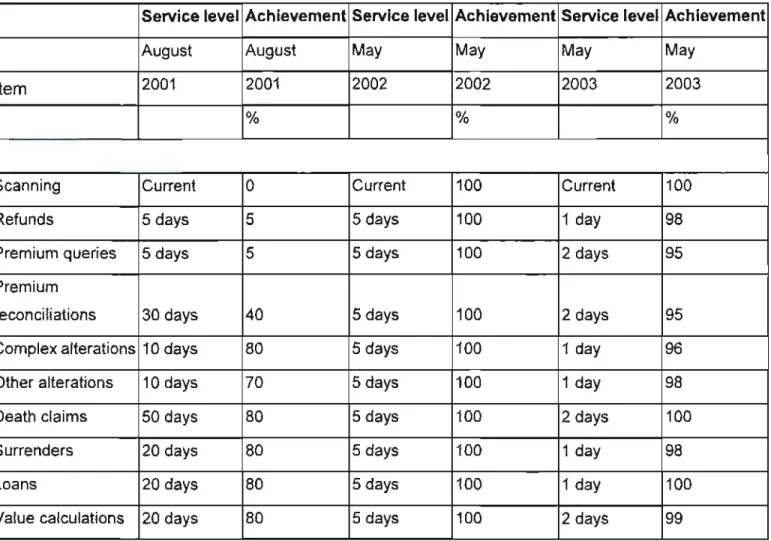
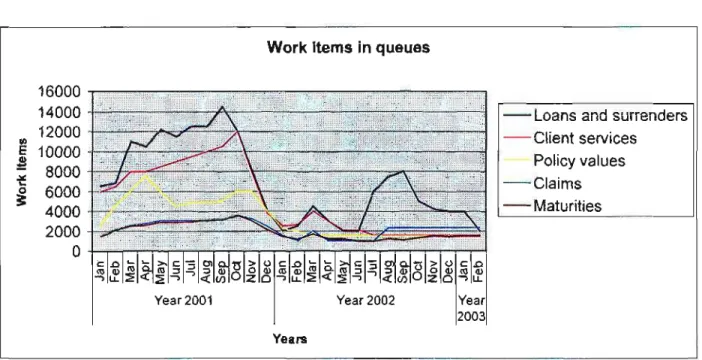
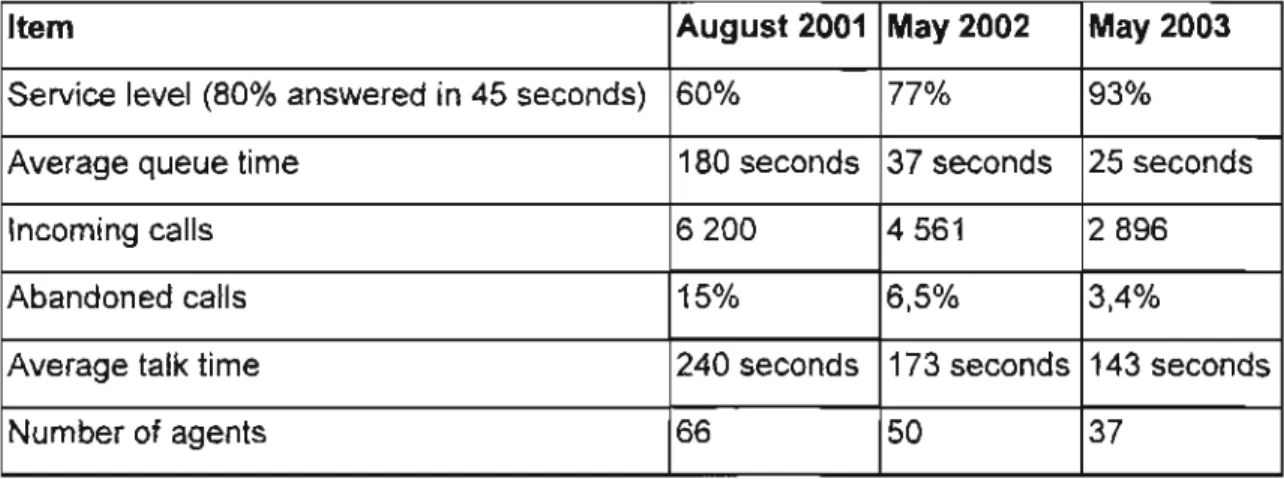
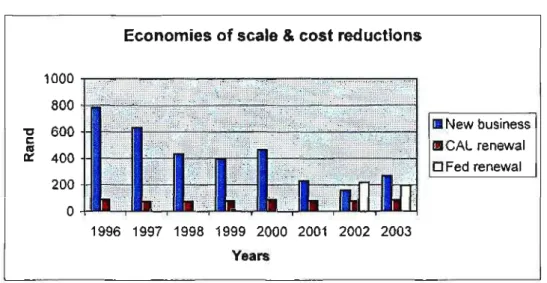
The completion of the above integration projects gave rise to significant cost savings, which in turn led to increased earnings for the year and increased the value of the business. The information for May 2003 is after the conversion of the Fedlife data to the Capital Alliance Life operating engine. As a consequence of the completion of the various integration projects, which reduced overall costs and increased the volume of managed policies, the Group managed further reductions in costs per policy for Fedlife.
The Group remains on track to achieve further cost savings in the 2004 financial year. The impact of merger announcements on share prices of acquired and acquiring companies.