Satellite Remote Sensing of Particulate Matter and Air Quality
Assessment in the Western Cape, South Africa
by
YERDASHIN RAJENDRAN PADAYACHI
Submitted in fulfilment of the academic requirements of Master of Science
in Environmental Science
School of Agriculture, Earth, and Environmental Sciences College of Agriculture, Engineering and Science
University of KwaZulu-Natal Westville Campus
South Africa
February 2016
i PREFACE
The research contained in this thesis was completed by the candidate while based in the Discipline of Environmental Sciences, School of Agricultural, Earth and Environmental Sciences of the College of Agriculture, Engineering and Science, University of KwaZulu- Natal, South Africa under the supervision of Dr Deshendran Moodley, Dr Tirusha Thambiran and Prof. Fethi Ahmed. The research was financially supported by the European Commission.
The contents of this work have not been submitted in any form to another university and, except where the work of others is acknowledged in the text, the results reported are due to investigations by the candidate.
Signed: Dr Deshendran Moodley
Date: 18 February 2016
ii
DECLARATION 1: PLAGIARISM
I, Yerdashin Rajendran Padayachi, declare that:
(i) the research reported in this dissertation, except where otherwise indicated or acknowledged, is my original work;
(ii) this dissertation has not been submitted in full or in part for any degree or examination to any other university;
(iii) this dissertation does not contain other persons’ data, pictures, graphs or other information, unless specifically acknowledged as being sourced from other persons;
(iv) this dissertation does not contain other persons’ writing, unless specifically acknowledged as being sourced from other researchers. Where other written sources have been quoted, then:
a) their words have been re-written but the general information attributed to them has been referenced;
b) where their exact words have been used, their writing has been placed inside quotation marks, and referenced;
(v) where I have used material for which publications followed, I have indicated in detail my role in the work;
(vi) this dissertation is primarily a collection of material, prepared by myself, published as journal articles or presented as a poster and oral presentations at conferences.
In some cases, additional material has been included;
(vii) this dissertation does not contain text, graphics or tables copied and pasted from the Internet, unless specifically acknowledged, and the source being detailed in the dissertation and in the References sections.
Signed: Yerdashin Rajendran Padayachi Date: 19 February 2016
iii ABSTRACT
Particulate Matter (PM) is a health risk, even at low ambient concentrations in the atmosphere. The analysis of ambient PM is important in air quality management in South Africa in order to suggest recommendations for pollution abatement. However the cost to monitor or to model surface concentrations are high. Satellite remote sensing retrievals of Aerosol Optical Depth (AOD) are cost effective and have been used in conjunction with surface measurements of PM concentrations for regional air quality studies. The aim of the study was to determine the extent to which AOD could be used as a proxy for air quality analysis of PM pollution in the Western Cape, South Africa. Surface concentrations of particles with diameter 10 μm or less (PM10) measured at Air Quality Monitoring (AQM) stations in George and Malmesbury in 2011 were evaluated using temporal air quality analysis. The AOD were retrieved from the Moderate Resolution Imaging Spectroradiometer (MODIS) sensor onboard the Terra and Aqua satellites. Temporal trends of the AOD over Malmesbury and George AQM stations were determined and the extent of the AOD-PM10 relationship quantified through statistical correlation.
Additionally meteorological parameters, including wind speed, temperature, rainfall and relative humidity measured at the AQM stations, were included in the study and their impact on AOD-PM10 trends was analysed. The annual AOD-PM10 correlations over Malmesbury in 2011 ranged between 0.24 and 0.36, while the correlations over George ranged between 0.24 and 0.34. A temporal mismatch was observed between seasonal PM10
concentrations and AOD at both sites. The AOD-PM10 relationship over Malmesbury and George were weak, suggesting that the AOD cannot easily be used as a proxy within the air quality analysis of PM10 concentrations measured at Malmesbury and George AQM stations. Specific meteorological conditions were found to be important confounding factors when observing AOD and PM10 trends. In spite of a few weaknesses in current satellite data products identified in this analysis, this study showed that improvements can be made to the use of satellite aerosol remote sensing as a proxy for ground level PM10
mass concentration by addressing the meteorological confounders of the AOD-PM10
relationship.
iv
ACKNOWLEDGMENTS
It is with great appreciation that I would like to acknowledge the following people and organisations who have provided me with advice, assistance and support throughout the duration of this study.
I would like to thank my supervisor Dr. D. Moodley and co-supervisors Dr T. Thambiran and Prof F. Ahmed for their guidance over the duration of this study. Without your assistance this study would not have been completed successfully.
With gratitude I acknowledge my family. Thank you for your patience, motivation and support throughout this study. This study would not have been completed without you.
I would like to thank the European Commission who granted me a scholarship to undertake this study and to contribute to the Framework Seven Programme, the Earth Observation and Environmental Modelling for the Mitigation of Health Risks (EO2HEAVEN) research project
Finally I would like to thank the data providers who provided the air quality, meteorological and satellite remote sensing data.
The air quality data and the meteorological data used in this study was provided by the Western Cape Department of Environmental Affairs and Development Planning for the town of Malmesbury and the local municipality of George.
The TERRA and AQUA /MODIS 5 min level 2 swath data was acquired from the Level-1
& Atmosphere Archive and Distribution System (LAADS) Distributed Active Archive Center (DAAC), located in the Goddard Space Flight Center in Greenbelt, Maryland (https://ladsweb.nascom.nasa.gov/).
v
TABLE OF CONTENTS
PREFACE ... i
DECLARATION 1: PLAGIARISM ... ii
ABSTRACT ... iii
ACKNOWLEDGMENTS ... iv
LIST OF FIGURES ... viii
LIST OF TABLES ... x
LIST OF ABBREVIATIONS ... xi
CHAPTER 1: INTRODUCTION ... 1
1.1. Background ... 1
1.2. PM Related Air Quality Studies in South Africa ... 4
1.3. Aim and Objectives ... 6
1.4. Chapters Outline ... 7
CHAPTER 2: LITERATURE REVIEW ... 8
2.1 Aerosol Sources, Radiative Effects and Characteristics ... 8
2.1.1. Introduction ... 8
2.1.2. Particulate Matter ... 8
2.1.3. Radiative Forcing of Particulate Matter ... 10
2.1.4. Radiative Impacts of PM particles ... 11
2.2. Meteorological Effects on PM Transport and Distribution ... 13
2.2.1. Meteorological Parameters ... 13
2.3. PM and AOD Relationship ... 18
2.3.1. Introduction ... 18
2.3.2. Empirical Relationship between PM and AOD ... 18
2.3.3. AOD and PM10 Correlations ... 20
2.3.3.1. Case Studies in Asia... 21
2.3.3.2. Case Studies in Europe ... 22
2.3.4. Effects of Weather on the AOD-PM10 Relationship ... 23
2.3.4.1. Mixing Layer Height... 24
2.3.4.2. Relative Humidity ... 25
2.4. Measurement of Aerosols for Air Quality and Aerosol Studies ... 27
2.4.1. Ground Level Measurements of PM ... 27
2.4.2. Satellite Measurements of PM ... 31
vi
2.5. Aerosol Sources and Radiative Effects in South Africa ... 37
2.6. Synoptic Weather Systems in South Africa ... 39
2.7. Measurement of Aerosols for South African Air Quality and Aerosol Studies .... 43
2.8. Summary ... 48
CHAPTER 3: RESEARCH METHODOLOGIES ... 51
3.1. Introduction ... 51
3.2. MODIS Retrievals of Aerosol Loading from Space ... 51
3.2.1. Overall Strategy of TOA Retrieval ... 51
3.2.2. Validation of AOD Retrievals from Space ... 53
3.3. Monitoring of PM10 ... 55
3.4. Case Study Area ... 56
3.4.1. Monitoring of AOD over the Western Cape ... 58
3.4.2. Monitoring of Ambient Particulate Matter and Meteorology ... 58
3.5. Tools and procedures ... 59
3.5.1. Satellite Data ... 59
3.5.2. Ambient PM10 and Meteorological Data ... 60
3.5.3. Statistical Procedures ... 61
3.6. Summary ... 63
CHAPTER 4: RESULTS AND DISCUSSION ... 65
4.1. Introduction ... 65
4.2. High PM10 Concentrations ... 65
4.3. Characteristics of Diurnal Mean PM10 and Meteorology ... 69
4.3.1. Seasonal Characteristics ... 69
4.3.2. Weekdays and Weekends ... 74
4.4. Monthly and Seasonal PM10 Concentrations and Meteorology ... 75
4.5. AOD characteristics ... 85
4.6. Correlations between AOD and PM10 Concentrations... 87
4.6.1. Correlations between AOD and Hourly Averaged PM10 Concentrations ... 87
4.6.2. Correlations between AOD and Daily Averaged PM10 Concentrations ... 92
4.6.3. Correlations between Weekly Averaged AOD and PM10 Concentrations ... 95
4.6.4. Correlations between Monthly Averaged AOD and PM10 Concentrations ... 96
4.6.5. Correlations of Seasonal AOD and PM10 Concentrations ... 97
4.7. Meteorological Effects on the AOD-PM10 Relationship ... 100
4.8. Summary ... 104
CHAPTER 5: CONCLUSION... 105
vii
5.1. Introduction ... 105
5.2. Summary of key findings... 106
5.3. Limitations ... 110
5.4. Future Research ... 111
5.5. Concluding remarks ... 113
REFERENCES ... 116
APPENDICES ... 152
viii
LIST OF FIGURES
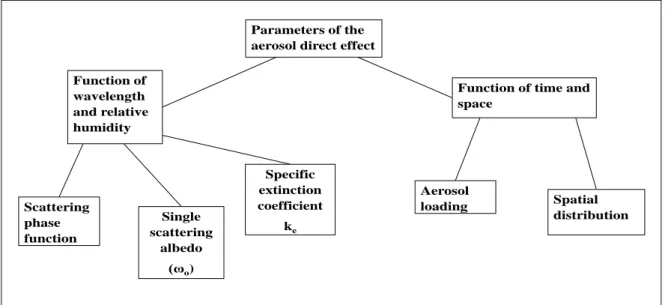
Figure 1: Factors which affect the aerosol direct effect. ... 30
Figure 2: Schematic diagram of main TEOM sampling components... 56
Figure 3: The locations of AQM stations in the Western Cape Province used in this study. .. 57
Figure 4: Ambient air quality monitoring stations in a) Malmesbury (DEAD, 2012a) and b) George Local Municipality. ... 59
Figure 5: 24 hourly averaged hourly PM10 concentrations at the Malmesbury AQM station in 2011, compared to the annual daily mean PM10 concentration and the WHO air quality guideline for daily mean PM10 concentrations. ... 68
Figure 6: 24 hourly averaged hourly PM10 concentrations at the George AQM station in 2011, compared to the annual daily mean PM10 concentration and the WHO air quality guideline for daily mean PM10 concentrations. ... 68
Figure 7: Mean diurnal PM10 mass concentrations (µg/m3) at the Malmesbury AQM station in 2011 with annual and seasonal mean concentrations. ... 71
Figure 8: Mean diurnal PM10 mass concentrations (µg/m3) at the George AQM station in 2011 with annual and seasonal mean concentrations. ... 72
Figure 9: Diurnal averaged wind speed conditions at the Malmesbury AQM station in 2011. ... 72
Figure 10: Diurnal averaged wind speed conditions at the George AQM station in 2011. ... 72
Figure 11: Diurnal mean temperatures at the Malmesbury AQM station in 2011. ... 72
Figure 12: Diurnal mean temperatures at the George AQM station in 2011. ... 73
Figure 13: Diurnal RH conditions at the Malmesbury AQM station in 2011. ... 73
Figure 14: Diurnal RH conditions at the George AQM station in 2011. ... 73
Figure 15: Diurnal seasonal solar radiation trends at the Malmesbury AQM station in 2011. ... 73
Figure 16: Diurnal seasonal solar radiation trends at the George AQM station in 2011. ... 74
Figure 17: Weekend and weekday diurnal mean PM10 concentrations at the Malmesbury AQM station in 2011... 74
Figure 18: Weekend and weekday diurnal mean PM10 concentrations at the George AQM station in 2011. ... 75
Figure 19: Monthly hourly averaged PM10 concentrations at the Malmesbury AQM station in 2011. ... 77
Figure 20: Monthly hourly averaged PM10 concentrations at the George AQM station in 2011. ... 78
Figure 21: Wind rose plots for winds at Malmesbury AQM station in 2011 for a) the whole year b) summer c) autumn d) winter and e) spring. ... 83
Figure 22: Wind rose plots for winds at George AQM station in 2011 for a) the whole year b) summer c) autumn d) winter and e) spring. ... 84
Figure 23: Monthly mean AOD over the Malmesbury AQM station for 2011. ... 86
Figure 24: Monthly mean AOD over the George AQM station for 2011. ... 87
Figure 25: Linear correlation between one hourly PM10 and AODaqua.dt for the Malmesbury AQM station. ... 89
Figure 26: Linear correlation between one hourly log10 transformed PM10 and log10 transformed AODaqua.db for the Malmesbury AQM station. ... 89
ix
Figure 27: Linear correlation between one hourly log10 transformed PM10 and AODterra.dt
for the Malmesbury AQM station. ... 89 Figure 28: Linear correlation between one hourly PM10 and AODaqua.dt for
George AQM station. ... 90 Figure 29: Linear correlation between one hourly log transformed PM10 and AODterra.dt
for George AQM station. ... 90 Figure 30: Linear correlation for 24 hour averaged PM10 and AODaqua.dt for
the Malmesbury AQM station... 93 Figure 31: Linear correlation for 24 hour averaged PM10 and AODaqua.db for
the Malmesbury AQM station... 93 Figure 32: Linear correlation for 24 hour averaged PM10 and AODterra.dt for
the Malmesbury AQM station... 93 Figure 33: Linear model between AODaqua.dt and 24 hourly averaged PM10 for
the George AQM station. ... 94 Figure 34: Linear model between AODterra.dt and 24 hourly averaged PM10 for
the George AQM station. ... 94
x
LIST OF TABLES
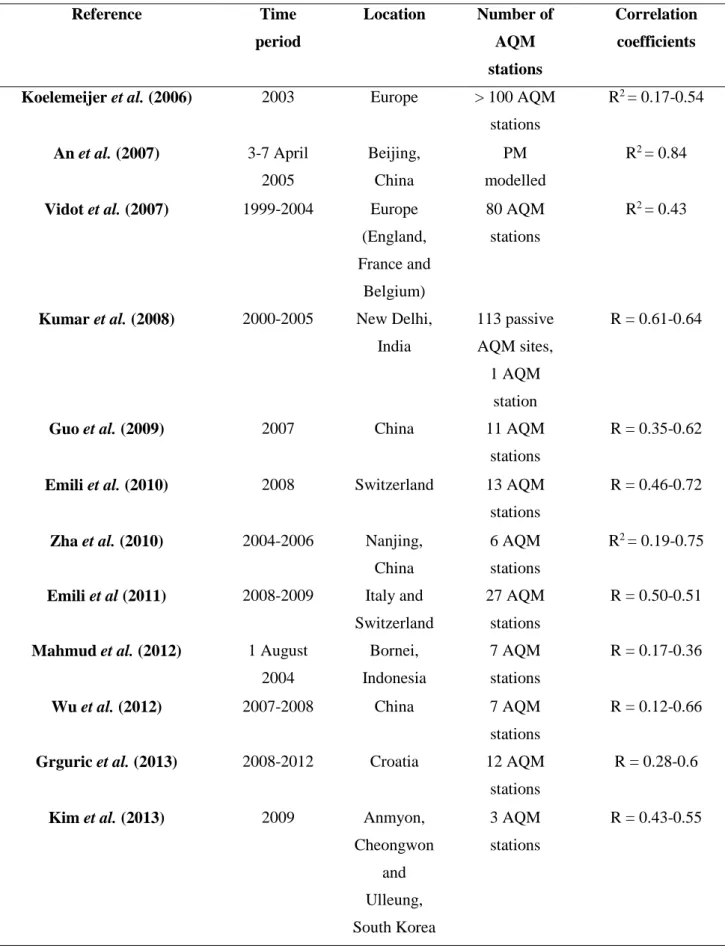
Table 1: Studies which have investigated the AOD-PM10 relationship. ... 26 Table 2: Intra-annual seasonal comparisons of diurnal PM10 concentrations
at Malmesbury and George AQM stations and comparison to the annual diurnal signature in 2011. ... 71
Table 3: Intra-annual seasonal comparisons of daily PM10 concentrations at the
Malmesbury AQM station and the George AQM station in 2011... 76 Table 4: Significance of the intra-monthly multiple comparisons of daily averaged PM10
concentrations at Malmesbury AQM station in 2011*. ... 77 Table 5: Correlations of daily mean PM10 concentration with daily means of
meteorological parameters measured at Malmesbury AQM station in 2011. ... 81 Table 6: Correlations of daily mean PM10 concentration with daily means of
meteorological parameters measured at George AQM station in 2011. ... 82 Table 7: Intra-annual comparison of AOD over Malmesbury AQM station between
seasons in 2011 using the Tukey’s HSD post hoc test. ... 87 Table 8: Intra-annual comparison of AOD over George between seasons in 2011 using
the Tukey’s HSD post hoc test. ... 87 Table 9: Correlation between AOD and I hourly PM10 over Malmesbury and George
before cloud screening. ... 91 Table 10: Correlation between AOD and 24 hourly PM10 over Malmesbury and George
before cloud screening... 95 Table 11: Correlations between weekly averaged AOD and PM10 over the Malmesbury
and George AQM stations. ... 96 Table 12: Correlations between monthly averaged AOD and PM10 over the
Malmesbury AQM station. ... 97 Table 13: Correlations between seasonal AOD and 1 hour PM10 over the Malmesbury
AQM station. ... 99 Table 14: Correlations between seasonal AOD and daily PM10 over the Malmesbury
AQM station. ... 99 Table 15: Correlations between seasonal AOD and 1 hour PM10 over the George AQM
station. ... 100 Table 16: Correlations between seasonal AOD and daily PM10 over the George AQM
station. ... 100 Table 17: Correlation analysis between annual daily averaged PM10 concentrations,
the AOD and meteorological parameters over the Malmesbury AQM station. .... 103 Table 18: Linear correlation coefficient, slope, and intercept for multivariate models to
estimate daily averaged PM10 mass concentration using temperature and AOD over Malmesbury AQM station. ... 103 Table 19: Linear correlation coefficient, slope, and intercept for multivariate models to
estimate daily averaged PM10 mass concentration using temperature and
AOD/RH over Malmesbury AQM station. ... 104 Table 20: Linear correlation coefficient, slope, and intercept for multivariate models to
estimate daily averaged PM10 mass concentration using log10 wind speed and AOD/RH over George AQM station. ... 104
xi
LIST OF ABBREVIATIONS
AATSR Advanced Along-Track Scanning Radiometer ACE1 Aerosol Characterization Experiment 1
AEROINDOEX AEROSOLS99 and INDian Ocean EXperiment
AERONET Aerosol Robotic Network
AH Absolute Humidity
AOD Aerosol Optical Depth
AODaqua.db AOD from the AQUA satellite retrieved using the deep blue algorithm
AODaqua.dt AOD from the AQUA satellite retrieved using the dark target algorithm
AODMODIS AOD retrieved using the MODIS sensor
AODSEVIRI AOD retrieved using the SEVIRI sensor
AODterra.dt AOD from the TERRA satellite retrieved using the dark target algorithm
AQM Air Quality Monitoring
BLH Boundary Layer Height
CALIOP Cloud-Aerosol Lidar with Orthogonal Polarization
CALIPSO CALIPSO
CCNC Cloud Condensation Nuclei Particle Counter
CTM Chemical Transport Modelling
DEA Department of Environmental Affairs
DEADP Department of Environmental Affairs and Development Planning ERBS Earth Radiation Budget Satellite
ESA European Space Agency
EUMETSAT European Organisation for the Exploitation of Meteorological Satellites
FLEXPART FLEXible PARTicle
FMI Finnish Meteorological Institute
GAWPFR Global Atmosphere Watch Precision Filter Radiometer
HDF Hierarchical Data Format
HERA Hybrid Extinction Retrieval Algorithm
HYSPLIT HYbrid Single-Particle Lagrangian Integrated Trajectory LAADS Level 1 and Atmospheric Archive and Distribution System
LPG Liquid Petroleum Gas
LUT Look Up Table
MERIS MEdium Resolution Imaging Spectrometer MFRSR Multi-filter rotating shadowband radiometer
MLH Mixing Layer Height
MISR Multiangle Imaging Spectroradiometer
MODIS Moderate Resolution Imaging Spectroradiometer
MPLNET Micro Pulse Lidar Network
MSG Meteosat Second Generation
NAAQS National Ambient Air Quality Standard
NASA National Aeronautics and Space Administration NICAM Nonhydrostatic ICosahedral Atmospheric Model
NMMB/BSC Nonhydrostatic Multiscale Meteorological Model on the B grid / Barcelona Supercomputing Center
OMI Ozone Monitoring Instrument
SAFARI Southern African Fire-Atmosphere Research Initiative
PM Particulate Matter
xii
PM2.5 Particles with diameters of 2,5 μm or less
PM10 Respirable particles with diameters between 2.5 and 10 μm POLDER POLarization and Directionality of the Earth's Reflectances
RH Relative Humidity
SAGE Stratosphere Aerosol Gas Experiment SeaWifs Sea-Viewing Wide Field-of-View Sensor SEVIRI Spinning Enhanced Visible and Infrared Imager SIBYL The Selective Iterated BoundarY Locator SPOT Systeme Pour l’observation de la Terre TEOM Tapered Element Oscillating Microbalance
TSP Total Suspended Particulates
TRACE A Transport and Atmospheric Chemistry near the Equator-Atlantic
UTM Universal Transverse Mercator
WHO World Health Organisation
WMO World Meteorological Organisation
1
CHAPTER 1: INTRODUCTION
1.1. Background
The majority of the global human population live within areas affected by poor air quality (Watson, 2014; Akimoto, 2003). One of the most widespread air quality pollutants is particulate matter (PM). PM are aerosols that adversely affect human health by exacerbating respiratory illness and contributing to lower lung function, increased morbidity related to respiratory and cardiovascular disease and greater mortality from cardiopulmonary diseases (Pope III et al. 1995).
PM is composed of sulphate, organic carbon, black carbon, mineral dust, nitrate and biomass burning particles. Biomass burning particles are a combination of inorganic particles (for example sulphate and nitrate), organic carbon and black carbon. PM concentrations are measured for two classes of respirable particles with diameters between 2.5 and 10 micrometres (μm) - PM10 - as well as fine PM which includes particles with diameters of 2,5 μm or less - PM2.5 - [World Health Organization (WHO), 2006]. PM is emitted from both natural sources (examples soils and marine PM) and anthropogenic sources. PM sources includes fossil fuel, biofuel and biomass burning, biogenic emissions, agriculture practices (overgrazing, harvesting and ploughing) and industrial practices (cement production and transport). Secondary atmospheric processes in the atmosphere also form PM due to aqueous and gaseous phase chemical reactions and through vapour condensation (Forster et al. 2007). However, it is PM from anthropogenic sources mainly due to fossil fuel burning activities within industrial, residential, agricultural, transportation and business sectors which have resulted in deteriorated levels of air quality.
The disease burden associated with the inhalation of PM, from exposure to environmental sources and household sources has been shown to be substantial in the developing world (Cohen et al. 2005; Lim et al. 2012). Similar to other developing global regions in South America and Asia (Cohen, 2006; Schwela, 2012), motorised transportation and industrialization are driving greater contributions of pollutant sources to higher PM concentrations in Africa. Africa with its largely rural population (Jayne et al. 2012), consumption of mostly biomass fuels for domestic use (Lammel et al. 2013; Tanimowo, 2000) are particularly vulnerable due to the high PM concentrations emitted from domestic sources (Lim et al. 2012). Other biomass sources of PM include the seasonally natural or
2
purposeful burning of veld areas, for which Africa contributes substantially to regional and global air quality (Roberts et al. 2009; Lammel et al. 2013). African PM is sourced from a range of pollutant sources with implications for air quality at local, regional and at global scales.
In Africa, urbanisation is occurring at relatively faster pace when compared to other regions in the world with exception of Asia (United Nations, Department of Economic and Social Affairs, Population Division, 2014) and is affected by changes in population, transport, economic activity, settlement, movement of people and agriculture (Potts, 2012).
These essential facets of development in turn are driving increases in PM concentrations (Schwela, 2012). There is a need to manage PM related air quality in Africa by determining the state of air quality, exposure to air quality risk in African regions and then formulating strategies to reduce adverse health impacts. The biggest challenge for understanding health impacts from PM10 exposure is that even the lowest PM10
concentration has a health impact (Cohen et al. 2004).
Information about temperature, wind direction and relative humidity (RH), population density, topography such as elevation and slope and land uses such as transport, settlement, industry and commercial are needed to better explain PM concentrations so as to inform the state of air quality (Jerret et al. 2005). All of these factors including PM concentrations exhibit spatio-temporal characteristics that are relevant to analysing exposure of populations and individuals to air quality risk. These factors can be spatially integrated to predict PM concentrations which can be achieved using geographical information systems. Such an approach is used in the development of early warnings systems which may be used to provide warnings to the public of future episodes of elevated PM concentrations in order to reduce adverse health effects (Grivas and Chaloulakou, 2005; Jerret et al. 2005).
The use of monitored PMdata supplemented by meteorological data input into models to predict PMconcentrations can be used to estimate the changes of PM concentrations over time and to analyse the effects of meteorological effects including temperature, RH, solar radiation, barometric pressure, rainfall, wind direction and wind speed on these changes.
The satellite remotely sensed Aerosol Optical Depth (AOD) measure of PM in the atmosphere has been an input to these predictive models. The AOD is a measure of PM
3
concentration due to the prevention of light transmission due to PM radiative scattering and absorption effects (Kaufman et al. 2002).
The radiative and scattering effects of PM on the climate system increases the relevance of studying PM not just for human health but climate change. Understanding the role of PM in the climate system can benefit from satellite remote sensing which is able to retrieve aerosol optical and cloud properties over most of the earth’s surface. In turn understanding the climate system interactions with PM for air quality studies can help in the development of models to predict PM concentrations.
The prediction of PM concentrations using a spatial prediction model requires that PM concentrations are represented spatially. There are a few approaches which have been used to achieve this including the interpolation of PM concentrations measured at different point locations (Pope and Wu, 2014) as well as chemical transport modelling (CTM) or dispersion modelling (Holmes and Morawska, 2006). Interpolation of PM data to map PM distributions depends upon a number of well distributed stations (for example Emili et al.
2010). The use of satellite remotely sensed AOD is the third approach which is advantageous as a spatial measure of PM concentration. The AOD data retrieved from the Moderate Resolution Imaging Spectroradiometer (MODIS) sensor (for example Wu et al.
2012), is used the most frequently in aerosol studies and are borne on two satellites, namely the AQUA and TERRA satellites (Gupta and Christopher, 2009). The AQUA and TERRA satellites are sunsynchronous polar orbiting satellites, with TERRA being launched in 1999 and AQUA being launched in 2002 (Tang et al. 2005). The MODIS sensor covers 36 spectral wavelengths from 400 nm to 1400 nm and has a swath of 2330 km. Both satellites were launched to monitor the environment with the TERRA satellite primarily monitoring the terrestrial environment and the AQUA satellite primarily monitoring the aquatic environment although both satellites actually measure many environmental variables on land, in the atmosphere and over freshwater and ocean environments (Parkinson, 2003). Studies initially used the satellite retrieved AOD to model PM2.5 concentrations. One of the first studies was Wang and Christopher (2003) which estimated PM2.5 from satellite retrieved MODIS AOD over Alabama, United States of America (USA) in 2002. Engel-Cox et al. (2004) correlated PM10 and PM2.5
measurements measured in the eastern and mid-western regions of the United States in 2002 with MODIS AOD measurements over the region. Subsequently other studies have
4
estimated PM10 from AOD over Europe (for example Koelemeijer et al. 2006) and over Asia (for example Ku and Park, 2013).
1.2. PM Related Air Quality Studies in South Africa
South Africa is one of the few countries in Africa to combat the adverse health impacts of PM related air quality along with Zambia, Egypt, Ethiopia, Cameroon, Ghana and Senegal (Vahlsing and Smith, 2012). In South Africa, PM is regulated by National Ambient Air Quality Standards (NAAQS) within the National Environmental Management Act: Air Quality Act, 2004 (Act no 39 of 2004) by the South African Department of Environmental Affairs (SA DEA, 2009). Regulations include limits to ambient PM concentrations (DEA, 2009; DEA, 2012) and dust fall (DEA, 2013).
The concentrations of PM10 and PM2.5 in ambient air are regulated in order to aim for better air quality to improve the health of the population. In South Africa, PM10 is the most frequently monitored PM type (DEA, 2015). The study of PM10 in South Africa has largely taken place in regions where the drivers of PM10 related air quality are in close proximity to vulnerable human populations. Studies have indicated negative PM10 related air quality impacts on health in many cities in South Africa (for example Naidoo et al.
2013; Wichmann and Kuku, 2012; Wichmann et al. 2009). At the regional level, within South Africa, a number of studies have characterised PM10 mostly over the north-eastern region (for example Laakso et al. 2012; Hirsikko et al. 2012; Vakkari et al. 2013).
PM10 air quality studies in South Africa have also included the AOD which can provide PM10 data over a larger spatial area than AQM stations (Sorek-Hamer et al. 2013).
Studies which have analysed the use of AOD as a proxy for PM10 in South Africa and focussed upon PM in South African cities include Garland and Sivakumar, 2012 and Hersey et al. 2015). There is a scarcity of studies which explore the linkages between AOD and PM10 in South Africa and a scarcity of case studies which use MODIS AOD to do so.
Such case studies need to consider a complex array of air quality, meteorological and instrumentation information that include:
The coefficients of PM10 concentration including the AOD and meteorology.
5
The spatial resolution and coverage of the measurements.
The temporal resolution and coverage of the measurements.
The instruments and sensors used for measuring PM10 concentrations and the AOD.
The different satellite platforms from which the satellite imagery were captured from.
The algorithms that were used to retrieve the AOD from satellite imagery.
The assessment of ambient air quality monitored PM10 should further consider the severity of PM10 related air quality, the contributions of possible pollutant sources, the contributions of meteorological effects to the temporal trends of PM10 concentrations and the seasonal differences in PM10 concentrations and meteorology.
Air quality studies of PM10 are typically highly localised studies. PM10 data from continuous air quality monitoring (AQM) stations are operated by local and provincial South African government to monitor compliance to air quality legislation. The data from these AQM stations provide a longer record of PM10 data which is needed to track changes in PM10 concentrations over time. PM10 data are valuable to estimating health impacts and to quantify the change in health risk to the local population over time.
There is a need to study PM10 related air quality in all communities. However AQM stations cannot be set up in all communities as it is costly to establish and to maintain AQM stations (Mendez et al. 2011). The alternative is to use the AOD which is advantageous as a less costly spatial measure of PM10 which can provide PM10 data over a larger spatial area than AQM stations (Sorek-Hamer et al. 2013; Toth et al. 2014).
This study will contribute to the gaps in existing knowledge on the linkages between MODIS AOD and PM10 related air quality research in smaller towns of South Africa. As such, in this study, selected case studies from the Western Cape Province were included, in particular Malmesbury, a predominately agriculturally active town and George, a more urbanised town. Malmesbury is a periphery town with a Mediterranean climate located outside of the capital city of Cape Town. George is a major town with an oceanic climate distant from major cities, industrial centres and sprawling townships. As such the locations are unique and interesting case studies to study ambient air quality monitored - PM and
6
satellite retrieved AOD. To achieve this, PM10 concentrations and meteorology were characterised in George and Malmesbury. An assessment was undertaken to determine the extent of the correlation between satellite retrieved AOD and PM10 and the extent the AOD can be used in the analysis of PM10 concentrations in George and Malmesbury.
PM10 concentration air quality data and meteorological data were collected from the monthly AQM reports for the George and Malmesbury AQM stations. MODIS AOD data were collected from remotely sensed satellite data. GIS software was used as a tool to extract the satellite data for the points of interest, the AQM stations in George and Malmesbury. Databases with the air quality, meteorological and satellite data were compiled within spreadsheet software. The main analysis involved compiling collocated PM10 concentration, meteorological and AOD data and running correlation and regression statistical analysis using statistical software.
1.3. Aim and Objectives
The aim of the study was to determine the extent to which AOD could be used as a proxy for air quality analysis of PM10 pollution in the Western Cape, South Africa.
The objectives include:
1. To assess the acceptability of PM10 concentrations monitored in Malmesbury and George according to the WHO guidelines for PM10 in 2011.
2. To characterise the diurnal trends of PM10 associated ambient air quality and meteorology monitored in George and Malmesbury in 2011.
3. To characterise the monthly and seasonal trends of PM10 associated ambient air quality and meteorology monitored in George and Malmesbury in 2011 and to assess the correlations between the PM10 concentrations and the meteorology monitored in the two towns.
4. To characterise the satellite AOD over Malmesbury and George.
5. To assess the correlations between ambient air quality monitored PM10 and satellite AOD over Malmesbury and George.
6. To determine the effects of meteorology monitored in George and Malmesbury on the relationship between ambient air quality monitored PM10 and satellite AOD over Malmesbury and George.
7 1.4. Chapters Outline
The subsequent literature review chapter discusses the conceptual AOD-PM10 relationship, with the objective of the chapter to detail the multiple effects upon the assumptions and parameters of the relationship. Chapter 3 describes the case study area, the methodologies and methods used in the study. Chapter 4 presents the results of the statistical analysis of AOD, PM10 and meteorological data. The final chapter covers the discussion and conclusion of the research findings of the study.
8
CHAPTER 2: LITERATURE REVIEW
2.1 Aerosol Sources, Radiative Effects and Characteristics 2.1.1. Introduction
The roles of PM in the earth’s climate system includes the radiative effects of PM within the atmosphere and the atmospheric component of the water cycle. The complexity of PM interactions with the earth’s atmospheric and radiation system is due to the dynamic composition and concentration of PM at varying particle sizes within the atmosphere (Stevens, 2013).
This chapter discusses the types of PM and emission sources which are important to understanding the characteristics of PM air quality found in urban environments. Secondly the radiative forcing and radiative impacts of the different PM types is discussed in order to explain the importance of PM optical properties and the role of aerosols to the global climate system. Thirdly the effects of meteorology on aerosol transport and distribution is discussed as this is an important driver of PM ambient air quality in urban environments.
An explanation is provided about how two important measures of PM in the atmosphere are related namely the AOD and the PM10 concentration. These measures have commonly been used within air quality studies of PM. This is then followed by a description about how the two important measures of PM are measured for air quality and PM studies. This chapter then goes on to explain the PM sources and radiative effects in South Africa in order to discuss the most common types of PM found in South Africa and the role PM has for South Africa’s climate system. The role of synoptic weather systems in South Africa are highlighted as these systems are important for the large scale distribution of PM across the country. An explanation is then provided about how AOD and PM10 concentration have been measured in South Africa. Finally a summary is included to highlight the most important findings in the literature review.
2.1.2. Particulate Matter
PM sources that contribute to the radiative forcing effects include those from fuel combustion activities and anthropogenic land uses. The PM species directly emitted to the atmosphere include those containing biomass burning particulates, black carbon and mineral dust. Secondary atmospheric process including chemical reactions and vapour
9
condensation result in the formation of sulphate, nitrate and organic PM. (Haywood and Boucher, 2001; Forster et al. 2007).
In this section the following types of PM will be presented namely black carbon, mineral dust, sulphate, nitrate, organic and biogenic PM.
Black carbon PM is produced as a result of burning. Sources of black carbon include the burning of vegetative biomass, biofuels and carbon based fuel combustion due to partial combustion. Examples of these emission sources include coke production, petrochemical flaring, brick kilns, domestic biomass burning, agricultural, savannah and forest burning and off-road and road transport (Bond et al. 2013). Black carbon PM has a short atmospheric residence time for a limited number of days (Booth and Bellouin, 2015).
Anthropogenic mineral dust emissions are a result of land use practices and industrial practices. Mineral dust PM sources from human activities, includes those from farming activities such as the devegetation of land through the harvesting of crops and the overgrazing of cattle as well as the turning of fields for the planting of new crops and industrial emissions such as cement processing and production (Forster et al. 2007). The desertification impacts of climate change on vegetated land cover regions in water scarce regions around the globe, also increases the amount of dust PM to the atmosphere (Moulin and Chiapello, 2004). However desertification as a driver of dust sources may not be as dominant as meteorological and climate drivers, for example as in the case of dust storms affecting Asia (Zhang et al. 2003). Different particle sizes of dust PM can stay aloft in the atmosphere for a brief period of time (hours) or for longer (for years) (Huang et al. 2015).
Mostly smaller particles can stay in the atmosphere for longer periods of time and be deposited further away from emission sources (Han and Zender, 2010).
Sulphate PM particles mainly are composed of particulates of sulphuric acid which acquire a pH of 0 when contacted with ammonia in its aqueous phase or in its partially solid phase.
Reactions that result in the formation of sulphate occurs within liquid particles of cloud, due to sulphur dioxide and hydroxide reactions in their gaseous forms or via the condensation of sulphates upon already present sulphate particles (Penner et al. 2001). The sources of sulphates are largely from fuel combustion (about 72%), vegetation burning (about 2%), and emissions from phytoplankton (about 19%) and about 7% from volcanic eruptions (Forster et al. 2007). Sulphate PM particles have a relatively short residence time in the atmosphere spanning from a few days to a few weeks (Smith et al. 2010).
10
Linked to sulphate PM particles are nitrate PM particles. Nitrate PM particles are formed through secondary processes in the atmosphere when the pH of sulphate PM particles changes to neutral and also with the interaction of extra ammonia (Forster et al. 2007).
Additionally nitrate PM particles are formed through a range of varied chemical reactions involving nitrogenous compounds including dinitrogen pentoxide, nitrate and nitric acid (Jacob, 2000). The PM particles have a short residence time of only a few days in the atmosphere (Bellouin et al. 2011).
Unlike nitrate PM particles which form through secondary atmospheric processes, organic PM particles form through primary and secondary processes. For example, secondary processes include the condensation of fossil fuel based gases such as natural gas and Liquid Petroleum Gas (LPG) with semi-low volatility from gas – particle phases changes (Hamilton et al. 2004). Primary emission sources of organic PM particles are those from conventional fuel burning such as fossil fuels and biomass fuel burning. The PM particles have a residence time in the troposphere which is a few days more than nitrate PM particles, however the PM particles are still short lived (Ellison et al. 1999).
Primary biogenic PM sources include direct emissions from vegetation, animals, bacteria, fungi and viruses. Biogenic PM particles are also formed from chemical reactions in the atmosphere with dimethyl sulphide from phytoplankton and volatile organic compounds emitted from vegetation, algae and fungi (Boucher, 2015). The PM particles become attached to substrates such as plant debris, cells and dust particles (Löndahl, 2014). The smaller biogenic PM particles are able to spend a longer time in the atmosphere particularly further up in the stratosphere (Löndahl, 2014). For example microbes can spend a few days or months in the atmosphere (Burrows et al. 2009).
2.1.3. Radiative Forcing of Particulate Matter
Primary and secondary emissions of PM, contribute to the direct and indirect radiative forcings on climate which constitute the two main groupings of the PM effects on the climate system. The effects of direct forcing account for impacts on the scattering and absorption of radiant energy affecting both long and short wavelengths. The PM indirect effect refers to the modifications to cloud nuclei by PM particles and the resultant change in the optical characteristics of clouds (Mahowald, 2011). The semi-direct effect refers to the modification of the earth energy budget by solar radiation absorbing PM particles and the modification to the static atmospheric stability of the atmosphere (Denman et al.
11
2007). The glaciation effect refers to the greater production of ice nuclei by PM particles with the resultant increased precipitation of ice (Lohman et al. 2007). The thermodynamic effect refers to the delay in the freezing of clouds due to the decrease in size of cloud droplets (Storelvmo et al. 2008).
These radiative effects of PM particles are determined from short term research campaigns, long term monitoring as well as modelling of the climate system. The use of long term monitoring data has provided a means to determine long term radiative effects at both the global and regional spatial levels. For long wave radiation to be impacted from direct radiative forcing, PM particle sizes must be large enough and numerous enough at higher atmospheric heights to sustain an effect (Forster et al. 2007).
The effects of PM particles on clouds and radiation are dependent upon the radiative properties of PM particles which are in turn affected by whether the PM particles are hydrophilic or hydrophobic, the age of the particle material, wet deposition and meteorological factors (Forster et al. 2007). Land cover contributes additionally to the net effect of PM radiative forcing as a PM source. Some PM types will not vary in the scattering effect on radiative forcing between different land cover types while other PM types will vary in their net effect on radiative forcing. For example PM particles composed of both scattering and absorption properties will have a scattering effect on radiative forcing over dark targets such as water bodies and dense vegetation and a absorption affect over bright surfaces such as polar areas and deserts (Haywood and Shine, 1995; Forster et al. 2007).
2.1.4. Radiative Impacts of PM particles
Black carbon plays a role in the warming of the troposphere and the upper cryosphere caused by the direct radiative forcing of the aerosol and role in snow melt (Bond et al.
2013). This in turn drives changes in precipitation, temperature and cloud systems. The largest concentrations of black carbon are found in Asia which affect the monsoon systems over the continent and can cause shifts in the Inter-Tropical Convergence Zone (Bond et al. 2013). Black carbon also has negative impacts for human health.
Dust PM particles have impacts on the climate system. For example, the radiative forcing from dust PM particles from North Africa may strengthen the easterly wave systems which occur over the Atlantic Ocean (Jones et al. 2004). Dust PM particles also have an impact
12
on circulation systems. For example, the region between mainland Eurasia and the adjacent oceans is affected by changes to the thermal system over the region due to modifications from dust PM particles, this in turn drives greater fluctuation of the Asian monsoon which in turn drives a decrease in the emissions of dust from its sources which caused the changes in the thermal system (Zhang et al. 2002). Dust PM particles have an impact on the vertical mixing of air within the atmospheric boundary layer through its radiative forcing effects which result in the decrease in the emission of dust PM particles to the atmosphere (Miller et al. 2004).
Dust PM particles have a role in nitrogen and sulphur cycles as a sink for pollutants such as sulphur dioxide and nitric acid (Dentener et al. 1996). Dust PM particles aid in the functioning of ecosystems. Dust PM particles are a supplemental source of nutrients to terrestrial ecosystems as well, for example the deposition of phosphorous over Hawaii from dust storms over the Asian continent (Chadwick et al. 1999) and the deposition of phosphorous over the Amazon from dust transported from Africa (Yu et al. 2015). One of the ways in which elemental iron is transported to the ocean is via atmospheric deposition of dust PM particles which have a role in the functioning of marine ecosystems (Jickells et al. 2005).
Sulphate PM particles can contribute to reductions in global warming and to changes in precipitation (Denman et al. 2007). It is likely that the contributions of sulphate PM to global cooling will be reduced due to plans to reduce sulphur dioxide emissions due to the negative impacts of the pollutant on humans, animals and ecosystems (Klimont et al.
2013). Sulphate PM particles are toxic to plants and therefore contribute to the carbon cycle, by damaging stomatal tissue and reducing photosynthesis in plants (Eliseev, 2015).
Nitrate PM particles are expected to be considered as toxic air pollutants by 2030 (Bauer et al. 2007). Simulations of nitrate PM particles driving decreases in temperature and precipitation in China have been shown using the Regional Climate Chemistry Modelling System (Wang et al.2010).
Organic PM particles negatively impact human health and ecosystems as a pollutant, contributes to degraded visibility and contributes to global cooling by scattering radiation and increasing the cloud albedo (Mauderly and Chow, 2008). The PM particles contribute to ozone production (Sahan et al. 2008). Organic PM particles also play an important role in the global carbon cycle.
13
Due to the indirect effect of biogenic PM particles, the PM particles have a significant impact on precipitation (Boucher et al. 2013). Bacteria can contribute to chemical modifications to cloud chemistry when inside liquid droplets in clouds (Deguillaume et al.
2008). Bacterial biogenic aerosols can travel far from sources attached to dust PM particles which are important for the mobility of bacterial species (Burrows et al. 2009a).
2.2. Meteorological Effects on PM Transport and Distribution
Fluctuations in the trends of PM emissions and in the radiative effects of PM particles are partially driven by meteorological parameters particularly the boundary layer condition (for example Emili et al. 2011). Other meteorological parameters also include wind speed, temperature, rainfall, atmospheric stability conditions and soil water content (Trivedi et al.
2014). In this section, the effect of meteorological parameters on PM transport and distribution at the local spatial scale are explained.
2.2.1. Meteorological Parameters
At the regional spatial scale, synoptic weather systems contribute to the large scale distribution of PM particles across continents, countries and cities. These weather systems are mostly anticyclonic, with the rear of anticyclones contributing to PM pollution build up in the atmosphere. The occurrence of anticyclones may be seasonally variable. For example anticyclones occur throughout the year in the mid-western United States (Dharshana et al. 2010) but are more frequent in summer in Beijing, China (Matsui et al.
2009; Zhang et al. 2012). However in Hong Kong, China, the anticyclones occur during winter (Huang et al. 2009). Other weather systems to a lesser extent globally may contribute to high PM episodes. For example, In Dribugarh, India (Gogoi et al. 2008) and in the Klang Valley, Malaysia (Juneng et al. 2011), high PM episodes occurred before the passage of monsoon systems. Low pressure systems contributed to high PM episodes during spring in Greece (Kaskaoutis et al. 2008) and throughout the year except in winter in Bejing, China (Zhang et al. 2012).
At the local spatial scale, meteorological parameters including rainfall, wind speed, temperature and soil moisture can contribute to PM distribution and dispersion. This largely takes places within the atmospheric boundary layer where the most PM particles
14
are found. The height of the atmospheric boundary layer is controlled by atmospheric stability conditions.
The meteorological effects discussed below all take place within the atmosphere boundary layer. The atmospheric boundary layer is the closest layer to the surface within which most terrestrial life depends upon. The turbulent sub layer is situated above the lowermost laminar boundary sub layer (Emeis, 2010). Warmer temperatures, solid particulates and the momentum of air mix within the turbulent boundary layer which aids in the mixing of air making it important to the dispersion of pollutants from their source. During the daytime, warming of the surface directly aids the expansion of the turbulent layer. During the night, the turbulent layer contracts, as the surface cools down. As the mixing of the air occurs in this layer, this is also contributed by land sea breeze transport of air as well as from mountain plain winds (Emeis, 2010).
Turbulence is caused by both free and forced convection (Turns, 2006). Forced convention usually has greater importance within two meters of the surface and is affected by the shear and speed of the wind, as well as the roughness of the surface. Free convention occurs above forced convention, aiding in the transport of air which is composed of warmth, moisture and momentum under highly unstable atmospheric conditions. The resulting turbulent currents in the boundary layer which define different wind profiles are affected more by the roughness of the surface and by the stability condition (Tyson and Preston-Whyte, 2004 ; Turns, 2006).
Within the surface layer, the horizontal momentum flux increases and this is transferred to the upper air layers (Tyson and Preston-Whyte, 2004). The momentum flux is determined from the density of the air, the kinetic viscosity and the change of the wind with height. In the turbulent layer, the movement of air upwards retains the horizontal momentum but the speed at which the air rises is reduced. When the air motion is downwards, the overall speed of the wind increases, while the horizontal moment flux is conserved in the turbulent layer generating more aggressive winds than those in the upper layers. In the turbulent layer the momentum is determined from the density of the air, the viscosity of the wind motions and the change of the wind with height (Tyson and Preston-Whyte, 2004; Turns, 2006).
15
The change in the boundary layer is different at night and during the day (Stull, 2005).
Surface cooling due to lower temperatures at night, means that a layer of cool air forms at the surface and a layer of warmer air is retained above this. A diffusion gradient flow of sensible heat forming an inversion occurs which results in movement of sensible heat downward. This is reversed during the day when heating of the surface due to increasing temperature results in a layer close to the surface with warmer air than the air above it. The inversion may be disrupted by gusty winds. A diffusion gradient flow of sensible heat occurs which results in movement of sensible heat upward, the disruption of the night inversion occurs gradually, once the turbulence generated is enough to overcome the inversion. The process is slow and gradual during the day due to the steady change in temperatures as the day progresses, applicable during the day when the inversion is reduced and at night when the inversion grows with height (Stull, 2005).
The flow of moisture in the boundary layer is similar to the flow of sensible heat (Tyson and Preston-Whyte, 2004). Water vapour from evapotranspiration increases during the day at the surface. Mixing of the air during the day, distributes the water vapour. As night time encroaches, stability conditions reduce the mixing in the atmosphere and the water vapour content in the boundary layer is determined by dew formation and the degree of turbulence (Tyson and Preston-Whyte, 2004).
Two boundary layer conditions are relevant to terrestrial surfaces. The first being the daytime boundary layer defined by convection. This convective boundary layer through instability conditions, under cloud free skies can reach up to 2-3 km at its peak (Garrat, 1992). The convective boundary is characterised by reduction of the PM concentration in the atmosphere at the top of the convective boundary layer, due to the occurrence of subsiding air masses forming an inversion layer (Garrat, 1992). Beyond the top of the convective boundary layer, the PM concentration eventually stabilises with altitude (Garrat, 1992). The second being the night time boundary layer defined by stability conditions. Over the ocean, surface heating is not possible due to the presence of water.
The boundary marine layer is weaker and usually has a layer of clouds above it, with less mixing of the air (Tyson and Preston-Whyte, 2004).
The boundary layer is not typically cloud free in mid latitude regions (Stocker et al. 2001).
The turbulent region is covered by a cloud layer, which in turn is covered by an inversion layer. Typical cloud features include stratus and stratocumulus clouds. Stratus clouds form
16
closer to the surface than stratocumulus clouds while stratocumulus clouds may form higher in the atmosphere and are structured by convective mixing (Stocker et al. 2001).
Urbanised settlements significantly impact on the properties of roughness, heat, thermal flux and moisture flux which directly affect the boundary layer (Oke, 1987). Urban materials provide services that modify energy flow into the natural environment. By covering the ground surface, water is not able to drain into soil surfaces and to aid in surface cooling. Human activities result in waste streams which eventually feed into the atmosphere and freshwater sources in the form of water and heat flow. Building arrangements and building shape confines thermal energy and air preventing flow into the atmosphere. The building materials used also can act as good insulators (Oke, 1987).
Urban areas give rise to the urbanised boundary layer which is directly related to the surface properties of the urban area and is related to the climate (Oke, 1987). Beneath the urbanised boundary layer at the intraurban scale, smaller scale climate processes are a characteristic below the roof level of buildings (Oke, 1987). At the urban scale, meteorological processes within the modified boundary layer aid in the transport of PM due to vertical mixing or conversely cap the pollutants beneath an inversion layer. At the regional and global spatial scale, large synoptic weather systems contribute towards the movement of PM particles across cities, towns and countries (Oke, 1987).
Rainfall plays a role in wet deposition of atmospheric PM particles thereby reducing the time spent by PM particles in the atmosphere. Increasing PM loadings in the atmosphere can also decrease the rate at which rainfall forms, increasing the time spent and the distance travelled by PM particles in the atmosphere. Associated with stratocumulus clouds over marine regions, are the occurrences of distributed cloud features which aid in the wet deposition of PM particles through weak rainfall (Sharon et al. 2006).
Through indirect effects of rainfall on plants via the opening and closing of the stomata organs, PM emissions from plants and trees are also affected. Rainfall aids in the formation of secondary PM particles. For example the PM size distribution is impacted by the oxidation of sulphur dioxide due to the interaction of water via precipitation (Denman et al. 2007).
17
With increasing soil water content, soil becomes more of a sink rather than a source of PM (Denman et al. 2007). Soil water content is important due to the indirect relationship with PM particles (Denman et al. 2007). A causal factor of high soil water content is low ambient temperature which reduces the loss of soil water due to evaporation. A higher amount of soil PM will be contributed to atmospheric PM due to the effect of lower soil water content. A causal factor of lower soil water content is high ambient temperature which increases the loss of soil water due to evaporation (Trivedi et al. 2014).
The quantity of primary PM emissions from a source is partly determined by the wind speeds at the surface. Wind speeds also effect secondary PM production via its precursor emissions from the source for example dimethyl sulphide emissions (Denman et al. 2007).
The length of time PM particles spend in the atmosphere is determined by wind speeds and the deposition velocities of the PM particles (Denman et al. 2007).
Fluctuating temperatures contribute to changes in the PM chemical composition and the mass concentration (Im et al. 2012). Convective heating of air near the surface due to increases in temperature contribute to the vertical movement of PM in the atmosphere (Garrat, 1992). Temperature contributes to precipitation and cloud formation leading to the wet deposition of PM particles (Dawson et al. 2007). Temperature has a greater effect on the PM emissions from vegetation sources (Guenther et al. 1995). Gas to PM chemical reactions of secondary volatile organic carbon emissions are also affected by temperature (Kanakidou et al. 2005). Temperature within city environments contribute to the urban heat island effect when temperatures within urban areas are warmer than the surrounding rural areas. The urban characteristics of cities, including the covering of natural surfaces with impervious materials such as cement and asphalt and the anthropogenic heat emissions from buildings, people and traffic alter the surface energy and radiation budgets, increasing the temperatures within cities (Oke, 1982; Lowry and Lowry, 1989). The urban heat island is therefore an important driver of PM10 related air pollution within city environments.
18 2.3. PM and AOD Relationship
2.3.1. Introduction
PM10 concentration and the Aerosol Optical Depth (AOD) are two important measures of PM in the atmosphere. This section will discuss how these two measures are empirically related. This will be followed by a review of different case studies which have determined the AOD-PM10 relationship in Asia and in Europe. Finally a discussion on the effects of weather on the AOD- PM10 relationship will be discussed.
2.3.2. Empirical Relationship between PM and AOD
The PM and AOD relation from Koelemeijer et al. (2006) shown below in equations 1-5 is based upon 2 crucial assumptions. The first is that there is a uniform distribution of PM within the atmospheric column. The second is that the shape of the PM particles within the atmospheric column are spherical. This assumption was used due to the dependence of the optical characteristics of PM particles on the structure of the PM particles (Tsay et al.
1991).
PM concentration is mass per volume based - 𝑃𝑀, measured after drying of the air samples. The drying of PM samples controls for the effect of water molecules on hygroscopic particles which can affect the mass concentration of the PM sample. For reproducibility of the measurement of mass concentration of PM particles, the samples are dried. The concentration per volume cubed is dependent upon the PM size distribution - 𝑛(𝑟) and the PM mass density - 𝜌 (Koelemeijer et al. 2006). This is expressed as:
𝑃𝑀 =4
3𝜋𝜌 ∫ 𝑟3𝑛(𝑟)d𝑟 Equation 1
The AOD for an atmospheric column of certain height is affected by several parameters.
The first is the size distribution assuming an ambient environment - 𝑛𝑎𝑚𝑏(𝑟) with RH.
Two important differences between the measurement of PM and the measurement of AOD are highlighted, one being the measurement of tropospheric particles without the effect of water on mass concentration included, whilst measuring the AOD aims to integrate the effect of water vapour into the determination of the AOD which is representative of both tropospheric and stratospheric aerosols. The second is the extinction efficiency, which is affected by the particle refractive index and size. The extinction efficiency is expressed
19
under environmental ambient conditions - 𝑄ext,amb and under dry conditions - 𝑄𝑒𝑥𝑡,𝑑𝑟𝑦 (Koelemeijer et al. 2006). 𝑓(𝑅𝐻) is the ratio between the two extinction efficiencies with the size distribution integrated into them. This is expressed as:
AOT = 𝜋 ∫ ∫ 𝑄ext,amb(𝑟)𝑛𝑎𝑚𝑏(𝑟)𝑟2d𝑟
∞ 0 𝐻 0
d𝑧
= 𝜋𝑓(𝑅𝐻) ∫ ∫ 𝑄𝑒𝑥𝑡,𝑑𝑟𝑦(𝑟)𝑛𝑎𝑚𝑏(𝑟)𝑟2
∞ 0 𝐻 0
d𝑟d𝑧 Equation 2
As a function of RH, the extinction efficiency is expressed as a ratio between the extinction efficiency under ambient conditions and the extinction efficiency under dry conditions (Koelemeijer et al. 2006). By considering the extinction efficiency under ambient and fry conditions, the hygroscopic growth of particles due to water vapour in the atmosphere is considered. The extinction efficiency can therefore be expressed as:
〈𝑄𝑒𝑥𝑡〉 =∫ 𝑟2𝑄𝑒𝑥𝑡(𝑟)𝑛(𝑟)d𝑟
∫ 𝑟2𝑛(𝑟)d𝑟 Equation 3
Also effecting the AOD –PM relationship is the particle effective radius - 𝑟𝑒𝑓𝑓 (Koelemeijer et al. 2006). The dispersion and distribution of particles in the atmosphere is dependent on particle size. The relation between PM and AOD assumes that particles are evenly distributed throughout the atmosphere and therefore have a homogenous particle size. The 𝑟𝑒𝑓𝑓 is expressed as:
𝑟𝑒𝑓𝑓 =∫ 𝑟3(𝑟)𝑛(𝑟)d𝑟
∫ 𝑟2𝑛(𝑟)d𝑟 Equation 4
The AOD and PM relation (Koelemeijer et al. 2006) can be expressed as:
𝐴𝑂𝐷 = 𝑃𝑀𝐻𝑓(𝑅𝐻)3〈𝑄𝑒𝑥𝑡〉 4𝜌𝑟𝑒𝑓𝑓 Equation 5
Deviations from these assumptions do occur for the AOD-PM10 relationship, such as the increased variability in the distribution of PM particles in the atmospheric column and the