Where the work of others has been used, this is duly acknowledged in the text. Ethical approval for this study was obtained from the Biomedical Research Ethics Committee of the Nelson R.
Literature Review
Introduction
Origins of HIV/AIDS
Robert Gallo isolated a virus called Human–T–Lymphotrophic Virus Type III (HTLV-III) (Gallo et al., 1984). In 1986, HIV was established as the causative agent of AIDS and was renamed HIV type 1 (HIV-1) to distinguish it from HIV-2, a related and less common virus that causes AIDS. (Clavelle et al., 1986).
HIV-1 Classification
Group N was only identified in 1998 with its origin traced to a recombination event between the ancestors of group M and SIV that infected chimpanzees (SIVcpz) (Takehisa et al., 2009). HIV-1 group M is responsible for more than 95% of the AIDS pandemic and contains most of the HIV subtypes responsible for the disease (Lihana et al., 2009; Santos and Soares, 2010).
Diversity and Geographical Spread of HIV-1 Group M
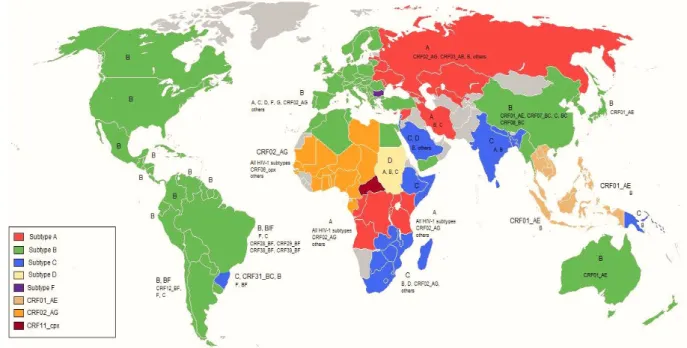
Subtype B is the most prevalent variant of group M, accounting for 11% of global HIV infections (Hemelaar et al., 2006; Hemelaar et al., 2011). In addition to the impact that “pure” M variants have on HIV infection, some CRFs have a greater impact on local AIDS epidemics, accounting for almost 17% of HIV infections (Santos and Soares, 2010; Lihana et al., 2012). . .
HIV-1 Structure and Genome
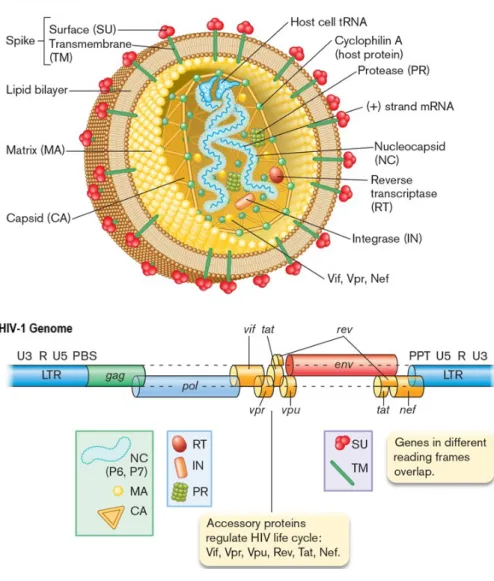
For example, CRF01_AE in Southeast Asia and CRF02_AG in West Africa contributed 8% and 5%, respectively, to the global infection rate (Hemelaar et al., 2006; Hemelaar et al., 2011). Auxiliary proteins are encoded by the additional sequences tat, rev, rev, nef, vif, vpr and vpu (colored in orange in Figure 1.2, HIV-1 genome).
HIV-1 Lifecycle
R region forms direct repeats on both sides of the genome and contains the Transactivation Response Element (TAR), which is essential for tat-mediated transactivation. The viral Pr cleaves the Gag and Gag-pol polyprotein into mature Gag and Pol proteins (Sierra et al., 2005).
Acute HIV Infection
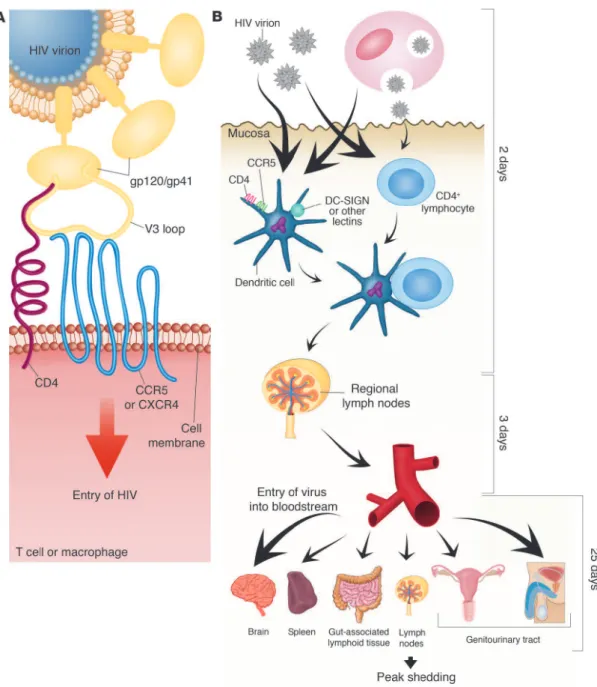
The viral load continues to decline until the viral set point (i.e., point of stabilization) is reached, which usually marks the onset of chronic HIV-1 infection (McMichael et al., 2010). Stage VI, on the other hand, has no fixed duration, except that it marks the end of what can be considered either the recent or early phase of chronic infection (Fiebig et al., 2003).
Acute Infection and the FRESH cohort
Host selective pressures can therefore increase or decrease the diversity of the infecting virus population (Pilcher et al., 2004). Diagnosis at this stage is based on the presence of HIV p24 antigen (detected by ELISA) or HIV RNA (detected by more sensitive nucleic acid amplification) (Pilcher et al., 2004).
Development of HIV Drug Resistance
Transmitted drug resistance mutations to NRTIs and PIs were found to be less than one percent for both drug classes. These surveillance drug resistance mutations (SDRMs) were a consensus of reported. major DRMs that appeared on the lists of three or more of five expert lists.
Types of HIV Drug Resistance Mutations
- HIV drug resistance in Reverse Transcriptase
- HIV drug resistance in Protease
The incorporation of the NRTIs into the growing viral DNA strand causes premature chain termination (Smith et al., 2016). Cleavage of the Gag and Gag-pol polyproteins is a critical step in the replication and infectivity of HIV (Clavel and Mammano, 2010; Kozisek et al., 2012).
Detection of Drug Resistance Mutations and Testing for Minority Variants
- Ultradeep PyroSequencing (UDPS)
Minority variants are important because they impact on ART and have been found to emerge later than the major viral population (Metzner et al., 2005). These include standard cloning (SC), single genome sequencing (SGS), allele-specific polymerase chain reaction (ASPCR) and ultradeep pyrosequencing (UDPS) (Paredes i Deiros, 2009; Halvas et al., 2010).
Aim and Objectives of the Study
- Aim
- Objectives
This method uses a combination of emulsion polymerase chain reaction (PCR) with massively parallel pyrosequencing techniques where many sequences of individual molecules generated from RT-PCR products are sequenced in a single run (Simen et al., 2009). Compared to Sanger sequencing, research has shown that UDPS is more accurate and reproducible (Stelzl et al., 2011), more sensitive, efficient and reliable (Liang et al., 2011; Samuel et al., 2016).
Bioinformatics Analysis Toolkit
Introduction
HyPhy package in Datamonkey for Detecting Sites under Positive Selective
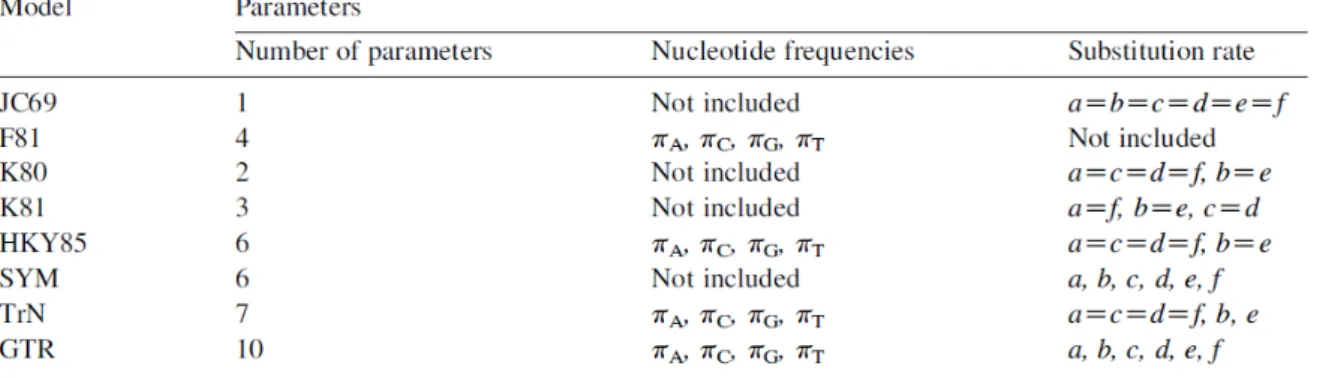
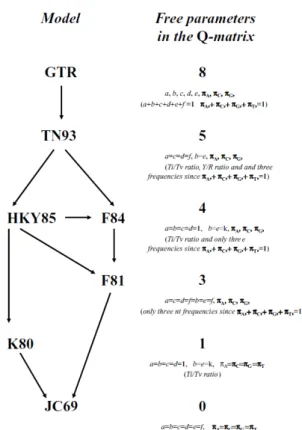
This method tests for population-level selective pressures that are restricted to internal branches of the tree (Poon et al., 2009, Delport et al., 2010). Four of the most commonly used models are F81, HKY85, TrN93, and REV, which are defaulted as “named” options within Datamonkey (Poon et al., 2009; . Datamonkey, www.datamonkey.org).
Phylogenetic Analysis
- Overview of Phylogenetic Trees
- Methods for Estimating Phylogenetic Trees
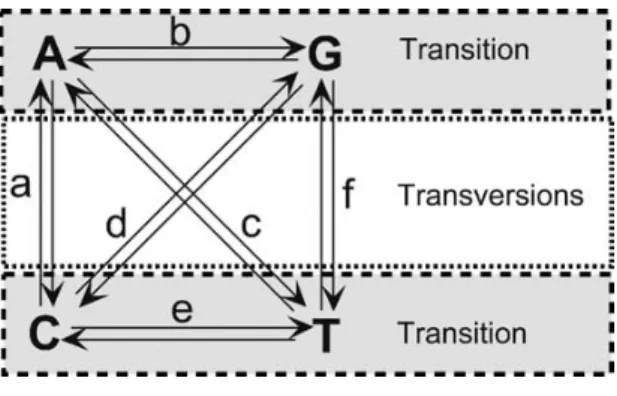
- Models of Nucleotide Substitution
- Phylogenetic Analysis by Maximum Likelihood (PAML)
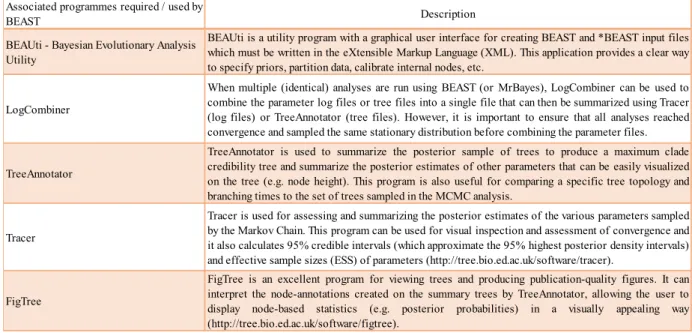
- Bayesian Evolutionary Analysis by Sampling Trees (BEAST)
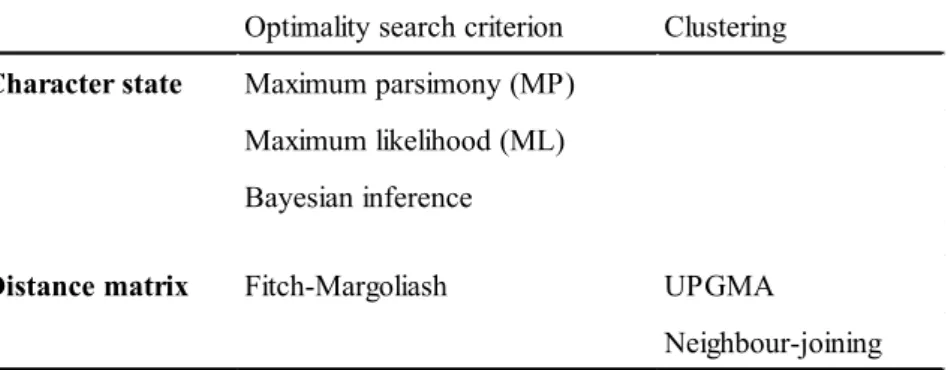
For example, maximum likelihood methods are a form of optimality approach that uses statistical criteria by considering the probability that a specific tree gave rise to the observed data (i.e. the aligned sequences) given a specific evolutionary model. The difference between the sequences is due to a number of changes that occurred along the branches (i.e. the evolutionary distance) (San Mauro and Agorreta, 2010). BEAUti relies heavily on prior knowledge about the behavior of the data to be analyzed.
It is an indication of the number of independent samples to which the trace is equivalent or the number of effectively independent draws from the posterior in the sample (Lemey et al., 2009; Heath, 2015).
HIV Analysis Online Tools
- Stanford University HIV Drug Resistance Database
- Los Alamos HIV Database
- Prosite
Additional features of HIVdb is that it allows you to test for a specific DRM and provides feedback about that DRM. Briefly, GenBank® is part of the International Nucleotide Sequence Database Collaboration, which includes the DNA Data Bank of Japan (DDBJ), the European Nucleotide Archive (ENA), and GenBank (https://www .ncbi.nlm.nih.gov/ ) at NCBI. It is a comprehensive database containing the nucleotide sequences of approximately 260,000 formally described species (Benson et al., 2013).
Prosite (www.prosite.expasy.org) is a database consisting mainly of protein families and domains.
Detection of Positive Selection Pressure in Acute Phase HIV Positive Treatment
Introduction
Sample Description
- Sequence Quality Control
- Sequence Alignment
A detailed description of the methods used to extract SS and UDP viral RNA and prepare sequences for analysis can be found in Singh (2015) (https://researchspace.ukzn.ac.za/xmlui/handle. The fifteen samples of obtained from the FRESH study were sequenced using Sanger and UDP sequencing techniques.To standardize the analyses, Sanger and UDP sequencing alignments were each shortened to 350 codons in length.
Furthermore, only consensus sequences that were common to both SS and UDP alignments were used in this study.
Methods
- Best-fit Model of Substitution Selection using j-Modeltest
- Tree Construction using PAUP*
- Phylogenetic Analysis by Maximum Likelihood (PAML) for detection of positively
- Datamonkey specifications for positive selection
- Online Analyses of positively selected sites
Unrooted phylogenetic trees for both the SS and UDP alignments were then drawn by the PhyML package in j-Modeltest. The best ML trees for SS and UDP alignments were saved with their branch lengths. This indicates that for each of SS and UDP alignments 19 (2n-3) parameters (i.e. branch lengths) were estimated.
Each of the SS and UDP sequence alignments was analyzed using the HyPhy package in Datamonkey.
Results
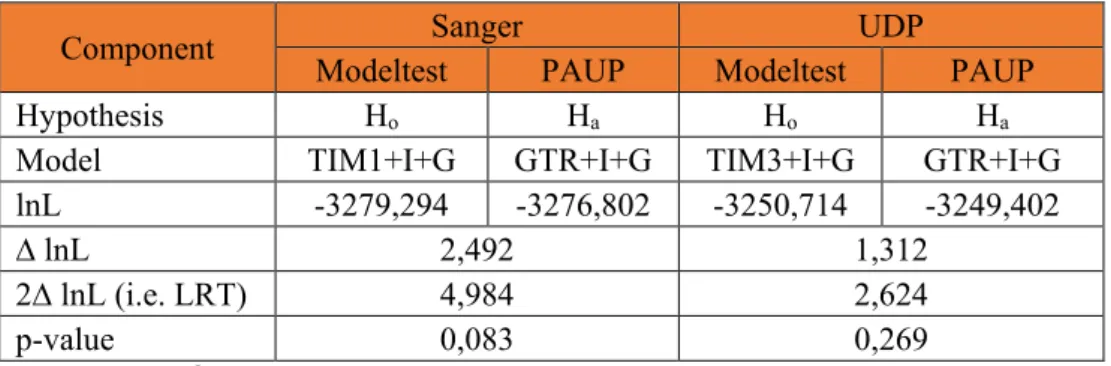
- Best-fit Models of Substitution Selected by j-Modeltest and PAUP* Tree
- Sites under Positive Selection Pressure detected by PAML
- Sites under Positive Selection using Datamonkey
- Positive selection at functional sites in Pr and RT
- Positively selected sites in HIV subtype C epitopes
However, it only detected RT positions 36 and 169 as common locations for both SS and UDP alignments. The MEME model had the same number of positively selected sites in all substitution models (i.e., adding both SS and UDP sites). In MEME, both RT36 and RT207 were identified as positive sites in all four substitution models in both SS and UDP alignments.
Positive selection was observed in 64% of the sequences in the tyrosine kinase phosphorylation (TK-P) site at RT174.
Discussion
Approximately 69% of these sites were also identified in an earlier study by Gordon et al. 2003) to be under strong positive selection. Furthermore, Chen et al. 2004) also identified in their study that 50% of the 16 sites experienced positive selection. In contrast, the HLA-B7 supertype is associated with high viral loads and rapid progression of the disease (De Groot et al., 2008).
Functional TK-P sites would be advantageous to the virus due to the failure of the host factor to modulate cell replication at these sites (Ardito et al., 2017).
Introduction
Method
- tMRCA tree construction using BEAST
- Ancestral reconstruction using PAML
The XML file was then loaded into BEAST, and two independent runs (except for PID 271, which was run three times) of 60 million steps each in the Markov chain were performed using BEAST. Log files for identical Markov chain runs were combined with the LogCombiner (v2.4.8) program available in the BEAST package. A final maximum class confidence tree, the tree in the posterior sample with the maximum sum of posterior stratum probabilities, was determined for each data set using TreeAnnotator (v2.4.7).
The codeml program from the PAML software package was used to reconstruct common ancestral sequences for each of the BEAST summary trees.
Results
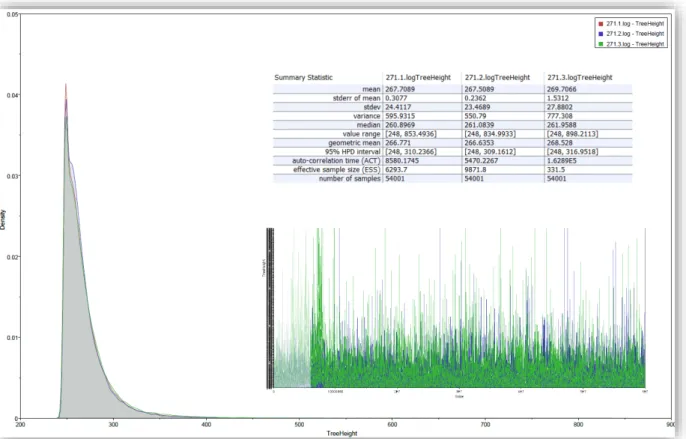
- Analysis of BEAST results in Tracer
- Trees reflecting tMRCA and evolutionary rates from reconstructed ancestral
The scale is arranged in reverse order to illustrate the time to the most recent common ancestor of the sequence alignments. However, evolutionary rates are captured in the branch lengths of the inset (framed in red) in nucleotide substitutions per codon (according to codeml). Physical examination and blasts of the sequence alignments against SDRMs from Stanford University HIVdb did not detect any DRMs.
Physical examination and blasting of the sequence alignments against SDRMs from the Stanford HIV Drug Resistance Database revealed no DRMs.
Discussion
The sequences in the 271 alignment were quite variable within the first 15 days after diagnosis (i.e., day 1, day 8, and day 15). Thus, approximately 249 days after HIV+ diagnosis, the wt strain re-emerged, with the mutations detected in the first 15 days being undetectable. It could also indicate that due to the bottleneck effect, mutations were dominant earlier in the evolution of the 271 quasispecies, but over time these mutations did not provide enough competitive advantage to become established in the population.
As such, some of the beneficial mutations were either no longer critical for viral fitness, or the other quasispecies (such as wt in this case) were able to establish dominance in the absence of host immune response pressure.
General Discussion
Although the L63P mutation was no longer on the Stanford University HIV database of SDRMs, the L63P mutation was once considered a DRM ( Chen et al., 2004 )]. However, mutations in B*5703 epitopes did not benefit the virus because HLA-B*5703 was inherently error-prone to proofread its isotopes (Illing et al., 2018), negating mutations. However, mutations in the HLA-B*3501 epitope may pose a fitness cost to the virus, as this HLA has not been shown to serve any real function other than naturally extending HIV duration (Huang et al., 2009).
Although the sequences used in this analysis were collected less than a week after infection, early CTL responses were placed at Fiebig Stage 1 (Nghlovu et al., 2015).
Conclusion
Identification of immunogenic cytotoxic t-lymphocyte epitopes containing drug resistance mutations in HIV-infected individuals naïve to antiretroviral treatment. Detection of positive selection in 40,000 human immunodeficiency virus (HIV) type 1 sequences automatically identifies drug resistance and positive fitness mutations in HIV protease and reverse transcriptase. Analysis of transmitted HIV-1 drug resistance using 454 ultra-deep sequencing and the deepchek((r))-HIV system.
Multiple related human immunodeficiency virus. type 1 mutations associated with drug resistance in treatment-experienced patients are absent in standard genotype analysis.
Codeml control file for positive selection
Purifying selection sites identified by the REL method in Datamonkey
Tracer of posterior statistic for 036
Tracer of tree height statistic for 036
Tracer of posterior statistic for 079
Tracer of tree height statistic for 079
Tracer of posterior statistic for 267
Tracer of tree height statistic for 267
Turnitin Report