I would like to thank the contact center agents who took the time to answer my questionnaires and their organizations. Staff motivation in a contact center environment was analyzed in this study from the perspective of Herzberg's theory of motivation and hygiene using survey data from seven contact centers in the Kwa-Zulu Natal region. The findings confirm that contact center agents need to be highly skilled and have adequate management support in order to fulfill the important role they play in an organization.
According to the South African Contact Center Benchmarking Report 2002, the South African industry consists of approximately 100,000 agents and is growing rapidly. Agents need to be educated about the importance of their role to the organization and the industry as a whole. The Contact Center agent is now seen as a professional and their position has grown into a profession.
The South Mrican Qualifications Authority has also created Contact Center qualifications which assist in the development and recognition of the industry. In the Merchants Global Contact Center Benchmarking Report 2001, the customer service aspect (improve service / retain customers) was rated as the top commercial driver.
Background to the problem
Intrinsic Scale
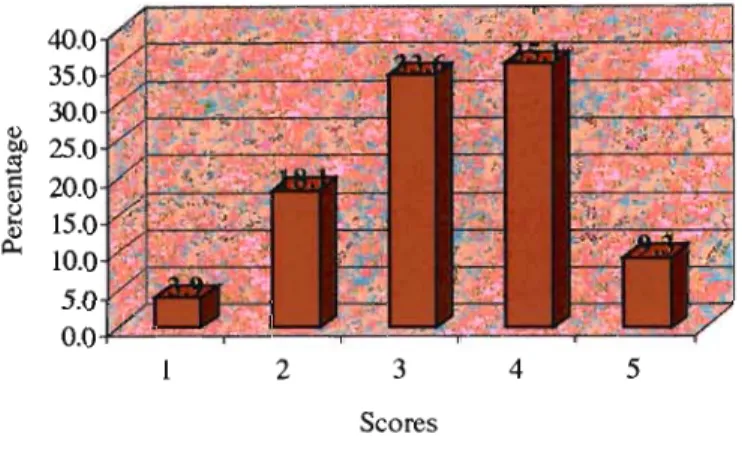
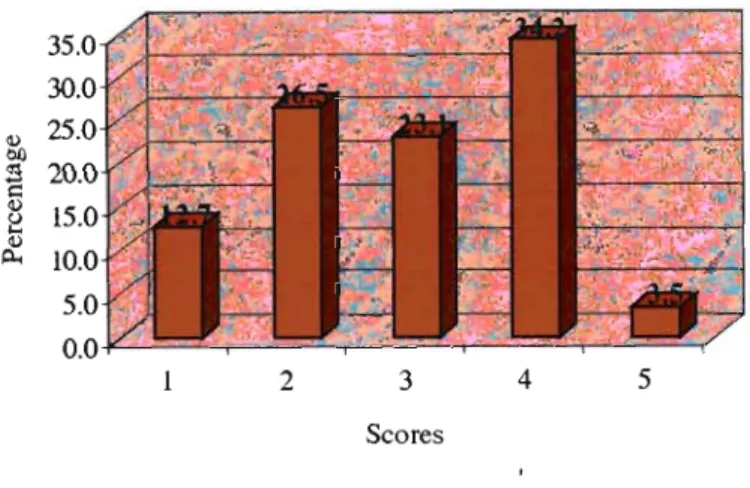
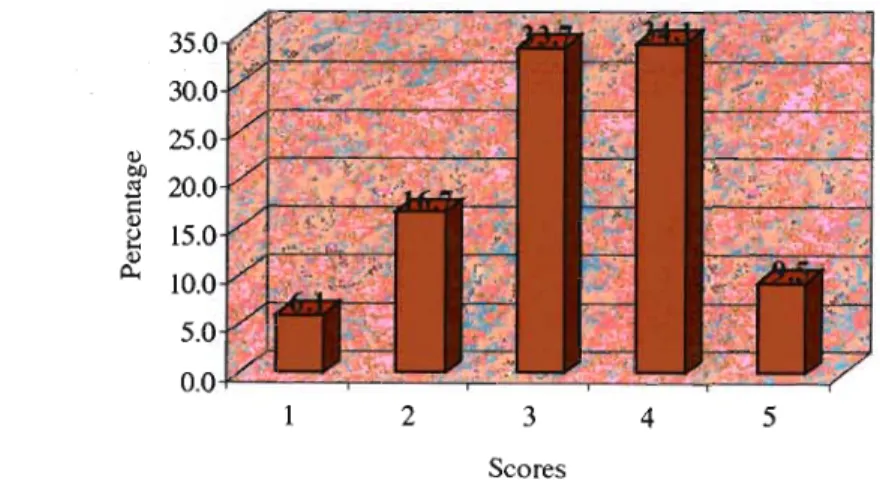
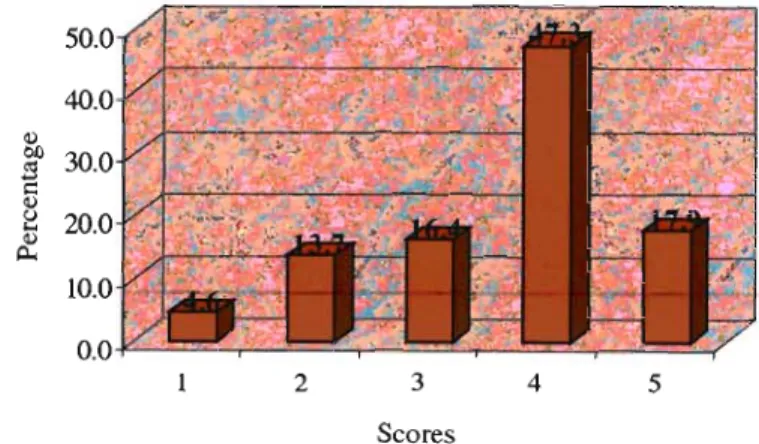
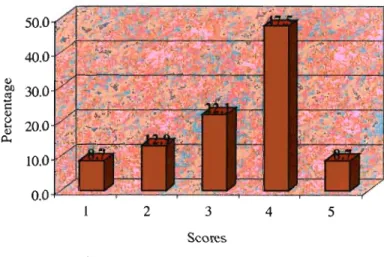
37.7% of respondents suggested that they do have enough time between calls, and 39.2% said that they do not. This subscale describes the degree to which agents perceive themselves to take ownership of calls. 56.8% of the agents believed that their supervisors recognized them for their contributions, and 15.2% believed the opposite.
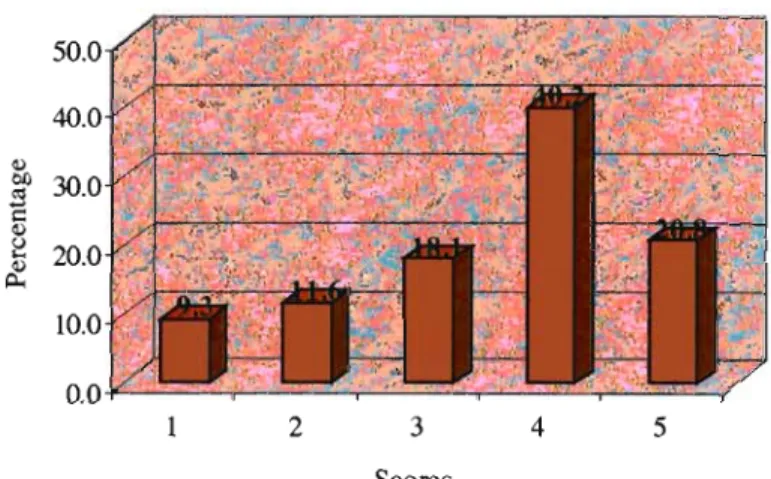
43.6% of officers were satisfied with the recognition they receive for their work, and 22.8% were not. 44.7% of agents believed they had opportunities to improve their skills in their current company, and 26% believed they did not. 38.7% of officers believed that they had opportunities for promotion in their job and 31.4% believed that this was not the case.
This compares to 42% of agents who felt they had opportunities for advancement in the CCA survey. This compares with 39.3% who felt they had poor equipment in the CCA 1998 report. 81.1% of agents were satisfied with the computer displays they used, compared to 54.5% in the CCA who were satisfied with their screens.
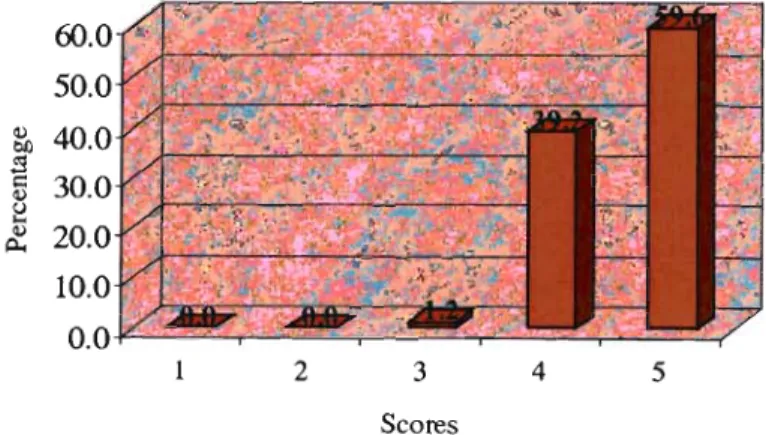
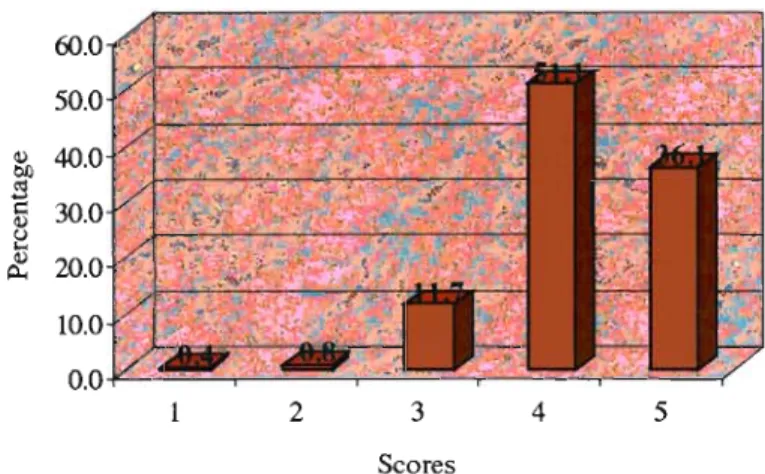
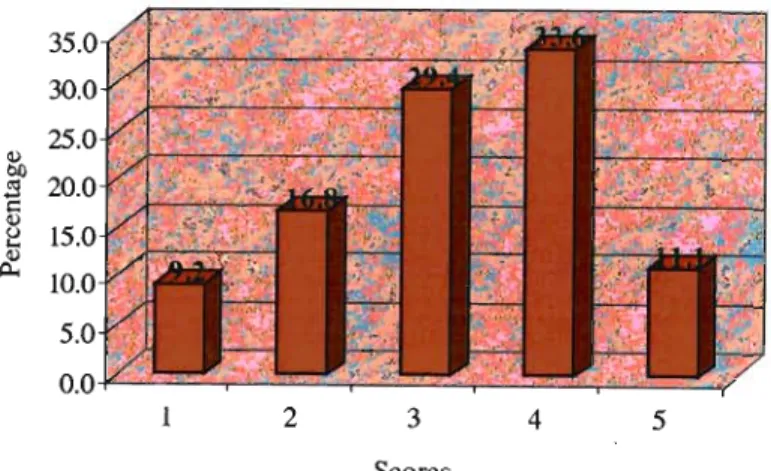
73.5% of the respondents believe that they have adequate resources to perform their work function, while 15.1% of them believe that they do not. 70% of respondents believe that they have all the necessary information to do their job well, while 17.4% disagree. 65.2% of the respondents felt that they work in a relaxed and friendly contact center environment, while 18.3% disagreed.
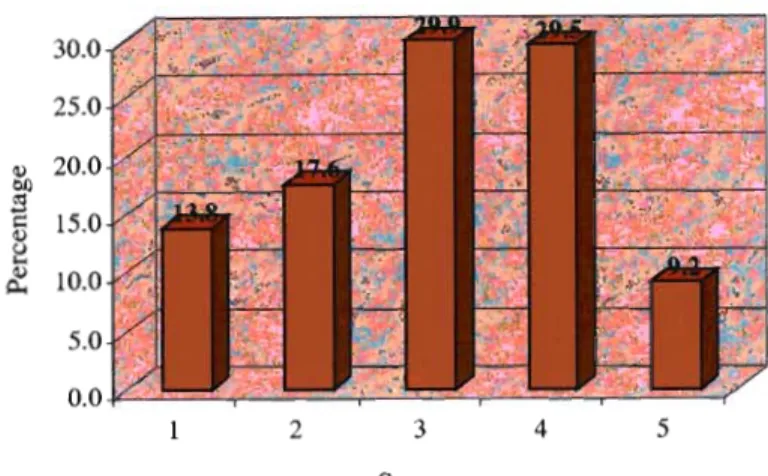
55.5% believed that they were kept informed about the issues affecting them in their companies and 20.9% believed that they were not informed. 67.4% of agents said they try to improve productivity by changing processes in their contact centers and 8.4% disagree. 40.7% of agents believe they can get help for their private problems in the work environment and 25.3% disagree.
26% of agents believe they have the flexibility to adjust their work schedules to meet the needs of their families and 49.2% disagree. 39.3% believed that they received pressure from their supervisors, which contributed to their pressure according to the CCA 1998 report.
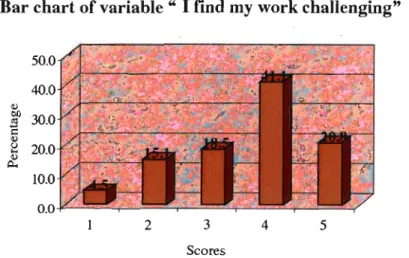
Implications on Management style in the South African Contact Centre environment
Advancement, especially opportunities for promotions and skill development Equity factor, favoritism was also perceived as requiring attention.
Intrinsic, Extrinsic & Equity Correlational relationships
Intrinsic factors
- Actual work
- Responsibility
- Achievement
- Peer relationships
- Supervision
- Remuneration
- Status
- Security
The cognition subscale shows a significant correlation with the internal subscale, advancement (r = 0.515) and the external subscale, personal life (r = 0.559). The most significant correlational relationships were found with current work of the internalizing factor subscale and status of the externalizing factor subscale. The relationship with the status subscale of the external factor implies that agents are satisfied with their current positions given that they have opportunities for growth in the future.
The working conditions subscale shows a high correlation with the intrinsic factor of advancement subscale (r = 0.541) and the extrinsic factor of the peer subscale (r = 0.591). The most significant correlations were found with recognition of the internal factor subscale and working conditions of the external factor subscale. The most important correlations were found when identifying the subscale of the intrinsic factor and the subscale of the extrinsic factor, working conditions.
The most significant correlations were found with the intrinsic factor subscale, recognition and security of the extrinsic factor subscale. The supervision subscale showed a significant correlation with the intrinsic factor of the recognition subscale (r = 0.529) and the extrinsic factor of the personal life subscale (r = 0.519). The pay subscale showed a high correlation with the intrinsic factor of the promotion subscale (r = 0.437) and the extrinsic factor of the personal life subscale (r . = 0.605).
The subscale status showed a significant relationship with the intrinsic factor subscale real work (r = 0.635) and the extrinsic factor subscale compensation (r =0.538). The subscale security showed a high relationship with the intrinsic factor subscale progress (r = 0.527) and the extrinsic factor subscale personal life (r = 0.634). The most significant correlations were found with the intrinsic factor subscale recognition (r = 0.703) and the extrinsic factor subscale working conditions (r = 0.808).
The most significant correlation was found in the internal factor subscale recognition (r = 0.580) and external factor subscale control (r = 0.805). Agents who do not have enough time between calls (see section 4.1.1.1) indicate staffing issues. This is one of the benefits of being a contact center agent and should be taken advantage of.
Equity
Compensation will always be discussed until contact center agents receive adequate compensation to match their professional and future jobs. Salary costs amount to approximately 80% of contact center costs and this is a necessary evil of the industry because people are the most important asset and represent the main strength of your business. The management needs to understand that as the industry is growing, the status symbol in a job lies mainly in how much money you make at the end of the month.
The intrinsic and extrinsic factors, identified by Herzberg, are limited to their existence in the South African environment. The relationship between these factors, which the study narrows down, reaffirms the managerial implications of the existing literature, as well as providing additional insight into actors' perceptions and the concept of workplace motivation. The study suggests that Contact Center management should focus on agents' personal life considerations in the work environment and at the work itself to increase intrinsic motivation.
Management must manage agents' perceptions of organizational justice dozens to ensure practices are seen as equitable. This will contribute to the contact center climate, management perceptions and create an environment conducive to motivation. Management should consider the cost-benefit implications of the management practices suggested above for organizations, as this may be the deciding factor between a. awesome workforce internationally and someone who just answers the phone.
2000) Social identity, self-categorization and work motivation: rethinking the group's contribution to positive and sustainable organizational outcomes. The Call Center Association and The Oxford Group, (1998) Working in call centres, a study of management and motivation in UK customer service centres.
Survey Cover Sheet
Staff Motivation in a Contact Centre Environment
Thank you for your participation! ©
Reliability Analysis