AFRICAN TRADITIONAL MEDICINES-ANTIRETROVIRAL DRUG INTERACTIONS: THE EFFECT OF AFRICAN POTATO (HYPOXIS HEMEROCALLIDEA) ON THE PHARMACOKINETICS OF EFAVIRENZ IN
HUMANS
by Seloi Mogatle
A thesis submitted in fulfilment of the requirements for the degree of
MASTER OF SCIENCE (PHARMACY)
November 2008
Faculty of Pharmacy Rhodes University
Grahamstown
ii
ACKNOWLEDGEMENTS
I would like to dediacte this thesis to my grand parents: Rahube & Kenaope Kgatitswe and Moloi & Mekgwenyane Mogatle.
I would like to express my sincere thanks to the following people:
My supervisor, Prof Isadore Kanfer, for giving me the opportunity to conduct this important research and for the patience, support and encouragement throughout the course of my studies.
The Dean and Head, Prof R. B. Walker and the staff of the Faculty of Pharmacy, for the use of the facilities in the Faculty and the encouragement they provided.
My colleagues in the Biopharmaceutics Research Laboratory (Ralph Tettey-Amlalo, Nyaradzo Mandimika, Faith Chaibva and Wai Ling Au), thank you very much for the support you gave me. To all my friends in particular Ntsetselele Damen Kago, Matsheliso Kgosidialwa, Reginah Molelekwa thank you for the emotional support and being there for my children during my absence.
My parents, Keitirang and Seipone and for looking after my babies and supporting me throughout the years, and to my sisters and brother, I thank you all for your understanding and for supporting me without any complaints. My children, Reagile and Wecho-Basiame, for allowing me to leave them at home to pursue my studies.
To Moncho my partner, thank you for encouraging me to pursue my studies and for the emotional support and guidance.
I would like to give thanks to Almighty God for giving me strength to carry on and preserving my health.
iii
ABSTRACT
African Potato (Hypoxis hemerocallidea), (AP) is an African traditional medicine (TM) that is commonly used for various nutritional/medicinal purposes and also by people infected with the human immuno deficiency virus HIV and AIDS patients as an immune booster. The use of AP has also been recommended by the former Minister of Health of South Africa for use by HIV positive people. The main phytochemical component of AP is a norlignan glucoside, hypoxoside, and other relatively minor components have also been reported. A recent in vitro study reported the effects of AP extracts, hypoxoside and rooperol (the metabolite of hypoxoside) on human metabolic enzymes such as the cytochrome P450 (CYP450) group of enzymes and also on the transporter protein, p-glycoprotein (P-gp). This research focussed on investigating the clinical significance of those in vitro effects on the pharmacokinetics of efavirenz (EFV) in humans. EFV was chosen as the substrate drug because it is in first-line regimen of treatment of HIV/AIDS in South Africa, and also has been reported to be a substrate for the specific CYP isozymes, 3A4 and 2B6, in common with APs metabolic involvement with 3A4.
A high performance liquid chromatography method with ultra-violet detection (HPLC-UV) for the quantitative determination of EFV in plasma was developed and successfully validated according to international standards with good reproducibility, accuracy, recovery, linear response and requisite sensitivity. The preparation of the plasma samples for analysis was effected by using a simple and rapid precipitation method, and the mobile phase consisted of readily available solvents. EFV in plasma samples was found to be stable under the relevant storage conditions studied. The oral dose of AP, administered as a freshly prepared traditional decoction, was standardised based on the hypoxoside content, and the quality of all the AP decoctions was analysed immediately prior to administration, using a validated HPLC-UV method.
A single dose, two-phase sequential study was conducted over a period of 31 days in 10 healthy volunteers. The clinical study was approved by the Rhodes University Ethical Standards Committee, and all the participants agreed to the conditions of the study by giving their informed consent. On day 1 of the study, human subjects were administered a 600 mg EFV tablet and blood samples were collected before dosing and at various intervals over a period of 48 hr post dosing. From day 16, a traditionally prepared AP decoction was
iv
administered daily at a standardized dose of 15 mg/kg/day per subject until day 30. On day 29, volunteers were administered a single 600 mg dose of EFV as was done on day 1. Plasma samples were harvested immediately after blood sample collection and frozen at -80 ºC until assayed. Geometric mean ratios of relevant pharmacokinetic parameters, Cmax (maximum plasma concentration achieved following dosing) and AUC0-48 (area under the curve of a plot of drug plasma concentrations versus time representing the extent of absorption) of EFV before and after co-administration of 14 successive daily doses of AP were compared and evaluated to determine whether an interaction had occurred. All subjects completed the study and the geometric mean ratios of Cmax and AUC0-48 were 97.30 and 102.82 with corresponding 90% confidence intervals (CIs) of 78.81-120.14% and 89.04-118.80%, respectively. Whereas the acceptance criteria for the ratios of the AUCs fell within the preset 90% CIs indicating no interaction, the Cmax ratios fell outside the limits. Although the protocol was developed in accordance with the United States of America Food & Drug Administration’s Guidance for Drug Interactions, a priori stating that both criteria need to fall within the acceptance limits to indicate no interaction, an argument is presented to waive the Cmax requirement for the declaration of an interaction. As a result, the pharmacokinetic data generated during this study indicated that the effect of AP on the pharmacokinetics of EFV is not clinically significant. Hence, co-administration of AP is unlikely to affect the clinical use of EFV.
In summary the objectives of this project were:
1. To develop and validate a suitable HPLC-UV method for the quantitative determination of EFV in plasma.
2. To perform a mini-validation of the determination of hypoxoside for use as a marker in the quality control and standardisation of AP decoctions.
3. To conduct a clinical interaction study in order to determine whether AP affects the pharmacokinetics of EFV following concurrent administration.
4. To apply the validated HPLC-UV method to determine plasma concentrations of EFV in plasma of human subjects.
5. To use appropriate statistical methods and treatments such as a non-compartmental pharmacokinetic analysis to determine the occurrence of an interaction.
v
TABLE OF CONTENTS
ACKNOWLEDGEMENTS II ABSTRACT III LIST OF FIGURES IX LIST OF TABLES X
CHAPTER 1 1
1 HUMAN IMMUNODEFICIENCY VIRUS INFECTION AND TREATMENT ... 1
1.1 VIRAL TAXONOMY ... 1
1.2 VIRAL MORPHOLOGY ... 2
1.3 PATHOPHYSIOLOGY OF HIVINFECTION ... 3
1.3.1 ACUTE INFECTION ... 3
1.3.2 CHRONIC LATENT STAGE... 4
1.3.3 AIDS ... 4
1.4 EPIDEMIOLOGY ... 4
1.5 TREATMENT OF HIV/AIDS... 5
1.5.1 ORTHODOX MEDICINES ... 6
1.5.2 TRADITIONAL MEDICINES ... 7
1.6 HIV/AIDS AND TMS ... 12
1.6.1 BACKGROUND ... 12
1.6.2 SAFETY OF TMS ... 15
1.7 DRUG-TMINTERACTIONS ... 16
1.7.1 PHARMACODYNAMIC INTERACTIONS ... 16
1.7.2 PHARMACOKINETIC INTERACTIONS ... 16
1.7.3 IN VITRO STUDIES:HYPOXIS HEMEROCALLIDEA ... 21
CHAPTER 2 23
2 EFAVIRENZ AS AN ANTIRETROVIRAL AGENT ... 23
2.1 INTRODUCTION ... 23
2.2 SYNTHESIS ... 23
2.3 PURITY ... 23
2.4 PHYSICOCHEMICAL PROPERTIES OF EFV... 24
2.4.1 SOLUBILITY ... 24
2.4.2 ULTRAVIOLET (UV)ABSORPTION ... 24
2.4.3 DESCRIPTION ... 24
2.4.4 MELTING POINT AND PKA ... 25
2.4.5 POLYMORPHISM ... 25
2.4.6 STEREOCHEMISTRY ... 25
2.5 STABILITY ... 25
2.6 PHARMACOLOGICAL ACTIVITY OF EFV ... 26
2.6.1 MODE OF ACTION ... 26
2.7 MUTATIONS AT THE NNBP ... 29
vi
2.7.1 TYPES OF MUTATIONS ... 29
2.7.2 FACTORS AFFECTING MUTATIONS ... 30
2.8 HYPER-SUSCEPTIBILITY TO EFV ... 30
2.9 PHARMACOKINETICS OF EFV ... 30
2.9.1 ABSORPTION ... 30
2.9.2 EFFECT ON P-GLYCOPROTEIN ... 31
2.9.3 DISTRIBUTION ... 31
2.9.4 METABOLISM AND ELIMINATION ... 32
2.10 DRUG INTERACTIONS OF EFV ... 34
2.10.1 EFV AS A SUBSTRATE OF CYP3A4 ... 34
2.10.2 INDUCTION OF CYP3A4 ... 35
2.10.3 INHIBITION OF CYP3A4 ... 36
2.11 EFFICACY ... 36
2.12 CLINICAL USES ... 37
2.13 SIDE EFFECTS ... 37
CHAPTER 3 38
3 AFRICAN POTATO AND DRUG INTERACTIONS ... 38
3.1 GEOGRAPHICAL DISTRIBUTION ... 38
3.2 TAXONOMY ... 38
3.3 USES ... 40
3.4 CHEMICAL CONSTITUENTS ... 40
3.4.1 HYPOXOSIDE ... 41
3.4.2 OBTUSIDE A AND B ... 42
3.4.3 NYASOSIDE ... 42
3.4.4 NYASIDE... 42
3.4.5 MONONYASINE A AND B ... 43
3.4.6 OBTUSASIDE... 43
3.4.7 NYASOL ... 43
3.4.8 STEROLS AND STEROLINS ... 44
3.5 PHARMACOLOGICAL ACTIVITY OF AP ... 44
3.5.1 IMMUNOMODULATION PROPERTIES ... 44
3.5.2 ANTIOXIDANT ACTIVITY ... 44
3.5.3 ANTI-INFLAMMATORY PROPERTIES ... 45
3.5.4 ANTINOCICEPTIVE PROPERTIES ... 45
3.5.5 ANTIDIABETIC/HYPOGLYCAEMIC EFFECTS ... 46
3.5.6 ANTICONVULSANT ACTIVITY ... 46
3.5.7 ANTIBACTERIAL ACTIVITY ... 46
3.6 PHARMACOKINETICS ... 47
3.6.1 ABSORPTION ... 47
3.6.2 METABOLISM AND ELIMINATION ... 48
3.7 CLINICAL STUDIES ... 48
3.8 SAFETY OF HYPOXIS HEMEROCALLIDEA ... 50
3.9 IN VITRO DRUG INTERACTION STUDIES ... 50
3.10 REGISTERED PATENTS ... 51
CHAPTER 4 52
4 HIGH PERFORMANCE LIQUID CHROMATOGRAPHY (HPLC) METHODS FOR AFRICAN POTATO (HYPOXIS HEMEROCALLIDEA) AND EFAVIRENZ ... 52
vii
4.1 BACKGROUND ... 52
4.1.1 RESOLUTION ... 52
4.1.2 COLUMN EFFICIENCY ... 53
4.1.3 CAPACITY FACTOR ... 54
4.1.4 SELECTIVITY ... 55
4.1.5 TAILING FACTOR ... 56
4.2 APPLICATION OF HPLC ... 56
4.3 QUANTITATIVE ANALYSIS OF HYPOXOSIDE IN AFRICAN POTATO DECOCTIONS ... 57
4.3.1 INTRODUCTION ... 57
4.3.2 EQUIPMENT AND REAGENTS ... 59
4.3.3 CHROMATOGRAPHIC CONDITIONS ... 59
4.3.4 METHODS ... 59
4.3.5 RESULTS AND DISCUSSION ... 59
4.3.6 CONCLUSIONS ... 61
4.4 DEVELOPMENT AND VALIDATION OF A HPLC METHOD FOR THE DETERMINATION OF EFAVIRENZ IN HUMAN PLASMA ... 61
4.4.1 INTRODUCTION ... 61
4.4.2 REVIEW OF PUBLISHED METHODS ... 62
4.4.3 METHODS ... 65
CHAPTER 5 85
5 IN VIVO INTERACTIONS BETWEEN EFAVIRENZ AND AFRICAN POTATO (HYPOXIS HEMEROCALLIDEA) ... 85
5.1 CLINICAL TRIAL DESIGN ... 86
5.1.1 PARALLEL DESIGN ... 87
5.1.2 CROSSOVER DESIGNS ... 87
5.2 DRUG INTERACTION STUDY DESIGNS ... 88
5.2.1 STUDY POPULATION AND SAMPLE SIZE ... 88
5.2.2 WASHOUT PERIOD ... 88
5.3 ANALYSIS OF PHARMACOKINETIC DATA ... 89
5.3.1 PHARMACOKINETIC ANALYSIS ... 89
5.3.2 STATISTICAL ANALYSIS ... 89
5.4 METHODS AND PROCEDURES ... 92
5.4.1 ETHICAL AND INSTITUTIONAL REVIEW ... 92
5.4.2 STUDY POPULATION ... 92
5.4.3 STUDY DESIGN ... 96
5.4.4 ANALYSIS OF PLASMA SAMPLES ... 98
5.4.5 PREPARATION OF AFRICAN POTATO DECOCTION ... 98
5.4.6 ANALYSIS OF APDECOCTION ... 98
5.4.7 DOSING OF APDECOCTION ... 99
5.4.8 DATA ANALYSIS ... 99
5.5 RESULTS ... 100
5.5.1 AP DECOCTION PREPARATIONS AND ANALYSES ... 100
5.5.2 PLASMA EFVANALYSIS ... 100
5.5.3 PHARMACOKINETIC AND STATISTICAL PARAMETERS ... 102
5.6 DISCUSSION ... 102
5.7 CONCLUSIONS ... 104
CONCLUDING REMARKS ... 111
viii
ANNEXURES ... 112
STUDY PROTOCOL ... 113
RAW DATA OF SUBJECT SAMPLE ANALYSIS ... 116
REFERENCES ... 117
ix
LIST OF FIGURES
FIGURE 1.1.AN ILLUSTRATION OF HIV CLASSIFICATION. ... 1
FIGURE 1.2.LIFE CYCLE OF HIV IN HUMANS [7]. ... 3
FIGURE 1.3.GLOBAL PREVALENCE OF HIV INFECTIONS IN 2007[2]. ... 5
FIGURE 1.4.TREND OF AVAILABILITY OF ARVS IN SUB-SAHARAN AFRICA [2]. ... 13
FIGURE 1.5.DIAGRAMMATIC REPRESENTATION OF P-GLYCOPROTEIN-MEDIATED DRUG EFFLUX [80]. ... 20
FIGURE 2.1.CHEMICAL STRUCTURE OF EFV. ... 23
FIGURE 2.2.UV SPECTRUM OF EFV. ... 24
FIGURE 2.3.MECHANISM OF HYDROLYSIS OF EFV[91]. ... 26
FIGURE 2.4.DIAGRAM OF THE HIV-1RT HETERODIMER IN THE COMPLEX WITH AN NNRTI[96]. ... 27
FIGURE 2.5.PROPOSED METABOLIC PATHWAY FOR EFV IN HUMANS [109]. ... 33
FIGURE 3.1.PHOTOGRAPH OF A YOUNG HYPOXIS HEMEROCALLIDEA PLANT [161]. ... 39
FIGURE 3.2.STRUCTURES OF HYPOXOSIDE, OBTUSIDE A AND OBTUSIDE B. ... 41
FIGURE 3.3.CHEMICAL STRUCTURE OF NYASOSIDE, NYASIDE, NYASOL, MONONYASINE A AND MONONYASINE B. ... 42
FIGURE 3.4.CHEMICAL STRUCTURE OF OBTUSASIDE. ... 43
FIGURE 3.5.METABOLISM OF HYPOXOSIDE. ... 48
FIGURE 4.1.CHROMATOGRAPHIC SEPARATION OF TWO COMPOUNDS [202]. ... 54
FIGURE 4.2.ILLUSTRATION OF INCREASING EFFICIENCY AND INCREASING SELECTIVITY [202]. ... 55
FIGURE 4.3.UV ABSORPTION SPECTRUM OF HYPOXOSIDE. ... 60
FIGURE 4.4.CHROMATOGRAM OF CALIBRATION STANDARD OF HYPOXOSIDE WITH SMZ. ... 61
FIGURE 4.5.CHROMATOGRAM OF EFV PEAKS DISSOLVED IN ACN(BLUE),MEOH(RED) AND MP(GREEN). ... 68
FIGURE 4.6.A CHROMATOGRAM OF A SPIKED PLASMA SAMPLE CONTAINING EFV(RED: Λ=247 NM) AT A CONCENTRATION OF 1.5 µG/ML AND IS(GREEN: Λ=275 NM) AT A CONCENTRATION OF 4.0 µG/ML. ... 68
FIGURE 4.7.A BLANK PLASMA EXTRACT (GREEN) AND SPIKED PLASMA SAMPLE CONTAINING EFV AND FLU AS IS (RED - Λ=247 NM). ... 73
FIGURE 4.8.A BLANK PLASMA EXTRACT (RED) AND A SPIKED PLASMA SAMPLE CONTAINING EFV AND DICNA AS IS(GREEN: Λ=275 NM). ... 73
FIGURE 4.9.A BLANK PLASMA EXTRACT (RED - Λ=247 NM AND GREEN - Λ=275 NM) AND B= SPIKED PLASMA SAMPLE CONTAINING EFV(RED: Λ=247 NM) AT THE LLOQ AND IS(GREEN: Λ=275 NM) AND (C) PLASMA OF A VOLUNTEER TWO HOURS AFTER THE ORAL ADMINISTRATION OF A 600 MG EFV TABLET TO A HUMAN SUBJECT. ... 79
FIGURE 4.10.EFV AT MID QC AND IS IN MOBILE PHASE SOLUTION (GREEN) AND PLASMA SAMPLES SPIKED WITH EFV AT MID QC AND IS(RED) MONITORED AT Λ=247NM. ... 81
FIGURE 5.1.MEAN AND SD OF PLASMA CONCENTRATION VS TIME OF EFV ALONE AND EFV CO-ADMINISTERED WITH AP. ... 101
x
LIST OF TABLES
TABLE 1.1.ANTIRETROVIRAL DRUG CLASSES. ... 7
TABLE 1.2.ANTIRETROVIRAL PROPERTIES OF SOME PLANT EXTRACTS. ... 14
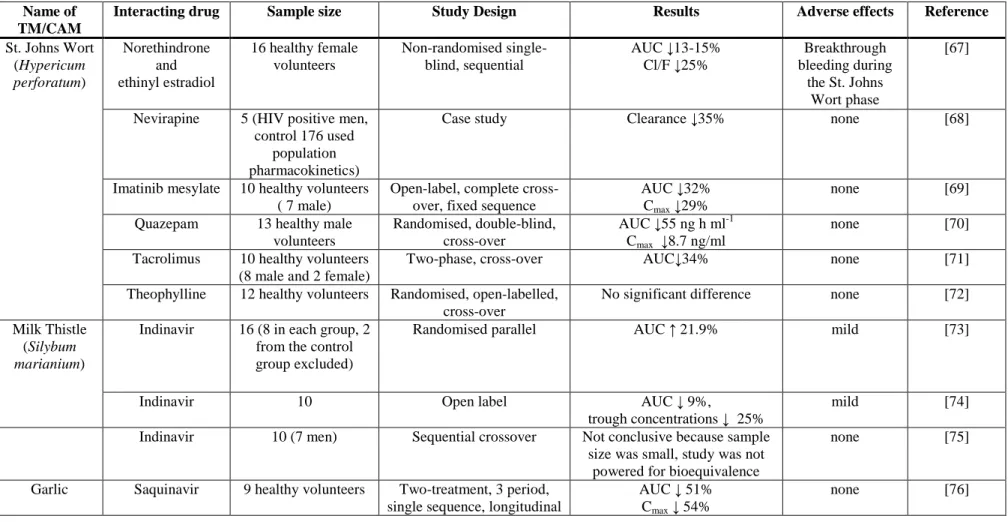
TABLE 1.3.CLINICAL STUDIES OF INTERACTIONS BETWEEN TMS/CAMS AND ORTHODOX MEDICINES AND EFFECTS ON BIOAVAILABILITY. ... 18
TABLE 1.4.INTERACTIONS OF TM/CAM AND ORTHODOX MEDICINES INVOLVING P-GP. ... 21
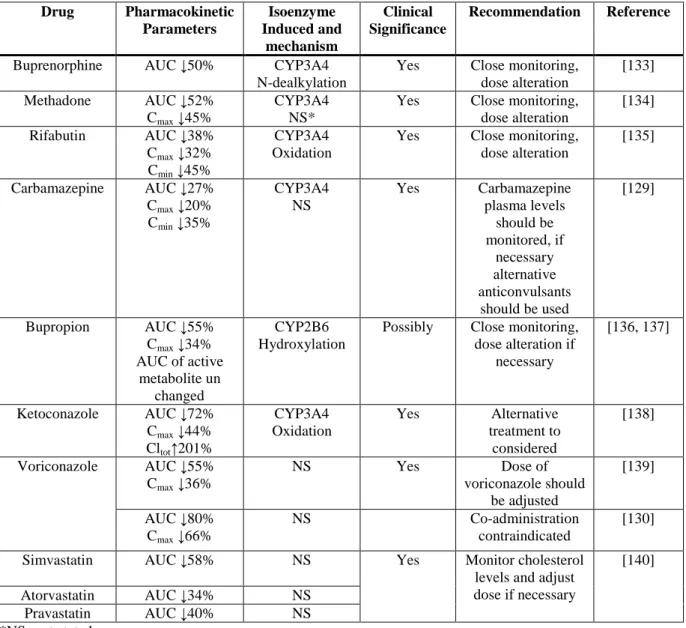
TABLE 2.1.PHARMACOKINETIC INTERACTIONS OF EFV RESULTING FROM INDUCTION OF CYP450 ENZYMES. ... 35
TABLE 3.1.TRADITIONAL USES OF HYPOXIS HEMEROCALLIDEA. ... 40
TABLE 4.1.DIFFERENT LIQUID CHROMATOGRAPHIC MODES. ... 56
TABLE 4.2.LINEARITY ... 60
TABLE 4.3.REVIEW OF THE ANALYTICAL METHODS USED FOR THE DETERMINATION OF EFV IN HUMAN PLASMA. ... 63
TABLE 4.4.ACIDIC COMPOUNDS INVESTIGATED. ... 67
TABLE 4.5.EFFECT OF INJECTION VOLUME ON PEAK AREA ... 70
TABLE 4.6.FINAL CHROMATOGRAPHIC CONDITIONS FOR THE DETERMINATION OF EFV ... 70
TABLE 4.7.INTER-DAY ACCURACY. ... 78
TABLE 4.8.INTRA-DAY ACCURACY OF EXTRACTED PLASMA SAMPLES. ... 80
TABLE 4.9.INTRA-DAY PRECISION. ... 82
TABLE 4.10.INTER-DAY PRECISION. ... 82
TABLE 4.11.CALIBRATION LINEARITY. ... 82
TABLE 4.12.SHORT-TERM STABILITY OF UNPROCESSED SAMPLES. ... 83
TABLE 4.13.LONG TERM STABILITY OF EFV IN PLASMA. ... 83
TABLE 4.14.SHORT-TERM STABILITY OF THE SAMPLES. ... 84
TABLE 5.1.DEFINITIONS OF PARAMETRIC ASSUMPTIONS. ... 90
TABLE 5.2.DEMOGRAPHIC DATA OF VOLUNTEERS. ... 93
TABLE 5.3.INCLUSION AND SELECTION CRITERIA. ... 94
TABLE 5.4.STUDY RESTRICTIONS. ... 97
TABLE 5.5.LINEARITY OF HYPOXOSIDE CALIBRATION CURVE AND CONCENTRATIONS OF AP DECOCTION. ... 101
TABLE 5.6.SUMMARY OF STATISTICS OF PHARMACOKINETIC PARAMETERS AND STATISTICAL ANALYSIS OF EFV ALONE AND EFV CO-ADMINISTERED WITH AP. ... 102
CHAPTER 1
HUMAN IMMUNODEFICIENCY VIRUS (HIV) INFECTION AND TREATMENT
1 HIV INFECTION
HIV is a retrovirus, which was first isolated in 1983 [1]. Infection with this virus can lead to the disease state, a syndrome called Acquired Immunodeficiency Syndrome (AIDS). In 2003 AIDS was declared a pandemic by the World Health Organisation (WHO). It is now the number one killer in the developing world [2].
1.1 Viral Taxonomy
There are two types of HIV, namely HIV-1 and HIV-2. The former is most common and is the organism responsible for the majority of infections worldwide. Progression to the disease state is much slower in HIV-1 infection compared to HIV-2. HIV-2 is rare and has only been isolated from people living in West Africa [3].
The HIV-1 is divided into groups M, N and O, but group classification is rarely used except in virology studies (Figure 1.1). Group M is further divided into subtypes A to J, where the most virulent of these is subtype C, which is characterised by rapid progression to the disease state. Subtype C is common in sub-Saharan region [4].
Figure 1.1. An illustration of HIV classification.
2 1.2 Viral Morphology
Virions, which are viral particles, consist of an external (surface) structure, on which is an envelope and an internal structure (Figure 1.2). The viral membrane on the envelope is lipid soluble and its surface is composed of envelope proteins gp-41 and gp-120 that are encoded by the env gene, and are highly glycosylated. Gp-41 is embedded in the membrane of the HIV particle, whereas gp-120 sits on the outside of the viral membrane. Gp-120 which has high affinity for the CD4 antigen, interacts with this antigen on the T-helper lymphocytes or macrophages. This interaction results in a conformational change on the gp-120, thereby exposing the sites that interact with the chemokine receptors (CCR5 or CXCR4). This uncovers the fusion protein, gp-41, resulting in another morphological change. The gp-41 then penetrates the membrane of the host hell.
The internal structure of the virus (viral core) is composed of a genome which consists of a diploid RNA, structural proteins and other proteins, and is separated from the external structure by protein coat material. The protein coat material is encoded by the gag gene.
Internal proteins are encoded by the pol gene and the associated enzymes participate in integration and replication. These enzymes are reverse transcriptase (RT), protease and integrase. The RT enzyme has very little proof reading capacity (correction), therefore, errors can be incorporated into the proviral DNA during replication. Cells that are attacked by the virus are CD4 T4-helper cells (CD4+ T cells), Natural Killer cells, CD8 Killer T cells (CD8+
T cells), macrophages and dendritic cells. HIV continues to replicate in semen, forming a reservoir [5, 6].
3
Figure 1.2. Life cycle of HIV in humans [7].
1.3 Pathophysiology of HIV Infection
1.3.1 Acute Infection
After infection with HIV some people will be asymptomatic, while others experience a flu- like illness characterised by fever, general malaise and sore throat within two to four weeks of infection. These symptoms usually last for about one to two weeks. Cells that are infected by HIV initially are the macrophages in semen or vaginal secretions. The macrophages then shed the viruses which bind to the dendritic cells. Immature dendritic cells develop into mature effector cells upon activation by microorganisms, and move to the draining lymph nodes where they stimulate inexperienced CD T helper cells. After the initial infection there is a decrease in CD4+ T cells and a rise in CD8+ T cells. The virus titres rise sharply, resulting in viraemia, which quickly returns to normal. Mucosal CD4+ T cells are lost during the early acute infection stage while others are lost later during chronic infection. The body
4
also responds by producing antibodies that are specific to the virus. This can take up to six months and this period is called the “window period” [8].
1.3.2 Chronic Latent Stage
The second stage of the infection is characterised by an immune response from cytotoxic B and T lymphocytes. In order to counteract the rapidly-replicating virus, the cell-mediated response increases. At this stage, the virus has a half-life of between 5 and 6 hr. Infected cells are destroyed either by the body’s immune system or by the virus. Some infected T4 cells can live longer and revert back to a resting memory stage. They will not express any viral antigens, and the genome inside can be reactivated by an antigen. These are known as memory cells and can survive for many years [8].
Viral particle numbers are then reduced by the strong immune response, resulting in latency.
However, the virus continues to replicate in the lymph nodes. The viral particle count is used to measure the burden of infection.
1.3.3 AIDS
After the latency period which can last from 1 to 15 years, the immune system begins to fail to control the infection. The number of CD4+ T cells and dendritic cells diminish and the CD4+ T cells are used as markers of the stage of the infection. Loss of control over the virus results in immunosuppression which makes the body susceptible to infections by opportunistic bacteria, fungi, protozoa and viruses. At this stage, the virus replicates uncontrollably, and as there is no proofreading by the host DNA, hence mutations occur.
These mutations can lead to treatment failures. This stage of the combination of HIV infection and AIDS is usually abbreviated as HIV/AIDS.
1.4 Epidemiology
It has been estimated that there are approximately 33 million people living with HIV in the world [2] (Figure 2.3). The majority (62.5%) of these infections are in Sub-Saharan Africa. In South Africa this percentage is estimated at 18.8% of the adult (15-49 years of age)
5
population, which means 5 300 000 people are infected with HIV. The number of people in South Africa who needed treatment in 2005 was 790 000 but only ~ 207 000 (23%) received therapy. The burden of disease (BOD) of AIDS in Africa has been estimated to be four times higher than in developed countries [9]. Most of the countries which have a high BOD because of HIV infection are middle- to low- income countries, and, therefore, the BOD can have negative effects on the economy of such countries [10].
Figure 1.3. Global Prevalence of HIV infections in 2007 [2].
1.5 Treatment of HIV/AIDS
During the early 1990s, antiretroviral (ARV) drug treatments for HIV infection were introduced and more recently, various treatments involving new ARVs and combination therapy have been successfully used. Nonetheless, the efficacy of some ARVs has been reduced by mutations of the virus, leading to resistance. Due to these mutations, combination therapy, referred to as Highly Active Antiretroviral Therapy (HAART) is employed to reduce the viral load and increase the number of CD4+ T cells. Currently, national and international guidelines on HIV/AIDS treatment have been developed and, in addition, traditional medicines are also being used in the treatment and/or management of HIV/AIDS symptoms [10, 11].
6 1.5.1 Orthodox Medicines
The aim of HIV/AIDS treatment is to reduce HIV related illnesses (opportunistic infections), increase patient CD4+ T cell count and suppress viral replication to undetectable viral levels.
There are six classes of ARVs, namely: nucleoside analogues/nucleotide reverse transcriptase inhibitors (NRTIs), non-nucleoside reverse transcriptase inhibitors (NNRTIs), protease inhibitors (PIs), fusion inhibitors, chemokine receptor antagonists and integrase inhibitors (Table 1). The modes of action of the different classes of ARVs are:
• NRTI nucleoside analogues are triphosphorylated within the target cell prior to acting on the reverse transcriptase (RT), and some undergo further modification e.g.
didanosine is converted to its active moiety 2’,3’- dideoxyadenosine-5’-triphosphate.
They function by inhibition of synthesis of DNA by RT, the viral enzyme that copies viral RNA into DNA of a newly infected cell.
• NRTI nucleotide analogues require only two additional phosphorylations to become active inhibitors of the RT because they are already monophosphorylated and the mode of action is the same as for the NRTI nucleoside analogues.
• NNRTIs bind to the RT enzyme causing conformational changes in the enzyme structure, resulting in inhibition of the enzyme.
• PIs bind to the enzyme protease, preventing cleavage of the gag and gag-pol polyproteins, thereby halting release of mature virus particles.
• Fusion inhibitors bind to the HIV envelope protein gp-41 which is involved in viral entry and prevents entry into the target cell. By binding to gp-41, fusion inhibitors interfere with conformational changes of the envelope required for fusion with the target cell.
• Chemokine co-receptor antagonists bind to the co-receptors (either CCR5 or CXCR4) on the surface cell of the CD4+T-cell preventing entry to the target cell. In contrast with other ARVs which act on the viral enzymes, chemokine co-receptors antagonists act on the proteins of the target cell.
• Integrase inhibitors bind to a viral enzyme integrase and interfere with incorporation of the reverse-transcribed HIV DNA into the chromosomes of the target cell.
7
Table 1.1. Antiretroviral drug classes.
Class Name of drug
Nucleoside Reverse Transcriptors Abacavir Emtricitabine
Lamivudine Stavudine Zalcitabine Zidovudine Nucleotide Reverse Transcriptors Tenofovir Non-nucleoside Reverse Transcriptors Delarivine Efavirenz Nevirapine
Protease inhibitors Amprenavir
Atazanavir Indinavir Lopinavir Nelfinavir Ritonavir Saquinavir
Fusion Inhibitors Efuvirtide
Chemokine Receptor Antagonists Maraviroc Integrase inhibitors Raltegravir
The prognosis of patients with HIV infection has been greatly improved by HAART. Viral suppression depends, amongst other factors, on the pharmacokinetics of the medicines and on adherence to treatment. The latter is influenced by side-effects, pill-burden, availability of treatment and stigmatisation [12]. Any negative effect on the pharmacokinetics of ARVs, e.g.
drug-drug interactions and herb-drug interactions, may affect the outcome of treatment, hence it is important to ensure that the pharmacokinetics of these medicines is not altered.
Therefore, clinicians and pharmacists have to be aware of possible interactions in order to prevent negative effects of such interactions on HAART.
1.5.2 Traditional Medicines
The use of Traditional medicines (TMs) has been on the increase over the past few years.
More recently, there has been a dramatic increase, as evidenced by the increased commercialisation and marketing of TM products. WHO defines TMs as those medicines used in the practice of traditional medicine [13]. The WHO definition of ‘traditional medicine’ is: “health practices, approaches, knowledge and beliefs incorporating plant, animal and mineral based medicines, spiritual therapies, manual techniques and exercises,
8
applied singularly or in combination, to treat, diagnose and prevent illnesses or maintain well being.” [14]. This definition is very broad because of the need to ensure that it includes all types of traditional medicine, practised in the world. WHO has established some definitions [15] for the terminology used in traditional medicine and these are:
• Complementary/Alternative medicine (CAM) – broad set of healthcare practices that are not part of, and not integrated into, the specific country’s dominant healthcare system. Medicines used in this context are often referred to as CAMs.
• Herbal medicines – herbs, herbal material, herbal preparations, and finished herbal products that contain, as active ingredients, parts of plants, or other plant materials or combinations of the above
• Herbs – crude plant material such as leaves, flowers, fruit, stems, wood, bark, roots, rhizomes, or other plant parts, which may be whole, fragmented or powdered.
In recent years, the use of TMs has increased dramatically, and the market for these medicines is estimated at $60 billion worldwide [13]. Use of TMs varies from country to country, and is summarised below:
In China, TMs (more appropriately known as traditional Chinese medicines or TCMs) have a separate pharmacopeia and comprise 30-50% of the total medicinal consumption.
In Europe, North America and other developed region, over 50% of the population have used CAMs at least once.
In Germany, 90% of the population have used a natural therapy at some point in their life.
In the United Kingdom, annual spending on CAMs is $230 million and these medicines and their properties and uses, have been incorporated as a subject in the curricula of some pharmacy degree programmes.
In Ghana, Mali, Nigeria and Zambia, the first-line therapy for 60% of children with high fever caused by malaria is the use of herbal medicines at home.
In the Unites States, 158 million of the adult populace have used a natural remedy at some stage in their life. Between 1995 and 2000, the number of doctors who had
9
undergone special training in alternate or natural remedy medicine had nearly doubled.
In South Africa, 75% of people with HIV/AIDS, otherwise known as People Living with AIDS (PLWA), use TM/CAM.
One of the reasons for the increase in the use of TMs is the belief that these products are free from side-effects, compared to orthodox medicines, especially for the management/treatment of chronic diseases.
Recently, African countries have agreed to include these medicines in the mainstream healthcare system [16]. As a result of the lack of mainstream healthcare facilities, people frequently visit traditional healers instead. WHO reported that 25% of modern medicines are made from plants which were first used traditionally [13]. Published clinical research on TMs is currently very limited. Despite the lack of scientific evidence of efficacy, quality and safety, the use of TMs to meet primary healthcare needs is high in Africa and also in Latin America where it is; estimated at 80% of the population [13].
There are many factors that influence the use of TMs/CAMs, and research on the use of TMs is increasing. In a study conducted in Ghana, it was found that culture, religion, finance and economics, education, advice of family members and introduction of Western systems (educational, medical and cultural) have all influenced the choice of healthcare system used [17]. Based on the findings from this study, the authors concluded that both traditional and modern medicines play a fundamental part of Ghanaian culture and that there is a need to integrate the two in order to provide a comprehensive healthcare system which best serves the interest of the population. In Mozambique, a study of medicinal plants used in the treatment of common ailments, such as diarrhoea, malaria, respiratory complaints and sexually transmitted diseases, showed that 46 different plant species were used [18], indicating a wide use of plants, medicinally.
In South Africa, the use of TMs is widespread [19] and one of the reasons for the use of TM is low medical doctor-to-patient ratio, which is estimated at 50: 50000, while that of traditional doctors is 50: 400; thus patients have far greater access to traditional doctors.
Other reasons include economic, cultural and social. In the Eastern Cape region of South Africa, which has a population of 6.3 million (15% of South African population), it has been
10
reported that TMs are used to enhance personal well-being, as well as to treat diseases [20].
This region has a large low-socio-economic-standing population in several rural areas, and this suggests that the majority of this population use traditional methods of healthcare [21].
The traditional healthcare industry in South Africa is estimated at R500 million per annum [22], and in the Eastern Cape, a large proportion of the population relies to some extent on the generation of income from such natural resources [23]. Use of TMs in this region has increased by 54% with Hypoxis hemerocallidea (African Potato) being the most popular plant [24], due in part to the increase of HIV/AIDS prevalence. South Africa also plays an important role in the increase of research on TMs [25].
Assessment of quality of TMs is one of the critical initial steps that must be undertaken before assessing safety and efficacy. Information derived from plant/product quality will, to some extent, provide information about the safety and efficacy of the product. In China, a pharmacopeia on TMs has been developed and has been used for many years. In Germany, there are monographs of CAMs used in that country [26]. Development of monographs for TMs/CAMs is more challenging than that for orthodox medicines because TMs/CAMs usually contain more than one constituent, resulting in a highly complex multi-component matrix. The quality of some South African plant products and their constituents have been established and published in the literature [27, 28], and the work done by Nair et al [27] is considered important since commercialisation of TMs and associated products is rapidly increasing, and this work has shed valuable information on the quality of commercially available African Potato products.
Research on TMs conducted in South Africa includes both in vitro and in vivo studies. These studies have evaluated efficacy, safety and/or quality [29]. Recognition of the need to integrate TMs into the mainstream healthcare system began in the early 1990s, following the democratic election of a new government in South Africa (i.e., the post-apartheid era).
During this recent period, researchers have evaluated the healthcare situation, (both past and current systems) and have proposed different models for integration [30]. These and other proposals culminated in workshops and communication between healthcare practitioners and traditional healers. The South African government had already taken steps to include traditional healers into the mainstream healthcare system before the heads of state of the Southern African Development Community (SADC) signed and ratified the SADC Protocol
11
on Health [31]. Cooperation between traditional healers and healthcare professionals has resulted in traditional healers providing HIV/AIDS education, as well as demonstrations of condom use [32].
1.5.2.1 Policies Regarding TMs
A WHO TMs Strategy [33] outlines the need for member states to integrate TMs into mainstream healthcare systems. The focus areas of this strategy are policy, safety, efficacy, quality, access and rational use. Governments are urged to:
• Devise national policy and regulation for the proper use of TMs and their assimilation into national healthcare systems.
• Institute regulatory mechanisms to control the safety and quality of TM products and of TM practice.
• Create understanding about safe and effective TM therapies among the public and consumers.
• Cultivate and conserve medicinal plants to guarantee their sustainable use.
An office has been established at the WHO headquarters in Geneva, Switzerland, to coordinate activities related to TMs with collaborating TM centres around the world, which are dedicated to the various TM strategies. The Geneva office, in consultation with member states, has produced a number of documents to assist these member states in achieving the objectives of the main strategy.
Research on plant material to treat HIV/AIDS has increased [34]. However, none of the plant substances or even semi-synthetic plant-derived molecules have yet been formally approved by regulators for marketing. In recent years, TMs have been discussed at the World Health Assembly and resolutions have been reached which will help member states of the WHO to meet the objectives of the main strategy [35]. In addition, the Joint United Nations programme on HIV/AIDS (UNAIDS) has been involved in activities to incorporate TMs into mainstream healthcare. In a meeting sponsored by UNAIDS, a task force was appointed for the East and Southern Africa regions whose objective was to build a research programme for safe and effective local treatments of HIV/AIDS [32]. Participants of this meeting included traditional healers, and most countries represented at that meeting reported some initiatives by their countries which involved traditional healers.
12
In the SADC region, a SADC Protocol on Health [36] is now used by member states to guide their health policies. In order to meet some of the objectives listed in this protocol, the member states have agreed to cooperate and assist one another with:
• Research and documentation on TMs and their use.
• The establishment of a regional databank of TMs, medicinal plants and procedures, in order to ensure their protection, consistent with regimens related to intellectual property rights governing genetic resources, plant varieties and plant technology.
This demonstrates the commitment of member states to TM use and increased research. Some SADC member states have also begun to regulate TMs, though not to the same extent as orthodox medicines, since the complexity of TMs amongst other reasons require a different system of regulation, amongst other reasons. Regarding TMs and HIV/AIDS, meetings have been held amongst SADC Ministers of Health during which the role of traditional and indigenous therapies has been discussed [37]. Attendants of one such meeting included, SADC ministry delegates, and ministers, delegates from United Nations Children’s Fund (UNICEF) and UNAIDS, traditional healers, alternative/complimentary therapists and affected individuals (PLWA).
1.6 HIV/AIDS and TMs
1.6.1 Background
Use of TMs/CAMs among people PLWA is high as with all chronic disorders [11, 32, 38, 39]. The reasons for high usage are wide ranging and differ between developed and developing countries. They include cultural, economic, and social factors, as well as perceived efficacy and perceived safety. Until recently, ARVs were not readily available to most patients who needed them, especially those living in rural areas. These patients, therefore, tended to use TMs/CAMs to manage symptoms. Cost of ARVs was identified as one of the barriers to accessing such life-saving medicines and provision of free ARVs to patients in resource-poor settings was found to be associated with a significant probability of viral suppression [40]. A WHO 3 by 5 initiative, which is aimed at ensuring that 3 million people who needed ARVs should be on HAART by 2005, was initiated in 2003 to increase access to HAART [41]. As a result of this initiative and commitments by governments and
13
non-governmental organisation (NGOs), there are now significantly more people on HAART in Africa (Figure 1.4). Reduction in prices of ARVs [42] as a result of the World Trade Organisation agreement on Trade-Related Aspects of Intellectual Property rights (TRIPS) has also increased accessibility of HAART to PLWA in developing countries, especially in sub- Saharan Africa.
Figure 1.4. Trend of availability of ARVs in sub-Saharan Africa [2].
Despite improved access to, and ample evidence of the efficacy of HAART, there are still PLWA who prefer TMs [43, 44]. Some patients stop ART and use TMs because of severe side-effects, among other reasons [45]. This situation has been further fuelled by reports in all media about powerful immunostimulant properties being claimed for some TMs which give false hope to PLWA. These reports also present TMs as devoid of side-effects making them more attractive to PLWA. The use of TMs may affect adherence to HAART which is critical to suppression of viral replication. The perceived lack of side-effects of TMs is worsened by irresponsible marketing methods of these products by the product owners, who provide naive members of the public with erroneous and misleading information. Furthermore, this marketing occurs with little or no intervention by the medicines regulatory authorities, since regulation of TMs/CAMs is weak, if not absent in most countries [46].
Among PLWA on HAART, there are some who combine this treatment with TMs [38, 47, 48]. A multi-centre study conducted in Botswana, Lesotho, South Africa and Swaziland
14
involving 683 volunteers identified healthcare strategies used by PLWA to manage HIV/AIDS symptoms [11]. Volunteers were given a structured questionnaire and asked to describe three to six symptoms that they had experienced and also provide information about their management of the symptoms. Most of the patients reported orthodox medicines as their preferred choice followed by TMs/CAMs. The use of TMs and ARVs simultaneously can lead to interactions [49], hence there is an urgent need to conduct drug-TM interaction studies. Information regarding such interactions must be available to patients so that they are made aware of the quality, safety and efficacy of the medicines they are taking. In the case of orthodox medicines, this information is given to patients in the form of a Patient Information Leaflet. In the case of TMs, this information is very limited and is usually unavailable, hence therapy may be critically compromised by a lack of information. This has been confirmed in a Canadian study which demonstrated how HIV/AIDs patients were unable to access safety and knowledge of drug interactions related to CAMs [50].
There are many substances which are derived from plant materials which have been claimed to possess some antiretroviral activities. These products have been purported to inhibit HIV replication in nearly all stages of the virus life-cycle [34]. Substances were extracted by various solvents prior to assessing their activity against replication. Pre-clinical and clinical research on the activity of plant material against viral replication is on-going, and some in vitro studies are summarised Table 1.2.
Table 1.2. Antiretroviral properties of some plant extracts.
Name of plant Part of plant Substance extracted Enzyme inhibited Reference
Sutherlandia frutescens flowers None stated RT [51]
leaves None stated RT
Lobostemon trigonus flowers None stated RT
Eucalyptus globoidea buds Globoidnan A Integrase [52]
Rosa rugosa roots Rosamultin Protease [53]
Peltophorum africanum roots No extraction RT and integrase [54]
15 1.6.2 Safety of TMs
Users of TMs tend not to report any side-effects they may experience from these medicines, since such associations are considered not probable in view of their long historical use. Most of these patients do not disclose to the healthcare providers their use of a TM unless specific questions regarding these are asked. This makes data collection on TMs more challenging, compared to orthodox medicines. One of the hindrances of communication about TMs is that they are not yet integrated into the main healthcare system and have been shunned upon in the past, hence users tend to be secretive about their use [55]. Research on the safety of the products has increased in the past years, and in recognition of the lack of guidelines on research on TMs, WHO Western Pacific region, has published Research Guidelines for Evaluating the Safety and Efficacy of Herbal Medicines [56]. These guidelines assist researchers to cover all aspects of the product, including related species when evaluating safety and efficacy of TMs.
Unstructured regulation of TM/CAMs across the world also makes it difficult for safety profiles to be established [57]. Pharmacovigilance does not exist for TMs products in many countries [58], and this is because of lack of, or weak legislation. Various ways of establishing the safety of TMs which includes traditional use, chemical data, undertaking pharmacological and toxicological studies, intervention trials, epidemiological studies, patient case records and post-marketing surveillance have been reported [57]. It is important to note that data from post-marketing surveillance can be obtained only if the product is registered and as previously mentioned, most countries do not issue marketing authorisation for TMs so information from this source is limited. Some information on the safety of TMs, which are widely used in developed countries, however, is available in the literature.
In a review of potential health risks and medicinal interactions, Magee [59] listed uses, side- effects and potential drug interactions between a number of TMs and orthodox medicines.
From this review, it can be seen that there are some known side-effects and adverse reactions of TMs. A pattern of fatal cases from TMs were reported by Stewart et al [60] who showed that 43% of poisoning cases were associated with plant materials, and within this category, 62% of these were used as a traditional remedy.
16 1.7 Drug-TM Interactions
Drug-TM interactions occur when a TM and an orthodox medicine influence the effects of each other. This may cause a change in pharmacodynamic and/or pharmacokinetic parameters which may affect efficacy or safety of either the orthodox medicine or the TM.
Efficacy may be reduced or increased and adverse events may increase. One of the challenges with TMs is that they often contain more than one active ingredient which makes it difficult to assess or predict a specific interaction. Whereas drug interactions are usually studied during the initial development phase of orthodox medicines, this is not usually done in the case of TMs because there is generally no development phase similar to that of orthodox medicines except, perhaps, that of development pharmaceutics if a pharmaceutical dosage form is required. Therefore, little information is available on drug-TM interactions.
1.7.1 Pharmacodynamic Interactions
A pharmacodynamic interaction occurs when a drug affects the pharmacodynamic response of another drug. These types of interactions generally either increase or decrease the actual response to the drug treatment. Pharmacodynamic interactions between ARVs and TMs have not been as well studied as pharmacokinetic interactions [61].
1.7.2 Pharmacokinetic Interactions
Pharmacokinetic interactions occur when a drug or TM affects absorption, distribution, metabolism or excretion of another drug or TM. These types of interactions are difficult to predict but can be evaluated using in vitro and/or in vivo studies. The most extensively studied interactions are metabolic interactions involving the cytochrome P450 enzyme system and absorption interactions involving the transporter protein p-glycoprotein (P-gp). The results from in vitro studies give an indication of which enzymes or transporter proteins will be affected by the TM or orthodox medicine.
Data from in vitro studies can serve as a possible predictor of drug interactions. The prediction of drug interactions has been a topic of discussion among scientists for many years and proposals to improve existing methods have been suggested [62]. Unfortunately, the
17
prediction of drug interactions from in vitro studies may not always give an accurate measure of the clinical significance of an interaction [63, 64]. Hence, it must be emphasized that whereas in vitro data can be particularly valuable in developing strategies to study in vivo drug interactions, confirmation of the absence or presence of drug interactions should be by appropriate in vivo investigations. Clinical studies thus still remain the most important source of information on the effects of drug-TM interactions [65] on bioavailability. Some studies on drug-TM interactions are listed in Table 1.3.
1.7.2.1 Cytochrome P450 Enzyme System
The cytochrome P450 (CYP450) enzyme system is a superfamily of haemoproteins that transform endogenous and exogenous substances in some living organisms e.g. bacteria, fungi, plants and animals. The name P450 comes from the fact that these enzymes have a spectroscopic absorption peak at or near 450 nm when bound, and reduced by carbon monoxide. In humans, CYP450 enzymes are involved in metabolism of exogenous substances including medicines, alcohols, organic solvents, chemicals and environmental pollutants.
Endogenous physiological compounds such as bile acids, steroids and fatty acids undergo some oxidative, peroxidative and reductive metabolism through the CYP450 enzymes [66].
These enzymes are divided into families and subfamilies, CYP450 proteins from all sources having more than 40% in amino acids are placed in the same family and are designated an Arabic numeral. Each subfamily consists of enzymes in which the amino acid sequence is more than 55% homology, and this is identified by a capital letter. Individual enzymes are denoted by an Arabic numeral, and the corresponding gene which expresses the individual enzyme is denoted by the same number in italics. In humans, 14 families and 20 subfamilies have been reported. Genetic polymorphism of some of these enzymes exists resulting in two groups of metabolisers, namely: poor or slow metabolisers, and extensive or rapid metabolisers. The slow metabolisers possess a homozygous autosomal recessive allele, while the other group possess heterozygous or homozygous dominant allele.
Table 1.3. Clinical studies of interactions between TMs/CAMs and orthodox medicines and effects on bioavailability.
Name of TM/CAM
Interacting drug Sample size Study Design Results Adverse effects Reference
St. Johns Wort (Hypericum perforatum)
Norethindrone and ethinyl estradiol
16 healthy female volunteers
Non-randomised single- blind, sequential
AUC ↓13-15%
Cl/F ↓25%
Breakthrough bleeding during
the St. Johns Wort phase
[67]
Nevirapine 5 (HIV positive men, control 176 used
population pharmacokinetics)
Case study Clearance ↓35% none [68]
Imatinib mesylate 10 healthy volunteers ( 7 male)
Open-label, complete cross- over, fixed sequence
AUC ↓32%
Cmax ↓29%
none [69]
Quazepam 13 healthy male volunteers
Randomised, double-blind, cross-over
AUC ↓55 ng h ml-1 Cmax ↓8.7 ng/ml
none [70]
Tacrolimus 10 healthy volunteers (8 male and 2 female)
Two-phase, cross-over AUC↓34% none [71]
Theophylline 12 healthy volunteers Randomised, open-labelled, cross-over
No significant difference none [72]
Milk Thistle (Silybum marianium)
Indinavir 16 (8 in each group, 2 from the control group excluded)
Randomised parallel AUC ↑ 21.9% mild [73]
Indinavir 10 Open label AUC ↓ 9%,
trough concentrations ↓ 25%
mild [74]
Indinavir 10 (7 men) Sequential crossover Not conclusive because sample size was small, study was not
powered for bioequivalence
none [75]
Garlic Saquinavir 9 healthy volunteers Two-treatment, 3 period, single sequence, longitudinal
AUC ↓ 51%
Cmax ↓ 54%
none [76]
![Figure 1.2. Life cycle of HIV in humans [7].](https://thumb-ap.123doks.com/thumbv2/pubpdfnet/12216267.0/13.892.113.785.124.645/figure-1-2-life-cycle-hiv-humans-7.webp)
![Figure 1.3. Global Prevalence of HIV infections in 2007 [2].](https://thumb-ap.123doks.com/thumbv2/pubpdfnet/12216267.0/15.892.105.788.335.737/figure-1-3-global-prevalence-hiv-infections-2007.webp)
![Figure 1.4. Trend of availability of ARVs in sub-Saharan Africa [2].](https://thumb-ap.123doks.com/thumbv2/pubpdfnet/12216267.0/23.892.112.781.282.618/figure-1-trend-availability-arvs-sub-saharan-africa.webp)
![Figure 1.5. Diagrammatic representation of p-glycoprotein-mediated drug efflux [80].](https://thumb-ap.123doks.com/thumbv2/pubpdfnet/12216267.0/30.892.190.691.565.869/figure-diagrammatic-representation-glycoprotein-mediated-drug-efflux-80.webp)

![Figure 2.3. Mechanism of hydrolysis of EFV [91].](https://thumb-ap.123doks.com/thumbv2/pubpdfnet/12216267.0/36.892.113.667.105.763/figure-2-3-mechanism-hydrolysis-efv-91.webp)
![Figure 2.4. Diagram of the HIV-1 RT heterodimer in the complex with an NNRTI [96].](https://thumb-ap.123doks.com/thumbv2/pubpdfnet/12216267.0/37.892.143.781.362.920/figure-diagram-hiv-rt-heterodimer-complex-nnrti-96.webp)
![Figure 2.5. Proposed metabolic pathway for EFV in humans [109].](https://thumb-ap.123doks.com/thumbv2/pubpdfnet/12216267.0/43.892.116.768.111.612/figure-2-proposed-metabolic-pathway-efv-humans-109.webp)