The church acts as if it is unaware of the new dispensation in the country. Catholics believe that the Pope is the successor of Peter, who led the college of apostles. 34; the tradition of Roman primacy within the church" which culminated in the First Vatican.
It is not Peter who was placed at the center of the church, but his confession. The Curia is the Pope's personal staff and it is he who appoints the Curia officials.
The episcopacy
The episcopacy and the constitution
The selection of the bishops is carried out in secret by the Pope through the Congregation of the Consistory. Only the laity and the clergy are members of the diocesan synod, which takes place every ten years. This means that the power of the bishop is not under that of the pope.
According to Catholicism, a bishop without jurisdiction is not a bishop in the true sense of the word. This means that the Roman priest preaches and administers the sacraments as a representative of the common people. The priest who is permanently in the presbytery is the head of both the parish and the presbytery.
The absolute power in the hands of the bishop should be shared between himself, the priest and the laity. This is one of the positive attempts to bring the gospel closer to the people.
Exclusion of the laity from the church structure
The Augsburg dispute and its results
His goal was that the gospel and not epiSCOPacy, which is an adiaphoron, would again become central to the activities of the church. Provisions for the ecclesiastical power of the bishops were made in the Augsburg Confession and in the Apology of the Augsburg Confession. Chances are he wasn't sure which of the two churches would survive.
The Reformer saw the church as a weak organization that needed the protection of the state. The election instructions of 1527 transferred the supervision of the church completely to the territorial rulers. These sacramental orders are also called the three degrees of the ministerial priesthood (Neuner & Dupuis 1978:479).
As previously said, the bishops are the successors of the apostles and continue the work of Christ. By means of the Sacrament of Orders, the bishops admit new members into the episcopal body. Recommendations on the restoration of the permanent diaconate in the Western Church were put forward by the Council of Trent.
The office of the priesthood must be called by the congregation he leads. The system of our orders creates space for lay people in the leadership of the Church. It preserved the concept of the priesthood of all believers, but "never helped it to break through" in church life (Bernhard quoted in Reumann 1987:36).
The use of the title bishop was stopped due to the events of the Reformation in the Lutheran churches outside of Scandinavia. Ministers in episcopal ministries are encouraged to exercise leadership in the church by "expressing and serving unity. Episcopal ministry is one of the stumbling blocks in the negotiations for unity among the three Lutheran Churches in the country.
Conclusion
The marriage ceremony
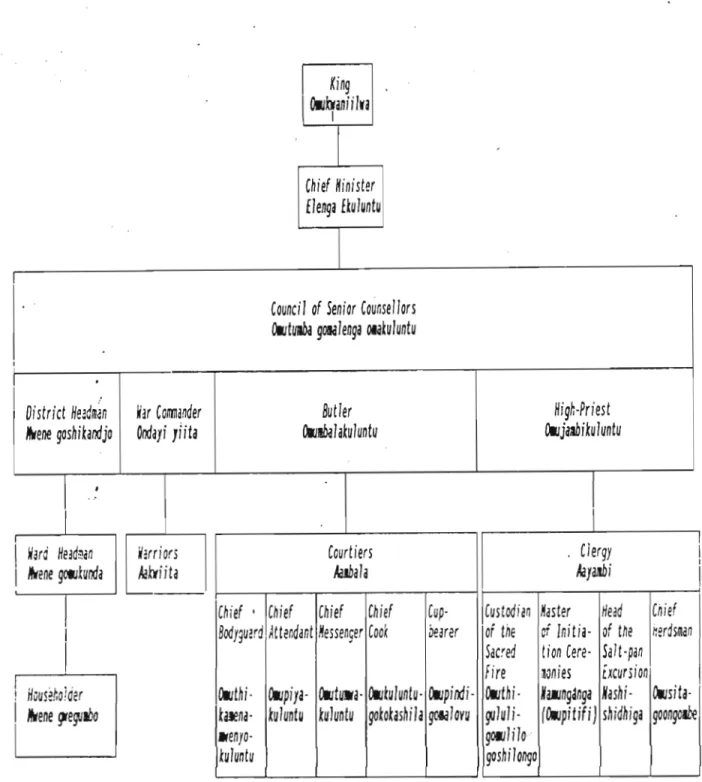
It was performed by a medicine man who cut two small wounds in the arm of the bride and groom with a specially heated knife. When Uiulu ascended the throne, there was a gathering of all the people, both men and women, in the council chamber (olupale) of the king's laaal, accompanied by the rapid tattooing of small drums. A nobleman stood up and told the people the name of the king and his new orders.
The king thus assured the nation of his power, which meant the safety and protection of the nation. The custom of accepting the throne from King Humbe preserved the memory of the origin of the royal institution in the region. The wife of the new king's predecessor had to be killed, as it was tradition.
As the first wife of the king, she knew many secrets and kingdoms. His murder was not a display of a culture of cruelty, but the fulfillment of one of the ancient traditions. He knew about the workings of the former royal court and the entire nation.
The mixed meat was poured into a bowl from which the king's advisors and the elders of the kingdom shared the meat. The magical necklaces were placed around the king's neck by the soothsayer, who pronounced these words. He ordered the king to wake up early the next morning and take his seat in the great reception room of the court.
34;The upper part of the skull is neatly cut and made into a basin for the king. The king's life and rule were perpetuated by the human lives offered during his accession and empowerment, so it was believed. The king's superhuman nature was marked as extraordinary: for example, no one in the land, except the king, wore magical necklaces as described above.