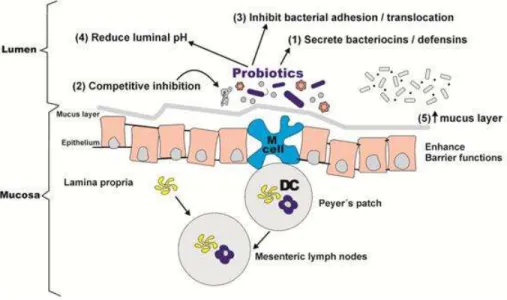
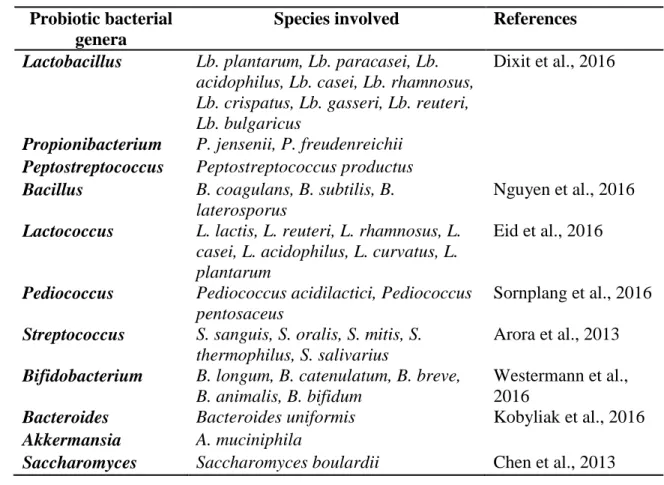
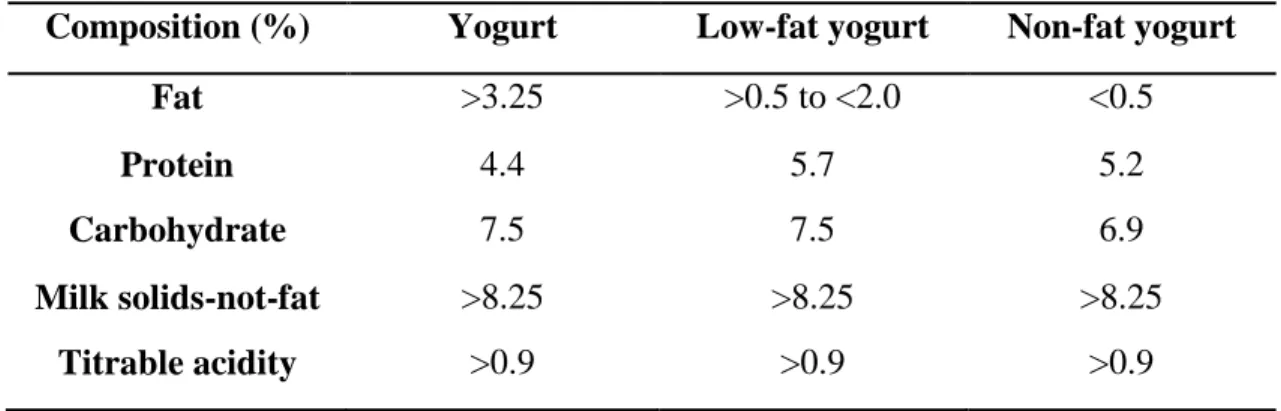
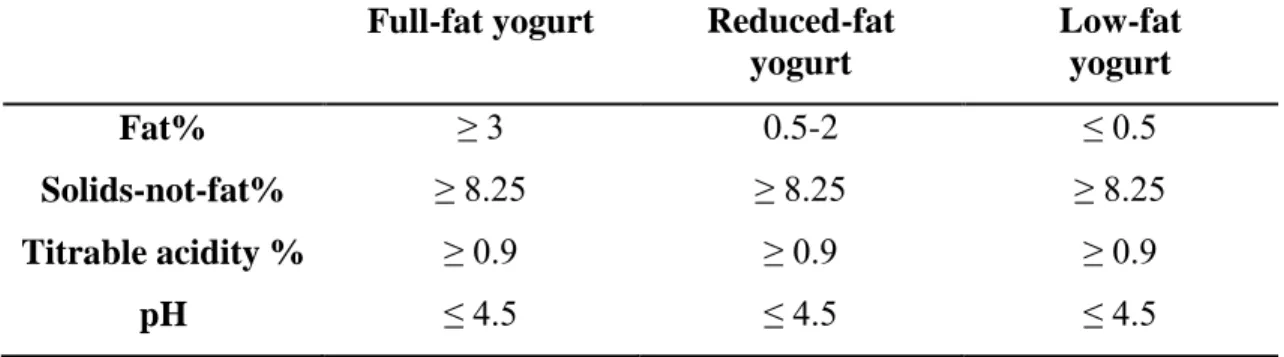
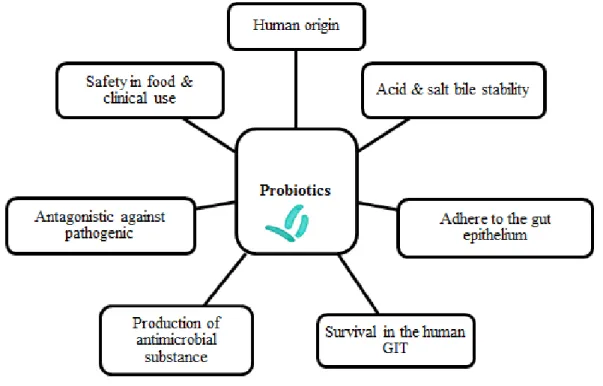
Probiotic lactobacilli are also recognized for their beneficial effects on the human body (Nagpal et al., 2012). Lactic acid bacteria have been widely used for the fermentation of many fermented products such as cheese, yogurt, sourdough, buttermilk, pickled vegetables and sauerkraut (Ammor et al., 2006) (Table 1).
Agarose gel electrophoresis
Streptococcus thermophilus
Isolation of Streptococcus thermophilus a) Enrichment
Preliminary identification of Streptococcus thermophilus a) Staining
- Polymerase chain reaction (PCR)
- Agarose gel electrophoresis
Colmin et al., (1991) species-specific gene probe derived DNA fragment (4.2 kb) by hybridizing to the closely related species S. Lick and Teuber et al., (1992) published an oligonucleotide probe of which is also species-specific for S .
Yogurt and Dahi
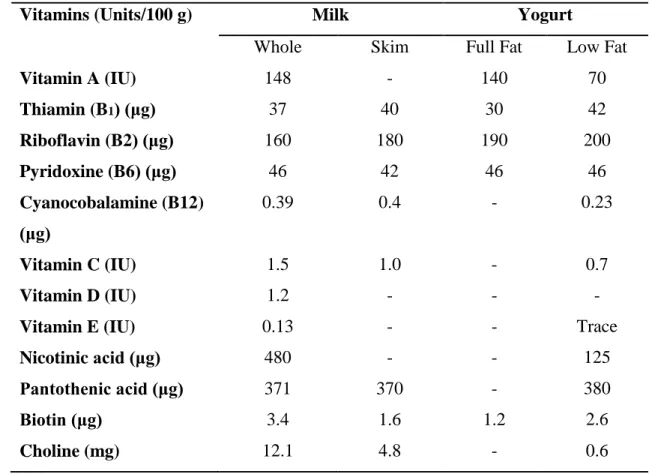
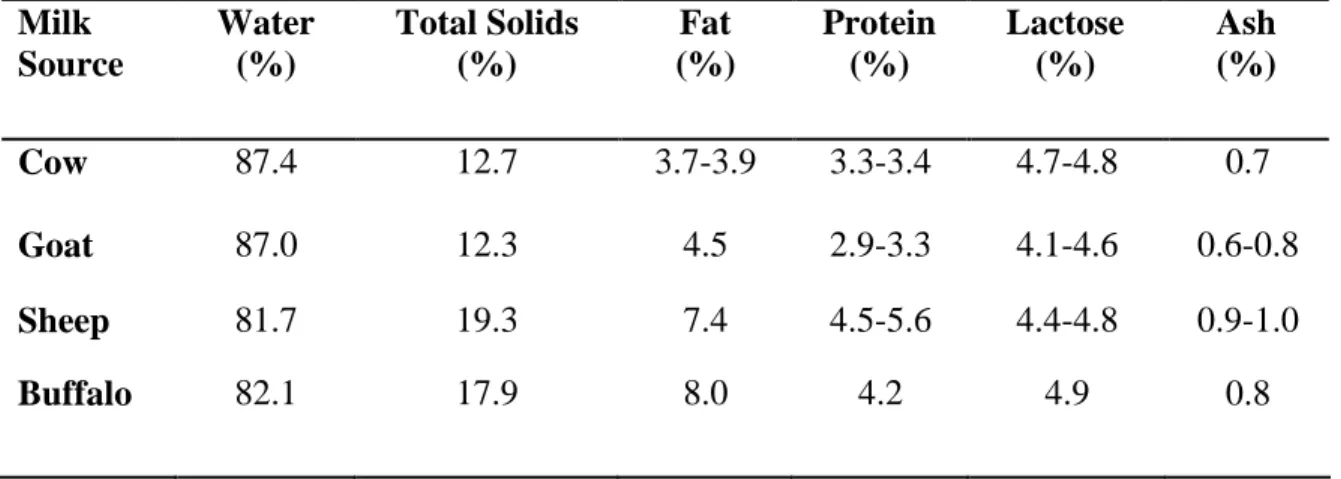
Amplified products can be subjected to gel electrophoresis in 1.5% gel and visualized by staining with ethidium bromide (Vanatkova et al., 2009). There may be a slight difference in the composition of yogurt and the milk from which yogurt is prepared (Table 5).
Types of Yogurt
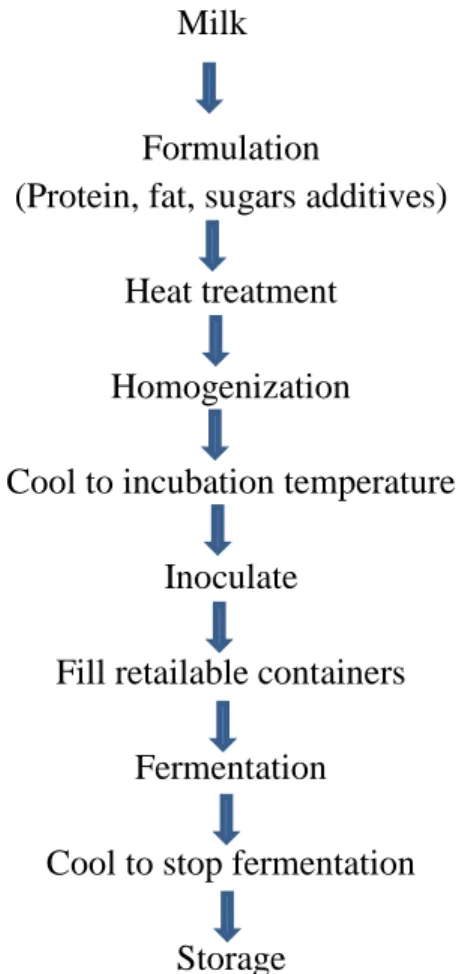
Yogurt Manufacturing Process
- Filtration
- Standardization of milk
- Homogenization
- Heat treatment (Pasteurization)
- Effect of heat treatment on quality of dahi
- Inoculation
- Incubation (Fermentation)
- Cooling and Storage conditions
Shekhar et al., 2012 showed that there is an effect of heat treatment of milk on the sensory and rheological quality of dahi. Another study showed that a better rate of gelation can be obtained by high heat treatment (Xu et al., 2008).
Viable count of fermented dairy products
Total coliform count of yogurt
The problem of whey separation
Heat treatment is said to increase the stiffness of yogurt gels (which is an important textural characteristic), but is not very effective in preventing the whey separation that occurs in milk incubated at very high temperatures (Lucey et al., 1998) . Therefore, the sensitivity of yogurt gels to whey secretion varies considerably and is poorly understood.
Yogurt Starter Cultures
Problems are observed, especially when the initial cultures contain a single strain or when the same culture is reused over a long period of time (Josephsen et al., 2004). Favorable conditions for the growth and survival of starter cultures can be hindered by the presence of detergents and disinfectant residues such as quaternary ammonium compounds, iodophors, hypochlorite and hydrogen peroxide used to clean dairy equipment.
The Role of Starter Culture on Yogurt
Role of Exopolysaccharides (EPS) in Texture of Yogurt
EPS produced by lactic acid bacteria
They found that the increase in yield during the growth, exponential and stationary phases was accounted for by an increase in chain length of the VPA that was secreted. Therefore, the incorporation of isolated EPS or EPS-producing cultures can provide viscosity, stability and water-binding functions (De Vuyst and Degeest, 1999) which can significantly contribute to the mouthfeel, texture and taste perception of yogurt (Duboc and Mollet, 2001).
Beneficial effects of LAB
The concentration of EPS in milk cultures has been reported to be up to 3000 mg/L for S. Exopolysaccharides produced by LAB are tasteless, but their presence increases the time the milk product spends in the mouth, and therefore gives a perception improved taste. (Duboc and Mollet, 2001).
Health benefits of yogurt
Lactic acid bacteria have the proteolytic system that hydrolyzes milk proteins to release ACE inhibitory peptides (Yamamoto et al., 1993). Addition of probiotics to yogurt has been shown to increase in vitro ACE inhibitory activity due to enhanced proteolytic activity (Donkor et al., 2007).
Future Perspective in Probiotics
Significance of the research work
Chapter-III
Materials and Methods
- Collection of raw materials or samples
- Isolation of Lactobacillus spp
- Procedure for the isolation and identification of Lactobacillus spp
- Isolation of Streptococcus thermophilus
- Procedure for the isolation and identification of Streptococcus thermophilus The collected samples were brought to the PRTC Laboratory, CVASU for isolation and
- Gram’s staining
- Catalase test (Slide test)
- DNA extraction from the isolates
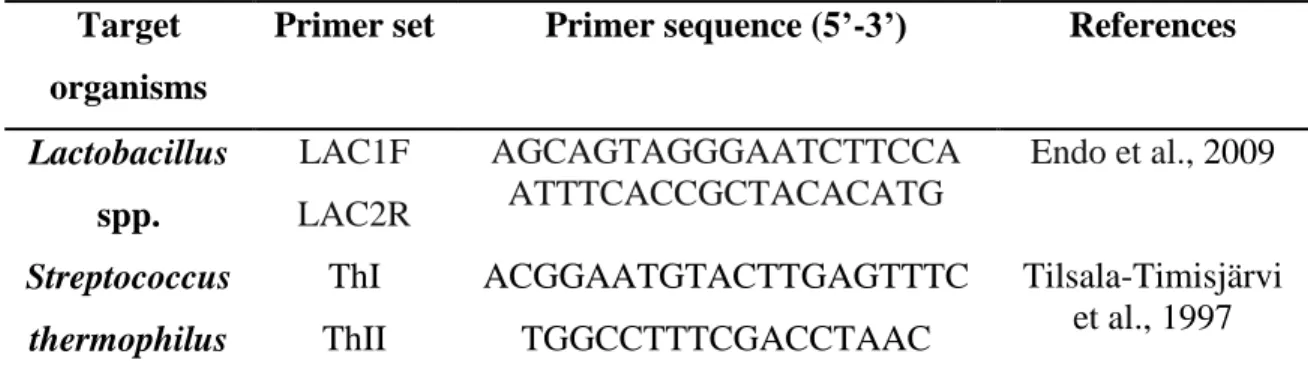
- PCR of Lactobacillus spp
- PCR of Streptococcus thermophilus
- Visualization of the PCR products by agarose gel electrophoresis
- Development of Dahi
- Preparation of Lactobacillus spp. culture
- Preparation of Streptococcus thermophilus culture
- Preparation of mother culture
- Preparation of Dahi with the isolated culture
- Physicochemical analysis of developed Dahi
- Determination of titrable acidity
- Determination of Moisture, Protein and Ash
- Microbiological analysis
- Viable count of starter culture
- Total coliform count
- Sensory evaluation of prepared Dahi
- Statistical analysis
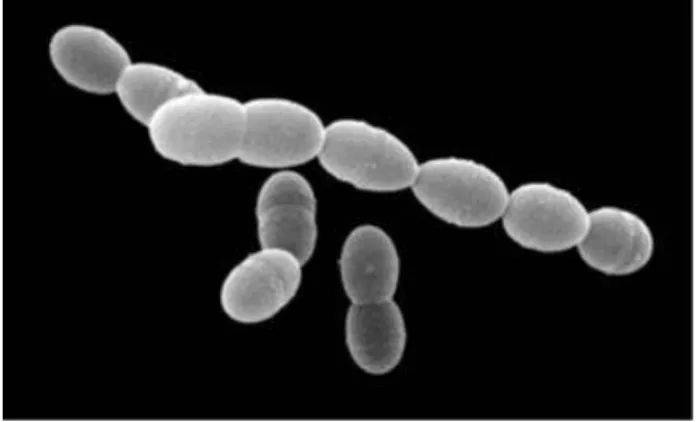
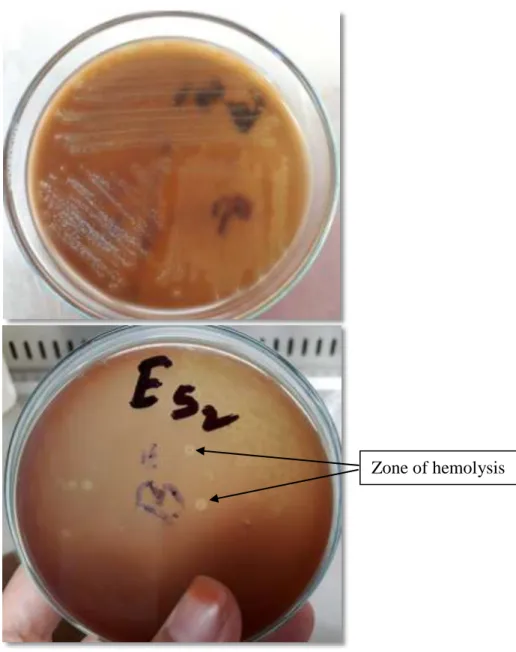
Small, dewdrop-like colonies surrounded by a hemolysis zone were suspected for Streptococcus thermophilus. The generation of gas bubbles indicates the presence of the enzyme, hence the catalase-positive nature of the bacterium. Streptococcus thermophilus cultures were reconstituted from frozen stock cultures (300 μl 50% glycerol in 700 μl BHI broth) by plating in blood agar.
Dahi (T1, T2, T3) samples were made by adding Lactobacillus spp., whereas T4 was made by using Streptococcus thermophilus culture and (T5) Dahi sample was made with a combination of Lactobacillus spp. T3) and Streptococcus thermophilus (T4) bacteria together. The pH of the preparations was measured using a digital microprocessor pH meter (pHepÒ3, Hanna Instruments, USA). The number of colonies or viable bacterial counts per ml was calculated by multiplying the average number of colonies per plate with the reciprocal of the dilution.
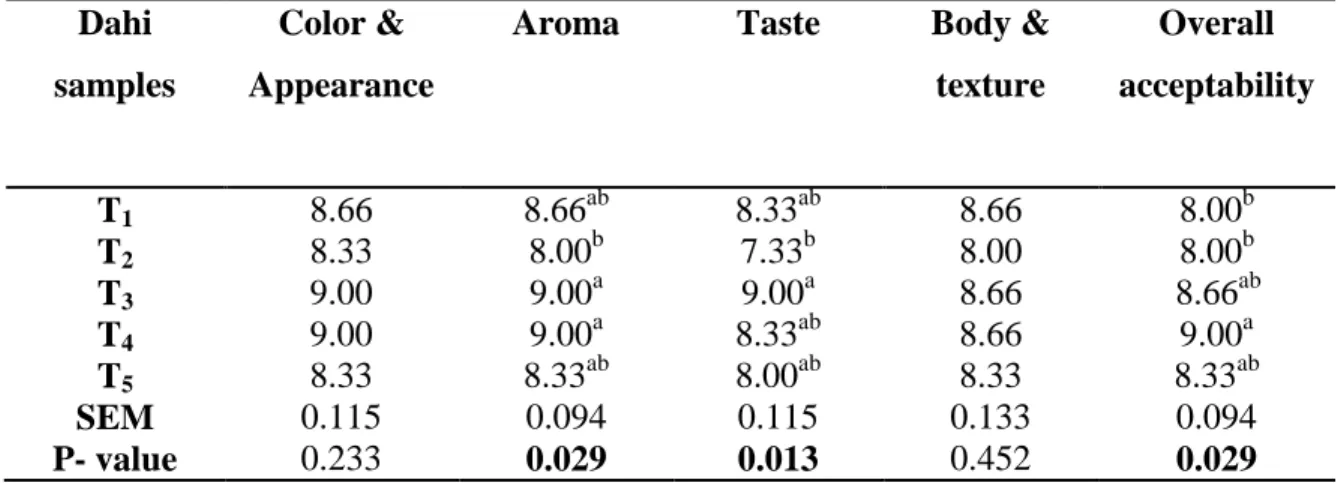
Sensory characters such as color and appearance, aroma, taste, body and texture, and overall acceptability of the prepared Dahi samples were evaluated by a panel of judges consisting of 5 members of the Dairy Science Laboratory of CVASU, using hedonic scale developed for the purpose is. The sensory characters of the prepared samples were measured by the panel expert according to the method as described by Shekhar et al. 2013), the test was aimed at quality assessment of the products.
Chapter-IV Results
- Isolation of Lactobacillus spp. and Streptococcus thermophilus
- Microscopic observation
- Catalase test
- Molecular identification of Lactobacillus spp. and Streptococcus thermophilus The presumptively identified isolates were then subjected to molecular identification by
- Lactobacillus spp
- Streptococcus thermophilus
- Development of Dahi using isolated LAB species
- Physicochemical analysis
- Titrable acidity
Presumptive isolates of Streptococcus thermophilus were selected based on the colony morphologies of the isolates; small, dewdrop-like colony that produces hemolysis on blood agar. This figure illustrates fragments specifically amplified by PCR using the LAC1F/LAC2R primer set. This figure illustrates fragments specifically amplified by PCR using ThI and ThII primers.
No artificial flavorings, colorings, thickening agents and no chemical preservatives and stabilizers were added to any of the formulated dahi. The development of Dahi with these isolated cultures was successful as the preparation provided a complete process. The developed dahi can be a new or potential palatable food product or popular dairy food products, as it has better nutritional value with increased shelf life and greater acceptability, which can be introduced commercially for production of dairy food on a large scale to meet the huge demand of the growing population across the globe.
All determinants were run in triplicate and results were expressed as the mean. Titratable acidity of the Dahi samples on day 1 and day 7. T1, T2 and T3 treatments refer to Dahi samples made from Lactobacillus spp., while T4 means Dahi sample from Streptococcus thermophilus and T5 denotes Dahi sample, prepared by combining Lactobacillus spp. T3) and Streptococcus thermophilus (T4) bacteria together).
Titrable acidity
Chemical composition
The data on the moisture, protein and ash percentages of the samples showed a significant difference between the treatments. The data showed that the % moisture content of T5 was significantly better than the other samples. Sample T3 had the highest ash content value of 1.37%, and sample T4 had the lowest value of 1.09%. The result showed that the ash percentage of T3 was significantly better than other samples.
Data refer to mean values consisting of three replicates; a, b, c, d. Means to carry unusual superscripts within a column varies considerably at the level mentioned in the above table; SEM=Standard error of the mean; T1, T2, T3 treatments refer to Dahi samples made from Lactobacillus spp., while T4 means Dahi sample from Streptococcus thermophilus and T5 indicates dahi sample prepared by a combination of Lactobacillus spp. T3) and Streptococcus thermophilus (T4) bacteria together].
Microbiological analysis .1 Viability of starter cultures
- Total Coliform Count (TCC)
Sensory evaluation of developed Dahi
Sample Vs cfu/ml
Color and appearance as well as body and texture scores obtained from different samples showed no significant difference between and within treatments. Data refer to means of three replicates; a, b Funds bearing uncommon headings in a column are significantly different at the stated level made from in the table; SEM=Standard error of the mean;. T1, T2, T3 treatments refer to Dahi samples Lactobacillus spp., whereas T4 means Dahi sample from Streptococcus thermophilus and T5 denotes dahi sample prepared from a combination of Lactobacillus spp. T3) and Streptococcus thermophilus (T4) bacteria together].
Chapter-V Discussion
- Isolation of Lactobacillus spp. and Streptococcus thermophilus
- Molecular identification of Lactobacillus spp. and Streptococcus thermophilus .1 Molecular identification of Lactobacillus spp
- Molecular identification of Streptococcus thermophilus
- Development of Dahi using isolated LAB species
- Physicochemical analysis .1 Acidity
- Chemical composition (Moisture, Protein and Ash) of developed Dahi
- Microbiological analysis
- Sensory evaluation of developed Dahi
High heat treatment of milk increases gel strength and reduces syneresis in the final product (Lucey et al., 1998; . Vasbinder et al., 2004). The rate of acid production in mixed culture is greater than the rate of acid production using single strain (Tamime et al., 1980). The reason for this may be due to storage time, as the acidity of the test sample was tested between day 1 and day 7. The reason for this may be the different time of determination of pH, as the pH of the samples was determined in different period ie.
The increased pH may be due to higher alkalinity of the sample, and decreased pH indicates higher acidity. Considerable variation was observed in the values of moisture, protein and ash content in the different samples of developed Dahi. Low moisture content and ingredient composition may be reasons for increased nutrient content in T3 Dahi.
The higher palatability, increased nutritional value and the compatible action of using suitable organisms may be responsible for enriching these characteristics of the Dahi (T3). The color & appearance and body & texture of the different samples were not affected by the treatments.
Chapter-VI Conclusion
Chapter-VII
Limitations and Recommendations
Competitive inhibition of Listeria monocytogenes in ready-to-eat meat products by lactic acid bacteria. Antibacterial activity of lactic acid bacteria against spoilage and pathogenic bacteria isolated from the same small-scale meat facility. Selection of wild lactic acid bacteria isolated from traditional Egyptian dairy products according to production and technological criteria.
The relevance of exopolysaccharides for the rheological properties in milk fermented with strong strains of lactic acid bacteria. Variation in the molecular mass of exopolysaccharides during the time course of long-term fermentations of skimmed milk by lactic acid bacteria. Immunomodulation of blood leukocytes in humans by lactic acid bacteria: criteria for strain selection.
Development of oligonucleotide primers from 16S-23S rRNA intergenic sequences for the identification of different dairy products and probiotic lactic acid bacteria by PCR. Yogurt and immunity: the health benefits of fermented milk products containing lactic acid bacteria. Properties of mesophilic lactic acid bacteria from raw milk and naturally fermented raw milk products.
Effects of pH, temperature, supplementation with whey protein concentrate and supplementary cultures on the production of exopolysaccharides by Streptococcus thermophilus 1275.
Appendix
- Determination of titrable acidity
- Determination of moisture
- Determination of Ash
- Determination of protein content
The percentage acidity was determined according to (Aggarwala & Sharma., 1961) by titrating 9 gm of diluted samples of Dahi against standard N/10 NaOH solution until the substance reached a pale pink color corresponding to the end point of phenolphthalein which was use 2 -3 points during titration as an indicator. The end point was indicated by the appearance of a pale pink color which persisted for several seconds. The moisture content was determined after determining the DM (dry matter). The enamel disc or pit was dried in an oven set at 105°C which was cooled in a desiccator and weighed.
5 g of the sample was weighed into an enameled disk and kept in an oven (105 °C) for 24 hours. It was then cooled in a desiccator and, after reaching a constant weight, the final weight was measured (AOAC, 2005). We put 5 grams of the sample there and burned the sample until smokeless in the heater.
The oven was cooled to 150°C and the sample was transferred to desiccators and weighed (AOAC, 2005).