Bangladesh Journal of Public Administration (BJPA), 26(1): 57-77, 2018 ISSN:2664-4622 (online)
Bangladesh Public Administration Training Centre
The Dowry as a Crime in Disguise of Gifts: Evidences from Sadar and Faridganj Upazilla of Chandpur District
Towhidur Rahman1, Mahmuda Kulsum Moni2, Md. Samaun Khalid3, Farhana Begum4, TamannaTabassum Khan5 and Nisa Chakma6
ABSTRACT
Dowry is a despicable affliction in society. The social evil has become a barrier for women in every sphere of life. The culture of dowry can be found not only in sub-continent but also in Europe, China, The United States, and also in African countries. A Dowry means the transfer of property by the bride or her family to the groom as an arrangement of marriage. When a bride or her family pays money or any other movable or immovable property, it is called dowry, which is also known as the bride price in the sub-continent. Though the dowry is most common in the rural area, it cannot be said that it is absent in cities. Instead, it is used as a disguise of gifts in women's marriage where the parents of the marriageable woman are bound to give dowry as a gift to the groom. This anathematization of dowry is increasing day by day in society. Social problems like child marriage, physical and mental abuse to the women, divorce and even killing of women are the consequences of dowry. The government of Bangladesh has taken significant steps to eradicate this practice. The punishment for dowry-related crimes is severe, which has been amalgamated in the Dowry Prohibition Act, 1980. The most important step is to create consciousness among people, especially in the rural areas, to stop the practice of dowry from the society. This study will help the practice and people of the society to go forward to abate the dowry practice.
Keywords: Dowry, chandpur, bride, groom, violence, social cancer, women‟s rights, marriage
INTRODUCTION
The Government of Bangladesh is moving forward to implement the Sustainable Development Goals (SDG) in order to materialize vision-2021 and vision-2041. The 5th goal of SDG is „Gender Equality‟, and 10th goal of SDG is „Reducing Inequalities'. Bangladesh has already transitioned from a lower income country to a lower middle-income country.
However, it is a matter of great regret that still dowry system is still prevailing in society. It is like social cancer, which is gradually destroying the moral values of marriage, relationships, love, and affection. Dowry means a transfer of parental property in the form of money or other physical assets. Nowadays, it has become a symbol of social status. People from almost all classes are now giving and taking dowry. For the people of higher income, it is just showing off to the other people how much one can give to his/her daughters. However, for the lower income people, dowry is just like a nightmare. They become bankrupt, and
1Assistant Commissioner of Taxes Email: [email protected]
2Assistant Commissioner
3Assistant Secretary
4Assistant Commissioner
5Assistant Secretary
6Assistant Secretary
sometimes they sell their only property to manage dowry. They are dependent on their parents while they are young. They are dependent on their husband while they are married and dependent on their sons while they are old. So, they are always dependent throughout their life. Parents give dowry during their marriage as a consolation prize. Even when women are educated, their parents also have to give dowry for their daughter‟s honour and dignity at her in-law‟s house. Today, both the educated and uneducated families are involved with the dowry. The intensity of dowry is increasing day by day and so the demand of the groom. If an educated and independent woman is getting married without a dowry, she has to bear the mental and physical torture after her marriage. The situation of uneducated and poor women is beyond imagination. They have to go through extreme abuse and torture that sometimes they have to commit suicide. Poor parents do not expect their daughters to return to their home after marriage. So, they bear all the torture. Sometimes many women remain unmarried because of their parent‟s inability to give dowry. The poor people consider their daughter as a burden. There are many rules and regulations to stop dowry. However, dowry cannot be stopped only by applying rules and regulations. It has entered the core of society. People of Bangladesh have accepted this social crime as a custom.
This research aims at how the dowry system in the rural area is destroying the moral values and failing to give dowry, how domestic violence is increasing day by day. Though there is always some limitation in any study, it is hoped that people could understand the prevailing dowry system in Bangladesh from a unique point of view which could enlighten knowledge and capacity to take necessary steps to stop the dowry system as well as violence against women. This study attempted to those who are well aware of this dowry system. This study is significant as it would help lawmakers to create new laws to combat the dowry practice. At the same time, it will be helpful for the present and new generation to know the real curse of dowry in disguise of gifts in the lives of women. The findings of the study will be used for references and helpful to know the real social problems in the context of Bangladesh. Findings after analyzing the data are used to provide some recommendations as well.
In order to conduct research in a meaningful way, it is important to identify the limitations of the study. Considering the time, money, other necessary resources available to the researchers, the following limitations have been observed throughout the study:
The study has been confined to only two Upazillas of Chandpur district.
The researchers have limited time to collect and analyze data.
Some respondent was unable to give information, especially the women, who are the victims of domestic violence because of dowry didn't want to talk to researchers.
The characteristics of the respondent were different, so it was difficult to find out the exact information.
The primary purpose of the study is to find out the roots of dowry and its impact in social and family life, what kind of violence women are facing due to dowry and who are responsible for that crime. The study also tried to find out some remedies to overcome this problem. The primary objectives of the study is to find out the following things:
To understand the psychological thoughts of the people why they are giving dowry.
To find out the reasons for the existence of dowry.
To find out the measures in stopping dowry
The broad research question of this study is why people cannot stop and come out from this harmful practice. Specific research questions for the study are:
i. How much suffering women experience due to dowry?
ii. What methods might be taken to stop dowry?
Problem Statement
Most parents think that fulfilling the demand of dowry can bring happiness in their daughter‟s married life, especially in a rural area. The irony is that instead of happiness, their daughter faces pressure for fulfilling more demands from their husband and in-law families. The unfair custom results in demand and extortion in many cases. According to Chowdhury (2010), husbands consider their wives to be a source of wealth accumulation. This makes many grooms into goons with greed. Chowdhury also identified that such greed resulted in increased participation of paid labour force among women where their husbands or in-laws control the women‟s income in most cases. In most instances in rural areas, parents spend their last savings during and after the marriage of their daughters. Sometimes they even take a loan or borrow from others. It causes financial sufferings for them in the long run.
This bad practice is also responsible for child marriage. Many women cannot finish their minimum level of education properly. In the eye of the most rural society, they will be over- aged for marriage upon completion of education in many cases. As a result, dowry becomes much higher for educated women in rural areas. When a family cannot fulfil dowry, they cannot get their daughter married. Even they somehow manage to fulfil the dowry, the husband or the in-laws of the woman demands more at the regular interval after the marriage or threaten to send her to parents‟ home. In a severe situation, she is even beaten and physically tortured by her husband and in-law family. This heinous situation most of the time leads her to commit suicide because she does not want to return to her parents where she might become a burden to her family. Even sometimes, dowry-related violence includes murder and gang rape of a woman. Because of domestic violence due to dowry, children notice their parents quarrel. It ruins their childhood and affects their development. The parents and daughters do not know that the government enacted laws in their favour to stop dowry system. This is due to lack of proper institutional education and social awareness in many instances. Many do not complain and think that giving dowry is inevitable. In a developing country like Bangladesh, the system of dowry is a significant barrier to socio- economic development. This dowry system influences the parents to save money for the marriage of their daughters. Spending money on educating daughter seems as wasting money from their perspective. This study will try to find out the root of this problem, to develop effective tools to stop the dowry practice and to create social awareness about the impact.
LITERATURE REVIEW
Many researches have been conducted on the different aspects of dowry. In this section, an attempt has been made to present a brief and relevant review of the related researches, articles, journals that are about the problem of dowry. In the past, in the south Asian region bride price was given to the parents of the bride. However, during the 1960s the region experienced the picture of giving the groom instead of taking dowry. Day by day, the demand of dowry increases and makes this thing a part of marriage (Amin & Cain 1997).
Chowdhury (2010) in her „Dowry, Women and Law in Bangladesh‟ described the emergence of dowry in Bangladesh. After the independence of Bangladesh, a „Nouveau Riche‟ class emerged and within a very short period they were able to gather much wealth. So, they looked for wealthy grooms for their daughters and willingly gave them different gifts. That thing promoted dowry a lot. Another reason for dowry is that the marriage time period for women is less than men. So, after a certain period, it is difficult to find a groom for the women. That is why woman‟s parents need to give dowry if the woman‟s age is more than
the limit. In Bangladesh, women do not get justice despite the existence of anti-dowry system because of the legal expenses and harassments. So, they have to face domestic violence because men do not have to pay any cost for domestic violence (Chowdhury 2010).
Arunachalam & Logan (2006) on their research established two models of dowry. One is the price model where the bride‟s family gives dowry to the groom‟s family to equilibrate the marriage market. Another one is the bequest model when parents consider that, as their daughter is leaving home and do not inherent her father's property so, she should be given something as an alternative. This thing keeps women away from their father‟s property (Arunachalam & Logan 2006). Bates et al. (2004) have shown that there is a relationship between dowry and bride‟s age. Parents prefer to marry their daughter rather than sending her to school because grooms do not like the aged bride. Another reason is the mother‟s concern about daughters „sexual-purity'. Parents fear about paying more dowries for an aged daughter lead them to marry their women at an early age.
During a marriage, when a bride‟s parents give dowry to the groom‟s family, it increases the bargaining power of the bride in her in-laws‟ house. She sometimes can give her opinion while taking any decision for the family. Besides, there is less probability for the woman to be divorced. Groom, who take dowry do not want to divorce his wife because she has a financial contribution to the family (Suen et al. 2003). The main cause of the existence of dowry in society is the inactiveness of law. People are not aware of the laws. When any poor person is unable to meet the demands of the groom‟s family, they go for help to the philanthropists. Then the neighbouring philanthropists come forward to help the poor people.
However, they do not take the initiative to stop dowry from society (Suran et al. 2004).The dowry has given birth too many evils. Many families have to take debt for giving dowry to their daughters. They have to work hard to pay the debt. Many people spend their whole life in repaying the debt amount. Some others may take illegal means to manage the money.
Many young women commit suicide because they cannot bear the extreme torture of her in- laws (Deolalikar and Rao 1998). Nasrin (2011), a Sociologist of Dhaka University, stated in her popular book named “Crime or Custom? Dowry Practice in Rural Bangladesh” that, sometimes considering the security and welfare of daughters, parents often pay dowry willingly. However, this argument is not appropriate for rich people and educated people.
When women are educated and doing a job, why they have to take dowry from their parents?
This is because society has accepted the dowry system obvious (Nasrin 2011).
Dowry has begun as a voluntary gift from the parents to their daughter to ensure her share in the family because parents want to make parity among their children. It is seen that some people are so desperate about taking dowry that, even if they have enough property, own house, jewellery etc. They need something as dowry. In some cases, when women are educated, financially independent and want to carry on their job after marriage, groom‟s parents are ready to give bride-price. Because they are getting a member in their family with permanent income. However, if the bride is from a poor family and has no income source, the groom's family will never compromise. As the demand for dowry has increased, the tradition of bride-price has turned into groom-price (Sambrani et al. 1983).
In the past, dowry was given as a form of only physical assets and most of the time household goods. However, now a day, it is not only limited to household objects but many other physical properties. Also, the most demanding thing as dowry is cash (Amin & Cain 1997). After conducting a survey among six villages of Bangladesh, it is found that about 72% women within age 15-19 have to be getting married with a predetermined dowry agreement (Bates et al. 2004).There is argument that sometimes dowry is beneficial for the women because it ensures their future safety even when the marriage is dissolved. It also gives the women an advantage of decision making power in the family. The more dowries are given to a groom, the more difficult it is for him to divorce his wife (Brown 2002). However,
in Bangladesh, this doesn't work for the women. In Bangladesh, the amount of dowry is decided by the demand of the groom‟s family. It is not decided by the amount of property a woman inherits from his father‟s property. During the divorce, Muslim women get back the
„Mohr‟ (the amount a groom is bound to pay to his wife what is decided by both the family during wedding), which is a very small amount of money. So it does not benefit the women (Amin & Suran 2005).
The contribution of women in family cannot be measured in monetary value. Women are working from dawn to midnight. But the contribution of women is considered as an unrecognized sector. So the dowry is considered the expenditure for the women for her clothing, food, medical for the lifetime. The more dowry will be paid, the better life she will lead (Rajaraman 1983).There are many factors that affect the conjugal relationship based on dowry. In some cases, even if the dowry is not given to the groom, there is no domestic violence because of good understanding of spouse. However, the intervention of father-in- law and mother-in-law sometimes create a problem (Naved & Persson 2010). It is found that generally, economically vulnerable families tend to take dowries. They are desperate about taking dowry because they want to obtain resources for their family. Some people take dowries to pay for their daughter's marriage. So, if they cannot fulfil their desire and fail to generate more resources from their daughter-in-law hose, the intensity of domestic violence increases (Bates et al. 2004). A study has shown that giving and taking dowry has many consequences. It may be considered as safeguarding property for conjugal life. Sometimes it increases the bargaining power of women in her in-law's house, defend her from violence.
However, sometimes, it increases violence. Because sometimes, parents cannot meet the desired demand, and sometimes the groom's family demand more dowry after the marriage (Zhang & Chan 1999).
Dowry in Bangladesh
A larger amount of Dowry indicates a good social status; it is one of the means of acquiring a
„good husband‟. In the ancient world, it was voluntary, for the emergency time of the bride;
but in the present context, it is somewhat mandatory. The social consequence of this increased Dowry payments is severe. The amount of money or demanded gifts is often so huge that the payment can lead to an impoverishment of the bridal family (Anderson 2003).
The initial custom in Bangladesh was not Dowry but something that was called Pawn. It was a payment that the groom‟s family would have to make to bride‟s parents as the bride‟s price.
This was gradually replaced by the dowry, called Joutuk in Bengali. Jones in 1997 mentioned the transition began during the late 1960s in Bangladesh. During the mediation process fixing the amount of Dowry takes place, which is often humiliating for the bridal family. The demand for Dowry can lead to torture and even Death. Studies by Huda in 2006 revealed that between 0.6 and 2.8 brides per year per 100,000 women are reported to have died from dowry-related violence.
Responsible Factors for Dowry
There is the Dowry Prohibition Act 1980, by which dowry is legally and lawfully banned. The ironic reality is that there is no real change in this practice. Different NGOs and the government are also trying much to stop dowry violence against women. Primarily reasons behind existence of Dowry practice and violence from such practice are lack of social drive against it and weak implementation of laws with regards to Dowry. In society, there are thousands of problems that are evidenced in the case of implementing the laws. Women, in
most cases, have little to no knowledge on laws related to Dowry, let alone use it for their defense. Katharina in 2009 blamed the government for failing to spread out the word among women exposed to violence over Dowry.
Several non-government organizations are working on the demerits of Dowry for ages, but astonishingly did not succeed much in creating proper awareness among the common people. In many cases, people do not take it importantly. Their crucial and real life wants another thing. They take these as vague and false threats. Katharina (2009) found no evidence of laws being effective at reducing Dowry practice. In many cases, women are unwilling to go to the court as there is a fear of being abused by the in-law. Therefore, filing reports on domestic violence due to dowry can be problematic and bring more complex situation for women‟s future life. Furthermore, women with weak financial support do not prefer going to court due to high costs attached to such drives. On the contrary, the rich literature on Dowry shed light on the corruption that takes place in the path of seeking justice. Many said to have little faith in the country‟s judicial system, particularly when it comes to Dowry. Apart from these, there are several factors which are responsible for such practising. Following factors can be mentioned:
Societal Perception of Women as Burden
In many families, women are economically dependent on their relatives. Such a norm is used to justify Dowry by many. On the other hand, people who are passing their liability feel the urge to give dowry as compensation. This, however, started to disappear as more women are leaning towards making an income on their own. The change is insignificant, considering the large population in Bangladesh, only a small percentage of women are working to earn a living. As a result, it cannot bring much change in the custom of practising dowry. One important driver of this initiative has been the women dominating the job market in the garment industry (Hanne and Nuzhat 2006).
Rigid Norms and Long practised Tradition
People in rural region practice a norm that in order to be able to get their daughters married off timely, her parents must pay an amount of Dowry, as found by Katharina in 2009.
According to social belief, it is one kind of shame in society if the daughter remains unmarried. It is considered that the amount specifies the social honour of the daughter, where the amount increases higher in case of any lacking on the part of the daughter or her family.
For instance, the society terms it to be degradation if a woman and a boy get into a relationship before marriage.
Branding the Activities of Wives as Valueless
According to the social system, women do the domestic work and at the same time raise the children. However, these are considered valueless activities in the eye of the male dominant society. Therefore, more valuables are expected from them, and here, dowry works as a trigger.
The False Idea of “Social Security” in Contemporary Culture
The idea of social security is one of the most important factors of increasing practising dowry. In most cases, women‟s family think, by giving dowry to the daughter will make and keep her happy in the long run. She will be appreciated and be praised by father-in-law relatives. In this way, dowry seems to them as a key to social security in a father-in-law house which can protect their daughter from any unhappy incidents.
Poverty and Unemployment Situation of the Young
In Bangladesh, poverty and unemployment among male have a close connection with the dowry. Marriage is granted and seemed like a source of income for those unemployed persons. Poor parents want a boy in most instances so that they can earn for the family at an early stage of life. So in this competitive job-seeking market, many considers and explores the option of getting married for obtaining Dowry, as suggested in the paper by BNWLA (2004).
Considering the Dowry as a Mandatory Custom
Dowry is also practised in highly educated families. Even in wealthy families, this practice is seen. Katharina (2009) revealed that the bride‟s family often provides dowry without being asked by the husband; they do it to show wealth and status.
Male and Female‟s Imbalanced Ratio
An imbalance in the ratio of male and female play a part in determining the intensity of dowry in a region. More women in a region would result in higher dowry. In the rural area of society, it is seen that the age of marriage for women is lower than that of men, creating a tighter competition for women than for men (Hanne and Nuzhat 2006).
Hypergamy in Society
The term Hypergamy refers to parents who wish to raise their social status by marrying their daughter with a man from an upper social class. Suran et al. (2004) showed that dowry increases in such instances. The idea is to publicly show off their wealth and ability to secure a groom for their daughter.
Enhancing Women‟s Value and Status
A concept has been created that paying dowry will increase the bride‟s value in her in-law. In this modern society, the payment is also considered as an amount paid to a husband for creating a home, a family on their own. Parents seen paying dowry as compensation to the groom‟s family in case the bride is less attractive or mentally or physically disabled (Jubiada 2005).
The Continuous Cycle of Practicing
The norm applies in cycles, meaning, a family that has given dowry for their daughter would also expect to get it while getting their son married. Thus, it became a heinous cycle and process of exchanging dowry.
Dowry-Related Violence Against Women
Most of the violence against women takes place for dowry. Dowry-related violence is common in the rural community. Dowry demands cause domestic violence, which sometimes leads to death. The United Nations Division for the Advancement of Women defines dowry- related violence or harassment as “any act of violence or harassment associated with the giving or receiving of dowry at any time before, during or after the marriage” (UNDAW 2009).
Types of Violence
Different forms of violence against women perpetrated by the partner or members of the in- law family. Some common types of violence that are found in Bangladesh are given in the following.
(a) Physical abuse (b) Sexual abuse
(c) Verbal and Emotional abuse (d) Financial abuse.
Effects of Dowry and Violence
The family of a woman has to suffer to find a suitable match without paying a handsome dowry. This dowry system decreases family harmony and increases tension. Marriage has become a tool to exploit a woman, and thus, bridegrooms are traded as products. Dowry system made the life of parents more miserable. In order to pay dowry, they have to take a loan or even sell their lands. The practice of dowry increases violence against women and the number of broken families. As a result, the mental development of the children of those couple hampers. In spite of legal restrictions, thousands of incidences occur, and the rules are openly violated. Therefore, not only legal action but also social awareness against dowry has to be raised. Most of the women in Bangladesh fail to complain about violence committed against them because of the prevailing social stigma surrounding physical abuse, and they do not receive the justice that they deserve.
Social Responsibility
Marriage is a part of society. It builds up a relationship between two families. However, it is associated with an evil named dowry system. Although lots of initiatives have been taken against dowry, it is still prevalent in the 21st century. Dowry is a mandatory social custom which means providing a substantial amount of money or gold or other properties from the bride's side to the groom‟s family at the time of marriage.
Propositions for Society
It is undoubtedly clear that the dowry system is a curse to society. To abolish the dowry system from society, some initiatives could be taken. In this regard, some suggestions are given that are as follows:
(a) Creating movement against the dowry system all over the country.
(b) People who demand dowry should be socially boycotted.
(c) Ensuring compulsory marriage registration.
(d) Ensuring the percentage of women literacy.
(e) Women should learn about their rights and privileges.
(f) Not only women but also men should come forward to reject dowry.
(g) Changing the traditional mindset and outlook.
Bangladesh & India Perspective
Some initiatives have been taken against the dowry system in India. In this regard, two significant laws have been passed against dowry by the Indian government. The dowry prohibition act, 1961, was one of the most crucial endeavors for the abatement of dowry and to lift up the social status of women. Another significant law was the Protection of Women from Domestic Violence Act, 2005. This legislation was a civil law solution to protect the women in India from all forms of abuse as they face at their own abode. In Bangladesh Dowry Prohibition Act, 1980 was passed to ban dowry. Recently, the draft to amend the Dowry Prohibition Act, 1980 has been approved by the cabinet. The new act has a provision for 14 years‟ imprisonment along with fines for those individual or individuals responsible for committing suicide of any woman over dowry. Under the new law, anyone could be given a penalty of 12-year life-term for abusing a woman over dowry. Furthermore, the act lays down another provision for five years of imprisonment or Tk. 50,000/- fine or both for filing a false case to have been forced to pay a dowry. There is also another significant law, which is the Domestic Violence (Prevention and Protection) Act, 2010, to lessen the incidences of violence against women and punish the perpetrators.
METHODOLOGY
The research employed qualitative methods. Two types of data were collected- primary data and secondary data. Primary data were collected by questionnaires (from 60 individuals) and six focus Group Discussions (FGDs) in two Upazilas with each group containing around 12- 15 individuals. To conduct the research, the population sample was taken from Sadar and Faridganj Upazilla of the district of Chandpur. The dowry system is predominately prevailing in the rural and semi-urban area of the country. Sadar and Faridganj Upazila were a good example of semi-urban and rural area. The researchers were six in number and were divided into two groups. One group went to Sadar Upazila whereas the other group went to the Faridganj Upazila. In each Upazila, 30 persons were selected. A questionnaire containing 50 questions was prepared for collecting data. At first, each group went to the Upazila Nirbahi Officer (UNO) to know at which area of the Upazila dowry system is prevailing than the other part of the Upazila. Then each group went to that part of the Upazila and met with the
Union Parishad Chairman to know about the localities. Each group was consisting of 3 members. After discussing with the UP Chairman, the union was divided into three parts for each member of the group. Each member went to the respective area and collected responses to the questionnaires.
Data were collected from young adults who were recently married or yet to be married or whose marriage was cancelled due to failure to give dowry. Data was also collected from parents of young adults who were planning to give dowry or already has given dowry. Some women, who suffered from domestic violence due to dowry, did not cooperate with the questionnaires and did not give any responses. Some parents, who financially suffered for giving dowry, didn't respond to the questions. During collecting the data, some of the respondents mentioned that they even do not know that there are some laws that send both the dowry giver and dowry taker behind bars. Some of the respondents blamed the government for their financial and psychological trauma while they were informed that the data collectors were government officers. Some respondents, mainly those who were at some financial loss and suffered domestic violence, did not give complete data that were required for the research. These incomplete data were excluded during the analysis.
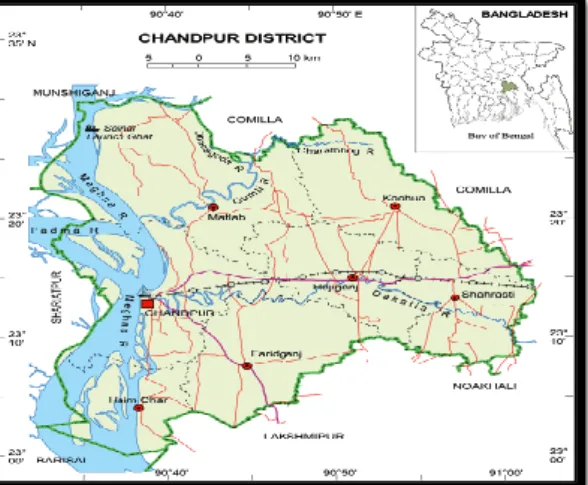
Figure 1: Geographical Map of Chandpur District
After collecting the data, each group went to a primary school first and then to a secondary school. A focus group discussion was performed in primary and secondary school to find out whether the students were aware of the dowry system. The students were also asked if they had any experience of giving or taking dowry in their family or if anyone in their family suffered any domestic violence. Some women in secondary school mentioned that they were already proposed for a marriage in exchange for a dowry. The group then went to the village market and performed a focus group discussion with adults, including parents whose daughters were already married or yet to be married. During the FGD, researchers tried to find out why they gave dowry even when their daughters were educated. They were asked why they do not inform law implementing agencies when they were asked for a dowry and why they do not stop anyone in their localities when they came to know that someone was giving dowry. During FGD, researchers also discussed the laws against dowry and the role of the law implementing agencies while people informed them. The FGD revealed some thoughtful findings. The data collected by questionnaires and Focus Group Discussion from Sadar and Faridganj Upazila were then analyzed. Incomplete questionnaires and vague responses from FGD were excluded during analysis. The collected data have been processed and categorized in segments to understand associated trends to draw meaningful conclusion to the survey. The findings after analyzing the data are illustrated in the following section.
Data Analysis
The secondary data were collected from some books, journals and research reports which are mentioned in the reference section. Secondary data were also collected from Gazettes containing dowry prohibition act published by the government and also from some resources using the internet. Designed questionnaire (available on demand) for the survey has been filled with responses (available on demand) from 60 personas selected randomly while survey period and location spread out over a specific span of time and area, which include two FGDs. The collected data have been processed and categorized in segments to understand associated trends to draw a meaningful conclusion to the survey. Sixteen study-specific questions were set out in the questionnaire, of which 9 were closed-end answers (only one answer with reference to the strength of agreement with the notion) while remaining seven questions contained several options as part of the answers. Core information to understand basic details of the respondents were obtained by three questions identifying the age, sex and marital status. Obtained data shows the average age of the respondent is 34 years, with the lowest being 18 years and highest being 59 years. A total of 26 out of sixty were male while the rest were female. Overall 46 were married with 14 being unmarried.
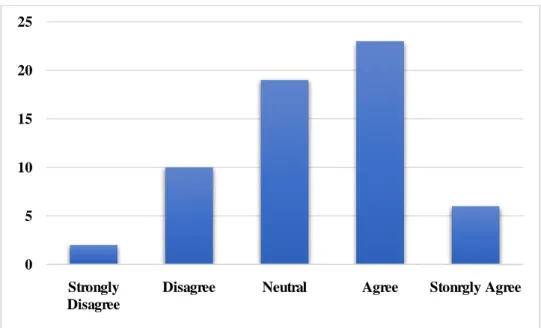
Following are the segmented responses of the closed-end questions:
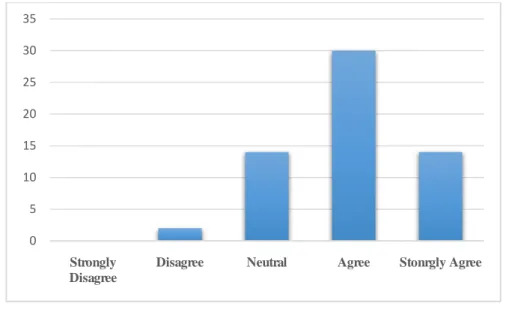
Figure 2: Prevalence of Dowry System in the Upazila
Here, the average of all the responses amounted to be 3.93 residing towards Agree notion.
This shows randomly selected population confirmed the existence of dowry system in Chandpur Upazilla.
0 5 10 15 20 25 30 35
Strongly Disagree
Disagree Neutral Agree Stonrgly Agree
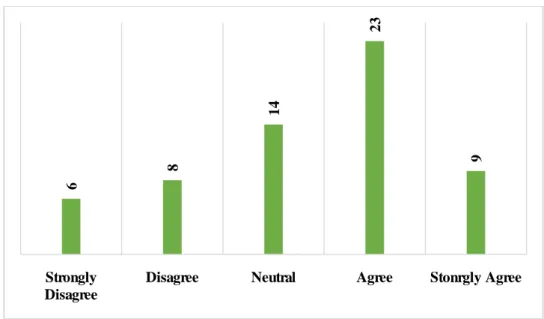
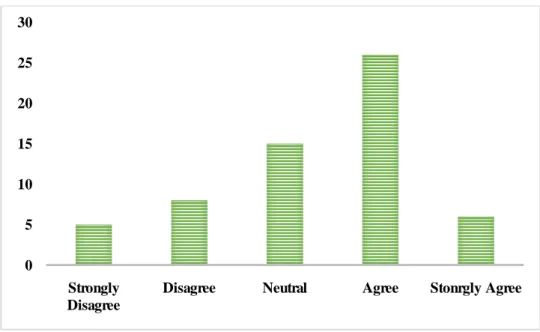
Figure 3: Compulsion of Dowry for the Marriage of a Girl
Here, the average of all the responses amounted to be 3.35 residing towards Neutral notion.
This shows a mix of opinion on dowry being compulsory for the marriage of a woman.
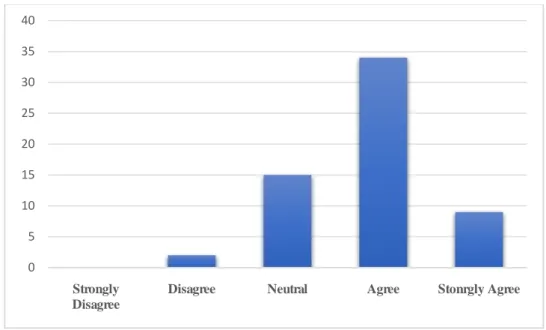
Figure 4: Severity Caused by Dowry
Here, the average of all the responses amounted to be 3.83 residing towards Agree notion.
The question provides a look into the pressure placed for dowry.
6 8 14 23 9
Strongly Disagree
Disagree Neutral Agree Stonrgly Agree
0 5 10 15 20 25 30 35 40
Strongly Disagree
Disagree Neutral Agree Stonrgly Agree
Figure 5: Suitability of Paying of Dowry for Getting a Suitable Match
Here, the average of all the responses amounted to be 3.35 residing towards Neutral notion.
Although most votes placed under the Agree banner in this question but the overall view remains neutral – this may be due to geographical and social attributes differentiating from one another.
Figure 6: A Bride‟s Chance of Getting a suitable groom by paying dowry
Here, the average of all the responses amounted to be 3.33 residing towards Neutral notion.
This question leans towards Neutral, providing insights that either may be the case.
0 5 10 15 20 25
Strongly Disagree
Disagree Neutral Agree Stonrgly Agree
0 5 10 15 20 25 30
Strongly Disagree
Disagree Neutral Agree Stonrgly Agree
Figure 7: Awareness of Prohibition Laws
Here, the average of all the responses amounted to be 3.58 residing towards „Agree notion‟.
The majority confirmed that they are aware of Prohibition Laws.
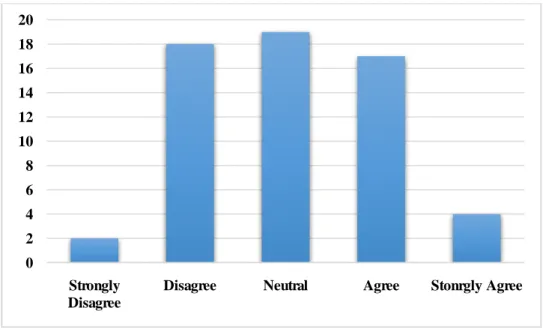
Figure 8: Nature of laws to overcome the dowry problem
Here, the average of all the responses amounted to be 3.05 pointing towards Neutral notion.
However, the disagreement and neutral segments significantly outweighed the agreement segment, indicating the belief of existing laws supposedly failing to overcome the dowry problem.
0 3
22
32
3 0
5 10 15 20 25 30 35
Strongly Disagree
Disagree Neutral Agree Stonrgly Agree
0 2 4 6 8 10 12 14 16 18 20
Strongly Disagree
Disagree Neutral Agree Stonrgly Agree
Figure 9: Trial of Dowry System By Other Means of Court
Here, the average of all the responses amounted to be 3.77 residing towards Agree notion.
Most people victimized are supposedly residing with the idea of tied by other means of court when it comes to dowry system.
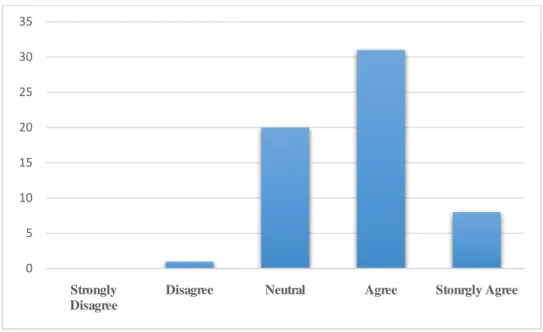
Figure 10: Engagement of Specialists from Different Sectors Before Going to The Court Here, the average of all the responses amounted to be 3.67 residing towards Agree notion.
Survey shows zero votes in the Strongly Disagree segment with majority voting on the Agree segment, showing a genuine need for specialists from different sectors to be engaged against the dowry system before going to the court. This may be due to the social pressure that may be put for going to court. In the choice-based, nine questions, the reasons (i.e. answers) were obtained, and an average was calculated to understand the strength credibility of the reasons among the survey respondents.
0 5 10 15 20 25 30 35
Strongly Disagree
Disagree Neutral Agree Stonrgly Agree
0 5 10 15 20 25 30 35
Strongly Disagree
Disagree Neutral Agree Stonrgly Agree
Figure 11: Ranking of Choices for giving the dowry
Here, dominant factors considered are public are not aware of laws, negligence in implementing prohibition laws and women are not regarded equal to boys. The non-dominant factor is that the number of grooms is less in number.
Figure 12: Reasons of deprived position of women in the Upazila Here, all the factors are almost equally considered as dominant by the respondents.
- 1.00 2.00 3.00 4.00 5.00
i) It‟s a matter of pride
ii) Love marriage is not acceptable
iii) Number of grooms are less in
number iv) Girls are
dependent v) Girls do not get share from their paternal property vi) Girls have no
source of income vii) Illiteracy rate of
girls are less viii) Public are not
aware of laws ix) Negligence in
implementing Prohibition Laws
x) Girls are not regarded equal to
boys
- 1.00 2.00 3.00 4.00 5.00
i) They are illiterate
ii) They are biologically weak
iii) They are treated as inferior
iv) They are dependent v) They do not get
share from their paternal property vi) They have no
source of income vii) Public are not
aware of laws
Figure 13: Ways of Upgrading the position of Women
Here, all the factors are almost equally considered as strongly dominant by the respondents.
Figure 14: Negative Effects of Dowry in Our Society
Here, all the factors apart from one are considered dominant. The non-dominant factor is the insufficient existing laws for overcoming the dowry problem, which is related to other segment of dowry issue in the society.
- 2.00 4.00 6.00
i) Improving educational level
ii) Recognising property rights
iii) Campaign by the Government to change the
mind-set iv) Enhancing the efforts to
make girls independent
- 1.00 2.00 3.00 4.00 5.00
i) Early marriage for girls
ii) Delay of marriage which leads girl to go on immoral path
10. Do you aware of Prohibition Laws?
11. Do existing laws sufficient to overcome the dowry
problem?
Figure 15: The Extent of Public Responsibility For the Poor Implementation
Here, all the factors are almost equally considered as dominant by the respondents.
Figure 16: Reasons behind the Poor Implementation on The Part of Police Here, all the factors are almost equality considered as dominant by the respondents.
- 2.00 4.00 6.00
i) People are not aware
ii) People are not educated
iii) People don‟t trust Court iv) People don‟t trust
Police
- 1.00 2.00 3.00 4.00 5.00
i) Insufficient number of police
personnel
ii) Heavy work load
iii) Impoverished investigation
technique iv) Corruption
v) Long & tiresome procedure
Figure 17: Measures Required to Get Rid of Dowry System Here, all the factors are almost equally considered as dominant by the respondents.
CONCLUSION AND RECOMMENDATIONS
Conclusion
Bangladesh government has taken several initiatives to empower women. Implementing rules and regulations is not enough to eradicate dowry from society. People should realize that dowry is a serious social crime in disguise of gifts. Parents must consider their daughters as an asset. Emphasis to be given on educating them, then they will turn into assets for the family. The importance of marriage is precious, and it should not get its base on dowry. An educated male should avoid taking dowry even if his family is against him. A positive change always faces some hindrance at the initial stage, but one day, people will definitely accept the positive and good change. Let us not sacrifice women for dowry.
Recommendations
Several papers have been written on dowry, but the crime remains evidently in the society.
Based on the findings, the following are some recommendations on preventing dowry.
Violence for obtaining dowry after marriage must be dealt with strictly under existing laws for domestic violence. A separate rapid-action department, running independently in every Upazila may ensure justice for domestic violence. The victim will need to be provided shelter and job going forward by the government and non-government agencies.
Police must be provided with training on dealing with such victims and how they could better implement the existing laws. This may be done through training and providing incentives for successfully dealing with a dowry related case.
- 1.00 2.00 3.00 4.00 5.00
i) Male supremacy be disregarded through legislation.
ii) Offering quality education
iii) Reservation for job iv) Involve girls in
decision making in the family
The government may arrange campaigns in its medical hospitals around rural areas focusing on how to stand against dowry. Such campaigns can be made nation-wide for everyone as well to teach the population the laws related to dowry.
Persons may be taken under exemplary punishment if any woman faces any kind of violence because of dowry.
Women in certain areas should be taken under different income generating training so that they can earn by themselves. Once women are financially independent, their parents will never consider them as a burden.
REFERENCES
Amin, S & Cain, M 1997, „The rise of dowry in Bangladesh‟ in G. W. Jones et al (eds), The Continuing Demographic Transition, Oxford, Oxford University Press, pp. 290–
306.
Amin, S, & Suran, L 2005, „The impact of marriage payment on leisure, housework and abuse of young wives: Some evidence from rural Bangladesh‟, Paper presented at the Annual Meeting of the Population Association of America, Philadelphia.
Anderson, S 2003,„Why Dowry Payments Declined with Modernization in Europe but Are Rising in India‟, The Journal of Political Economy, vol. 111, no. 2, Chicago, The University of Chicago Press, pp. 269-310.
Arunachalam, R and Logan, TD, 2006, On the heterogeneity of dowry motives, NBER Working PaperNo 12630, National Bureau of Economic Research.
Bates, LM, Schuler, SR, Islam, F and Islam, MK 2004, „Socioeconomic factors and processes associated with domestic violence in rural Bangladesh‟, International Family Planning Perspectives, vol. 30. no. 4, pp.190-199.
BNWLA (Bangladesh National Women Lawyers Association), 2004, Violence against Women in Bangladesh, Dhaka, BNWLA.
Brown, P 2002, Dowry and intrahousehold bargaining: Evidence from China, Working paper no. 608, William Davidson Institute, Michigan Business School.
Chowdhury, FD, 2010, „Dowry, women, and law in Bangladesh‟, International Journal of Law, Policy and the Family, vol. 24, no. 2, pp.198-221.
Deolalikar, AB & Rao, V 1998, The demand for dowries and bride characteristics in marriage: Empirical estimates for rural south-central India, Oxford University Press.
Hanne, CG & Nuzhat, I 2006, „The Motivations Behind Giving and Taking Dowry‟.
BRAC Research and Evaluation Division Dhaka, Bangladesh.
Huda, S 2006, „Dowry in Bangladesh: Compromising Women‟s Rights‟, South Asia Research, vol. 26, no. 3, pp. 249–268.
Jones, GW 1997, The Continuing Demographic Transition, Oxford University Press, Oxford, pp. 290–91.
Jubiada, MS 2005, „Joutuk: Acti Samazic Badhy‟, Rajshahi University Law Journal, Rajshahi.
Katharina, G 2009, Field Study on dowry in rural northern Bangladesh, Bielefeld University, Bielefeld.
Nasrin, S 2011, „Crime or custom? Motivations behind dowry practice in rural Bangladesh‟ Indian Journal of Gender Studies, vol. 18, no.1, pp.27-50.
Naved, RT and Persson, LA 2010, Dowry and spousal physical violence against women in Bangladesh, Journal of family issues, vol. 31, no. 6, pp.830-856.
Rajaraman, I 1983, „Economics of bride-price and dowry‟, Economic and Political Weekly, vol. 18, no.8, pp.275-279.
Sambrani, RB., Sambrani, S and Aziz, A 1983, „Economics of bride-price and dowry‟, Economic and Political weekly, vol. 18, no.8, pp.601-604.
Schuler, SR & Islam, F 2008,„Women's acceptance of intimate partner violence within marriage in rural Bangladesh‟, Studies in family planning, vol. 39, no.1, pp.49-58.
Suen, W, Chan, W & Zhang, J 2003, „Marital transfer and intra-household allocation: A Nash-bargaining analysis‟, Journal of Economic Behavior & Organization, vol. 52, no.1, pp.133-146.
Suran, L, Amin, S, Huq, L & Chowdury, K, 2004, Does dowry improve life for brides? A test of the bequest theory of dowry in rural Bangladesh, Policy Research Division Working Paper 195, Population Research Council, Inc.
UNDAW, 2009, Good Practices in Legislation on “Harmful Practices against Women, A Report by The United Nations Division for the Advancement of Women.
Zhang, J & Chan, W. 1999, „Dowry and Wife‟s Welfare: A Theoretical and Empirical Analysis‟, Journal of Political Economy, vol.107, no. 4, pp.786-808.