Informasi Dokumen
- Penulis:
- Ria Apriyani
- Pengajar:
- Adiyana Slamet, S.IP., M.Si
- Sekolah: Universitas
- Mata Pelajaran: Communication Studies
- Topik: Wacana Seksisme dalam Berita Rinada Kesal pada Mantan Suaminya
- Tipe: thesis
- Tahun: 2015
- Kota: Bandung
Ringkasan Dokumen
I. Introduction
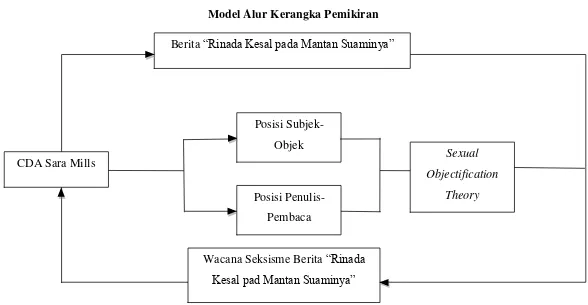
This research aims to explore the discourse of sexism in the news article titled 'Rinada Kesal pada Mantan Suaminya,' published by Galamedia on January 29, 2015. The study employs a qualitative approach utilizing Sara Mills's critical discourse analysis framework. The research focuses on two sub-themes: the subject-object positioning and the writer-reader positioning within the text. By analyzing the representation of Rinada and the surrounding context, the study seeks to uncover the underlying sexism present in the media portrayal.
II. Background
In August 2014, intimate photos of Rinada, a public servant, and her ex-husband Yurel surfaced online, causing a public uproar. The case drew significant media attention, particularly from Galamedia, which continued to report on the trial despite waning public interest. This context highlights the sensationalist tendencies of the media, especially regarding female subjects, and raises questions about the ethical implications of such coverage.
III. Research Questions
The study formulates two primary research questions: (1) How is the subject-object positioning of the actors in the news article constructed? (2) What is the positioning of the writer and reader in the context of the article? These questions guide the analysis of the text and the examination of how sexism is perpetuated through media narratives.
IV. Methodology
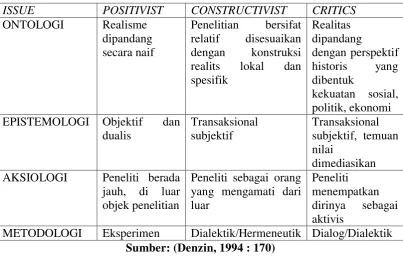
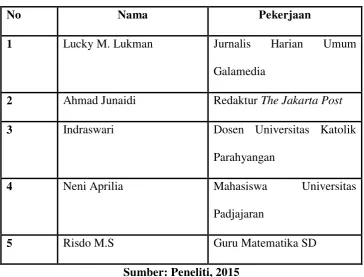
This research employs a qualitative methodology, specifically critical discourse analysis as proposed by Sara Mills. Data collection methods include literature review, in-depth interviews, and documentation. Validity is ensured through data triangulation and member checks. The analysis process involves data collection, reduction, presentation, and conclusion drawing, allowing for a comprehensive understanding of the sexism discourse within the text.
V. Findings
The analysis reveals that Rinada is positioned as the main actor, which shifts the reader's focus from the case itself to her representation. The writer-reader positioning indicates that the audience is not encouraged to sympathize with Rinada as a victim. Instead, the text serves economic interests over advocacy for gender equality, leading to a gender-biased narrative that exploits women rather than empowering them.
VI. Discussion
The findings suggest that the media's economic interests dominate the narrative, resulting in a portrayal of Rinada that objectifies her and detracts from the seriousness of the underlying issues. This aligns with Mills's assertion that media representations often reflect patriarchal values, where women are commodified for sensationalism. The implications of this study highlight the need for media literacy and gender-sensitive journalism practices.
VII. Conclusion and Recommendations
The study concludes that the discourse of sexism in the analyzed news article is indicative of broader societal issues surrounding gender representation in media. It recommends that media organizations provide training on gender sensitivity to journalists to foster a more equitable representation of women. Furthermore, it emphasizes the importance of critical media consumption among the public to resist and challenge sexist narratives.
VIII. References
The references section includes a comprehensive list of academic works and articles that informed the research, highlighting significant contributions to the fields of communication studies, gender analysis, and critical discourse analysis.
Referensi Dokumen
- Metode Penelitian Kualitatif ( Sugiyono )