I. Introduction
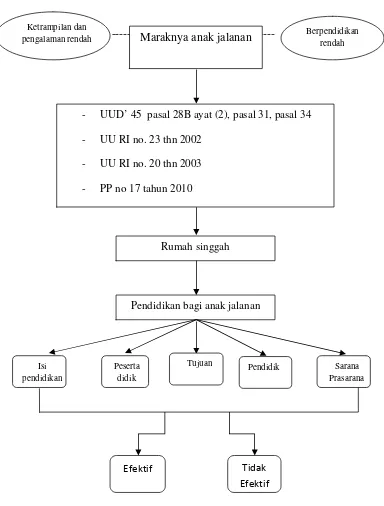
This section provides the background of the study, focusing on the increasing number of street children in Yogyakarta and the negative impacts of their presence on society. It highlights the inadequacy of current interventions and the need for an evaluation of the effectiveness of educational programs within shelter homes. The research identifies the lack of engagement with the shelters' educational components, the use of children for street activities by their families, the high incidence of crime amongst street children, and the prevalent low education and skill levels amongst them. The introduction establishes the necessity to assess the efficiency of shelters in addressing the educational needs of these children.
II. Literature Review
This chapter examines the concept of effectiveness in education and related factors. It defines effectiveness based on the achievement of stated goals, optimal resource utilization, and the attainment of pre-determined targets. Various factors influencing effectiveness are discussed, including leadership styles, member motivation, interdependencies, relationships within the group, organizational culture, communication, value systems, group size, participation, and productivity. The chapter also delves into the definition and purpose of shelter homes, outlining their role in providing a transitional space for street children and offering essential services like education, skill development, and social welfare. Different models of shelter home provision are explored, considering the crucial role of human resources and the different stakeholders involved in the management and implementation of the programs.
2.1 Definition of Effectiveness
This subsection explores various definitions of effectiveness, drawing upon both Indonesian and international perspectives. It emphasizes the importance of achieving intended goals and the efficient use of resources as key indicators of effectiveness. The discussion differentiates between quantitative and qualitative measures of effectiveness, highlighting the need for a holistic approach that considers both the outcomes and the process of achieving those outcomes. The section lays the groundwork for understanding how the effectiveness of the shelter home programs will be assessed in the study.
2.2 Factors and Measures of Effectiveness
This subsection delves into the factors that contribute to or hinder the effectiveness of programs aimed at street children. It examines the influence of leadership styles, the motivation of both staff and children, the relationships between staff and children and amongst the children themselves, the shelter’s organizational culture, and the effectiveness of communication strategies. The importance of incorporating the perspectives of multiple stakeholders, including the children themselves, is highlighted as a critical aspect in determining overall program success. Different metrics for evaluating effectiveness are analyzed, providing a framework for analyzing the effectiveness of education within the shelter homes.
2.3 Definition of Shelter Homes
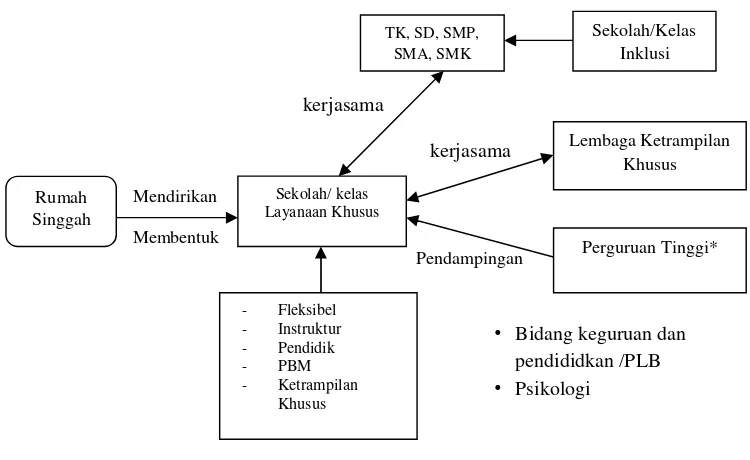
This section defines shelter homes, explaining their role in providing temporary accommodation and services for street children. It differentiates between various approaches used by shelter homes, such as centre-based interventions, street-based interventions, and family- and community-based strategies. The core functions of shelter homes are explained, highlighting their significance in providing education, skill-building opportunities, and social welfare programs. The discussion covers the different types of staff involved in shelter home management and their respective responsibilities and the phases involved in the management of children within the shelter.
2.4 Education of Street Children
This section explores the multifaceted definition of education, examining various perspectives on its purpose and scope. The concept of education as a holistic process of personal development and societal contribution is highlighted. This section clearly defines the concept of street children, noting the various legal definitions and the common factors that lead to children ending up on the streets. The discussion then connects the concept of education with the specific needs of street children, emphasizing the importance of tailored approaches that address the unique challenges faced by this vulnerable population. This section sets the stage for a detailed examination of the educational initiatives implemented within the context of shelter homes for street children.
III. Methodology
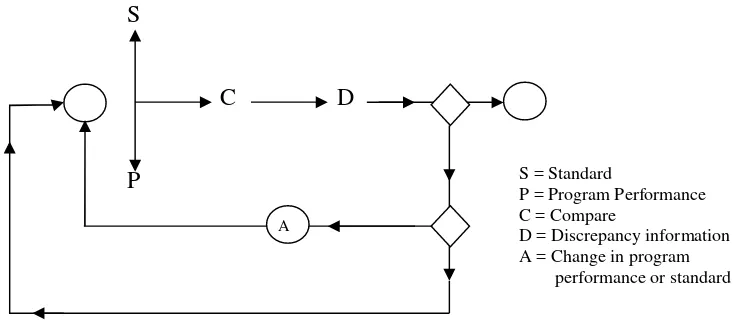
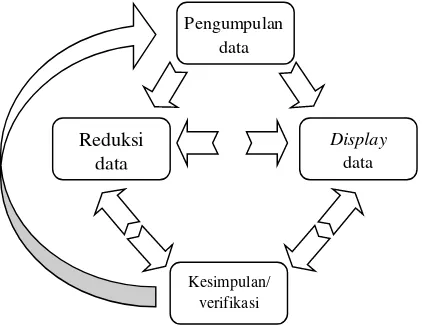
This section details the research design, setting, participants, data collection methods, and data analysis techniques used in the study. It explains the choice of a qualitative, descriptive-evaluative approach, specifically using the Discrepancy Model to assess the effectiveness of the programs. The research involved street children, educators, shelter managers, and community members as participants. Data were collected through interviews, observations, and document reviews. The study employed triangulation to ensure data validity, and data analysis followed the interactive model of Miles & Huberman. The methodology is described transparently, providing a clear understanding of the research process and justification for the chosen methods.
IV. Results and Discussion
This chapter presents the findings of the study. It describes the implementation of education in the two shelter homes, focusing on strategies for engaging street children, the management of educational programs, the types of education provided, and the supporting and hindering factors. The effectiveness of the educational programs in each shelter home is then analyzed based on five components: educational objectives, students, educators, educational content, and resources. Each component’s effectiveness in both shelter homes is discussed and compared, using tables to present the data and highlight the discrepancies.
4.1 Description of the Research Locations
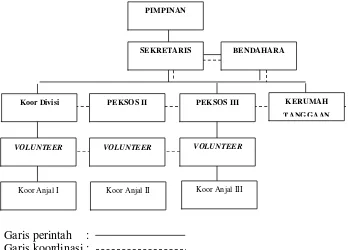
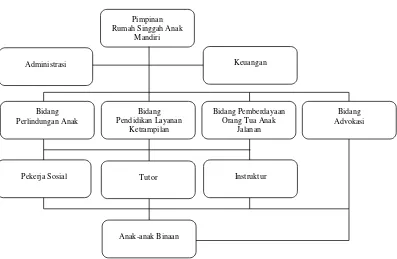
This subsection provides detailed profiles of the two shelter homes studied. It outlines their organizational structures, programs offered, and demographics of the children in their care. Specific information on the staff and resources available in each shelter is presented, to contextualize the findings of the effectiveness analysis. The description of the shelter homes ensures the reader understands the specific context within which the study’s data was collected. This also clarifies any differences between the two locations that might affect the outcomes.
4.2 Results of the Research: Implementation of Education
This subsection details the findings related to the implementation of educational programs in both shelter homes. The strategies used to reach and engage street children are described, including details on the shelter management systems and structures in place to support the educational component. The educational programs themselves are explained, detailing the curriculum, teaching methods, and learning materials used. The study also examines the supporting factors, such as available resources and community involvement, and the hindering factors, such as resource constraints and community attitudes.
4.3 Results of the Research: Effectiveness of Education
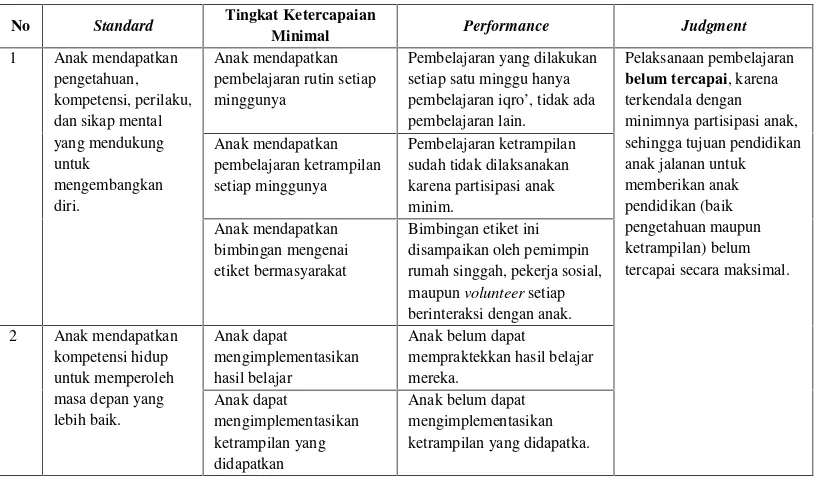
This subsection presents the results of the effectiveness analysis of the educational programs. It provides a detailed examination of each of the five components (educational objectives, students, educators, content, and resources) in each shelter home. The analysis considers the extent to which each shelter met the established standards for these components. The comparative analysis highlights differences in effectiveness between the two shelters and provides explanations for those differences based on the findings presented in the previous section. This subsection forms the core of the study's findings, presenting the key results and interpretations.
4.4 Discussion
This section provides a detailed discussion of the findings, comparing and contrasting the results from the two shelter homes. It examines the reasons behind the effectiveness (or lack thereof) in the educational components of each shelter. The discussion might highlight the implications of the findings for policy and practice, suggesting potential improvements and strategies for enhancing the effectiveness of educational programs for street children within similar settings. The discussion connects the findings back to the existing literature and theoretical frameworks reviewed earlier in the study.
V. Conclusion and Recommendations
This final chapter summarizes the key findings, reiterating the effectiveness (or lack thereof) of educational programs within the shelter homes, drawing upon the data and analysis presented in the previous chapters. It offers recommendations for improving the effectiveness of such programs, considering both practical strategies and potential policy changes. The conclusion emphasizes the need for further research to investigate specific aspects of the findings in more depth and to assess the long-term impact of shelter-based educational interventions on street children's lives.