Introduction
Part of the effort to improve career preparation was the revitalization and expansion of career counseling services. While there are programmatic evaluations of the YES Network in general, information provided on the success of implementation and sustainability of the career counseling component of this initiative is minimal. There were no career counseling services available to students until the advent of the USAID initiatives discussed next.
Of the public secondary schools in North Macedonia, nineteen are located in the capital of Skopje (European Commission, 2019; Makstat, 2018b). However, part of the sustainability goal for the VSM initiative was to establish career counselors as one. Chapter seven explores the sustainability of the YES Network including an exploration of the factors that promoted and hindered institutionalization.
Theoretical Framework and Literature Review
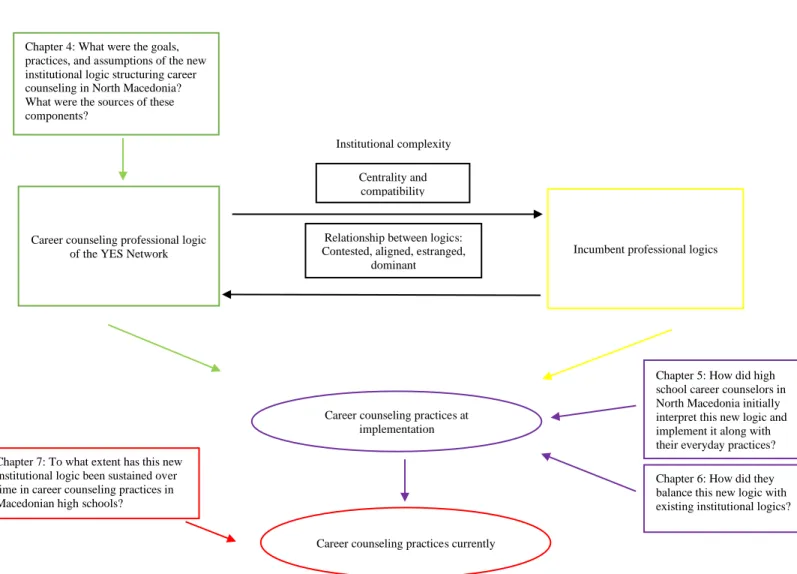
In this dissertation, I use the concept of institutional logics to describe the content and impact of the professional career counseling logic of the YES Network and its. Furthermore, the same chapter investigates how the YES Network's institutional career counseling logic influenced career counselors' goals, practices, and assumptions. In Chapter 7, I apply the MoRe model to identify the mechanisms that promoted and hindered institutionalization in the case of the YES Network.
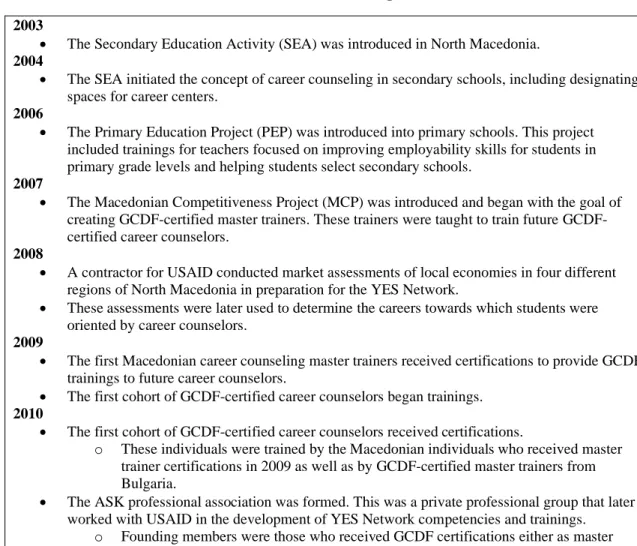
The design and process by which the YES Network was designed are described in the fourth chapter of the dissertation. This part of the study investigates the extent to which YES Network practices have been institutionalized and is discussed in chapter seven. As indicated in the conceptual framework, this dissertation provides a sequential and chronological analysis of the development, implementation and sustainability of the YES Network in North Macedonia.
Research Methods
In the interviews with USAID and EDC, I first asked about the goals, content, and assumptions of the YES Network logic. These observations complemented interviews on the activities of career counselors and added depth to the conclusions drawn about the continued influence of the YES network. The most important documents related to the development of the YES network were those of EDC and the professional association for career counselors (ASK).
Such documents were particularly useful in answering the first research question about sources of the YES network's career guidance model. Thus, the documents provided to career counselors were particularly useful in establishing the aims, practices and assumptions of the YES network. Member checks took place with many of the individuals included in my fieldwork, including career counselors.

The Development of Career Counseling in North Macedonia
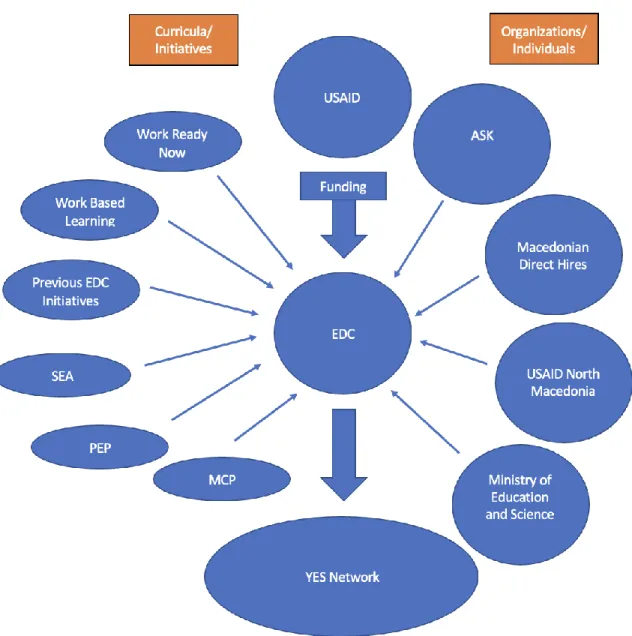
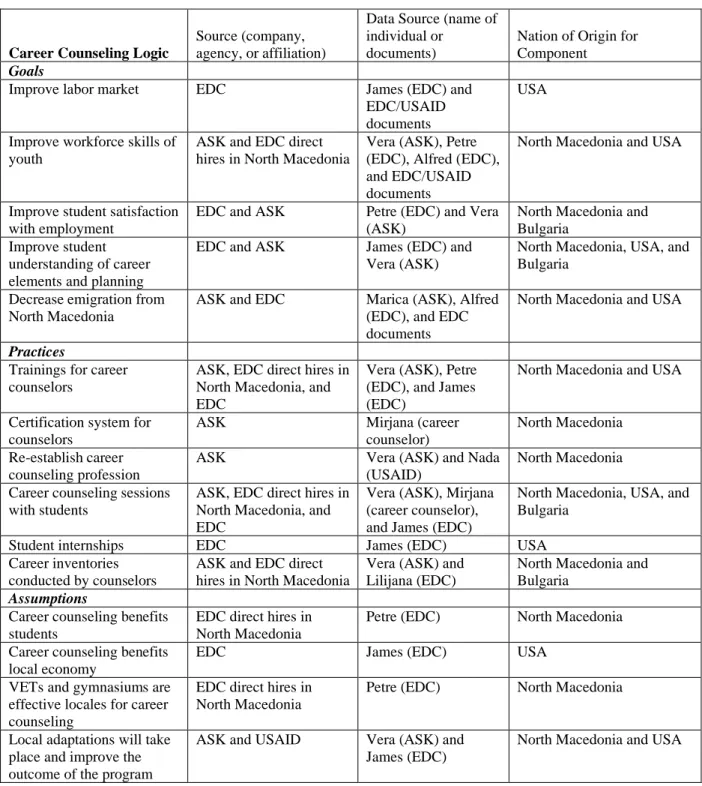
A number of different sources and organizations were closely involved in the design of the YES Network. These individuals drew on their previous experiences with USAID initiatives in designing the YES Network. This goal was demonstrated through the career counseling model created by KSA and used as part of the YES Network.
According to James, the first step in the YES network was to decide who would do the careers counseling. Perhaps the YES network's greatest goal was to re-establish the profession and practice of career counseling in secondary schools. The internship also served as a catalyst for the aforementioned re-establishment of the career counseling profession in North Macedonia.
The need to analyze internship experiences was thus beneficial for the eventual reestablishment of career guidance in North Macedonia as part of the YES network. Thus, even the inclusion of career advice as part of the YES Network initiative was a local adaptation. The creation of the YES Network's career advice logic involved collaboration between a number of different sources, including specific individuals.
All these sources maintained varying degrees of involvement in the creation of the YES Network. Thus, the career counseling aspect of the YES Network was not fully initiated until a Macedonian direct worker took over the effort. In forming the YES Network, [EDC] decided how the goals set by USAID [North Macedonia] would be implemented.
Another country that had an overall influence on the development of the career counseling logic in North Macedonia was Bulgaria. This is a further example of diffusion with local adaptations used in the creation of the YES network.3. Countries besides the USA and Bulgaria were also influential in the creation of the Macedonian model of career counseling in the YES network.
Implementation and YES Network Practices
The content of the YES network was communicated to individual career advisors through a series of personal training courses. While not the norm, the experience of attending only part of the YES Network training was not unique to Danica. Danica also discussed an interesting dynamic of the selection process. psychologists were a later addition to the YES Network trainings.
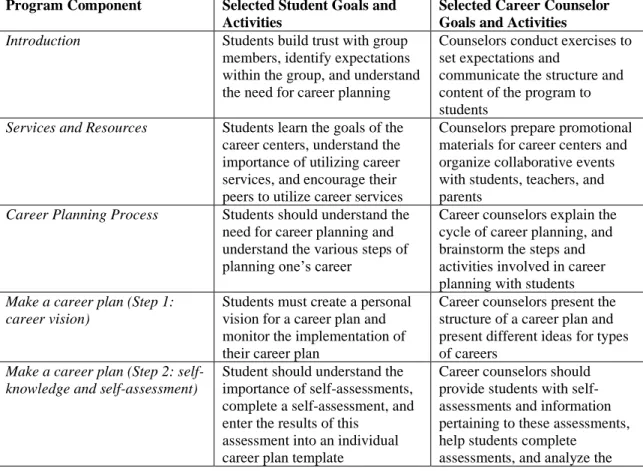
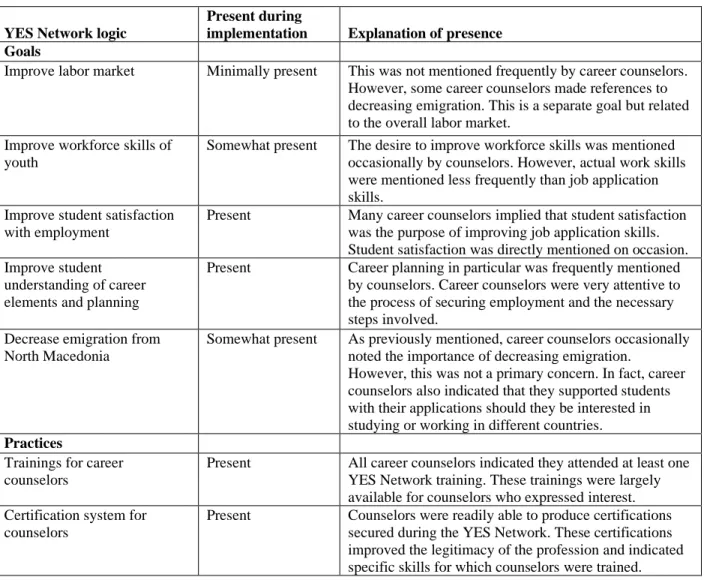
This table includes the goals, practices and assumptions of the YES Network defined in Chapter Four. Not present No career counselor has shown that they know the profession before the YES network. The main component of the YES network was the legitimization of career counseling practice.
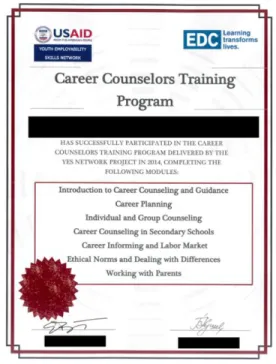
Each certificate listed the specific practices of the model outlined by the YES Network in which the recipient is now certified. In fact, the use of the BIPO inventory was the practice most often cited by career counselors as a shift resulting from the YES network. The last aspect of the implementation stage of the YES network to be examined is the assumptions of the YES network.
Lilijana pointed out specific differences in the implementation of the YES network in both types of schools in terms of the amount of time devoted to career counseling. Both of these individuals stated that they incorporated the career counseling sessions they attended as part of the YES network into their regular daily practice as teachers or psychologists. In addition, some assumptions included in the design of the YES network were found to be present during implementation, while others were not.
This shows that the career guidance practices used at the time of implementation were broadly in line with the YES network's practices.
Institutional Logics and the Implementation of the YES Network
The influence of the professional career guidance logic of the YES network was reviewed in the previous chapter. Similarly, career counselors in this sample established their own arsenals of career counseling activities based on their past experiences. Education and Science or the school administration, many career counselors have chosen not to carry out any career guidance practice.
Occupational structure refers primarily to the flexibility of the existing occupational logic, while conceptual overlap refers to the degree of similarity between the previous occupational logic and the logic of career counseling. The conceptual overlap between the previous professional logic of the career counselor and the newly introduced professional logic of career counseling was particularly influential in Differentiated psychologists were psychologists and vocational counselors who performed their psychological and vocational counseling tasks independently.
Rather they incorporated specific aspects of career counseling logic into their psychological practices as needed. When the school year starts, I go with the presentation to every class in the senior [senior] year and the professional classes, and I go with my presentation to every class and I'm presenting [for] career counseling. Finally, differentiated teachers were teachers and career counselors who had a complete separation between their teaching and career counseling responsibilities.
The different typologies, or ways in which individual career counselors implemented the career guidance logic of the YES network, were made possible by the autonomy afforded to these individuals as street-level bureaucrats. More specifically, psychologists indicated that they could use any element of the career guidance logic with complete discretion. The logics and interests that career counselors balanced included the career guidance logic of the YES network, the incumbent professional logic, the state inspection board, school administrators, students, teachers and parents, and autonomous interests.
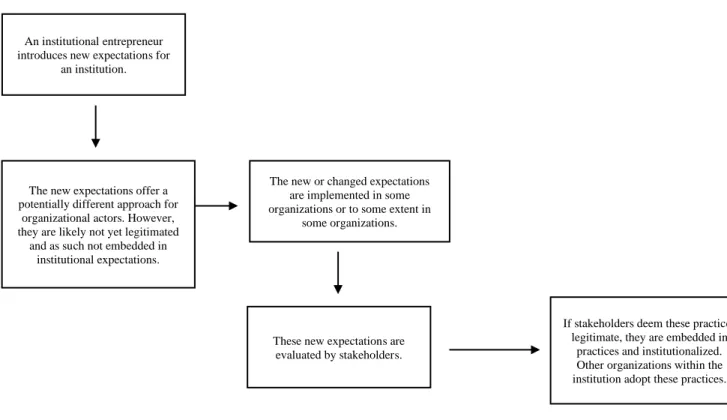
This chapter examines, among other things, the process of institutionalization and the extent to which career guidance was institutionalized.

The Sustainability of the YES Network
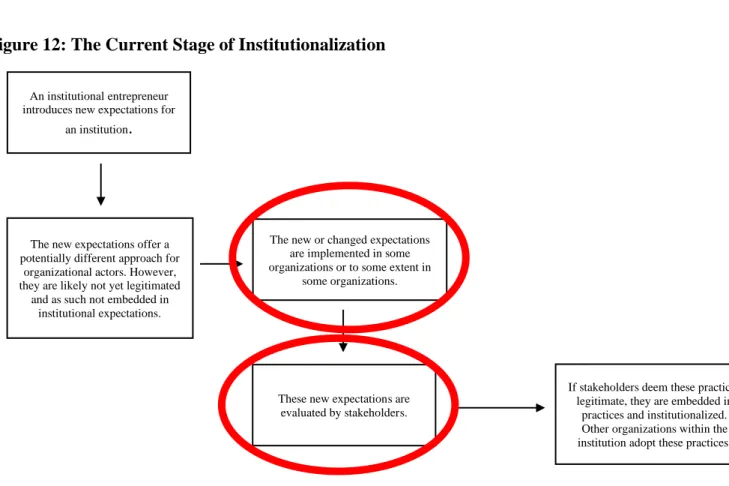
In this chapter, I first assess the current phase of the institutionalization of career guidance in North Macedonia. Finally, I explore how the goals, practices, and assumptions of the YES network continue to influence the practice of career counseling. Currently, the practices of the YES network are not fully institutionalized and embedded in the behavior of career counselors or those who implement career guidance.
However, this does not indicate that there is no sustainability of career counseling resulting from the YES Network. I single out mechanisms most relevant to career counseling practice and identify individual influences within these categories. Many of the services offered in primary schools are the result of career counseling programs belonging to the YES network.
Specific aspects of policy decisions that inhibited the institutionalization of career counseling are discussed below. Many of the career guidance initiatives implemented in North Macedonia, including the YES network, were grant-funded projects. When asked, students said they enjoyed the career counseling process when they received the services.
In addition, other students reported that regardless of the amount, they enjoyed the career guidance they received. The YES network, GDF and ASK currently have minimal influence on the career advice practice. The Ministry of Education and Science continues to maintain the BIPO webpage, demonstrating their recognition of the importance of this tool for ongoing career counseling practices in North Macedonia.
However, Vera, the director of the ASK career guidance group, indicated that interest in GCDF certifications is declining. All career counselors I spoke with indicated that they believe career counseling is beneficial for students. Likely due to limited opportunities for career guidance training, career counselors indicated minimal changes in the career guidance expectations conveyed by the YES network.
Discussion
Conclusion