This chapter presents the objectives of the research regarding the field of translingual practices. Robert Jiménez is the principal investigator of the larger study and played an advisory role in the implementation of SLATE. Mark was a second-year PhD student at the time of the SLATE study, and so it was.
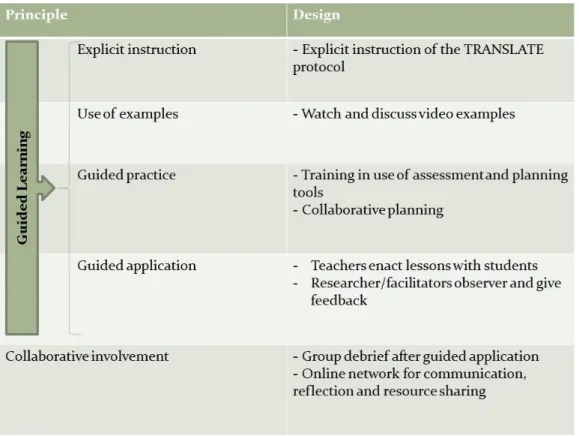
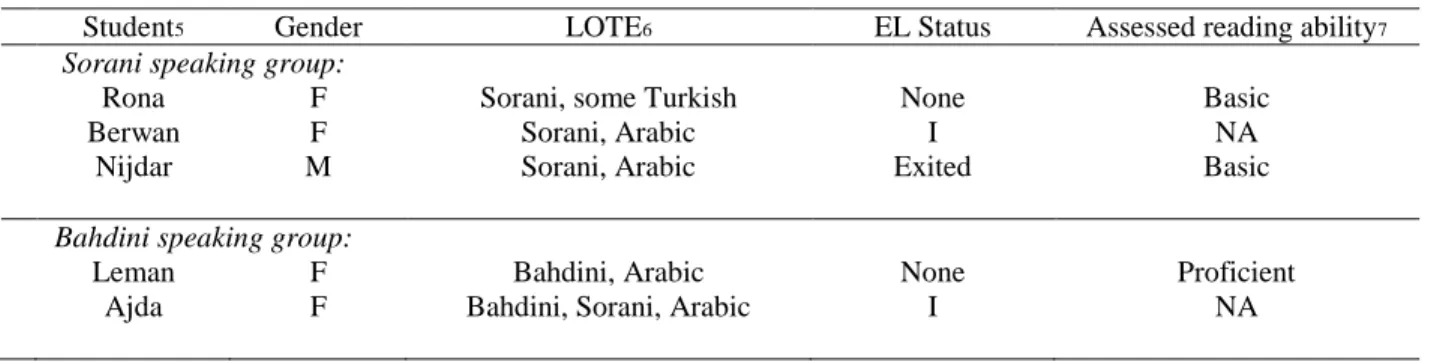
Each of the teachers selected 4-5 students from one of their classes to be participants in the study. Research supporting guided learning comes from Pardini (2006) who reported evidence linking guided and collaborative learning to more meaningful teaching (aimed at improving understanding) and a narrowing of learning. 1 Due to technical or human error, some of the planned data points in the study were lost.
Constant Comparative Social Practice Analysis
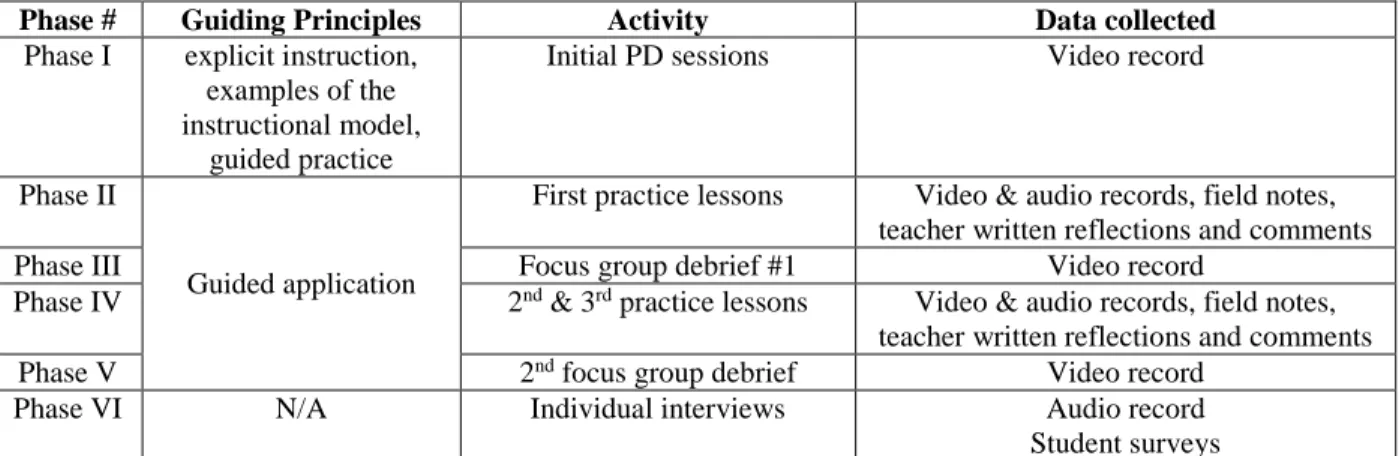
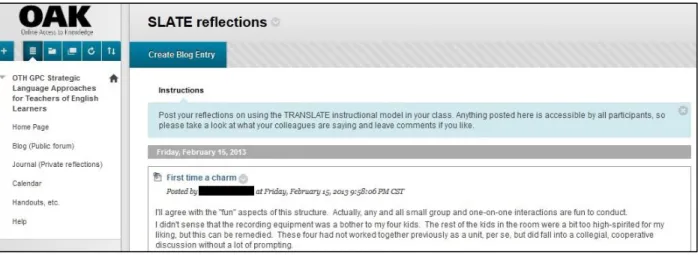
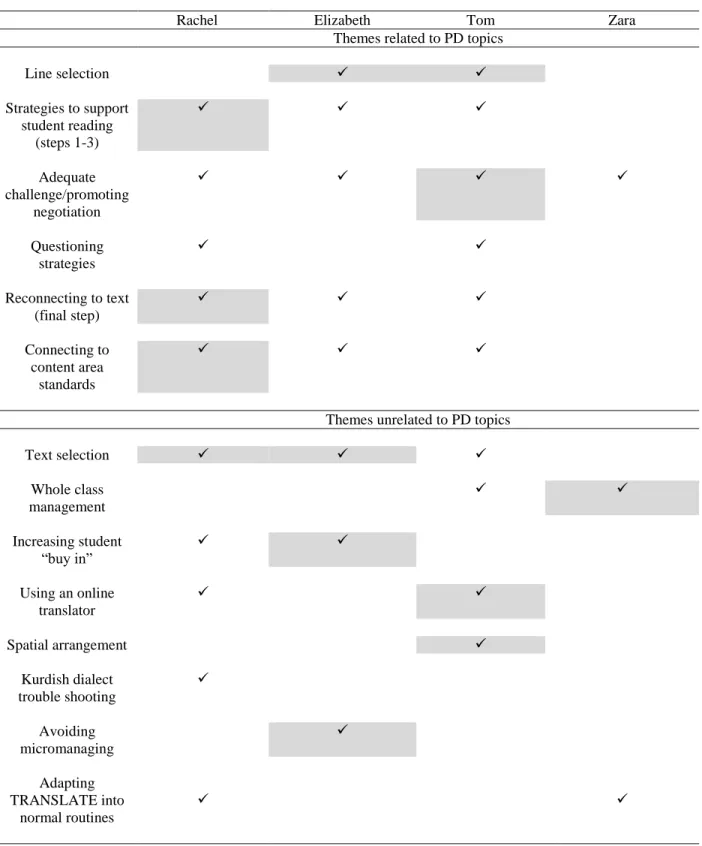
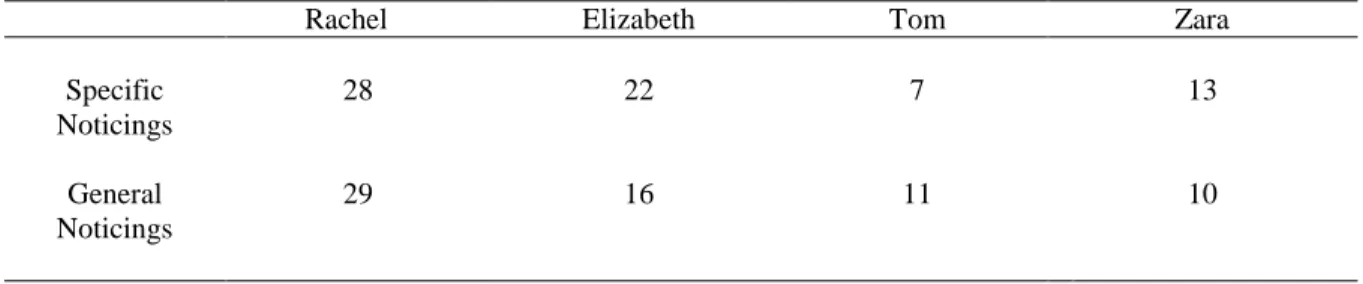
I began by conducting a review of the field notes, transcripts, and audio and video data to create initial codes grounded in the data. I began this phase by reviewing teacher reflective data—audio, video, and transcripts of the focus group sessions, post-lesson summaries, blog entries, and exit interviews—to identify moments of. Patterns emerged revealing several themes that most or all of the teachers focused on, and others that were more unique.
I also noticed that some of these themes focused on features of the TRANSLATE protocol and related routines that were explicitly described during PD (e.g., beginning and ending the lesson, asking students about their translations, and encouraging negotiation), while other features were not were (e.g. text selection and linking to content area standards). Thus, the lessons we observed tended to start immediately with translation, since the first steps of the protocol had taken place on previous days. In the discussion, I will discuss the implications of Zara's position and her decisions, but I felt the need to leave her case out of the main analysis presented in Chapter 4.
The aim of the first review was to create extended field notes of each lesson, focused on marking the main phases of the interaction and identifying the shifts between them. Once all LPSEs were identified (see Appendix F), the transcripts and videos were re-examined to identify start and end points for each event (Bloome & Egan-Robertson, 1993; Hymes, 1974) and began creating descriptive notes about the nature interactions. As comprehension of the target text was a key factor in translation, any discussion of a word or phrase during the lesson was coded as part of the event.
Once all LPSEs were defined and delineated, I identified a subset of LPSEs in which the teacher participated and wrote descriptive notes about that teacher's interactional routines and the effect they had on student problem solving. Within the identified LPSEs, I further reviewed the video data to generate extended notes on multimodal aspects of the interaction, including posture, gaze, and material handling (Rowe, David & Pacheco, 2012).
Trustworthiness
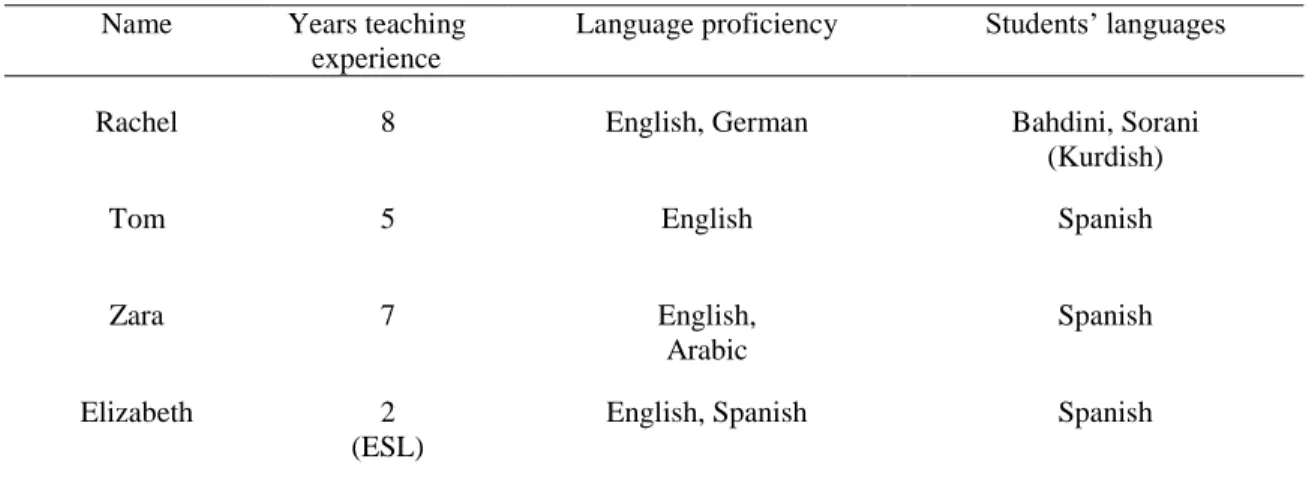
Rachel was the lead teacher of the Language Arts team that participated in our study. She had been teaching for 8 years when the study took place, and was named Teacher of the Year at her school in the same year. The inclusion of the map, and the students' interest in it, was not explicitly planned in the lesson.
So in some way you want to tie the translation back to a general theme in the text or a character or some plot element. This tension was one of the reasons he was motivated to participate in the SLATE study. This goes against Rachel's attitude and practice, as well as the researchers' beliefs.
This ambivalence about students' participation in line selection suggests a certain uncertainty regarding the purpose of the routine. He specifically attributed the lack of alternative translation choices to the physical proximity of the two groups. Rachel's choice of this text and line was partly motivated by the author's use of the word gumption.
Rachel's first question after reading the text was: "What do you think about this girl, her character, her personality from the beginning of the story?". The introduction of the laptop interweaves one of the students' home practices into pedagogical translation in the classroom. She indicates her availability and interest in using the tool, but does not enter into the interaction until invited.
After Leman types the word and the screen reloads, Rachel apparently realizes that many of them.
Jostled”
S: (Looking at paper) Repujando
C: Ja is with a J
S: (To C) Jugando, no…
This begins a negotiation in which Cookies points out any mistakes Shorty makes in his reading: in line 6 Cookies responds to Shorty's omission of the word en (in) in line 5, and he points out an obvious spelling error in the line 8 (more on this below). Isaac's revised translation of Josted is ratified without much comment (line 34) before the group moves on to discuss other parts of the book. There is a slight difference in the phonemic production of Spanish and English aspirates - linguistically the Spanish sound is categorized as a velar rather than a glottal.
That is, it is produced further forward in the mouth, at the back of the tongue near the soft palate, just like the K and G sounds in English. However, Shorty argues for using G by using the example of the word jugando (game) to make his case (lines 18 and 20). He may also not recognize a difference in the consonant sounds because of the phonemic similarities between the G and J sounds in Spanish.
However, her selective attention is determined by her objectives at each moment of the lesson. However, she did notice that the translation of pushed was a source of contention, and her choice in the last part of the lesson to ask the students about this disagreement proved to be crucial. This excerpt begins a few minutes after Elizabeth moves to the final step of the TRANSLATE protocol: connecting students to the text.
Isaac begins to explain his semantic understanding of the source text, which Elizabeth encourages (lines 19 and 21) and tries to build on that by asking him to connect this understanding back to the translated text (line 23). It seems more likely that this question was based on her own understanding of the difference between pushed (which means a relatively gentle and/or accidental bump) and shoved (which has a number of meanings but can be understood as more intentional and aggressive).
Jostled”
The servant said to the merchant: "I was pushed into the market, turned around and saw Death." Just because of the words used. In this first part of the interaction, Tom immediately notices that the two groups have made different choices. He begins by pointing out a difference in the initial word of the servant's speech (line 1), but perhaps because it consists of only an article and a reflexive pronoun, students seem confused as to what he is referring to ( rule 2).
Henry and Julissa comply and eventually provide an English translation of the servant's entire speech. Boom provides a more or less embodied definition of the word (line 23) and reiterates his opinion that empujar is the most appropriate Spanish translation (line 24). But as he was talking, both couples left the entire teacher-centered group.
When he realizes that this is not Boom's intention, Tom goes back to explaining and expanding his understanding of the meaning of pushed (lines 52 and 60-64). Tom's goal is to facilitate a discussion about the exact meaning of pushed and the semantic overlap between the Spanish and English words. In this last part of the excerpt, Tom seems to realize that his line of questioning is not achieving his goal, so he makes room for students to present their “side.”
The students were engaged in the task, and what could be argued is the central purpose of the activity: to translate (and more specifically, to jointly negotiate translation choices). Elizabeth, without a strong perception of the end goal of the lesson (beyond full participation in the creation of a translated text), tended to respond more to the students' "body language".
Collaborative teacher teams appear to be a potentially important support point for constructing a shared professional vision of new practices. Teachers' unexpected difficulties in adapting translingual pedagogy point to differences between the professional views of teachers and researchers, with implications for the design of translingual pedagogy and for professionals.
How does teacher participation in language problem solving events appear to facilitate students’ metalinguistic understanding and teacher learning?
Pedagogical translation is intended to utilize students' community-translingual practices for improved learning outcomes, thus teachers' inability or unwillingness to validate students. The professional vision analysis above reminds us that teachers' shift to process-oriented planning implies aspects of practice beyond the LPSE. However, in light of my first finding of RQ 2, the LPSE can be seen as a particularly important site for the adaptation of translingual practice in school-based pedagogy.
From this qualitative analysis of pedagogical translation as an emergent practice in an 8th grade language arts team, this study provides important insights for understanding translingual pedagogy and its potential in language classrooms. In this section, I outline the contributions that this study makes to theory and research on translingual practice and professional vision, and to classroom practice. First, the findings from this study support and extend Reckwitz's (2002) argument that practice consists of embodied mental and physical routines, mediated through material and spatial resources, constantly reproduced and reformulated through the agentive performances of.
In particular, this study demonstrates how participants recruit embodied routines and mediating materials in highly individualized and improvisational ways to acquire and adapt a new practice. This study also supports and builds on Chouliaraki and Fairclough's (1999) argument that production, networking and reflexivity are central features of social practices. Moreover, this study finds that the question of what is produced through translation practice is a key difference between community and pedagogical translation practices.
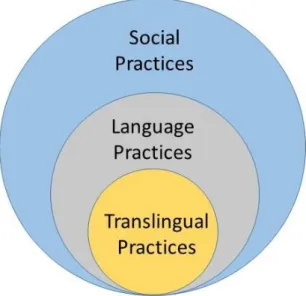
Using the reflexive aspect of practices to align teacher and student understanding of the goals of translingual pedagogy can be a. Second, this study extends translanguage scholarship (Canagarajah, 2012; García & . Sylvan, 2011) by placing translanguage use within a larger social practice framework.