An entrepreneur's understanding of organizational culture is then identified as the key to effective performance in small hospitality firms. The strengths and weaknesses of growth models are outlined along with a discussion of the main components of expansion strategies for small hospitality firms. The chapter then discusses the major challenges or obstacles faced during the growth stages of businesses.
This book is dedicated to my wife Amanda for her intellect, patience and support - the smartest and the best.
Context, Theoretical Perspectives and Defi nitions
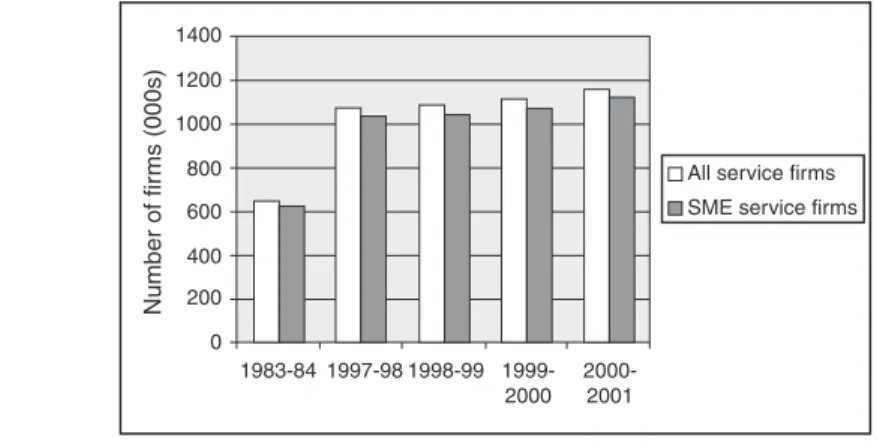
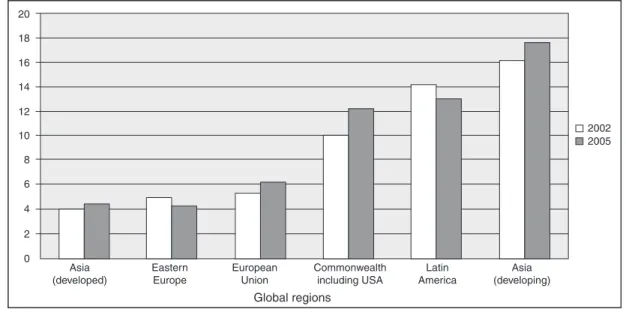
In the 21st century this is no longer the case, with the gradual increase in economic importance and employment of the international service sector at the expense of manufacturing (see Sweet, 2001; Economist intelligence Unit, 200). A similar picture emerges elsewhere, for example, SMEs comprise approximately 90–95 percent of all firms in the European Community and the USA with an increasing number of new firms emerging year after year (Burns, 2001, p. 3). In the USA, for example, the service sector accounts for 92 percent of all jobs and 85 percent of the gross domestic product (Zimmerer and Scarborough, 2005, p. 12).
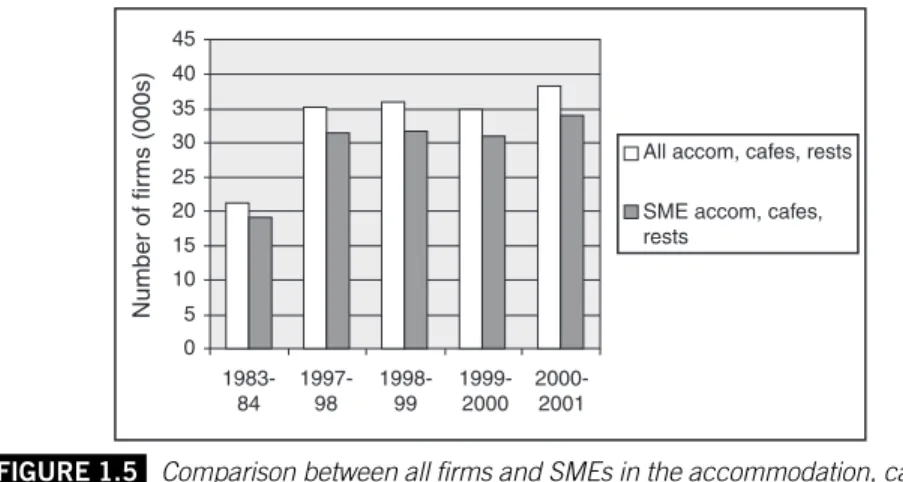
This is especially true for the hospitality industry, where most businesses are small.

Indigenous and Ethnic Entrepreneurship: A Cultural
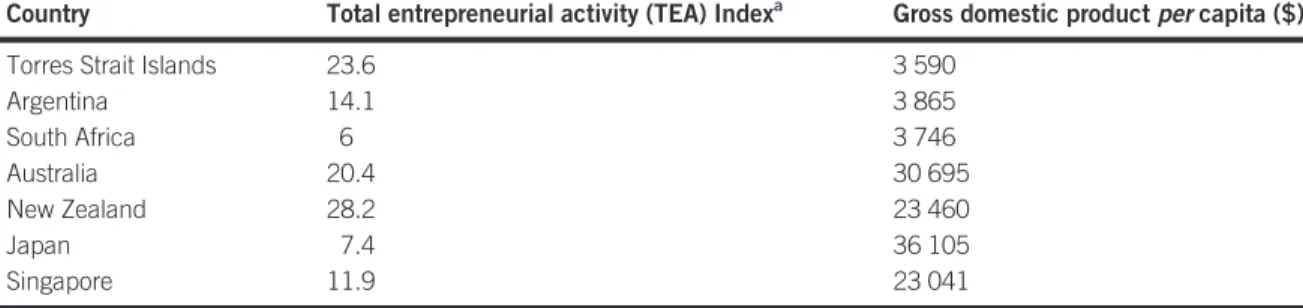
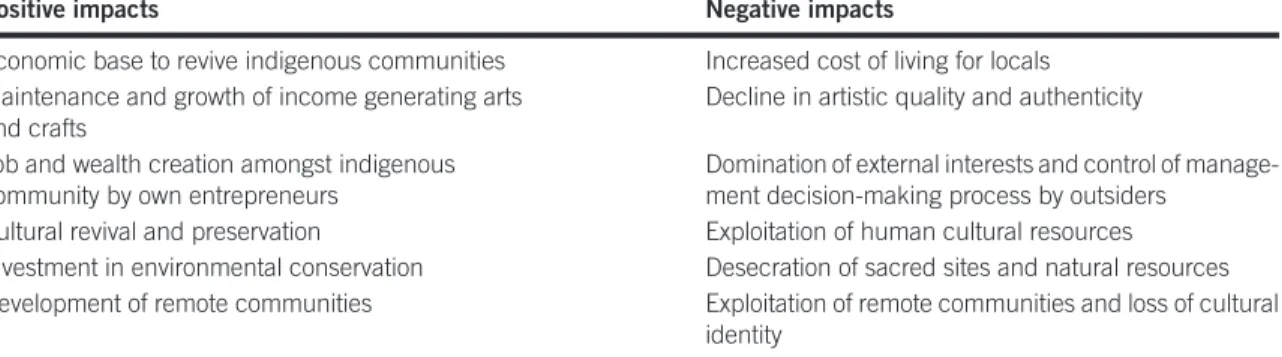
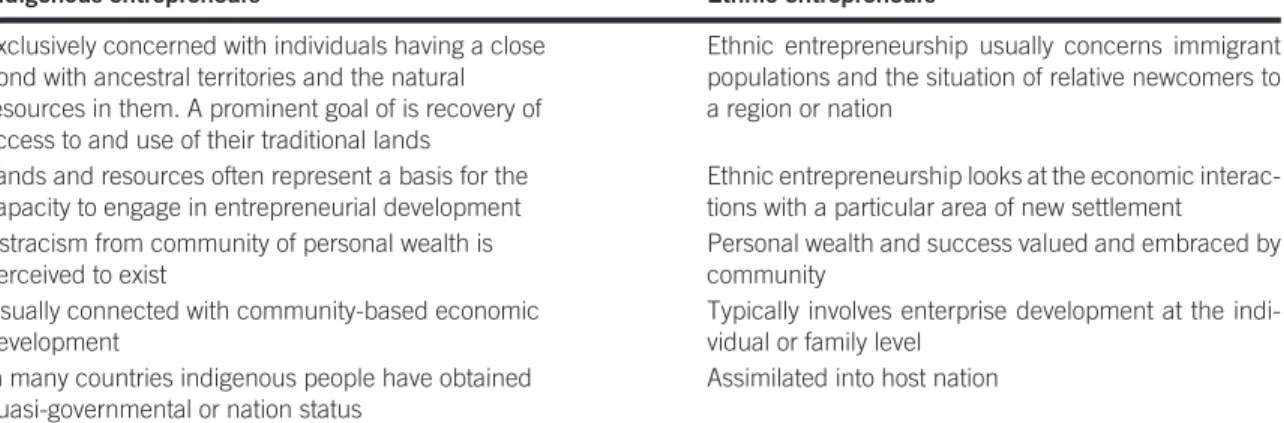
According to Table 2.3, the Torres Strait community is culturally feminine and more concerned with quality than quantity when it comes to collective achievement. To minimize the potential negative impacts of domestic entrepreneurship it is essential to follow guidelines including: amp;. Create empathy between mainstream and local cultures. on sensitivity to heritage issues; amp; do not turn indigenous peoples into museum curiosities; and. amp; don't expect indigenous peoples to act in a way against them. amp; welcome diversity and respect the right to local decision-making. within broad public policy guidelines.
The Hon Fran Bailey MP later commented: "The Australian Government is proud to be associated with the Ethnic Business Awards."
Entrepreneurs and Small Firm Ownership
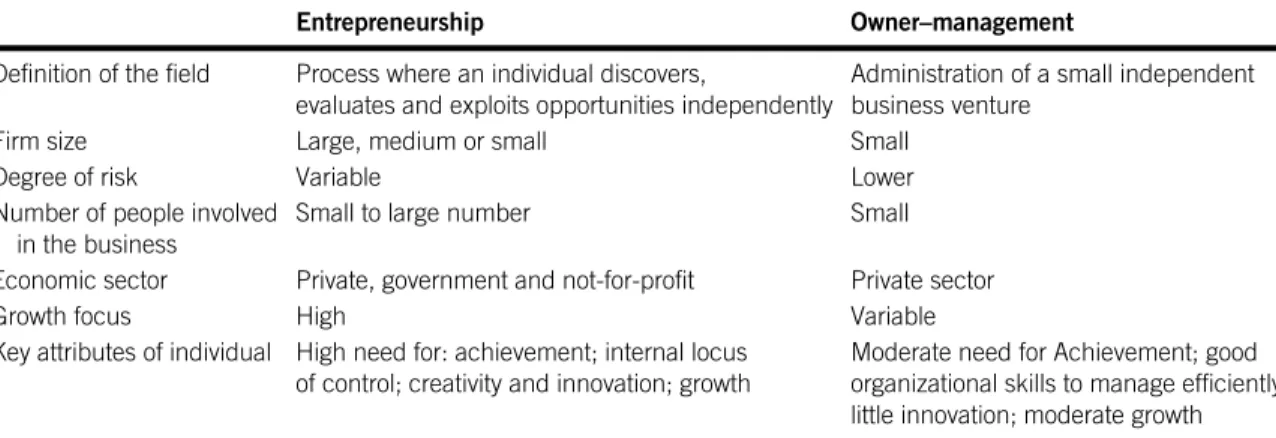
In the United Kingdom, for example, 95 percent of firms in the sector employ fewer than 50 employees (the general definition of a small firm) and 75 percent employ 10 or fewer employees (by definition they are micro-firms). (Lashley and Rowson 2006). In the United Kingdom for example, six firms control almost 100 percent) of the 59,000 pub sites, numerous hotel chains control large parts of the total accommodation market. As we will see later, many of the people who operate small businesses such as bars, hotels or restaurants are primarily 'lifestyle' entrepreneurs.
Clearly, microenterprise reflects a concern with the relative size of the firm compared to other firms in the sector. Thirty-five percent of respondents said they chose Blackpool because of the long season, while 24 percent cited low hotel prices. Eighty-eight percent of hoteliers said that both they and their partner are in the hotel business and that it is their only business.
The answers are presented as percentages of the 29 respondents who plan to sell the hotel at the end of the 2006 season. Think of the difficulties a destination management team faces when large numbers of the destination hotel park are owned by lifestyle entrepreneurs. Given the proximity of the commercial activity and the home, many small hospitality business owners judge the customers from a friendship perspective.
In some cases, the physical proximity of the business and the home suggests that the business will enable closer relationships because they do not have to 'go out to work'. In other cases, the apparent common sense of the hospitality offer convinces them that they know what to do.
Creativity and the Entrepreneurship
This was achieved through careful planning and dedication to growing the business. Likewise, food is carefully planned with healthy foods and good quality restaurants part of the experience. In the present case we have an interest in the creative side of the brain.
Many of the above stages are illustrated in the following case, but the emphasis is on 'preparation'. It also tacitly recognizes that creativity is enhanced by the entrepreneur's previous experience, cognition, ability to network and their knowledge of the field. In addition to the details of the creative process shown in Figures 4.3 and 4.4, the above are other behaviors that the hospitality entrepreneur may engage in.
Before that, diners had been producing the same old food the same old way since the turn of the last century. For example, it is easy to miss key items of information due to the richness of the group discussion. The goal during the early part of the session is quantity of ideas rather than quality.
At the end of the session, you can either collect all the ideas together by. Creativity or the ability to think creatively is an essential part of the small hospitality entrepreneur's toolbox.

Innovation, Opportunity and Protection
Interestingly, these casualties are frequent in the resort sector of the UK hospitality industry and there are likely to be myriad reasons for poor performance. Approach a small business owner in the small hospitality sector and inquire about how they identified an opportunity for their successful business. His interest in the McDonald's company was ignited because they bought 10 of these machines to provide for their successful business.
How important was Ray Croc's role in the success of the McDonald's Corporation. With the advent of the railroad system in the 1800s, we had a perfect mode of transportation that tourists used to literally flood into the city. It was actually a "coaching house" and was used to receive regular mail delivery and provide accommodation for coachmen and passengers before post offices appeared in the region.
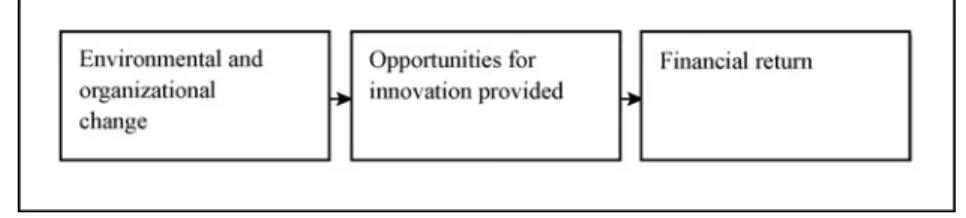
Innovations in the tourism and hospitality sector (as in others) have the potential to bring significant benefits to the entrepreneur in terms of economic returns. In the case of tangible manufactured products, intellectual property issues are relatively straightforward, but this is not the case for hospitality services. That is why the most common forms of legal protection in the hospitality industry are for products that have been manufactured.
These organizations are run by entrepreneurs who often have no previous experience or skills in the hospitality field. The protection of intellectual property in the small business sector of the hospitality industry is important as many customers value the personal intimate.
The Feasibility Analysis
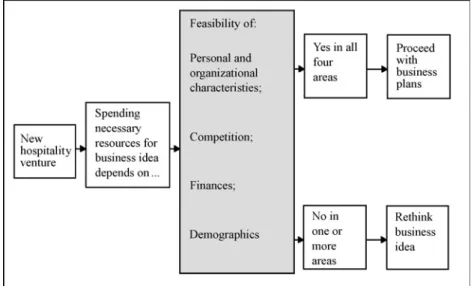
It does so first by considering the role of feasibility analysis in the context of the hospitality industry. Many entrepreneurs in the micro-seasonal sector of the restaurant business have goals that do not always align with those commonly attributed. The husband and wife team still remains, but has no strategic decision-making autonomy and plays a minimal role in running the business.
In other words, how does your service compare or differ from that of your competition. It will very much depend on the exact nature of the business and how much can be paid. The following case illustrates some of the opportunities and challenges faced by entrepreneurs entering a market.
In the SME sector of the hospitality and tourism industry, most sources of capital are from personal assets and from family and friends. Private residential conversion remains one of the most common entry routes into the industry. For example, a family member providing 75 percent of all seed funding may forgo a financial reward (return on investment) in favor of having a stake in the business which translates into (but not limited to) making of most strategic business. decisions.
At this stage of the feasibility analysis, another important set of questions needs to be answered. The next stage is a more detailed inspection of the market, finances, organizational readiness and so on in the form of a business plan.
The Family Business: Who’s to Bless and Who’s to Blame? . .143
In the past, they were locals who lived elsewhere in the city and therefore had a reasonable understanding of the tourist demand for accommodation during the busy summer months. Small Business Advice (UK) -http://www.smallbusiness.co.uk/&. http://www.smallbusinessadvice.org.uk/sbas.asp. amp; US Small Business Administration -http://www.sba.gov/. amp; European Small Business Advice - http://www.esba-europe.org/. amp; Small Business Europe -http://www.smallbusinesseurope.org/en/. For example, who should be the manager of the family business, the child, father, mother, uncle etc.
The extra dynamic here is that of the 'traditional' hierarchical structure of the family and the culturally bound relationships between members. Happy to be working in this new capacity, Eric was keen to be given more responsibility for the strategic side of the business. The prevalence of small firms in the hospitality and tourism sector is a dominant feature of the international industry.
For Telfer (2000), these reciprocal agreements suggest ulterior motives and question the nature of hospitality. One of the main issues related to the provision of hospitality in the commercial sector relates to the authenticity of the hospitality provided. The second dimension is that the concept of home and kindness is often implied in the construction of the property's design and marketing offering to guests.
Being made to feel 'one of the family' is probably an important aspect of this business offering to its customers. So much of the dining space and living space is shared between hosts and guests. Commercial guests rarely enter these parts of the property and are then only by special invitation from the commercial.
Here, the arrangement is more of a 'lock up', where the notion of the 'commercial home' still exists, but with greater emphasis on the commercial than the home.
Preparing a Business Plan
Leadership and the Entrepreneur: “I’m Right Behind You
Growth: the Harder I Work the Luckier I Get