John Wiley & Sons, Ltd., The Atrium, Southern Gate, Chichester, West Sussex, PO19 8SQ, UK Editorial Board. Differentiating between similar nursing diagnoses 119 Questions about treatment plan development 121 Questions about teaching/learning nursing diagnoses 123 Questions about using NANDA-I in eHealth.
Ingestion 155
Digestion None at present time
Integumentary function None at this time
Cardiovascular/pulmonary responses 225
Cognition 252
Communication 260 Readiness for enhanced communication –
Caregiving roles 279
Values None at this time
Beliefs 361 Readiness for enhanced spiritual well-being –
Infection 379
Defensive processes 422 Risk for adverse reaction to iodinated
Physical comfort 437
NANDA International, Inc. Guidelines for Copyright Permission
Publishers will be required to submit the name, qualifications and resume of the lead translator for approval prior to commencing any translation work. Publishers must also submit both the cover design and translation manuscript to Wiley for NANDA-I approval prior to printing the translation.
Preface
Clearly, it would be inappropriate for all of us to use each of the diagnoses in this publication because none of us could claim competence in every area of nursing practice simultaneously. One of the main membership developments in recent years has been the educational content published by Artmed/Panamericana Editora Ltda.
Introduction
About the Companion Website
Changes to the NANDA International Terminology
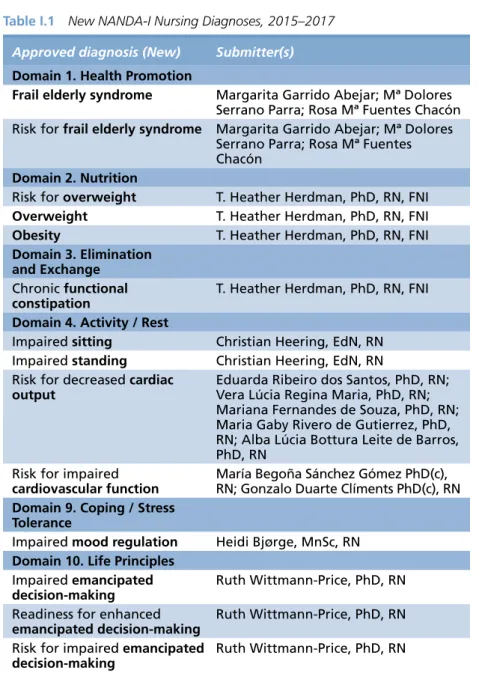
What’s New in the 2015–2017 Edition of Diagnoses
In this section, introductory information about the new edition of the NANDA International Taxonomy is presented. However, the standardization of these terms has now enabled the coding of all the diagnostic indicator terms, facilitating their use as assessment data within electronic health records, leading to the development within those records of critical clinical decision support tools for professional nurses.
What’s New in the 2015–2017 Edition of Diagnoses and Classification?
Maria Gaby Rivero de Gutierrez, PhD, RN; Alba Lúcia Bottura Leite de Barros, PhD, RN. Tânia Couto Machado Chianca, PhD, RN; Flávia Falci Ercole, PhD, RN Risiko for nedsat mundslimhinde.
Nursing Diagnosis
- Chapter 1: Nursing Diagnosis Basics 21 Chapter 2: From Assessment to Diagnosis 31
- Chapter 5: Frequently Asked Questions 105
- Chapter 1 Nursing Diagnosis Basics Susan Gallagher-Lepak, RN, PhD
- Chapter 2 From Assessment to Diagnosis
- Chapter 4 NANDA-I Taxonomy II: Specifications and Definitions
- Chapter 5 Frequently Asked Questions
Nursing Diagnosis 19 In this section we present chapters aimed at the student, teacher and nurse in clinical practice. The nursing diagnoses and their foci are given and each nursing diagnosis is presented as slotted into the NANDA-I Taxonomy II and the proposed Taxonomy III.
Nursing Diagnosis Basics
Chapter 1
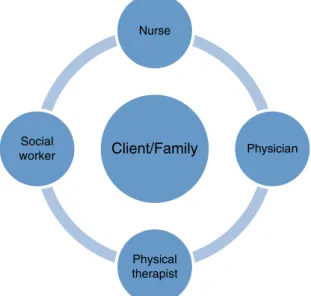
A nursing diagnosis is a clinical judgment about a human response to health conditions/life processes, or vulnerability to that response, by an individual, family, group, or community. The Nursing Outcome Classification (NOC) is a system that can be used to select outcome measures related to nursing diagnosis.
From Assessment to Diagnosis
Chapter 2
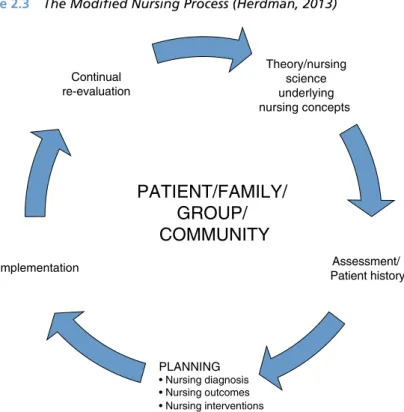
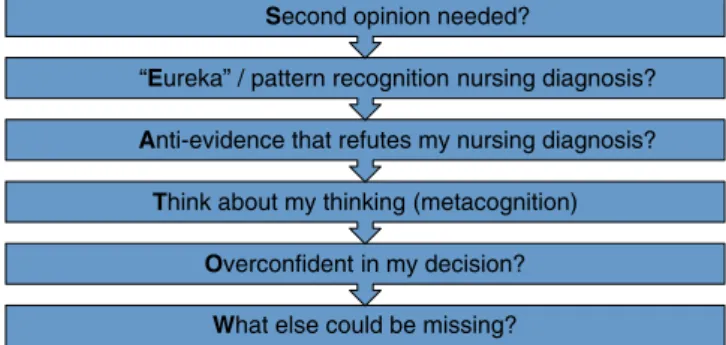
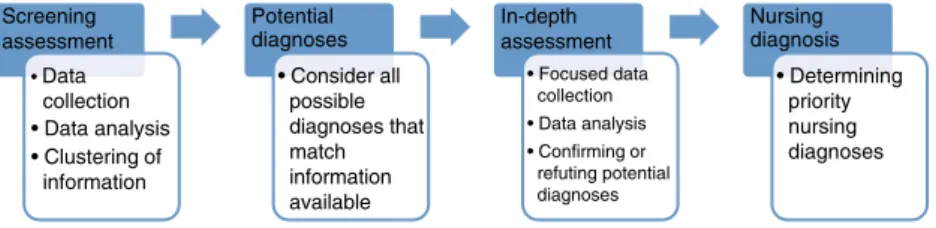
The form asks for the patient's temperature, so the nurse takes the temperature and enters this information into the assessment form. Conceptual knowledge of each nursing diagnosis enables the nurse to give accurate meaning to the data collected from the patient and prepares her to perform an in-depth assessment. If some data are interpreted as abnormal, further in-depth evaluation is crucial to accurately diagnose the patient.
Think back for a moment to the initial screening assessment the nurse performed on Caroline.
An Introduction to the NANDA-I Taxonomy
Chapter 3
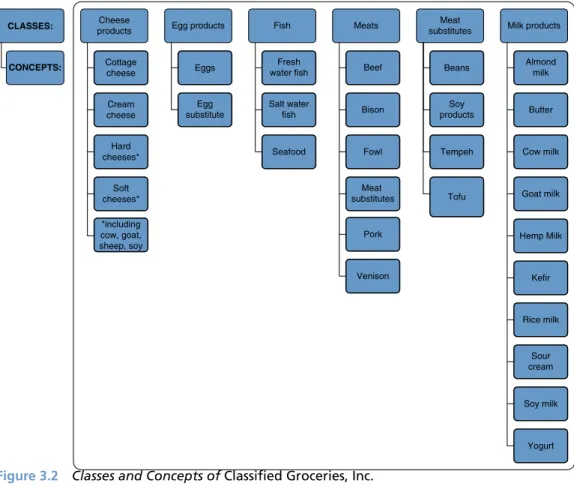
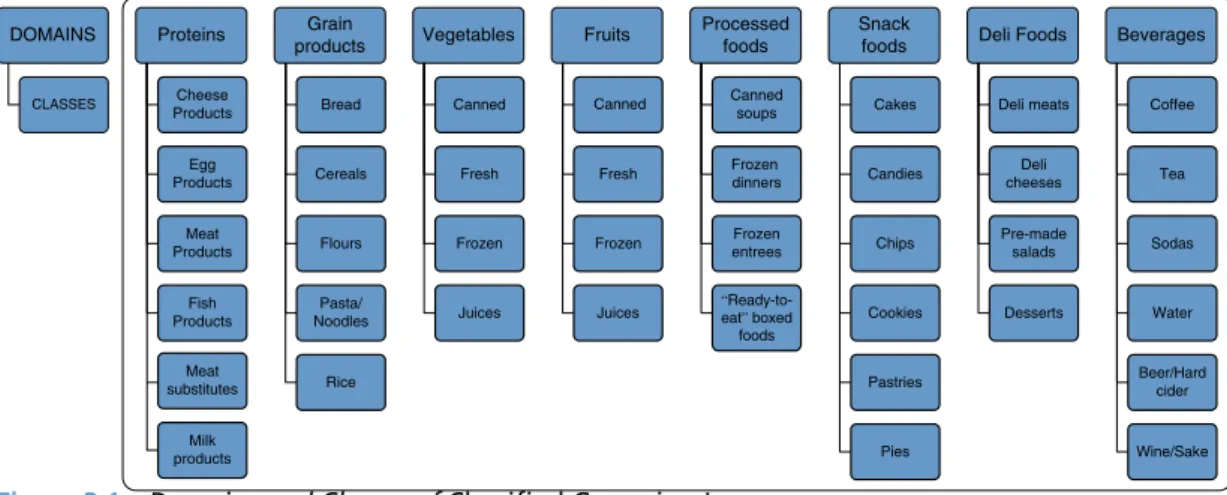
To give an example of what it would look like if we did include the nursing diagnoses in the graphic representation of the taxonomy, Figure 3.4 shows just one domain with its classes and nursing diagnosis. For example, curricula can be developed around the domains and classes, so that courses can be offered based on the core concepts of nursing practice, which are categorized in each of the NANDAI domains. A course can be built around the Activity/Rest domain (Figure 3.5), with units based on each of the classes.
You know you're looking at a cardiovascular response, and a quick look at the taxonomy leads you to Domain 4 (Activity/Rest), Class 4 (Cardiovascular/Pulmonary Responses).
HEALTH PROMOTION
Health awareness Recognition of normal function and well-being
Health management Identifying, controlling, performing, and integrating activities to maintain health and well-being
Nutrition
Ingestion Taking food or nutrients into the body
Digestion The physical and chemical activities that convert foodstuffs into substances suitable for absorption and assimilation
Absorption The act of taking up nutrients through body tissues None at present time
Metabolism The chemical and physical processes occurring in living organisms and cells for the development and use of protoplasm, the production
Health management Identifying, controlling, implementing and coordinating activities to maintain health and well-being maintaining health and well-being. 00106 Readiness for increased breastfeeding 00234 Risk of overweight 00107 Inefficient infant feeding pattern 00103 Swallowing problems 00002 Imbalanced diet: less than body needs. 00179 Risk of unstable blood glucose level 00230 Risk of neonatal jaundice 00194 Neonatal jaundice 00178 Risk of impaired liver function Class 5.
00195 Risk for electrolyte imbalance 00028 Risk for insufficient fluid volume 00160 Readiness for improved fluid balance 00026 Excess fluid volume.
ELIMINATION AND EXCHANGE Secretion and excretion of waste products from the body
Urinary function The process of secretion, reabsorption, and excretion of urine
Gastrointestinal function The process of absorption and excretion of the end products of digestion
Integumentary function The process of secretion and excretion through the skin None at this time
Respiratory function The process of exchange of gases and removal of the end products of metabolism
ACTIVITY/REST The production, conservation, expenditure, or balance of energy resources
Sleep/Rest Slumber, repose, ease, relaxation, or inactivity
Activity/Exercise Moving parts of the body (mobility), doing work, or performing actions often (but not always) against resistance
Energy balance A dynamic state of harmony between intake and expenditure of resources
Cardiovascular/ Cardiopulmonary mechanisms that support activity/rest pulmonary responses
00235 Chronic functional constipation 00197 Risk for dysfunctional gastrointestinal motility 00236 Risk for chronic functional constipation 00014 Bowel incontinence. ACTIVITY/PART Production, storage, expenditure or balance of energy resources Production, storage, expenditure or balance of energy resources. 00092 Activity intolerance 00203 Risk for ineffective renal perfusion 00094 Risk for activity intolerance 00033 Impaired spontaneous ventilation 00032 Ineffective breathing pattern 00200 Risk for decreased cardiac tissue perfusion 00029 Tissue perfusion defect 00029 Risk for decreased cardiac output 00204 Peripheral tissue ineffective perfusion.
00239 Risk of impaired cardiovascular function 00228 Risk of ineffective peripheral tissue perfusion 00202 Risk of ineffective gastrointestinal perfusion 00034 Dysfunctional response to ventilation.
Self-care Ability to perform activities to care for one’s body and bodily functions
PERCEPTION/COGNITION
Orientation Awareness of time, place, and person None at this time
Communication Sending and receiving verbal and nonverbal information
Self-concept The perception(s) about the total self
Sensation/Perception Information received through the senses of touch, taste, smell, sight, hearing, and kinesthesia, and the understanding of sensory vision, hearing, and kinesthesia, and the understanding of sensory data resulting in naming, association, and/or pattern recognition None to this moment. Cognition Memory use, learning, thinking, problem solving, abstraction, judgment, insight, intellectual ability, math, and language judgment, insight, intellectual ability, math, and language.
ROLE RELATIONSHIPS
Caregiving roles Socially expected behavior patterns by people providing care who are not healthcare professionals
Family relationships Associations of people who are biologically related or related by choice
SEXUALITY Sexual identity, sexual function, and reproduction
Sexual identity The state of being a specific person in regard to sexuality and/or gender None at present time
Sexual function The capacity or ability to participate in sexual activities
COPING/STRESS TOLERANCE Contending with life events/life processes
Post-trauma responses Reactions occurring after physical or psychological trauma
Positive and negative connections or associations between people or groups of people and the means by which those connections are demonstrated. Caregiver Roles Patterns of socially expected behavior from people providing care who are not health care professionals are not health care professionals. 00061 Caregiver Role Strain 00164 Readiness for Increased Parenting 00062 Risk for Caregiver Role Strain 00057 Risk for Impaired Parenting 00056 Impaired Parenting.
00221 Ineffective Childbirth Process 00227 Risk for Ineffective Childbirth Process 00208 Readiness for Improved Childbirth Process 00209 Risk for Distressed Maternal-Fetal Dyad.
Neurobehavioral stress Behavioral responses reflecting nerve and brain function
LIFE PRINCIPLES
Value/belief/action congruence The correspondence or balance achieved among values, beliefs, and actions
00073 Impaired family coping 00212 Readiness for increased resilience 00075 Readiness for improved family coping 00211 Risk for impaired resilience. 00009 Autonomic dysreflexia 00117 Readiness for improved organized infant behavior 00010 Risk for autonomic dysreflexia 00115 Risk for disorganized infant behavior. Principles underlying behavior, thought, and behavior in relation to acts, customs, or institutions that are seen as true or have intrinsic value Class 1.
00242 Impaired liberated decision-making 00170 Risk of weakened religiosity 00243 Readiness for increased liberated decision-making 00066 Spiritual distress.
SAFETY/PROTECTION
Physical injury Bodily harm or hurt
Violence The exertion of excessive force or power so as to cause injury or abuse
Environmental Hazards Sources of danger in the surroundings
Defensive processes The processes by which the self protects itself from the nonself
Thermoregulation The physiological process of regulating heat and energy within the body for purposes of protecting the organism
00031 Ineffective airway clearance 00086 Risk for peripheral neurovascular dysfunction 00039 Risk for aspiration 00249 Risk for pressure ulcer. 00220 Risk for thermal injury* 00246 Risk for delayed surgical repair 00250 Risk for urinary tract injury* 00044 Impaired tissue integrity.
Physical comfort Sense of well-being or ease and/or freedom from pain
Environmental comfort Sense of well-being or ease in/with one’s environment
Social comfort Sense of well-being or ease with one’s social situation
GROWTH/DEVELOPMENT
Growth Increases in physical dimensions or maturity of organ systems Code Diagnosis
Development Progress or regression through a sequence of recognized milestones in life Code Diagnosis
Risk for reduced cardiac tissue perfusion 00200 Risk for impaired cardiovascular function 00239 Risk for ineffective cerebral tissue perfusion 00201 Risk for ineffective gastrointestinal perfusion 00202. Readiness for improved organized infant behavior 00117 Risk for risk for0115 disorganized pervascular behavior by0115 86. Readiness for improved decision making 00184 Weakened emancipated decision-making 00242 Readiness for improved emancipated decision-making 00243 Risk for weakened emancipated decision-making 00244.
Readiness for an improved fertile process 00208 Risk of ineffective fertile process 00227 Risk of disrupted mother-fetal dyad 00209 Class: Care tasks.

NANDA-I Taxonomy II: Specifications and Definitions
Chapter 4
The focus is the main element, i.e. the fundamental and essential part, the root of the nursing diagnosis. It is very difficult to determine exactly what should be considered the focus of the diagnosis. The subject of the diagnosis is defined as the person(s) to whom a nursing diagnosis is made.
Age refers to the age of the person who is the subject of the diagnosis (axis 2).

Frequently Asked Questions
Chapter 5
Please see our position statement on the use of the NANDA-I taxonomy as a framework for nursing assessment, on p. Please see the NANDA-I position statement on the structure of the nursing diagnosis statement when included in a plan of care (p. 459). All these areas of knowledge will contribute to your understanding of nursing diagnosis – nursing diagnoses name the subject's knowledge.
Every nursing professor must teach nursing diagnoses – in every course, and as the focus of the course.
The NANDA International Nursing Diagnoses
Elimination and Exchange 181
International Considerations on the Use of the NANDA-I Nursing Diagnoses
The full minutes of the Think Tank Summit can be found on our website (www.nanda.org). Some diagnoses are specialist-specific and are not necessarily used by all nurses in clinical practice. However, it is also important for all nurses to be aware of the areas of nursing practice that exist worldwide, as this informs discussion and over time can support the broadening of nursing practice in other countries.
Publication of the taxonomy in no way requires a nurse to use every diagnosis in it, nor does it justify practicing outside the scope of an individual's nursing license or regulations to practice.
Health Promotion Domain 1
Health awareness
Health management
Health management (continued)
Deficient diversional activity
Sedentary lifestyle
Frail elderly syndrome
Dynamic state of unstable equilibrium affecting the elderly individual who experiences deterioration in one or more health domains (physical, functional, psychological or social) and leads to increased susceptibility to negative health effects, especially disability. Vulnerable to a dynamic state of unstable equilibrium affecting the elderly individual who experiences deterioration in one or more health domains (physical, functional, psychological or social) and leads to increased susceptibility to negative health effects, especially disability.
Risk for frail elderly syndrome
The presence of one or more health problems or factors that impede well-being or increase the risk of health problems experienced by an aggregate.
Deficient community health
Risk-prone health behavior
Ineffective health maintenance
Pattern of regulation and integration into daily life of a therapeutic regimen for the treatment of disease and its consequences that are unsatisfactory in achieving specific health goals.
Ineffective health management
A model of regulation and integration into daily life of a therapeutic regimen for the treatment of the disease and its consequences, which can be strengthened.
Readiness for enhanced health management
A family adjustment and integration model elaborates a program for treating the illness and its consequences, which is unsatisfactory for meeting specific health goals.
Ineffective family health management
Behavior of the individual and/or caregiver that is inconsistent with a health promotion or therapeutic plan agreed upon by the individual (and/or family and/or community) and caregiver. In the presence of an agreed health-promoting or therapeutic plan, the person's or caregiver's behavior is wholly or partially non-compliant and may lead to clinically ineffective or partially effective outcomes.
Noncompliance
Decreased ability to protect oneself from internal or external threats such as illness or injury.
Ineffective protection
Nutrition
NUTRITION
Ingestion
Digestion
Metabolism
Insufficient breast milk
Ineffective breastfeeding
Interrupted breastfeeding
Readiness for enhanced breastfeeding
Ineffective infant feeding pattern
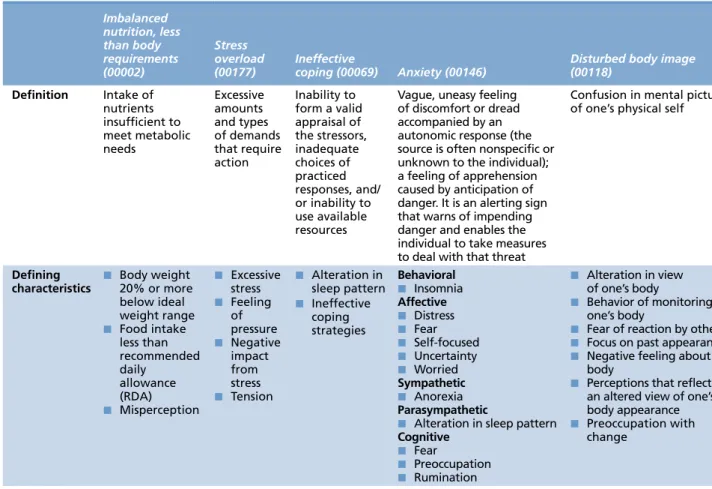
Imbalanced nutrition: less than body requirements
Readiness for enhanced nutrition
Obesity
Overweight
Risk for overweight
Impaired swallowing