'. .'
KEPUTUSAN KUASA PENGGUNA ANGGARAN UIN SYARIF HIDAYATULLAH JAKARTA
NOMOR: Un.01/KPA/252/2015
TENTANG
PENETAPAN JUDUL PENELITIAN DAN PENERIMA DANA/HIBAH PENELITIAN, JENIS PENELITIAN INSTITUSIONAL PENELITIAN BERBASIS PUBLIKASI NASIONAL
TERAKREDITASI, PENELITIAN BERBASIS PUBLIKASI INTERNASIONAL, DAN PENELITIAN UNGGULAN, YANG DIDANAI DARI ANGGARAN BOPTN DIPA APBN UIN
SYARIF HIDAYATULLAH JAKARTA TAHUN ANGGARAN 2015
KUASA PENGGUNA ANGGARAN UIN SYARIF HIDAYATULLAH JAKARTA Menimbang
Mengingat
a. bahwa untuk menjamin kelancaran kegiatan penelitian yang bersumber dari dana BOPTN DIPA UIN Syarif Hidayatullah Jakarta Tahun Anggaran 2015, dipandang perlu untuk menetapkan judul penelitian dan nama-nama peneliti penerima dana pelaksanaan kegiatan penelitian dimaksud serta waktu pelaksanaannya;
b. bahwa judul penelitian serta nama-nama peneliti yang tercantum pada lampiran keputusan ini dipandang mampu dan memenuhi syarat untuk ditetapkan sebagai pelaksana kegiatan Penelitian Institusional, Penelitian Berbasis Publikasi Nasional Terakreditasi, Penelitian Berbasis Publikasi Internasional, dan Penelitian Unggulan yang dibiayai dari dana BOPTN DIPA UIN Syarif Hidayatullah Jakarta Tahun Anggaran 2015;
c. bahwa untuk menetapkan pelaksana kegiatan penelitian sebagaimana dimaksud pada huruf a dan b di atas, perlu ditetapkan dengan Keputusan Kuasa Pengguna Anggaran UIN Syarif Hidayatullah Jakarta Tahun Anggaran 2015.
1. Undang-undang Republik Indonesia, Nomor 20 Tahun 2003 tentang Sistem Pendidikan Nasional;
2. Undang-undang Republik Indonesia, Nomor 5 Tahun 2014 tentang Aparatur Sipil Negara;
3. Peraturan Pemerintah Republik Indonesia, Nomor 4 Tahun 2014 tentang Penyelenggaraan Perguruan Tinggi dan Pengelolaan Perguruan Tinggi;
4. Keputusan Presiden Republik Indonesia, Nomor 31 Tahun 2002 tentang Perubahan lAIN Syarif Hidayatullah Jakarta menjadi UIN Syarif Hidayatullah Jakarta;
5. Peraturan Menteri Agama Republik Indonesia, Nomor 17 Tahun 2014 tentang Statuta UIN Syarif Syarif Hidayatullah Jakarta;
.
.
,,Memperhatikan:
Menetapkan
Pertama
Kedua
Ketiga
Keempat
6. Peraturan Menteri Agama Republik Indonesia, Nomor 55 Tahun 2014 tentang Penelitian dan Pengabdian Kepada Masyarakat pada Perguruan Tinggi Keagamaan;
7. Peraturan Menteri Keuangan Republik Indonesia, Nomor 42/KMK.05/2008 tentang Penetapan Universitas Islam Negeri Syarif Hidayatullah Jakarta pada Departemen Agama sebagai Instansi Pemerintah yang menerapkan Pengelolaan Keuangan Badan Layanan Umum;
8. Peraturan Menteri Keuangan Republik Indonesia, Nomor 53/PMK.02/2014tentang Standar Biaya Masukan Tahun Anggaran 2015;
1. Surat Pengesahan Daftar Isian Pelaksanaan Anggaran (DIPA) Badan Layanan Umum Petikan SP DIPA-025.04.2.423501/2015 tanggal 14 November 2014;
2. Rapat Penentuan Kelulusan Proposal Penelitian Dasar, Penelitian Institusional, Penelitian Berbasis Publikasi Nasional Terakreditasi, Penelitian Berbasis Publikasi Internasional, dan Penelitian Unggulan pada Rabu, 20 Mei 2015.
MEMUTUSKAN
PENETAPAN JUDUL PENELITIAN DAN PENERIMA DANAlHIBAH PENELITIAN JENIS PENELITIAN INSTITUSIONAL, PENELITIAN BERBASIS PUBLIKASI NASIONAL TERAKREDITASI, PENELITIAN BERBASIS PUBLIKASI INTERNASIONAL, DAN PENELITIAN UNGGULAN, YANG DIDANAI DARI ANGGARAN BOPTN D1PA APBN UIN SYARIF HIDAYATULLAH JAKARTA TAHUN ANGGARAN 2015
Menetapkan judul penelitian dan nama peneliti pelaksana kegiatan Penelitian Institusional, Penelitian Berbasis Publikasi Nasional Terakreditasi, Penelitian Berbasis Publikasi Internasional, dan Penelitian Unggulan UIN Syarif Hidayatullah Jakarta Tahun Anggaran 2015 sebagaimana tercantum dalam lampiran I, II, III, dan IV Keputusan ini;
Menetapkan waktu pelaksanaan semua jenis penelitian, yaitu mulai tanggal 1Juni 2015 sampai dengan 30 November 2015;
Apabila sampai tanggal 30 November 2015, peneliti belum menyerahkan Laporan Akhir Penelitian, maka seluruh dana yang sudah diterima harus dikembalikan ke Negara sesuai dengan ketentuan yang berlaku;
Semua pembiayaan sebagai akibat dari Keputusan ini dibebankan kepada Anggaran BOPTN DIPA APBN UIN Syarif Hidayatullah Jakarta Tahun Anggaran 2015 yang besarnya adalah sebagai berikut:
1. Penelitian Institusional : Rp 50.000.000,-/judul 2. Penelitian Berbasis Publikasi Nasional : Rp 50.000.000,-/judul 3. Penelitian Berbasis Publikasi Internasional : Rp 100.000.000,-/judul 4. Penelitian Unggulan : Rp 200.000.000,-/judul
2
Kelima Keputusan ini berlaku sejak tanggal ditetapkan sampai dengan berakhirnya kegiatan, dengan ketentuan apabila di kemudian hari ternyata terdapat kekeliruan dalam Keputusan ini akan diubah dan diperbaiki sebagaimana mestinya.
OITETAPKAN 01 : JAKARTA PAOA TANGGAL: 22MEl 2015
Tembusan:
1. Menteri Agama di Jakarta;
2. Sekretaris Jenderal Kementerian Agama di Jakarta;
3. Oirektur Jenderal Pendidikan Islam Kementerian Agama di Jakarta;
4. Inspektur Jenderal Kementerian Agama di Jakarta;
5. Kepala Kantor Pelayanan Perbendaharaan Negara (KPPN) IV di Jakarta;
6. Pejabat Pembuat Komitmen.
3
LAMPI RAN : KEPUTUSAN KUASA PENGGUNA ANGGARAN UIN SYARIF HIDAYATULLAH JAKARTA
NOMOR :Un.01/KPN252/2015 TANGGAL : 22 Mei 2015
DAFTAR NAMA-NAMA PELAKSANA
PENELITIAN BERBASIS PUBLIKASI NASIONAL TERAKREDITASI SUMBER DANA BOPTN DIPA APBN UIN SYARIF HIDAYATULLAH JAKARTA
TAHUN ANGGARAN 2015
No. Nama Peneliti Judul Penelitian Institusi
1 Kusmana, MA TafsirMaqasidi; Suatu Kajian Epistimologis dalam Konteks Modern FU
Deteksi Resistensi dan Sensitivitas Kuman
2 Yuliati, S.Si, M.Biomed. Mycobacterium Tuberkolosis dengan Teknik FKIK PCR(Polvmerace Chain Reaction)
Pengolahan dan Pemanfaatan Limbah Kulit Pisang 3 Eka Putri, Apt. M.Si. Kepok Kuning (Musa Balbisiana) sebagai Penghasil
Pektin Alami untuk Sumber Bahan Baku Sediaan FKIK Farmasi
1.Endah Wulandari,SS.i, M.Biomed. Efek Biji Jarak Pagar(Jatropha Curcas L)terhadap
4 Regulasi Ekspresi Gen Transforming Growth Factor FKIK
2. Rr Ayu Fitri Hapsari, SS.i, M.Biomed 13 1(TGF 131) sebaqai Marker Tumor Menjadi Jurnallnternasional: Pemanfaatan Open 5 Parhan Hidayat, M.Hum Journal System untuk Meningkatkan Visibilitas dan
Aksesibilitas Jurnal Terakreditasi A di Lingkungan FAH PTKIN
Faktor Penentu Kinerja Pengurus DKM Masjid serta
6 Dr. M. Taufik Hidayatullah Dampaknya terhadap Implementasi Manajemen FDK Mutu Masjid (Kasus pada Masjid Jami Kota Bogor)
Corak Ideologis Partai Politik Islam dalam
7 Dr. A. Bakir Ihsan. Pembahasan Rancangan Undang-Undang di Era FISIP Reformasi 2004-2009
Implikasi CSR terhadap Kinerja Perusahaan dengan 8 Taridi Kasbi Ridho, SE, MBA Determinasi Tata Kelola dan Karakteristik
Perusahaan; (Studi pada 200 Perusahaan Terbuka FEB Terbesar di Indonesia)
Ns. Puspita Palupi, Sp.Kep.M.Kep. Studi Fenomenologi Pengalaman Ibu Primipara Saat
9 Mengalami Depresi Post Parium di Wilayah Kerja FKIK
Mat. Puskesmas Kec. Pasar Rebo Jaktim
Penafsiran Tematik Saintifik Alquran di Indonesia:
10 M. Anwar Syarifuddin, MA Kajian atas Karya-karya Penafsiran Bertema FU
\ Penielasan Saintifik Avat-avat Alquran
Pola Sebaran Kasus Tuberkulosis dan Tuberkulosis
11 Minsarnawati, SKM, M.Kes Bakteri Tahan Asam Positif di Indonesia Tahun 2010- FKIK 2014; Space-time Spatial Clustering
1. Dr. Arief Subhan, MA.
On Line - Dakwah; Analisis lsi dan Pemetaan Paham
12 2. M. Yusuf. S.Sos.1 Keislaman Situs-situs Islam Indonesia FDK 3. David Raharri, S.Korn
1.Drs. Study Rizal, LK., MA
Remaja Islam: Kajian Keislaman Ideologi dan
13 2. Ahmad Muawam, S.Sos.1 Gerakan FDK
3. Muchlas Noor Hidayat, S.Sos.1
14 1. AM. Hasan Ali, MA Sistem Pendeteksi Dini Penurunan Kinerja Keuangan 2. Saiful Anwar Bank Syariah BerbasisNeural Networks FSH
No. Nama Peneliti Judul Penelitian Institusi Prof. Dr. Lily Surayya Eka Putri, Pemanfaaatan Biosorben Makro Alga Eucheuma
15 M.Env. Spinosum, Cladophora Fractadan Sargassum FST
Crassifolium untuk Penyerapan Logam Berat Merkuri 16 Prof. Dr. M. Dien Madjid Berebut Tahta di Pulau Bangka Ketokohan Depati
Amir dalam Catatan Belanda; (Sebuah Kajian Arsip) FAH Pol a Adaptasi Sosial Ekonomi Masyarakat terhadap 17 Kholis Ridho, M.Si. Perubahan Sistem Mata Pencaharian Penduduk di
Daerah Pemekaran Baru; (Studi Kasus Kampung FDK Miskin di Kota Tan~sel Banten)
1. Dra. Netty Hartaty, M.Si. Pengaruh Orientasi Religius dan Trait Kepribadian
18 2. Drs. Mahmud Jalal, MA terhadap Perilaku Memaafkan Mahasiswa UIN Syarif FPSI Hidavatullah Jakarta
19 Dr. Muhamad Nadratuzzaman Hosen, Likuiditas dan Permodalan Perbankan Syariah di
MA Indonesia FSH
Aplikasi Kecerdasan Buatan (AI) untuk Identifikasi 20 Anif Hanifa Setianingrum, M.Si. Psycho AnalysisPenderita Kecanduan Narkoba dan
Penderita HIV/AIDS dalam Permodelan Cognitive FST Sciencedengan Menggunakan Metode Baves
1. Dr. Ir. Agus Budiono, MT
Pemetaan Daerah Rawan Gempa Berdasarkan Nilai
21 2. Drs. Sutrisno, Dip!. Seis Percepatan Tanah Maksimum di Wilayah Indonesia FST 3. Tati Zera, M.Si.
22 Gazi, M.Si. Transformasi Personal Studi Kualitatif pada Mantan Penjahat dan Preman FPSI
Pengembangan Produk Minuman Konsetrat
23 La Ode Sumarlin, M.Si. "Propolis" Berbasis Kerjasama Perguruan Tinggi, FST Industri dan Kelompok Tani Lebah
24 Yoghi Citra Pratama, M.Si. Finansial Stress Index: Analisis Mitigasi Krisis Finansiallndonesia FEB
1. Dasumiati, M.Si. Pengembangan Kemasan Makanan Berbahan Dasar
25 2. Nanda Saridewi, M.Si. Bioplastik dari Limbah Kulit Ubi Kayu (Manihot FST Uttilisima)dan Kulit Udang
26 M. Adian Firnas,S.IP, M.Si Politik dan Birokrasi; Masalah Netralitas Birokrasi di
FISIP Indonesia Era Reformasi
1. Dr. Parlindungan Siregar, M.Ag.
Seni Arsitektur Makam pada Masjid-masjid Kuno
27 2. Drs. Syamsudin Dasan, M.Ag. Jakarta; Sebuah Pendekatan Arkeologi FAH
3. Faisal Amri
28 1. Drs. Saidun Deraini, M.Ag. Jaringan Ulama dan Transformasi Pendidikan Islam
2. Mukmin Suprayogi, M.S.i di Bekasi FAH
29 1. Dra. Ulfa Fajarini, M.Si. Dampak Perubahan Status Kota Tangerang Selatan FITK 2. Nurul Handayani, M.Pd. terhadap Kesejahteraan Masyarakat
Potensi Keberadaan Lingkungan dan Kambing 1. Dr. H. Arif Sumantri, SKM. M.Kes. Etawa Sebagai Repellent terhadap Tingkat
30 Kepadatan Vektor dan Kasus Malaria di Desa FKIK
2. Dewi Utami Iriani, Ph.D Somongari Kecamatan Kaligesing Kabupaten Purworeio JawaTen~ah Tahun 2015 1. dr. Nurul Hiedayati, Ph.D. Pengaruh Ekstrak Daun Zaitun pada Gambaran
31 Histopatologi Jaringan Trakea dan Alveolus Mencit FKIK
2. dr. Riva Auda, Sp.A, M.Kes. Balb/c Asma vanQ Diinduksi oleh Ovalbumin 1. Ora. Fadhilah Suralaga, M.Si. Kreatifitas Positif dan Negatif; Pengaruh Faktor
32 2. Mulia Sari Oewi, M.Si. Lingkungan dan Individual pada Pegawai di FPSI 3. Nia Tresniasari, M.Si. Perusahaan Swasta dan Lembaga Pemerintahan
No. Nama Peneliti Judul Penelitian Institusi Meneandra Ketimpangan Buku Sumber Ajar Mata
33 Drs. Abdul Shomad, MA Kuliah Pengantar Studi Islam; Studi Perbandingan Literatur Bahasa Inggris dan Kitab Bahasa Arab di FITK
PTAI
Peran Pengawasan Konseling dan Pemeriksaan
34 Dr. Amilin, SE, Ak, M.Si Pajak dalam Mendorong Kepatuhan Wajib Pajak dan Dampaknya terhadap Penerimaan Negara dari FEB
Sektor Pajak
35 1. Prof. Dr. Ahmad Thib Raya, MA Reformasi Sintaksis dan Implementasinya pada 2. Wati Susiawati, MA Pengajaran Nahwu di UIN Jakarta FITK
36 1. Dr.Nurhasanah, M.Ag. Kecenderungan Masyarakat Untuk Memilih Lembaga 2. Khotnida Nasution, M.Ag Penyelesaian Sengketa Ekonomi Syariah FSH
37 Dr. Hamka Hasan, Le, MA Konten Website Radikal di Indonesia FDI 1. Dr. Fauzan, MA Evaluasi Kurikulum dan Kesiapan Program Studi
38 2. Abdul Rozak, M.Si. dalam Menerapkan Kurikulum Berbasis Kerangka
FITK 3. Asep Ediana Latif, M. Pd. Kualifikasi Nasionallndonesia (KKNI); Evaluasi
Kurikulum Proqram Studi di Linqkunqan UIN Jakarta 1. Dr. Zulfiani, M.Pd. Model Pendampingan Kolaboratif untuk Peningkatan 39 2. Dr. Ahmad Sopyan, M.Pd. Keterampilan Meneliti Guru Biologi MAiSMA
(Penelitian dan Pengembangan Profesionalisme FITK 3. Yanti Herlanti, M.Pd. Guru di DKI, Boqor dan Tanqeranq Selatan) 40 Drs. Agus Darmaji, M.Fils Peran Kelas Menengah Santri dalam Proses
Demokratisasi di Indonesia FU
J
DE ROSYADA, M1fu' 5 198703 1 003
LAMPIRAN II: KEPUTUSAN KUASA PENGGUNA ANGGARAN UIN SYARIF HIDAYATULLAH JAKARTA
NOMOR : Un.01/KPA/252 /2015 TANGGAL : 22 Mei 2015
DAFTAR NAMA-NAMA PELAKSANA
PENELITIAN BERBASIS PUBLIKASI INTERNASIONAL
SUMBER DANA BOPTN DIPA APBN UIN SYARIF HIDAYATULLAH JAKARTA TAHUN ANGGARAN 2015
No. Nama Peneliti Judul Penelitian Institusi
1. Prof. Dr. Nasaruddin Umar, MA
Hate Speech (Syiar Kebencian) atas Dasar Agama di
1 2. Dr. Ekawati, MA FUF
3. Suhada, MA Indonesia
1. Bambang Suryadi, Ph.D.
Pengembangan Instrumen Integritas Pribadi
2 2. Jahja Umar, Ph.D FPsi.
3. Nenenq Tati Sumiati, M.Psi. (Personal Integrity Scale)
1. Fase Badriah, SKM, M.Kes, Ph.D Analisa Persepsi Tenaga Kesehatan terhadap 3 2. Dr. Nouval Shahab, Sp.U, PhD, Incident Reporting System dan Safety Patient Culture
FKIK FICS, FACS di Rumah Sakit Pelayanan Syariah dan Pelayanan
Non Syariah
Traditional Knowledge Practice Management; The 4 1. Zaharah, M.Ed Implementation of Aromatic Plant (Averrhoa Blimbi
2. Ibnu Sina, M.Sc L), to Control Malaria Based on Local Wisdom in FITK Native Communities Central Aceh, Indonesia 1. Dr. Syopiansyah Jaya Putra, M.Sis.
5 2. A'ang Subiyakto, M.Kom Pengukuran Keberhasilan Proyek Sistem Informasi di 3. Dr. Abdul Rahman Ahlan antara Institusi Pendidikan Tinggi di Indonesia FST 4. Dr. Mira Kartiwi
1. Dr. Delina Hasan, M.Kes, Apt. Analisis Efektivitas Obat dan Efisiensi Biaya dalam 2. Ora. Hefni Warnetty, M.FRS., Apt. Pengobatan Hipertensi dengan Menggunakan Obat
6 3. Dewi F Anti Hipertensi Kombinasi (ACEI+CCB dan FKIK
4. PUji Pandu Dinillah ACEI+Diuretik) pada Pasien Penderita Hipertensi di 5. Sukma, SKM RSAL Mintoharjo Jakarta Juli - November 2015 1. Dr. Fahriany, M.Pd
Gender Representation in English Textbooks for MTs 7 2. Dr. Alex, M.Pd
Student; aCritical Multi Modal Analisis FITK 3. Dr. Ratna Sari Dewi, M.Pd
1. Dr. Gun Gun Heriyanto, M.Si Pengelolaan Komunikasi Politik SBY terhadap Isu-
S isu Keislaman di Indonesia 2009-2014; Pendekatan FIDKOM
2. Dr. Iding Rasyidin, M.Si
Performa Komunikatif 1. Dr. Fuad Thohari, MA
Perempuan Pekerja Migran sebagai Pencari Nafkah 9 2. Dr. M. Suparta, MA
Utama : Studi Kasus TKW di Hongkong FSH 3. Khoiron Sirin, MA.
Uji Coba Formulasi Kompos UIN Jakarta dan 1. Dr. Elpawati, Ir, MP Effective Microorganism-10 (EM-10) terhadap
10 Tanaman Kangkung (ipomea aquatica) dan Bayam FST
2. Dr. Edmon Daris
(amaranthus hibridus) Organik dalam rangka Pemanfaatan Lahan Pekarangan di Perkotaan
~h'iA\AN~
~" ,_ ~GGUNA ANGGARAN,
.f~~ " D \
/Jj (1f'1iw.A'.... ) ~
I
~( WfDJ I)" 1,
%
JAKARTASA".-
\1')..: n ...-;;.,... I=DE ROSYADA, M~
~~RRI~OC~1987031 003
-
LAMPIRAN III: KEPUTUSAN KUASA PENGGUNA ANGGARAN UIN SYARIF HIDAYATULLAH JAKARTA
NOMOR : Un.01/KPN 252 /2015 TANGGAL : 22 Mei 2015
DAFTAR NAMA-NAMA PELAKSANA PENELITIAN UNGGULAN
SUMBER DANA BOPTN DIPA APBN UIN SYARIF HIDAYATULLAH JAKARTA TAHUN ANGGARAN 2015
No. Nama Peneliti Judul Penelitian Institusi
Pengaruh Gaya Hidup, Diet Makanan dan 1. Hoirun Nisa, M.Kes, Ph.D. Genetik Polymorphismeterhadap Kejadian
1 2. Chris Adiyanto, M.Biomed, Ph.D. Penyakit Kanker Kolorektal serta Peran FKIK 3. dr. Witri Ardini, SpGK. MCN Bimbingan Agama dan Doa pada Masa
Pengobatan Pasien
1. Dr.M.Asrorun Ni'am Sholeh, MA. In Search of Islamic Identity: Negotiating 2 2. Dr. Asep Saepudin Jahar, MA. Religious, Social and Economic Spheres among Indonesian Female Workers(a Case FSH 3. Jauhar Azizy, MA
Study in Hongkong and Taiwan)
1~~FI~'D..f~EtIROSYADA, M~
198703 1 003
LAMPIRAN IV: KEPUTUSAN KUASA PENGGUNA ANGGARAN UIN SYARIF HIDAYATULLAH JAKARTA
NOMOR : Un.01/KPA/252/2015 TANGGAL : 22 Mei 2015
DAFTAR NAMA-NAMA PELAKSANA PENELITIAN INSTITUSIONAL
SUMBER DANA BOPTN DIPA APBN UIN SYARIF HIDAYATULLAH JAKARTA TAHUN ANGGARAN 2015
No. Nama Peneliti Judul Penelitian Institusi
1. Imam Subchi, MA
Pengembangan Mutu Guru Besar Melalui 2. Mu'min Rauf, MA
1 3. Maria Ulfa, MA Peningkatan Produktivitas IImiah di LP2M
Lingkungan UIN Syarif Hidayatullah Jakarta 1. Amirudin, M.Si. Analisis Hasil Audit Mutu untuk Mengukur
2 2. Lisma Dyawati Fuaida, M.Si. Kualitas Akademik UIN Syarif Hidayatullah LPM
3. Ramdani Miftah, M.Pd Jakarta
1. Wahdi Sayuti, MA Pemetaan Kajian Hasil Penelitian Dosen 3 2. drg. Laifa Hendarmin, PhD pada Pusat Penelitian dan Penerbitan
PUSLITPEN 3. Yunita Faela Nisa, M.Psi. (Puslitpen) UIN Syarif Hidayatullah Jakarta
Tahun2012 - 2014 1. Djaka Badranaya, ME
Survey dan Evaluasi Program Pengabdian
4 2. Endang Iryani, M.Pd. PPM
3. Muhammad Syarif, S.H.I kepada Masyarakat
1. Rachmat Baihaky, MA Evaluasi Program Kerjasama UIN Syarif
5 2. Fita Faturokhmah, M.Si Hidayatullah Jakarta dengan Pihak Asing PLKI dalam Program U-Cast Periode2007-2014
1. Maksum, MA Pemetaan Problematika Hukum yang di 6 2. Ali Mansyur, MA Hadapi Universitas Islam Negeri Syarif
PUSHUMASKUM Hidayatullah Jakarta dan Upaya
3. Dr. Alfitra, SH., MH.
Penyelesaiannya 1. Drs. H. Subarja, M.Pd.
2. Drs. Rasi'in, MA Evaluasi Pengelolaan dan Pelaporan Barang
7 3. Drs. H. Encep Dimyati, MA Milik Negara di Lingkungan UIN Syarif BIRO PK 4. lin Marlina, SE" MM. Hidayatullah Jakarta
5. Abd. Halim Mahmudi, S.H.I 1. Ady Cahyadi, SE., M.Si.
Pengaruh Intellectual Capital terhadap 8 2. Nur Wachidah Y., SE., M.S.Ak.
Kinerja Keuangan Badan Layanan Umum SPI 3. Husnul Khotimah, SE., M.S.Ak.
4. Yudi Setiadi, SE (BLU) UIN Syarif Hidayatullah Jakarta 1. Rusydy Zakaria, M.Ed., M.Phil Studi Evaluatif Lembaga-Iembaga Non
9 Struktural di Lingkungan UIN Syarif CERDEV
2. Prof. Dr. Husni Rahim
Hidayatullah Jakarta
1. Dr. Farida Hamid, M.Pd. Implementasi Kurikulum 2013di Madrasah
10 2. Bahrissalim, M.Ag. Wilayah DKI Jakarta (Signifikansi dan CTLD
3. Dr. Yayah Nurmaliah, MA Evaluasi)
DE ROSYADA, M~
5 198703 1 003
Positive and Negative Creativity: Individual and Environmental Influences On Government and Private Employees
Fadhilah Suralaga1, Mulia Sari Dewi2, Nia Tresniasari3
1Fakultas Psikologi, Universitas Islam Negeri Syarif Hidayatullah Jakarta, Jl. Kerta Mukti No.5 Ciputat Tangerang Selatan, Banten, Indonesia 15419
[email protected] [email protected] [email protected]
Abstract
Research on creativity as an attitude, thinking ability, and creative behavior developed in the education sphere is profoundly related to positive things. Meanwhile, the research for negative creativity or the allegedly dark side of creativity is still very limited both in education and in the industrial world. This study examines the influence of internal factors (personality and intelligence) and external factors (organizational climate and organizational culture) on positive and negative creativity. The sample comprised 180 government employees in a ministry office and 150 private employees at a well-known insurance company in Jakarta. The results of this study show that for government employees, positive creativity mainly influenced by internal factors, namely the openness personality type, and none of the external factors affects. Simultaneously, negative creativity influenced by external factors, particularly the goal-oriented organizational climate, and none of the internal factors affects. On the other hand, private employees have various positive creativity influenced by internal factors (such as extraversion personality and neuroticism) and also external factors (the culture of cooperation and customer orientation). In contrast, negative creativity influenced by external factors of the organization, specifically the internal process that runs within the organization. The results of this study prove that there is numerous positive and negative creativity among employees both in government and private institutions and that the development of negative creativity in employees can be anticipated.
Keywords: creativity, positive creativity, negative creativity, big five personality, intelligence, organizational climate, organizational culture.
Introduction
Creativity produces a positive and negative outcome, which the latter then known as The Dark Side of Creativity (Gino & Ariely. 2012). McLaren (1993) described the use of atomic bomb technology for war, which deviates from the purpose of its maker, as an example of negative creativity. The study of the psychological processes that underlie positive and negative creativity has increased sharply recently, however in Indonesia, there is not much research on negative creativity.
Research on creativity is very diverse because it looks at it from various perspectives. Some research focuses on creative products, cognitive processes and motivational factors behind creative work (Chairin AN, 2019), contextual factors that affect creativity, and others focus on the relationship between personality and creativity factors (Gino & Ariely, 2012).
A considerable number of existing studies and writings have defined creativity as the ability to generate new ideas or products, as well as flexibility in thinking so that it can help individuals to solve problems more effectively (Rogers, 1982, Guilford 1986, Munandar SCU 1977). Some explain creativity in terms of creative attitudes, among others, Torrance (1979) and Alvian (1983), which describe creativity from the behaviour of diligent, tenacious, hard work, never give up, humorous.
Besides being seen from processes and attitudes, creativity can also be seen through outcomes as explained by James, Clark & Cropanzano (1999) that creativity reflected in positive repercussions, such as employee morale, improved performance, ability to adapt to change, ways to save costs, which referred to as positive creativity. Whilst negative creativity is a creative action reflected in outcomes such as stealing, fraud, exploitation, abusing rules and policies. This explanation is used as a reference in studies on the dark side of creativity, which is then used to explain creativity in this research.
Research on creativity is mostly carried out in educational settings, even though creative activities occur in different life situations, including in the fields of industry and organizations.
Paying attention to creativity in today's work environment is very important because the increase of global competition requires creativity so that organizations can continue to survive and develop (Timpe, 2002, 2017). Unfortunately, most studies on creativity in organizations only focus on the positive side of creativity, such as achievement, good innovative ideas, and creative products. Whereas in reality, the use of negative creativity results with the loss of others and for the organization, such as circumventing organizational policies, making false reports, embezzling company money, exploiting people or organizations for personal/group interests.
Therefore, it is crucial to understand what psychological factors trigger positive and negative creativity in the workplace.
Individual qualities that can affect creativity, according to Amabile (1988) are personality traits, motivation, risk orientation, cognitive abilities, work expertise, work experience and naivety and perfectionism. Research by James and Asmus (2010) found that personality and divergent thinking correlated with the type of creativity. The interaction between the two has an impact on creativity. Research by George and Zhou, 2007, and Vosburg, 1998, 2010) found a joint contribution between supervisory behaviour and mood on employee creativity.
The individual factor taken as the independent variable in this study is personality, in this case, the big five personality, which is the five-factor personality trait, the approach to seeing human through the five personality domains that have been formed using Exploratory Factor Analysis. The five factors are extraversion, agreeableness, conscientiousness, neuroticism, and openness to experience. (Goldberg in John and Srivastava, 1999).
Another individual factor that has broadly studied is the relationship between intelligence and creativity. High intelligent and creativity contributed to giftedness in the Three Rings Renzulli concept. Furthermore, Miiler and Tal (2007) found that openness and intelligence traits are reliable predictors of explaining creativity. Concerning negative creativity, Gino and Ariely (2012) discovered a relationship between the ability to think creatively and dishonesty, which reinforces the dark side of creativity. In this research, the intelligence concept used is fluid intelligence because intelligence is included in internal factors so that it is expected to maintain the purity of the intentions of internal factors in this study.
Based on the findings above, it can be assumed that an empirical study of positive and negative creativity in industrial and organizational settings (workplaces) is still needed, especially to capture a small part of the phenomenon in Indonesia. In this study, the individual factors studied were personality and intelligence, while environmental factors, such as culture and organizational climate, were considered essential and covered things that were comprehensive enough to describe internal and external factors. To get a specific picture of external influences, research was organized at a ministerial office and private company. The two institutions have disparate goals, work regulations, procedures, and work appraisals which ultimately create different work climate and culture.
Research Question
The questions posed in this research are:
1. Do individual factors, and environmental factors influence positive and negative creativity among government and private employees?
2. Which individual factors (personality and intelligence) and environmental factors (climate and organizational culture), that significantly influence positive and negative creativity in both government and private employees?
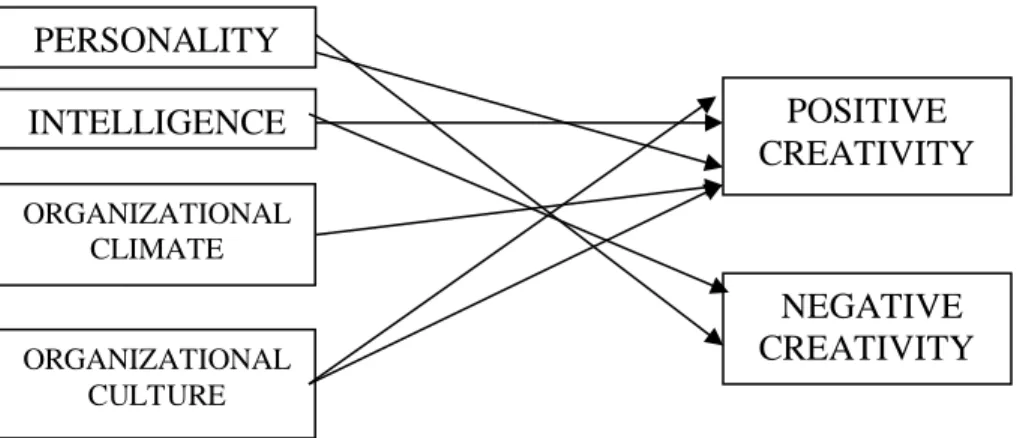
Figure 2. shows the research model used to answer the research questions above. In this figure, it can be seen that each independent variable tested for its influence on the dependent variable. Such a case is done both for each group (government and private employees) and participants as a whole.
Figure 2. Research Model
Method
Design and Participants of the Study
This study used the quantitative method with a survey design. The participants in this study came from two agencies, namely government agencies and private companies. The number of participants in this group is 150 civil servants in a ministry office and 180 permanent employees at a large private company in the insurance industry. Participants were selected using a non- probability sampling technique.
Research Variable
The dependent variable in this study consists of positive creativity and negative creativity.
Meanwhile, personality (extraversion, agreeableness, conscientiousness, neuroticism, openness to experience), intelligence, organizational climate (human relations, internal process, open system, rational goal) and organizational culture (managing change, achieving goals, coordinated teamwork, customer orientation, cultural strength) is an independent variable that regressed towards positive creativity and negative creativity.
Instruments
The instrument used in the study was a questionnaire to measure The Big Five Personality, Organizational Climate, and Organizational Culture. All scales provided with 4 points of Likert
PERSONALITY INTELLIGENCE
ORGANIZATIONAL CLIMATE
ORGANIZATIONAL CULTURE
POSITIVE CREATIVITY
NEGATIVE CREATIVITY
Scale ranging from very unsuitable, unsuitable, suitable, and very suitable with a score of 1 to 4 for favourable items and 4 to 1 for unfavourable items. The exception is the scale measuring positive and negative creativity and to measure intelligence. Testing of construct validity of The Big Five Inventory Scale, Organizational Climate Scale, and Organizational Culture Assessment Questionaire was using Confirmatory Factor Analysis (CFA), which provided the detail below.
Positive and Negative Creativity Scale
Creativity in this research is measured using the positive-negative creativity instrument developed by Hansika Kapoor (in the Creativity Research Journal, February 2015). The measuring instruments consist of 15 situations/problems, and each of them followed by three answer choices (positive, neutral, negative). Figure 3 showed the example of items in this instrument.
Figure 3. Item examples in Creativity Scale
The Big Five Inventory Scale
To measure personality, the Big Five Inventory (Oliver and Srivastawa, 1999) was used that consists of 21 items, of which 15 are favourable, and six are unfavourable. Each item is measured using a Likert scale with four categories of alternative answers, namely: (1) Very Unsuitable, (2) Unsuitable, (3) Suitable, and (4) Very Suitable. The validity test is carried out on each dimension using the Confirmatory Factor Analysis technique.
The results of CFA analysis showed all dimension that a fit model was observed. The extraversion dimension have a chi-square value = 3,695, P- value = 0.055. The number of items is four and all are valid. A chi-square on agreeableness dimension = 5.459 , P- value 0.065 . The number of items is four but one of them is invalid. The dimensions of conscientiousness and neuroticism have a chi-square = 0.497 and 5,263, P-values = 0.780 and 0.072). Each dimension
1. Anda seorang pegawai. Tim anda harus membuat desain promosi yang akan meningkatkan penjualan atas produk yang diberikan. Anda akan…
o Bekerja bersama tim untuk membuatnya.
o Merancang strategi baru yang secara halus menyampaikan bahwa produk anda lebih baik dengan menggunakan testimoni dari pelanggan yang telah berpindah pilihan.
o Merancang strategi baru dengan melibatkan pelanggan yang telah menggunakan produk tersebut untuk menarik pelanggan baru.
2. Anda diharuskan melakukan presentasi di dalam sebuah forum, namun anda lupa tentang beberapa bagian dari topik yang akan Anda sampaikan. Anda akan…
o Tetap melakukan presentasi tanpa persiapan dan di tengah presentasi anda berpura-pura menerima telepon penting yang harus anda jawab.
o Melakukan presentasi dengan pengetahuan yang anda miliki dan mengajak audiens berpartisipasi.
o Mengaku bahwa anda lupa dan berjanji akan melakukannya di pertemuan berikutnya.
is measured by four items and all are valid. Finally, the openess to experiences dimension has a chi-square = 5.075, P-value = 0.279. This dimension is measured by five items and all are valid.
Intelligence Test
The test used to measure intelligence, the CFIT (Culture Fair Intelligence Test), chosen considering that this tool is nonverbal. This tool was created by Raymond B. Cattel to measure fluid intelligence (the ability to analyze in abstract situations), which is free from cultural influences.
The Organizational Climate Scale
The organizational climate in this study was measured using the Organizational Climate Scale which has been validated by Patterson (2009). This scale measures 17 aspects that grouped into 4 quadrants, consisting of 34 items, of which 25 items are favorable and 9 items are unfavourable. The results of CFA analysis in the dimension of human relations has chi-square = 63,056, P-value = 0.0588. The number of valid items is 11 out of 12. In the internal process, it is obtained chi-square= 0.561, P-_value = 0.454. The number of valid items is three out of four items. In the open system obtained chi-square = 14,588, P-value = 0.0677. The number of valid items is four out of six. In the Rational Goal, the chi-square = 63.003, P- value = 0.0577. This dimension is measured by six items and all are valid.
Organizational Culture Assessment Questionaire
Organizational culture was measured using the Organizational Culture Assessment Questionaire developed by Sashkin & Rosenbach, (2013). This instrument consists of 30 items, of which 23 items are favorable and 7 items are unfavourable. CFA analysis was used to test the instrumen and the result showed that the data obtained from managing change dimension is fit with the theory designed with chi-square = 14.711, P-value= 0.065. Thus it is obtained information that 6 items that measure unidimensional managing change was significant which indicate that it is and hence this scale can measure what it should measure. Furthermore, each item is checked for validity with the t- test and information is obtained that 4 of the 6 items are significant. The next four items are used to estimate managing change.
The same analysis was done to the dimensions of achieving a goal, coordinated teamwork, customer orientation, cultural strength. In achieving a goal, a chi-square score = 12,665, P-value 0.1784.The number of valid items is 5 out of 6 items. Coordinated teamwork has a chi-square = 6,883, P-value= 0.4411. The number of valid items in this dimension is four out of six. In customer orientation and cultural strength, chi-square = 5,677 and 9,701, with P-values 0.7718 and 0.2062). In these aforementioned two dimensions, all items are valid with a total of 6 each.
Data Analysis
The data analysis technique used to answer the research hypothesis above is multivariate regression, carried out simultaneously in two or more groups (multigroup). This analysis technique compared the effect of IV on DV in each group directly. This essay focus on the similarities and differences in parameter structures that illustrate different mechanisms for the formation of DV (Hair et al., 2006). The causes of various positive and negative creat ivity among government and private employees are directly comparable. The data then analyzed with MPLUS version 7.11 software (Muthen & Muthen, 2010).
Results and Discussion
The original study involved all personality variables, yet concluded with only extraversion, openness to experience, and neuroticism because agreeableness and conscientiousness immensely corresponded with extraversion. Extraversion, openness to experience, neuroticism, IQ, internal process, open system, rational goal, achieving goals, coordinated teamwork, customer orientation, and cultural strength affect positive creativity and negative creativity.
Table 1 illustrates the R-square of the regression test results.
Tabel 1. R-square of all Independent Variables on Creativity
DV R-square p Government Employees Positive Creativity 0.092* 0.025
Negative Creativity 0.055 0.096
Private Employees Positive Creativity 0.115* 0.019
Negative Creativity 0.101* 0.03
*significance at α=0.05
As can be seen from table 1. that the R-square magnitude for government employees for positive creativity is 0.092 (p <0.025), while for negative creativity is 0.055 (p> 0.05). The r- square for private employees for positive creativity is 0.115 (p <0.05) while for negative creativity is 0.101 (p <0.05). Based on this value, the variations in creativity among private employees can be more illustrated than in government employees. The causes of the variation in negative creativity among government employees cannot be known from both individual factors and environmental factors involved in this study. This occurs because the variation in negative creativity among government employees is very small.
After seeing the effect of all independent variables on creativity, the next step is to examine the effect of each dimension in the independent variable on positive and negative creativity.
Table 2. illustrates the regression coefficients of each independent variable on positive and negative creativity in government employees and private employees.
Table 2. Independent Variable Regression Coefficients on Positive Creativity and Negative Creativity
Government Employees Private Employees Positive
Creativity Negative
Creativity Positive
Creativity Negative Creativity
Extraversion 0.06 -0.034 -0.187* 0.123
Openness to experience 0.192* 0.014 0.16 0.074
Neuroticism 0.026 0.123 -0.164* 0.058
Inteligensi 0.042 -0.034 0.133 -0.052
Internal Process -0.069 -0.03 -0.012 -0.196*
Open System -0.037 -0.046 0.042 -0.026
Rational Goal 0.062 -0.05 -0.092 0.189
Achieving Goal -0.1 0.257* -0.003 -0.233
Coordinated Teamwork 0.037 -0.21 -0.316* 0.275
Customer Orientation 0.233 0.077 0.313* -0.193
Cultural Strength -0.119 -0.123 0.072 -0.119
Based on testing of the dependent variable positive creativity in government employees, the results of the individual factors that affect only personality openness are obtained. Meanwhile, there is no single environmental factor that has a significant effect.
On the other hand, when the analysis was carried out on private employee participants, it is found that the factors that influence positive creativity are personality variables, namely openness and neuroticism, as well as organizational culture, namely coordinated teamwork and customer orientation. Negative creativity in private employees is only influenced by the organizational climate, namely internal processes.
Creativity in Government Employees
Based on the test results on the group of government employees, it was found that of all independent variables studied, only the openness personality type had a significant positive effect on creativity with a coefficient of 0.192. The coefficient which is positive indicates that employees with high openness scores also have high positive creativity. Figure 4 shows a path diagram of all dependent variables on positive and negative creativity in government employees.
Figure 4. Positive and Negative Creativity Path Diagram for Government Employees
Other findings show that there is no part of the climate and organizational culture that affects a person's positive creativity. This means that in the group of government employees, whether a person is creative only depends on individual factors, namely personality type. In this case, people who have high positive creativity are only people who have high imagination, want to try new things, are not conventional thinking and are open to new views.
Meanwhile, the climate and organizational culture of government institutions did not have an effect on positive creativity. While the test results on negative creativity in government employees showed that negative creativity was not significantly influenced by all IVs (R2 = 0.055; p> 0.05). It's just that when viewed from the regression coefficient, creativity is negatively affected by achieving goal significantly with a coefficient of 0.257. The coefficient which is positive indicates that high achieving goals will be followed by high negative creativity.
In contrast to positive creativity, negative creativity only depends on how the organizational culture works. Negative creativity will appear in organizations where each individual is encouraged to focus on achieving organizational targets. Achieving goals is important, but it turns out that government employees can trigger negative creativity like using any means provided the target is achieved.
Creativity in Private Employees
For private employees, more varied causes of positive creativity can be answered, as seen in Figure 5. Positive creativity in private employees depends on the personality and culture of the organization. Personality factors that significantly influence are extraversion (-0.187) and neuroticism (-0.164), both of which contribute in a negative direction. The organizational culture
of the dimensions of coordinated teamwork (-0.316) and customer oriented (0.313), respectively, has a negative and positive contribution.
Figure 5. Path Diagram of Positive and Negative Creativity on Private Employees
These results indicate that in private employees, positive creativity is low in people with sociable personalities and a lot of interaction with other people. In addition, it is also found in people who are sensitive, easily feel inferior, easy to panic and give up easily. Positive creativity appears in someone who enjoys solitude, does not enjoy socializing in large groups, is quiet, enjoys work that is done independently and has stable emotions.
When viewed from environmental factors, it is found that organizations that work more heavily on the values of individual and team collaboration / collaboration can suppress the emergence of positive creativity of their employees. In organizations with such a culture, decisions are often made by mutual agreement and employees do not have the flexibility to carry out their original ideas. In addition, the customer-oriented organizational culture variable turns out to be important in bringing out the positive creativity of its employees. In this study it was found that when the company focuses on efforts to meet the needs and expectations of its customers, positive employee creativity can emerge.
For private employees, negative creativity is only influenced by internal processes with a coefficient of -0.196. The negative coefficient indicates that the negative creativity that exists in private offices can be suppressed by the internal processes that exist in the organization itself. Of the many causal variables, negative creativity in private employees only depends on one dimension of organizational climate, namely internal processes. This shows that negative creativity will emerge if the work climate is formal and adheres to a strong tradition in it.
Formality and strong traditions in a company do not provide opportunities for new ideas / thoughts that are negative in nature.
Conclussion
This study aims to reveal the factors that influence the positive and negative creativity of government employees and private employees. The factors studied include internal factors (personality and intelligence) and external factors (organizational climate & organizational culture). Based on the research results, it can be concluded that positive and negative creativity in the work environment can be influenced by individual factors and environmental factors.
Testing on groups of private employees provides a clearer picture of the effect of these two factors.
From individual factors, it is found that intelligence does not have a significant effect on both the group of government employees and private employees. This shows that creativity in terms of outcomes as explained by James, Clark & Cropanzano (1999) is not influenced by one's intelligence. This means that someone doing creativity positively or negatively has nothing to do with a person's intelligence level, but is influenced by the type of personality. As written by Puryear, Kettler & Rinn (2017) in their review article, the relationship between creativity and personality is also influenced by the conception of creativity itself. Based on the results of their study, it was also found that openess and extraversion personality types were strong predictors that influenced creativity positively. In line with the results of this study, which shows extraversion has a negative effect on the positive creativity of private employees and openess has a positive effect on the creativity of government employees.
From environmental factors, it was found that the organizational culture of coordinating teamwork and customer orientation had a significant effect on positive creativity, and organizational climate with nuances of formal relationships had a significant effect on negative creativity. This is shown by the results of testing on private employee groups that the organization is increasingly oriented towards customer satisfaction and allows to work independently / independently in the sense that it does not have to coordinate with other parties, which encourages the emergence of positive employee creativity. Meanwhile, the one that has a significant effect on negative creativity of private employees is the organizational climate which is weak in internal control and the formal structure / relationship in the system for mobilizing resources within the organization. The stronger the internal control of the organization in monitoring employee movements and the formal relationship between parties, the more it can suppress the emergence of negative employee creativity. Meanwhile, for government employees, there are no environmental factors that significantly influence positive creativity. Only found that organizational culture that emphasizes achieving targets has a positive influence on the negative creativity of government employees.
Based on the findings in this study, suggestions can be given to government agencies to develop a work culture that is not only oriented towards achieving the targets of a work unit or organization, but it is also important to pay attention to the processes undertaken to achieve these goals or targets. For example, by including standard operating procedures that can be carried out properly by all employees and accompanied by supervision so that goals can be achieved and the emergence of negative creativity can be avoided.
On the other hand, it is not surprising that private companies have made a culture that is oriented towards customer satisfaction their main value because it is able to generate positive innovations. Likewise, a culture of independence where every employee is given the freedom to work and develop their ideas independently, not depending on permits or long coordination which also influences the emergence of positive creativity. Meanwhile, to avoid negative creativity is to include internal supervision and control to ensure there is no violation or abuse.
From a theoretical point of view, measuring positive and negative creativity is still difficult to do, especially in Indonesian culture which is vulnerable to cultural norms, so it is susceptible to bias caused by social desirability. Therefore, it is recommended to conduct further scientific studies regarding its measurements, such as in the form of self-reports or measurements by third parties (Zare & Flinchbaugh, 2018). Another thing that can be considered is the possibility of the presence of mediator variables, such as gender.
Reference
Alwisol. (2005). Psikologi kepribadian. Malang: UMM Press.
Amabile, Theresa. (1983). The Social Psychology of Creativity. New York: Springer-Verlag
Amabile, Theresa. (1988). A Model of Creativity an Innovations in Organizations. Research in Organizational Behavior. Vol. 10. Pages 123-167. JAI Pres Inc. ISBN: 0-89232-748-0
Atkinson, Rita L. (1993). Introduction to Psychology. Harcourt Brace Jovanovich College Publishers Davis, K dan Newstorm, J.W. (2001). Organizational Behavior. McGraw Hill Publishing.
George, J.M., dan Zhou, J. (2007). Dual Tuning in a Supprotive Context: Joint Contributions of Positive Mood, Negative Mood, and Supervisory Behaviors to Employee Creativity. ACAD Manage. Juni1.
Vol 50 no 3, 605-622
Gino, F dan Ariely, D. (2012). The Dark Side of Creativity: Original Thinker Can Be More Dishonest.
Journal of Personality and Social Psychology. Vol. 102,. No. 3, 445-459. DOI:10.1037A0026406 Gibson, James, L. Ivancevich. Konopaske, Donnelly. (2003). Organizational behavior, structure,
processes. New York : McGraw – Hill Book.
Goldenberg, J., & Mazursky, D. (2001). Creativity Templates in New Product. New York, NY:
Cambridge University Press.
Hall, C. S., & Lindzey, G. (1990). Theories of personality. 3th ed. Canada: Willey Trans-Edition
Hair, J.F., W.C. Black, B.J. Babin, R.E. Anderson, and R.L. Tatham. (2006). Multivariate Data Analysis, Sixth Edition, Pearson Education, Inc., New Jersey.
James, K. dan Asmus, C. (2010). Personality, Cognitive Skills, and Creativity in Different Life Domains.
Creativity Research Journal. DOI:10.1207/ S15326934CRJ1302_3. Vol 13. Issue 2. 149-159.
James, K., Clark, K., dan Cropanzano., R. (1999). Positive and Negative Creativity in Groups, Institutions, and Organizations: A model and Theoretical Extension. Creativity Reaseacrh Journal.
Vol. 12, No.3, 211-226
John, O. P., & Srivastava, S. (1999). The Big-Five trait taxonomy: History, measurement, and theoretical perspectives (Vol. 2, pp. 102-138). Berkeley: University of California.
Kolb, D.A., dan Rubin, I.M. (1984). Organizational psychology: readings on human behavior in organizations. Prentice Hall.
McLaren, R.B. (1993). The Dark Side of Creativity. Creativity Reasearch Journal. Vol.6. 137-144.
Miller, G.F., dan Tal, I.R. (2007). Schizotypy versus openness and intelligence as predictors of creativity.
Schizophrenia Research. Vol.93. issues 1-3. 317-324.
Mischel, W., Shoda, Y & Smith, R. E. (2003). Introduction of personality: toward an integration. 7th ed.
McCrae, R.R. dan Costa Jr. 1997. Personality Trait Structure as a Human Universal. American Psychologist. Vol 52(5). 509-516.
Muthen, L.K. & Muthen B. O. (2010). MPlus- Statistical analysis with latent variables- user’s guide. Six edition. Los Angeles, CA.
Nguyen, T.A., dan Zeng, Y. (2012). A theoretical model of design creativity: nonlinier design dynamic and mental stress creativity relation. Journal of integrated design.
Patterson, M. . (2009). Validating the organizational climate measure : links to managerial practices productivity and innovation. Journal of Organizational Behavior, 30(December 2003), 839–862.
Patterson, M.G., West, M.A., Shackleton, V.J., Dawson, J.F., Lawthom, R., Maitlis, S., Robinson, D.L., Wallace, A.M. (2005). Validating the organizational climate measure: links to managerial practices, productivity and innovation. Journal of Organizational Behavior. 26, 379–408.
Published online in Wiley InterScience (www.interscience.wiley.com). DOI: 10.1002/job.312 Pervin, L. A., & John, O. P. (1999). Personality: theory and research. 8th ed.
Puryear, J. S., Kettler, T., & Rinn, A. N. (2017). Relationships of personality to differential conceptions of creativity: A systematic review. Psychology of Aesthetics, Creativity, and the Arts, 11(1), 59–68.
https://doi.org/10.1037/aca0000079
Ramus, C.A., dan Steger, U. (2000). The Roles of Supervisory Support Behaviors and Environmental Policy in Employee “Ecoinitiatives” at Leading-Edge European Companies. ACAD MANAGE . doi: 10.2307/1556357 vol. 43 no. 4 605-626
Sternberg, Robert. (2004). Handbook of Creativity. USA: Cambridge University Press Santrock, John W. (2010). Psikologi Pendidikan, Jakarta: Kencana,
Sashkin, M., and Rosenbach, W. (2013). Organizational Culture Assessment Questionnaire. International and Pan American Copyright Conventions. 1-12.
Tesluk, P.E., Farr, J.L., dan Klein, S.R. (2011). Influences of Organizational Culture and Climate on Individual Creativity. The Journal of Creative Behavior. DOI: 10.1002/j.2162-6057.1997. Vol. 31.
Issue 1. 27-41
Timpe. A. D. & Cikmat. S., (2002; copy right 2017) Kreativitas, Seri Ilmu dan Seni Manajemen Bisnis, Jakarta, PT. Elex Media Komputindo
Vosburg, S.K. (2010). The Effects of Positive and Negative Mood on Divergent-Thinking Performance.
Creativity Research Journal. DOI:10.1207/ S15326934CRJ1302_3. Vol 11. Issue 2. 165-172.
Zare, M., & Flinchbaugh, C. (2018). Voice, creativity, and big five personality traits: A meta-analysis.
Human Performance, 32(1), 30–51. doi:10.1080/08959285.2018.1550782