Terri Rebmann, PhD, RN, CIC Associate Professor
Saint Louis University, School of Public Health—Institute for Biosecurity
St. Louis, MO
ABSTRACT
Infectious disease disasters are events that involve a biolog- ical agent/disease and that result in mass casualties, such as a bioterrorism attack, a pandemic, or an outbreak of an emerging infectious disease. Infectious disease disasters are different from other types of disasters because they increase the risk of communicable disease spread during and after the incident. Subsequently, they involve the need for specialized mitigation, planning, and response interventions to prevent and control the spread of disease. As experts in the fields of surveillance, epidemiology, and prevention of communicable disease spread, infection preventionists play a critical role in emergency management of infectious disease disasters at the personal, hospital/healthcare facility, and community level. Emergency management of infectious disease disasters is a multidepartmental and multi agency endeavor that encompasses the four principles of emergency management: mitigation, preparedness, response, and recovery.1
KEY CONCEPTS
• Infectious disease disasters consist of biological terrorism, emerging infectious disease outbreaks, and pandemics.
• Infectious disease disasters pose unique challenges to infec- tion preventionists and disaster planners.
• There are a broad range of potential bioterrorism agents, including bacteria, viruses, and toxins (of microbial, plant, or animal origin). Common characteristics of this diverse group of agents include:
o The ability to be dispersed in aerosols of 1 to 5 micron- sized particles, which can penetrate the distal bronchioles o The ability to deliver these aerosols with simple technology
o The feasibility of these agents, if delivered from a line source (e.g., an airplane) upwind from the target, to infect large numbers of the population
o The ability to spread infection, disease, panic, and fear.
• Infectious diseases continuously emerge and/or reemerge, resulting in epidemics of varying sizes and scope.
• Pandemics pose the biggest potential threat to the public’s health in terms of morbidity and mortality, and there is a high likelihood of a pandemic occurring in the future.
• Infection preventionists must undertake preparedness ac- tivities to ensure that they and their healthcare facilities and communities are better prepared to effectively recognize and respond to an infectious disease disaster.
• Infectious disease disaster preparedness is an ever-evolving process that addresses the four principles of emergency management: mitigation, preparedness, response, and recovery.
BACKGROUND
Definitions of Bioterrorism, Emerging Infections, and Pandemics
Bioterrorism (also known as biological terrorism) is the inten- tional use of a biological agent or derivative of such an agent to inflict harm or death onto a civilian population. Biological warfare differs from bioterrorism in that the target of the attack is military personnel. For the purposes of this chapter, the term bioterrorism will encompass both attacks on military and civilians using a biological agent/weapon.
Emerging infections are those that are new to a population or geographical region, or have increased rapidly. Many emerg- ing infections, such as methicillin-resistant Staphylococcus aureus (MRSA) and human immunodeficiency virus (HIV), routinely occur throughout the world and are not covered in this chapter. Information on MRSA and HIV can be found in Chapters 26 Antimicrobials and Resistance, and 81 HIV/AIDS.
Only newly emerging (infections that are new in humans) or reemerging infections (infections that occurred in the past but are now increasing in number or changing geographical area)
chapter 120
Infectious Disease Disasters:
Bioterrorism, Emerging Infections, and Pandemics
are addressed in this chapter. For the purposes of this chapter, the term emerging infection is used in lieu of the terms newly emerging and reemerging infections.
Pandemics are global outbreaks of disease in humans that exceed expected rates or morbidity and mortality.
Historical Perspective of Infectious Disease Disasters and Future Potential Impact Bioterrorism
The use of biological agents on populations to cause harm or death is not a new concept; countries have been conducting bioterrorism for hundreds of years. Bioterrorism dates back to the 14th century, when cadavers were dropped into enemy wells to poison the drinking water.2 Another example of bioter- rorism occurred during the French and Indian War, when Native Americans were given smallpox-laden blankets. This action is believed to have initiated smallpox in this previously unexposed population and resulted in a 40 percent mortality rate. More recent examples of bioterrorism include the intentional contam- ination of salad bars in The Dalles, Oregon, using Salmonella2 and the 2001 attack using anthrax-laden letters mailed to media organizations and politicians.
Bioterrorism has the potential to result in high morbidity and mortality, because aerosolized biological agents can infect or kill many people in a short period of time. Even nonaerosolized attacks, such as the anthrax bioterrorism attack in the United States in fall 2001, can result in morbidity, mortality, and the need to formulate a significant healthcare, public health, and emergency management response. It is not known when or if another bioterrorism attack will occur. However, bioterrorism preparedness helps mitigate potential negative outcomes, and is required by healthcare and public health regulating agencies as part of a comprehensive emergency management program.3 The future potential impact of bioterrorism depends on the agent used, the amount disseminated, the dispersal method, the weather/release conditions, the preexisting immunity of the exposed population, and how quickly the attack is identi- fied. The 2001 bioterrorism attack caused 22 cases of anthrax and five deaths, required over 10,000 doses of postexposure prophylaxis to be distributed, and cost more than $2.5 billion, yet was, essentially, a small event involving only the use of 2 to 3 ounces of anthrax spores.4,5 Researchers estimating the potential morbidity, mortality, and cost associated with a bioter- rorism attack indicate that an aerosolized release of Francisella tularensis over London could result in 2.4 million exposures, 130,000 infections, and 24,000 deaths, with an overall case fatality rate of ~18 percent.6
Emerging Infections
Emerging infectious disease outbreaks have occurred through- out recorded history. Examples include the Black Death in Europe, severe acute respiratory syndrome coronavirus (SARS CoV), West Nile Virus, 2009 H1N1 influenza A, Middle East respiratory syndrome coronavirus (MERS CoV), and
many others. Many factors affect the emergence of infectious diseases, including social (war, human migration, and urbaniza- tion), microbial (genetic mutation, recombination, and assort- ment), and environmental (earthquakes, floods, deforestation, changes in animal/insect populations) determinants.7,8 The impact of emerging infections depends on the agent involved and the size of the event. For example, the 2012 multi-state outbreak of Escherichia coli 0145 was a relatively small event; 18 individuals were infected, with only a single death.9 In contrast, the 2009 H1N1 influenza A virus devel- oped into a pandemic, resulting in ~575,000 deaths.10 The future potential impact of emerging infections is unknown, but it is expected that infectious diseases will continue to emerge or reemerge, resulting in epidemics of varying sizes and scope.
Pandemics
Of all types of infectious disease disasters, pandemics pose the biggest potential threat to the public’s health in terms of morbidity and mortality. Historically, influenza pandemics occur on a semiregular basis. During the 20th century, three influenza pandemics (in 1918/1919, 1957/1958, and 1968/1969) resulted in more than 779,000 deaths in the United States and approximately 53 million deaths worldwide.11 In 2009, a new strain of influenza A (H1N1) emerged and quickly became a pandemic, resulting in 151,700 to 575,400 deaths world- wide.10 In addition, there have been several incidents in the last 40 years in which an influenza strain had the potential of causing a pandemic, including scares or pandemic “threats”
with swine, Russian, and avian influenza.11
The potential impact of a future pandemic is staggering. It has been estimated that an influenza pandemic could infect approx- imately 30 percent of U.S. citizens (~90 million individuals), require the need for 45 million additional outpatient visits to healthcare agencies and 865,000 to 9,900,000 hospitaliza- tions, result in 89,000 to 207,000 deaths, and cost between
$71 and $166 billion in the United States alone.12–14 As experts in the fields of communicable diseases, infection prevention, and epidemiology, infection preventionists (IPs) are poised to be at the forefront during an infectious disease disaster. As such, IPs must embrace their role as experts in infectious disease emergency management and assist their healthcare facility or community in becoming better prepared to rapidly, appropriately, and effectively respond to an infectious disease disaster.
BASIC PRINCIPLES
Bioterrorism
Bioterrorism refers to the use of biological agents on civilian or military populations, animals, or crops. A combination of factors have all raised concerns about the actual use of bio- terrorism agents, including the breakup of the former Soviet Union and the concomitant dispersal of scientists and agents involved in bioterrorism research, the rise of radical groups
focused on destroying what they believe to be evil forces, and the discovery of Iraq’s stockpiled anthrax, botulinum toxin, and other biological warfare agents.
There are a broad range of potential bioterrorism agents, including bacteria, viruses, and toxins (of microbial, plant, or animal origin). Common characteristics of this diverse group of agents include (1) the ability to be dispersed in aerosols of 1 to 5 mm particles, which can penetrate the distal bronchioles;
(2) the ability to deliver these aerosols with simple technology;
(3) the feasibility of these agents, if delivered from a line source (e.g., an airplane) upwind from the target, to infect large num- bers of the population; and (4) the ability to spread infection, disease, panic, and fear.15
The most likely route of dissemination is an aerosolized release of 1- to 5-mm particles. Other methods of dissemination include oral (intentional contamination of food/water supply), percutaneous, infected animal vector (e.g., release of infected fleas), and human-to-human spread (individual infected with communicable disease walking among a crowd of healthy people). As the anthrax attacks of 2001 proved, even physical objects, such as letters, can be used to help spread biological agents.
Pandemics
Unlike a bioterrorism attack or outbreak of an emerging infec- tion, a pandemic is usually not an event that occurs suddenly.
The World Health Organization (WHO) describes six phases of a pandemic, starting with the period in which there are few to no human cases from the organism/disease to the period in which there is efficient and sustained disease spread from person to person. The six WHO pandemic phases are outlined in Table 120-1. It is expected that a pandemic will hit commu- nities in multiple waves. Each wave will last approximately 6 to 8 weeks, making response a more prolonged event than with other types of disasters.12 During an influenza pandemic, attack rates will likely be about 30 percent across all populations;
young children are expected to be disproportionately affected and have attack rates close to 40 percent.12 It should be noted that not all pandemics will have a slow onset. The 2009 H1N1 pandemic illustrated that a pandemic can occur suddenly and without warning.
There are a number of agents that could cause a pandemic, including MERS CoV, SARS, and plague. Historically, influenza has caused the most pandemics and is expected to cause others in the future.11 Recent pandemic threats include H5N1 and H7N9, both avian strains of influenza A.
Nature of the Pandemic Threat
As of September 6, 2013, WHO indicates that we are in pandemic phase 3: There is an agent with the capacity to cause a pandemic (influenza A/H5N1), but there is currently no or very limited human-to-human transmission. As of August 2013, there have been 637 human cases of H5N1 avian influenza, 378 of whom have died.16 As of August 22, 2013, there have been 135 cases of H7N9, 44 of whom died.17 It is not known whether H5N1 and/or H7N9 will continue to mutate and adapt to become more easily spread from person to person, resulting in a pandemic. It is also possible that another strain or organism could emerge and cause a pandemic. A future influenza pandemic is considered inevitable, but it is not known what strain will be involved or when the event will occur.12
PREPAREDNESS FOR INFECTIOUS DISEASE DISASTERS
Many of the interventions needed to detect, prevent, and con- trol infectious disease disasters are identical to those for other types of mass casualty events (see Chapter 119 Emergency Management, for more information). However, infectious disease disasters pose unique challenges to IPs, healthcare and public health agencies, response organizations, and businesses.
These differences are discussed in this chapter.
Preparedness for infectious disease disasters begins at the personal level. This means that it is the responsibility of all IPs to have a personal/family emergency management plan that will enable him/her to continue working during the infectious disease disaster. For infectious disease disasters, this includes the need to have personal protective equipment (PPE) stored at home in case the need arises for its use in community settings.18 The United States Department of Health and Human Services (DHHS) recommends that all families stockpile respiratory protection as part of their personal pandemic plan.19 See Chapter 119 Emergency Management, for more information on personal emergency management plans.
It is critical for healthcare facilities to become better prepared for infectious disease disasters. Infectious disease disasters will result in a large number of patients requiring hospitalization for mechanical ventilation, isolation, or highly specialized treatment in intensive care beds. Studies indicate that most healthcare facilities do not have adequate resources or the infrastructure needed to manage all aspects of patient care during an event that lasts longer than a few days, let alone the 6 to 8 weeks that may be necessary during a pandemic.3 Deficiencies in hospital preparedness for infectious disease disasters include a lack of ventilators, antibiotics or antiviral medications, respira- tory protection (N95 respirators and masks), negative pressure Table 120-1. The Six Phases of a Pandemic
Phase Description of the Phase 1 Low risk of human cases 2 Higher risk of human cases
3 No or very limited human-to-human transmission 4 Evidence of increased human-to-human transmission 5 Evidence of significant human-to-human transmission 6 Efficient and sustained human-to-human transmission
Adapted from World Health Organization (WHO). Current WHO phase of pandemic alert. WHO website. 2013. Available at: http://www.who.int/influenza/preparedness/pandemic /h5n1phase/en/index.html.
rooms/areas, laboratory support/supplies, and linens.3,20 Two studies conducted during the early part of the 2009 H1N1 pandemic found that many U.S. hospitals lacked infection prevention supplies, including respirators and anti-infective therapy.20,21 Another study reported that almost a quarter of all U.S. hospitals lack 24/7 infection prevention coverage, which would make responding to an infectious disease disaster very challenging.3
At the community level, it is vital that healthcare agencies become better prepared for infectious disease disasters.
Hospital surges during an infectious disease disaster will trickle down into community healthcare services and cause response challenges for these agencies. Potentially contagious patients will likely be discharged to alternate care sites, long-term care, and home care during an infectious disease disaster, requiring the need for surge capacity and infection prevention strategies/
programs in these settings. Despite this, a 2010 study con- ducted during the H1N1 pandemic found that almost a third of all home health agencies lack any surge capacity, which would not allow hospitals to discharge patients to home health as planned.22 Infection prevention strategies described in this chapter apply to all settings that administer healthcare services.
IPs play an important role in becoming prepared for infectious disease disasters at the personal, facility, and community levels.
Preparedness activities must be undertaken by IPs to ensure that they and their healthcare facilities and communities are better prepared to effectively recognize and respond to an infec- tious disease disaster. As experts in infectious diseases, infection prevention, and epidemiology, IPs play a critical role in helping healthcare facilities/agencies and communities become better prepared to recognize and respond to an infectious disease disaster.
Infectious disease disaster preparedness is an ever-evolving process that addresses the four principles of emergency man- agement: mitigation, preparedness, response, and recovery.23 In addition, preparedness means that individuals and facilities develop an emergency management plan, practice the plan, and evaluate their level of preparedness. IPs must become better prepared not only to personally recognize and respond to an event but also to aid their healthcare facilities/agencies and communities in doing the same.
Assessment
Assessment is the first step in preparing a healthcare facility, healthcare agency, or community for an infectious disease disas- ter. Facility, agency, and community assessments are multidepart- mental, multi agency endeavors that should not be undertaken alone. Information on emergency management plan assessment may be found in Chapter 119 Emergency Management.
Planning for Infectious Disease Disasters Emergency management plans must address all hazards, including infectious disease disasters. For most hospitals and healthcare agencies, this will mean having an annex or section
of their emergency management plan that is specific to infec- tious disease disasters.
Various planning guides exist to aid in preparing for infec- tious disease disasters, and each is aimed at a specific group/
agency. For example, the Pandemic Influenza Plan written by the DHHS is designed to be used by local and state disaster planners and public health departments.24
In 2009, a planning checklist was developed for hospitals to assess the infection prevention components of their emergency management plan.25 Emergency medical services (EMS) agen- cies can obtain guidance from the DHHS in the Emergency Medical Services and Non-Emergency (Medical) Transport Organizations Pandemic Influenza Planning Checklist.26 In 2012, Volkman et al.27 published a guidance document for long- term care facilities to use when developing emergency manage- ment plans, including addressing planning for bioterrorism and pandemics. A planning checklist was published in 2011 that de- scribes the infection prevention components needed in a home health agency emergency management plan.28 In addition, DHHS has published a number of pandemic planning checklists for businesses, schools, and faith-based organizations.29
The above are just a few examples of planning guides for infec- tious disease disasters. Other documents are available through state health departments and healthcare agencies.
Identification of an Infectious Disease Disaster Morbidity and mortality related to many agents that could be involved in an infectious disease disaster can be decreased if treatment, isolation, and prophylaxis are provided as soon as possible. A rapid response depends on the foundation of the plan that is in place before the event occurs and the partici- pants’ familiarity with the emergency management plan.
When even a single case of an unusual disease is suspected or identified, bioterrorism or an emerging infectious disease should be considered. Groups of nonspecific illnesses clustered in time or place should also be strongly considered for bioterrorism or an outbreak of an emerging infectious disease. This includes the clustering of flulike syndrome in patients. All cases of unusual disease, including even a single case of any of the diseases men- tioned in this chapter, should be reported immediately to local public health officials; if cases are recognized during evenings or weekends, after-hours or emergency numbers should be used.
Specific diagnosis of the agents discussed in this chapter has historically relied heavily on the presence of appropriate epi- demiologic exposure (e.g., exposure to infected animals during meat rendering for anthrax, ingestion of home-canned foods for botulism, or travel to an area where an emerging infec- tious disease is endemic). Dissemination of biological agents via an aerosol route will require diagnosis of these generally uncommon diseases without the aid of usual exposure history.
Furthermore, many of these syndromes can only be diagnosed on the basis of clinical knowledge of presenting symptoms
and expected disease progression. Maintaining a high level of suspicion and clinical knowledge about these diseases is essen- tial to timely diagnosis. Assays/tests for bioterrorism agents and emerging infectious diseases are often only available in specific research laboratories (state public health laboratories, Centers for Disease Control and Prevention [CDC], or United States Army Medical Research Institute of Infectious Diseases [ USAMRIID]); consult your local/state health department to arrange for appropriate testing or for consultation.
Early Recognition of an Infectious Disease Disaster
IPs may be the first to detect an infectious disease disaster, and early detection decreases morbidity and mortality. The sooner the incident and at-risk patients are identified, the higher the likelihood of decreasing morbidity, mortality, and cost associ- ated with the event. The difference between infectious disease disasters and other mass casualty events is that infectious disease disasters are more difficult to detect. With natural disasters, and even traditional or chemical terrorism, there is an obvious sign that something unusual has happened. This can range from damaged buildings in an earthquake to a huge influx of patients immediately after a chemical attack.
In a bioterrorism event, however, an explosion is unlikely, and we may not know that there has been an attack unless the perpetrators announce it (i.e., it is an overt event), because aerosolized biological particles are odorless, colorless, and taste- less. In the case of a covert bioterrorism attack, a few days or weeks after the release, patients will begin to show symptoms and will access the medical system at that point. These patients will probably go to an emergency department or some other primary care facility. Detection will be difficult because it is un- likely that all the patients will go to the same facility or primary care provider. In this scenario, surveillance is essential to early detection of the event.
Like a bioterrorism attack, an outbreak of an emerging infectious disease may be difficult to detect. Clinicians rarely see these diseases, and the outbreak could even involve a novel strain or organism, making diagnosis very difficult. If the outbreak involves a new organism, such as the appear- ance of the coronavirus that causes MERS (MERS Co-V) in 2012, there may not be a laboratory test readily available for confirmation testing. Surveillance will be essential to detect a new outbreak and identify new cases once an outbreak is underway.
Early identification of a pandemic will be easier than that for bioterrorism or an outbreak of an emerging infectious disease.
This is because pandemics tend to occur gradually over time, following the phases identified by WHO (see Table 120-1 for a list of the six WHO pandemic phases).12 However, even pan- demics can occur quite suddenly, as was the case with the 2009 H1N1 influenza A pandemic.21 As the threat of a pandemic rises, IPs should continue to communicate with public health officials regarding the current status of the event.
Early recognition of an infectious disease disaster can occur by one of two methods: passive or active surveillance. See Chapter 11 Surveillance, for more information on surveillance.
Passive surveillance for infectious disease disasters refers to clinicians maintaining a high index of suspicion for potential diseases caused by bioterrorism or unusual disease presenta- tion that may signal an emerging infectious disease. Clinicians who suspect bioterrorism may have occurred or an emerging infectious disease must report this incident to the infection prevention/infectious disease department and local health department immediately.
Active surveillance refers to surveillance activities implemented to detect bioterrorism incidents or other infectious disease disasters. However, emerging infectious diseases and most of the potential bioterrorism agents cause uncommon illnesses, such as inhalational anthrax, tularemia, monkeypox, and MERS CoV, and most facilities do not have the laboratory capability to test for these agents. This makes case finding very difficult.
An example of an active surveillance program would be one in which the data collector would contact specified people or groups in the community and ask for predetermined infor- mation or collect such information from hospitalized patients.
Traditional active surveillance involves the collection of clinical information, usually in the form of laboratory tests, but can include other relevant clinical data such as chest radiograph results and patient symptoms. It is not feasible to conduct active surveillance using laboratory tests to detect an infectious disease disaster because there are too many possible causative agents.
A study by Kaplan30 examined the feasibility of conducting surveillance for bioterrorism using blood donation samples tested for a series of bioterrorism-related agents (e.g., anthrax, plague), just as donated blood is routinely tested for HIV and hepatitis. This study found that not only would detection of the event be delayed using this type of surveillance methodology, but it would also be prohibitively expensive. To screen all blood donations for bioterrorism-related agents would cost approxi- mately $10/donor, totaling $139 million per year.30
BioWatch
BioWatch is an environmental monitoring program that is man- aged in coordination by the CDC, Environmental Protection Agency (EPA), and the United States. Department of Homeland Security. This program uses air samplers to test for aerosolized biological agents around the United States, with the goal of rapidly identifying biological events. Rapid detection of an infec- tious disease disaster would help minimize morbidity, mortality, and costs. The BioWatch air samplers are located in undis- closed cities and monitor the air 24 hours a day, 7 days a week.
The specimens collected by BioWatch are sent to the Labora- tory Response Network (LRN) and tested for various agents.
When biological particles are detected in the air, a report is sent to emergency managers and public health professionals in the communities in which the agents were detected. These reports are termed “BioWatch Actionable Results” (BARs).
Communities must decide how to respond to these BARs in terms of the extent to which an investigation is conducted or interventions are implemented.
Although BioWatch has not detected a single bioterrorism attack (because no aerosolized attacks have occurred since the start of the program), BioWatch has been credited with strengthening the United States’ existing biosurveillance program and enhancing coordination between public health agencies and healthcare systems as a means of increasing community resilience.31 BioWatch is currently considered a complementary system to existing biosurveillance programs established in communities.
Syndromic Surveillance
Instead of conducting traditional active surveillance to detect an infectious disease disaster, a different approach must be used.
Active surveillance for infectious disease disasters involves the use of syndromic surveillance. Historically, syndromic surveil- lance referred to the collection and analysis of syndrome-related data. A few examples of traditional syndromic surveillance indicators include (1) severe flulike illness indicating a new emerging pathogen (e.g., MERS CoV), pandemic influenza, or a bioterrorism attack involving the release of Bacillus anthracis (inhalational anthrax), Yersinia pestis (pneumonic plague), variola (smallpox), or other agents; (2) flaccid muscle paralysis indicating that a neurotoxin, such as botulism toxin, may have been released; (3) bleeding disorders indicating the use of a viral hemorrhagic fever agent; (4) rash indicating the release of variola virus (the cause of smallpox); or (5) gastrointestinal (GI) symptoms that present similarly to food- and waterborne illnesses, possibly indicating an intentional release on a water or food source or vendor.
The concept of syndromic surveillance has evolved over time to encompass more than simply syndrome-related data. It now consists of collecting and analyzing any nontraditional data for early detection of an infectious disease disaster. Syndromic surveillance now includes any indicator that might signal an increase in illness in the community. Some examples of data that could be collected and analyzed as part of a syndromic surveillance program include (1) number of patients seen in an emergency department; (2) number of patients present- ing to the emergency department with flulike illness as their chief symptom; (3) number of patients admitted to a hospital;
(4) number of EMS or ambulance runs performed each day, week, month, or other time period; (5) number of purchases of over-the-counter flu remedies; (6) number of purchases of over-the-counter diarrhea medications; or (7) other data available from healthcare facilities or agencies that may indicate a change or trend in the community. In studies, International Classification of Diseases Ninth Revision (ICD-9) codes and GI syndromes have high sensitivity and specificity in syndromic surveillance, whereas respiratory syndromes, chief symptom as an indicator, and fever alone were less sensitive measures.
A 2011 study by Bellazzini and Minor32 found that emergency department syndromic surveillance indicators, such as chief
complaint or ICD-9 diagnostic codes are significantly faster at identifying an upward trend compared to laboratory-based data. Medication sales have been found to be useful indicators when used in conjunction with clinical syndrome indicators.33 Combining multiple indicators has been found to yield the most accurate and sensitive information during syndromic surveil- lance, but can be expensive and resource intensive.34,35 Some communities are now collaborating with veterinarians and incorporating animal and insect surveillance data in the community syndromic surveillance program. Animal syndromic surveillance is important because more than 60 percent of human emerging infectious diseases are zoonotic;36 an infec- tious disease outbreak among animals may be the precursor to human illness in a community. Animal syndromic surveillance began with cattle and livestock surveillance, but has expanded over time into also collecting data on companion animals.
Examples of animal syndromic surveillance indicators include cattle mortality rates at farms and rendering plants, the number of visits at animal hospitals, and the number of laboratory tests requested by veterinary clinics, regardless of the results.37 An innovative approach to public health syndromic surveillance is to combine animal and human data indicators. By doing this, it increases the sensitivity and specificity of the syndromic surveillance data being analyzed. Examples of parallel syndro- mic surveillance data indicators that have been collected include the following: (1) rate of influenza-like illness (ILI) in humans and in domestic cats, and (2) number of emergency room visits per day or per week at human and animal hospitals.37
Syndromic surveillance indicators must be evaluated in relation to facility and community illness baselines and current trends. Any upward trend or sharp increase must be evaluated as soon as pos- sible to determine if an infectious disease disaster has occurred.
Syndromic surveillance data collection and analysis must be a component of facility and community emergency management.
It should be a multiagency endeavor, including coordination and communication between hospitals, healthcare agencies ( long-term care, home health), and public health.
Table 120-2 outlines syndromic surveillance indicators that healthcare facilities, schools, businesses, and veterinary clinics may consider collecting as part of their syndromic surveillance program for infectious disease disasters. All healthcare agencies, including long-term care and home health, should consider conducting syndromic surveillance. In addition, public health officials should consider partnering with schools and businesses to collect syndromic surveillance data, such as absenteeism rates related to ILI. Many syndromic surveillance programs exist (a 2004 study identified 115 such systems).38 Facilities and agencies will need to decide which program or indicators work best for them. The CDC indicates that all hospitals should implement, at the least, a syndromic surveillance system that identifies patients with ILI; recommended sites for implement- ing this surveillance program include the emergency depart- ment, hospital clinics, and occupational health.39 Syndromic surveillance programs should be coordinated with local public
source of the data anomaly. Although BioSense did not help in identifying the 2009 H1N1 pandemic, BioSense data was used by the CDC Emergency Operations Center and CDC’s Influenza Division to determine H1N1 vaccine prioritiza- tion schedules, inform decisions related to school and public building closures, and aid in assessing the overall severity of the pandemic in the United States.40 Between 2010 and 2012, BioSense data was used to monitor the impact of the 2010 Gulf of Mexico oil spill, enhance surveillance for dengue, and assess the health impacts related to the 2011 Japanese tsunami and subsequent nuclear incident as well as the 2011 U.S. heat wave.40 BioSense data has also been used to enhance hospital epidemiology studies, including studies examining healthcare- associated pneumonia and Clostridium difficile.41,42
Vulnerable Populations
Certain groups of individuals are more at risk from morbidity and mortality during an infectious disease disaster. These indi- viduals are known as vulnerable populations. Meeting the needs of vulnerable groups must be addressed as part of infectious dis- ease disaster planning and included in the emergency manage- ment plan at the facility and community level. General disaster planning for vulnerable populations is covered in Chapter 119 Emergency Management. Only issues that are specific to infec- tious disease disasters are covered in this chapter.
Pediatrics
Children, especially newborns and young children are at an increased risk for infection during most types of infectious disease disasters. Neonates may be at risk from infection during an infectious disease disaster in two ways: vertical transmission from the mother during pregnancy and healthcare-associated transmission after birth.43 Although newborns may be provided some protection by passive immunity (receipt of antibodies from the mother while in utero), they may be susceptible to certain diseases if the mother develops an infection during pregnancy. Neonates are also more at risk from infection than adults and even older children because of their relative state of immunosuppression, which predisposes them to many types of infections. Babies who are born prematurely are also at high risk from a variety of infections.
During a bioterrorism attack involving the release of an aero- solized agent, children are at higher risk from exposure than adults because of children’s increased respiratory rate, which would result in their inhalation of more infectious particles.44 In addition, newborns and young children have more permeable skin than adults, increasing the risk of toxin absorption through the skin.44 Children are also at higher risk during a smallpox bioterrorism incident because they have never been immunized against variola. Although most adults do not have active im- munity against smallpox because their initial immunization was more than 30 years ago, individuals who receive a booster of smallpox vaccines (i.e., most adults born before 1972) are much more likely to have a sustained immune response compared with primary vaccinees (i.e., children). In addition, children infected Table 120-2. Syndromic Surveillance Indicators
Indicator Flu like illness*
Flaccid muscle paralysis
Severe bleeding disorder with no discernable source Rash
Gastrointestinal symptoms
Number of patients seen in an emergency department
Chief symptom (i.e., number of patients presenting with flulike illness as their chief symptom)
Number of patients admitted to a hospital Number of EMS or ambulance runs
Number of calls to nurse or physician help lines triage centers
Over-the-counter pharmaceuticals sales (i.e., nonprescription medications to treat flu or gastrointestinal symptoms)
Number of individuals who use an Internet search engine (e.g., Google or Yahoo!) to look up information about flulike symptoms
Cattle or livestock morbidity or mortality rates Domestic animal morbidity or mortality rates
Number of laboratory tests conducted at veterinary clinics School absenteeism rates
Staff absenteeism rates at local businesses
*The CDC indicates that all hospitals should implement, at the least, a syndromic surveil- lance system that identifies patients and staff with influenza-like illness.39
health agencies to provide consistency in data collection and ensure adequate coverage across regions.
BioSense
BioSense is a national syndromic surveillance program for the United States that is run by the CDC. BioSense allows health- care and public health agencies to quickly access and share data across regions or the nation. It was originally designed to assist with rapid identification of a bioterrorism attack but also has the opportunity to recognize an outbreak of an emerging infectious disease or pandemic, allowing for a more rapid response to the event. Data for BioSense derives from at least hundreds of hospitals, multiple state syndromic surveillance programs, and thousands of pharmacies and laboratories across the United States.40 Most data submitted to BioSense are sent in real time, but a few sources have delayed reporting. BioSense tracks data by categorizing it into syndromes, such as ILI. Similar to other surveillance programs, spikes in BioSense data necessitate an investigation to determine whether it is a false alarm or a true infectious disease outbreak/anomaly. Most spikes in indicator rates result from predicable variation, inaccurate information provided to BioSense, misclassification of data, short-term anomalies, or a change in the community that is unrelated to an outbreak (e.g., a sale on over-the-counter pharmaceuticals that prompts increased sales). If the data spike is determined to be a potential legitimate threat, the CDC contacts the commu- nity from which the data derived to do an in-depth analysis.
This may necessitate the involvement of hospitals, healthcare agencies, and local public health authorities to determine the
with smallpox are more likely than adults to be misdiagnosed with chickenpox because of the increased incidence of this dis- ease in children. Children are also expected to be at higher risk of infection and fatality during an influenza pandemic.12 Attending school or a childcare agency also puts infants and children at increased risk for infection during biological events.
Research indicates that schools and childcare agencies are often associated with communicable disease spread among children.45,46 Epidemiological studies indicate that school openings have been associated with spikes in cases during outbreaks and pandemics, including the 2009 H1N1 pandemic, and school closure (whether intentional event-specific closure or natural closure due to breaks/
holidays) is associated with sudden drops in cases.47,48 Close interaction at school or childcare puts children at risk from disease spread unless control measures are implemented.
Elderly
The number of elderly individuals in the United States is grow- ing, and the fastest growing group among the elderly are those who are 85 years or older. Normal declines in physiological function that occur with aging put the elderly at higher risk for infection. In addition, many older adults have comorbidities, which put them at higher risk for infection at all times, and this risk can be magnified during an infectious disease disaster. Infec- tious diseases currently account for 40 percent of deaths among the elderly, and rates are expected to be even higher during a pandemic or bioterrorism attack.49
Diagnosing infectious diseases among the elderly can be complicated. Most elderly individuals have a pulse/temperature dissociation that masks the signs of infection, making diagnosis much more difficult in the elderly than in adults or children.49 Therefore, triaging algorithms need to take this pulse/
temperature dissociation into account and use a lower temper- ature as a potential indicator of infection among the elderly (see
“Triage” section of this chapter). In addition to having a pulse/
temperature dissociation, the elderly commonly have atypical disease presentation because of normal organ system changes and comorbidities. These factors can make diagnosis of infec- tious diseases very difficult among the elderly, especially during an infectious disease disaster.
Immunocompromised
Immunosuppression results in an increased risk for infectious disease, even during nondisaster times. Immunocompromised individuals can be expected to have increased complications and mortality rates after an infectious disease disaster compared with healthy adults.50 Immunocompromised individuals with comorbidities are at an increased risk.
Very little is known about bioterrorism-related disease presenta- tion in immunocompromised hosts, but it is believed that these individuals will likely have unusual disease presentation, which will complicate and possibly delay diagnosis.50 In addition, disease is expected to be more severe for immunocompromised
patients during an infectious disease disaster compared with healthy adults, especially among patients with HIV and cancer.
Pregnancy
Normal physiological changes during pregnancy, such as a somewhat compromised immune system, decreased ventilatory capacity, and increased respiratory tract bacterial growth, put women at an increased risk for disease.43 Influenza infection during pregnancy may cause poor outcomes, such as longer hospital stays, more frequent hospitalization not related to de- livery, and maternal death.43 These risks were amplified in past pandemics and are expected to hold true during future influenza pandemics.12 Mortality rates were higher for pregnant women than for nonpregnant individuals during the 1918 influenza pandemic, and influenza was the leading cause of maternal death in the 1957 pandemic.43 Pregnant women are also at higher risk for fatality during outbreaks of emerging infectious diseases and bioterrorism; mortality rates were higher for preg- nant women than for nonpregnant individuals during the SARS outbreak in 2003 and during past smallpox outbreaks.51 Fetuses are at risk from infection and death while the mother is pregnant. Infections women develop during pregnancy, such as SARS or smallpox, can lead to spontaneous abortion or pre- term birth.43 In addition, many medications or vaccinations that might be needed during an infectious disease disaster to treat or prevent disease in pregnant women could cause potential harm to the fetus.52 Examples include smallpox vaccination and live attenuated vaccines.52
Some women with high-risk pregnancies will require special- ized care/treatment while in labor and delivery, even during an infectious disease disaster. However, most women with normal pregnancies may be better served by giving birth in an alternate care site or the home to prevent exposure to communicable dis- eases during an infectious disease disaster.52 Communities will need to make arrangements for continuing to provide prenatal care, labor and delivery services, and newborn care in the com- munity during infectious disease disasters as part of emergency management.52 Hospitals and healthcare facilities need to de- velop triaging algorithms for determining which women require hospitalization and which can be managed in another setting.52 During the 2003 SARS outbreak in Canada, pregnant women delivered their babies in nonhospital settings as a way of phys- ically separating pregnant women from potentially contagious patients; this was effective at decreasing disease transmission during labor and delivery.43
Reporting Infectious Disease Disasters
All cases of unusual disease or syndrome clusters should be re- ported immediately to local public health officials, including even a single case of any of the diseases mentioned in this chapter. If cases are recognized during evenings or weekends, after-hours or emergency numbers should be used. Phone trees should be developed as part of emergency management planning to ensure that reporting can take place around the clock. Staff
should be educated to report any known or suspected patients with bioterrorism-related diseases or an emerging infectious disease to the infection prevention, infectious disease, and/or hospital epidemiology department(s). During an infectious dis- ease disaster, reporting should occur through the facility incident command system (see Chapter 119 Emergency Management, for information on the hospital incident command system).
Epidemiology of Bioterrorism or
Outbreak of an Emerging Infectious Disease It is difficult to predict and delineate the epidemiology of a bio- terrorism attack or emerging infectious disease outbreak before it occurs, but the general principles of epidemiology, infection prevention, and outbreak investigation apply. An outbreak investigation may be warranted if a communicable disease is involved or epidemiological information, such as risk factor data, needs to be collected and analyzed.
In the event of an unannounced bioterrorism attack, the epidemiological investigation will be critical to mounting an effective response. If terrorists covertly release an aerosolized biological weapon, the event will not be detected until days to weeks after the incident, when patients become ill and begin infiltrating the medical system. When this occurs, a rapid and focused epidemiological investigation will be needed to identify the possible date and location of the release. Victims’ histories will be taken and examined for shared activities, such as atten- dance at a mutual event. It is essential that the release date and location be identified to determine other people/groups who are potentially at risk. This information can guide distribution of treatment, prophylaxis, and vaccination.
If a contagious agent is used in a bioterrorism attack, the epi- demiological investigation will be even more critical. Not only will the date and location of release need to be identified, but a list of contacts (i.e., people who came into contact with infected patients since the onset of infectiousness) must be identified as well. For instance, if smallpox is released as a biological weapon, there are two distinct groups at risk of exposure:
(1) those exposed to the initial release (which will be identified when the date and location of the release is determined) and (2) those exposed to infected individuals during periods of con- tagiousness (which will be identified in a thorough epidemiolog- ical investigation of potential contacts). These same principles will apply if the infectious disease disaster is an outbreak of a contagious emerging pathogen, although the source or poten- tial vector may need to be identified rather than a release point.
As with any outbreak or epidemiological investigation, the three primary factors of contextual concern are person, place, and time. The basic information that will need to be determined as soon as possible after a bioterrorism attack or outbreak of an emerging infectious disease is detected includes the following:
(1) identification of the causative agent, (2) establishment of the case definition, (3) determination of date of release, (4) location of release, (5) assessment of the approximate length of exposure time, and (6) determination of the potentially exposed
groups. The response to an infectious disease disaster will depend on the answers to these questions. If a contagious agent (e.g., aerosolized plague or smallpox) was involved, the epidemi- ological investigation will be quite different from an investiga- tion if a noncontagious agent (e.g., anthrax) was involved. In addition, the date, location, and approximate length of expo- sure time will affect the response needed. The epidemiological investigation and necessary response will be different for a small release in a contained area versus a large release in an open area or if the outbreak involves an insect or animal vector.
Causative Agent Identification
Regardless of whether the infectious disease disaster is a bioterrorism attack or outbreak of an emerging pathogen, it will be imperative to establish the causative agent as quickly as possible. Treatment, prophylaxis, and control measures all depend on the causative agent. Time is of the essence because patients with diseases caused by some of these agents can progress to death very rapidly without appropriate treatment.
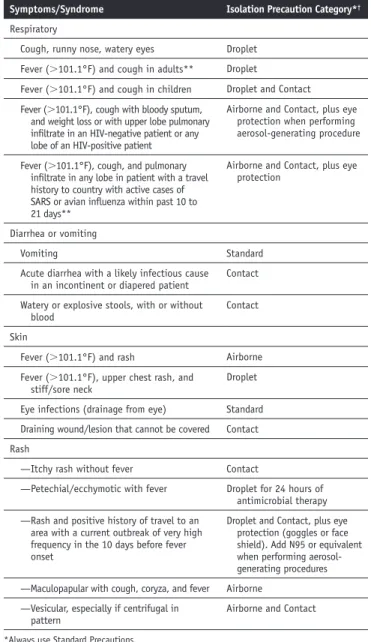
For example, untreated pneumonic plague usually progresses to death within 36 to 72 hours.53 Although diagnosis will not be a direct responsibility of the IP, it is likely that the IP’s infectious disease expertise will be consulted in the evaluation process and in deciding which, if any, isolation precautions should be implemented while awaiting confirmatory diagnosis.
Agent identification and patient diagnosis will depend a great deal on the effectiveness of the passive surveillance system used by the facility or agency. If clinicians have maintained a high index of suspicion and have a good knowledge foundation regarding the potential diseases that could be involved in an in- fectious disease disaster, it is more likely that the event/outbreak will be rapidly identified.
Identification of the Date and Location of Agent Release or Potential Source of Pathogen
An IP’s epidemiological skills will be necessary to identify when and where the release of the biological agent(s) occurred, or the source/vector of an emerging pathogen. The date and location of release or potential source are critical to determine at-risk groups, control measures, and, depending on the agent, may determine who needs to be vaccinated and/or receive prophy- laxis. To determine when and where the exposure took place, a thorough patient history of any and all victims of the bioterrorism attack must be taken. This history should focus on (1) past and current symptoms, (2) date of symptom onset, (3) severity of illness, (4) possible source of exposure, (5) route of exposure (body site affected), and (6) date and location of exposure. For example, a new painless necrotic lesion on the arm might indi- cate cutaneous anthrax, whereas respiratory symptoms with an accompanying widened mediastinum on chest radiograph would suggest inhalational anthrax. Both diseases result from exposure to the same agent, but the route of exposure is different.
Determining the source of exposure may be the most challeng- ing component of the epidemiological investigation. However,
it will also be one of the most critical components because it will help determine at-risk groups that might benefit from prophy- laxis or vaccination. Determining the date and location of the exposure will be aided by listing all the places the patient had been during the incubation period of their illness; a travel history will be an essential component. The time period for which a history needs to be collected (i.e., the incubation period) will de- pend on the agent used; this time period can range from 1 day to weeks before symptom onset. If the date and location of release can be quickly determined and at-risk persons identified, a targeted prophylaxis or vaccination program can be initiated.
If the date and location cannot be rapidly determined, consider mass prophylaxis or immunization to protect the community at large. Occupational risk exposures should also be assessed, especially if the person is a laboratory, healthcare, or sanitation professional, or if the person works with animals (e.g., in a vet- erinary clinic, meat rendering plant, or poultry or swine farm).
Potential Bioterrorism Agents
The CDC provides a list of the most likely agents to be used in a bioterrorism attack. These agents are divided into three categories (A, B, and C) with category A agents being the most likely to be used.15 Table 120-3 reviews the most likely agents of bioterrorism.
Clinical Manifestations of Bioterrorism-related Diseases or Emerging Pathogens
The diseases produced by bioterrorism agents could be inca- pacitating or lethal. Because these agents would most likely be released via an aerosol route, resulting in pulmonary infection, many of the clinical syndromes include a febrile syndrome with accompanying respiratory symptoms. Agents causing GI symp- toms (e.g., nausea, vomiting, and diarrhea) are also likely to be used, and have been used in past bioterrorism attacks.2 Other possible clinical syndromes related to bioterrorism include fever with a centrifugal rash (smallpox), a rapidly descending flaccid muscle paralysis (botulism), or a severe bleeding disorder (viral hemorrhagic fever virus).53
Emerging infectious diseases can demonstrate a variety of clinical manifestations, from ILI to GI disorders. Many emerging infectious diseases can be expected to be zoonotic in nature.36 The exact clinical picture of an emerging infectious disease will be specific to the pathogen.
Triage and Screening
Triage is an important component of emergency management to quickly identify those individuals who need medical treat- ment first. Severely ill or injured patients need to be transferred to a medical facility as soon as possible. During an infectious disease disaster, triage involves assessment for not only disease/
injury severity, but also screening for potential contagiousness.
Patients and visitors may need to be screened before they are allowed entry into healthcare facilities, points of dispensing or distribution (PODs), or alternate care sites (ACS). Healthcare personnel may need to be screened before each shift, depending on the event and the associated morbidity and mortality. Table 120-4 is a generic assessment/screening form that can be used to identify potentially contagious individuals during an infectious disease disaster. This table/tool would need to be modified to be event-specific during an infectious disease disaster; screening items should be based on the case definition for the disease/
condition involved in the incident. For example, a screening tool for MERS CoV might include a question related to a recent travel history to an area in which cases of MERS CoV have occurred.
Healthcare facilities, PODs, and ACS should encourage informal screening of patients, visitors, and staff for potentially contagious conditions/diseases. Posters describing signs and symptoms that should be reported to healthcare personnel should be strategically located around the facility.
Screening Area
If formal screening is to be conducted during a biological disas- ter, a screening area will need to be set up. Research indicates that it is most effective to limit the number of formal screening areas (to maximize available resources) by locking off extra en- trances during the infectious disease disaster, provided that fire and safety codes are not violated by doing so.21 The screening area should be set up either outside or immediately inside the entrance to the healthcare facility, and it should be manned by a Table 120-3. Centers for Disease Control and Prevention
Bioterrorism Agents
Category A
Anthrax (Bacillus anthracis) Botulism (Clostridium botulinum toxin) Plague (Yersinia pestis)
Smallpox (variola major) Tularemia (Francisella tularensis)
Viral hemorrhagic fevers (filoviruses [e.g., Ebola, Marburg] and arenaviruses [e.g., Lassa, Machupo])
Category B
Brucellosis (Brucella species) Epsilon toxin of Clostridium perfringens
Food safety threats (e.g., Salmonella species, Escherichia coli O157:H7, Shigella) Glanders (Burkholderia mallei)
Melioidosis (Burkholderia pseudomallei) Psittacosis (Chlamydia psittaci) Q fever (Coxiella burnetii)
Ricin toxin from Ricinus communis (castor beans) Staphylococcal enterotoxin B
Typhus fever (Rickettsia prowazekii)
Viral encephalitis (alphaviruses [e.g., Venezuelan equine encephalitis, eastern equine encephalitis, western equine encephalitis])
Water safety threats (e.g., Vibrio cholerae, Cryptosporidium parvum) Category C
Emerging infectious diseases such as Nipah virus and hantavirus
Adapted from Centers for Disease Control and Prevention (CDC). CDC bioterrorism agents. CDC website. 2013. Available at: http://emergency.cdc.gov/agent/ agentlist-category.asp
trained screener. The screening area should have hand hygiene and PPE available for the screener(s) and visitors.
Potentially contagious individuals identified through screen- ing should be moved immediately to an isolation room/area.
A temperature of 100°F should be used as the identifier for potential infection to identify the elderly or immunocompro- mised individuals whose physiological changes tend to mask normal signs of infection.49
Anti-infective Therapy, Prophylaxis, and Vaccination
Several of the potential bioterrorism agents and emerging infectious diseases have effective treatment regimens, when such therapy is initiated early in the disease process. Immediate recognition of the disease process and rapid administration of appropriate treatment modalities are essential to decreasing the morbidity and mortality of an infectious disease disaster.
In most situations, chemoprophylaxis will be important during an infectious disease disaster. Several of the bacterial and viral agents of bioterrorism have effective postexposure prophylaxis (PEP) available in the form of either medical treatment or vac- cination. Some emerging infectious diseases, such as pandemic
influenza, also have identified PEP regimens. Exceptions to the need for PEP would be diseases for which there is no known effective prophylaxis available, such as viral hemorrhagic fever, SARS, or MERS CoV. PEP should be offered to all those with a known exposure to a potentially contagious patient/
person. This includes patients, visitors, staff, and volunteers.
Immediate recognition of the disease involved in the infectious disease disaster and clearly defining the population exposed will be crucial for dispensing appropriate PEP to those most at risk. Information on what constitutes an exposure and contact tracing are part of the epidemiological investigation and should be coordinated with local public health officials. PEP should be offered as soon as an exposure is suspected. Delayed PEP can decrease effectiveness of the medication or vaccine and result in increased morbidity and mortality.
The DHHS currently recommends that communities and healthcare facilities consider offering preexposure prophylaxis to high-risk healthcare personnel (those with direct high-risk exposures) and front-line workers (emergency department workers, first responders, EMS personnel) during a pandemic.55 Preexposure prophylaxis would consist of taking antiviral medi- cations for the duration of the outbreak in the community. This strategy is expected to decrease disease transmission among the highest risk individuals and allow these groups to continue working during a pandemic by preventing illness associated with the event. Preexposure prophylaxis will require large numbers of doses of medication (a 6- to 12-week regimen/provider);
the decision to allocate medication to preexposure prophylaxis needs to be examined in light of the facility’s ability to provide ongoing PEP and treatment. Treatment and PEP are higher priority than preexposure prophylaxis, and this needs to be in- corporated into healthcare facility/agency prioritization plans.55 If a healthcare facility/agency’s supplies of antiviral medications start to dwindle, even if supplemented from the CDC’s Strategic National Stockpile (SNS), medications need to be reserved for treating cases and providing PEP.
Vaccination can be an important component of responding to an infectious disease disaster, depending on the agent/disease involved in the event. For some diseases/agents (e.g., viral hem- orrhagic fever viruses, SARS, MERS CoV, and others), there is no available vaccine. Others have a vaccine, but it is only available to laboratory workers (i.e., tularemia), not approved by the U.S. Food and Drug Administration (FDA) for PEP use (i.e., anthrax), or not feasible for use as PEP because it takes months to develop immunity (i.e., botulism). Vaccination during a pan- demic may be possible, but will likely be delayed. It could take weeks to months to identify the causative strain and develop an effective vaccine against it. Even after the strain is identified, it may take months to ramp up vaccine production to create enough vaccine for the entire United States or world. As of fall 2013, there were multiple FDA-approved vaccines against the current circulating strain of avian influenza A (H5N1).56 Other vaccines against H5N1 avian influenza and other strains of influ- enza (H7N9 and H3N2 to name just two) are also under devel- opment. These vaccines may provide limited protection during a pandemic but would likely not be completely effective. This is Table 120-4. Sample Generic Screening Form for Infectious
Disease Disasters
Screening/Triage Form*
Name
Temperature: (in degrees Fahrenheit) Do you currently have any of the following symptoms?
Yes No
Cough
If you have a cough, is your sputum bloody?
Runny nose
Loose or unformed stools
Watery or explosive diarrhea stools
Bloody stools
Rash
If you have a rash, is it itchy?
Stiff/sore neck
Red eye or drainage from eye(s)
Wound or lesion
Have you been hospitalized within the past 3 months?
Have you been told that you have a multidrug-resistant organism (MRSA, VRE, etc.)?
Are you currently on any antibiotics/treatment? If Yes, list.
Name of person completing the form Date
*Adapted from: Rebmann T, Hilley S, McCaulley M, et al. Infection prevention for ambulatory care centers during disasters. Association of Professionals in Infection Control and Epidemiol- ogy website. 2013. Available at: http://apic.org/Resource_/TinyMceFileManager/Emergency_
Prep/2013_Ambulatory_Care_during_ Disasters_FINAL.pdf.