The idea for this book was conceived during meetings of the International Council of Sports Science and Physical Education (ICSSPE) and the International Committee for Sport Pedagogy (ICSP) in Ottawa in 1995. All the contributing authors have first-hand experience and scientific knowledge of specific aspects of the delivery system sports and physical education.
Context for sport and physical education in
Transfer to one of the four types of lower secondary school (secondary I) depends on the regional legislation. In the upper grades of the gymnasium, credit scoring is applied, ranging from 15 (very good) to 0 (unsatisfactory).
History of sport and physical education in Germany,
It was one individual, Willibald Gebhardt, supported by the court of the German emperor, who organized Germany's participation in the Games. However, in the second half of the nineteenth century, the concepts of lingian gymnastics from Sweden and British sports games and movement complemented the development of school physical education in Germany.
Sport and physical education in the two Germanies, 1945–90
Therefore, physical training did not appear on the immediate agenda of the reconstruction of education. Many of the initiatives in the development of sports came from organizations outside the education sector. After reforms in the late 1960s and early 1970s had led to the creation of the high school.
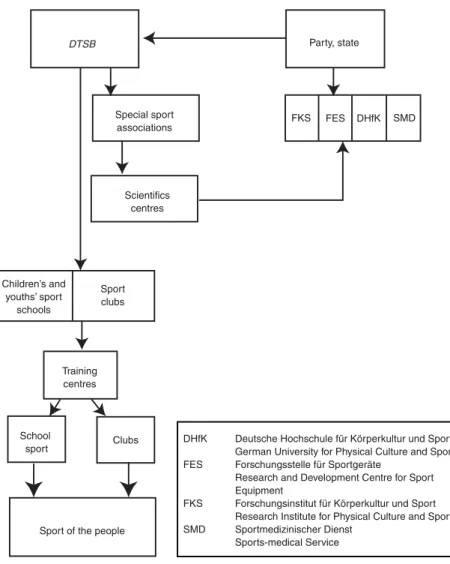
Talent identification was an integral part of the physical education curriculum, especially in the early school years. Instructions for the development of extracurricular sports in the secondary schools of the German Democratic Republic' en. Approximately 15,000 physical education teachers and 10,000 support trainers/coaches were responsible for the afternoon club sessions.
Preparatory training for the Spartaki competitions took place mostly in schools, school sports associations and groups in the DTSB clubs. Nevertheless, the 'sport for all' movement initiated a new sports policy in the GDR of the 1980s.
Sport and physical education in re-unified Germany,
All the new waves in physical education that flowed out of West Germany in the 1980s were brought to the attention of (and in some cases imposed on) former representatives and other physical education teachers of the GDR (many members of the SED had lost their jobs in political base). With the establishment of new educational authorities in the eastern Länder, curriculum development in physical education began to progress (Helmke 1995). In the western part of Germany, four main trends in physical education became apparent in the 1990s.
The re-strengthening of the educational purposes of physical education with new normative standards was also demanded as an important component of the new legitimization of school physical education (Scherler 1995). A general problem in the legitimization of physical education arose with the gradual reduction of school physical education lessons in the 1990s. The decline of physical education in schools across Germany is not only related to decentralization policies.
Physical education in schools
However, it was Funke's 'body experience' approach (see Chapter 3 in this volume) that was popular in primary schools in the 1980s and early 1990s. As Funke's concept of 'body experience' s and the so-called 'Frankfurt approach' to the 'de-construction of sports' excluded the teaching of sports techniques in the late 1980s. The alternative approaches of the 1980s transformed physical education in primary schools, now emphasizing experiences general movement and motor skills, which have practically replaced the teaching of sports in the daily life of primary schools.
In several Länder there is a primary school-based campaign, 'Moving schools', to improve physical activity in the daily school life context (see Kottmann et al. 1997; Müller 1999). In the main, it is the educational concept and its inherent devaluation of sport that is problematic for some. Some physical educators seriously doubt whether perceptions of modern childhood, with postmodern assumptions about children's resistance to sport, do coincide with children's perceptions of sport and their personal assessment of modern sport in the development of physical lifestyle (Schulz 1999).
Today, young children spend more time in leisure activities at home than in physical activities in the wider community (see Dietrich and Landau 1990; Hildebrandt et al. 1994; Schmidt 1998). This 'bridging' is visible both in the adoption of the 'physical experience' approach of primary schools in 5-6 years. grade (age 11-12) as in the opportunity for students to choose PE as a specialist subject in 9.10 (age 15-16). In most countries, physical education is divided into special teaching units for different types of sports.
The teaching of physical education in terms of special units of sports education was developed in the 1970s, when it was structured for all school years (grades 5-10) in three types of physical performance levels: introduction to basic skills; training for advanced level skills; expertise and competition. In the physical education curricula for secondary schools I in North Rhine-Westphalia (1973), three general objectives were set: promotion of health and well-being, motor and psycho-social learning to communicate with other people and interaction with the complex. environment, to prepare for daily and lifelong participation in after-school and leisure sports. In North Rhine-Westphalia, new pedagogical perspectives within the framework of "multi-perspective teaching" ended the dominance of Handlungsfähigkeit in the 1990s.
In some part-time schools, physical education curricula have been included in 'general education' since the early 1970s. Remarkably, however, some of these outdoor activities (e.g. canoeing and orienteering) were not included in the physical education curricula of other schools. The evolving physical education curriculum model bore other similarities to developments in secondary schools in the advocacy (Bloss 1978) of the social and cognitive dimensions of an athletic lifestyle promoted by Brettschneider in the 1980s.
Subsequently, this new form of sports at vocational schools has been termed 'sports/health promotion'. The new term marks another step towards health-related physical education in Germany. However, with the differentiation of approaches in the 1980s, physical education became more diversified in the different school forms.
Physical education teacher training
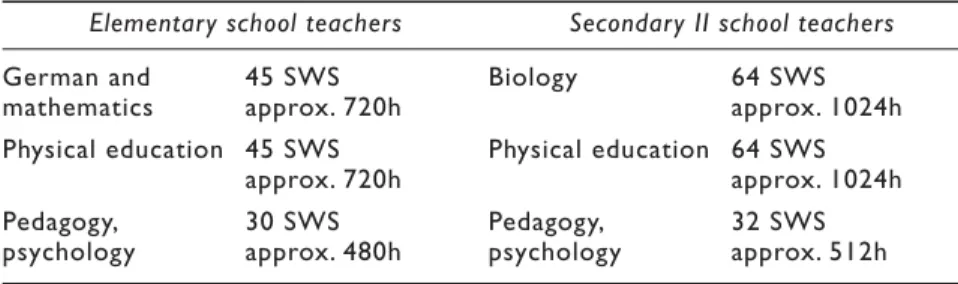
A silent revolution began in the 1920s when physical education became part of the educational ideal of a healthy and well-educated individual. Many physical education departments adopted the DSB program for a new teacher training program in the mid-1970s. Today, each of the sixteen federal states in Germany has different examination guidelines for physical education teachers.
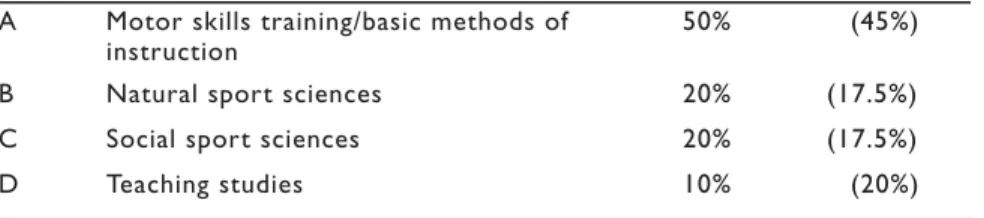
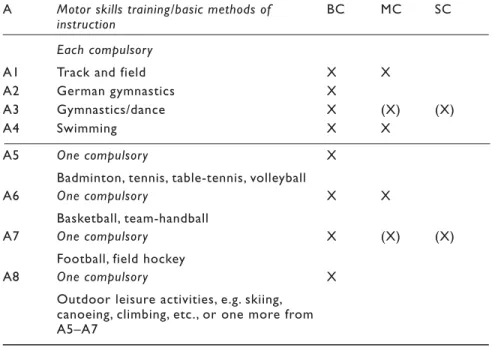
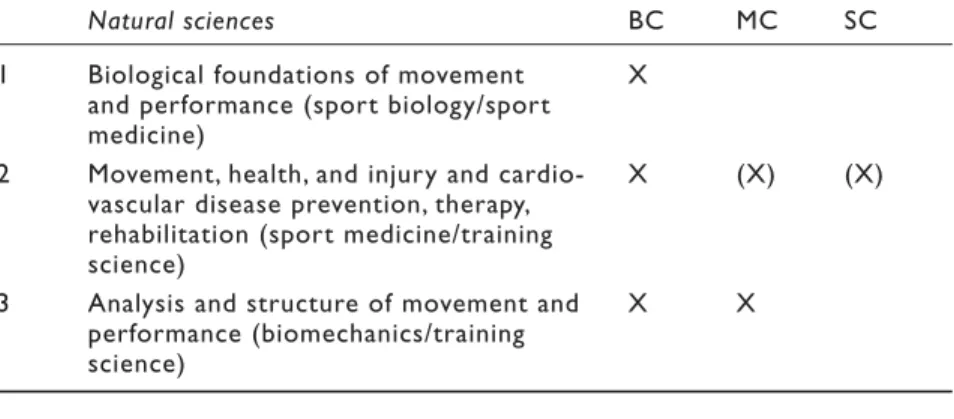
There are theoretical lessons with written and oral exams in the physical education curriculum at the Abiturstage. Teaching studies in physical education teacher training There is a significant problem with PETE in Germany. A challenge for physical education teacher training is embedded in recent developments in teaching at different school levels (see chapters 3 and 4 in this volume; Friedrich and Hildenbrandt 1997).
Coach education and training
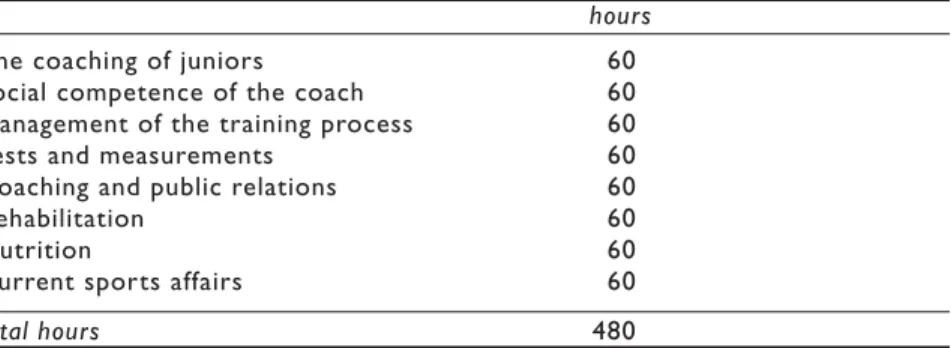
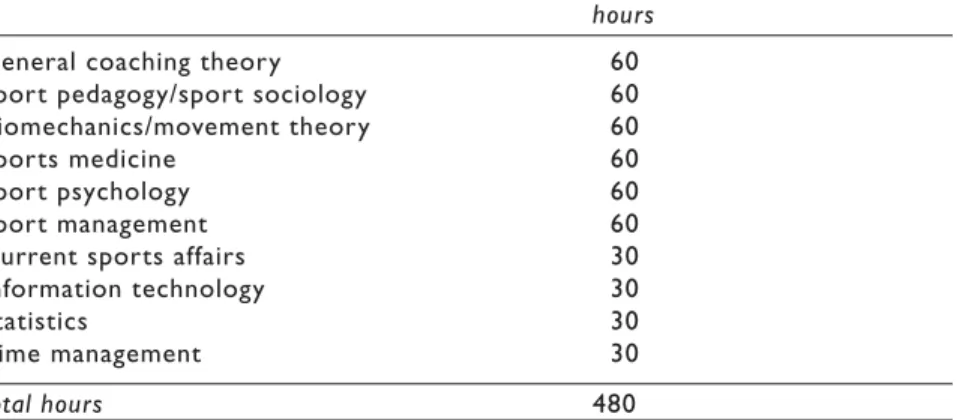
Improving the status of the sports and coaching profession was high on their agenda. Further training of trainers was initiated by the trainers themselves, and remained an integral part of the system (Röder 1961). The first is the comprehensive nature of the course, covering almost all eventualities in the coaching environment.
The work with the master coach emphasizes the interdisciplinary character of the course work. The paradox of the situation becomes visible when we look at the situation in the former GDR. If there's a problem at the top of the coaching pyramid, what about the base?
Elite sport
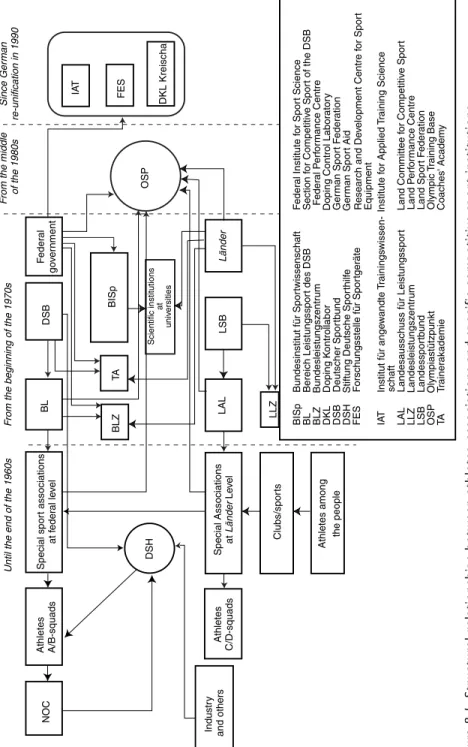
This traditional system of competitive sport in the Federal Republic of Germany remains, as it was then, under the jurisdiction of the relevant federal professional association. In the end, the Federal Minister of the Interior and the German Sports Confederation decided to transfer the patronage of sports, which had previously been in the hands of the Central Committee for Sports Science Research, to this central body by establishing the Federal Institute for Sports Science (BISp). The process of connecting the sports science of the two Germanys was not without problems.
At the same time, there was recognition of the responsibility of sports science to provide assistance to sports. Under the leadership of the Federal Institute of Sports Science, it was possible to compile a set of guidelines for the development planning of sports facilities in Germany, which includes many important research results. Since the end of the 1970s, the Federal Institute for Sports Science has emphasized its responsibility for sports science by conducting a number of high-profile researches.
Sport for all
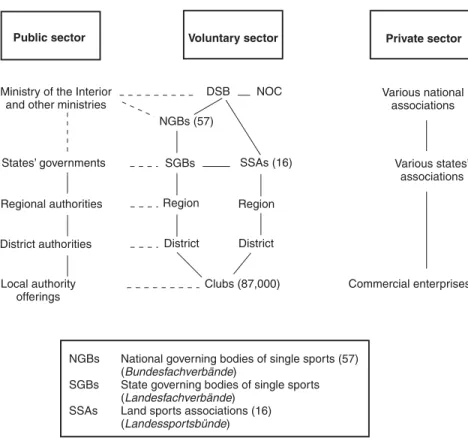
The structural features of the sports system in Germany are characterized by a highly organized voluntary sector. Sixteen sports federations of the federal states (Landessportbünde), the sports federation of North Rhine-Westphalia. Proceeds from the national lottery (Glücksspirale) of which 17.5 percent is donated to the sports organisations.
In general, the German sports associations depend on the support of the federal and state governments. Competition, performance and improvement are traditional values and orientations of the sports system in general and sports clubs in particular. These values and ideals were the central reference points for action of the German sports system.
Sport for women
Physical education for girls in schools was gradually introduced (mainly in private schools) in the second half of the nineteenth century. By comparison, in the Federal Republic about 34 percent were members of the DSB (Baur et al. 1997). According to a survey in the GDR, 56 percent of the male population, but only 37 percent of the female population, were involved in sports in the early 1980s.
Correlations between sport and gender are discussed in the next part of the chapter. In a representative survey conducted a few years ago among the population (over fourteen years of age) in the Federal Republic of Germany, including West Berlin, Opaschowski (1987) found that only 45 percent of the respondents were (at least minimally) ) physically active ( 40 percent of women and 51 percent of men). According to DSB statistics, in 1990 approximately 19 percent of the female population (over the age of fifteen) were members of sports clubs.