Bulletins are either octavo or quarto in size, depending on the needs of the presentation. Since 1902, papers relating to the botanical collections of the Museum have been published in the Bulletin series under the subseries Contributions from the United States National Herbarium.
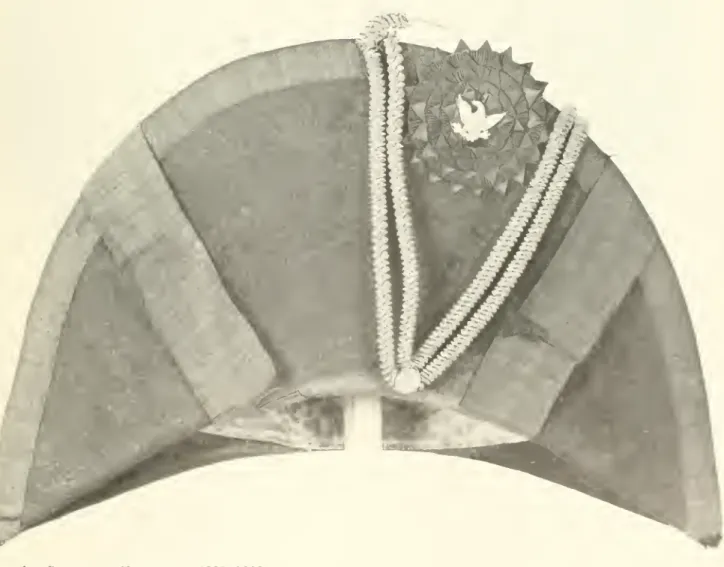
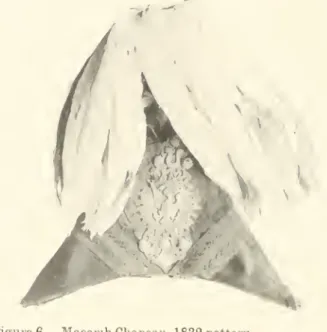
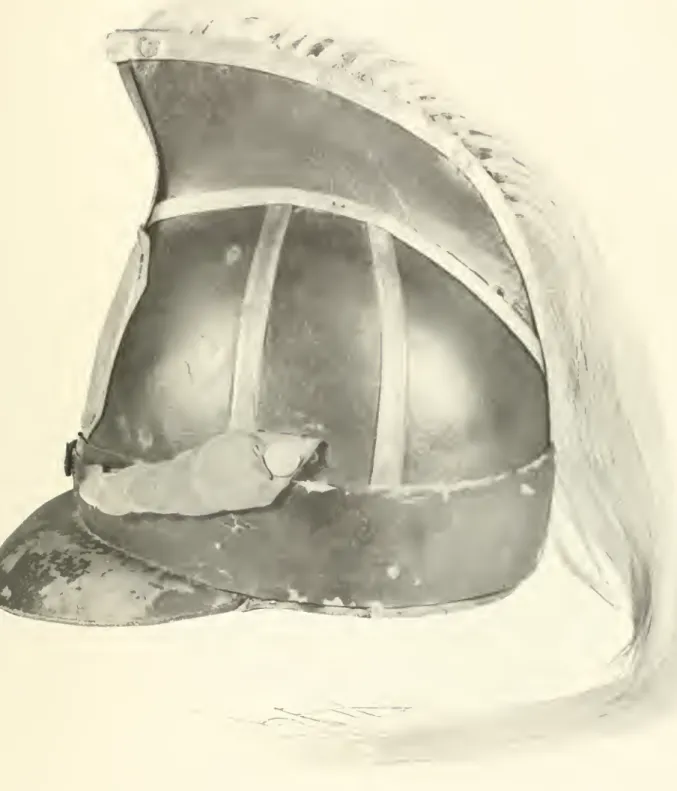
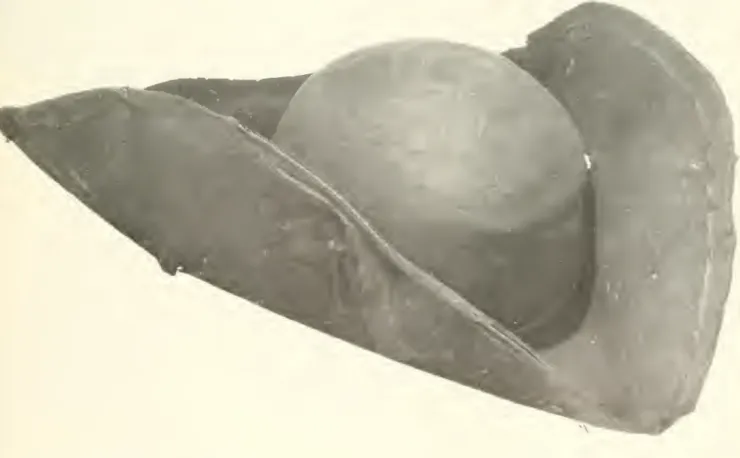
Macomb Chapeau, 1832 pattern
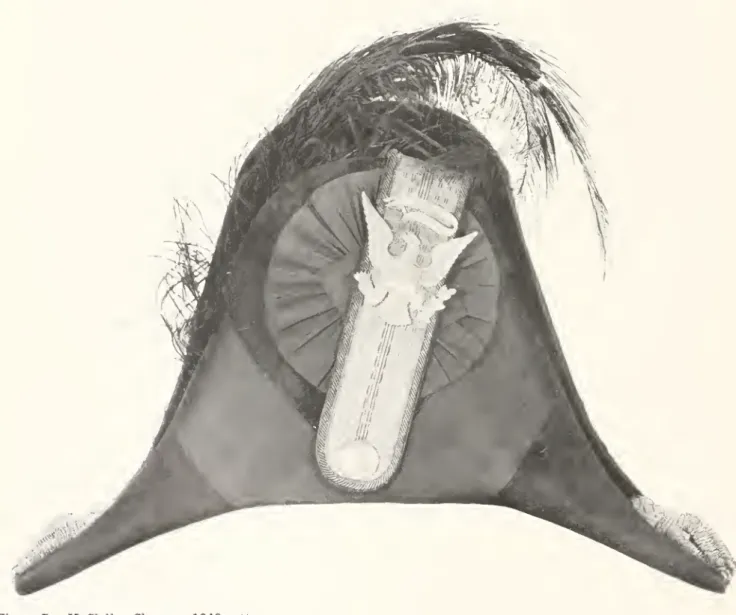
McClellan Chapeau, 1840 pattern
Infantry Cap, 1813-1821
Infantry Cap, 1813-1821
Infantry Cap, 1813-1821
Bell Crown Cap, 1821-1832
Bell Crown Cap, 1821-1832
BeU Crown Cap, 1821-1832
Forage Cap, 1825-1832
Forage Cap, 1825-1832
Forage Cap, 1825-1832
Infantry Cap, 1832-1851
Infantry Cap, 1832-1851
Infantry Cap, 1832-1851
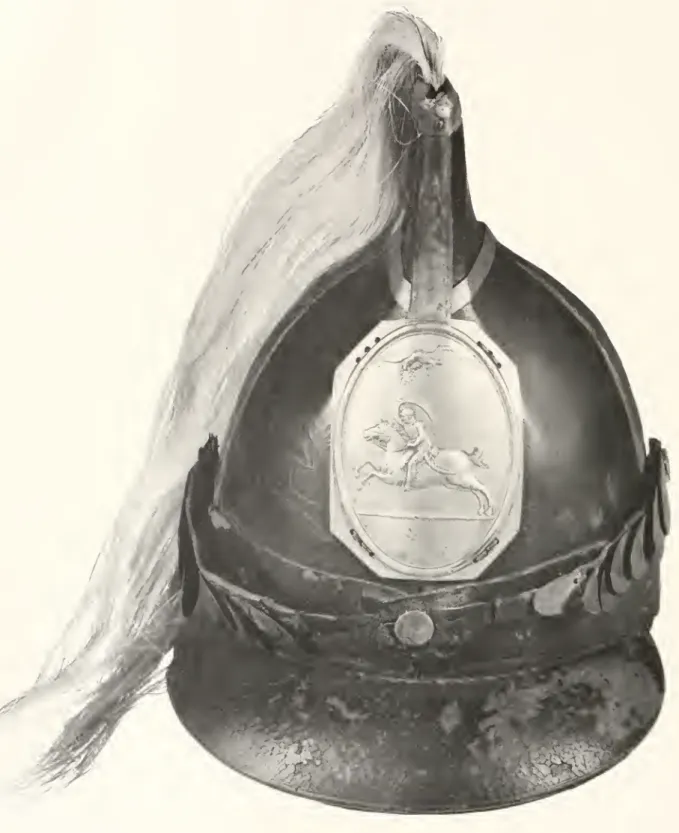
Dragoon Cap, 1833-1851
Dragoon Cap, 1833-1851
Dragoon Cap, 1833-1851
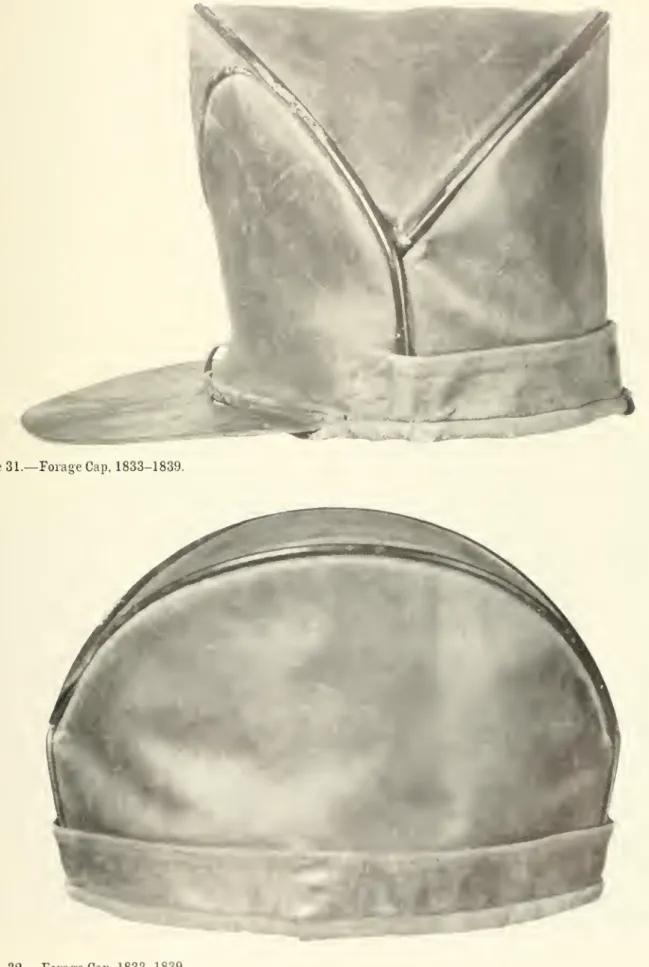
Forage Cap, 1833-1839
Forage Cap, 1833-1839
Forage Cap, 1833-1839
Forage Cap for Topographical Engineers, 1839. War
Forage Cap, 1839-1851, Type 1
Forage Cap, 1839-1851, Type 1
Forage Cap, 1839-1851, Type 1
Forage Cap, 1839-1851, Type 2
Forage Cap, 1839-1851, Type 2
Forage Cap, 1839-1851, Type 2
Forage Cap, 1839-1851, Type 2
Forage Cap, 1839-1851, Type 2
AGO CCF
Q. of the Army
MSK NA
OQMG
QM QMG
Meigs, the Quartermaster General of the Army, 1861-1882, directed the officer commanding at
Schuylkill Arsenal in Philadelphia to establish at the Arsenal a museum of samples of uniform clothing and equipment in a fireproof building then about to be built. Portions of the collections were made available for public exhibition and were seen by hundreds of thousands of people at various national and international exhibitions beginning with the Centenary of 1876 and continuing into the early years of the First World War. The biographical collections of the Smithsonian, although extensive but not comparable to those of the War Department, are also of great importance.
In charge were the personnel of the Army-Air Force Branch of the National Archives, Mr.
Dun- can Campbell, the West Point Museum, the Coe
Staff officers were authorized the same except for the rays and stars, with the eagle gilt instead of silver; the tassels were begold, with the same feathers as for general officers "with the difference of colors to designate the Departments of the Headquarters.". They were, however, allowed, when not sent with troops, "to wear twisted caps of the same description as those prescribed for officers of the general staff, except that the loop [wasto] was of black silk; the yellow eagle , tassels to match. in the color of the button". The cap was identical to that prescribed for general staff officers in 1832, except that the plume was to be black and the Corps button was to appear at the bottom of the loop.'*".
On February 18, 1840, which approved many changes in the uniform of the Corps of Engineers, he described the hat: "the same as for general officers, except that the corners should be four and a half inches long instead of six" and the loop should be "plain gold ribbon, .
NOTES
January 1813 the Secretan- of War approved a new pattern infantn.- cap that had been submitted to
Although no examples of the braided cord are known, a drawing from the time (fig.) indicates that this is the case. They have not been found since the files were transferred to the National Archives. Those of the enlisted men shall be of leather, and of the same form as those prescribed for officers: brass scales.
Officers of the artillery company will wear yellow- .. five-inch pom poms on the lenses; those of light artillery to be white, with red tips. Infantry officers will wear similar pompoms, except in color, . which will be white; those of the beyellow light infantry commands. Yellow stuffing pompoms, five inches in length, will be worn by enlisted artillery men)-; those of the light artillery to be \vhite, with red tips.
Those of the enlisted men of artillery will be of velour; those of the foot soldiers shall be white; and those included in the list. The means of attachment for the scales - simple brass knobs with their arms on the outside of the lid - remain in place. In the center of the visor, its base is a small two-cornered piece of bronze on which the scales rested.
Unfortunately, no example of the US Regular Army crown is known to exist. The sizes of the tops varied slightly, but in direct relation to the size of the head, as "7 inches of head and 9/8 inches of bell".
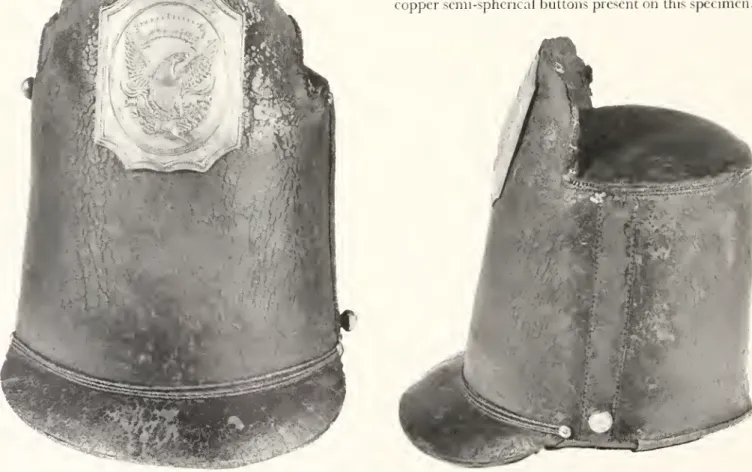
T^1825 PATTERN FORAGE CAP
Five of the buttons in the center of the tops are correct for the period and branch of service. Compared to the leather lids of the period and earlier periods, forage lids are crudely made. I perceive that we have copied from the English in most of the changes that have been made regardless of this and the fact that.
The capofthenon-coniniisted officers, musicians, and ])rivates, to be of the same pattern as that prescribed for officers. Feathers of sergeants, corporals, and privates, red kamgana [white for infantry] eight inches long.'"'. Two items omitted from the dc.scripti\eportions of the Regulations for Cap Ornaments are the "tulip,"" .
The chinstrap buttons on the specimen in the national collections are of the engineering pattern of the period. One of the early suppliers of metal insignia for this cap was Anson Baker of NewYork, while W. The top of the uniform cap is of beautiful heavy jacketed leather made to fit.
One element of the cap's trimmings not prescribed in the original order is the "brass garnet" mentioned in. This garland of solid gold encircles the Eagle's neck and is tied to it.
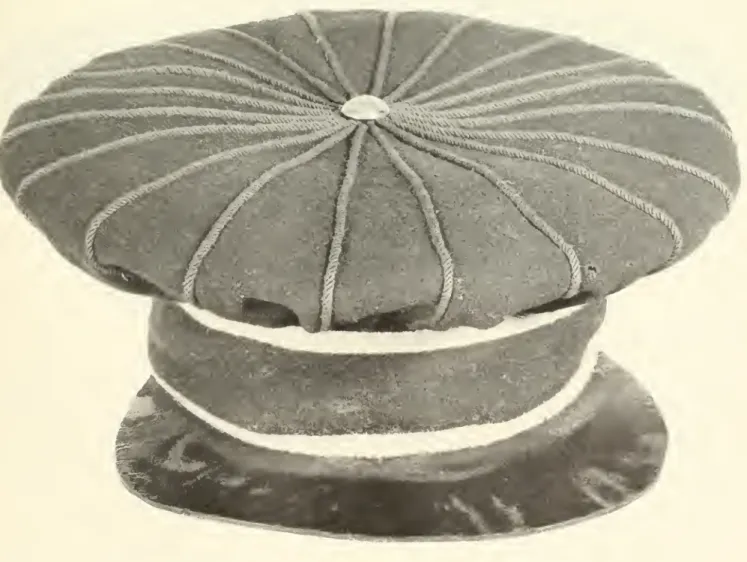
T^LEATHER FORAGE CAP, 1833-1839^^
There are several contemporary illustrations of the cap: one in an engraving after a painting by Robert W. However, his decision was probably influenced by the rather unattractive appearance of the leather cap, however practical. plus the popularity of the flat, cloth cap, similar to the 1825-1833 pattern, in both the British army. After an inspection tour of a number of installations in the Northeast, Macomb went to Florida in the late winter of 1839, where many of the installations were in use.
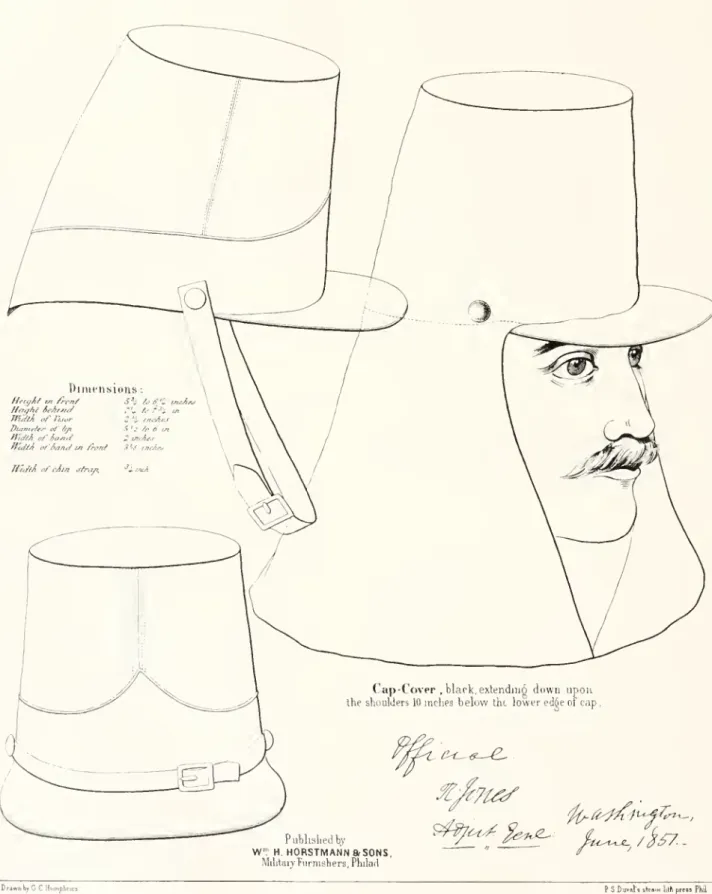
On April 17, he wrote Major Levi Whiting, then head of the Clothing Bureau, with drawings and a brief description of a new cap he had in mind. Device in front: a shield between two oak leaves, worked of the same material and correspondingly informs with the device at the bottom of the skirt of the coat. Although the fabric feed cap was approved in principle before summer and musters by the officers.
Illustrating the care with which clothing estimates were made in this period is the following list of components and estimated cost of the forage hood in 1843-. When the 1844 Uniform Board met, it carefully considered the quality of the forage cap and the quantity issued. The whole cap is of dark blue wool cloth.. 10J/) inches in diameter, with the rise to the crown of four pieces 2 inches high, welded to the crown.
The whole interior of the hat is lined with unbleached muslin or with glazed cotton, with cotton batting between the linen and the tea. The order not only prohibited the removal of the brace, but also ordered the cadets to purchase a new cap. Of the infantry units, eight were of the conventional type, while the ninth was organized as a Regiment of Voltigeurs and Foot Riflemen."'.
Theoretically, half of the unit had to be mounted, each horseman being paired with a foot soldier to mount and ride double when speed was needed.
- For Officers of the Corps of Topographical En- gineers — the same as for the General Staff, (41,)
- For Officers of the Ordnance Department — the
- For officers and men — (to be worn in bad
- The pompon will be worn by all officers when- ever the epaulettes are worn, and by the enlisted men,
- For the Judge Advocate — white
- For the Ordnance Department — lower two-
- For the Dragoons — orange
For officers of the Adjutant-General's, Inspector-General's, Quartermaster's, Quartermaster's, Medical, and Paymaster's Departments, and the Judge Advocate of the Ai-my- belt of the same material and color as the cap, attached at the ends; the same ornament in front as for General Officers, (40.). For Officers of the Corps of Topographical Engineers - same as for General Staff, (41,) engineers - same as for General Staff, (41,). General Staff, (41,) except the front ornament, which shall be a trumpet, perpendicular, embroidered in gold, with the number of the regiment in silver, within the bend.
For General Officers—a gold embroidered net oak, three inches long, with a gold embroidered spreading eagle, one and three-quarter inches between the tips of the wings, and so at the base of the. Permanently attached at the base to a yellow metal circular ring, two-thirds of an inch in diameter, by one-third deep, with yellow metal spread angle, one and three-quarter inches between the tips of the wings, and attached to the base of the pompona to show in front of the cap under its top; according to pattern;. A sweatband of glazed muslin or thin leather was sewn to the outer surface of the cap and turned under, giving a bulbous appearance.
Two piece black leather chin strap strapped at both ends to proper service buttons and had a brass tongue buckle and. single holder sewn into the right side of the belt. In the upper front of the hat there were holes with two stitches, one above the other, for the insertion of pompon holders and pomponeagles. The commanding officer of the 1st Dragoons, then at Fort Union, New Mexico, asked his unit for a version of the 1839 ration cap.
In 1854, the linemen's colored cap band was replaced with the same dark blue 64. The year 1848 has been chosen as the year during the period least likely to reflect any undue currency fluctuations.
APPENDIX: MAKERS OF HEADGEAR
BIBLIOGRAPHY
Since every change in the uniform of the Army had to be approved by the Secretary of War, records of his office maintained in Record Group 107 are valuable. This Group contains his letters sent to the Quartermaster General and preceding officers and registers of incoming letters containing a summary of the contents as well as action taken and where the letters. Record Group94, Records of the Adjutant General's Office, contains all the orders that formally authorized specific changes in uniforms and frequently contains the reports of councils formed to discuss such changes.
The notebooks sent contain additional information about the decisions of the Secretary of War. on the interpretation of existing orders or minor matters which do not seem worthy of an individual order. In some cases, the chiefs of the branches of the military ... maintained complete records of changes in their special purpose uniforms. Record Group 77, Records of the Chief of the Corps of Engineers, Letters Sent and Received, contains correspondence and drawings of the chief of that corps. Even in a group of records.
77 are the records of the Corps of Topographical Engineers, which contain a fairly complete file of letters sent and received on the chapeau and forage cap adopted in 1839. London: Seeley Service & Co, Ltd., n.d. Callan, John F. The Military Laics of the United States, Relating to the Army, Volunteers, Militia, and to Bounty Land and Pensions, from the foundation of the Government to the Year 1863, which is prefixed to the United Constitution of the United States . States, {With an index thereto) and a summary of the military legislation of Congress during the Revolutionary War.Philadelphia: George W Childs. 34;French Influence on Early Uniforms of the United States .\rmy," Revue Historique de L'Armee (1957), special issue entitled Fraternite DArmes Franco- Americaine, pp.
Historical Record and Dictionary of the United States Army from its Organization September 29, 1789 to March 2, 1903.