135 6.4 Effect of GT-INP addition on CO solubility in water 137 6.5 Mechanism involved in GT-INP mediated CO solubility enhancement 137 6.6 Effect of GT-INP addition at different concentrations in the media on: (a). 84 4.6 Estimated biokinetic parameters for substrate use in the study 89 4.7 Estimated values of biokinetic parameters obtained from the different.
Introduction
General Introduction
Aim and objectives
Screening, pathway elucidation, metagenomic analysis of anaerobic biomass and batch process parameter optimization for CO bioconversion and sulfate reduction ii. Evaluation of biologically synthesized nanoparticles for increased CO bioavailability to improve CO bioconversion and sulfate reduction.
Organization of thesis
The heavy metal removal efficiency values were comparable to the values reported in the literature (Kiran et al., 2016;. With increase in the inlet CO concentration, the H2 production increased for both the reactors, but the CO conversion efficiency decreased.
Literature review
Carbon monoxide
- Properties and uses of CO
- Natural sources
- Anthropogenic sources
- Synthesis gas
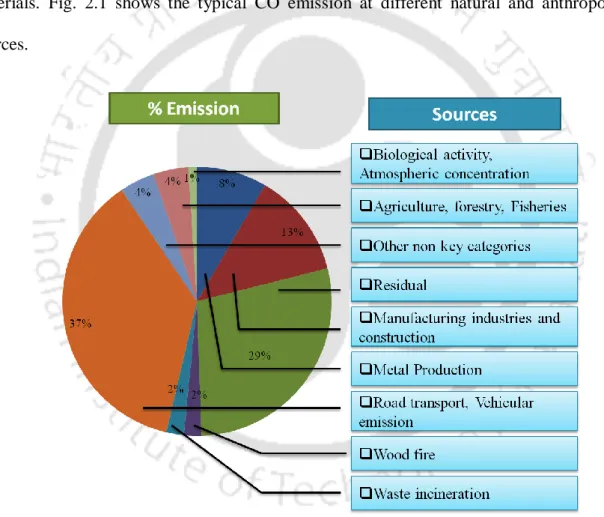
Oxidation of organic compounds such as phenols and humic acids in the absence of light can also lead to CO formation. Whereas, incomplete combustion of fuels due to inadequate air/oxygen supply results in CO emission.
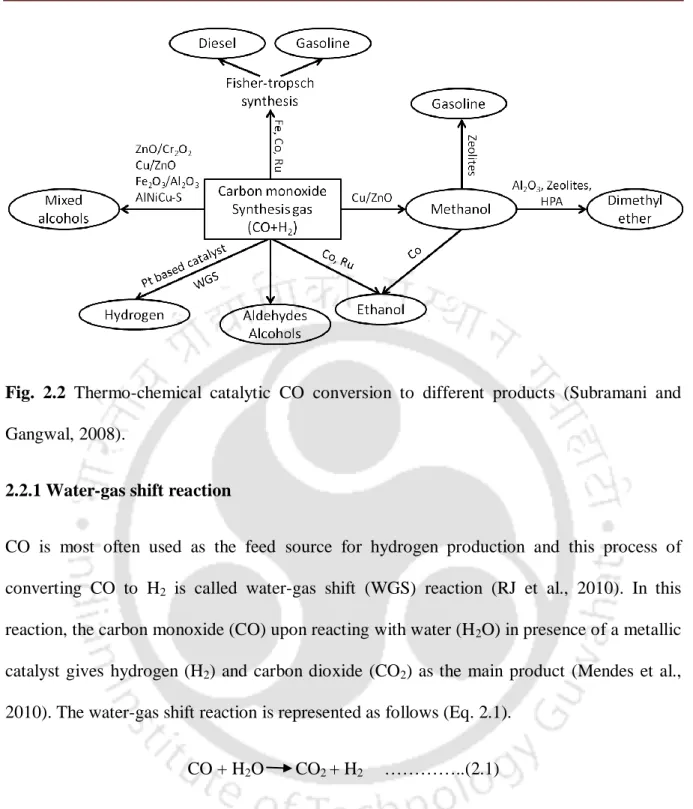
Thermocatalytic CO conversion
- Water-gas shift reaction
- Fischer-Tropsch (FT) reaction
- Hydrogenation reaction
- Ethanol production
CO is mostly used as the feed source for hydrogen production and this process of converting CO to H2 is called water-gas shift (WGS) reaction (RJ et al., 2010). In this reaction, the carbon monoxide (CO) when it reacts with water (H2O) in the presence of a metal catalyst gives hydrogen (H2) and carbon dioxide (CO2) as the main product (Mendes et al., 2010).
Biological CO conversion methods
Results were reported using CO as the sole carbon and energy source in the experiments. During Phase III, the reactor efficiency improved by increasing the inlet CO concentration.
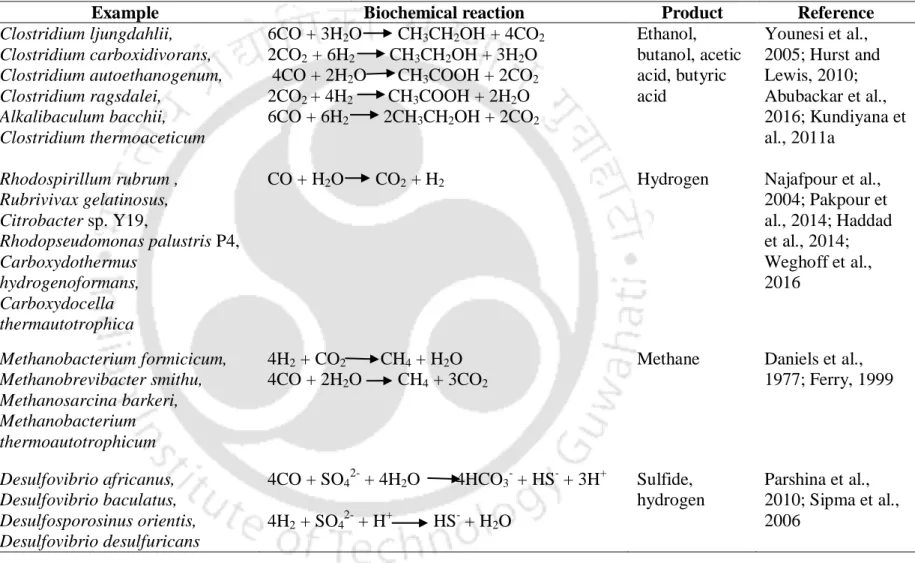
Potential application of CO bioconversion…
- Bioenergy applications
- Hydrogen production from CO
- Alcohol production from CO
- Methane production from CO
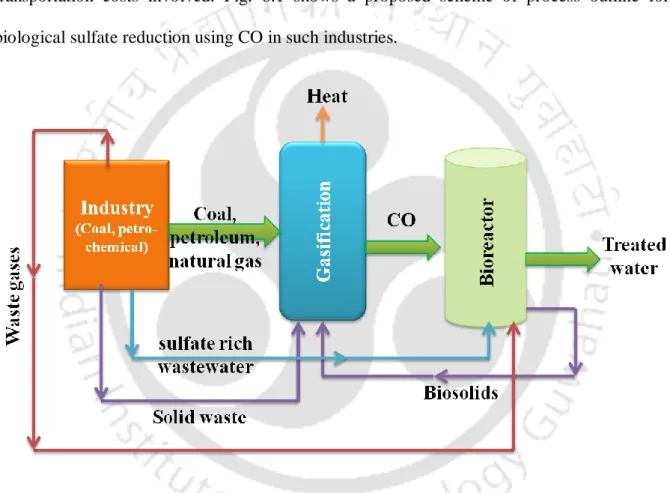
- Biological sulfate reduction using CO
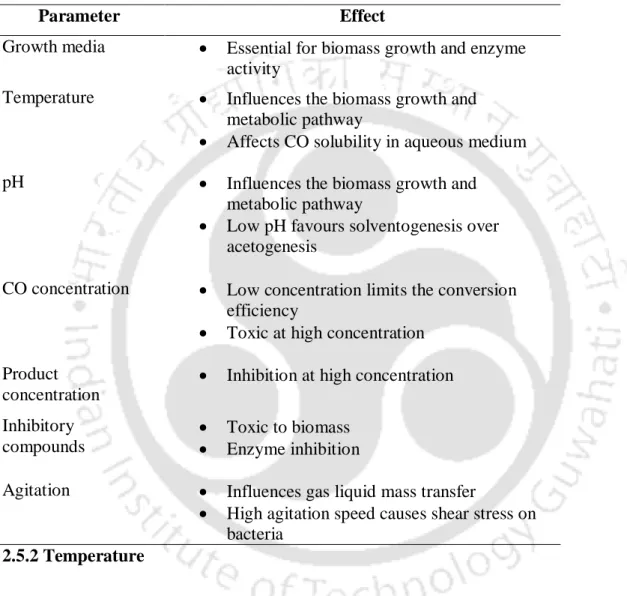
Important factors influencing CO bioconversion
- Microbial growth media
- Temperature
- pH
- Initial CO concentration
- Product concentration
- Inhibitory compounds in feed gas
- Agitation
Strategies to overcome gas liquid mass transfer problems for CO
- Additives
- Use of microbubble dispersion system
The easiest way to improve gas-liquid mass transfer is by increasing the stirring speed (rpm). Tween (polyoxyethylene sorbitan) and Brij (polyoxyethylene alcohols), are also reported to increase CO water mass transfer (Bradwell et al., 1997).
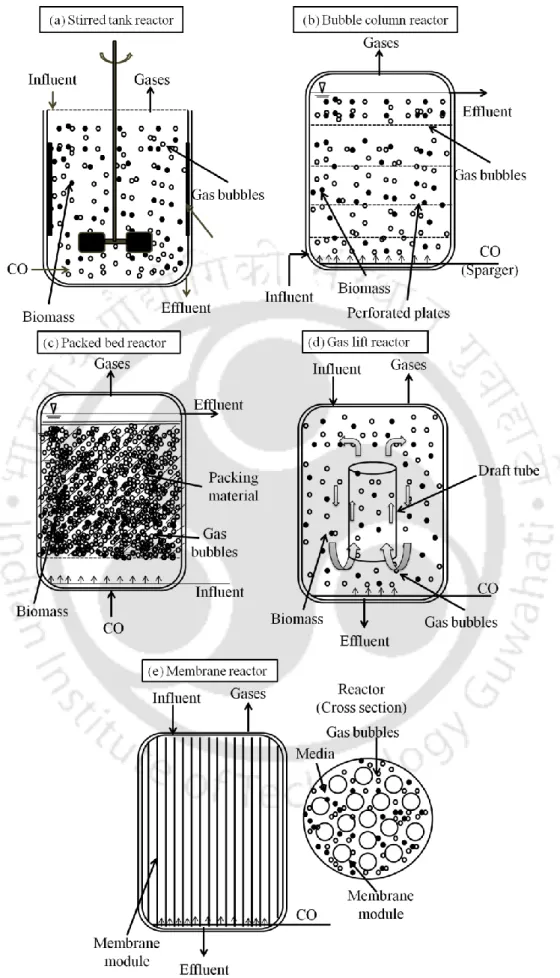
Reactor consideration
- Continuous stirred tank reactor
- Bubble column reactors
- Packed bed bioreactor/ trickle-bed bioreactor
- Gas lift reactor
- Membrane bioreactor
- Novel bioreactors
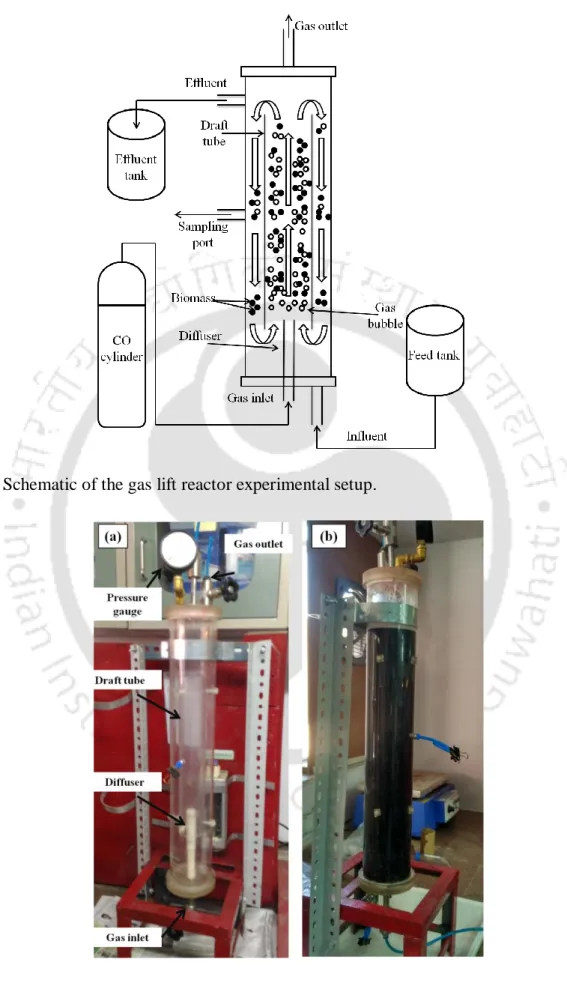
Therefore, as the bubble size decreases, the flux increases, which improves the overall gas-liquid mass transfer (Munasinghe and Khanal, 2010; Bredwell et al., 1999). It is also easy to improve the mass transfer by controlling the liquid flow rates. The draft tube is always an inner tube (called gas lift bioreactor with an internal loop) or an external tube (called gas lift bioreactor with an external loop) which improves circulation and gas liquid mass transfer and equalizes shear forces in the reactor.
The authors reported that at high retention time (>5.5 h), CO conversion resulted in hydrogenotrophic methane production, while at short HRT, H2 production was greater.
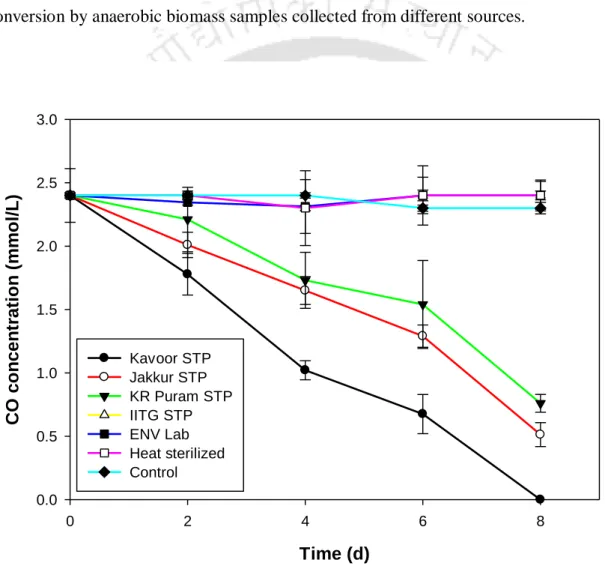
Carbon monoxide conversion by anaerobic biomass: screening,
Introduction
Since the 1980s, a number of carboxydotrophic bacteria/archaea capable of efficient biological CO conversion have been reported. Such eco-friendly and sustainable solutions for CO conversion are feasible at small as well as commercial scales due to the economics of the process (Parshina et al., 2010). From the reported literature, it is clear that only few numbers of microorganisms have been studied for biological CO conversion to useful products.
Therefore, the focus of research should shift towards the exploration of mesophilic organisms capable of CO conversion.
Materials and methods
- Screening of anaerobic biomass for carbon monoxide conversion. 57
- CO conversion pathway elucidation
- Microbial community analysis
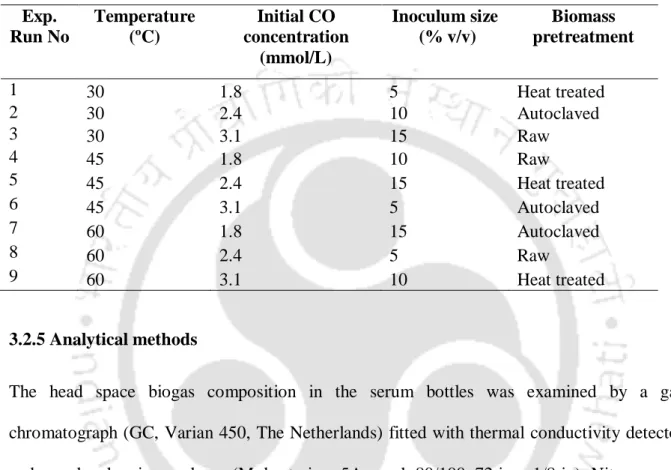
- Effect of process parameters and biomass pretreatment on CO
- Analytical methods
Assays to assess CO conversion with biomass samples collected from different sources were carried out under anaerobic conditions using 120 ml serum bottles (Sigma Aldrich, India) sealed with a polytetrafluoroethylene (PTFE) septum. Bottles without added biomass or with autoclaved biomass served as controls in these CO conversion experiments. In order to understand the CO conversion pathway followed by the microorganisms present, a methanogenic inhibitor was added to batch bottles of serum.
For the analysis of the microbial community, the biomass that showed the best results for CO conversion was selected, i.e.
Results and discussion
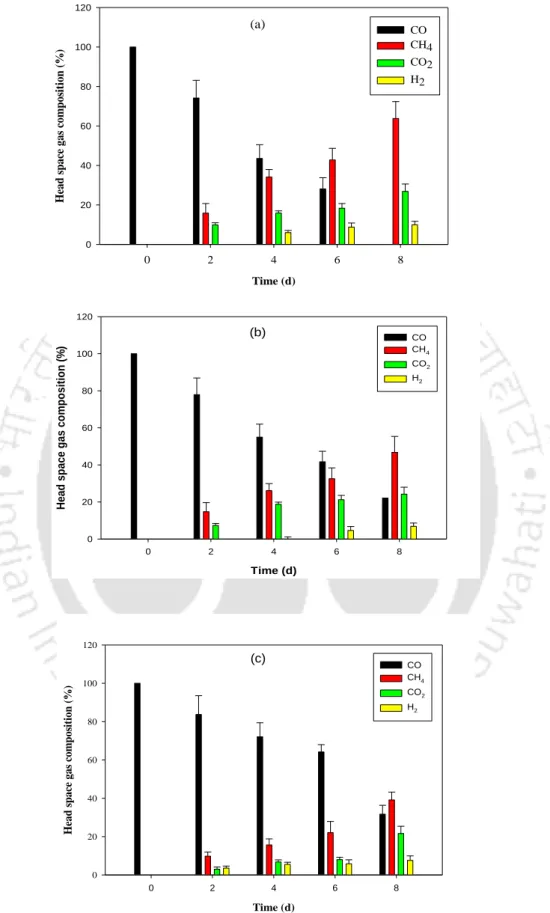
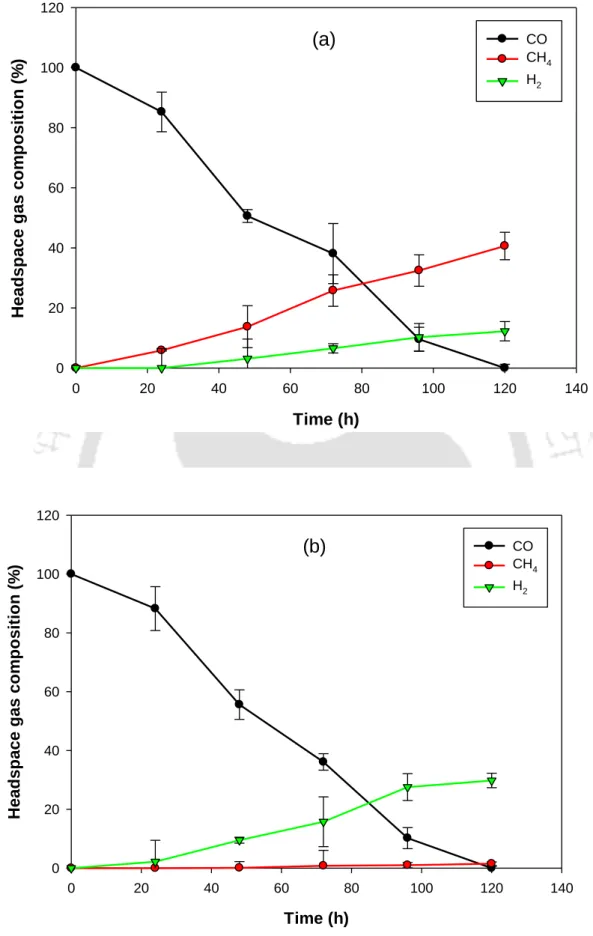
- Screening of anaerobic biomass for hydrogenogenic CO
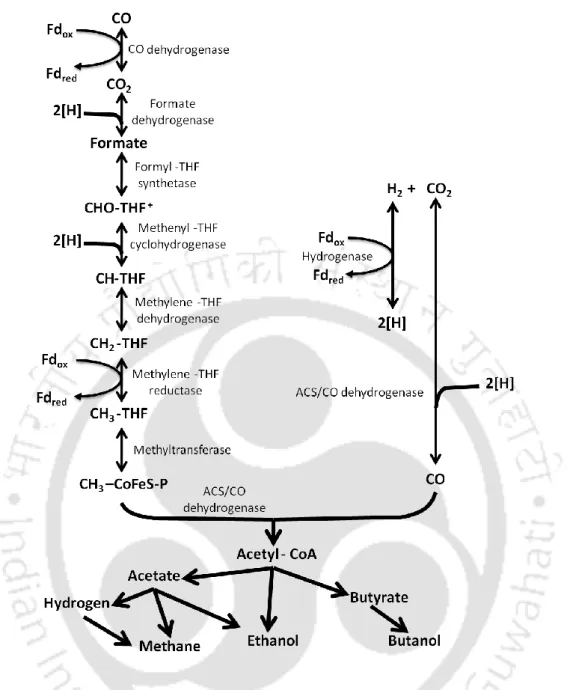
- CO conversion pathway
- Microbial community analysis
- Effect of process parameters and biomass pretreatment on CO
The production of methane as a major product of CO conversion suggests that the anaerobic biomass contains actively metabolizing methanogenic bacteria. For example, level 2 of each of the variables (inoculum size, CO partial pressure (PCO), and temperature) was the most significant for both CO conversion and sulfate reduction of the raw anaerobic biomass. This ranking suggests that the raw biomass had the maximum effect, whereas initial CO concentration had the least effect on CO conversion and sulfate reduction of the anaerobic biomass from the Kavoor STP.
Among the anaerobic biomass collected from different sources, the biomass from Kavoor STP yielded the maximum CO conversion efficiency along with hydrogen production.
Kinetic modeling of batch biohydrogen production from carbon
Introduction
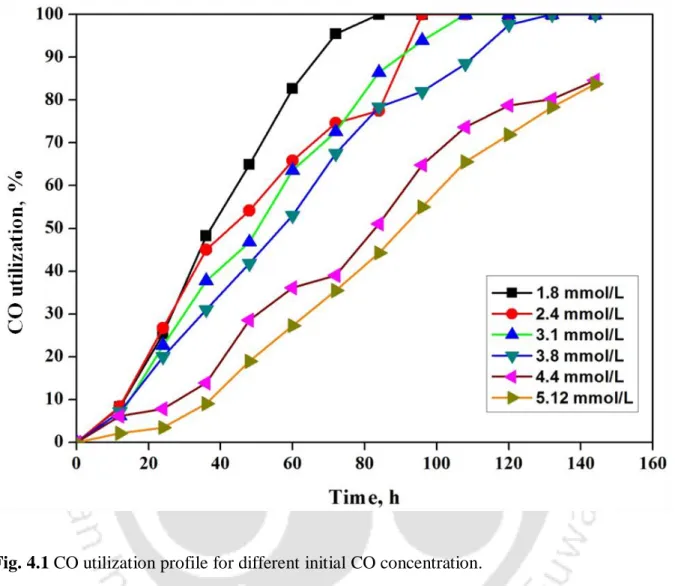
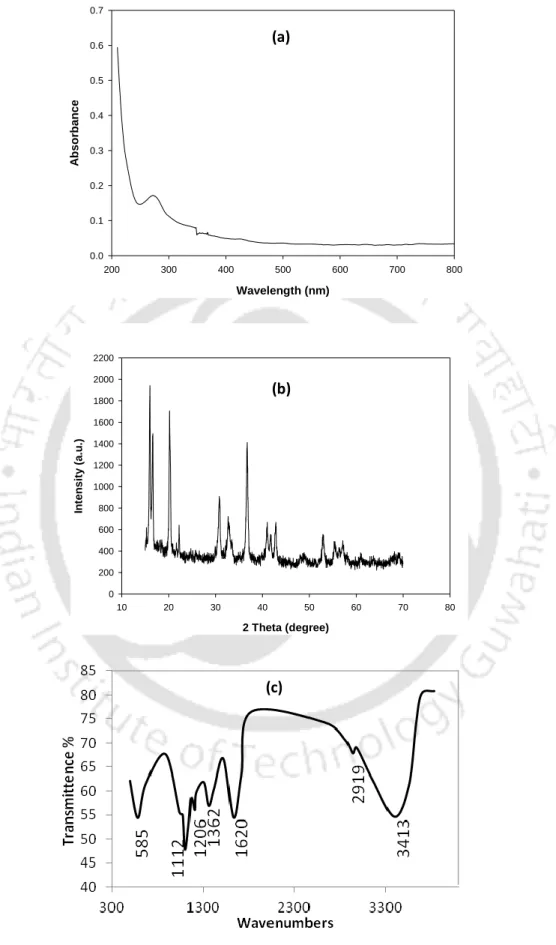
The kinetics of CO utilization, biomass growth and H2 production by anaerobic biomass using CO as the sole carbon and energy source were analyzed for different initial CO concentrations in the range of mmol/L. The XRD analysis confirmed the presence of iron oxide (Fe3O4) and iron(III) oxide hydroxide (FeO(OH)) in the GT-INP. It is clear that the dissolved CO concentration increased significantly with an increase in the GT-INP concentration.
Biodesulfurization using CO as the sole carbon and energy source was further studied using the anaerobic biomass in the two bioreactor systems.
Materials and methods
- Kinetics of CO utilization, biomass growth and H 2 formation…
- Kinetics of substrate inhibition on biomass growth
- Product inhibition kinetics
- Analytical methods
Results and discussions
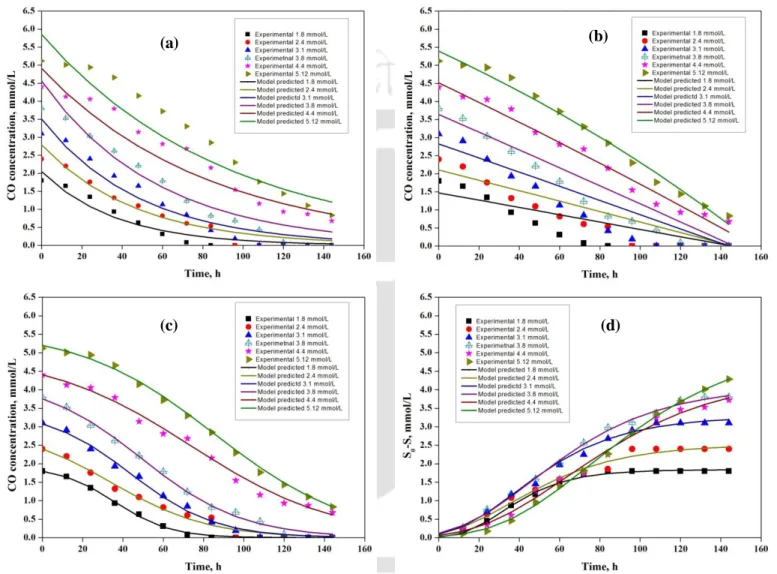
- Kinetics of substrate utilization
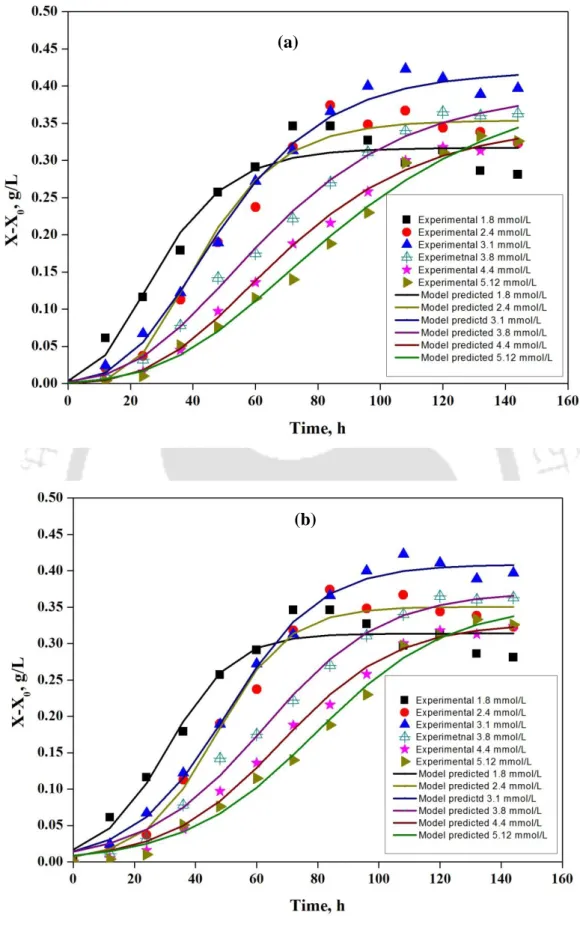
- Kinetics of biomass growth on CO
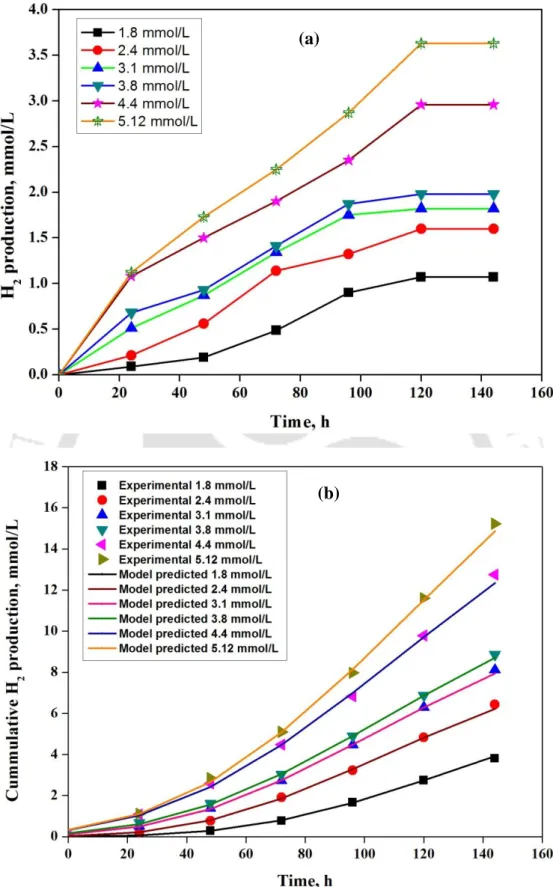
- Kinetics of bio-hydrogen production
- Kinetics of substrate inhibition on biomass growth
- Kinetics of product inhibition on biomass growth and bio-
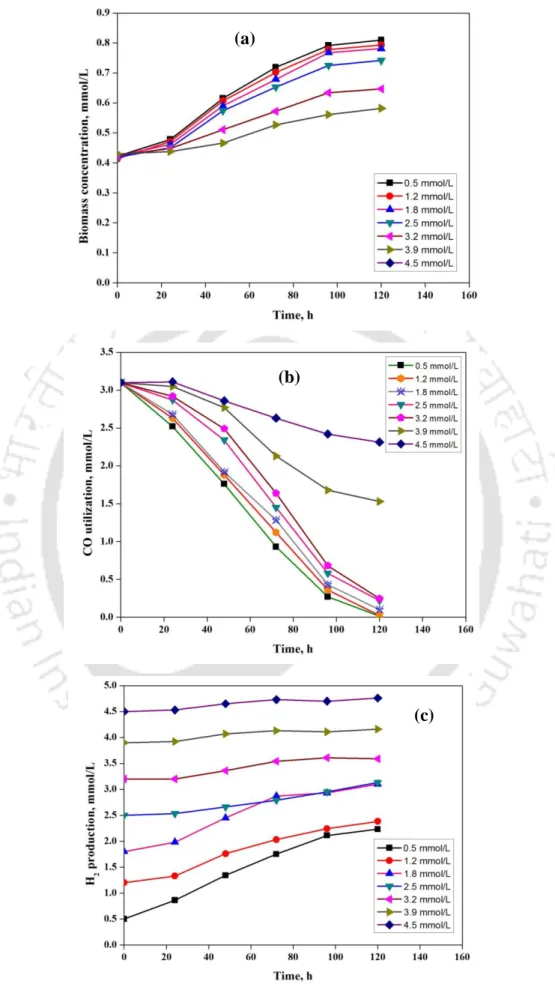
In addition, the effect of the initial concentration of CO on its specific rate of utilization is shown in the figure. The highest biohydrogen values of 3.63 mmol/L were produced for an initial CO concentration of 5.12 mmol/L and no substrate inhibition. Thus, the modified Gompertz model could successfully predict the cumulative behavior of hydrogen production by anaerobic biomass at different initial CO concentrations.
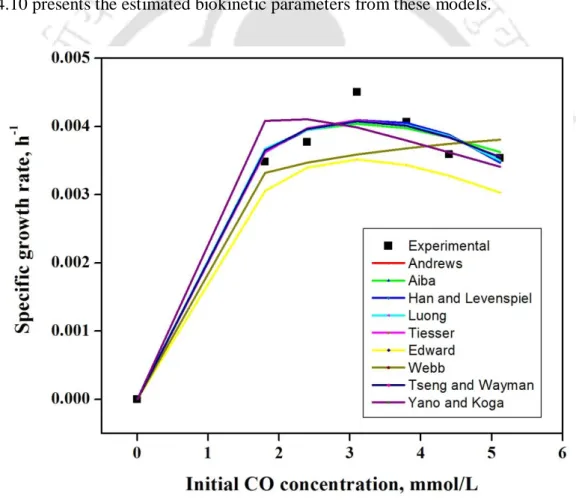
The specific growth rate increased with increasing initial CO concentration for concentration values as low as 3.1 mmol/L and above which the value decreased.
Simultaneous removal of heavy metal and sulfate using CO as
Introduction
Sulfate-containing wastewater released from industrial sources contains other inorganic pollutants such as heavy metals. However, heavy metals exert toxic effects on almost all living organisms, including SRBs. In this current study, CO is investigated as an alternative carbon source for biological treatment of sulfate-rich wastewater containing heavy metals as co-pollutants.
The removal of these heavy metals by sulfide precipitation and its detailed characterization using various instrumental techniques were also studied.
Materials and methods
- Experimental methodology
- Analytical methods
All experiments were performed in triplicate and results were presented in mean ± standard deviation format. The biogas composition of the headspace in the serum vials was analyzed using a gas chromatograph (GC, Varian 450, The Netherlands) equipped with a thermal conductivity detector (TCD) and a molecular sieve column (Sosha mol 5A, grid at × 1/8 inch ) using methods described earlier in Chapter 3. The concentration of metals in the samples was determined using an atomic absorption spectrometer (Varian, AA240, The Netherlands) according to APHA (2005).
The sulfide concentration in the samples was measured according to the method described by Cord-Ruwisch (1985).
Results and discussion
- Effect of heavy metals on sulfate reduction and CO
- Morphological analysis and characterization of the metal
However, CO was less utilized in the presence of heavy metals and the efficiency deteriorated with increasing metal concentration in the medium. Sulfate reduction and CO utilization efficiency decreased with increasing heavy metal concentration in the medium, indicating inhibition of SRB activity by heavy metals at dissolved heavy metal concentration (Velasco et al., 2008). At low initial metal concentration in the range of 5-25 mg/L, there were no significant differences in the removal rates of various heavy metals (Figure 5.5).
The variations in the removal efficiency of the different heavy metals are attributed to their different solubility product values with sulfide.

Evaluation of biologically synthesized nanoparticles for
Introduction
This low solubility and gas-liquid mass transfer (kLa) of CO reduces the efficiency of the process by decreasing the bioavailability of CO to microorganisms. It was observed that the surface-activated nanoparticles increased the CO-water mass transfer and the mercaptopropyl groups grafted nanoparticles gave a maximum CO-water mass transfer (up to 1.9 times increase). The presence of functional groups on nanoparticles and their hydrophobicity is reported to significantly enhance the water mass transfer of CO (Kim and Lee, 2016; Zhu et al., 2008).
In this current study, biologically reduced iron nanoparticles were used to improve the water solubility of CO by improving the gas-liquid mass transfer coefficient.
Materials and methods
- Synthesis of iron nanoparticles
- Characterization of GT-INP
- Effect of GT-INP on CO solubility in water
- Effect of GT-INP on CO bioconversion to H 2 and sulfate reduction 130
The morphology and structure of the GT-INP were similar to those reported in the literature (Klačanová et al., 2012; Huang et al., 2014). Similarly, in the previous experiments, a maximum CO solubility was achieved due to addition of 1000 mg/L GT-INP in the media. During the later phase (Phase III) of the reactor operation, an increase in the inlet CO concentration to 29 mmol/L slightly decreased the CO utilization from 75 % and 71 % for GLR and MBBR, respectively.
The results showed that H2 production increased gradually with an increase in the inlet CO concentration for both bioreactor systems.
Results and discussion
- Characterization of GT-INP
- Effect of GT-INP on CO aqueous solubility of CO
- Effect of GT-INP on CO bioconversion to H 2
- Effect of GT-INP on biological sulfate reduction
Significant findings
Characterization of the biologically synthesized GT-INP revealed spherical or semi-spherical aggregated nanoparticles with a size range of 50–90 nm. The effect of GT-INP synthesized using green tea extract on hydrogenogenic CO conversion and sulfate reduction was studied. The hydrogen production and sulfate reduction profile showed better results with GT-INP addition compared to those of experiments without nanoparticle addition.
Furthermore, from the experimental results, it is clear that GT-INP is effective in not only improving hydrogenic CO conversion and biological sulfate reduction, but also reducing the reaction time.
Performance evaluation of bioreactor system for
Introduction
The recommended upper limit for the concentration of sulphate in water intended for human consumption is 250 mg/l (Sawyer et al., 2003). However, the process requires an external carbon and energy source, which is based on its suitability for the process and its availability at a reasonable cost (Dries et al., 1998). In this context, the use of CO-derived H2 can be considered a very good alternative to pure H2 (Parshina et al., 2010).
Proper design of bioreactor and its operation is one of the main challenges for successful scale-up of sulfate reduction process using CO as the sole carbon and energy source (Yasin et al., 2015; Parshina et al., 2010).
Materials and methods
- Rector setup
- Gas lift reactor
- Moving bed biofilm reactor
- Startup operation and hydrogenogenic CO conversion
- Biological sulfate reduction using CO as the sole carbon source… 152
The gas flow into the reactor was measured and controlled by a rotameter with a needle valve. The scheme of the experimental setup and photos of the reactor are shown in Figure 7.3 and Figure 7.4, respectively. In addition, CO was supplied to the reactor at a low flow rate of 0.01 L/h to acclimatize the anaerobic sludge for growth and metabolism using CO as substrate.
Samples were collected at regular time intervals to analyze the gas composition and VFA concentration at the reactor outlet.
Results and discussion
- Characterization of the biofilm
- Hydrogenogenic CO conversion
- Sulfate reduction
The reactor performance in terms of both CO conversion and H2 production in this study is found to be better compared to that reported in the literature. With an increase in the influent sulfate concentration, the sulfate reduction efficiency initially decreased but it gradually improved to reach 89.2 % and 85.66 % for GLR and MBBR, respectively (Fig. 7.8). The inlet CO concentrations were the same during the first two phases of the study, but some variation in the CO utilization and outlet CO concentration could be seen from the figure.
This can be attributed to the reduced CO gas residence time in the reactor with increase in the inlet CO flow rate.
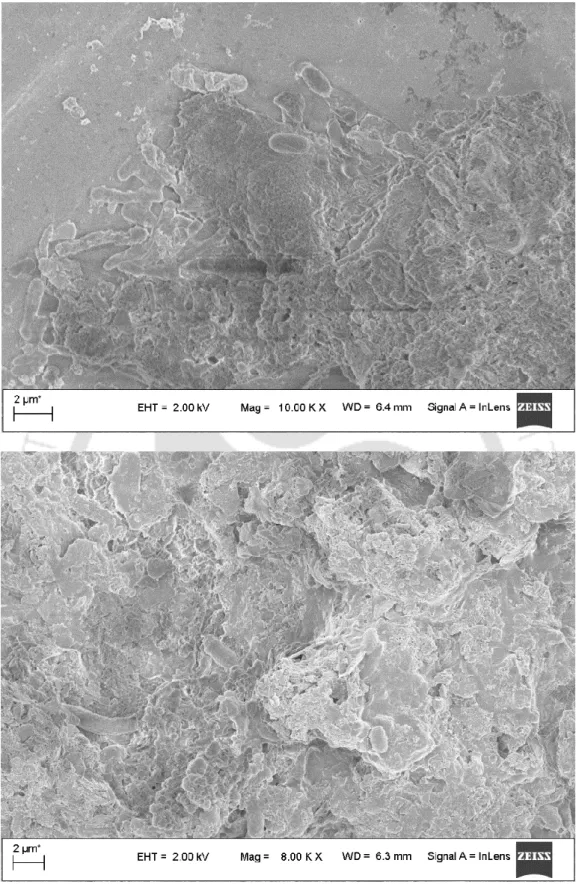
Significant findings
Summary and conclusions
Additionally, H2 production can be coupled with an immediate H2 utilization step, such as sulfate reduction using CO as the sole carbon source, in order to avoid H2 accumulation in the system. Simultaneous removal of heavy metals and reduction of sulfate with CO as the sole source of carbon and energy was achieved using anaerobic biomass. However, the presence of heavy metals was detected for both CO utilization and sulfate reduction by anaerobic biomass.
Overall, this study demonstrated the excellent potential of the indigenous mesophilic anaerobic biomass not only for CO conversion to H2, but also for environmental applications such as sulfate reduction and heavy metal removal from wastewater.