Volatility is one of the main characteristics of gasoline, which determines its suitability for use in an SI engine. Since gasoline is a mixture of different hydrocarbons, volatility depends on the partial composition of the fuel. The usual property of measuring the volatility of the fuel is the distillation of the fuel in special equipment at atm pr.
The method of measuring volatility is standardized by the American Society of Testing Materials (ASTM) and .. the graphical representation of the tests is generally referred to as the ASTM Distillation Curve. A certain proportion of the gasoline must evaporate at room temperature for the engine to start easily. Hence, the portion of the distillation curve between 0 and 10% that is boiled off has relatively low boiling temperatures.
Low distillation temperatures are desirable throughout the range of the distillation curve for best heating. In order to achieve a good vaporization of the gasoline, low distillation temperatures are preferable in the engine's operating range.
CI Engine Fuels
Gum deposits can lead to clogging of carburetor jets and expansion of valve stems, cylinders and pistons. Sulfur is the corrosive element of fuel that can corrode fuel lines, carburetors and injection pumps and will combine with oxygen to form sulfur dioxide, which, in the presence of water at low temperatures, can form sulfuric acid. Since sulfur has a low ignition temperature, the presence of sulfur can lower the auto-ignition temperature, subsequently promoting knocking in the SI engine.
These requirements are directly related to the presence of sulphur, ash and residues in the fuel. The fuel must be a liquid that will flow easily under all conditions encountered in the actual case.
Rating of fuels:-
Rating of CI engine fuels:-
Rating of SI engine fuels:-
Therefore, the engine and its operating variables must be set to default values to determine fuel knock resistance. The octane number of a fuel is defined as the volume percentage of iso-octane in a mixture of iso-octane and normal heptanes, which exactly corresponds to the knock intensity of the fuel in a standard engine under a range of standard operating conditions. The octane rating on the higher scale range will produce a greater anti-knock effect compared to the same unit at the lower end of the scale, e.g.
The addition of some chemicals such as tetraethyl lead (TEL) to iso-octane produces fuels with greater antiknock properties. Some additives are used to improve the combustion in the IC engines which are discussed in the next section.
Additives:-
Alternative fuels for SI and CI engines:-
Solid fuels:-
Liquid fuels:-
Advantages:-
Disadvantages:-
Gaseous fuels:-
Hydrogen :-
At the end of the compression stroke, diesel fuel is injected and the combustible mixture is combusted. But hydrogen must be kept within certain limits as it can cause a high pressure rise. But the auto-ignition temperature of hydrogen is high, so it spreads to the hot glow plug in the combustion chamber, which leads to the burning of hydrogen.
Hydrogen is a highly reactive fuel, so great care must be taken when handling it. A flame arrester should be used to stop any potential flashback from the engine cylinder into the storage tank.
Natural gas:-
It can be stored in two ways, as compressed natural gas (CNG) and as liquefied natural gas (LNG). Compressed natural gas (CNG) is now widely used in major cities such as Delhi where car emissions have exceeded limits as the emissions from combustion of CNG are significantly lower compared to the emissions of a petrol engine.
Liquefied petroleum gas:-
Other possible fuels:-
It is obtained by distilling resin which is obtained from trees, generally from pine.
Acetylene:-
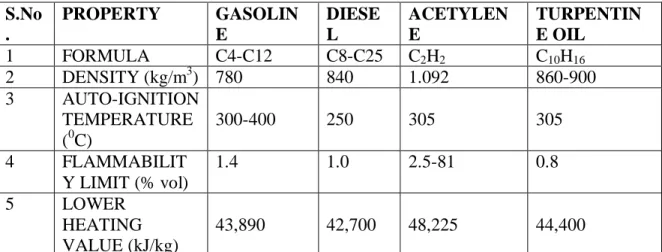
Physical and Chemical Properties APPEARANCE: Colorless gas
Experimental setup and the
Methodology
Engine performance parameters:-
Calculations
Calculations:-
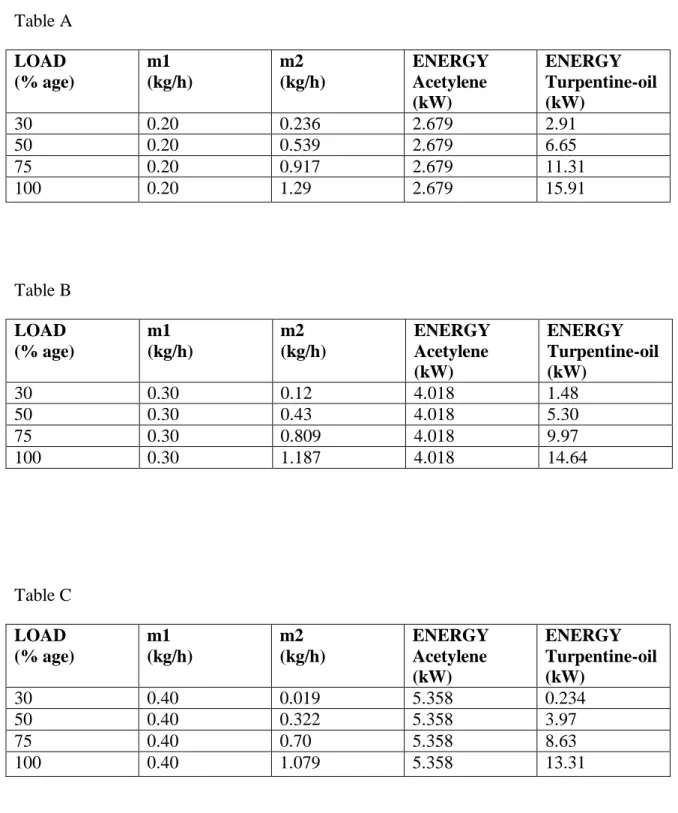
Similarly, calculations are made for 0.30 kg/h and 0.40 kg/h and results are obtained for the following cases.
Results and discussion
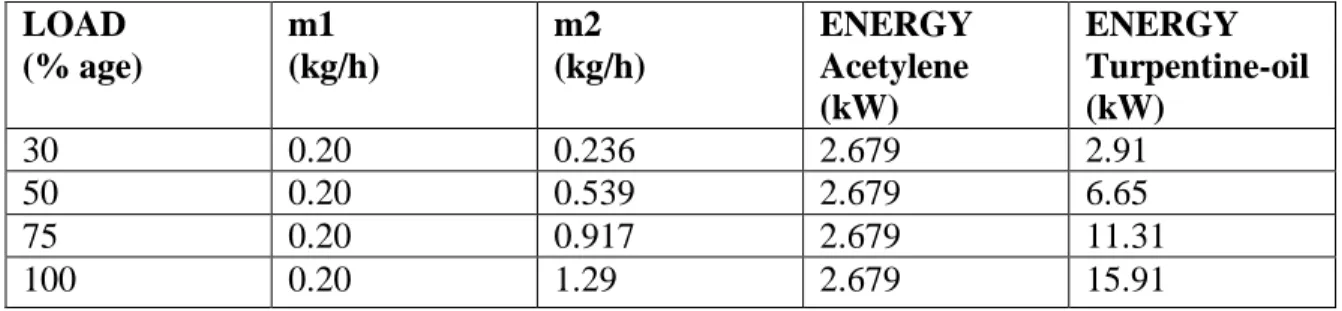
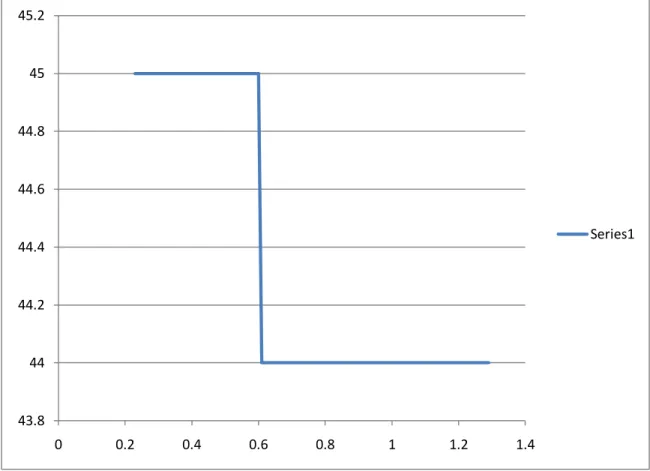
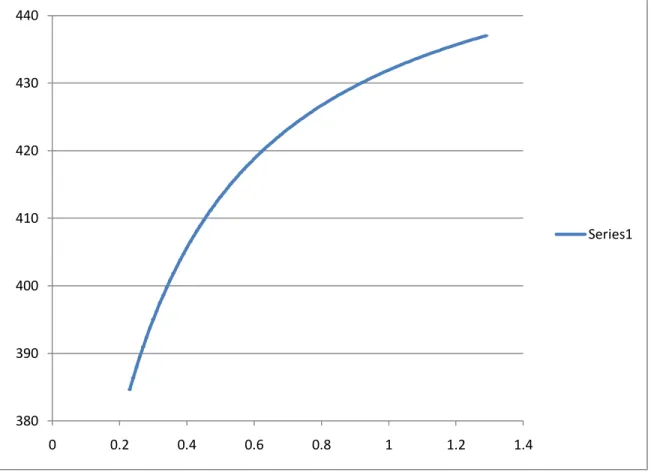
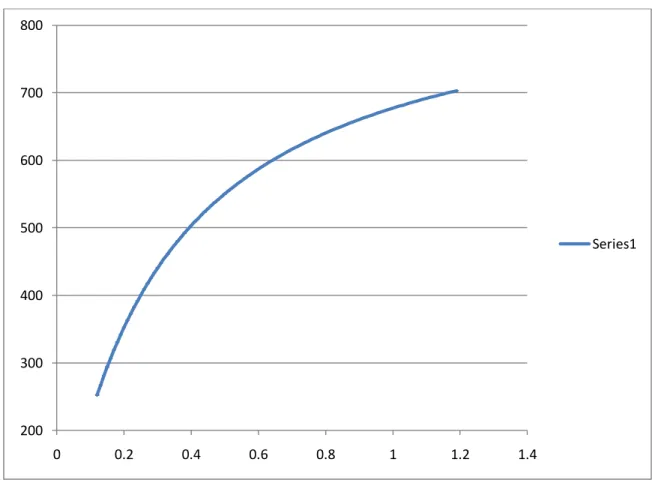
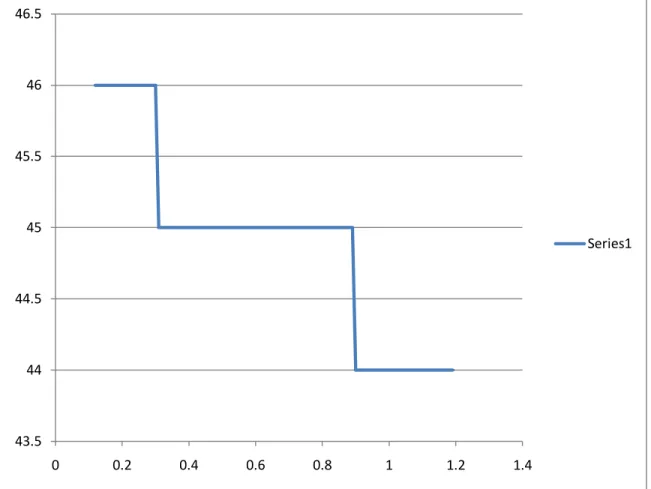
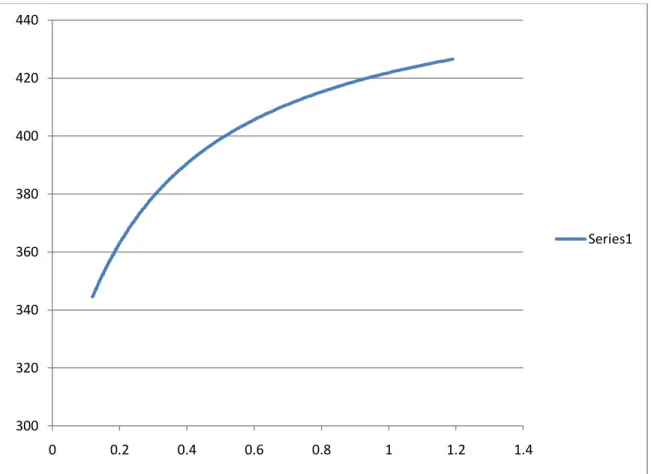
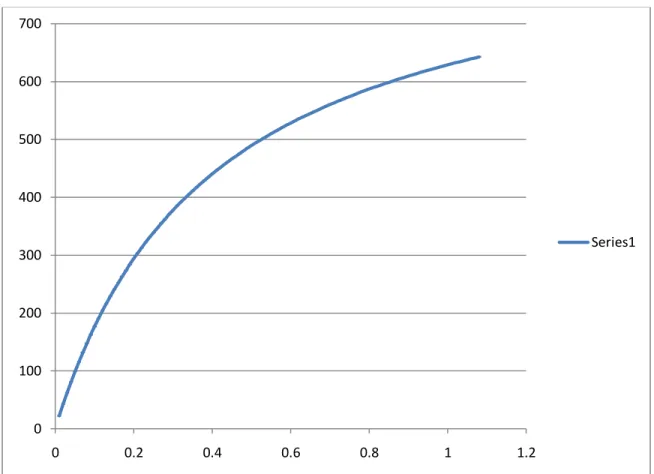
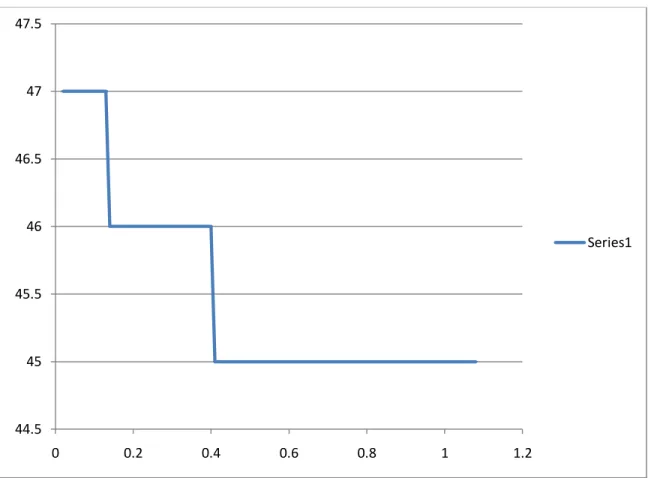
The mixture properties at different conditions are plotted with the above data using a C++ program, the data is generated by varying the properties of the two fuels viz. This graph shows the change in temperature of the mixture as the temperature of the turpentine oil changes from normal conditions, ie. the mass flow rate is determined here for acetylene and turpentine oil.
So this graph shows the change in temperature with change in temperature of turpentine oil only. In all the graphs below, the x-axis represents the mass flow rate of turpentine oil in kg/h Graph 2 (density v/s mass flow). In this graph, the acetylene mass flow rate is fixed at 0.20 kg/h and the turpentine oil mass flow rate varies from the mass flow at 30% load, i.e.
Since the density of turpentine is much greater than that of acetylene, as the mass flow rate of turpentine oil increases, the density of the mixture increases as shown in the graph. As can be seen when the mass flow rate of turpentine oil increases, the calorific value of the mixture decreases, since acetylene has a higher calorific value than that of turpentine oil. The flow rate of the turpentine oil is varied and the mixing temperature is obtained.
Similarly, graphs are drawn taking the mass flow rate of acetylene as 0.30 kg/h and 0.40 kg/h.
Conclusion