No part of this book may be reproduced, stored in a retrieval system, or transmitted in any form or by any means: electronic, electrostatic, magnetic, tape, mechanical photocopying, recording, or otherwise, without permission in writing from the publisher. The authors believe that a deeper understanding of the effect of cognitive intervention will greatly contribute to human welfare and education for all generations.
Cognitive Aspects in Idiopathic Epilepsy
Abstract
- Introduction
- Epilepsy and Cognition
- Cognitive States with Antiepileptic Medications
- The Vulnerability of Immature Brains to the Cognitive Adverse Consequences
However, an adverse effect on cognitions has been observed with some AEDs, even in the therapeutic ranges of the drug. Sherifa A. Hamed 10 . deficits associated with epilepsy and EEG epileptic discharges can be transient [78,79] , persistent [80] , or progressive [3,52] . a) The mechanisms of transient epileptic amnesia associated with ictal and subictal epileptic activity.
Clinical and Research Implications
It is also important to note that children born to epileptic mothers who function within normal limits may have disturbances in higher cortical functions (such as memory, attention, speech and language, abstract thinking, and executive control) that do not manifest themselves . until the child enters primary school. Therefore, specific, sensitive, long-term outcomes need to be developed to assess cognition in epilepsy.
Cognitive effects of oxcarbazepine compared with carbamazepine or valproate in newly diagnosed children with partial-onset seizures. Effects of levetiracetam as adjunctive therapy on cognitive function and quality of life in patients with refractory partial seizures.
Cognitive Impairment in Children with ADHD: Developing a Novel
Medication Response
Introduction
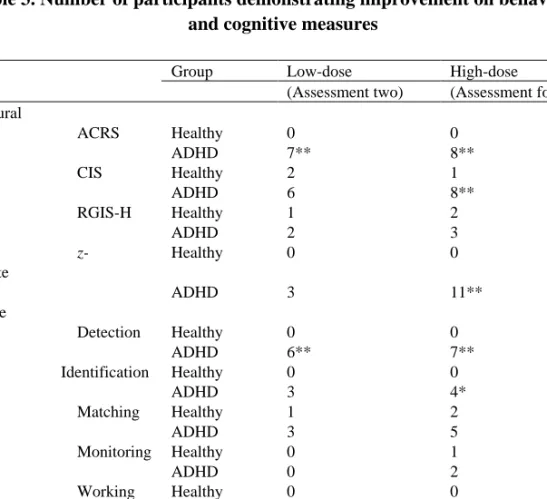
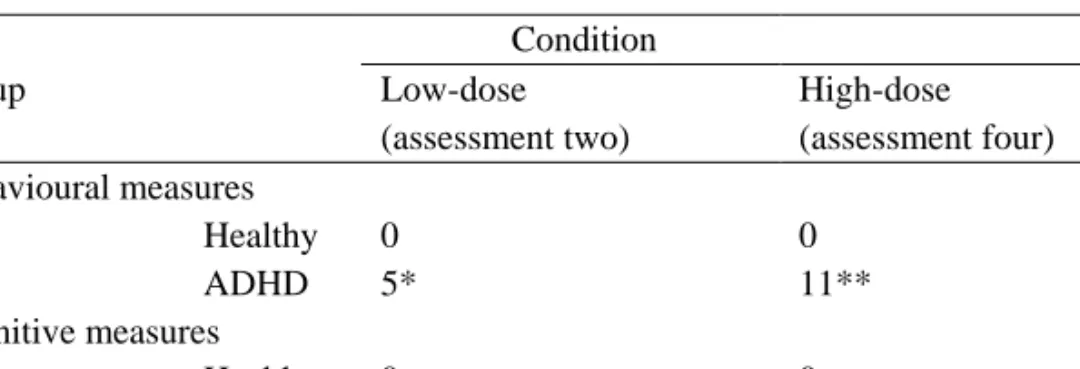
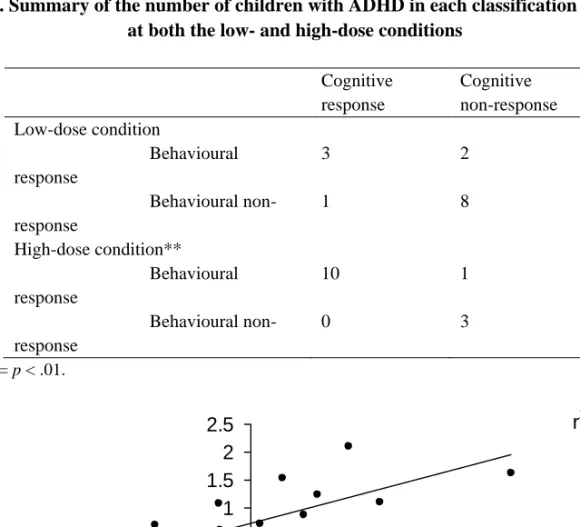
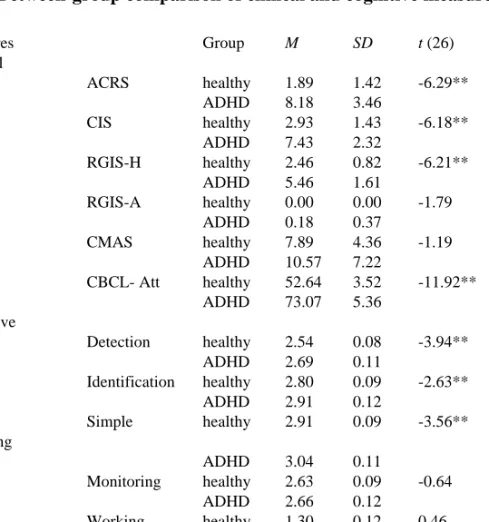
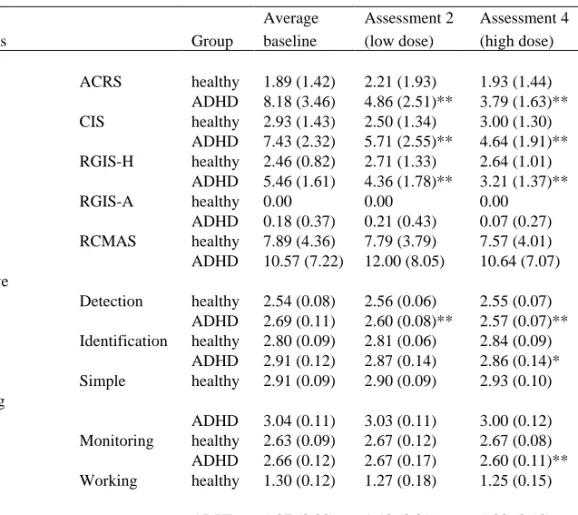
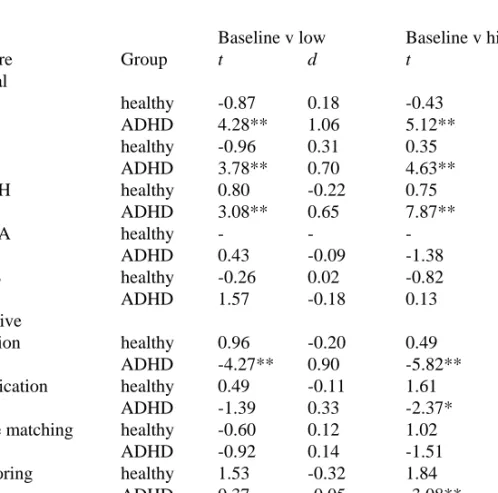
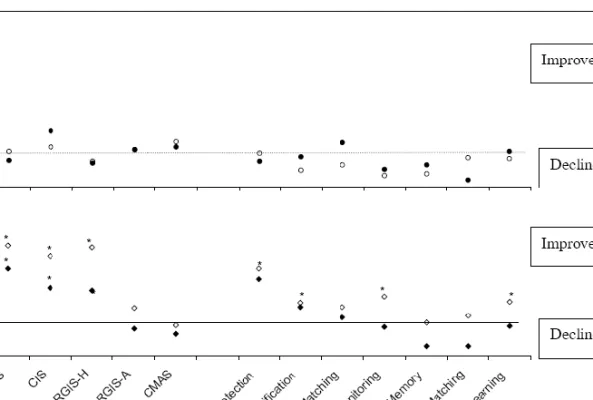
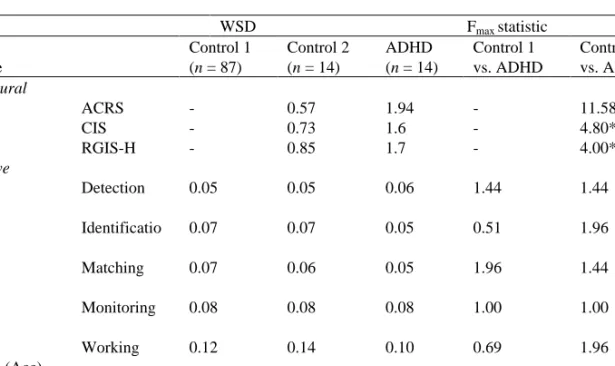
Summary of the number of children with ADHD in each classification category at low and high doses. Effects of stimulant medication on cognitive and behavioral function in children with attention deficit/hyperactivity disorder (ADHD-CT).
Novel Therapies for Alzheimer's Disease: Potentially Disease
Modifying Drugs
Pathogenic Mechanisms at the Basis of Alzheimer’s Disease
However, its mRNA levels have been shown to be increased in the entorhinal cortex and superior temporal gyrus of AD patients [26]. Several data show that its levels are increased in the brains of AD patients, as well as in plasma and cerebrospinal fluid.
Disease Modifying Drugs for Alzheimer’s Disease Treatment
A preliminary analysis revealed that patients with mild AD (MMSE: 20–26) and moderate AD (MMSE: 15–19) responded differently to tarenflurbil on ADAS-Cog and ADCS-ADL, therefore these groups were analyzed separately. The primary outcome measure was change in the cognitive subscale of the Alzheimer's Disease Assessment Scale (ADAS-cog).
Acknowledgments
Treatment with a copper-zinc chelator significantly and rapidly inhibits amyloid accumulation in transgenic mice with Alzheimer's disease. Efficacy and safety of tarenflurbil in mild to moderate Alzheimer's disease: a randomized phase II trial.
Cognitive Interventions to Improve Prefrontal Functions
Functions of Human Prefrontal Cortex
The first seminal case of a prefrontal brain lesion was that of Phineas Gage (Damasio et al., 1994). Previous neuroimaging studies have shown that dysfunction of PFC is related to various psychiatric disorders, such as schizophrenia (Lawrie et al., 2008; Weinberger et al., 2001).
Functions Associated with PFC as Target of Intervention Studies
Cognitive Interventions to Improve Prefrontal Functions 99 the developmental state of the PFC varies with age (Lemaitre et al., 2005). For example, gray matter volume does not reach adult levels in the dorsolateral prefrontal cortex at least until late adolescence (Whitford et al., 2007).
Transfer Effects of Cognitive Interventions
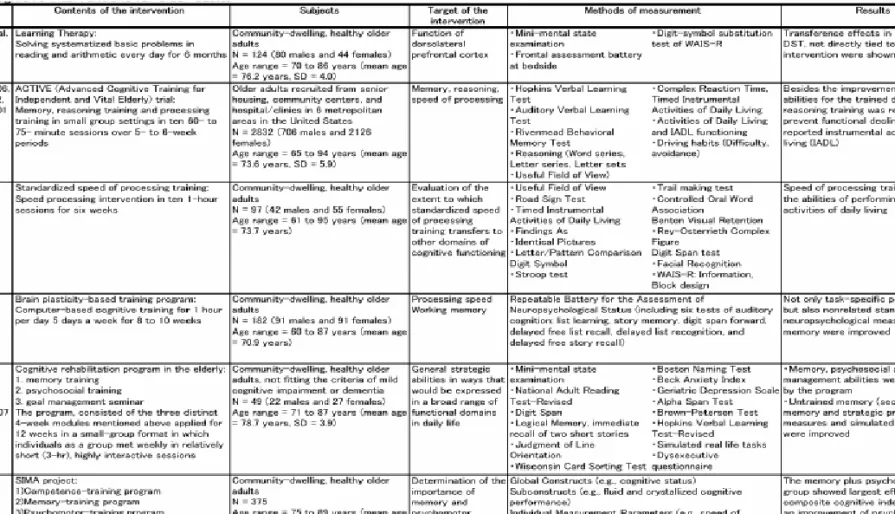
Given these developmental characteristics of the PFC, most cognitive interventions in early childhood are aimed at improving executive function; The executive function is highly developed in early childhood between 3 and 5 years (Garon et al., 2008). For older adults, interpretations in many studies aimed to maintain various functions of daily life to prevent dementia (Fillit et al., 2002; Kramer et al., 2005).
Recent Advancements in Cognitive Intervention Methods
Their curriculum called Mind Tools (Tools) was designed to improve the EF of preschoolers in regular classrooms with regular teachers at a minimal cost. -Pre-intervention changes in test scores of the intervention group were compared with those of the control group.
Future Directions of Cognitive Interventions
As discussed in this article, cognitive interventions improved the children's cognitive functions and improved their executive functions. These findings are very important because improving children's executive functions leads to a reduction in their behavioral problems, such as aggressive, disruptive and withdrawn behavior.
Conclusions
We believe that a deeper understanding of the effects of cognitive interventions will greatly contribute to human welfare and education for all generations. Insights from spontaneous modulations of the brain's default network when distinguishing reality from fiction.
Insights from Proteomics into Mild Cognitive Impairment, Likely the
- Introduction
- Two-Dimensional (2D) Gel Electrophoresis (GE) Based Proteomics
- Candidate Biomarkers in CSF for the Progression of MCI to AD
- Proteomics Analyses of Brain from MCI Patients
- Redox Proteomics Analyses of Brain from MCI Patients
- Concanavalin-A Associated Glycoproteins in Brain Regions from MCI Patients
- Conclusion
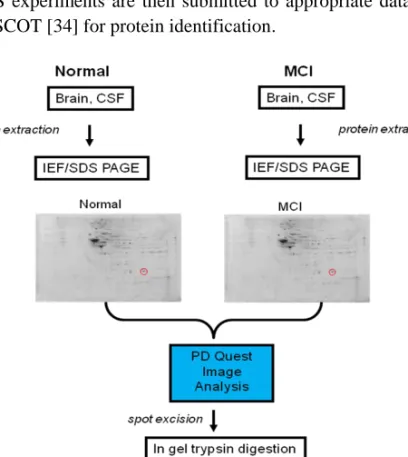
The observed impairments of glycolytic proteins in MCI brain suggest that energy metabolism is a key player in the progression of MCI to AD. Pin1 is oxidized in MCI brain [11] and has previously been reported as oxidized in AD brain [55].
Acknowledgements
R.; Sultana, R., Elevated levels of 3-nitrotyrosine in the brain of subjects with amnestic mild cognitive impairment: implications for the role of nitration in the progression of Alzheimer's disease. Catani, M.; Cecchetti, R.; Senin, U.; Mecocci, P., Plasma antioxidants are similarly depleted in mild cognitive impairment and in Alzheimer's disease.
Animal Models for Cerebrovascular Impairment and its Relevance
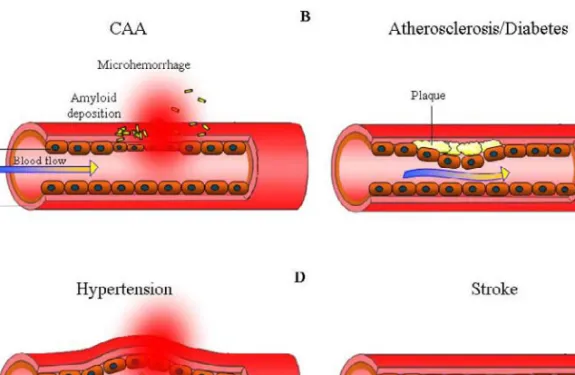
High blood pressure (HBP) or hypertension is defined as high pressure (tension) in the arteries. The E693Q mutation in the amyloid beta precursor protein (APP) leads to cerebral CAA, with recurrent cerebral hemorrhagic strokes and dementia [93].
Conclusions
Subcortical vascular dementia is characterized by small vessel disease that includes white matter changes and lacunar infarcts. A rat model of vascular dementia was recently established by induction of brief middle cerebral artery occlusion (MCAO) without concomitant sensorimotor deficits.
Acknowledgment
Topographic distribution of cerebral amyloid angiopathy and its effect on cognitive decline is influenced by Alzheimer's disease pathology. Beta-amyloid is focally deposited in the outer basement membrane in amyloid angiopathy of Alzheimer's disease.
The Critical Role of Cognitive Function in the Effective Self-administration
C. Allen
Because much of the work in this area has been done in the area of patient use of inhalers and spirometry, the review will frame the problem largely in the context of inhaled respiratory medications. However, to achieve an adequate therapeutic effect, sufficient drug deposition must occur in the medium and small airways [1].
The Scale of the Problem
Both asthma and COPD are common in old age, so it is common for general practitioners, respiratory medicine specialists, geriatricians and internal medicine specialists to be faced with the dilemma of how best to assess an elderly patient for inhaled maintenance therapy and how they can choose maintenance therapy with inhalation. appropriate method of delivery. This clinical challenge will be used to illustrate the need to consider a patient's cognitive state, including subtle degrees of impairment, when deciding how best to administer patient-managed treatments in old age.
Errors in Inhaler Technique Observed in Elderly Patients
These include, for metered dose inhalers: failure to activate the device in the early phase of inhalation, activation without inhalation and activation at the end of inhalation or during exhalation [20,]. Less common errors include failure to hold the breath at the end of inhalation and slightly late inhalation or activation [20,31].
Non-cognitive Barriers to an Effective Inhaler Technique
In most studies, the most common technical errors are related to poor coordination between operating the devices and inhaling; sometimes referred to as hand-lung-in coordination [20,28,29]. Certain other common errors are related to the specific technology of devices, for example failure to rotate the scraper ring on the TurbohalerTM.
The Importance of Cognitive and Executive Function
Overall Cognitive Function and the Role of Screening Tests
We conducted a study of the ability of patients (50 patients age 70 years or more), 36 women, average age 81 years with normal cognition (abbreviated mental test score 8-10/10), borderline cognition (abbreviated mental test score 7/ 10 ) and three groups of patients with disability, each with abbreviated mental test scores of and 4/10 respectively. Furthermore, a threshold analysis allowed us to demonstrate that some patients with cognitive impairment can learn to use the simpler devices, and again we showed that an abbreviated mental test score of <7/10 predicted the likelihood that some patients will not learn the technique. .
The Importance of Praxis and Ideo-motor Function
To explore this, we conducted a study of patients over the age of 75 with a normal Abbreviated Mental Test score. Furthermore, about 90 percent of patients with an adequate inhaler score had an Ideo-Motor Dyspraxia Test score of 14/20 or greater (14 is usually accepted as the threshold of normal) [43] (P<0.01).
Executive Function
More importantly, we demonstrated a threshold effect in that no subject with a Mini Mental State Examination score of <23/30 had an adequate inhaler score. The more sophisticated Mini Mental State Examination is therefore probably more accurate in that context.
Another Example – Cognitive Function as a Determinant of Acceptable Spirometry Technique
We confirmed a significant positive correlation between the metered dose inhaler analogue score and the Mini Mental State Examination (r = 0.54, P < 0.002) and demonstrated a highly significant negative correlation with the EXIT25 (where higher scores indicate greater impairment) (r = - 0.702, P<0.0001). A similar threshold to that in the above study was found for the Mini Mental State Examination, in this case <24/30, to predict the inability to acquire a competent TurbuhalerTM technique.
Implications for the Design of Devices for the Self-administration of Drugs
Summary
Inhaler technique of elderly patients: comparison of metered dose inhalers and large volume spacer devices. Comparison of four tests of cognition as predictors of the ability to use metered dose inhaler technique in age Age Aging 2009: in press (abstract).
Foetal Alcohol Spectrum Disorders
Background
Britain’s Binge Drinking Culture
The Effects of Alcohol on the Developing Foetus
These disorders exist on a spectrum ranging from the full presentation of Fetal Alcohol Syndrome (FAS) to a set of conditions that affect the neurobehavioral representations of the condition without encompassing all the features. An overview of the characteristic features of these disorders can be seen in the diagram above.

Epidemiology of FASD
A diagnosis of ARND is made when maternal alcohol use can be confirmed along with prominent neurocognitive deficits, but in the absence of facial features or growth retardation. A diagnosis of ARBD is made when maternal alcohol use can be confirmed along with behavioral or structural abnormalities, but where facial features may be absent, while PFAS requires evidence of maternal drinking combined with some facial features and neurocognitive deficits, but other features may be absent.
The Impact of Alcohol upon the Developing Brain
A reduction in the size of the basal ganglia has been observed (Mattson et al, 1996a), which has been associated with spatial memory deficits and set-shifting difficulties in animals (Mattson et al 1996b; Mattson and Riley, 1999). Similarities in the problems of children with FASD were compared to the problems of children with autism spectrum disorders.
Professional Knowledge of FASD
Eyes are a continuum of the central nervous system and are a sensitive indicator of heavy prenatal alcohol exposure (Autti-Rämö, 2002). Despite the fact that the mothers in the latter study were in a high-risk group, 73% of the case notes contained no record of the mother's alcohol consumption.
Implications for Education
Within the medical profession, there is little evidence of knowledge or understanding of the disorder at either general practitioner or even pediatric level (Nanson et al, 1995). Expectant mothers are rarely advised in contact with the midwife about the potential dangers of continuing to drink during pregnancy.
Conclusion
- studying the fundamental characteristics of autism; a comparison of autism spectrum disorder and fetal alcohol spectrum disorder. A practical clinical approach to the diagnosis of fetal alcohol spectrum disorder:. clarification of the 1996 Institute of Medicine criteria. 2000) Ethanol-induced apoptotic neurodegeneration and fetal alcohol syndrome.